
Review · SAPA TREKKING TOURS
Sapa: Ta Phin Village Trek with Lunch and Bathing Experience
Cardamom, caves, and a herbal bath, in one day. I really like the Hmong and Dao village time plus rice-paddy hiking that stays human-scale, not rushed. I also love that the day ends with a local herbal bath remedy to reset your body. One thing to consider, the cave visit and the pacing can feel different depending on your guide and how the day flows.
This is built for a small group, capped at 10 people, with an English-speaking guide (often guides like Su or Vang get praised for clear English and friendliness). You get a proper lunch at a traditional Hmong family restaurant, with views and an outdoor patio setup, not a boxed meal. If you’re comfortable walking for hours and you want real village context, this is a smart way to spend one long day around Sapa.
Key highlights to know before you go
- Small group (up to 10 people), so you can ask questions without feeling lost in the crowd
- Suối Hồ and cardamom valleys early in the day, including a look at precious cardamom trees
- Ma Tra lunch with a traditional Hmong family, outdoors when the weather treats you well
- Ta Phin Village culture plus Ta Phin Cave, including brocade work and herbal-medicine traditions
- Herbal bath remedy at the end, with a chance to bathe in private or shared spaces
- 20% massage discount after the trip at Massage Lits, 01 Hoàng Văn Thụ
Why the Ta Phin trek feels more real than a quick sightseeing loop
Sapa can be full of “walk a bit, photo stop, next bus, repeat.” This day is different because it connects food, farming, and daily life in a way you can actually understand as you move through the villages.
You start with a short nature walk through cardamom areas, then you follow trails and small roads through rice fields toward Ma Tra. After lunch, you shift into Ta Phin Village and Ta Phin Cave, where the story is about how the Hmong and Dao live, not just how they look in photos.
The herbal bath at the end is the practical payoff. After hours of walking, your body wants warmth and recovery, and this local remedy is designed for exactly that.
More Hanoi tours and experiences for the shortlist


The morning pick-up: Hoàng Văn Thụ, cardamom trees, and Suối Hồ (Black Hmong)
Your day begins around 9:00 with pickup by van from your accommodation. After a short intro, you walk about 5 minutes to a small trail where you can see cardamom trees in the valley. Cardamom is a big deal in this region, and it’s one of those Sapa details you miss if you only stick to viewpoints.
From there, the trek heads down toward Suối Hồ, a small village associated with the Black Hmong minority. The houses here are described as older and small, which helps you get a sense of how communities have shaped their lives around the land and terrain.
This is also where you may see animals used by local people, including water buffalo, chickens, dogs, and pigs. It’s not just “cute farm photos.” It’s a reminder that the countryside you’re walking through is part of everyday work.
One practical note: you’ll still be moving, not standing around. So if you like breaks every 20 minutes, this morning will feel like steady motion.
The rice-paddy trekking to Ma Tra: views, working fields, and a real lunch
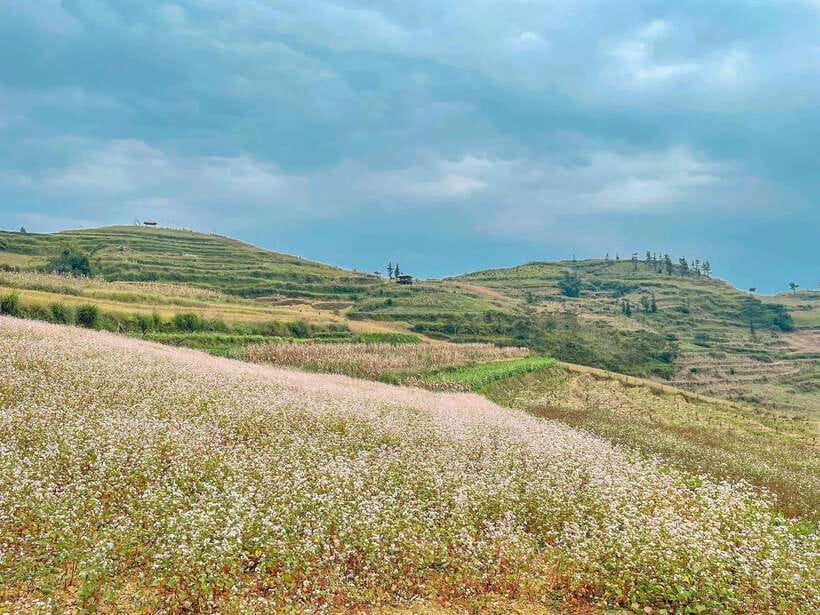
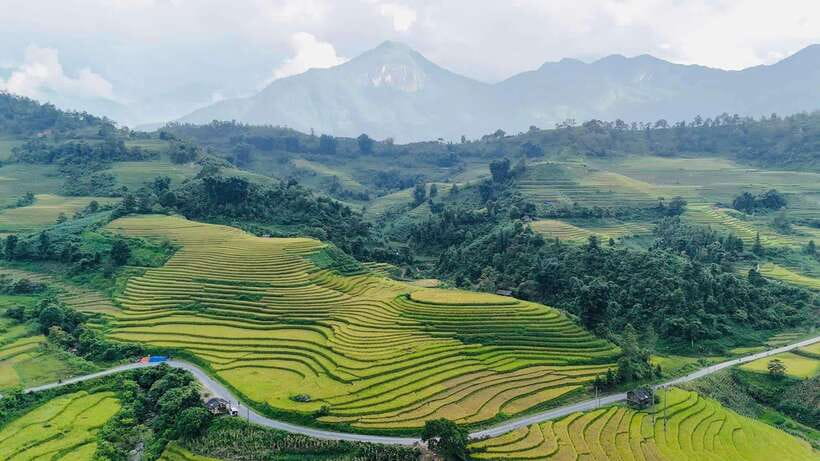
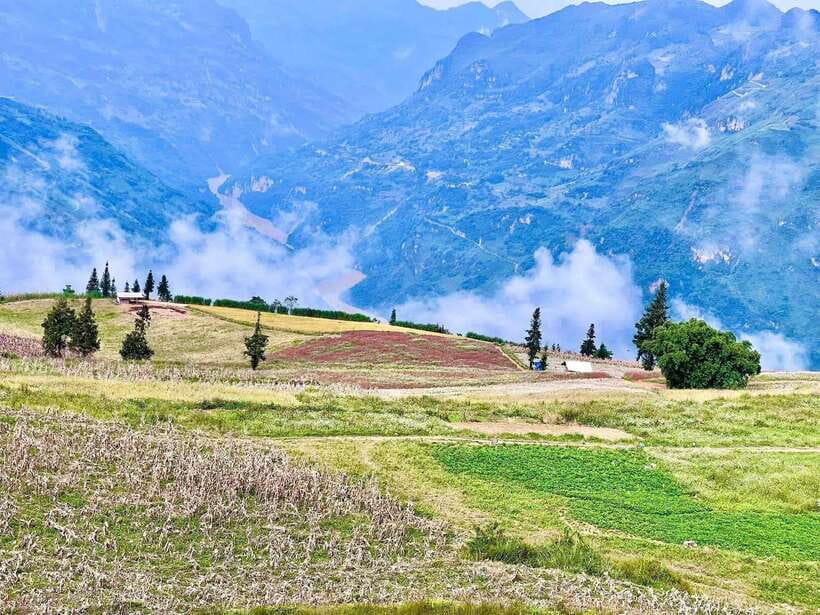
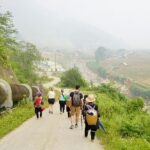
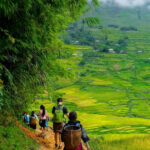
After Suối Hồ, you continue trekking on a small road inside the rice paddies toward Ma Tra village. This is the part of the day where the walking helps you see the terrain in layers, rice plots below you, mountains around you, and paths that make sense for farm life.
Lunch is at a small restaurant run by a traditional Hmong family, with an outdoor patio and strong views. Food matters on this trek because you’re working up real appetite, and the lunch setup is part of the value here. You’re not just eating near the village, you’re eating with the kind of daily rhythm that keeps the village connected.
One detail you’ll want to plan around: drinks at lunch are not included. Bring cash or expect to buy water there, since your own supplies can run low after several hours outdoors.
Ta Phin Village and Ta Phin Cave: Hmong and Dao traditions you can actually point to
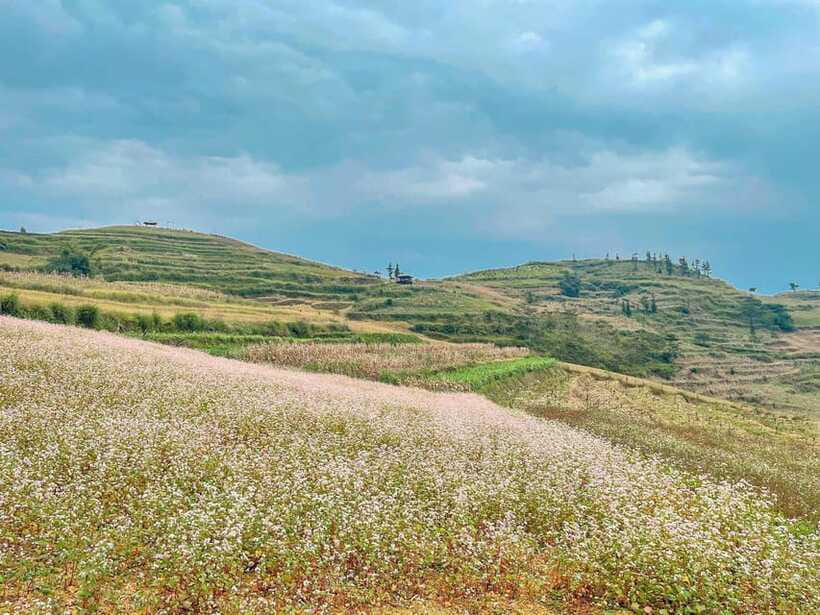
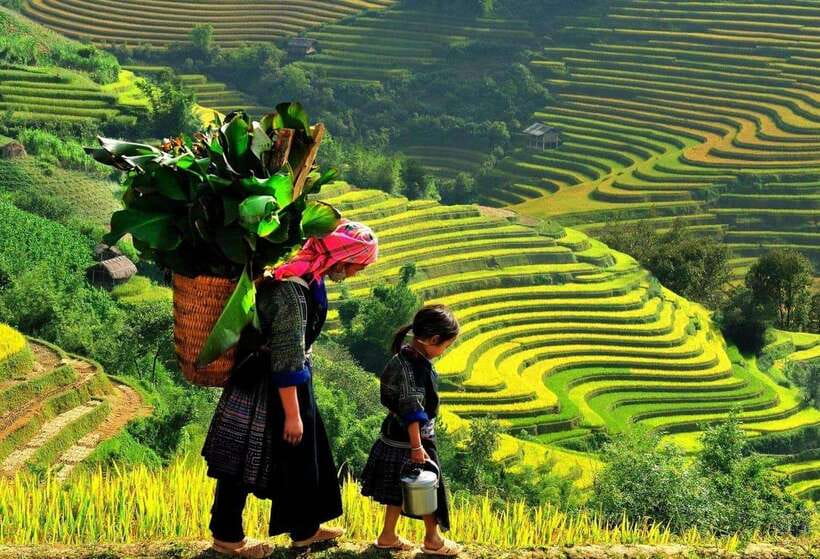
After lunch, the trek moves to Ta Phin Village, described as a living village of Hmong and Dao people. This is where the cultural information becomes more specific, not generic.
You’ll hear about Hmong marriage traditions, which gives you a sense of how community ties and heritage show up in real life. Then the focus shifts to the Red Dao, known for expertise in herbal medicine, using plants from the land to treat many illnesses. Even if you don’t remember every plant name, this framing helps you connect what you’re seeing in the terrain with what people do with it.
There’s also a crafts angle. You’ll see women making brocade products to sell. In places like Sapa, textiles are often treated like souvenirs. Here, you’ll get a better idea of why brocade matters to income, identity, and tradition.
Ta Phin Cave: worth it, but go in expecting dark and uneven footing
The tour includes entrance to Ta Phin Cave. The cave is described as going deep into the mountains, and this part can be a highlight if you like places that feel a little raw and rugged.
At the same time, don’t assume the cave will be perfectly lit. Some days may feel harder than others, so your best move is to trust your shoes and pace. Grippy footwear is not optional for this.
If you’re the type who panics in low light, plan to take your time and follow your guide closely. The cave is part of the day for a reason, but safety first.
You can also read our reviews of more hiking tours in Sa Pa


Herbal bath remedy: recovery, comfort, and what to expect from the setting
After the cave and village stops, you head to the bathing place for a local herbal bath experience. This is one of the most praised parts of the day because it turns the trek into a full-body reset, not just a hike with a souvenir ending.
Based on the experience descriptions, the bath is generally described as comfortable and heartening. You may have the option to bathe in private or shared spaces, so you can choose the vibe that suits you.
Could the setting feel a bit rustic? Yes. One concern that came up is that the bathing room can be small and damp, and cleanliness expectations can vary. I’d treat this as a cultural immersion moment, not a spa with luxury standards. Go in with realistic expectations, and you’ll probably enjoy it more.
Either way, you’ll feel the benefit after trekking. Warm, herbal water is a sensible way to end a day that starts before you’re fully awake.
Price, group size, and value at $28 for 9 hours
At $28 per person for about 9 hours, the value is solid if you want the full package: guiding, village context, lunch, Ta Phin Cave entrance, and an herbal bath.
Here’s what you’re really paying for, beyond the trek itself:
- Pickup and drop-off from your accommodation, so you’re not figuring out timing across Sapa
- A live guide in English, which matters when you’re trying to understand Hmong and Dao traditions
- Lunch at a traditional Hmong family restaurant, which keeps the day anchored in local life
- Ta Phin Cave entrance, so you’re not paying extra at the site
- Herbal bath remedy, which is usually the hardest thing to recreate on your own
Small group size is the secret sauce. When the group is capped at 10, you can actually ask questions, and your guide can keep track of the pace.
About tips: a tip for your guide is not included, so budget for that if you had a good day.
Pace, weather, and what to pack so the day stays enjoyable
This trek includes a considerable amount of walking, and the total distance can add up. One guide-led description put the walk around 15 km by the end of the day, so treat it like a real half-to-full day trek, not a short stroll.
Weather in Sapa can shift fast. Bring sunscreen and a hat, and assume you might need to adjust to cloud cover or rain. Also bring water. The tour asks you to bring water and snacks for the trek, and that’s good advice because you don’t want to gamble on finding a place to buy something mid-walk.
Your packing list is straightforward:
- Comfortable shoes with grip
- Hat
- Camera
- Sunscreen
- Water
- Insect repellent
Rules that protect the experience
You’ll want to follow local guidance. No smoking, no littering, no feeding animals, and no touching plants. These rules sound strict, but they help keep the village setting respectful and keep you safe.
And sellers can be part of the trail environment. If you’re sensitive to sales pressure, stay calm, keep moving, and remember your main job is to enjoy the walk and the cultural stops.
Who should book, and who should skip this trek
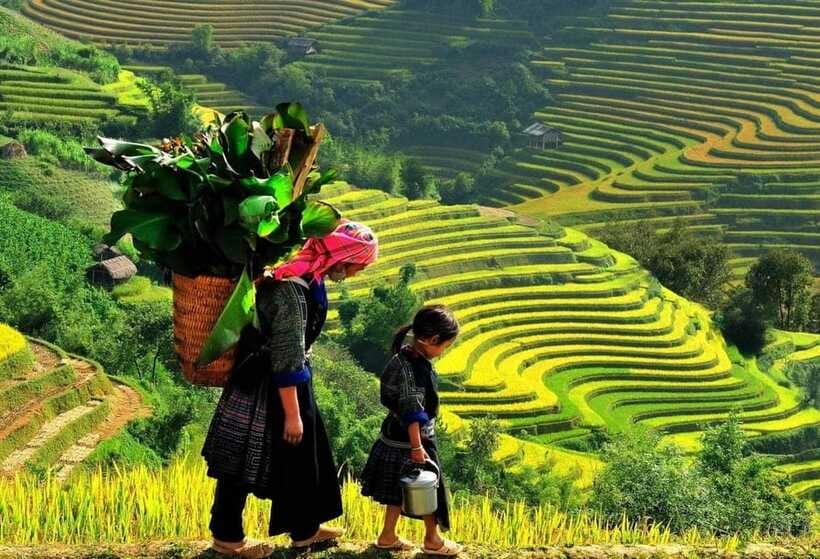
This is best for adults who enjoy walking in hilly terrain and want a guided day that connects culture to everyday life. I especially think it fits you if you care about understanding farming, ethnic traditions, and local herbal knowledge, and you want that delivered by an English-speaking guide.
It’s not suitable if you have mobility concerns or certain physical limitations. The tour states it’s not suitable for children under 6, pregnant women, people with back problems, people with mobility impairments, or wheelchair users.
If any of those apply, don’t force it. A safer alternative is to choose a gentler Sapa plan that still gives you cultural context without long stretches of hiking.
The Massage Lits bonus after your trip: a useful perk, not a gimmick
One practical perk is a 20% discount for massage after the trip at Massage Lits, 01 Hoàng Văn Thụ. That’s a smart offer because you’ll likely feel the trek in your legs and feet.
You don’t need to do a massage right away, but it’s a nice way to turn the recovery into a bonus experience while you’re still in Sapa.
Should you book the Sapa Ta Phin Village Trek?
Book it if you want a full 9-hour day that combines Hmong and Dao village visits, rice-paddy trekking, Ta Phin Cave, and a genuinely local ending with an herbal bath remedy. The small group size and guided English support are key to getting more meaning out of the day, especially around marriage traditions, brocade making, and herbal medicine.
I’d hesitate or ask extra questions first if you’re picky about cave lighting and want lots of frequent breaks. The day can feel like steady walking, and the cave experience depends on conditions and your guide’s approach. If herbal bath cleanliness expectations are a deal breaker for you, go in prepared for a more local, not fully spa-standard environment.
If you match the walking and realism, this trek is a strong value way to understand Sapa beyond the viewpoint circuit.
More Hiking & Trekking Tours in Sa Pa
More Lunch Experiences in Sa Pa

More Tour Reviews in Sa Pa
Not for you? Here's more nearby things to do in Sa Pa we have reviewed



More Sapa Trekking Tours to consider.
 ★ 5.0Sapa 2 Days 1 Night From Hanoi – Overnight in Ta Van VillageTickets from $592,669 traveller reviews
 ★ 5.0Hanoi – Sapa 2 Days 1 Night Overnight At HomestayTickets from $89899 traveller reviews
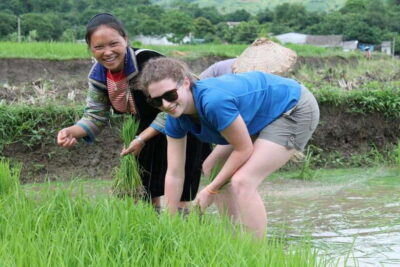 ★ 4.6Sa Pa: Muong Hoa Valley Trek and Local Ethnic VillagesTickets from $23864 traveller reviews
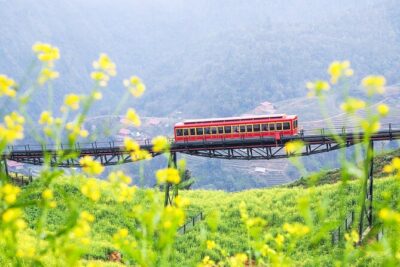 ★ 5.0Sapa: Fansipan Cable, Cat Cat Village & Moana Instagram TourTickets from $30777 traveller reviews
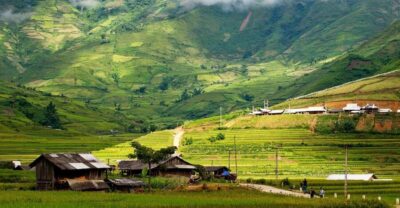 ★ 4.8From Hanoi: 2-Day Sapa Trekking Trip with Homestay & MealsTickets from $71704 traveller reviews
 ★ 5.0Sapa 3 Days 2 Nights Trekking Tour (1 Night In Ta Van Village, 1 Night In Hotel)Tickets from $139699 traveller reviews
 ★ 4.9Sapa: Eco Adventure Terrace Fields and Local Villages TrekTickets from $27636 traveller reviews
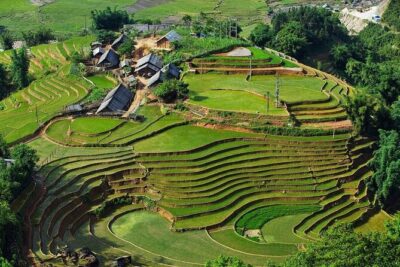 ★ 5.03-Day Trekking Adventure of Sapa from Hanoi – Stay Ta Van VillageTickets from $109611 traveller reviews
More useful Hanoi routes