
Review · SAPA TREKKING TOURS
From Sapa: Terrace Fields and Local Villages Trek with Lunch
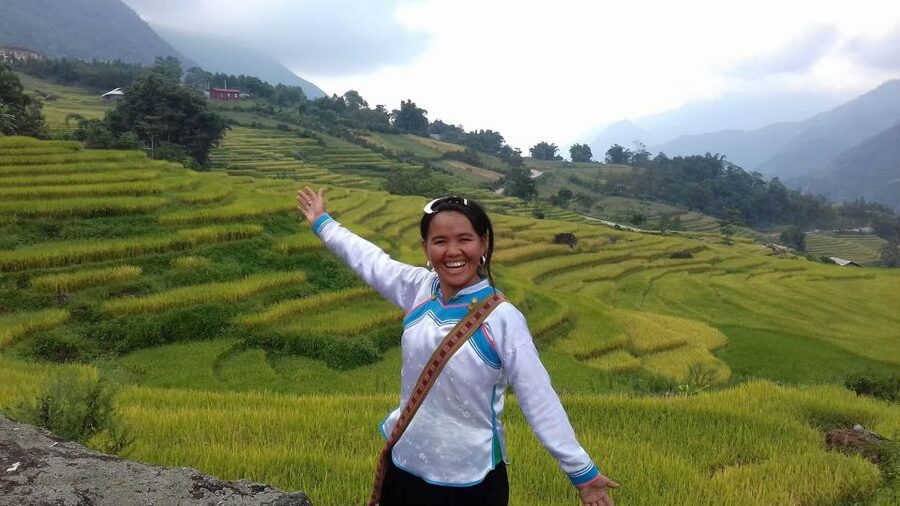
Fog or sun, the terraces steal focus. I like having a local ethnic guide who explains village life, and I like the terraced fields plus waterfall breaks that keep the day moving. The tradeoff is simple, the paths can turn slippery in fog or rain, so plan for careful footing and some real walking.
Pickup starts around 8:00 to 8:45 from your Sapa hotel, and you might wait a bit while the guide collects people hotel by hotel. The early start is part of the charm, you get to see Sapa before it fills up.
You’ll be out about 7 hours total, then ride back by shuttle bus to Sapa. The included local lunch comes after the trek, and drinks are not included.
Quick highlights
- Local ethnic guide, English-speaking with village and customs explanations you can actually use
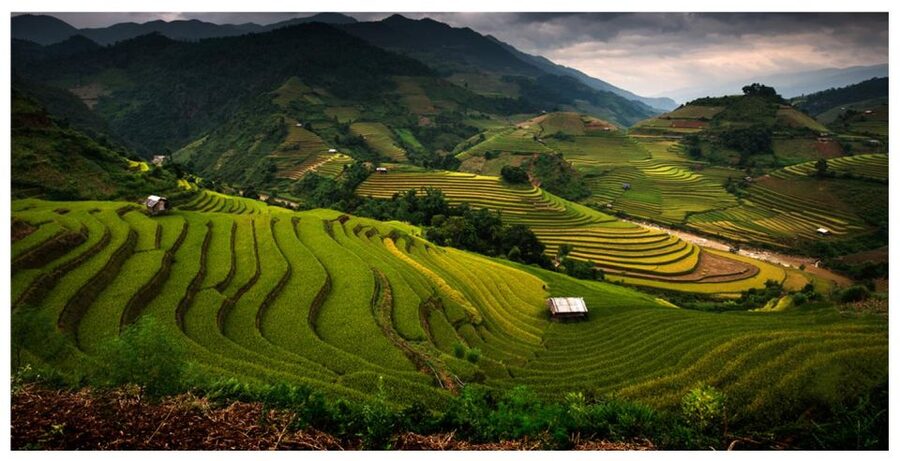
- Non-touristy route through rice, corn, and potato terraces with wide views
- Lai Chai village on the tribal hill, plus time walking through local village areas
- Waterfall stop for photos and a breather, not just a straight walk all day
- Fog and mud can be a factor, and you may want proper grippy boots
Sapa pickup, timing, and the town walk before the trails
This trek starts with a hotel pickup in Sapa town. The guide comes by on foot, hotel by hotel, and pickup can take about 30 to 45 minutes depending on where your hotel sits. If you like to eat a solid breakfast before you go, plan to either do it early or bring a light snack, because you are not always leaving at the first moment the pickup window opens.
I like the idea of starting in Sapa town instead of jumping straight onto trails. You get a sense of daily life at street level, the pace of morning errands, and the look of Sapa outside the main viewpoints. It makes the later village and terrace scenes feel connected, not like you dropped into a separate world.
The trek timing matters too. A 7-hour day in northern Vietnam can feel very different depending on cloud cover. If conditions are foggy, the views might be softer, but the air can be cool and comfortable for walking. If skies are clear, you’ll want to manage sun exposure too, because terraces often mean open slopes and fewer shaded stretches.
More Hanoi tours and experiences for the shortlist


Terrace fields on a route that feels less traveled
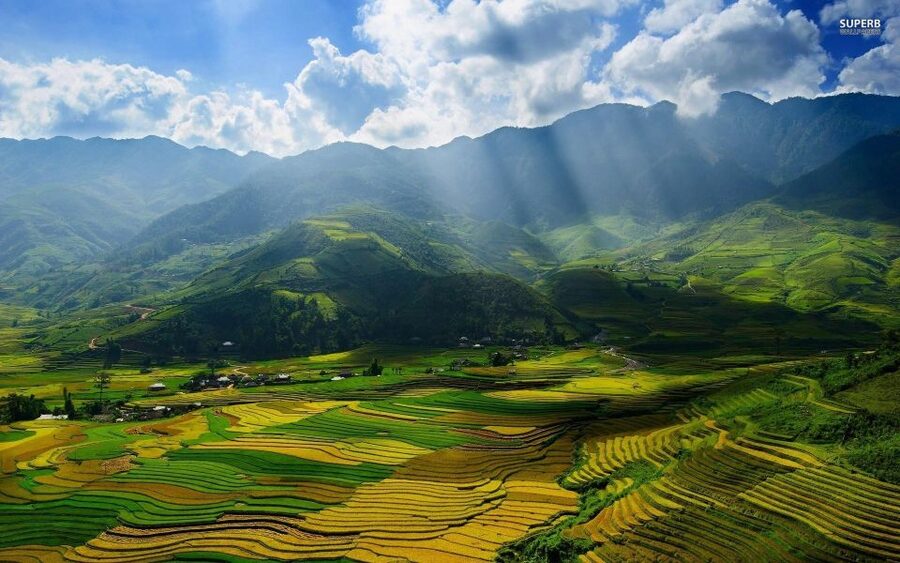
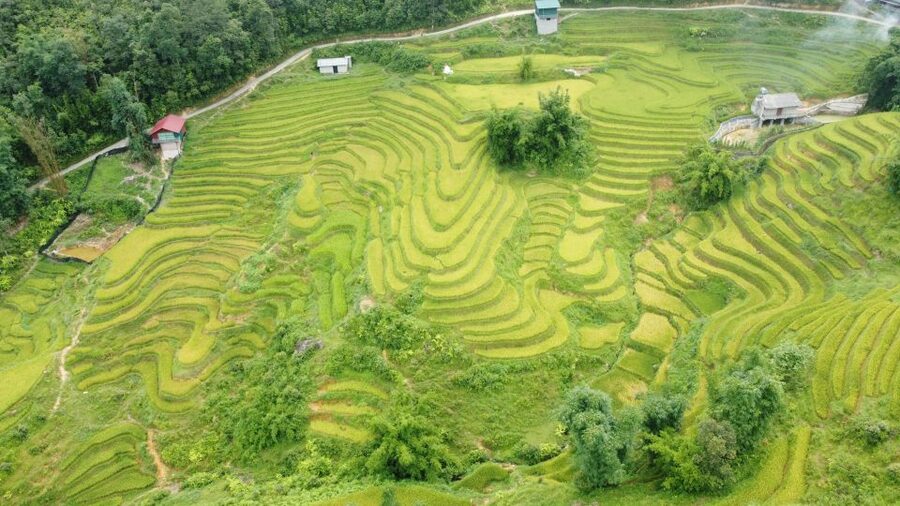
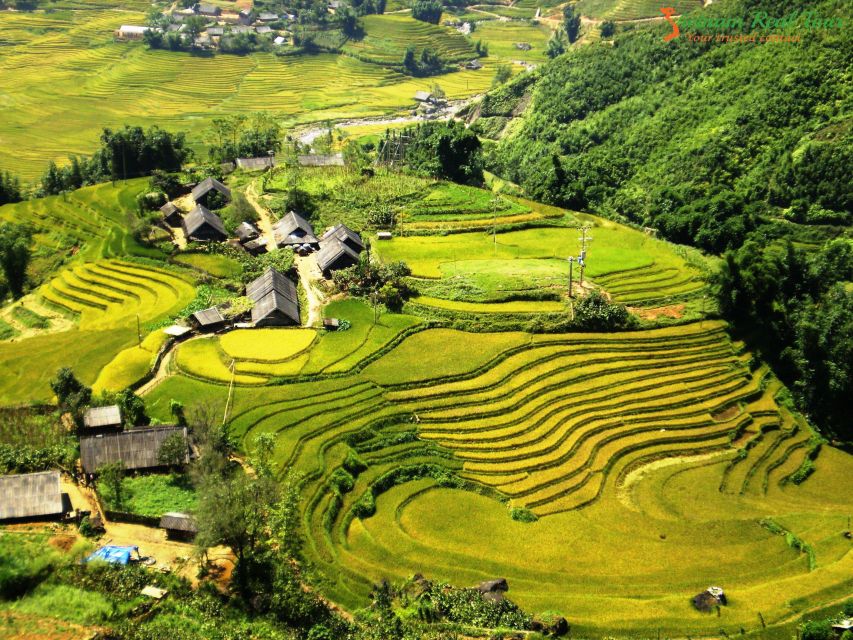
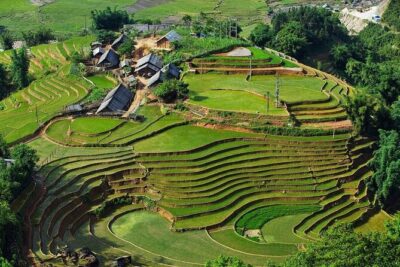
Once you leave town, you move into the big Sapa outdoors. You’ll walk through terrace fields including rice, plus areas used for corn and potatoes. The best part is how often you see terracing right in front of you. These are not distant, postcard views you glance at from one spot. The scenery comes in layers as you keep moving.
This is also described as a non-touristy route. That usually means the hiking rhythm feels more like traveling through working farmland, with fewer crowds pressing for a photo at the same angle. You’ll have chances to pause, take pictures, and enjoy the changing view as the path bends around fields.
A practical note: even if you are fit, terraces mean uneven footing and constant slight slope changes. The day is set up for a steady walking pace, not a casual stroll. In mist or after rain, the soil can be soft, and the ground can get slippery fast. One guide led experience included mention of fog making paths slick, so you should treat footwear as part of your safety plan, not just comfort.
Lai Chai village and the local ethnic minority stories you carry back
The cultural heart of this trek is the guide. You’re not just shown a village for a quick look, you’re guided by a local ethnic minority person who shares customs and habits while you walk. That’s a big difference between a standard nature hike and a day that helps you understand what you’re seeing.
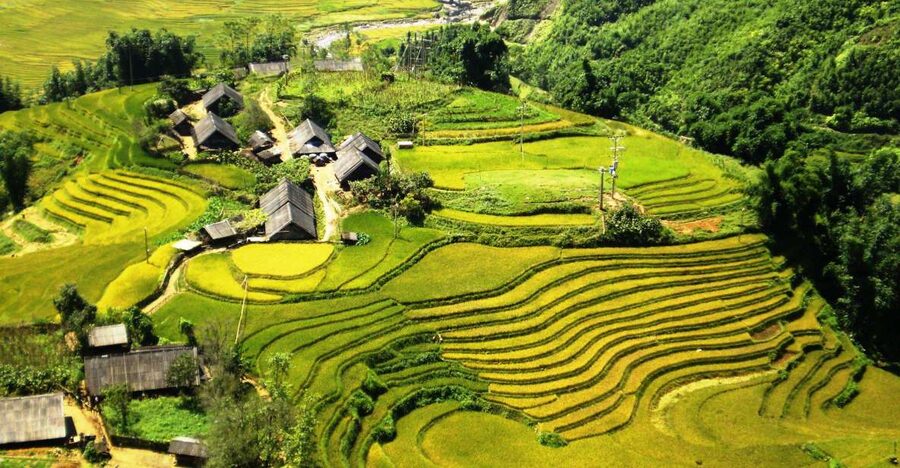
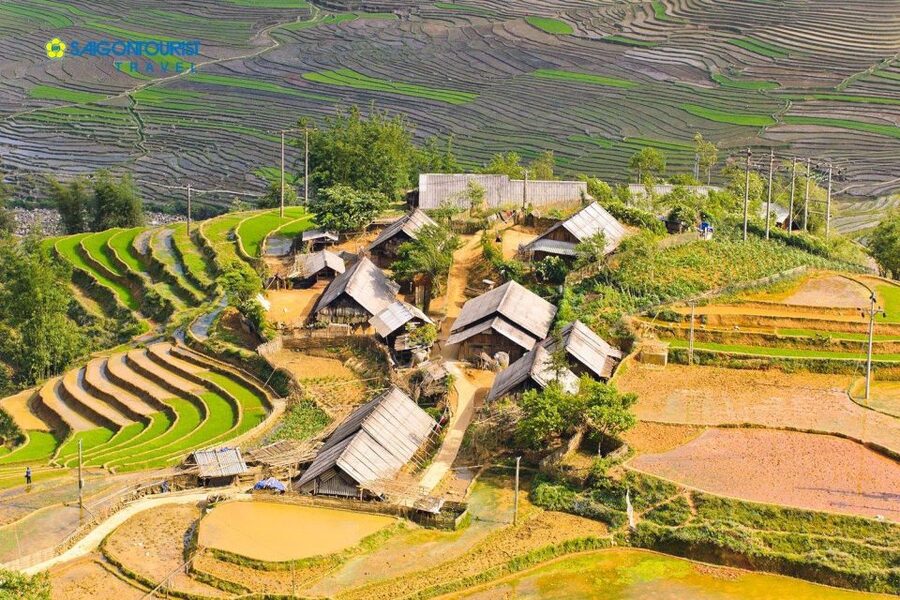
A key village stop is Lai Chai, described as a small village on the tribal hill. The route is built so you pass terrace upon terrace in the approach, then you transition into village walking where daily routines make sense in context. You also get a better sense of how ethnic minority communities in Sapa live with the terrain, using paths, fields, and houses as part of everyday life.
If you are lucky with your guide, you might even get extra personal context. One example shared the guide Mao being attentive, answering questions well, and showing her house and family. That kind of access usually doesn’t feel like a staged performance, it feels like real conversation, the way you’d learn from someone who knows the area intimately.
English support also matters here. If you want to ask questions about customs, food, or what daily life looks like, an English-speaking guide makes the difference between watching passively and actually understanding.
Waterfall breaks, bamboo paths, and the slippery fog reality
Your day includes a waterfall stop, described as a lovely place to relax and take photos. I like stops like this because they give you a mental reset. You get a pause from walking, and you get to experience the changing sound of the area, not just the visual scenery.
Some routes also include stretches through bamboo areas. One example route shared walking through a bamboo forest and rice terraces, which is exactly the kind of variety that keeps a 7-hour day from feeling monotonous. You’ll likely move between open views and more shaded sections as the path weaves through the hills.
Now the part to respect: weather can change the effort level. Fog can make paths slippery, and mud can turn a manageable slope into a careful step-by-step climb or descent. A good piece of advice from an experienced walker was to wear rubber boots in wet conditions. Even with trekking poles, it was still physically difficult if you were not prepared.
So here’s what to do with that information. Bring grippy footwear that can handle mud. If you only pack lightweight sneakers, understand you are gambling. Trekking poles can help, but they do not cancel risk. The goal is stable traction, not speed.
And yes, you’ll want photos. Terraces plus a waterfall stop is a strong combo. Just remember to stop, let your footing settle, then shoot. It’s not worth a fall to capture a perfect frame.
Lunch at a local restaurant, plus drink planning
After the trek, you replenish your energy with lunch at a local restaurant. The lunch is included, and it’s described as local cuisine with varied flavors. This is one of those parts of the day that can make the hike feel complete, because you can refuel without hunting for food at the end when you’re tired.
A simple planning point: drinks are not included. That doesn’t mean the lunch is inconvenient, but you should expect to pay for your water or other beverages. If you’re the type who drinks often while hiking, bring a small cash cushion just for the meal.
Also, schedule-wise, lunch comes after the walking portion. That means you should eat lightly before pickup if you tend to get nauseous during uphill walking, or eat normally if you’re comfortable. I’d aim for steady energy rather than a huge breakfast that sits heavy.
If you like asking questions, this is a good moment to talk to your guide about what you’re eating. A local ethnic guide can usually connect the meal to daily life and local produce, even with limited time.
You can also read our reviews of more hiking tours in Sa Pa





Walking distance, pace, and who should skip this one
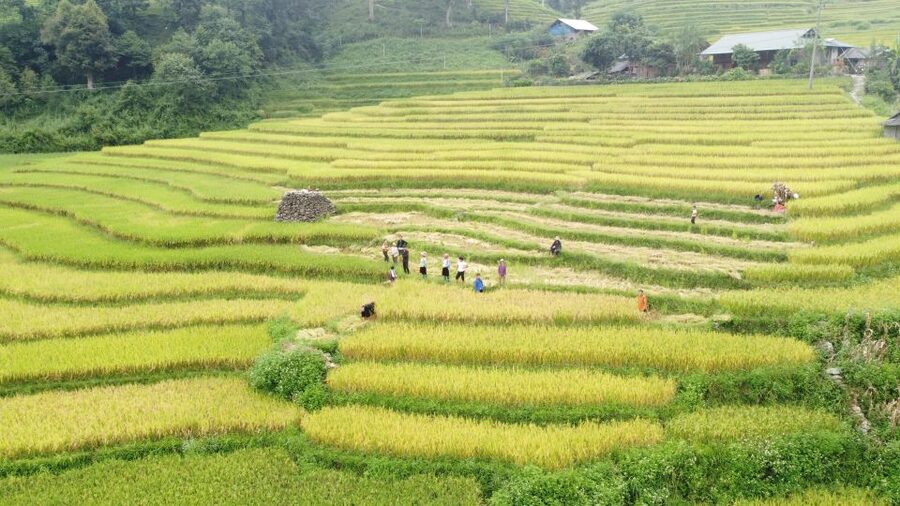
This is a 7-hour experience, with a mix of walking, village time, and a waterfall pause. The walking portion can add up. One example shared about 11 kilometers of walking through bamboo forest and rice terraces, which gives you a realistic sense of the physical side.
So, who is it for? It suits people who like nature walks with culture woven in, and who can handle uneven ground and slopes. It’s also good if you enjoy learning from a guide who can answer questions and explain what you’re seeing as you go.
If you have mobility limits or health concerns, take the restrictions seriously. It is not suitable for children under 5. It’s also not suitable for wheelchair users, people over 70 years, people over 275 lbs (125 kg), and people with back problems or heart problems. Those limits make sense because the day includes uphill and downhill terrain on paths that can get slippery.
Pace-wise, you should expect a steady group rhythm rather than frequent long breaks. The breaks you do get are part of the plan, like the waterfall stop and lunch. If you need frequent restroom stops or short breaks every 20 minutes, you might find the structure tight.
Price and value at about $22 for a full day
At about $22 per person for roughly 7 hours, the price is mostly about what’s included. You’re getting hotel pickup and drop-off, a guided trek, villages entry fees, a local ethnic guide, and a shuttle bus back to Sapa. Plus, lunch is included.
That set of inclusions is where the value comes from. In many places, you’d pay separate costs for a guide, entrance fees, transport back to town, and then lunch. Here, those pieces are bundled, so you can focus on what you actually want, walking the terraces, learning village life, and eating a real local meal.
The one clear extra cost is drinks. So if you budget for lunch beverages, the rest is pretty straightforward. The fact that cancellation is free up to 24 hours in advance, and that you can reserve and pay later, can also reduce stress if your Sapa weather plan is still uncertain. You just need to keep an eye on the day’s conditions, since fog and rain can affect how comfortable the walk feels.
Should you book this Sapa terrace trek?
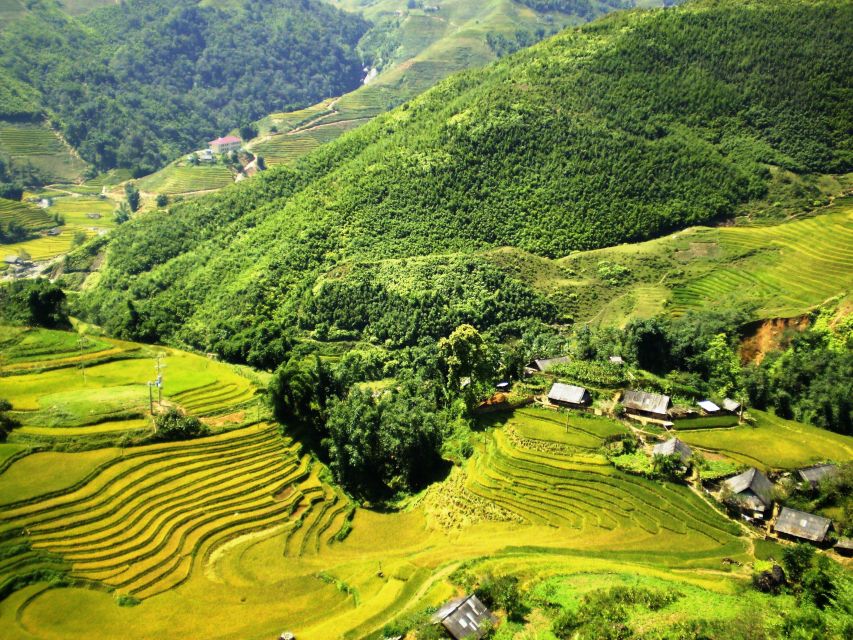
Book it if you want a day that mixes terrace scenery with local culture from an ethnic minority guide. This is a good choice for active travelers who enjoy being on their feet, asking questions, and seeing Sapa’s working countryside up close, not just from a single viewpoint.
Skip it if you cannot handle uneven, muddy paths or if health limits make hilly terrain risky. Also, if you hate walking all day and prefer mostly flat routes, this probably won’t fit your style.
If you do book, pack for slip risk. Grippy footwear is the big one, rubber boots can be smart in wet conditions. Bring a layer for foggy mornings, and expect that the views might shift quickly as weather changes.
Bottom line: at $22, this is strong value for a full guided day that includes transport, village access, and lunch. The experience shines when you treat it like a real hike through village country, with culture explained by someone who lives there.
FAQ
How long is the trek?
The experience lasts about 7 hours.
What time does hotel pickup happen in Sapa?
Pickup is scheduled around 8:00 to 8:45 am, and the guide may take 30 to 45 minutes collecting guests from different hotels in Sapa town.
Is there an English-speaking guide?
Yes. The live tour guide is listed as English.
What is included in the price?
The included items are hotel pickup and drop-off, a guided trek, villages entry fees, a local ethnic guide, a local lunch, and a shuttle bus back to Sapa.
Are drinks included with lunch?
No. Drinks are not included.
Is this tour suitable for wheelchair users or limited mobility?
No. It is not suitable for wheelchair users.
Who should avoid the trek due to health limits?
It is not suitable for children under 5, people with back problems or heart problems, people over 70 years, and people over 275 lbs (125 kg).
More Hiking & Trekking Tours in Sa Pa
More Lunch Experiences in Sa Pa

More Tour Reviews in Sa Pa
Not for you? Here's more nearby things to do in Sa Pa we have reviewed


More Sapa Trekking Tours to consider.
 ★ 5.0Sapa 2 Days 1 Night From Hanoi – Overnight in Ta Van VillageTickets from $592,669 traveller reviews
 ★ 5.0Hanoi – Sapa 2 Days 1 Night Overnight At HomestayTickets from $89899 traveller reviews
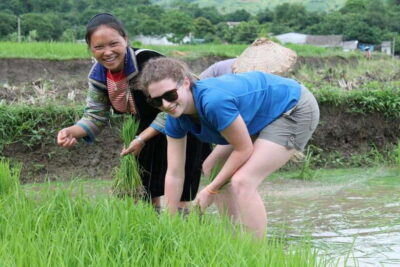 ★ 4.6Sa Pa: Muong Hoa Valley Trek and Local Ethnic VillagesTickets from $23864 traveller reviews
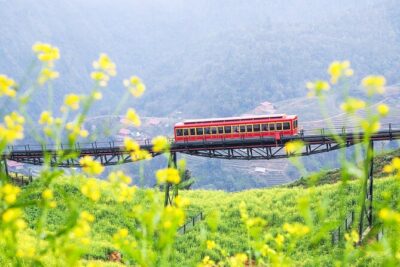 ★ 5.0Sapa: Fansipan Cable, Cat Cat Village & Moana Instagram TourTickets from $30777 traveller reviews
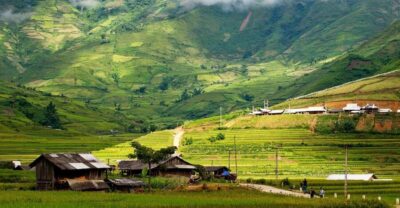 ★ 4.8From Hanoi: 2-Day Sapa Trekking Trip with Homestay & MealsTickets from $71704 traveller reviews
 ★ 5.0Sapa 3 Days 2 Nights Trekking Tour (1 Night In Ta Van Village, 1 Night In Hotel)Tickets from $139699 traveller reviews
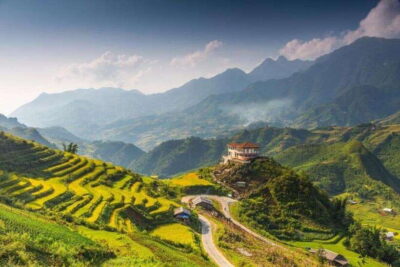 ★ 4.9Sapa: Eco Adventure Terrace Fields and Local Villages TrekTickets from $27636 traveller reviews
 ★ 5.03-Day Trekking Adventure of Sapa from Hanoi – Stay Ta Van VillageTickets from $109611 traveller reviews
More useful Hanoi routes