
Review · SAPA TREKKING TOURS
Sapa beautiful rice field, village – Easy walking kid,senior
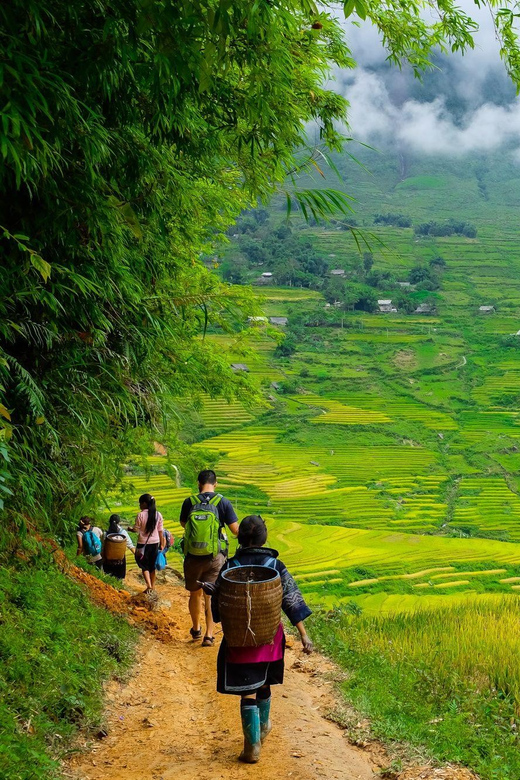
Rice terraces, up close, all day long. I love Muong Hoa valley views and I love the flexible walking setup that helps families and seniors match the day to their comfort. The main consideration is that the afternoon route can include some steep downhill sections on smaller paths.
This is a private, English-guided day that strings together a few of Sapa’s best-known rice terrace areas and ethnic villages, with a real lunch and plenty of photo time. Timing runs roughly from late morning pickup through mid-afternoon return, so it feels like a full day without turning into a marathon.
Key highlights at a glance
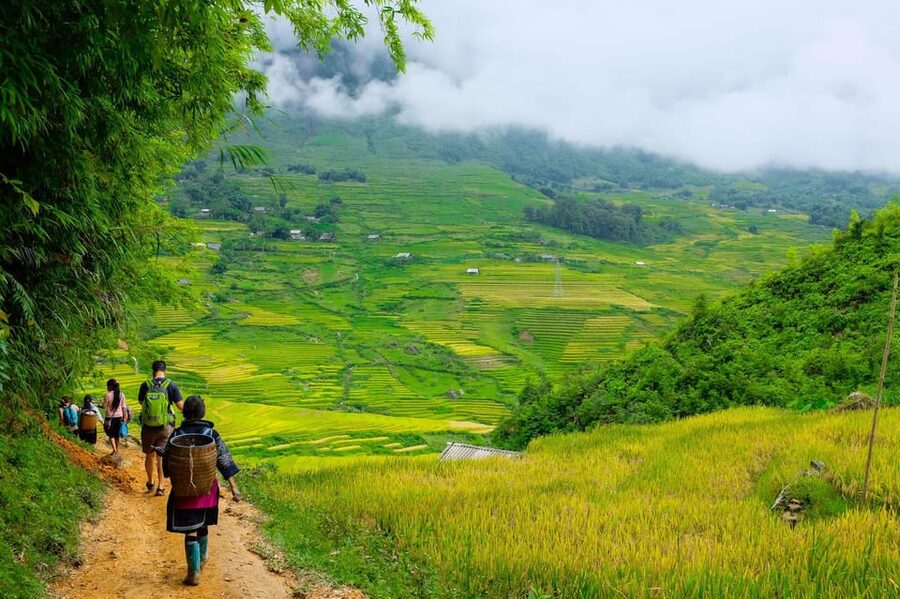
- Muong Hoa valley, Flower valley: big panoramic terrace views with an easy start
- Hmong and Red Dzao cultural stops: a local house visit and a look at an ethnic children’s school
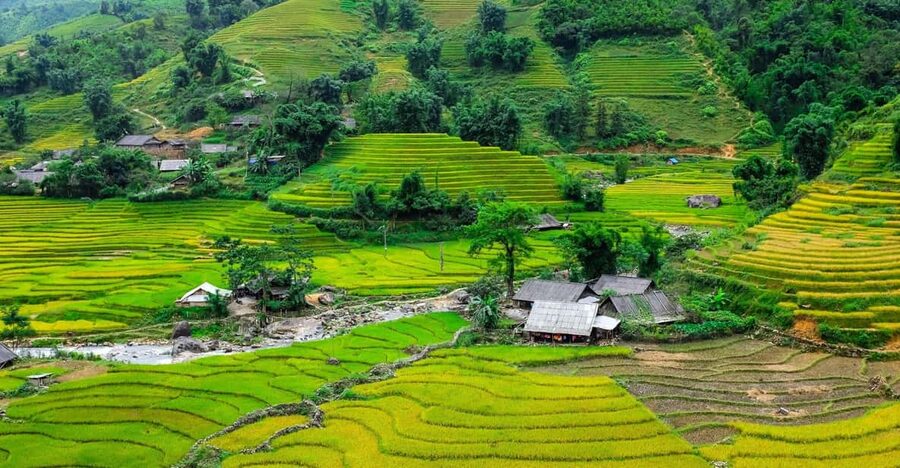
- Giang Cha village: traditional wooden houses and terrace scenery in a quieter valley
- Ta Phin valley and Dzao village time: bamboo scenery plus homestay and village atmosphere
- Car-first flexibility: you can skip some walking segments to enjoy the views
- Optional herbal bath: available at the homestay if you want a warm reset after walking
Rice terraces plus ethnic villages, without the hard-core hiking
This Sapa day trip is built for people who want the classic northern Vietnam “valley and terrace” feeling, without committing to steep, all-day trekking. The walk is described as 3 to 5 km of easy-to-moderate walking, and there are points where you can choose to ride in the car and still see the scenery.
You also get something that many terrace trips miss: actual village context. You are not just walking through pretty fields and taking photos. You stop at local places where your guide shares information about the Hmong and Red Dzao communities, and you see daily life details up close, including a school for ethnic children.
The vibe is practical and flexible. If you’re traveling with a kid who needs breaks, or a senior who doesn’t want a sore-knee day, this approach is the point. You still get multiple valleys and several villages, but the day is paced to keep it comfortable.
You can also read our reviews of more walking tours in Sa Pa
Pickup, timing, and why the schedule matters in Sapa
You’re picked up from central Sapa hotels, with two common pickup areas: near the Notre Dame Cathedral area or the Sapa Original Trek office area. The key for you is that this keeps the start simple. You’re not paying for extra transfers from far-out stays.
The day typically starts around 8:30 AM. From there, you head to Y Linh Ho village first, then work your way through Muong Hoa and onward toward Giang Cha, lunch, and finally Ta Phin. The return to Sapa is usually around 3:00 PM to 4:00 PM.
That time window is a big deal. Sapa weather can shift fast, and clouds can roll in. Starting early gives you a better chance at clear views before the valley light changes. It also means you’re back in town while it is still daylight, which helps with dinner plans and keeps the day from dragging.
Also, this is a private group. That usually means the pace and stop times feel more human, not like a conveyor belt. You can ask for a slower walk, extra photos, or a comfort break without feeling rushed.
From Y Linh Ho to Muong Hoa valley, the best views come early
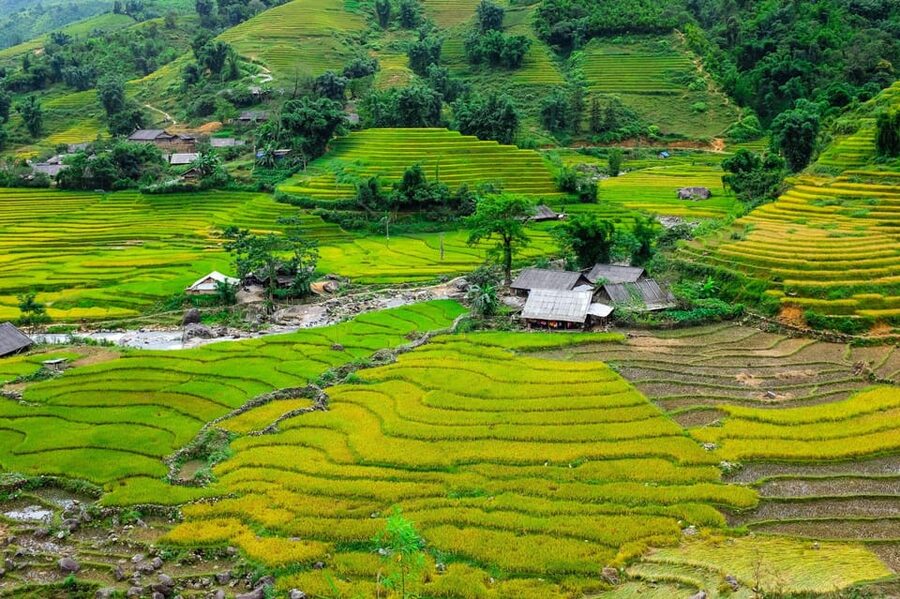
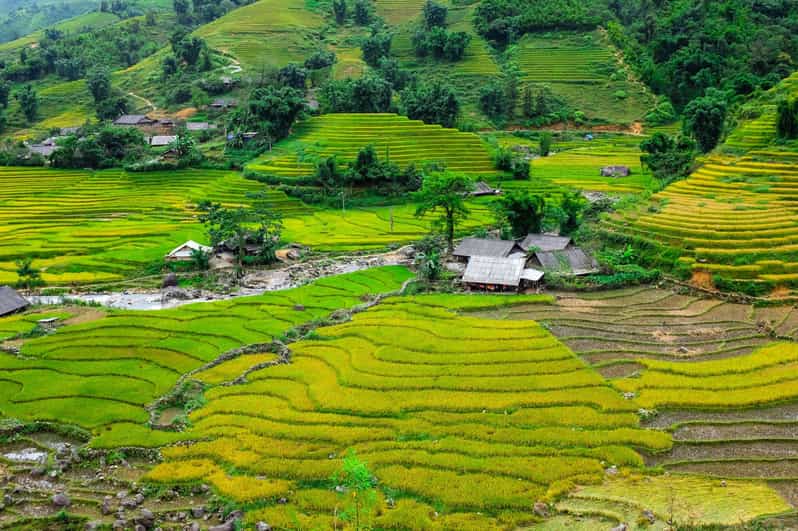
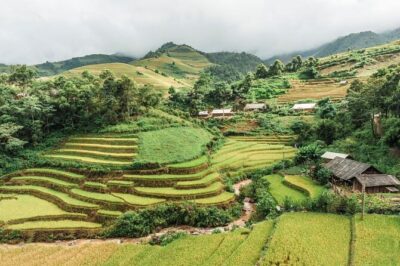
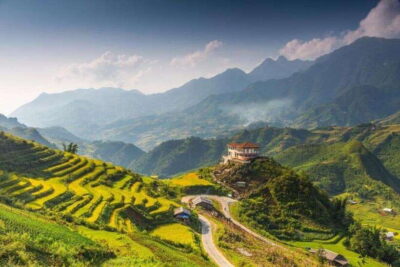
The morning is where the trip wins a lot of people over. You start at Y Linh Ho village, then take a downhill walk into Muong Hoa valley, often called the Flower valley because of the way the area opens up.
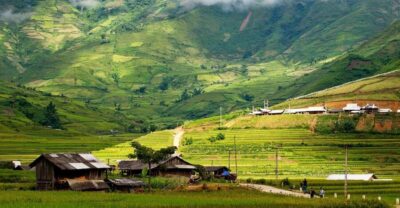
As you move, you’re surrounded by rice terraces that step down through the valley. It’s the kind of view where your camera will feel busy, even if you normally hate posing. This is also where the trip feels most “easy walking” friendly. The paths here are short enough that kids and seniors can manage them with a steady pace.
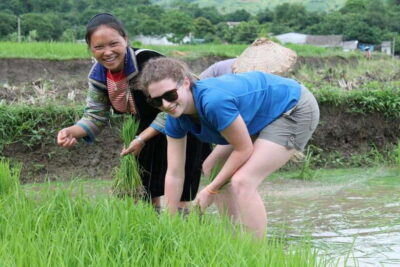
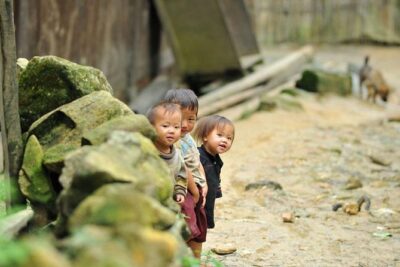
A standout part of the morning is the stop at a local house. Your English-speaking guide explains interesting points about the Hmong and Red Dzao ethnic communities and what daily life looks like here. You’ll also have a chance to see a school for ethnic children. It turns the morning from scenery-only into something more grounded.
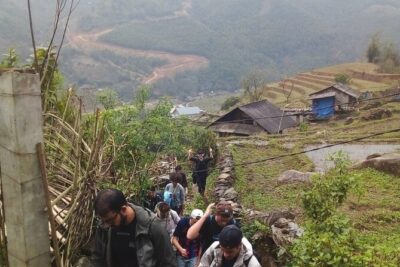
You then continue walking through rice paddy areas and past older wooden houses via small paths. This is not the type of village road with wide sidewalks and gentle grades. It’s more like a local route, so you’ll want sports shoes and a bit of patience for uneven ground.
Good to know: the trip is flexible. If someone needs to rest or skip walking, you can adjust and still enjoy the view from the car.
Giang Cha village: quieter terraces and traditional wooden house time
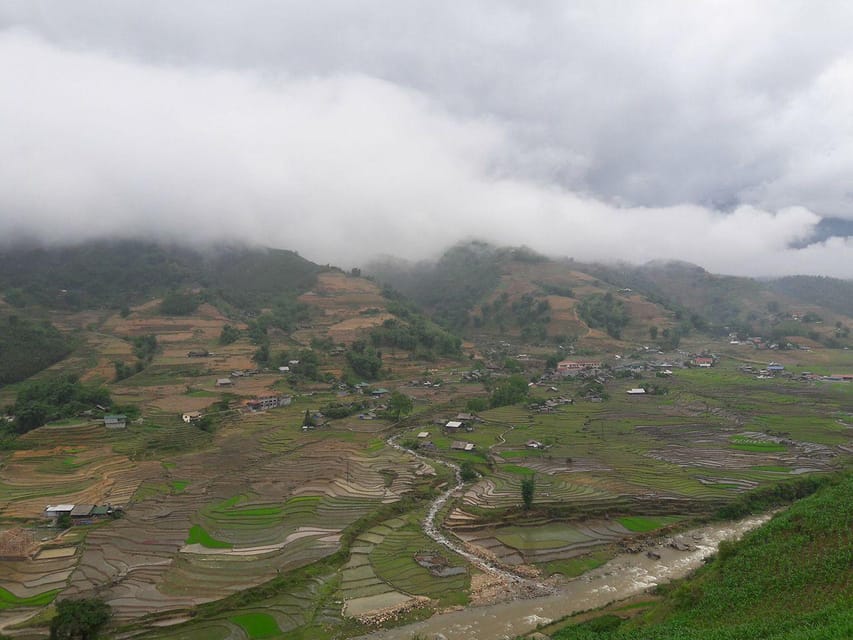
Around late morning, you switch from walking to driving. The car takes you to Giang Cha village. This stop is helpful because it breaks the day into distinct “chapters” instead of one long terrace walk.
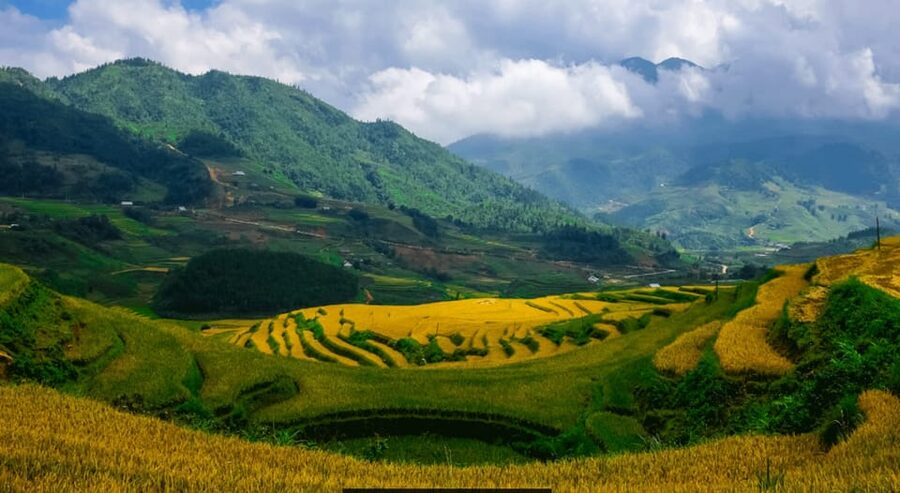
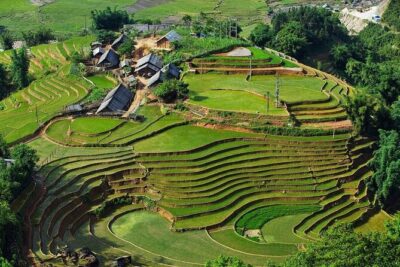
Here, you’ll get to see more rice terrace fields in a smaller valley setting. The pacing also helps. Your guide leads you through the village area, and you spend time around a traditional wooden house. That kind of stop can feel brief if you’re not into culture, but in this case it adds context to the terraces you already saw. Instead of just asking, who lives here? you get at least a starting set of answers.
Giang Cha also tends to feel calmer than some busier points. You get room to look slowly at the terraces and mountain backdrop without feeling like you are constantly stepping around groups.
For seniors, this part can be a good trade-off. Walking here is not described as long. If you choose to keep your walking light, you’re still getting the main “why” of the trip, which is the valley view plus village atmosphere.
Lunch with a valley view, then a bamboo-and-plateau stretch
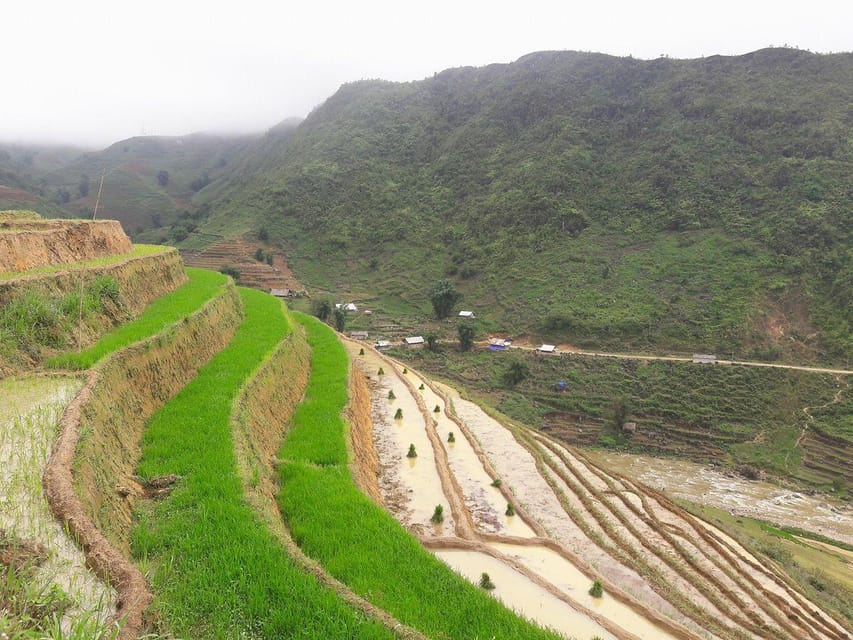
Lunch happens around 12:30 PM or 1:00 PM at a local restaurant with a view over the valley. This is one of those details that really improves the day. You’re not forced into a quick meal in town, then back out to chase the next photo. You get to sit, eat, and look out while you refuel.
After lunch, you continue with walking. The route goes down toward a plateau area where you’ll get a panorama view of a smaller valley. It’s also where you pass through bamboo jungle, which gives the day some texture. Not just rice terraces, but green corridors and different scenery as you change elevation.
Then you head toward the Ta Phin valley area. This is where you start noticing shifts in village culture and daily life. Your guide helps connect what you’re seeing to the ethnic communities you visited earlier.
The big practical point here is terrain. The morning is usually easier underfoot. The afternoon sections can include a steeper feeling, especially on smaller paths. One of the best ways to enjoy this part is to treat it like a choose-your-own-comfort hike. If you are traveling with someone who gets nervous on downhill sections, don’t wait until they’re uncomfortable. Use the car option and take the scenic stops.
Ta Phin, homestay visits, and the optional herbal bath
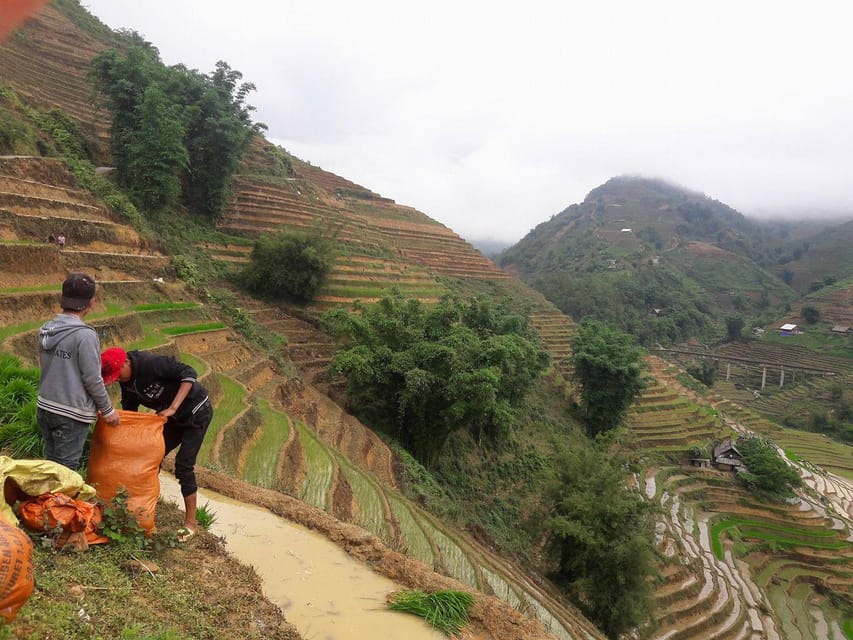
In Ta Phin, you’ll spend time in the village area and learn more about Dzao ethnic people. This stop leans more into people and pace than into long walking distances.
You also visit a local homestay. Even if you don’t do any extra activities, just being there is a useful contrast to the earlier valley viewpoint. It’s more about how families live in this environment, how they structure their day, and how the terraces connect to their work.
There is also an optional traditional herbal bath after walking. If you want it, you pay for it yourself. If you don’t, you can still enjoy the rest of the homestay time and focus on rest and photos.
For many people, this herbal bath idea makes sense for one reason: it’s a planned cooldown. Your day includes walking through uneven village paths and terraced areas. Even “easy walking” can leave your calves feeling warm and tired in the northern mountain air. A warm soak can turn that into a comfortable end-of-day moment.
If you’re unsure, ask your guide what will be involved and whether it is a good fit for kids or seniors in your group.
How easy is it really for kids and seniors?
The tour description calls it easy walking, with a 3 to 5 km range. It also explicitly gives you flexibility, meaning you can choose to walk certain sections or enjoy the view from the car instead.
That said, “easy” in Sapa still means mountain terrain. The paths are not always smooth, and some sections feel steeper than others. The afternoon walk is where you should pay extra attention. For seniors who are steady only on gentle slopes, steep downhill segments can be the part that slows the day down and increases discomfort.
Here’s how I’d plan it for your group:
- For kids: do the morning walking when energy is highest, then use breaks in the car for recovery.
- For seniors: ask early about which segment you might skip. Don’t let someone white-knuckle a steep downhill just to prove a point.
Practical footwear matters. Sports shoes with decent grip help. Bring rain gear even if the forecast looks friendly. Wet stone and muddy trail can change the walking feel quickly.
If you are wheelchair users or traveling with mobility needs, the tour is listed as wheelchair accessible. Still, confirm how the vehicle and walking portions are handled for your specific needs, since village paths can vary.
Your English guide and the value of real explanations
The biggest “quality of day” factor in this trip is the guide. This is an English speaking guide experience, and the cultural stops only work because someone is explaining what you’re looking at.
One guide name comes up in the feedback you might hear during planning: Ms May. The common thread is simple, she is described as informative and friendly, and she helps turn views into understanding. That matters because rice terraces are gorgeous, but the terraces are also land shaped by people over time. Without context, it can feel like scenery. With context, it becomes a living system.
Your guide also handles the rhythm of the day: when to walk, when to pause for photos, and where the best viewpoint angles are. That reduces decision fatigue for families and seniors who want to enjoy without constantly figuring out the next move.
Also, since this is a private group, you’re less likely to feel like you are constantly negotiating space with strangers. You can ask questions and get answers in a way that fits your pace.
Price and what you actually get for $69 per person
At $69 per person, the value comes from what is bundled. You’re not just paying for a guide and hoping transport works out. This package includes:
- English speaking guide
- Lunch
- Entrance fee
- 1 liter of water per person
- Private car transport following the program
That’s a lot of the “hidden costs” that can add up on your own. If you were to assemble transport, a licensed guide, and a meal separately, it tends to cost more in time and money.
What is not included:
- Tip
- Personal expenses
- Herbal bath (optional, paid by you)
My practical advice is to budget a little for extras beyond the base price. Having small cash for tips and personal needs helps keep the day stress-free. And if you think herbal bath sounds appealing, mentally tag it as an add-on rather than an automatic part of the tour.
Finally, remember that starting times depend on availability. If you want the clearest morning views, it helps to pick an earlier start if the schedule gives you that choice.
What to bring for a smooth rice-terrace day in Sapa
This tour gives you water and includes lunch, but you still need your basics. Here’s the kit that actually helps:
- Hat for sun and quick shade
- Camera for the terraces and village corners
- Rain gear because mountain weather changes
- Sports shoes for uneven paths
- Cash for optional items and tips
I also suggest you pack a small layer. Even if you start warm, valley mornings and mountain afternoons can feel cooler, especially after walking.
If you’re traveling with kids, bring a small snack or quick energy item if your group tends to get hungry between stops. Lunch is provided, but kids can lose their patience fast if they feel low on energy.
And if you are a senior or traveling with mobility needs, keep a comfortable pace in mind. This is a day of viewpoints, terraces, and village paths. You’ll enjoy it more if you treat it like a series of short walks, not one long hike.
Should you book this Sapa rice-terrace day trip?
Book it if you want the classic Sapa experience: Muong Hoa valley views, multiple ethnic villages, and a day that works for kids and seniors. The flexibility to adjust walking time, plus the included lunch and guide, makes it a practical choice when you want beauty without the hard stress of logistics.
Consider a different option or plan extra caution if downhill terrain makes you nervous. The afternoon segment can involve steeper sections on smaller paths, and that is the one part where comfort varies the most between people.
If your group includes a mix of ages, this tour’s biggest strength is simple: you can shape the day. Walk more in the morning, ride more in the afternoon, and still get a full day of valley and village time.
FAQ
How long is the Sapa rice terrace and village tour?
The tour duration is listed as 7 hours. Exact start times depend on availability.
Where do pickup and drop-off happen?
Pickup is included from central Sapa town hotel areas, with two options: near the Notre Dame Cathedral area or near the Sapa Original Trek office area. Drop-off is also listed for either the Notre Dame Cathedral area or the Sapa Original Trek office area.
Is lunch included?
Yes. Lunch is included in the tour.
How much walking is involved?
The walking is described as easy, with about 3 to 5 km total. The walking is flexible, depending on comfort levels.
Can I avoid walking parts of the day?
Yes. If you do not want to walk, you can stay in the car at suitable points to enjoy the views instead.
Which villages and areas are visited?
You go to Y Linh Ho (for the start walk), Muong Hoa valley (including areas like Lao Chai and Tavan in the program), then Giang Cha village, and later the Ta Phin area including Ta Phin valley and a Dzao village homestay visit.
What is included in the price?
The listed inclusions are an English speaking guide, lunch, entrance fee, 1 liter of water per person, and transport by private car following the program.
Is the herbal bath included?
No. The herbal bath is optional at the homestay and is not included in the price, so you pay for it yourself if you choose to do it.
Is the tour wheelchair accessible?
It is listed as wheelchair accessible. Practical access may still depend on the specific path conditions, so it’s wise to discuss your needs with the operator when booking.
More Walking Tours in Sa Pa
More Tour Reviews in Sa Pa
Not for you? Here's more nearby things to do in Sa Pa we have reviewed
More Sapa Trekking Tours to consider.
 ★ 5.0Sapa 2 Days 1 Night From Hanoi – Overnight in Ta Van VillageTickets from $592,669 traveller reviews
 ★ 5.0Hanoi – Sapa 2 Days 1 Night Overnight At HomestayTickets from $89899 traveller reviews
 ★ 4.6Sa Pa: Muong Hoa Valley Trek and Local Ethnic VillagesTickets from $23864 traveller reviews
 ★ 5.0Sapa: Fansipan Cable, Cat Cat Village & Moana Instagram TourTickets from $30777 traveller reviews
 ★ 4.8From Hanoi: 2-Day Sapa Trekking Trip with Homestay & MealsTickets from $71704 traveller reviews
 ★ 5.0Sapa 3 Days 2 Nights Trekking Tour (1 Night In Ta Van Village, 1 Night In Hotel)Tickets from $139699 traveller reviews
 ★ 4.9Sapa: Eco Adventure Terrace Fields and Local Villages TrekTickets from $27636 traveller reviews
 ★ 5.03-Day Trekking Adventure of Sapa from Hanoi – Stay Ta Van VillageTickets from $109611 traveller reviews
More useful Hanoi routes