
Review · SAPA TREKKING TOURS
Sapa: Muong Hoa Mountain Views and Villages Trek with Lunch
A steep hour to a big payoff. This Muong Hoa trek pairs Sa Seng Mountain panoramas with Black Hmong village life and a simple family lunch that actually feels part of the day. You also get a useful bonus massage voucher afterward.
What I especially like is the structure, you climb for real, then the views open up fast, with Fansipan and the Muong Hoa rice terraces in sight from the top. I also like that the stops are not just photo ops, you’re guided through what people do in rice fields and how they live, including Hmong marriage traditions.
The main drawback is the physical side. This is a challenging, uphill trek, and there have been occasional reports of pickup issues, so be early at the meeting point and keep your expectations realistic about timing.
Key things to know before you go
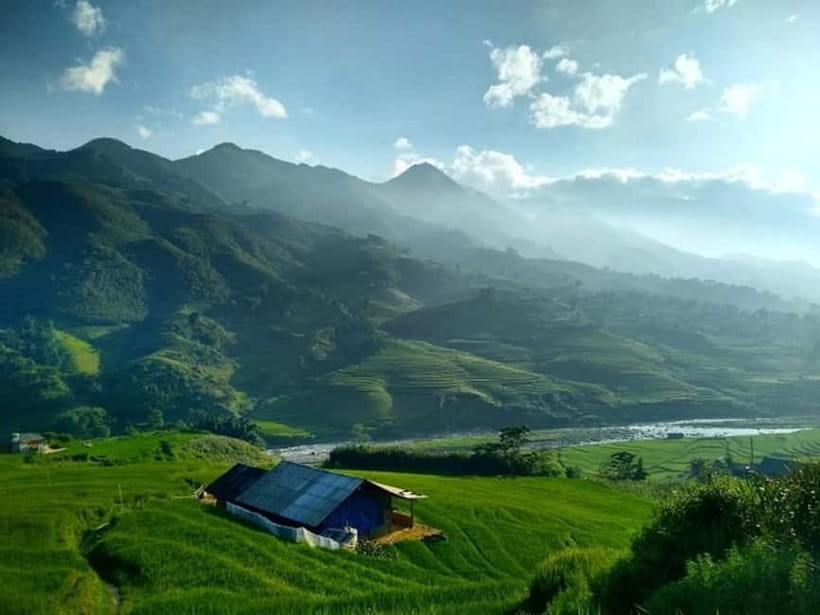
- Sa Seng peak views with sweeping angles over Muong Hoa and a clear look toward Fansipan
- Black Hmong villages (Hang Da and Hau Thao) plus Giang Ta Chai at the end
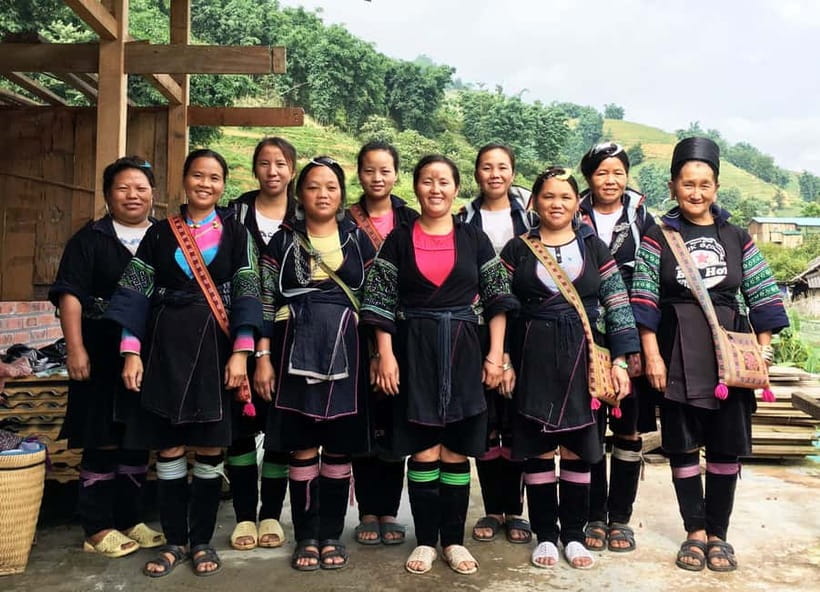
- Cultural learning that stays practical, rice-field work, house building techniques, and marriage traditions
- Lunch at a small local family restaurant, included and designed as part of the route
- Small group size, up to 10 people, which usually keeps the pace and questions comfortable
- A massage voucher afterward at Massage Lits (20% off) at 01 Hoang Van Thu, Sapa
Sa Seng Mountain and Muong Hoa Valley: why this trek feels worth it
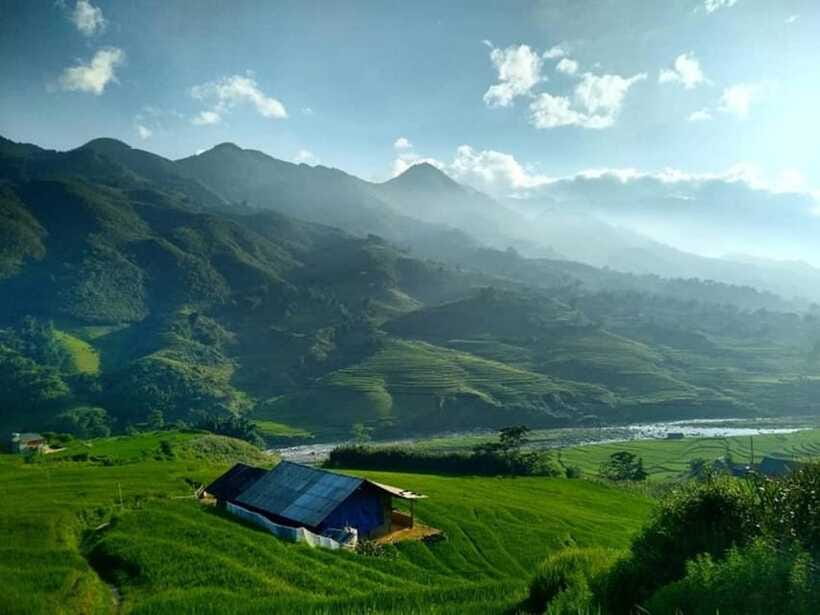
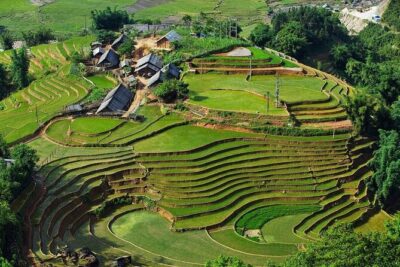
Sapa is famous for views, but this itinerary makes you earn them. The route pushes you up to Sa Seng Mountain first, then guides your eyes downward, toward the terraced rice fields in the Muong Hoa Valley. That sequence matters, it turns the scenery into something you can actually understand.
From the top, you get panorama-style perspective over Sapa town, plus a view toward Fansipan (3,143 m), which is the highest peak in Indochina. If you’ve ever been to Sapa on a scooter day, this feels different. You’re not just passing viewpoints, you’re getting the “whole layout” impression, like seeing the map in real life.
Also, the villages in this trek are part of the geography, Hang Da and Hau Thao sit along the mountain-side descent. You’re seeing how daily life works when your land is steep and terraced, and when farming and livestock are woven into routine.
More Hanoi tours and experiences for the shortlist
Getting started at Hoàng Văn Thụ and why timing matters
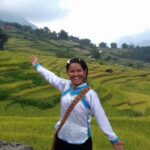
The tour’s base is simple: you meet at Massage Lits, 01 Hoàng Văn Thụ, Sapa. Pickup happens around 9:00, and the day runs about 9 hours total, with a clear return stop back at the same meeting point.
After a short introduction, you head uphill on a small trail. The itinerary mentions a first 1 km uphill stretch, then a tougher about 1 hour climb to reach the top of Sa Seng. That means your day starts actively. If you know you prefer an easy warm-up, plan for this to feel brisk from the start.
One practical note: there are a small number of past reports about late or missed pickup. I can’t promise it will happen, but it is enough that you should do two things. Be at the meeting point early, and keep a way to contact the operator if the van is not where it should be.
The climb to Sa Seng Peak: steep, but the views come fast
The hardest part of the day is also the main reason to book. Expect steep inclines and a real uphill push, not a gentle walk in the countryside. The tour description specifically calls it a challenging trek, and it’s right to highlight that.
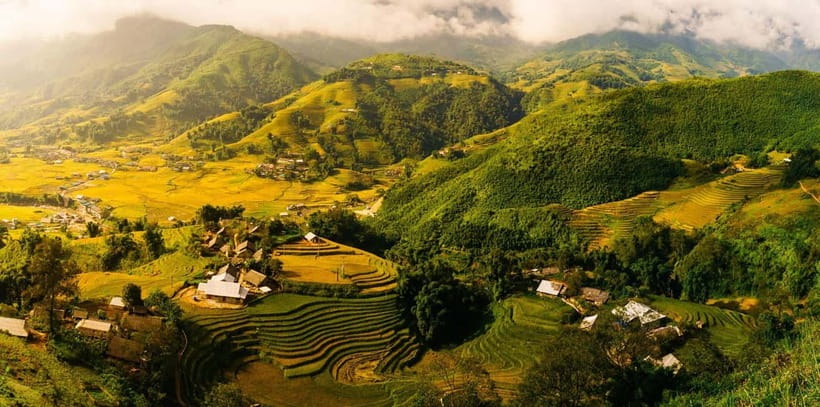
Once you reach the top of Sa Seng Mountain, the day clicks into focus. You’re meant to take in:
- Fansipan in the distance (the high point people come to see)
- Sapa town spread out beneath the mountain line
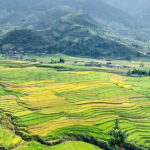
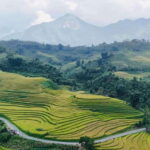
- The Muong Hoa rice terraces, looking dramatic from above
- A broad view of the biggest river and valley in the Sapa area
This is where good trekking photos happen. The views are wide, and because you are up high, you can frame the terraced pattern instead of only seeing one patch at a time. Bring a hat and sunscreen, because your climbing effort plus mountain sun can add up.
Hang Da village: Black Hmong culture at trail level
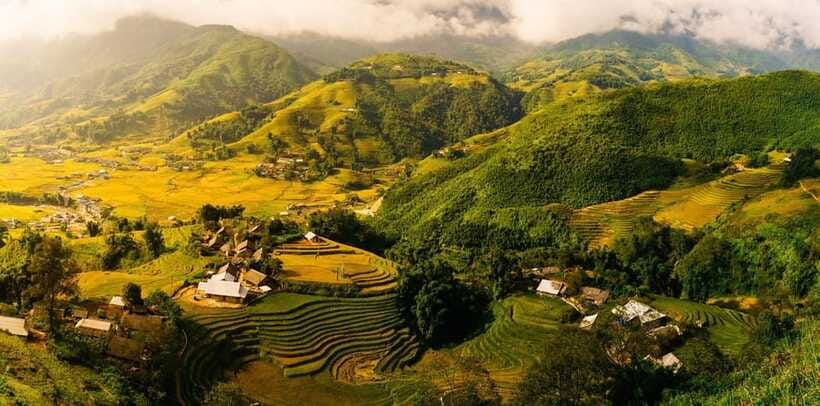
After the summit, the route continues down the mountainside toward Hang Da, described as a Black Hmong minority village. This is not a long lecture type stop. Instead, your guide explains what you’re seeing in the context of how people live and work on the land.
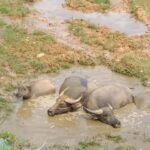
The itinerary also includes a look at local animals as you pass through areas used by residents, including buffalos, cores, and pigs. Even if you do not memorize every name, the point is clear: livestock are part of the daily system here, not just background for a photo.
If you’re the kind of traveler who likes cultural context, this is a smart stage of the day. Your legs are warmed up or cooled down depending on your pace, but your brain is ready to switch from “climb effort” to “what does this place do for people?”
Lunch at a local family restaurant: included, and actually integrated
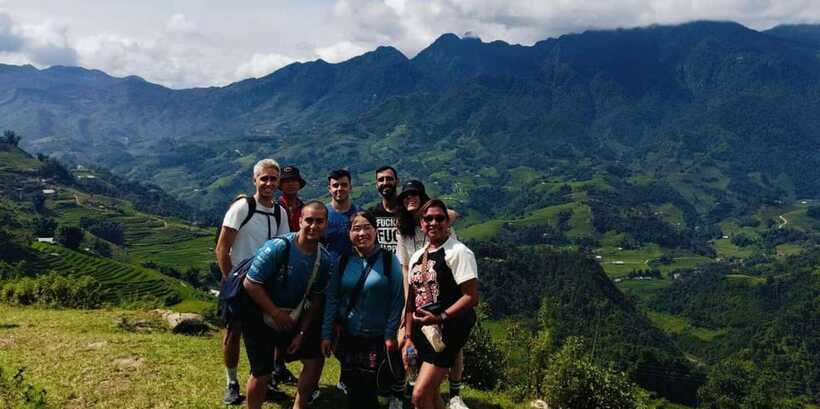
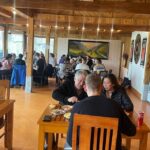
Then comes lunch, served at a small restaurant run by a local family, and it’s included in the price. I like that the meal is not stapled on at the end of the day like a tourist add-on. It sits right between village time and the next descent to Hau Thao.
Food in Sapa can vary a lot, and you will get a more “everyday” experience here because the restaurant is described as family-run and small. In one case, a guide’s approach to the day and the quality of the food were specifically mentioned as standout points.
Practical tip: if you’re sensitive to cold or altitude air, eat steadily. After a steep morning, you may feel fine, then get hit later if you skipped lunch or ate too lightly.
You can also read our reviews of more hiking tours in Sa Pa
Hau Thao village and Hmong marriage traditions you can ask about
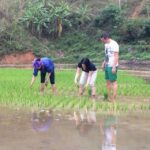
After lunch, the tour heads down a small road toward Hau Thao, another Black Hmong ethnic minority village. The itinerary includes time to see daily life, and if timing lines up with field work, you may watch people harvesting or planting rice.
This matters because it’s not only about culture as costumes. It’s about how the farming schedule shapes everything else, including where people focus and what they prioritize during the day.
Your guide also introduces Hmong marriage traditions, along with rice-field work and house building techniques. The value here is the guidance. Without a guide, village visits can turn into quick sightseeing. With a guide, you get the “why” behind what you notice, like how family life connects to land, labor, and housing.
Also, the guided element stays useful because your route continues after the village stop. You’re not stuck waiting for the bus, you’re still moving through the area with a plan.
Giang Ta Chai and the final walk before the van
By 15:30, the itinerary has you walking to Giang Ta Chai village, where your transport waits on the main road. From there, you’re driven back to Sa Pa, ending the tour.
This final segment is a good moment to breathe. You’ve already had the main climb and the cultural stops. Now it’s more about finishing the loop and letting your legs cool down.
It also gives you a chance to look around differently. After spending time with rice terraces and village routines, the “main road” stop helps reset the day, so you return to town feeling like you saw the full arc, not just one viewpoint and a quick visit.
Price and value: what $20 gets you in Sapa
At $20 per person for about 9 hours, this is positioned as a budget-friendly guided trek. The big value pieces are:
- Round-trip van transportation
- A live English guide
- Lunch
- A massage voucher at Massage Lits (20% discount) after the trip
- Small group size, limited to 10 participants
That combination is rare at this price point. Many Sapa tours either have the guide but miss the included meal, or include transportation but rely on you to find food. Here, the lunch and guidance are clearly integrated into the day.
The massage voucher is also a nice practicality. A steep trek tends to leave your legs feeling it. Having a discount at a local massage spot right near town is the kind of small add-on that can make the next day easier.
Just be realistic about physical demands. Value is not only about cost, it’s also about whether the trek style fits your body and comfort level. If you fear heights or get vertigo, this is not your best match.
The guides and the feel of the small group
This tour runs with a live English-speaking guide. One guide name that stood out in past experiences was Châu A Su, described as friendly and good at chatting while sharing details about nature and the local surroundings.
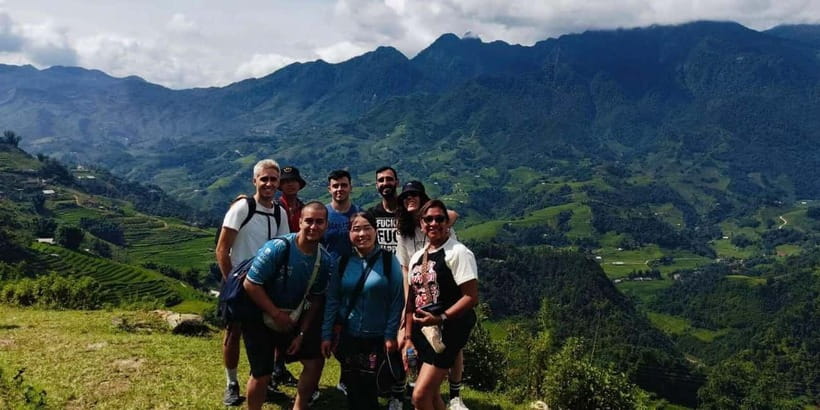
Small groups matter here. When you’re limited to 10 participants, you can ask questions without waiting for the guide to herd a crowd. It also makes it easier to set a steady pace on steep paths and to keep photo stops organized.
If you want a more personal experience, this format is one of the best signs you’re in the right place.
Who should book, and who should skip this trek
The itinerary is clear about who should avoid it. It’s not suitable for:
- Pregnant women
- People with back problems
- People with mobility impairments
- People afraid of heights
- People with vertigo
That’s a meaningful list. If you know you get uncomfortable on steep grades or you struggle with balance, listen to that warning. This is a trek where the top views can also come with exposure and height sensations.
On the positive side, it works well if you:
- Enjoy walking and don’t mind a steep hour climb
- Want a mix of views plus village culture
- Prefer a guided day that explains what you’re seeing
- Are happy with a simple, included lunch in a family setting
If you want purely easy sightseeing with minimal effort, you might be happier with a gentler option around town. But if you want “Sapa as a living landscape of terraces and villages,” this route has the right ingredients.
What to bring for the steep parts and changing mountain weather
The tour gives a straightforward packing list, and I agree with it. Bring:
- Comfortable shoes for steep, uneven paths
- A hat for sun
- Sunscreen
- Water
- Camera
- Any trekking gear you like to use for support
Think about the real effect of a long day. You’re climbing, descending, taking photos, and walking between village areas. Water and sun protection matter even when it feels cool in the morning.
One more rule: no smoking. It’s a small thing, but it keeps the experience pleasant for everyone on the trail.
Should you book this Muong Hoa mountain views trek?
If you want a day that combines the big Sapa viewpoint payoff with real village context, this is a strong choice. The best reason to book is the order of the day, summit first, then villages and rice life, then lunch, then more village time and a finish walk. That flow makes the whole experience feel connected.
Book it if you can handle steep walking and you like guided cultural explanations, especially topics like Hmong marriage traditions, rice-field work, and house-building techniques. The small-group size and the included family lunch make it feel like a guided day with substance, not a long bus tour with a couple of quick stops.
Skip it if heights and vertigo are issues, or if you have back or mobility limitations. Also, because there have been reports of pickup delays or missed pickup, arrive early at Massage Lits, 01 Hoàng Văn Thụ and be ready to move at the start time.
FAQ
What time does the tour start, and where do I meet?
The tour starts at 9:00. You meet at Massage Lits, 01 Hoàng Văn Thụ, Sapa.
How long is the trek and is it difficult?
The total tour lasts about 9 hours. You should expect a challenging day with steep inclines, including about 1 hour of hard trekking after an initial uphill trail.
What’s included in the price?
The price includes round-trip van transportation, a driver and guide, lunch at a local family restaurant, and a massage voucher at Massage Lits at 20% off after the trip.
Is the tour guide available in English?
Yes. The tour includes a live English-speaking guide.
How big is the group?
It’s a small group, limited to up to 10 participants.
What should I bring to stay comfortable on the walk?
Bring comfortable shoes, a hat, a camera, sunscreen, water, and trekking gear if you use it.
More Hiking & Trekking Tours in Sa Pa
More Lunch Experiences in Sa Pa
More Tour Reviews in Sa Pa
Not for you? Here's more nearby things to do in Sa Pa we have reviewed
More Sapa Trekking Tours to consider.
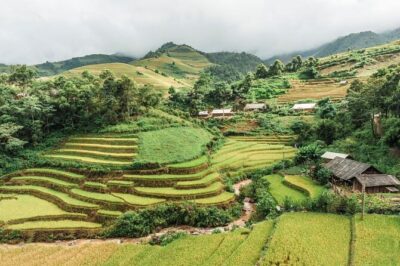 ★ 5.0Sapa 2 Days 1 Night From Hanoi – Overnight in Ta Van VillageTickets from $592,669 traveller reviews
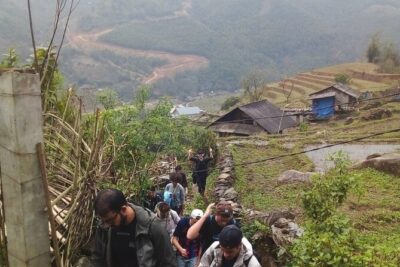 ★ 5.0Hanoi – Sapa 2 Days 1 Night Overnight At HomestayTickets from $89899 traveller reviews
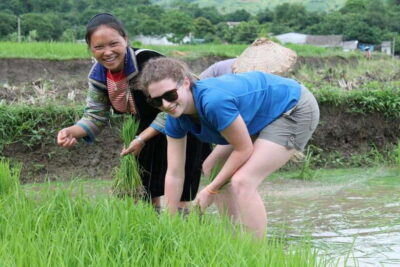 ★ 4.6Sa Pa: Muong Hoa Valley Trek and Local Ethnic VillagesTickets from $23864 traveller reviews
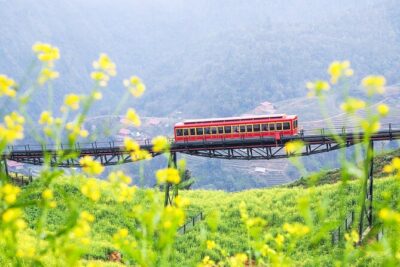 ★ 5.0Sapa: Fansipan Cable, Cat Cat Village & Moana Instagram TourTickets from $30777 traveller reviews
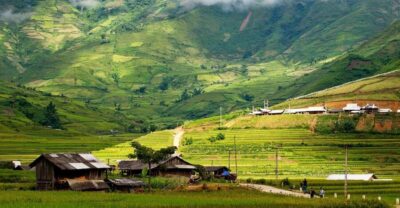 ★ 4.8From Hanoi: 2-Day Sapa Trekking Trip with Homestay & MealsTickets from $71704 traveller reviews
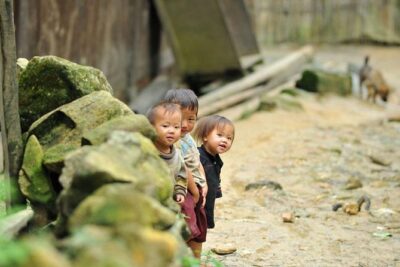 ★ 5.0Sapa 3 Days 2 Nights Trekking Tour (1 Night In Ta Van Village, 1 Night In Hotel)Tickets from $139699 traveller reviews
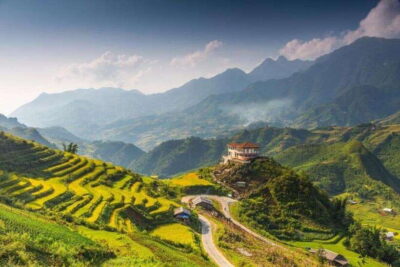 ★ 4.9Sapa: Eco Adventure Terrace Fields and Local Villages TrekTickets from $27636 traveller reviews
 ★ 5.03-Day Trekking Adventure of Sapa from Hanoi – Stay Ta Van VillageTickets from $109611 traveller reviews
More useful Hanoi routes