
Review · HANOI MOTORBIKE & JEEP TOURS
Sapa One Day Motorbike Tour
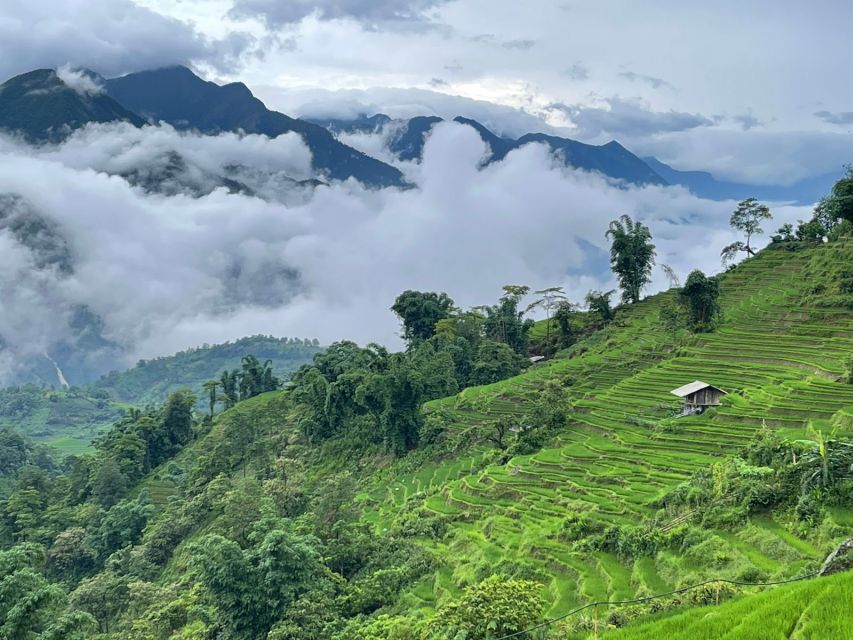
Sapa feels like a movie set, but this trip keeps it practical. A guided one-day motorbike loop lets you see terraced rice, small villages, and two waterfalls without committing to a full trekking day.
What I like most is the mix of motion and meaning. You get a ride that takes you past classic Sapa views, plus real time in villages to learn how people live, from Black Hmong to Red Dao to Giay.
One consideration: this is still a motorbike day, so comfort depends on your driving comfort and road conditions. The route can be well maintained in places and tricky or busy in others, so if you are not confident riding, plan on adjusting expectations and ask about options in advance.
Key things I’d focus on
- Two waterfalls stop, Love and Silver, with clean water and straightforward photo time
- O Quy Ho pass viewpoint, one of Northern Vietnam’s major passes
- 11 villages around Sapa, with three ethnic minority groups
- Hmong house lunch inside the experience, not as an afterthought
- English local guide who explains what you are seeing as you go
- Helmet, raincoat, water, and gasoline handled, which matters for value
The real rhythm of a 7-hour Sapa motorbike day
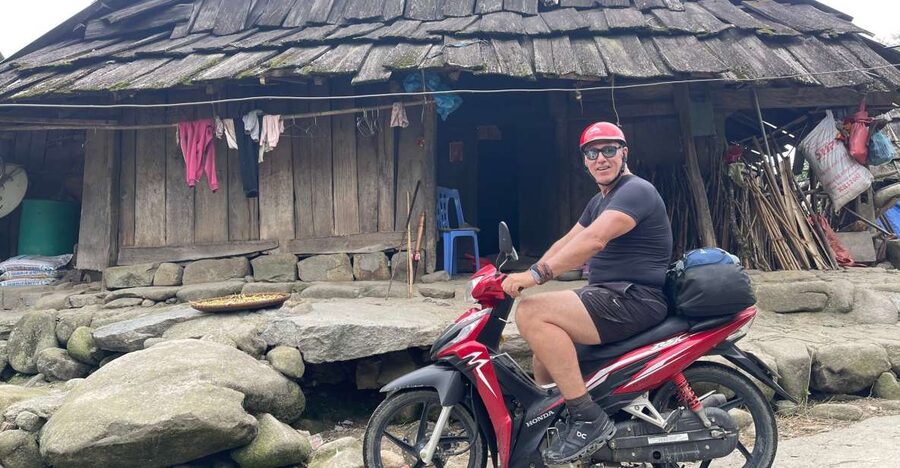
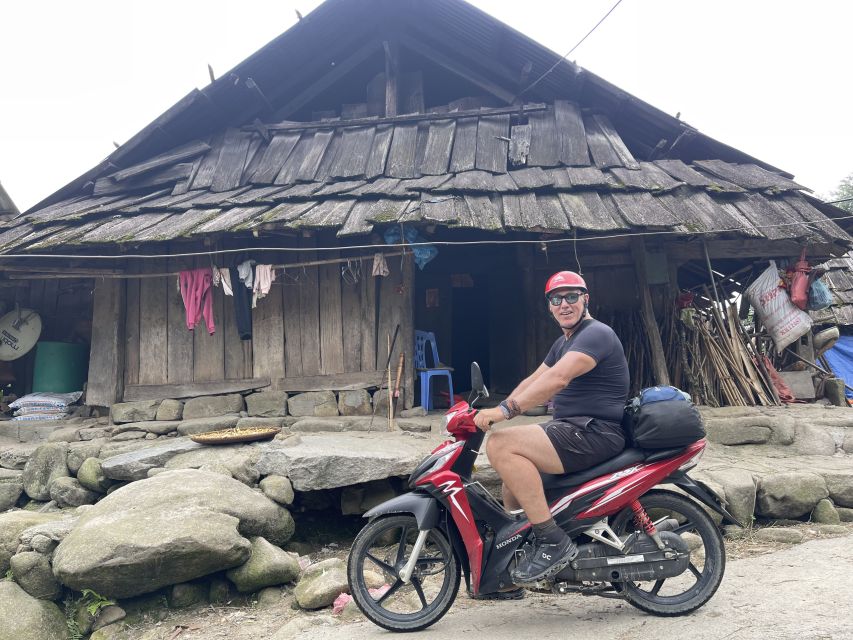
This is a private group one-day tour designed for people who want the highlights but do not want to spend the whole day hiking. You start with pickup from your hotel in Sapa center, or from Sapa Church if your stay is outside the center. Your guide meets you about 15 minutes before the scheduled time, then helps you get sorted with the bikes and gear.
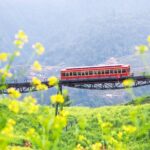
The day moves in blocks. There are rides between villages and viewpoints, then hands-on time at stops where you can look, ask questions, and see everyday village life. Expect a lot of small moments: terraced fields climbing the hills, traditional houses, and the feeling that every valley road opens to a new view.
More Hanoi tours and experiences for the shortlist
O Quy Ho pass, and why this stop is worth the ride
The tour includes a drive over O Quy Ho pass, one of Northern Vietnam’s four large passes. This matters because passes like this are where the geography does the talking. You are not just going from A to B, you are traveling through a mountain region where the roads follow the contours, and the viewpoints tend to be dramatic.
On this route, you should expect nature-heavy scenery like waterfall water and big outdoor views. The stop is timed as part of the overall loop, so it is not rushed like a quick roadside photo. Still, it is a day tour, so you will get the best results if you travel ready to move, and you keep your camera accessible.
If the weather is wet, you will still go. The tour runs rain or shine, and rain gear is included, but that also means roads can feel more slippery and visibility may drop. Good news: a motorbike day is often better than a walking day in rain because you can keep going without getting soaked for hours.
Love and Silver Waterfalls: what you will notice most
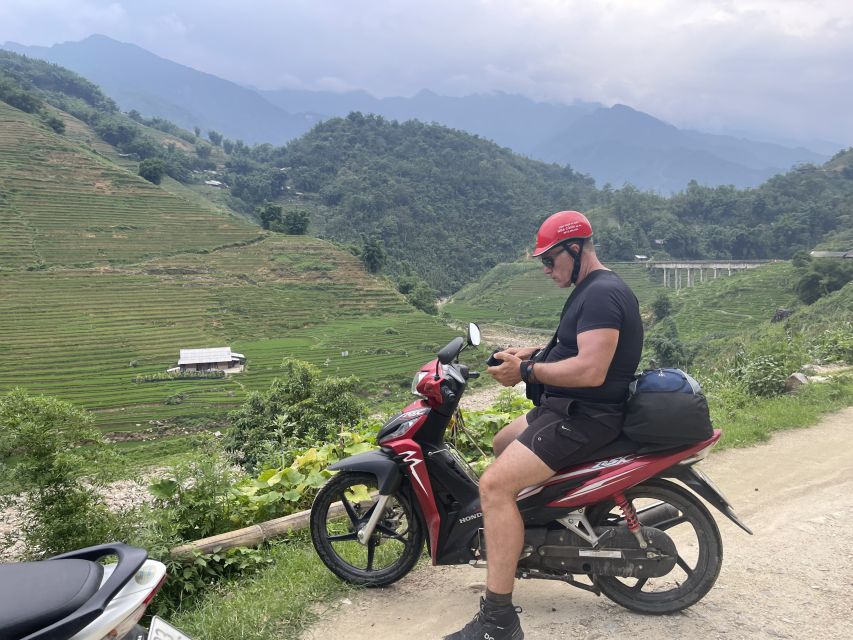
You will visit Love Waterfall and Silver Waterfall during the ride. The standout here is not just the name, it is the combination of waterfall views plus the sense that the water is clean and fresh. These stops also help break up the day, giving you a calmer, nature-focused moment between village visits.
Practically, think of these as scenic breaks that are easy to fit into a motorbike itinerary. You can take photos, stretch your legs, and get your bearings before heading back out onto the roads. If you are coming from Hanoi or you only have one day in Sapa, this is a smart way to get waterfall time without building a separate half-day hike around it.
11 villages and three ethnic groups, in plain, human scale
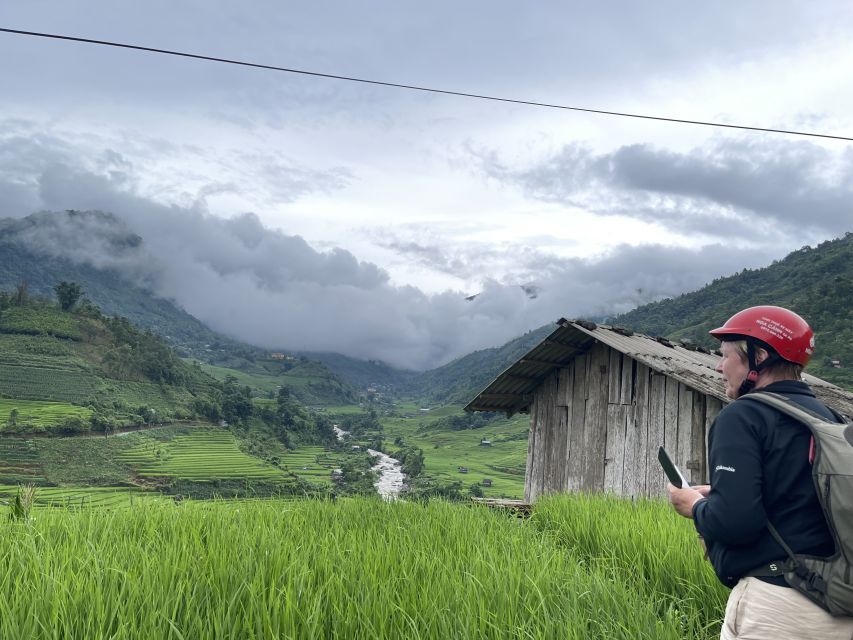
This tour is built around villages. The plan includes six villages in Muong Hoa valley plus additional village stops around Sapa, totaling 11 villages and three ethnic minorities: Black Hmong, Red Dao, and Giay.
The villages you will likely visit
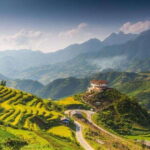
- Y Linh Ho: A Black Hmong village where you can see rice terraces and traditional Hmong houses on the hillsides.
- Lao Chai: Known for its Hmong Black community and the classic terraced scenery you see on Sapa postcards, plus cultural interactions.
- Ta Van, Hau Thao, Giang Ta Chai, and Su Pan: These are part of the broader valley feel, where you can compare cultural differences among Hmong, Giay, and Red Dao communities.
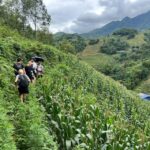
What makes this valuable is that you get repetition without boredom. Multiple villages show different angles of the same mountain life. You start noticing patterns, like how terraces shape daily work and how house placement relates to the terrain. Then you start noticing differences, too, like how groups live and how their communities organize around the land.

Learning culture without turning it into a show
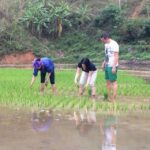
This is not presented as a museum tour. You are going to villages with time to look closely and talk. The guide helps connect the dots so it feels less like sightseeing and more like understanding how people make life work here.
Lunch also supports this. The day includes lunch at a Hmong house, which gives you a chance to experience local food in a setting tied to the community.
Riding the roads: confidence level, bike choice, and safety basics
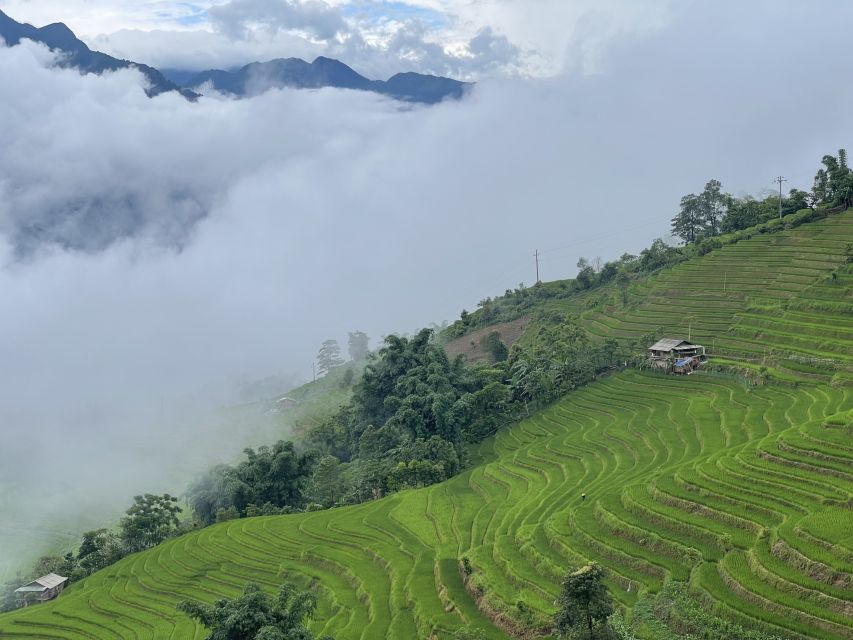
Let’s talk about the motorbike part honestly. The road experience can vary a lot. One day it can feel well maintained, another day it can feel tricky. You may pass empty stretches, then hit busier sections. That mix is normal in Sapa’s mountain road network.
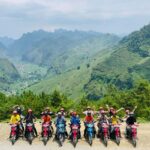
Your comfort has two big drivers: whether you plan to drive or ride, and how you handle wet conditions. You start with helmets for each person, and you get a raincoat per person, which helps if you get caught in showers. Gasoline is included, so you are not managing logistics while riding.
Also, you must bring a driver’s license and an ID or passport. If you do not have a license, you may need to rethink the plan. The tour is set up around motorbike access, and that requires basic paperwork.
One detail from real-day experience: some groups were able to arrange a driver when people were not confident riding themselves. I would treat that as a possibility, not a promise, so ask before you go if you want a ride-only setup.
And yes, you may have a choice: one account noted you can choose between manual or automatic bikes. If you are sensitive to clutch work on hills, automatic can reduce stress.
Lunch at the Hmong house, and what makes it memorable
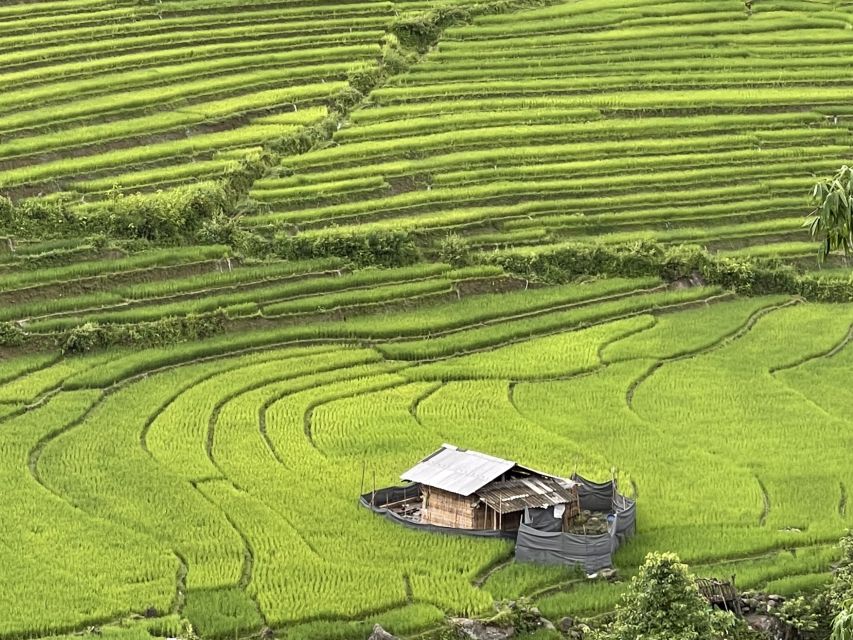
The tour includes lunch at villages, and it is specifically described as lunch at a Hmong house. That is important because it changes lunch from fuel into part of the day’s cultural thread.
In one standout account, the family welcome felt especially warm, including a small moment of hospitality that made the meal feel personal. The food was described as yummy, and the portion size leaned generous, meaning you might arrive hungry and leave happily full.
Practical takeaway: treat lunch like a key event. Plan to eat well, stay hydrated from the 1.5L water per person, and do not let your energy crash before the afternoon viewpoints.
Your money at work: value for $62 per person
At $62 per person, this tour can feel like good value because a lot of the day is bundled into the price. Here is what you get that reduces hidden costs:
- Pickup in Sapa center (or Sapa Church)
- Villages entry fees
- English speaking local guide
- Motorbike for each person (or, in some cases, a driver arrangement depending on your setup)
- Helmet and raincoat
- Gasoline during the trip
- Lunch at villages
- Water: 1.5L per person
- Extra time for the guide to explain what you are seeing as you ride
The biggest cost you would otherwise face on your own is time plus coordination. Hiring a guide, arranging entry fees, and figuring out routes to multiple villages and waterfalls all in one day adds up fast. This tour sells the idea that you trade money for an easy flow.
Just note what is not included: travel insurance, tips, and extra drinks. If you like sparkling water or cold drinks on the road, budget a little extra so you are not surprised.
Who should book this one-day tour, and who should skip it
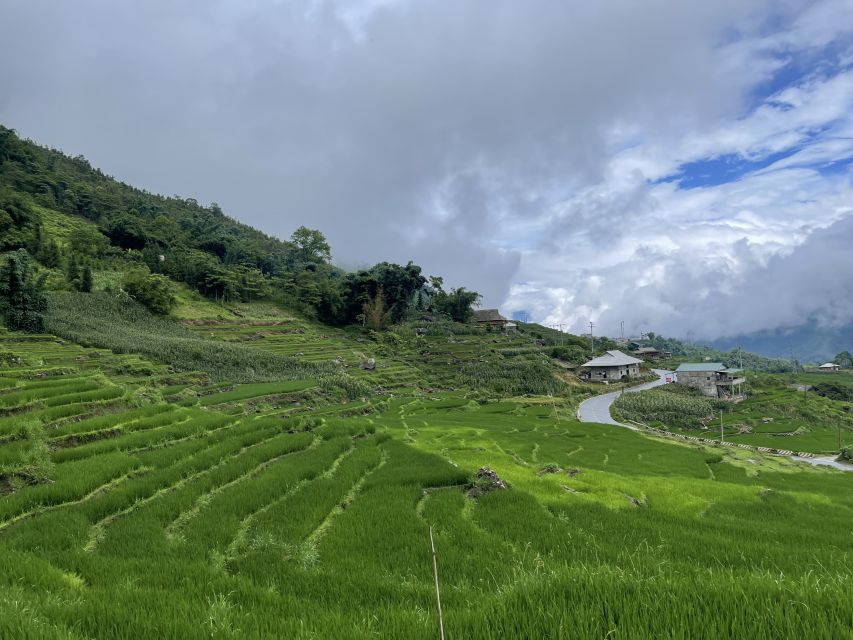
This is a great match if you:
- Have limited time in Sapa but still want villages and waterfall stops
- Prefer a motorbike plan over a longer trekking day
- Want cultural learning focused on three specific ethnic minorities
It may not be the best fit if you:
- Want a low-movement, mostly relaxing day
- Need accessibility options. This tour is not suitable for wheelchair users or people with mobility impairments.
It also helps if you like variety. The day mixes viewpoints, village life, and a house lunch. If you get bored easily with one type of activity, this rhythm can work well.
Quick prep checklist before you ride
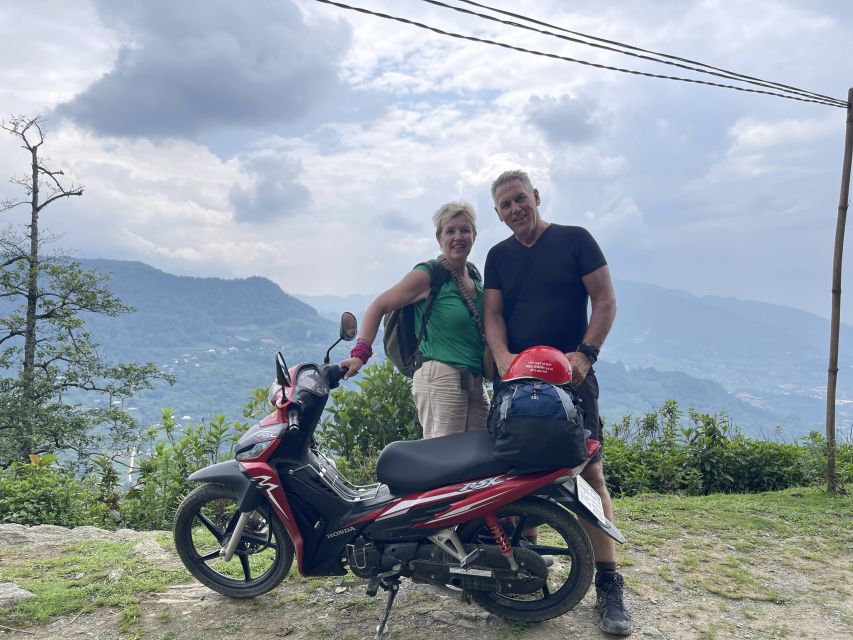
Do not overpack, but do pack smart. Bring:
- Driver’s license
- Passport or ID card
- Sunscreen
You already get:
- Helmet per person
- Raincoat per person
- Water and gasoline are handled
One more practical tip: plan for weather swings. Sapa weather can change quickly, and this tour runs rain or shine, so dress for layers even if the morning starts sunny.
Should you book the Sapa One Day Motorbike Tour?
If you want a strong first Sapa day, this is a good call. You cover O Quy Ho pass, hit Love and Silver Waterfalls, and spend time in multiple villages tied to Black Hmong, Red Dao, and Giay. The price feels reasonable because the tour takes care of the gear, entry fees, guide time, and essential supplies like water and rain protection.
I would book it if you are comfortable with the idea of spending most of your day outdoors on the move. I would also consider it if you value guidance and want someone to explain what you are seeing.
I would pause if motorbike riding stresses you out, especially on wet roads or steep areas. If that is you, ask in advance about your bike setup and any option to ride with a driver. A one-day loop is not the place to gamble on comfort.
FAQ
How long is the Sapa One Day Motorbike Tour?
The duration is listed as 7 hours. Starting times can vary, so you will need to check availability for the schedule.
Where do you get picked up?
Your guide picks you up at your hotel in Sapa center. If your hotel or homestay is not in Sapa center, pickup is at Sapa Church.
What stops are included during the day?
The tour includes O Quy Ho pass, visits to Love and Silver waterfall, and visits to multiple villages around Sapa, including Y Linh Ho, Lao Chai, Ta Van, Hau Thao, Giang Ta Chai, and Su Pan.
Do I need a license?
Yes. The tour requires you to bring a driver’s license.
What’s included in the price?
Included are pickup, village entry fees, an English-speaking local guide, a motorbike (1 per person), helmet, gasoline, raincoat, lunch at villages, and water (1.5L per person).
What happens if it rains?
The tour takes place rain or shine, and raincoats are provided per person.
More 1-Day Tours in Sa Pa

More Tours in Sa Pa
More Tour Reviews in Sa Pa
Not for you? Here's more nearby things to do in Sa Pa we have reviewed
More Hanoi Motorbike & Jeep Tours to consider.
 ★ 5.0Hanoi Jeep Tour: Food, Culture and Fun by Vietnam Army JeepTickets from $5515,222 traveller reviews
 ★ 5.0Hanoi Motorbike Tour: Food, Culture and Fun by Vintage MotorbikeTickets from $556,699 traveller reviews
 ★ 5.0Hanoi Backstreet Jeep Tour : Hanoi HIGHTLIGHTS and HIDDEN GEMSTickets from $571,922 traveller reviews
 ★ 5.0Hanoi Motorbike Tours Led By Women: Hanoi By Night Foodie Motorbike ToursTickets from $691,734 traveller reviews
 ★ 5.0Hanoi Half-day with Food + Fun + Culture By Russian JeepTickets from $701,243 traveller reviews
 ★ 5.0Hanoi Motorbike Tours Led By Women: Hanoi City Insight Motorbike ToursTickets from $59816 traveller reviews
 ★ 5.0Hanoi Countryside Motorbike Tour: Red River Culture & Daily LifeTickets from $55681 traveller reviews
 ★ 5.0Hanoi Jeep City Highlight, Backstreet, Train Street, CountrysideTickets from $55666 traveller reviews
More useful Hanoi routes