

Review · SAPA TREKKING TOURS
Journey Through Sapa Terraces & Traditions
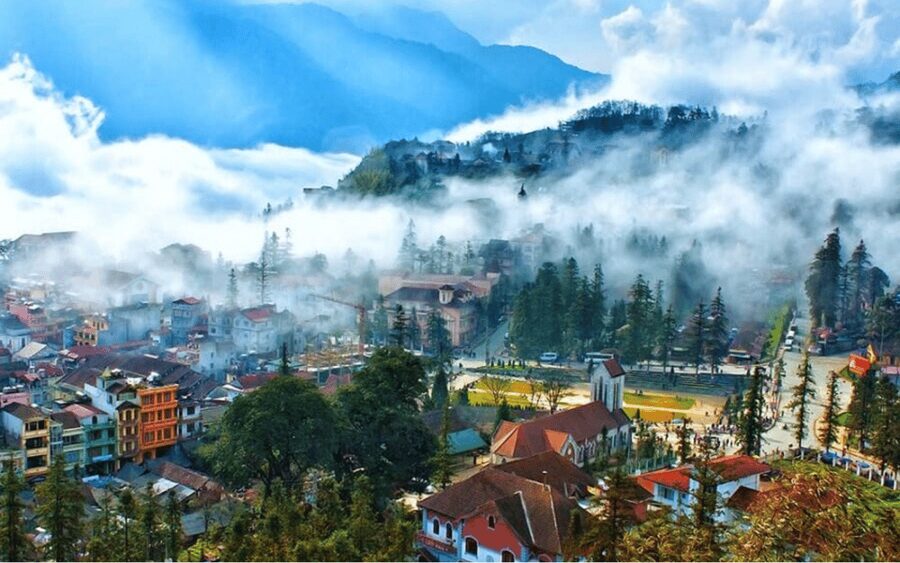
Rice terraces in Sapa feel like a moving postcard. This one-day trek layers Muong Hoa River crossings, bamboo forest walks, and big viewpoint time into a smooth full-day plan, and it gives you real village lunch with local families. The main thing to consider is that rain can turn the trails slick, and pick-up can run behind schedule, so plan to move slowly and wear proper shoes.
I like that the day is built for momentum, not endless waiting. You start around 8:00 AM with pickup from Sapa town or your stay, then finish back in town around 3:30 PM, with the option to keep exploring or head onward. And if your guide is Zo, you’ll appreciate the calm, hands-on attention on tougher parts of the route.
Key highlights you should know
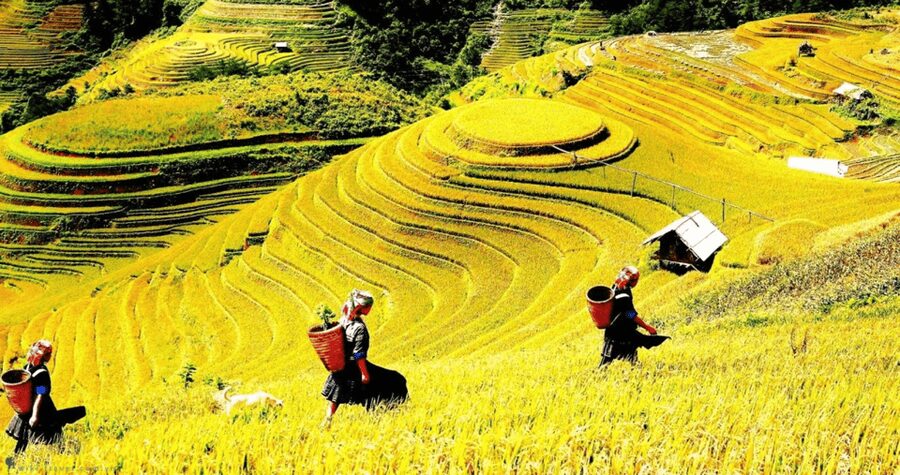
- Iconic rice terraces in Sapa with strong Hoang Lien Son mountain viewpoints
- Muong Hoa River hanging bridge and river valley scenery that keeps coming back in photos
- Bamboo forest trekking that changes the feel from open terraces to shaded trail
- Lunch at Y Linh Ho at a small restaurant run by a local Hmong family
- Village variety from Hmong areas to Black Hmong at Lao Chai, then Giay in Ta Van
- Small-group pacing limited to 10 people, so the guide can watch footing closely
What this Sapa trek is really about
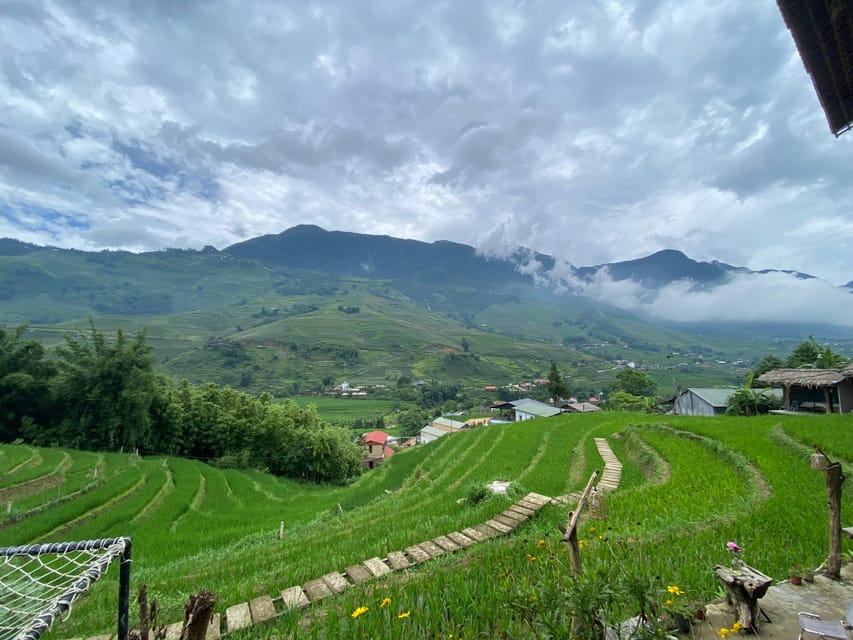
This is not a quick photo stop. It is a full hiking morning into early afternoon that mixes three things you actually want in Sapa: views, walking, and people you can share a meal with.
The route focuses on the same valley you keep hearing about in Sapa, the one carved by the Muong Hoa River, and it threads through terrace areas and villages tied to multiple ethnic groups. You get enough time outdoors to feel like you earned the views, and enough village time to avoid the tour version of passing through.
The trek is described as challenging. If you like hikes where your legs get a workout and your camera fills up naturally, you will enjoy this. If you want a mostly flat stroll, you should look elsewhere.
You can also read our reviews of more tours and experiences in Sa Pa.


Starting pickup from Sapa, then Cat Cat Road into Hmong country

Your day usually starts at 8:00 AM, picked up from Sapa center town or your accommodation. The meeting point is listed as 61 Mường Hoa, and from there the plan shifts into a descent along Cat Cat Road.
That first stretch matters because it sets your “how this day feels” baseline. The route begins with about a 2 km descent, and the walking can be uneven. Even if you think you are ready, this is the part where good shoes earn their keep.
From there, you pass through a Hmong minority village area. It is not presented as a formal museum stop. Instead, you move along a route that feels like it connects daily life to scenic overlooks. You’ll see why Sapa’s terrace edges and river bends are so important to the people living here.
Then comes one of the most memorable turning points in the itinerary: crossing the hanging bridge over the Muong Hoa River. It is the kind of moment that makes the day feel bigger than a simple trek, because you finally see the valley depth from a real crossing point.
If you are traveling when weather is damp, pay attention on this part. Slippery conditions make bridges and descents feel more intense. One of the practical lessons from a rainy-day outing: guides can adjust timing, so bring a mindset that you might start a bit later than the clean schedule.
Bamboo forest trekking and Hoang Lien Son viewpoint time
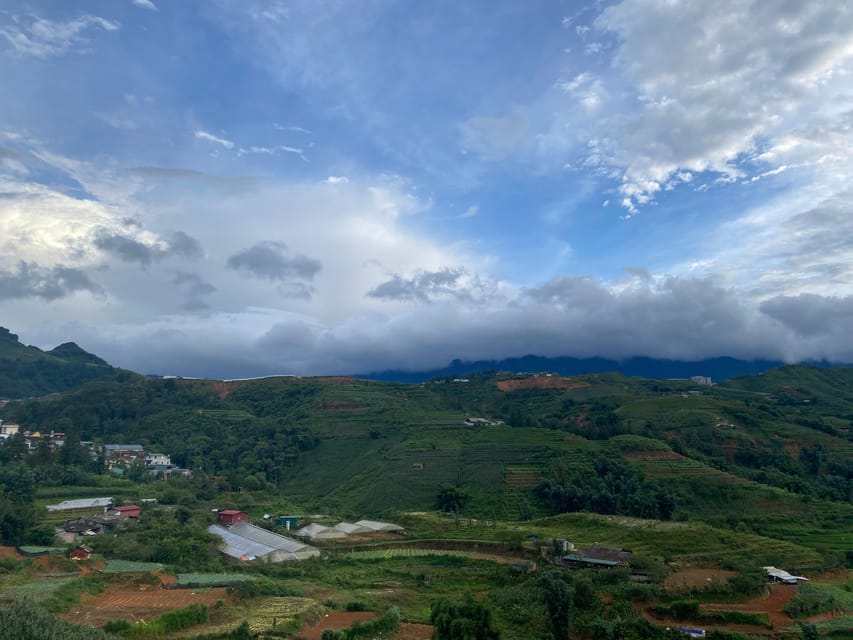
After the river crossing, the trail transitions into a bamboo forest segment. This is a small change in scenery, but it changes the walking experience too. The shade can be welcome, and it breaks up the day so you are not stuck staring at terraces the whole time.
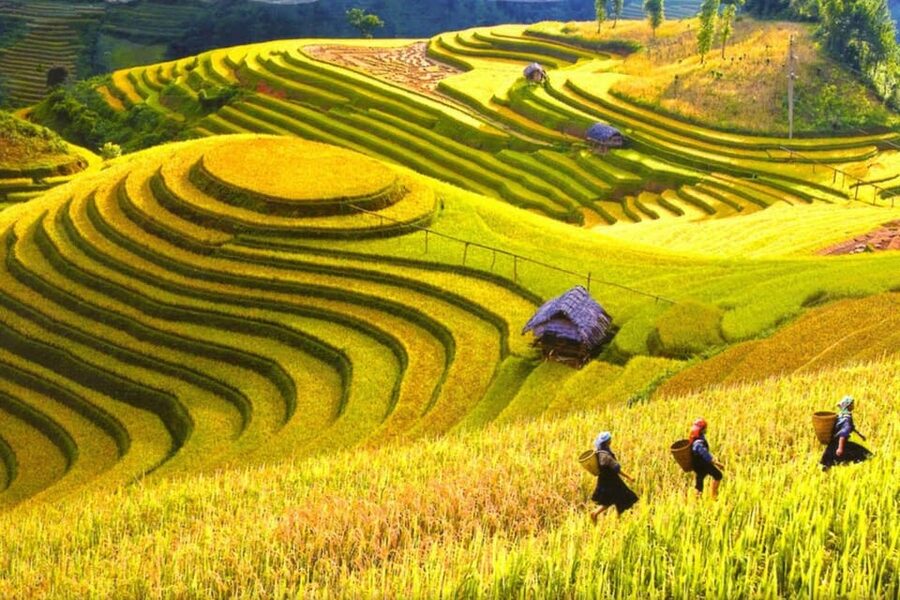
As you climb again, the route focuses on some of the most impressive rice terraces in the area. You get big terrace views framed by the Hoang Lien Son Mountains, which is what many people picture when they imagine trekking in Sapa.
What I like about this portion is the pacing. You do not just rush from one landmark to the next. You gain elevation, you catch views, and then the day keeps feeding you new angles. The terraces keep looking different as you move because of the slopes, walls, and how the valley drops away.
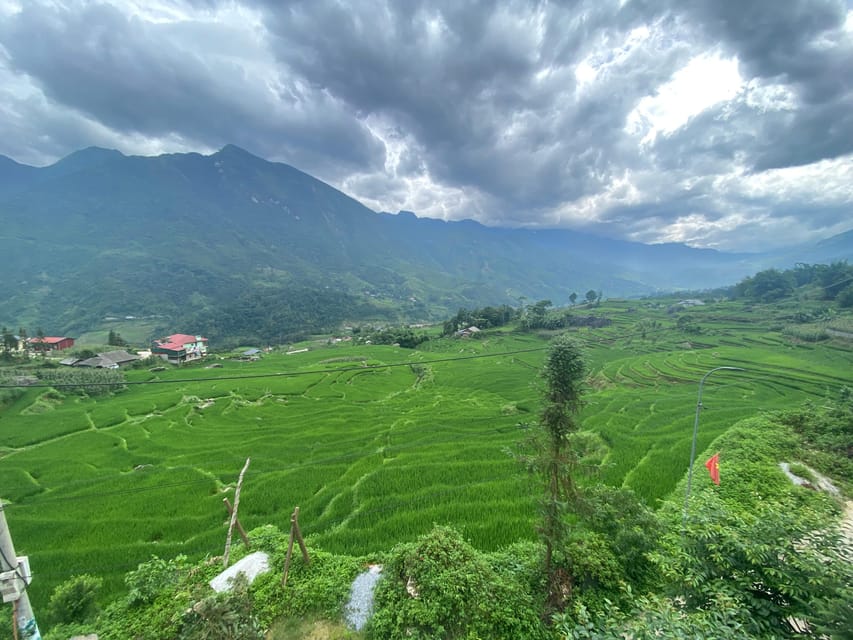
A practical heads-up: your view time depends on weather. Cloudy or rainy conditions can mute colors, but they also make the terrain slick. If the ground is wet, the guide’s job becomes as much about footing as it is about showing you the view. I also appreciate that the group size is capped at 10 participants, because it helps the guide manage the slower moments safely.
Lunch at Y Linh Ho, and why this meal is the heart of the day
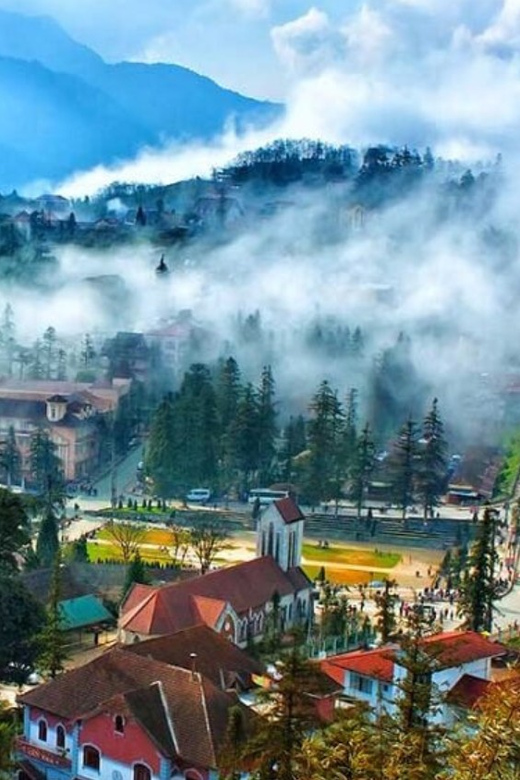
The day’s best “pause” comes at Y Linh Ho village, where you stop for a lunch at a small traditional restaurant run by a local Hmong family.
I like this setup because it is not just a place to eat quickly. It is part of the cultural flow of the trek. Your walking day already placed you among villages and terraces, and lunch gives you a chance to slow down and connect with how the local community hosts visitors.
The lunch is described as delicious and generous. That matters on a 7-hour trek, because you will want energy for the afternoon village visits. Even if you are a light eater, plan to use this meal as the main fuel stop.
If you are the type who thinks, I’ll just snack on the way, you will probably feel underprepared after lunch. The schedule is built around lunch as a proper reset, so come hungry and then treat the meal like part of the itinerary, not an interruption.
Lao Chai and Ta Van, meeting Giay and learning how village life shapes the route
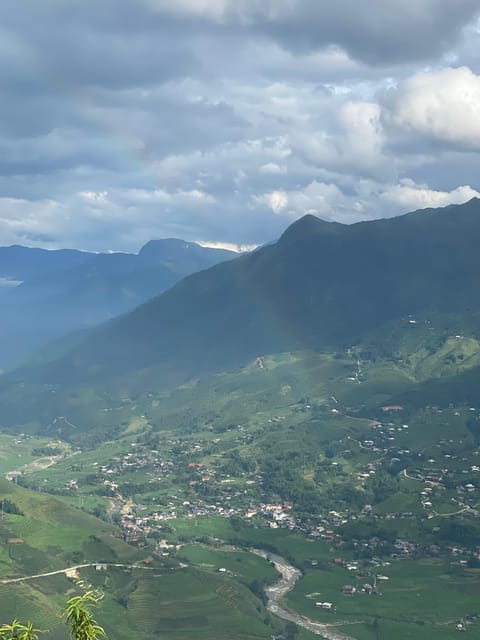
After lunch, the trek continues toward Lao Chai, which is described as home to the Black Hmong community. This part of the itinerary shifts from the viewpoint-first feel into a more village-and-trail mix.
Then you work your way toward Ta Van village, where you meet the Giay minority. The idea here is simple: you do not just walk past a settlement. You get time to learn about diverse traditions and lifestyles tied to the communities in the valley.
What makes this ending portion meaningful is the contrast. Earlier you were chasing terraces and mountain views. Here you are watching how the trail connects into village areas, where daily routines and pathways shape what you see.
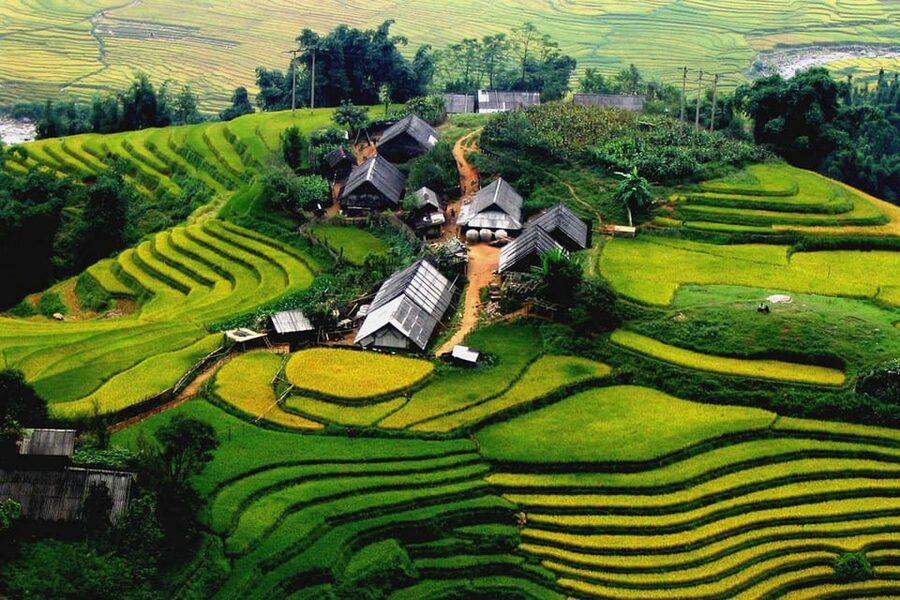
Ta Van is also where the day’s valley feel really clicks into place. You get the “this is why people live here” vibe. Even without a lecture, the route tells you the story through the way it links water, fields, and homes.
Keep in mind the trek continues in the afternoon. The walking time is shorter on paper than the morning descent plus viewpoints, but you can still feel it in your legs once the terrain changes after lunch. If you are prone to getting tired late in the day, take your time on the climbs.
Price and group size, what $20 buys you
At $20 per person, this tour is priced like a practical day hike with real value baked in.
Here is what you get for that price:
- Pickup from Sapa center town or your stay
- A local guide (listed as 10+ years experience)
- Traditional lunch with local communities
- A small group capped at 10 participants
- English and Vietnamese guide support
What this adds up to is important. A lot of Sapa experiences cost more once you pay for transport and guide time separately. This package keeps the cost low by bundling the basics into one day. You are also paying for a guide who knows how to manage the route and the cultural stops, which can make the difference between a random walk and a meaningful one.
If you are worried about value because it is only $20, I get it. But the combination of lunch plus guided trekking is the core reason the price works. You are not just paying for scenery. You are paying for a plan that puts you in the right places and helps you move safely.
Price and Logistics
This is where you should be realistic, because trekking days have moving parts.
First, the timing can shift, especially with rain. One rainy-day outing included a delayed start, plus a bumpy pickup experience where the traveler was not told about the delay ahead of time. It also sounded like rain gear like gumboots was offered to some people but not others.
So here’s my practical advice for you:
- If rain is possible, pack with the assumption that the ground could be slippery.
- Ask your guide or the operator ahead of time what rain footwear is available.
- Don’t count on extra water being included beyond what you are told. If you can, bring a small personal bottle.
Second, the “skip the line” note is listed as part of the experience, which suggests there is some separate access flow. You will still want to arrive ready to move, because the real schedule starts when you hit the trail.
What to bring, what not to wear, and how to handle slippery trails
This trip has a clear dress code because it is a working mountain trek.
Bring:
- a sun hat
- hiking shoes (best) or sports shoes (workable)
- clothes that can get dirty
Not allowed:
- sandals or flip flops
That rule is not just for comfort. It is for safety. Wet trail edges and terrace paths can be slick, and shoes give you the grip you need for short climbs and descents.
If you are packing light, prioritize footwear and a hat. The daytime sun on valley routes can be strong, and the bamboo forest shade changes your temperature, so layering makes sense if weather swings.
Also, because this day can be physically demanding, you will likely feel better if you treat it like a hike rather than a sightseeing stroll. Slow down early. Your legs will thank you in the afternoon.
Who should book this trek, and who should skip it
This tour fits best if you:
- want a challenge rather than an easy walk
- like meeting communities as part of the route, not as a quick stop
- enjoy a day where the itinerary keeps moving: river crossing, forest, terraces, village lunch, then more villages
It is not suitable if you fall into the listed categories:
- children under 4
- pregnant women
- wheelchair users
- people prone to seasickness
- people over 95
And even for people who are not in those categories, be honest about your fitness. The terrain is described as challenging, especially in rain.
Should you book Journey Through Sapa Terraces & Traditions?
Book it if you want your Sapa day to feel like you are walking through the same valley that locals shape with terraces, river access, and village life. The combination of rice terraces, Muong Hoa River views, bamboo forest trekking, and lunch in Y Linh Ho is the main reason this tour is worth considering.
Skip it or choose another option if you need guaranteed smooth timing, very easy walking, or you rely on footwear like sandals. Rain can change the difficulty quickly, and the trail safety needs solid shoes and patience.
If your plan is flexible and you can show up ready to move, this is a strong value day at $20, especially because you get guided time and lunch included in the package.
FAQ
How long is the Sapa trek, and when does it end?
The tour duration is 7 hours. The day trek is set to return around 3:30 PM in Sapa town.
Where does the tour start?
The starting point is listed as 61 Mường Hoa, and pickup is also offered from Sapa center town or your accommodation.
Is lunch included?
Yes. Traditional lunch with local communities is included.
What can I expect to see during the walk?
You will walk through areas connected to Sapa rice terraces, the Muong Hoa River, a bamboo forest, and viewpoint time with Hoang Lien Son in the mix. The route also includes village stops such as Y Linh Ho, Lao Chai, and Ta Van.
What languages is the guide available in?
The live tour guide is available in English and Vietnamese.
What is the maximum group size?
This is a small group limited to 10 participants.
Is there a guide experience requirement?
The tour lists a local guide with 10+ years of experience.
What should I wear or bring?
Bring a sun hat, hiking shoes or sports shoes, and clothes that can get dirty. Sandals or flip flops are not allowed.
Is the tour suitable for kids or anyone with mobility concerns?
It is not suitable for children under 4 years old, pregnant women, or wheelchair users.
Can I book without paying right away?
Yes. Reserve now & pay later is offered, so you can book your spot and pay nothing today.
Is free cancellation available?
Yes. You can cancel up to 24 hours in advance for a full refund.
More Tour Reviews in Sa Pa
Not for you? Here's more nearby things to do in Sa Pa we have reviewed

More Sapa Trekking Tours to consider.
 ★ 5.0Sapa 2 Days 1 Night From Hanoi – Overnight in Ta Van VillageTickets from $592,669 traveller reviews
 ★ 5.0Hanoi – Sapa 2 Days 1 Night Overnight At HomestayTickets from $89899 traveller reviews
 ★ 4.6Sa Pa: Muong Hoa Valley Trek and Local Ethnic VillagesTickets from $23864 traveller reviews
 ★ 5.0Sapa: Fansipan Cable, Cat Cat Village & Moana Instagram TourTickets from $30777 traveller reviews
 ★ 4.8From Hanoi: 2-Day Sapa Trekking Trip with Homestay & MealsTickets from $71704 traveller reviews
 ★ 5.0Sapa 3 Days 2 Nights Trekking Tour (1 Night In Ta Van Village, 1 Night In Hotel)Tickets from $139699 traveller reviews
 ★ 4.9Sapa: Eco Adventure Terrace Fields and Local Villages TrekTickets from $27636 traveller reviews
 ★ 5.03-Day Trekking Adventure of Sapa from Hanoi – Stay Ta Van VillageTickets from $109611 traveller reviews
More useful Hanoi routes