
Review · SAPA TREKKING TOURS
From Sa Pa: One Day Fansipan Mountain Trek
Fansipan is a proper one-day grind. This trek from Sa Pa climbs to the Roof of Indochina at 3,143 meters, mixing bamboo and rainforest trail with serious stair work. I like the early start and the chance to catch big views as the day clears, but this is not a casual hike, and heavy rain can cancel or delay the trek.
I also like how the day is built for real hikers, not armchair sightseeing. You get an English-speaking guide, national park entry, lunch, and 2 liters of water, so your effort goes into the trail instead of logistics.
Key things to know before you go
- 28 km round trip with a typical 9 to 10 hour trekking day, plan your whole day around it
- Tram Ton Pass at 1,994 m as the start point, so the climb starts with altitude in your legs
- Summit timing around 11:30 AM to 12:00 PM for a midday view, not sunrise
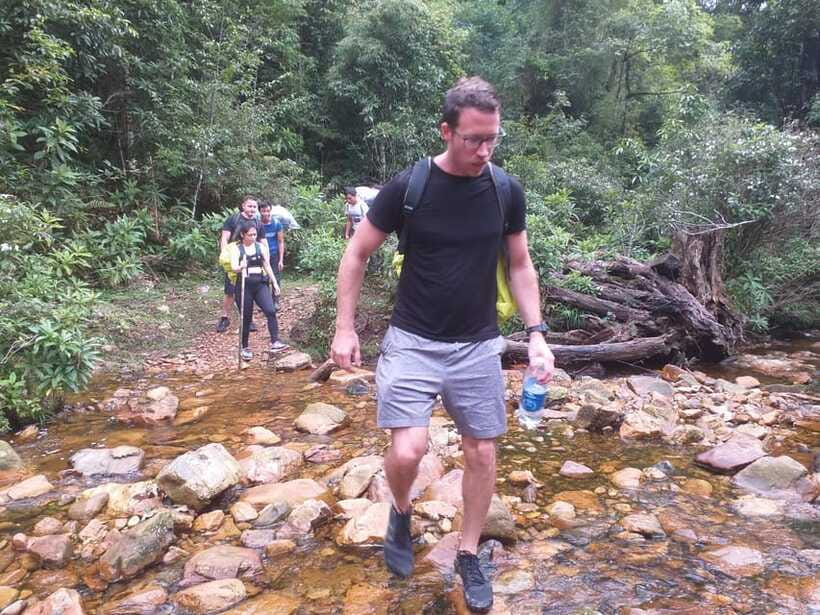
- Bamboo, rainforest, and stream crossings that keep the trail interesting even when views are cloudy
- Two descent options (cable car down, or trek back the same way)
- Guide support that adjusts to your rhythm, with English help like Hezikiah in the mix
Fansipan in One Day: What the Roof of Indochina Means for Your Legs
Fansipan is Vietnam’s highest peak, nicknamed the Roof of Indochina, and the trek earns that name. You’re looking at a round trip of about 28 km and roughly 9 to 10 hours on your feet, so think “full hiking day” rather than “quick challenge.”
The good news is that the hike isn’t just about the summit number. Along the way you climb through thick jungle-type vegetation, hike past streams, and deal with the kind of steep, stairy terrain that makes you feel your legs working. On clear days, the views from up high can be dramatic, and you might even catch a glimpse of high mountains in China.
The catch is simple: this is demanding. If your fitness is low, you’re nervous about heights, or you’ve struggled with altitude before, you’re going to feel it fast. The company also flags that the trek is not for pregnant travelers, and it’s not for children under 16.
You can also read our reviews of more hiking tours in Sa Pa


Getting to Tram Ton Pass: The Start That Sets the Tempo
Your day begins around 6:00 AM. After an early breakfast (at your own expense), you’ll transfer by car or van to Tram Ton Pass at 1,994 meters. That transfer matters because it saves you from walking up the “easy” access roads and gets you onto the main trekking route quickly.
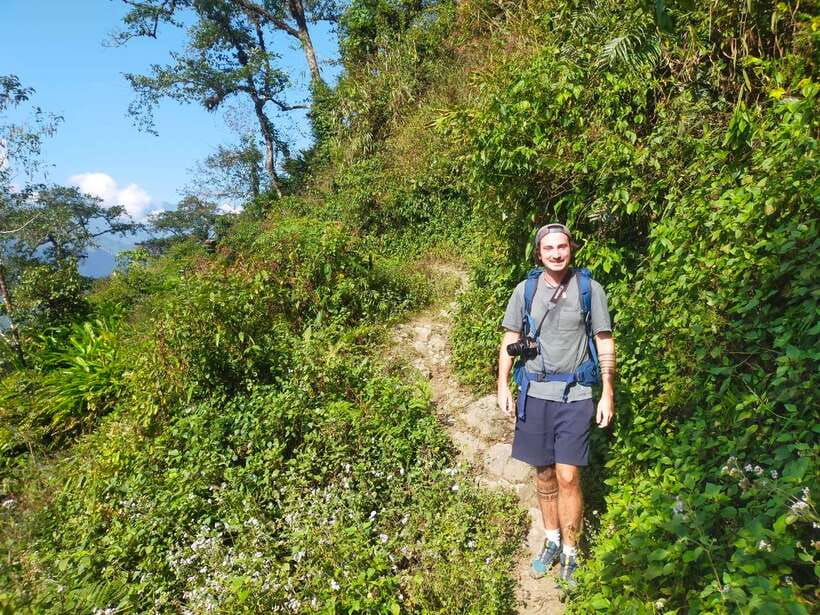
From there, you hike through dense bamboo and rainforest. The trail is more than one long straight grind, too. You’ll cross streams and keep moving through varied sections, which helps if you get bored on repetitive uphill walking. It also means you should expect damp spots, even on days that look fine at Sa Pa.
Logistics-wise, pick-up is available from your hotel or homestay in central Sa Pa, or you can meet at 013 Tue Tinh street. It’s the kind of setup that reduces stress before your first step, especially if you’re already waking up early.
The Summit Push Around 11:30 AM to 12:00 PM
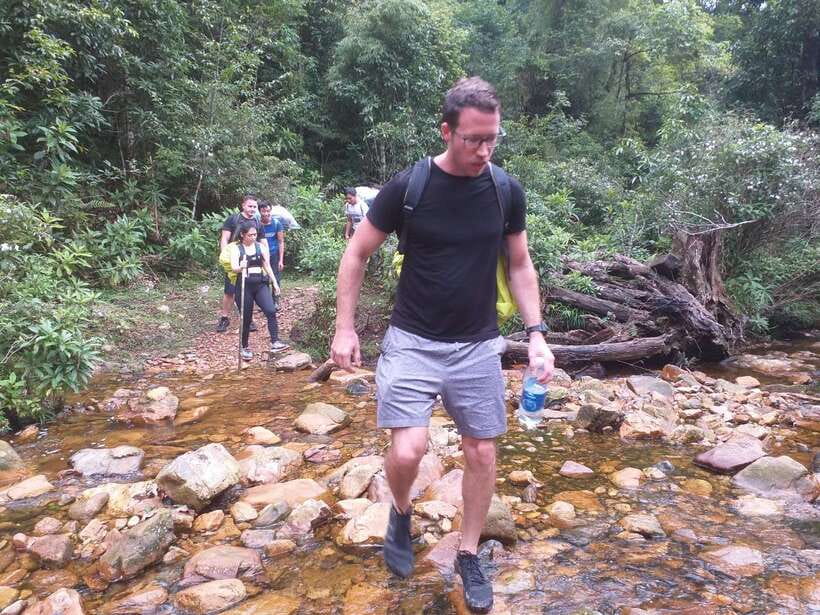
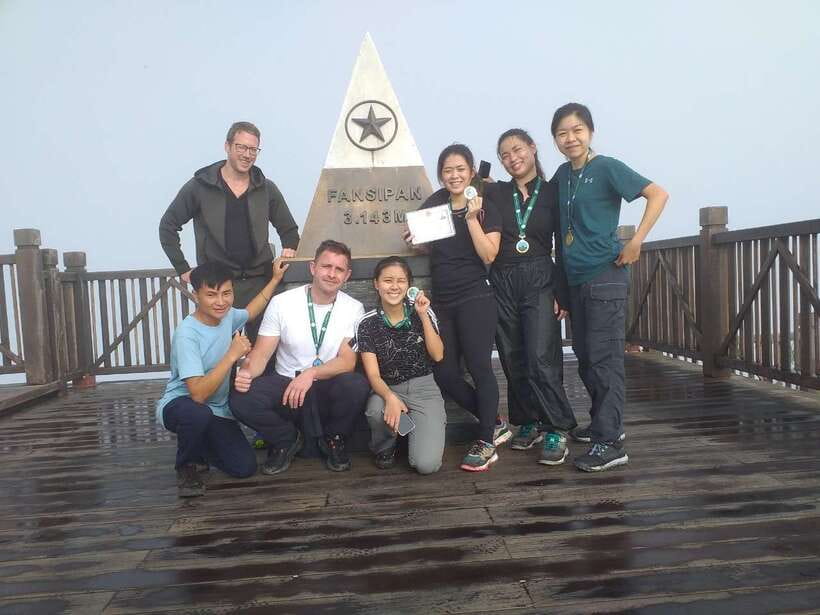
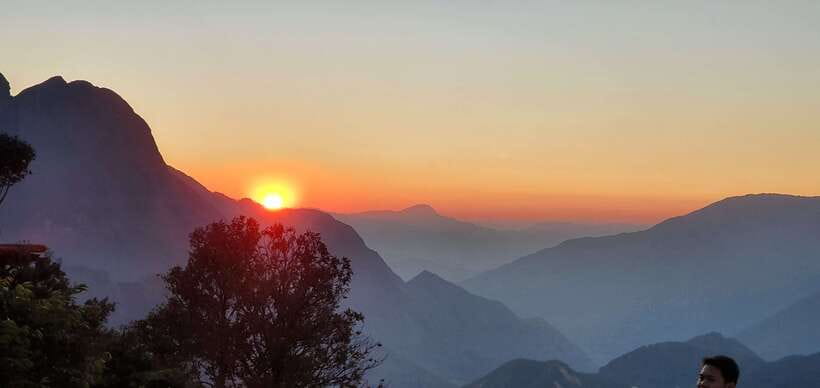
The plan is to reach the summit around 11:30 AM to 12:00 PM. That timing is a big deal for what you’ll see. If clouds build or fog sits in, you may end up with a view of nothing but whiteness. On the brighter side, if conditions clear up, you’re in the best part of the day to enjoy panoramic scenery over Sa Pa.
When you’re hiking up, keep your expectations grounded in the reality of mountain weather. The trek can be canceled or delayed when rains are heavy, and even when it’s not raining, you can still get cloud cover. The route includes steeper sections where careful footing matters.
You may also encounter rock faces and metal ladders in places. This is why the “bring proper shoes” message is not marketing fluff. Good traction helps you stay confident on slippery spots, and confidence helps you keep moving without wasting energy.
Rainforest Steps, Streams, and the Pace Your Guide Can Adjust
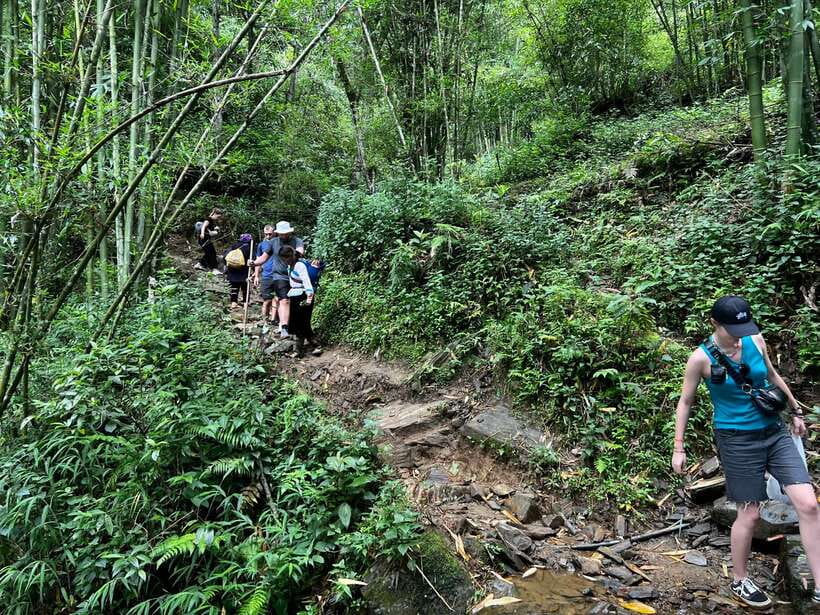
Fansipan is often described as challenging for a reason. It’s not just elevation, it’s the repeated steep stair climbing. That means a smart pace wins. One value of booking with an English-speaking guide is that they can help you keep a realistic rhythm, especially if you’re traveling solo and want to manage effort yourself.
A detail I’d take seriously: your lunch stop is along the way, not at some distant destination. You’ll have a pause to refuel after hiking through bamboo and rainforest, and lunch can be a normal meal or vegetarian. One practical note, though: lunch isn’t guaranteed to be hot. If you’re sensitive to temperature, pack a small preference like a thermos habit or eat it when it’s still warm to you.
Water is handled for you. The package includes 2 liters of bottled mineral water per person per day, which is a lifesaver on a day like this. Bring your own small sip strategy, but don’t rely on water sources along the route since the tour is built around that included amount.
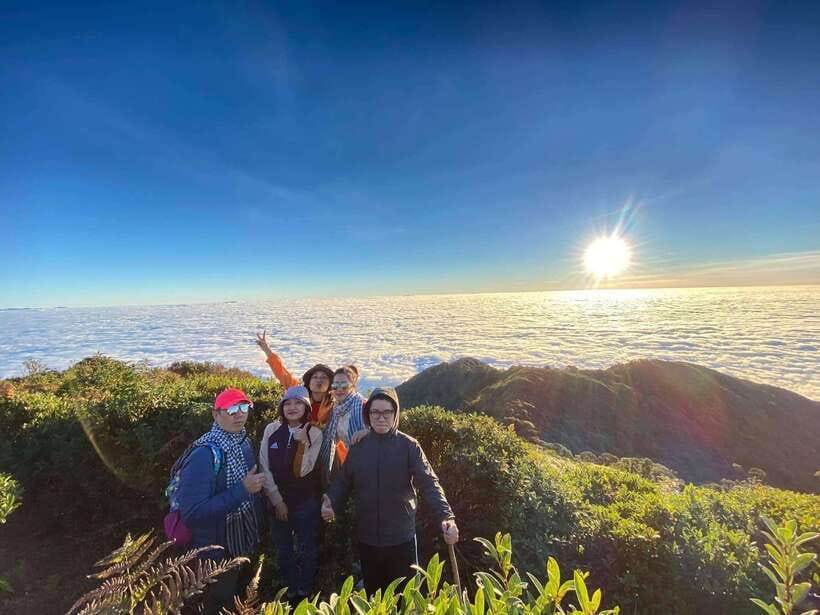
If visibility is good, you’ll get time at the top to rest and take in surrounding mountains and Sa Pa town. On clear days, the view can reach far enough to make China’s high mountains a possible sightline, which is a pretty unique bonus for a one-day itinerary.
Descent Choice: Cable Car Comfort vs the Same Trek Back
After summit time, you have two ways down.
Option one is taking the cable car down to Sa Pa, with the ticket not included in the $79 price. This is the easiest way to protect your knees after so much stair work. It also lets you finish the day without forcing another long uphill-grade shuffle, even though you already did the hardest climbing.
Option two is trekking back down the same route to Tram Ton Pass, where your driver waits to take you back to Sa Pa. This keeps you on the full trekking plan, which can be the right call if you enjoy the hike more than the time savings. It also means you need the stamina to handle the same distance again, just mostly downward and still slippery in places.
Either way, the trek ends back at the meeting point where you started. It’s a clean close to a long day, and it helps you avoid hunting for transport after you’re tired.
More Hanoi tours and experiences for the shortlist


Price and What You Really Get for $79
The price is $79 per person, and the best way to judge value is to look at what’s included versus what adds up later.
Included:
- Pick-up and drop-off in central Sa Pa or the Tue Tinh street meeting point
- An English-speaking tour guide
- National park entrance fee plus Vietnamese insurance for a national park day tour
- Permission/authorization paperwork
- Lunch (normal or vegetarian)
- 2 liters of bottled water per person
- A certificate honored by the national park department
Not included:
- Cable car tickets (also note, monorail and funicular are not included)
- Soft drinks
- Trekking gear like rain protection, trekking shoes, trekking sticks, or a proper day pack
- Personal travel insurance
- Tips for guide and driver
There’s also a Lunar New Year surcharge of $45 per person, paid directly on the trip, for a specific window in late January into early February 2025.
So yes, $79 can be a solid deal, especially because guide time, park fees, water, and lunch are bundled. But your final spend might climb if you go cable car, plus you might need to rent or buy shoes and rain gear if you’re not prepared. If you’re already equipped and you plan carefully, the package feels efficient. If you’re missing core gear and you choose cable car, budget for the extras.
What to Pack for Slippery Steps and Fast Weather Changes
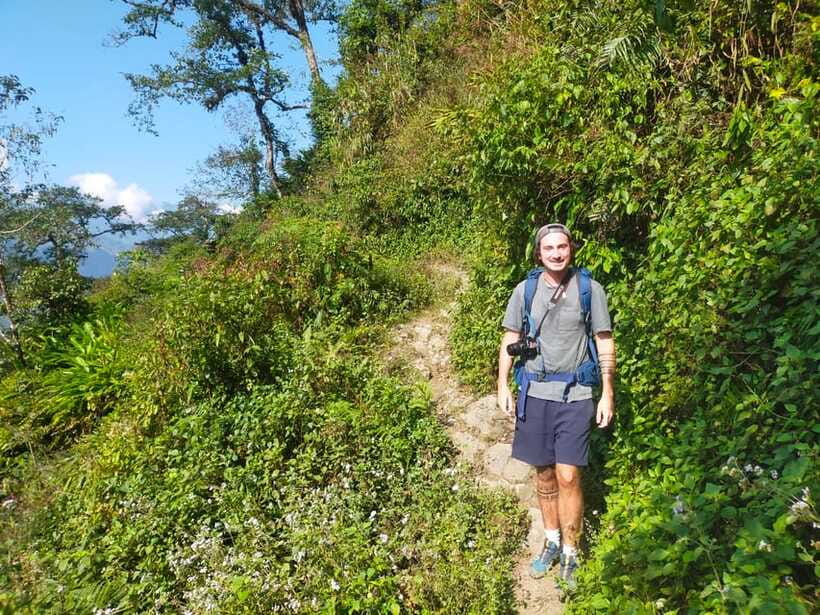
This trek gives you a clear packing list, and I’d follow it closely. The trail includes steep, stair-heavy sections and can be slippery in spots, so your shoes are the real foundation.
Bring:
- Passport or ID card
- Hiking shoes
- Sunscreen
- Comfortable clothes, plus long pants
- Biodegradable insect repellent
- Trekking gear like a rain jacket or rain protection and a day bag setup
Also consider what’s not optional in practice: water and sun protection. Water is included, but sunscreen and long pants are on you. The mountains can reflect light, and jungle humidity can make sun feel stronger even when clouds are around.
Not allowed items include pets, electric wheelchairs, fireworks, explosive substances, and nudity. It’s worth respecting these rules so you don’t get stuck with issues mid-day.
Who This Trek Fits Best (and Who Should Skip It)
This is a strong-person trek. The operator specifically says it requires well-trained trekking people and strong people, and that it’s only suitable for travelers who can handle a major physical challenge.
This trek is not suitable for:
- Children under 16
- Pregnant women
- People afraid of heights
- People with altitude sickness
- People with low fitness
- People over 70
If you’re a regular hiker who walks steep stairs without panicking, you’ll likely enjoy this more than you fear it. If you get uncomfortable with heights or you’re currently recovering from an injury, skip it or choose a gentler route in the Sa Pa area.
One smart approach: decide before you book how you’ll descend. If you want to protect your joints, plan on cable car down. If you’re okay with another big trekking day and you like being out on the trail, trekking back can feel satisfying.
Bad Weather Rules and Cloudy Day Reality
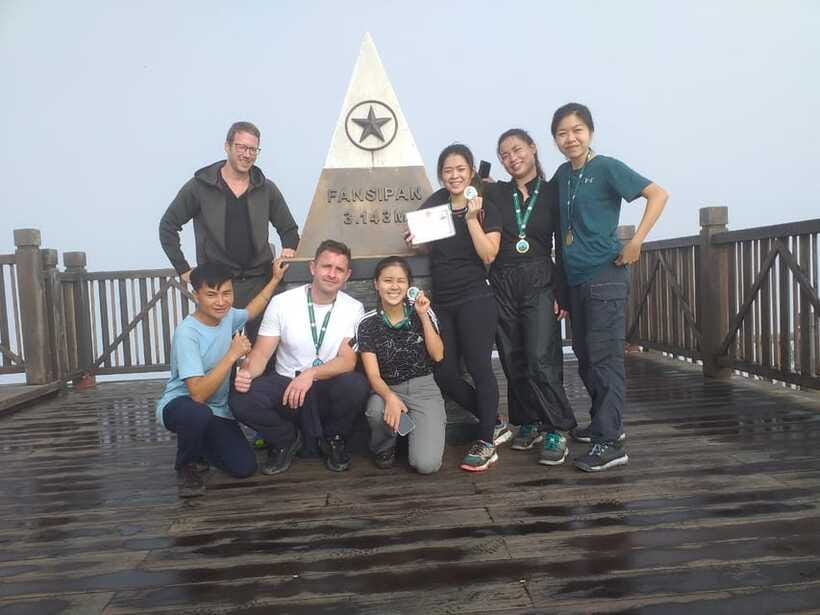
Mountain hikes come with a weather contract. The operator notes that the trek will be canceled or delayed when it rains heavily. That’s not just for comfort. Heavy rain changes trail safety, visibility, and footing.
Even without heavy rain, views can fade into clouds. If you’re hoping for a crisp panoramic photo, accept that it might not be clear the whole time. Your best “view window” is tied to that summit timing around late morning, so you’ll feel the day’s weather quickly.
When the weather turns, you still get value from the hike itself. Bamboo, rainforest, and stream sections keep the day moving. But if your entire reason for doing Fansipan in one day is summit views, you might want to think about longer options that give you different timing for visibility.
Should You Book This One Day Fansipan Trek?
Book it if you:
- Want a big challenge in a single day from Sa Pa
- Have solid hiking shoes and the fitness for 28 km and 9 to 10 hours
- Like guided support and appreciate that park fees, lunch, and water are handled
- Prefer a flexible descent, with cable car as a backup
Skip it or reconsider if you:
- Are worried about heights, struggle with altitude, or have low fitness
- Don’t want to deal with steep, stair-heavy terrain and possible metal ladder sections
- Need guaranteed visibility at the top, since mountain cloud and weather can reduce views
If you do go, treat this as a day of hard hiking, not a sightseeing stroll. Start early, move steady, use your water, and plan your descent choice before you’re already exhausted. That mindset turns Fansipan from a stress test into a genuinely memorable achievement.
FAQ
Where do I get picked up, and where does the trek end?
You can be picked up from your hotel or homestay in central Sa Pa, or you can meet at No 013 Tue Tinh street. The trek ends back at the same pick-up point.
What time does the one day trek start?
Your journey begins around 6:00 AM.
How long is the hike, and how many kilometers is it?
The round trip covers approximately 28 km and typically takes between 9 and 10 hours of trekking.
When do you reach the summit?
You are expected to reach Fansipan’s summit around 11:30 AM to 12:00 PM.
What are my descent options after the summit?
You can either take the cable car down to Sa Pa (cable car ticket is an additional cost) or trek back via the same route to Tram Ton Pass, where your driver waits to take you back to Sa Pa.
What does the $79 price include?
It includes pick-up and drop-off, an English-speaking tour guide, national park entrance fee and Vietnamese insurance for a national park day tour, authorization/permission, lunch (normal or vegetarian), bottled water (2 liters per person per day), and a certificate honored by the National park Department.
What is not included?
Soft drinks are not included. Cable car tickets, monorail, and funicular tickets are not included. Trekking gear (rain protection, back pack, trekking stick, trekking shoes, and similar items) is also not included, plus personal insurance and tips for the guide and driver.
What should I bring, and what is not allowed?
Bring a passport or ID card, hiking shoes, sunscreen, comfortable clothes, long pants, biodegradable insect repellent, and trekking gear like rain protection. Pets, electric wheelchairs, fireworks, explosive substances, and nudity are not allowed.
What happens if it rains heavily?
The trek can be canceled or delayed when it rains heavily.
What is the cancellation policy?
You can cancel up to 24 hours in advance for a full refund.
More 1-Day Tours in Sa Pa
More Hiking & Trekking Tours in Sa Pa


More Tour Reviews in Sa Pa
Not for you? Here's more nearby things to do in Sa Pa we have reviewed


More Sapa Trekking Tours to consider.
 ★ 5.0Sapa 2 Days 1 Night From Hanoi – Overnight in Ta Van VillageTickets from $592,669 traveller reviews
 ★ 5.0Hanoi – Sapa 2 Days 1 Night Overnight At HomestayTickets from $89899 traveller reviews
 ★ 4.6Sa Pa: Muong Hoa Valley Trek and Local Ethnic VillagesTickets from $23864 traveller reviews
 ★ 5.0Sapa: Fansipan Cable, Cat Cat Village & Moana Instagram TourTickets from $30777 traveller reviews
 ★ 4.8From Hanoi: 2-Day Sapa Trekking Trip with Homestay & MealsTickets from $71704 traveller reviews
 ★ 5.0Sapa 3 Days 2 Nights Trekking Tour (1 Night In Ta Van Village, 1 Night In Hotel)Tickets from $139699 traveller reviews
 ★ 4.9Sapa: Eco Adventure Terrace Fields and Local Villages TrekTickets from $27636 traveller reviews
 ★ 5.03-Day Trekking Adventure of Sapa from Hanoi – Stay Ta Van VillageTickets from $109611 traveller reviews
More useful Hanoi routes