
Review · SAPA TREKKING TOURS
2 DAYS Explore SA PA’S Village through Scenic walking Trails
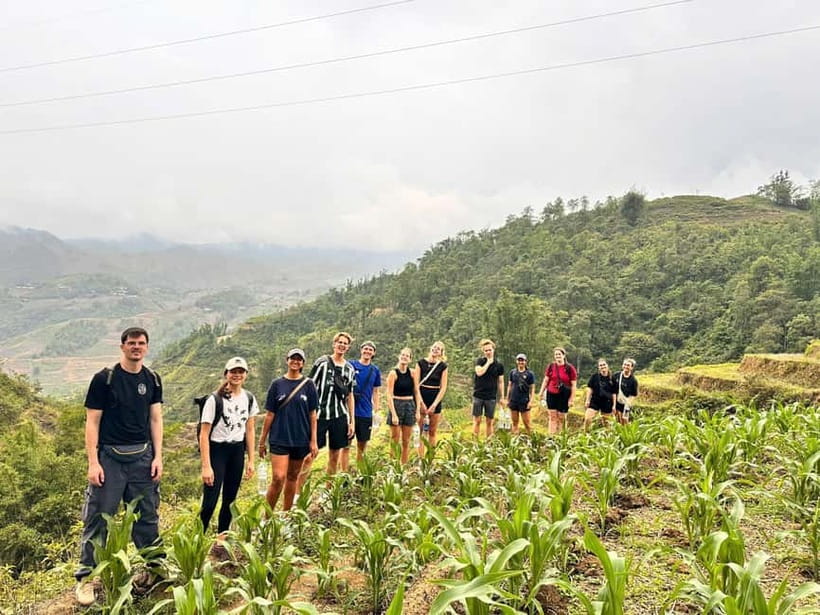
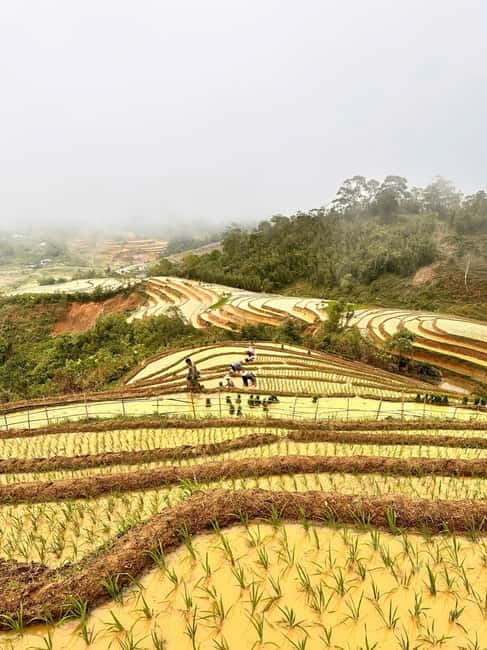
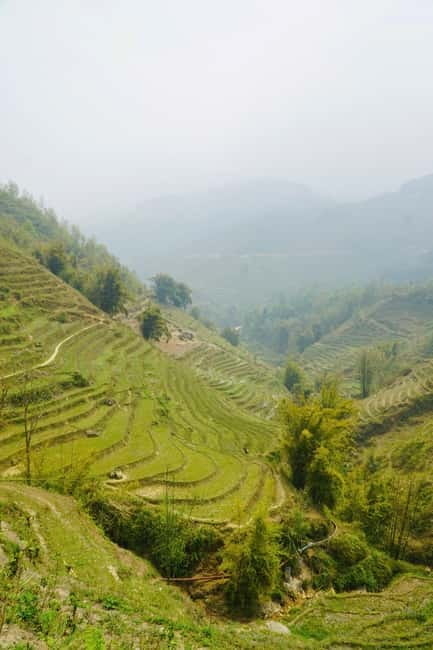
Trade tarmac for rice terraces. This 2-day walk is one of the easiest ways to see Sa Pa for what it really is, village life on steep paths. I love the scenic rice terraces and the way Zo, a local Black Hmong guide, turns each stop into a real conversation instead of a rushed photo stop. I also love the homestay setup, where you share dinner with the family and learn daily rhythms firsthand. One drawback to keep in mind: this is moderate trekking, about 19 km over two days, with steep and uneven ground that can get slick in the wet season.
If you want Sa Pa beyond the big-name viewpoints, this route connects you through multiple ethnic villages, including H’Mong, Giay, and Red Dao communities. The pace is built for walking and chatting, not for ticking boxes, so you’ll feel the slow change in altitude, weather, and village routines. And yes, you do get the kind of scenery that makes you stop talking for a minute.
Just pack for reality, not comfort fantasies. You’ll want proper shoes, a rain layer, and a change of clothes, because the trail can turn muddy and slippy when it rains.
Key Points You’ll Care About
- Zo guides the whole trek with strong English and a practical, calm approach on tricky sections
- Rice terrace views plus village culture across Y Linh Ho, Lao Chai, and Ta Van
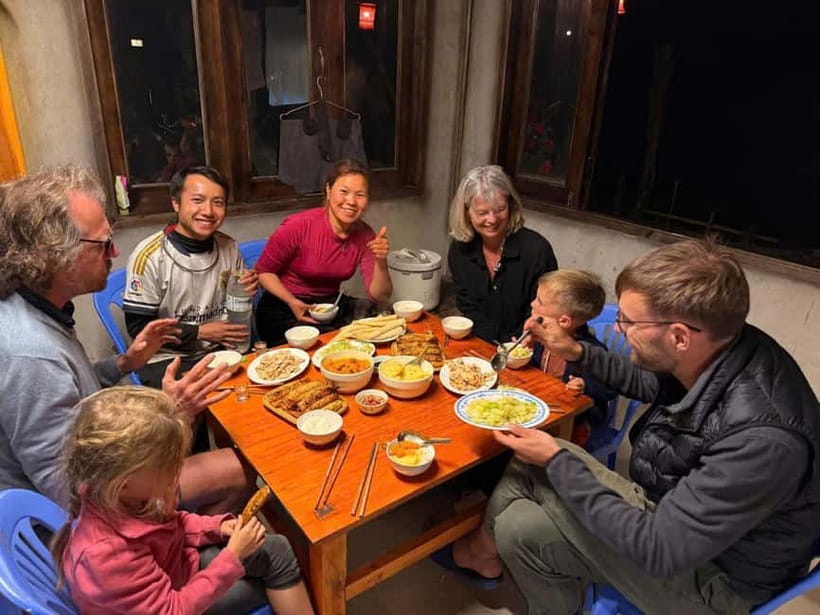
- An overnight homestay in a peaceful forest setting with dinner and local culture time
- Bamboo forest walking and Su Pan waterfall views on day two
- Red Dao stilt houses in Giang Ta Chai plus scenic passes and photo-friendly viewpoints
- Group trekking with included meals, while drinks are not included
Why This 2-Day Sa Pa Village Trek Feels More Real
Sa Pa has a way of turning into a conveyor belt if you only do the shortest market stops and viewpoint circuit. This style of walking is different. You move between villages, so you understand what the terrain demands of daily life, from farming routes to stair-less pathways and the way people plan around weather.
What makes this experience especially good value is that you’re not just watching from the outside. You’re placed with a family for the night, then you continue the trek through other villages the next day. That mix is hard to replicate with day trips that only scratch the surface.
I also like that Zo is not a distant guide barking instructions from the front. The best moments happen when she explains daily life in a grounded way, and when she adapts to the group’s needs on the path. If someone has sore feet, Zo can help find a solution to keep the trip manageable.
You can also read our reviews of more walking tours in Sa Pa

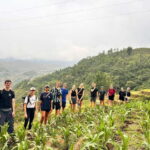
Y Linh Ho and Lao Chai: Terrace Views With a Human Pace
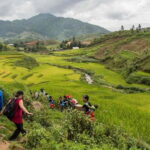
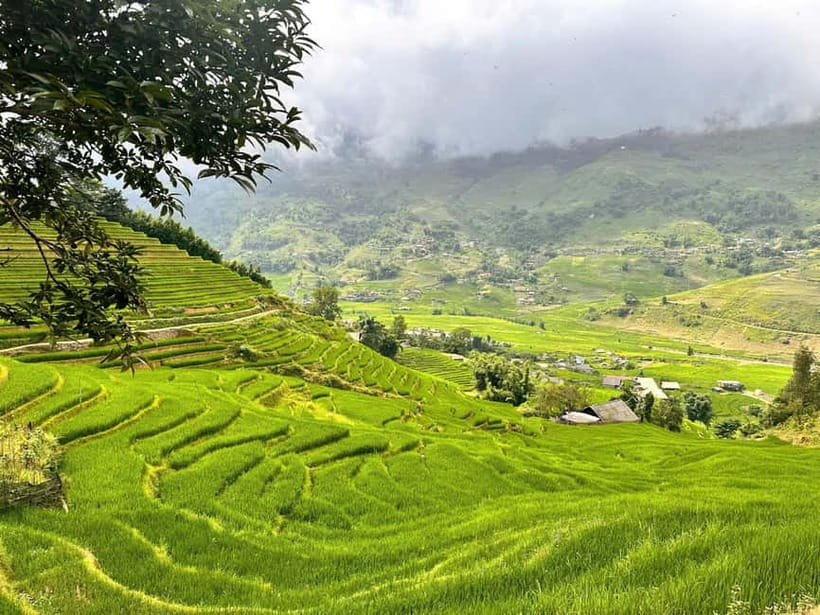
Day one starts with pickup in Sa Pa at 08:30 near the Sa Pa church, then you begin trekking around 09:00 toward Y Linh Ho. This is where the rice terraces show up in full. Even if you’ve seen terrace photos before, the real thing hits different when you’re walking along the edges and watching how fields step down the valley.
Y Linh Ho is also your first cultural handshake. You’ll get time to see everyday village routines while you’re on the move. Expect frequent small moments, not one big spectacle. It’s the kind of route that makes you realize farming here is not a backdrop, it’s the schedule.
Around 11:30, you reach Lao Chai. This is the lunch hinge of the day. You might eat at a local restaurant or with a family, depending on how the day flows. Either way, it’s an important break because your legs are already getting their first serious work. This is also the point where you can decide how you want to manage the rest of the trek, slow and steady or chatty and energetic.
Then you head onward to Ta Van. The full day is designed so you arrive in time to settle into the homestay rather than just collapsing and calling it a win.
Ta Van Homestay: Dinner With the Family, Not a Script
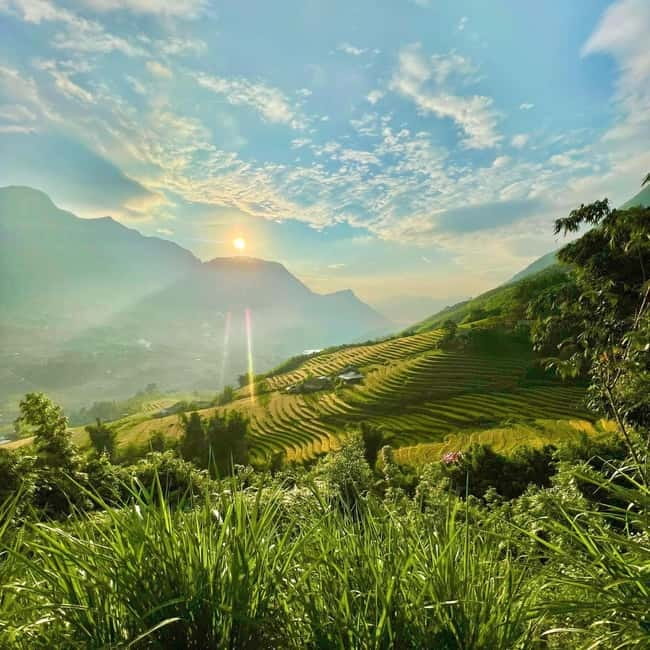
By 16:30, you check in at Zo’s homestay in Ta Van. This is a key part of the trip, not just an overnight bed. The homestay is described as simple, authentic, and cozy in a peaceful forest setting, so don’t expect luxury. Do expect warmth, routine, and the chance to ask questions while life is happening.
At 18:30, you share dinner with the homestay family. This is where the trip turns from sightseeing into actual human connection. You can interact, learn about daily life, and get introduced to local traditions, including happy water, a local rice wine.
Here’s the practical upside: the homestay experience helps you understand the villages you’ll walk through the next day. After living the night in that rhythm, you’ll notice details you’d otherwise miss, like how people think about cooking, weather, and the pace of the day.
The likely drawback is also the most honest one. Homestays are basic. Bring a change of clothes for the evening, and keep your expectations realistic about bedding and bathroom setups.
Bamboo Forest Morning and the Red Dao Trail at Giang Ta Chai
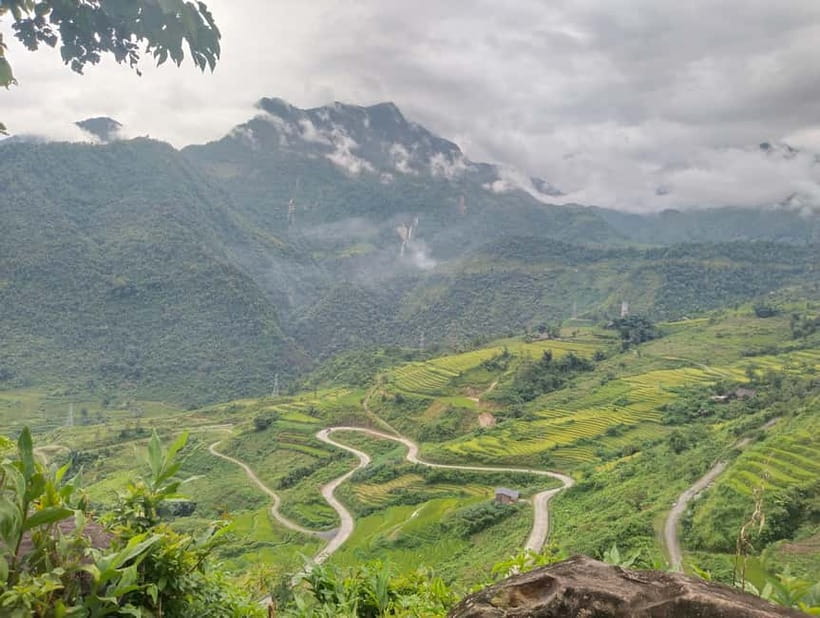
Day two begins with breakfast around 07:30, then you start trekking around 08:30 toward Giang Ta Chai. One of the best parts of this morning section is the bamboo forest walking. It changes the soundscape and the temperature of the trail. You feel like you’re moving through a corridor instead of an open hillside, which can be a relief when the sun is out.
Giang Ta Chai is home of the Red Dao people, and this is where you get one of the tour’s headline cultural sights. You’ll explore traditional stilt houses tied to Dao communities. This isn’t just a quick photo stop. The value is in seeing the relationship between the houses and the ground beneath them, plus hearing what makes that style of living work in this mountain terrain.
Around 10:30, you continue toward Su Pan. This segment helps you keep momentum without feeling like day two is only forced endurance. Along the way, you’ll keep getting mountain views and the kind of trail variety that makes the walk feel longer or shorter based on your mood.
Su Pan Waterfall Views and the Day’s Lunch Reset
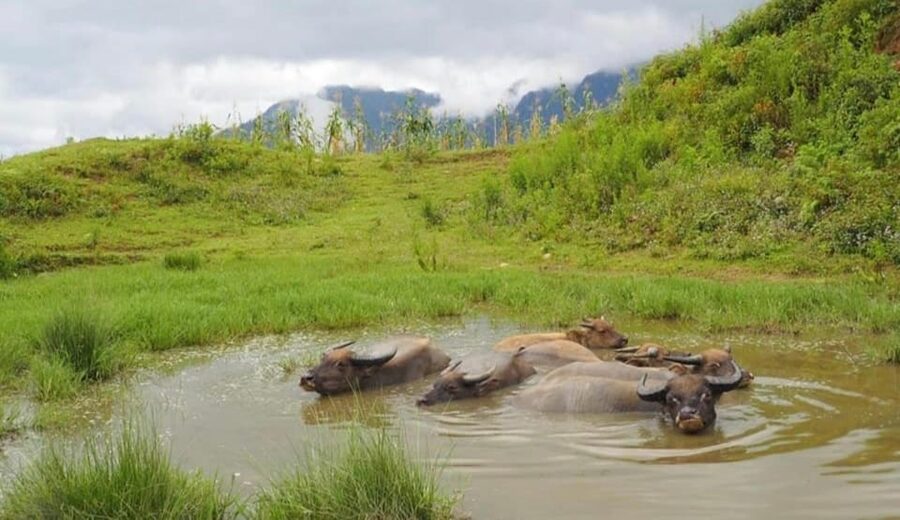
Su Pan is a highlight stop, with scenic mountain views and a chance to see the waterfall. The waterfall isn’t the only reason to care. Water brings a different microclimate, and you’ll often notice cooler air, damp ground, and sometimes heavier mist depending on the day.
Lunch is built around time in the Giang Ta Chai Mong area. You’ll have a picnic lunch or lunch with locals, depending on what fits best on the day. Either option gives you a reset before the walk concludes.
Then comes the home stretch. At 14:00, you transfer back to Sa Pa by car, arriving around 15:00. You end the trek before the day gets too exhausting, which matters if you want a shower, a meal in town, or just time to recover.
More Hanoi tours and experiences for the shortlist



Price, Included Meals, and Why It Can Be a Bargain
The headline price can look surprisingly low. In practice, you may need to pay the real total. The tour info says the listed price may show 100,000 VND, but the actual price is 1,000,000 VND per person, with the remaining 900,000 VND paid after you complete the tour. So plan for the full amount, not the initial display.
For that kind of money, you’re getting more than a guide and a walk. You also get:
- Entrance fees for villages along the route
- One night at the homestay
- All meals during the trip
- A car transfer back to Sa Pa Town
That meal inclusion is not a tiny detail. In a trek area, paying for food separately adds up fast, and it also affects how much time you spend hunting for a place to eat instead of being on the trail with your group. Drinks and beverages are not included, so bring water and plan small extra spending.
Given the guide quality described, plus the homestay and meals, I’d call this a good value option if you want a village trek that actually includes village life rather than only passing through.
What the Trek Feels Like: Moderate Difficulty, 19 km, Wet Season Reality
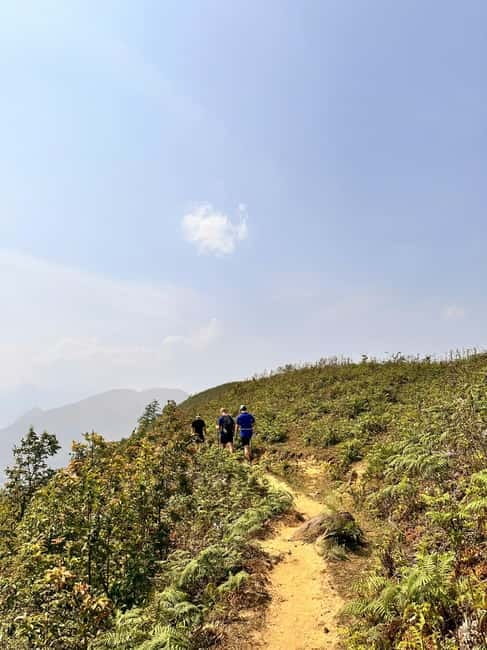
This tour is rated moderate, and the numbers back that up. It covers about 19 km over two days, with steep, uneven terrain. You don’t need to be an athlete, but you do need to be ready for sustained walking.
The trail condition can change fast. During rainy season, parts can turn into mud and get slippery, and even the best shoes won’t make slick ground disappear. The smart move is to bring trekking-friendly footwear with good grip and to slow down on steep sections.
Also, this is a group tour. You’ll walk at a pace that keeps the group moving, which is great for social energy and safer for navigation, but it can feel less flexible if you want to go fully at your own tempo.
Motion sickness prevention is mentioned, which hints at the need for comfort during transfers and the reality that some people get queasy in mountain areas. If you’re prone to it, pack what you need.
Homestay Reality Check: Cozy, Simple, and Family-Centered
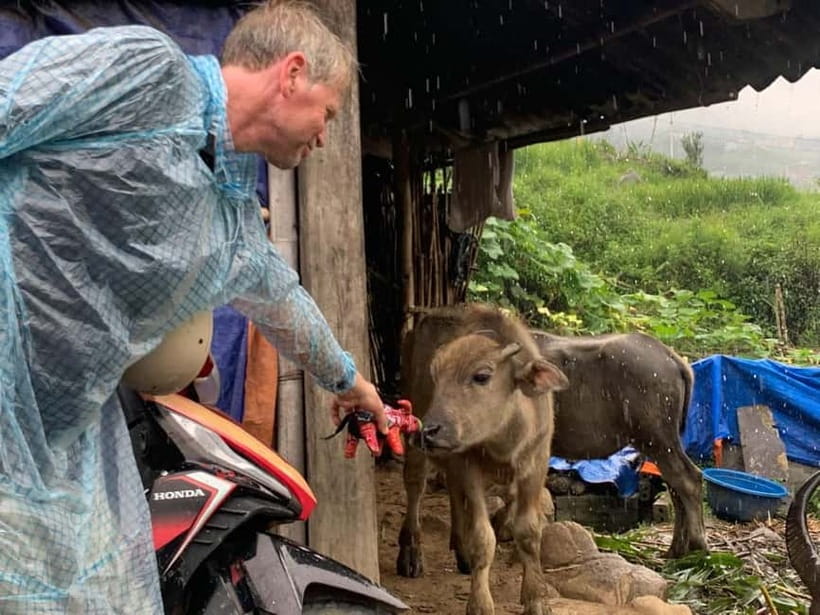
The homestay is described as authentic and cozy with basic facilities. That’s exactly what I’d expect for a village-based stay. Your best strategy is to travel light, keep a dry bag for essentials, and treat the homestay as part of the experience, not an add-on.
You’re there for:
- Sleeping overnight in a forest setting
- Dinner with the family
- Learning about traditional things and happy water
In other words, comfort comes from connection and routine, not from hotel standards.
If you’re sensitive to basic bathroom setups, cold nights, or simple bedding, you should plan ahead. A change of clothes for the evening is strongly recommended, especially if you arrive with damp clothes from the trail.
Who This Trek Fits Best, and Who Should Skip It
This is a strong match if you:
- Want real village interaction in Sa Pa, not only major tourist stops
- Enjoy walking with a guide who can explain culture and daily life
- Like the rhythm of homestays and family meals
It’s less suitable if you have limited mobility or you’re expecting an easy, flat stroll. People over 70 years are listed as not suitable, which tells you the route is not designed for slower physical pace.
Also consider language comfort. The guide speaks English, so you should be able to ask questions and get meaning behind what you see. If you don’t speak Vietnamese, you’ll still have a clear channel for communication.
Should You Book This Sa Pa Village Trek With Zo?
If you want a Sa Pa experience centered on walking, village life, and an overnight with a local family, I think it’s worth booking. The mix of rice terraces, multiple ethnic villages, bamboo forest, and Red Dao stilt house exploration gives you variety without turning the trip into a checklist.
Book it if you’re okay with moderate trekking, basic homestay conditions, and the possibility of mud in wet weather. Bring good shoes, pack rain protection, and keep your pace steady. You’ll get the kind of trip that leaves you with details you can’t get from a quick ride and a photo.
Skip it if you want a mostly comfortable sightseeing day, or if your fitness level cannot handle uneven steep ground. Also, if you dislike group tours, note that this one is designed around walking with others.
Overall, Zo’s guidance and the homestay setup are the main reasons this tour feels special. For many people, those are the parts that linger after the trek dust settles.
FAQ
How long is the Sa Pa village trekking tour?
The tour runs for 2 days and 1 night.
Where does the guide meet us?
The guide meets you at Sa Pa church.
What does the tour include?
It includes an English-speaking guide (Zo), trekking fees/entrance to villages, 1 night at the homestay, transportation back to Sa Pa Town, and all meals during the trip.
What is not included in the price?
Drinks and beverages, travel insurance, pre and post trip accommodation, and any private expenses are not included.
How challenging is the trek?
It is described as moderate difficulty, with about 19 km covered over two days and some steep, uneven terrain.
What ethnic villages do you visit?
You trek through villages including Y Linh Ho, Lao Chai, Ta Van, and Giang Ta Chai (Red Dao), and you also visit Su Pan.
Do you visit bamboo forest and a waterfall?
Yes. The route includes bamboo forest walking and Su Pan waterfall sightseeing.
What should I bring for the trek?
Bring comfortable trekking clothes, comfortable shoes, a light raincoat or jacket, sunscreen and sunglasses, mosquito repellent, a change of clothes for the evening, a camera, and motion sickness prevention if needed.
Is this tour suitable for seniors or young children?
The tour notes it is not suitable for people over 70 years. Children under 4 are free, but you should inform the organizer in advance.
More 2-Day Experiences in Sa Pa
More Walking Tours in Sa Pa
More Tour Reviews in Sa Pa


Not for you? Here's more nearby things to do in Sa Pa we have reviewed






More Sapa Trekking Tours to consider.
 ★ 5.0Sapa 2 Days 1 Night From Hanoi – Overnight in Ta Van VillageTickets from $592,669 traveller reviews
 ★ 5.0Hanoi – Sapa 2 Days 1 Night Overnight At HomestayTickets from $89899 traveller reviews
 ★ 4.6Sa Pa: Muong Hoa Valley Trek and Local Ethnic VillagesTickets from $23864 traveller reviews
 ★ 5.0Sapa: Fansipan Cable, Cat Cat Village & Moana Instagram TourTickets from $30777 traveller reviews
 ★ 4.8From Hanoi: 2-Day Sapa Trekking Trip with Homestay & MealsTickets from $71704 traveller reviews
 ★ 5.0Sapa 3 Days 2 Nights Trekking Tour (1 Night In Ta Van Village, 1 Night In Hotel)Tickets from $139699 traveller reviews
 ★ 4.9Sapa: Eco Adventure Terrace Fields and Local Villages TrekTickets from $27636 traveller reviews
 ★ 5.03-Day Trekking Adventure of Sapa from Hanoi – Stay Ta Van VillageTickets from $109611 traveller reviews
More useful Hanoi routes