Sapa begins on the Hanoi overnight train. You get an overnight train ride into Vietnam’s mountain country, then trade paved streets for footpaths with ethnic village treks around Sin Chai, Lao Chai, and Ta Van. In the best cases, you will be steered by friendly guides like Sung or Ai, who explain what you are seeing as you walk.
I like how this trip balances movement with downtime. You start early, hike through Black H’mong and Dzay communities, and then you have real breathing room in Sapa for shopping and night food. The one thing to think hard about first is the physical side: trekking can be muddy and tiring, and the shared train can be noisy or stop often, which may hit your sleep.
Key things to know before you go

- Overnight train setup: shared air-conditioned 4-bed cabin from Hanoi to Lao Cai
- Village trek route: Sin Chai, then Y Linh Ho, Lao Chai, and Ta Van
- You also get Sapa time: meal breaks plus free time in town, including market and old cathedral sightseeing
- Bring the right gear: warm layers, proper shoes, and gum boots if rain shows up
- Local money chats can happen: some ethnic people may walk with you to sell items or ask for money, so stick close to your guide
Riding the Hanoi to Lao Cai overnight train like it matters
This tour starts the night you leave Hanoi. If you are staying in the Old Quarter, pickup runs around 9pm by taxi to Hanoi Railway Station (120 Lê Duẩn). The train departs at 10pm. From there, the ride is not just transit. It is part of the experience: you settle into an air-conditioned shared 4-bed cabin, then wake up in the morning with Sapa ahead.
What makes this train segment good value is what you get included. You are paying for first-class style comfort on the overnight train, plus the work of transfers on both ends. One big practical win: you can keep your day in Sapa more intact because you arrive early, instead of losing half the next day to travel.
Two things to watch. First, your sleep may not be perfect. Some people report the train being noisy and stopping frequently. Second, you might feel cold. Even when the cabin itself is comfortable, you still tend to spend long hours in a train environment, so pack layers even if you run warm at home. If early check-in is offered and you can pay extra, it is worth considering, because a hot shower before hiking can change your whole mood.
You can also read our reviews of more tours and experiences in Sa Pa.



Lao Cai arrival, early Sapa momentum, and how check-in really works
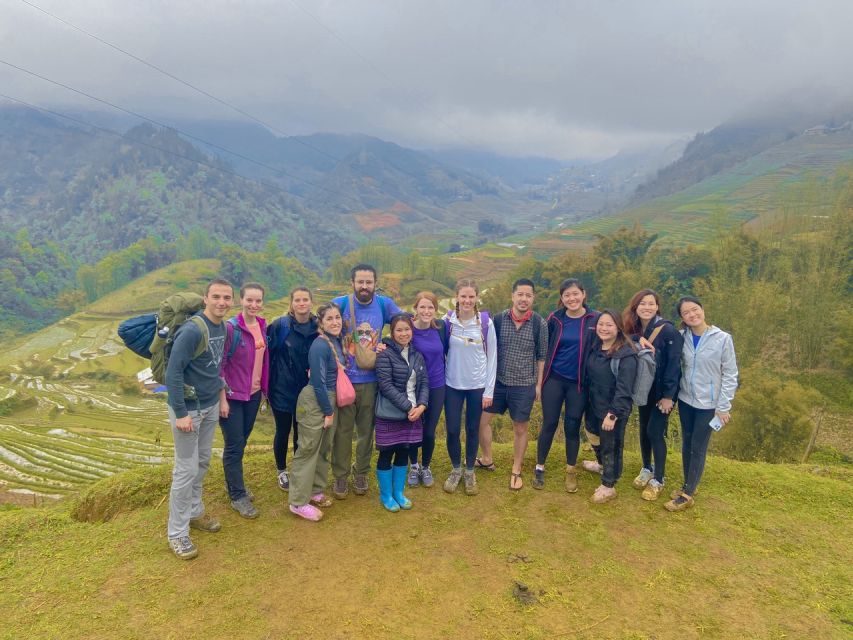
You meet your English-speaking guide when you reach Lao Cai, then transfer into Sapa. Arrival time is early, around 6am. After that you do a quick reset: you transfer back to your Sapa hotel to leave luggage, then have breakfast.
Here is the detail that matters for your comfort. Standard hotel room availability is at 2pm. If you want to shower and change faster, you need early check-in as an add-on. If you are hiking in the mountains, you will feel the difference between arriving clean and arriving tired.
The practical flow is simple:
- Morning transfer from Lao Cai into Sapa
- Breakfast at the hotel
- Trek later that day
- Then food and downtime
That structure works well for most people because it prevents the classic Sapa problem: getting to town, then spending hours waiting around before you can move. It also means you will start walking while the day still feels young.
Day 1: Sin Chai trekking, village views, and Sapa night energy
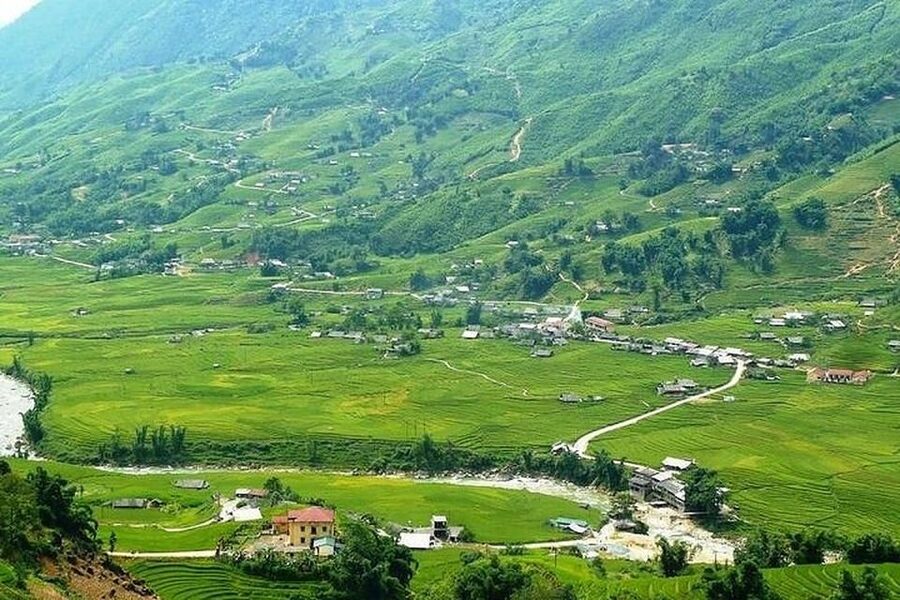
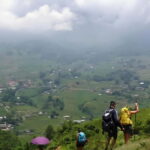
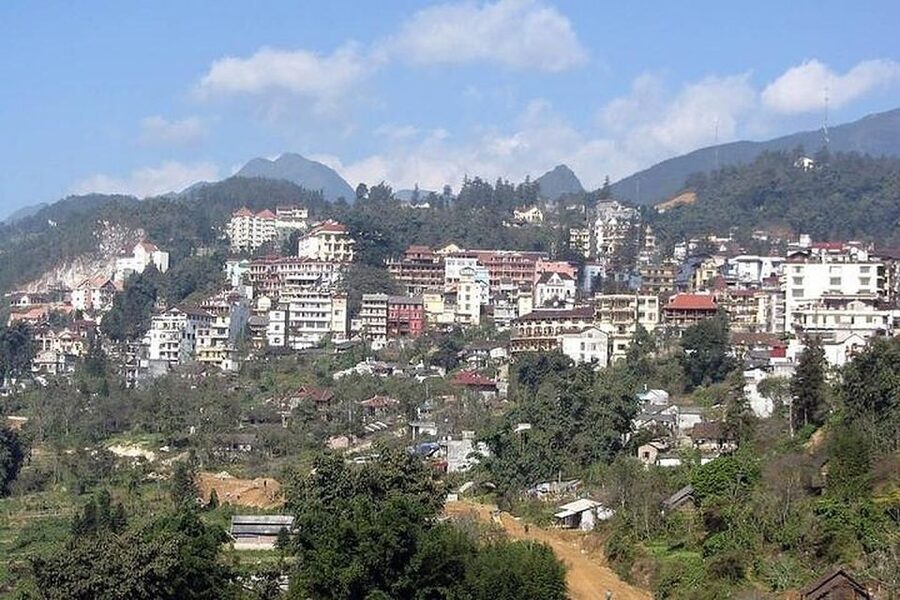
Day 1 starts with an actual hike, not a drive-by photo stop. After breakfast, you trek down to Sin Chai village, about 4km to the southwest of Sapa, home to the Black H’mong community. Sin Chai is described as rustic and simple, more than 2km from the center of Sapa town.
The main value here is how the trek fits the story. You are not just walking for views. You are walking through a living rural setting where daily life still looks close to how it has for generations. Your guide explains the culture of the ethnic minorities you meet. If you get a guide like Ai or Sung, you will likely get more than a basic description, with helpful context on what you are seeing.
Then comes the break. After the trek, lunch is at your hotel’s restaurant. That matters because you will earn your meal. Afternoon and evening are free time, so you can rest, recover, and then explore Sapa at your pace.
This tour specifically includes evening charm in Sapa. Dinner time is 6pm. The vibe described is cozy: roasted corn and baked eggs beside a charcoal fire, plus options to shop. If you are unsure what to do in the free window, pick one simple goal: walk around the center, visit the market, and take time at the old cathedral area included on the sightseeing plan.
Balance check: even with downtime, Day 1 is still a hiking day. If you are not used to steep steps, plan to move slowly. On rainy days, the ground can get slick, so good grip matters more than speed.
Day 2: The Muong Hoa Valley walk, Y Linh Ho to Ta Van

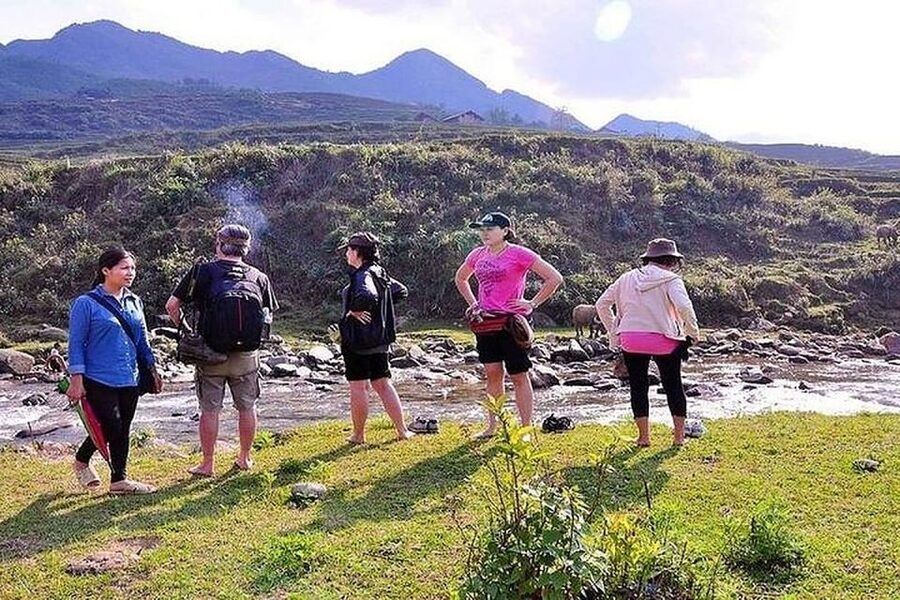
Day 2 is where the walking feels longer and more scenic in terms of what you pass through. You start with breakfast, then head out along the side of the Muong Hoa Valley. Your route includes:
- Y Linh Ho Village (Black H’mong)
- Lao Chai Village (H’mong)
- Ta Van Village (Dzay minority)
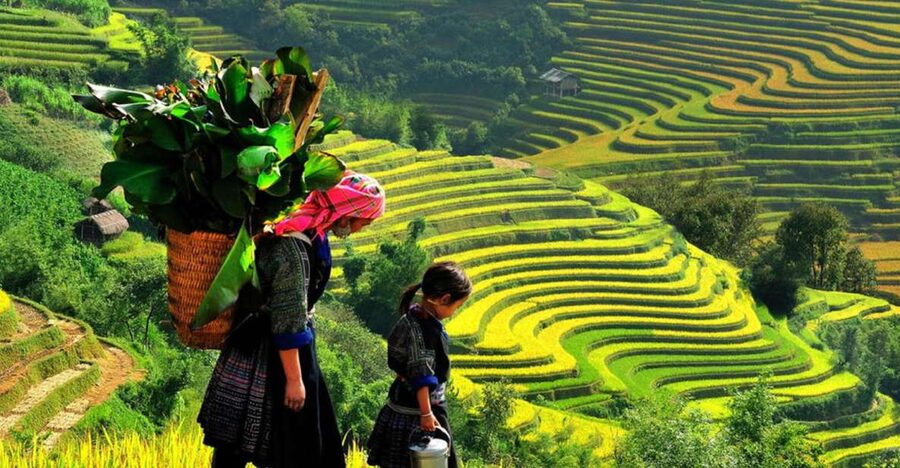
The pacing is a downward trek through the valley. You walk to Y Linh Ho first, then continue on to Lao Chai. Lunch happens during the day at a scheduled point. After lunch, you move through terraced rice fields to reach Ta Van.
Why this day is such a highlight is simple. The valleys and the terraces create a natural path for learning. You see how farming and settlement patterns shape the walk. And because you visit multiple villages in one day, you get a better sense of how neighboring communities live with each other across elevation changes.
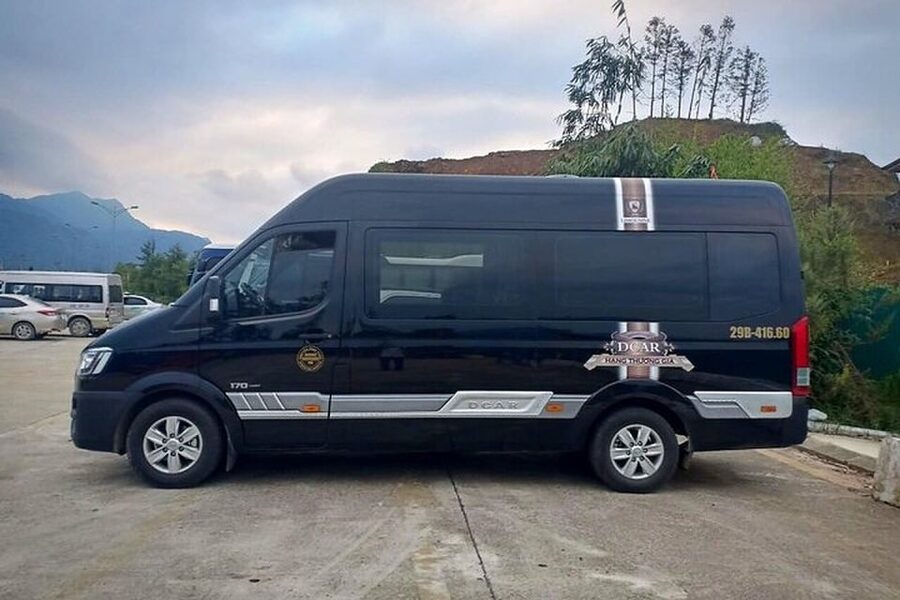
You also get a clear cutoff time. Around 2pm, you pack up and head back to Hanoi via limousine. The drop-off is around 8-9pm. That is a long ride home, but it also keeps the trip tight. You are trading extra hiking time for a finished itinerary that gets you back to the city while you still have energy.
What is included for $168, and why the value can be real

At $168 per person, this tour can look like a bargain or a splurge depending on what you compare it to. The better comparison is the full bundle: train plus hotel plus transfers plus meals plus an English-speaking guide plus entrance fees.
Here is what you get included:
- Overnight on the train from Hanoi to Lao Cai in a shared air-conditioned 4-bed cabin
- Shared minivan transfer from Lao Cai station to Sapa center
- Limousine from Sapa back to Hanoi
- Meals: 2 breakfasts, 2 lunches, 1 dinner
- Sightseeing entrance fees
- English-speaking guide
- 1-night accommodation in a 3-star hotel
That is the big value math. If you had to book these pieces separately, you would likely pay more, especially once you add the overnight train, guide time, and village trek routing.
Still, keep expectations grounded. Not everything about meals and transport is equally loved by everyone. Some people say the hotel is clean and well located, with heating helpful in cooler months. Others note that lunches and dinner can be simple or have a limited menu. If you are picky about food, you might want to pack small snacks for peace of mind.
Also, the return vehicle is described as a limousine, but vehicle types can vary. Some people report being put into smaller buses instead of a sleeper-style vehicle, and some describe delays. Nothing dramatic is promised, so plan like this ride will be comfortable enough, not luxury level.
More Hanoi tours and experiences for the shortlist


Guides, village etiquette, and the money-sales side of trekking
One of the most important things about a Sapa trek is social etiquette, not just shoes.
You will likely be accompanied by local ethnic people along parts of the route. The tour guidance specifically warns that some people may walk with you to ask for money or sell items at high prices. The advice is direct: ignore requests and stick with your guide. This is framed as a pressing issue, and the tour team is telling you how to handle it.
In practical terms, that means you should:
- Stay close to your guide when things get busy
- Keep answers short and move with the group
- Do your shopping intentionally during clear opportunities, not mid-step while you are tired
Guides can make this easier. In the best moments, the guide helps translate why people approach, and you get to focus on the walk rather than the sales pressure. Named guides like Sung, Ai, and Zua appear in the experience, and they are described as caring, friendly, and able to explain culture with clear English.
One more practical point from real-world experience: trekking is not just scenery time. If your guide says you need gum boots because of rain, take that seriously. Wet trails can turn into slippery mud fast.
Practical packing tips that actually help in Sapa
You do not just need warm clothes. You need clothes for changing conditions. Temperatures can drop quickly, especially in cooler months. Bring layers you can adjust. Reviews also push this point hard: warm gear is essential, and hikers often end up very glad they packed it.
Shoes matter more than style:
- Wear footwear with grip for muddy, slippery paths
- Bring socks you can change if you get wet
- If you have gum boots, bring them for rainy conditions
Luggage is another practical factor. There are suggestions to leave extra luggage at your hotel or at the tour operator office in Hanoi when you can. It is a common workaround for people traveling with too many bags for Vietnam train days.
Also, do not forget the basics your operator asks for: passport or ID card.
And note what not to bring. Alcohol and drugs are not allowed, and pets are not allowed. Unaccompanied minors are not allowed, and children must be accompanied by an adult. The tour also says it is not suitable for wheelchair users, pregnant women, or people with mobility impairments.
Who should book this overnight train Sapa trek, and who should skip it
This tour fits best if you want two things at once: a cultural village trek and a low-effort way to get from Hanoi to the mountains. The overnight train is a fun format, and arriving by early morning keeps the schedule efficient. If you are comfortable walking downhill and you can handle basic outdoor conditions, you will likely enjoy it.
It can be challenging for people with limited mobility or stamina. One review mentions the trekking was too much for an 82-year-old mother, though the company made alternative arrangements. Still, the tour is clearly set up for active walkers.
It is also a good match if you want an English-speaking guide and structured meals. The built-in breakfasts, lunches, and dinner reduce decision fatigue. The sightseeing includes market and old cathedral time, so you do not spend all your energy in the fields.
Skip it if you:
- Need wheelchair access or full mobility support
- Are pregnant, based on the operator note
- Expect guaranteed quiet sleep on the train
- Cannot handle rain-ready trekking gear
Should you book this tour?

I would book it if you want a straightforward, guided Sapa introduction that starts with an overnight train and ends with you back in Hanoi the same trip. The value looks solid because the price bundles transport, guide time, meals, hotel, and entrance fees.
I would think twice if you are very sensitive to noisy train cabins, or if you know you struggle with steep, muddy trekking. You can still enjoy Sapa, but another format might fit you better than a two-day village trek schedule.
One helpful detail for decision-making: cancellation is free up to 24 hours in advance for a full refund, and there is a reserve now, pay later option. If you are flexible, you can hold your spot and confirm your comfort with the trekking and weather plan.
FAQ
Where does pickup happen in Hanoi?
If your hotel is in the Hanoi Old Quarter, the tour staff arranges pickup by taxi around 9pm to Hanoi Railway Station. If your hotel is outside the Old Quarter, you move to the meeting point before 10 minutes, or go directly to the train meeting point at the station area.
What time does the overnight train leave Hanoi for Lao Cai?
The train departs at 10pm from Hanoi Railway Station.
What cabin type is included on the overnight train?
You get overnight on a shared air-conditioned 4-bed cabin from Hanoi to Lao Cai.
How many nights of hotel accommodation are included in Sapa?
You stay 1 night at a 3-star hotel in Sapa.
What meals are included during the trip?
The tour includes 2 breakfasts, 2 lunches, and 1 dinner.
Which villages do you visit on the trekking days?
You trek to Sin Chai Village on Day 1. On Day 2 you visit Y Linh Ho, Lao Chai, and Ta Van.
How do you get back to Hanoi at the end of the tour?
On the final day you leave Sapa around 2pm and travel back to Hanoi by limousine, with drop-off at your hotel around 8-9pm.
What should I bring?
Bring a passport or ID card.
What is not allowed, and who is the tour not suitable for?
Alcohol and drugs are not allowed. Pets are not allowed. Unaccompanied minors are not allowed, and children must be accompanied by an adult. The tour is not suitable for wheelchair users, pregnant women, or people with mobility impairments.