
Review · SAPA TREKKING TOURS
SAPA: 2 DAYS Walking & 1 night at Homestay with LOCAL GUIDE
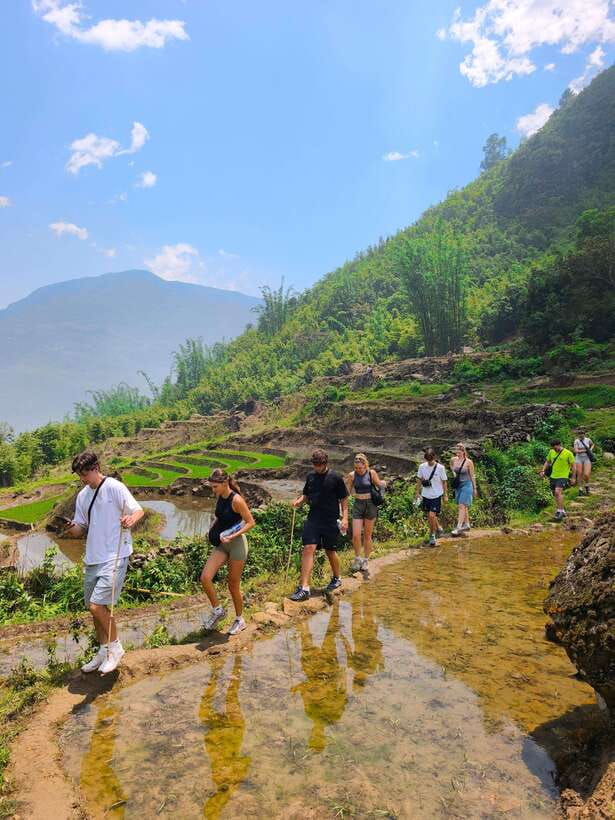
Two days in Sapa can feel like a whole week. This trek with English guide Zo and her family team shows off rice terraces, village routines, and valley views from Ham Rong Mountain. I especially liked the chance to walk with a local Hmong guide who can explain what you’re seeing, and the cozy homestay where dinner feels shared, not staged. The main catch is simple, the hike is real, plan for a 6 to 8 hour day and bring solid walking shoes.
You start in Sa Pa town, get picked up near your hotel or at Sa Pa Stone Church, then step straight into the hills. Along the way you’ll cover Black Hmong villages like Hang Da and Hau Thao, and spend the night in Giang Ta Chai Mong with hosts who are known for welcoming visitors like friends. If you’re looking for easy sightseeing with zero uphill, this is probably not your plan.
Key Highlights You’ll Actually Feel on the Trail
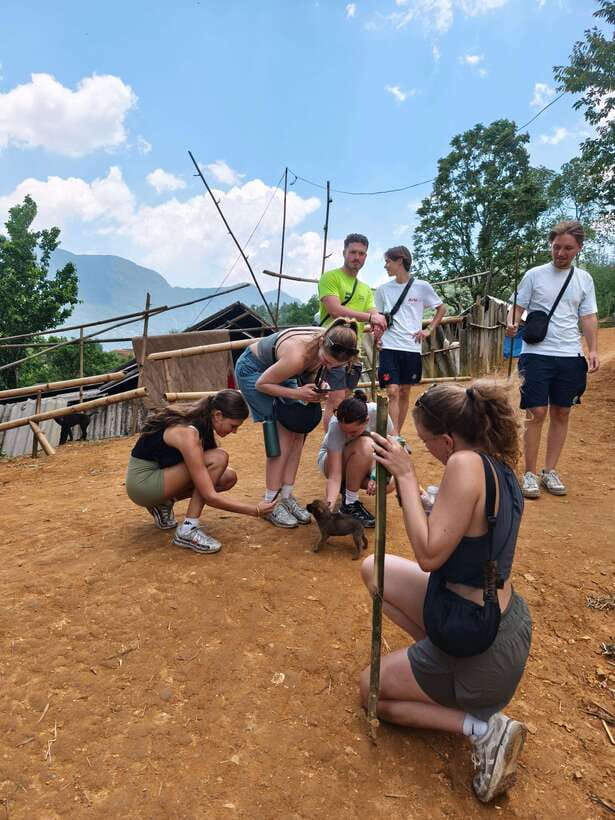
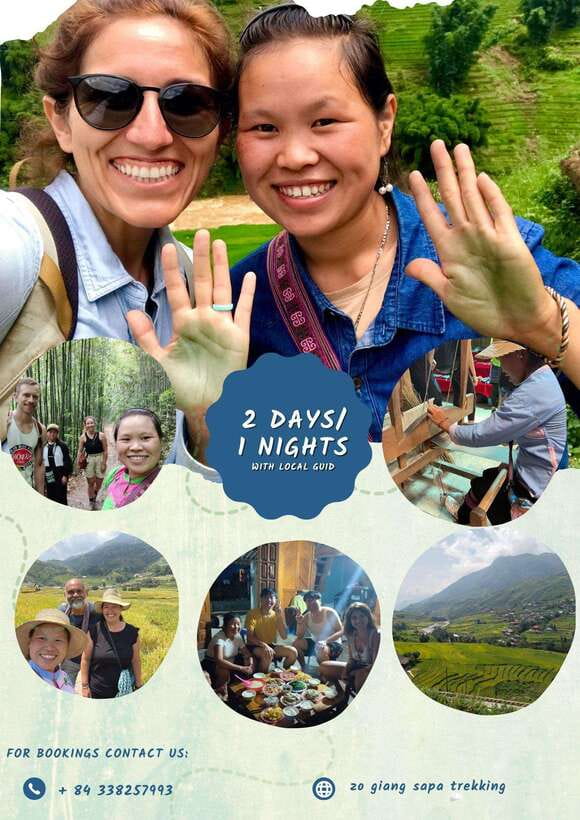
- Trek with Zo, a Black Hmong guide from Sa Pa, who helps translate daily life into something you can understand fast
- Overnight homestay in Giang Ta Chai Mong, with a family dinner and time to ask questions in a calm village setting
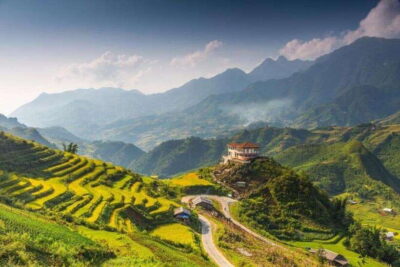
- Big viewpoints early on, including Ham Rong Mountain and panorama views toward Fansipan and the Muong Hoa Valley rice terraces
- Village stops that match different communities, including Black Hmong and a Red Dao visit with a quiet lake
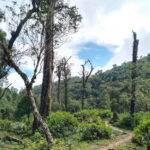
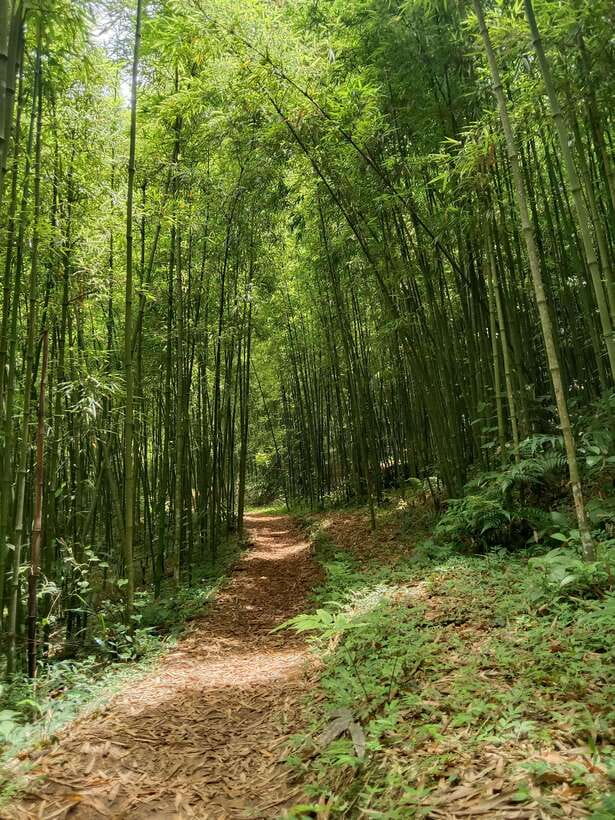
- Bamboo forest walking and terraced rice villages, including Lao Chai for that classic Sapa feel
- Small group size up to 10, which makes it easier to pause, regroup, and keep the pace comfortable
Meeting Zo in Sa Pa, Then Leaving the Main Road Quickly
This is the kind of Sapa experience that starts working immediately. You meet in Sa Pa town, either at your hotel pickup point or in front of Sa Pa Stone Church, then Zo lines things up so the walk feels organized from the first minutes. The group stays small, capped at 10 people, which matters because village trekking is not a conveyor belt.
Zo and the team come from the Black Hmong community living around Sa Pa, and that local connection shows in the details. In the homestay evenings, it’s not just where you sleep, it’s also the chance to chat with the family and learn what daily life looks like here. You might hear names like May and Sho in the family network, since Zo works with her sisters to make the experience smooth.
You can also read our reviews of more walking tours in Sa Pa
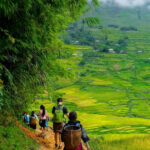
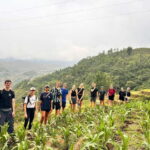
Day 1: Ham Rong Mountain Views, Hang Da, and a Homestay Night in Giang Ta Chai Mong
Day 1 is your best mix of big views and community walking. You begin around 09:00 with a short uphill start, about 2 km to reach Ham Rong Mountain at roughly 2,000 m. That climb is short, but it’s noticeable, so I’d treat it like your warm-up and just keep a steady pace.
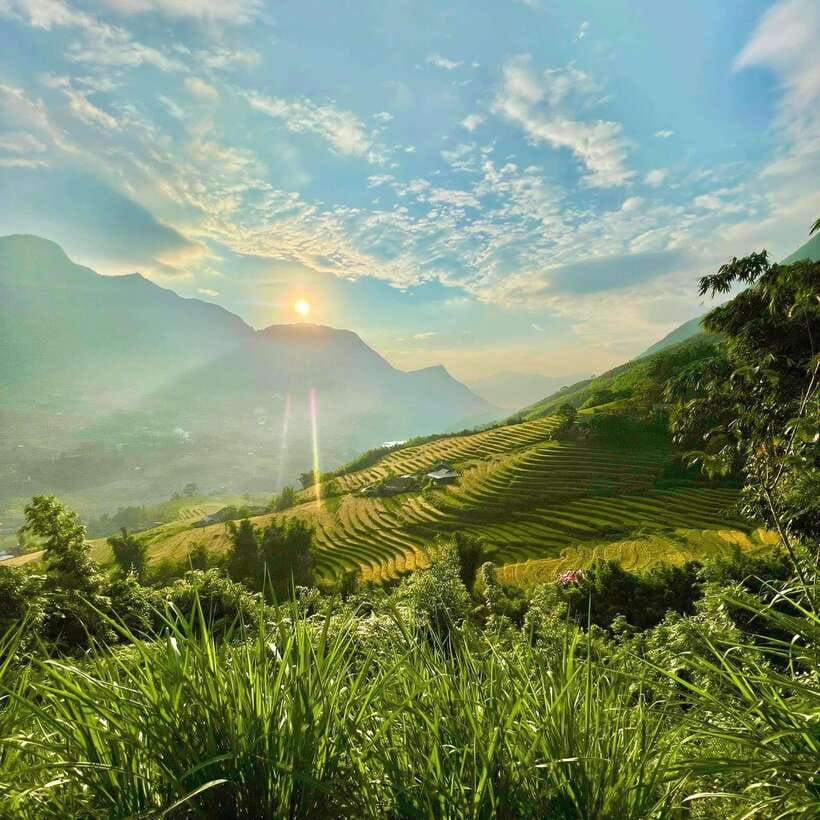
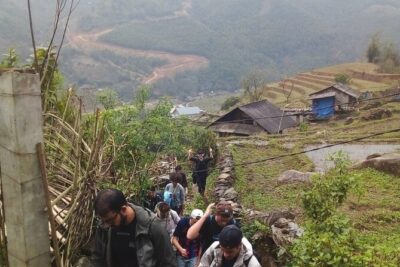
Once you’re up, the payoff is the panorama. You’ll look over the Muong Hoa Valley, famous for terraced rice fields, and you can also see the wider mountain system including Fansipan Peak, the Roof of Indochina. From here, the trail shifts from “look at Sapa” to “walk through Sapa,” because after the viewpoint you begin heading downhill toward Hang Da.
In Hang Da village, you eat lunch around 12:30 at a small local spot near a family. This is a good time to slow down. Trekking can make everything feel urgent, but lunch is your reset, and it’s also when the day starts to feel more personal.
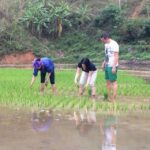
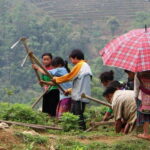
The afternoon keeps you moving along smaller paths toward another Black Hmong community, Hau Thao village. The timing is built around real rhythms, like farming and planting or harvesting depending on the season. On the way, you may spot livestock such as buffaloes, horses, and pigs moving around freely, which adds that lived-in feeling you don’t get from a bus tour.
By about 17:00, you reach the homestay in Giang Ta Chai Mong. This is where the experience changes gear from trekking to relationship. You’ll be welcomed into the home, then dinner comes in the evening, followed by a quiet time to talk with hosts or just enjoy the valley atmosphere.
What’s special about the first day route
You get three “types” of sights in one day: a viewpoint to set the geography, terraced valley rice fields to understand the setting, and village life to understand why people live this way. If you love seeing how something works, not just what it looks like, Day 1 is the day you’ll remember most.
Day 2: Red Dao Village, Bamboo Forest Walking, Ta Van, and Lao Chai Terraces
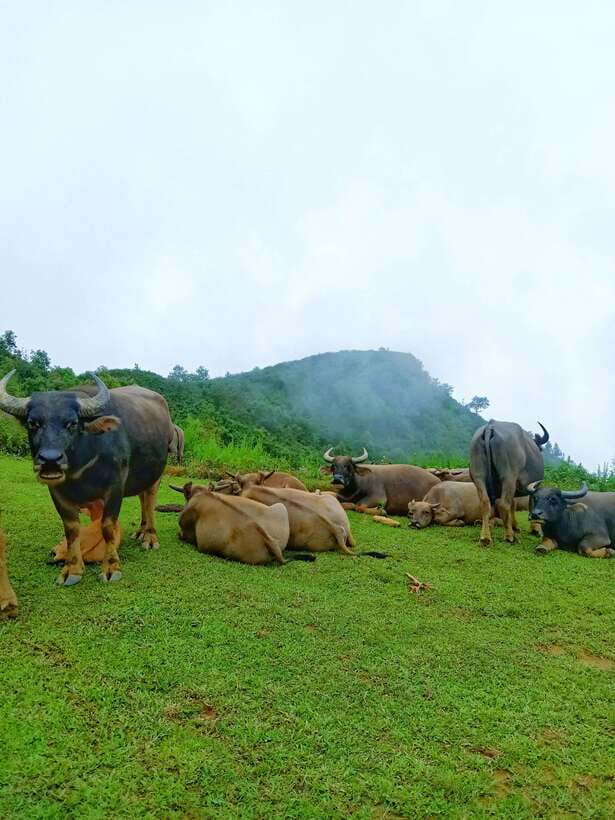
Day 2 starts with countryside time, not a rushed hotel timetable. You’ll wake up in Giang Ta Chai Mong and head to breakfast around 09:00 at the homestay, often with tea or coffee in the morning air. This part matters because it helps you ease into the second trek day without feeling like you’re fighting the clock.
The morning trek begins around 09:30 toward Giang Ta Chai Dao village, a small Red Dao community near the mountain foothills. The walk here is a chance to see rice terraces from another angle and to notice how house styles and village routines can differ between communities. You also visit a tranquil lake associated with the Red Dao people, which gives your second day a calmer, reflective moment.
From there, you walk through a bamboo forest to Ta Van village around 11:00. This isn’t just a photo stop. Bamboo forest sections often cool things down and break up the walking, and Ta Van gives you a pretty rest point to pause and take pictures before you continue.
At around 12:00, you head on toward Lao Chai, one of the most stunning terraced rice field villages in the area. Lunch happens in Lao Chai at about 12:00 to 13:00, depending on how the walking works out that day. After lunch, the tour switches from hiking to departure: car pickup comes at Lao Chai around 14:00, and you wrap up back in Sa Pa between 15:30 and 16:00.
The practical reason Day 2 feels better
The second day is shorter at about 10 km, and it also includes more “variety” stops like the bamboo forest and the lake. That mix helps the walking feel less repetitive, even though the trails are still in mountain terrain.
You can also read our reviews of more guided tours in Sa Pa

Homestay Life in a Black Hmong Home, Food, and Room Comfort
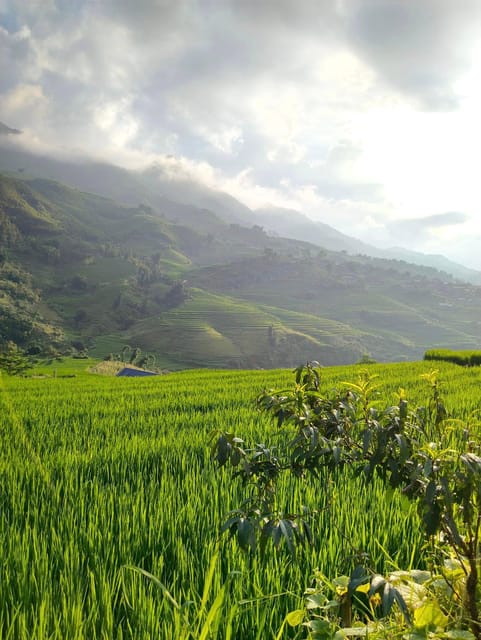
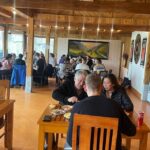
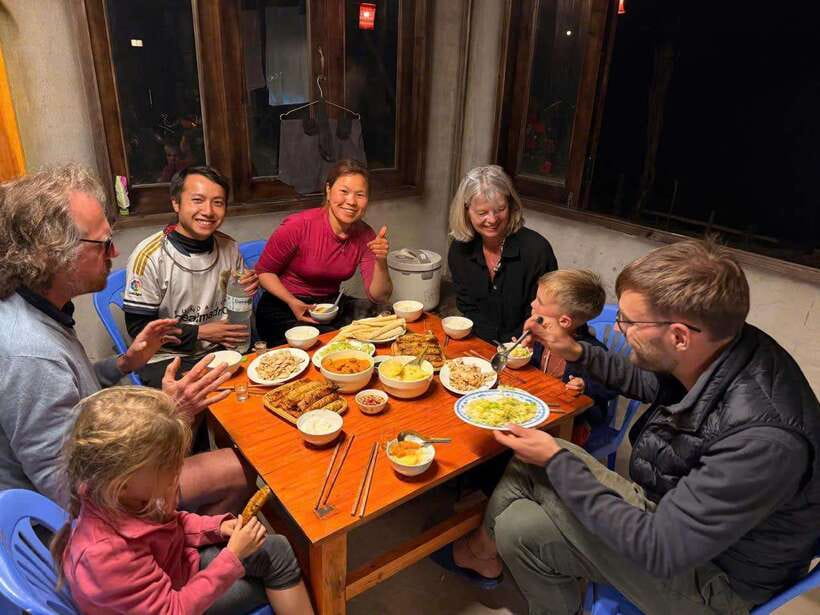
The homestay is the center of gravity for this tour. You’re not sent to a show house on the edge of town. You stay in Giang Ta Chai Mong with Black Hmong hosts, and the day ends with a traditional dinner, then time to chat if you want to.
In the feedback people consistently praise three practical things: the family welcome, the home setup, and the food. Rooms are described as well prepared, and bathrooms are part of what gets attention, not just a “good luck” situation. Views from the home are also a big deal, since the house sits in the middle of terraced rice areas.
Food is also a highlight. You’ll have a family dinner on the first night, and breakfast on the second day. I like tours where meals feel like the household routine rather than a tourist menu, and this one is set up that way.
How to get more from the homestay
Ask simple questions during dinner or after. People love talking about farming routines, daily life, and what life looks like across seasons. Zo is the kind of guide who can translate more than just words, she can help you understand context so you don’t feel like you’re only collecting pictures.
Trekking Tips: Pace, Fitness, and What to Pack for Sapa Walking
This tour includes a 6 to 8 hour hike, and the mileage gives you a real picture: about 12 to 14 km on Day 1, then about 10 km on Day 2. The day 1 uphill segment to Ham Rong Mountain is one of the places where pace matters most. You’ll also be walking downhill and across smaller paths, so your legs and feet will feel it.
The good news is that Zo keeps the group moving at a pace where you can stay comfortable. If someone needs a breather, you can pause and regroup rather than sprinting through.
Here’s what to bring, based on what the tour asks for, plus what your feet will thank you for:
- Comfortable shoes, ideally proper hiking shoes with grip
- Change of clothes, because humidity and sweat happen fast in mountain trekking
- Camera, since the terraced rice and valley views are the main reason to come
- Insect repellent, because you’ll be in countryside settings
- A simple day plan, water in hand and no heroics on steep sections
If you’re thinking about age or fitness, don’t guess. The tour is not suitable for people over 70, and it specifically lists not suitable for people over 95. If you’re unsure whether your fitness matches the hike, treat this as a workout, not a stroll.
Hidden Waterfalls, Valley Views, and Terraced Rice Patterns
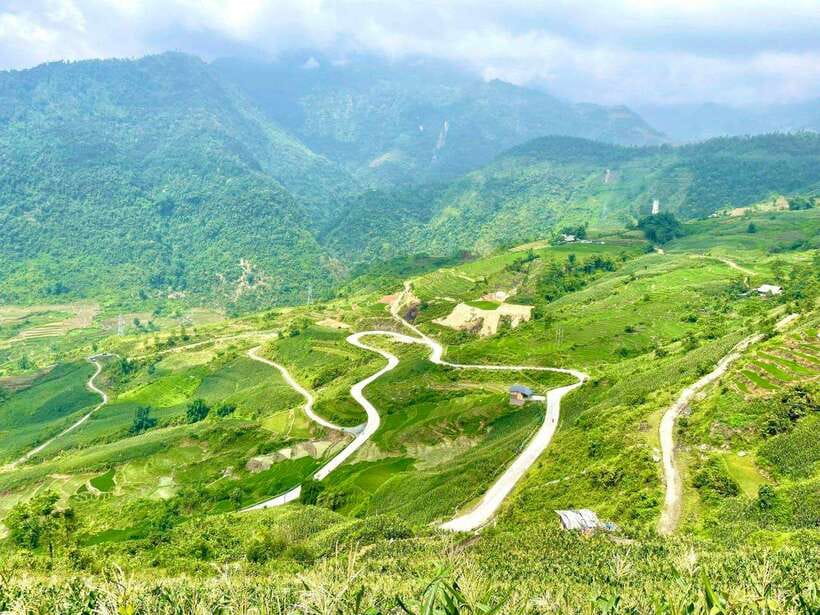
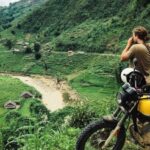
One of the best parts of Sapa is how quickly the scenery shifts when you walk rather than drive. You’ll get panoramic views from Ham Rong Mountain, plus wide views over the Muong Hoa Valley and the important valley system around Sa Pa. You’ll also see rivers and mountain ridges as you move downhill.
The tour highlights hidden waterfalls as part of the trekking experience. The listing doesn’t promise a specific waterfall photo moment, but it does signal that the route is chosen for scenic surprises. That’s exactly what you want when you’re walking, not just road-tripping.
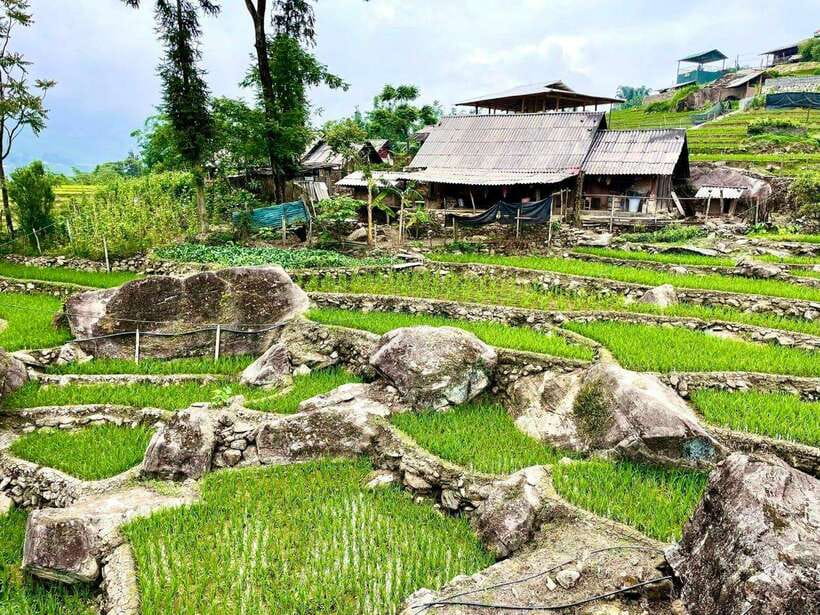
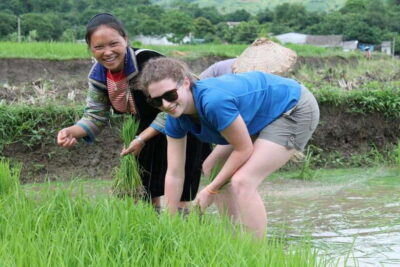
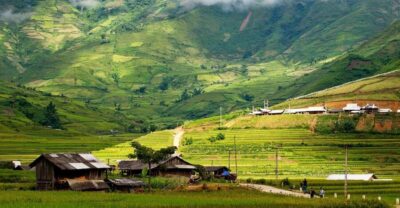
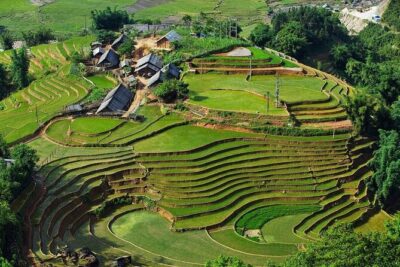
Then there’s the rice terrace work. Lao Chai and Muong Hoa Valley are where the terraces really show their structure, while villages like Hang Da and Hau Thao help you see how people use this terrain day to day. The terracing isn’t just a view, it’s a system that shapes farming, work, and community life.
Price and Value: What $46 Includes and Why It Feels Reasonable
At $46 per person for 2 days and 1 night, this isn’t a bargain tour built on corners. It’s priced around local guidance and real meals. You get:
- A local guide who speaks good English
- Lunch included for the trekking days
- A family dinner and a breakfast on the second day
- 1 small water bottle per person per day
- Tickets to village sites
- Private car return back to Sa Pa
You also get the small group format, limited to 10 people. That matters because homestays and village walks work better when groups are smaller, and it keeps the day from feeling rushed.
If you’re comparing to cheaper tours, the extra cost usually buys you fewer people on the trails and a more family-based stay. For me, that’s the main value, because the homestay and meals are the experience, not a side item.
Who Should Book This Sapa Homestay Trek, and Who Should Skip It
This tour fits best if you want a hands-on cultural experience in Dong Bac, Vietnam, with real village context rather than just quick photo stops. If you enjoy walking, asking questions, and spending an evening talking with hosts, you’ll likely love it.
It’s also a good fit if you’re a culture lover looking for an off-the-beaten-path feel, since the route connects Black Hmong and Red Dao communities. Zo’s family network approach helps explain what you’re seeing, and that makes the trekking more than scenic exercise.
Skip it if you need wheelchair-friendly access, because it’s a hiking route with steep and uneven mountain trails. And based on the listed guidance, don’t plan this if you’re over 70, because it’s not designed for that age group.
The Best Way to Enjoy It: Be a Good Guest on a Real Working Hill
This is a practical tour, but it’s also a village home experience. Your best move is to be flexible. Village paths can be slower than you expect, livestock can wander near the trail, and weather can affect how long sections feel.
Also, come ready to talk. Zo’s role is not just leading, it’s translating and helping you understand daily routines. If you ask about farming, rice planting or harvesting (depending on season), and how life works in the communities you visit, you’ll get much more out of the homestay dinner.
One more thing, keep your expectations grounded. The joy here is not luxury. The joy is warmth, views, and walking through communities that are still living their everyday lives.
Should You Book Zo’s 2-Day Sapa Walking and Homestay?
Book it if you want a Sapa trek that blends rice terrace views with village life, plus an overnight stay with Black Hmong hosts. I’d especially recommend it if you like small groups, care about meals and conversation, and you’re comfortable with 12 to 14 km of Day 1 trekking plus another 10 km on Day 2.
Skip it if you want a low-effort sightseeing day. This is set up as a real hike with a homestay evening, not a short tour where you can step off and back on a bus whenever you want.
If you match the fitness level, this tour is the kind of choice that turns Sa Pa from a place you visit into a place you actually understand.
FAQ
How long is this Sapa tour?
It’s a 2-day tour with 1 night at a homestay.
Where does the tour start and end?
The tour meets in Sa Pa town. Your guide meets you at your hotel in Sa Pa or in front of Sa Pa Stone Church, and the tour ends back at the same meeting point in Sa Pa.
How far do we walk?
Day 1 is about 12 to 14 km, and Day 2 is about 10 km.
How difficult is the hike?
The tour includes a 6 to 8 hour hike, and it’s described as challenging at times. You’ll want to be in good health.
Is the group small?
Yes. It is limited to 10 participants.
What language is the guide?
The live tour guide speaks English.
What meals are included?
Lunch is included for the 2 day trekking, there is a family dinner on the homestay night, and breakfast is included for the second day trekking.
What else is included besides meals?
Included items are a local English-speaking guide, 1 small water per person per day, tickets to village sites, and a private car back to Sa Pa.
What should I bring for the trek?
Bring comfortable shoes and hiking shoes, a change of clothes, a camera, and insect repellent.
Who shouldn’t book this tour?
The tour lists not suitable for people over 70 years old, and not suitable for people over 95 years old.
Can I cancel and get a refund?
Yes, it offers free cancellation up to 24 hours in advance for a full refund.
More Guided Tours in Sa Pa
More Walking Tours in Sa Pa
More Tour Reviews in Sa Pa

Not for you? Here's more nearby things to do in Sa Pa we have reviewed



More Sapa Trekking Tours to consider.
 ★ 5.0Sapa 2 Days 1 Night From Hanoi – Overnight in Ta Van VillageTickets from $592,669 traveller reviews
 ★ 5.0Hanoi – Sapa 2 Days 1 Night Overnight At HomestayTickets from $89899 traveller reviews
 ★ 4.6Sa Pa: Muong Hoa Valley Trek and Local Ethnic VillagesTickets from $23864 traveller reviews
 ★ 5.0Sapa: Fansipan Cable, Cat Cat Village & Moana Instagram TourTickets from $30777 traveller reviews
 ★ 4.8From Hanoi: 2-Day Sapa Trekking Trip with Homestay & MealsTickets from $71704 traveller reviews
 ★ 5.0Sapa 3 Days 2 Nights Trekking Tour (1 Night In Ta Van Village, 1 Night In Hotel)Tickets from $139699 traveller reviews
 ★ 4.9Sapa: Eco Adventure Terrace Fields and Local Villages TrekTickets from $27636 traveller reviews
 ★ 5.03-Day Trekking Adventure of Sapa from Hanoi – Stay Ta Van VillageTickets from $109611 traveller reviews
More useful Hanoi routes