
Review · SAPA TREKKING TOURS
Sa Pa: Fansipan Peak One Day Trek with Local Guide
Fansipan is a big climb in a single day. This guided trek from Sapa takes you from Tram Ton Pass to the Fansipan Peak at 3,143 meters, with forest paths, bamboo sections, and high-altitude lunch breaks. It is the practical way to chase the Roof of Indochina without sorting out permits, route details, or local timing on your own.
Two things I really like are the pacing built around clear altitude stages, and the way the guide turns a hard hike into something manageable. You stop for lunch at 2,800 meters to refuel, and with a guide named Binh, the day often feels organized, supportive, and friendly when the trail gets slippery.
One consideration before you commit: weather can steal the show. When fog and low clouds roll in, the views can be muted even if you still reach the summit area.
Key things to know before you go
- Tram Ton Pass start at 2,000 meters means you feel altitude right away, so pace matters.
- Cardamom-scented forest and bamboo forest mark two different walking moods in the same day.
- Lunch at 2,800 meters is a real recovery moment, not a quick snack stop.
- Summit at 3,143 meters is the payoff, even if the weather hides the far distance.
- Guide support is a big part of the value, with Binh-style local insight and careful attention.
- Rain gear is part of the package, which helps when weather turns fast.
Fansipan Peak from Sapa, and why this one-day trek feels real
Fansipan has a reputation that is easy to oversell, but the structure of this one-day hike keeps it grounded. You are not just walking uphill, you are moving through distinct altitude zones, and that makes the day feel like a real mission with a beginning, mid-point fuel stop, and summit goal.
What I like is that the trek is built for first-timers and intermediate hikers who want a challenge without going solo. You get an English speaking guide, entrance covered for Hoang Lien national park, transport between Sapa and Tram Ton, and even a rain coat if conditions are wet. That matters in northern Vietnam, where weather can change fast and you want one less thing to worry about.
The other strong point is the nature mix you walk through. You are in the Hoang Lien Son mountain range, so expect towering trees and the smell of cardamom plants, then later a bamboo forest where the vegetation lowers and distant sightlines can open up. It is not just about the top, it is about moving through a mountain ecosystem as you climb.
If you do decide to go, bring your mindset as much as your gear. This is a challenge and it is not a casual stroll. Still, the day is thoughtfully planned so you can reach the summit and come back down without turning it into an all-day slog.
You can also read our reviews of more guided tours in Sa Pa
Getting picked up in Sapa and reaching Tram Ton Pass at 2,000 meters
Most trips start with a pickup from Sapa Church or another central spot in Sapa. Then you ride by taxi to Tram Ton Pass, which sits at 2,000 meters above sea level. That taxi transfer is more than convenience. It helps you start the hike close to the action, instead of spending time climbing from the low town itself.
Why this matters for you: altitude at 2,000 meters already changes how you feel effort. Even if you are fit, the climb can feel steeper than it looks on paper. The best move is to go slow in the early part, let your breathing settle, and save energy for later. A lot of people start strong and then get hit by fatigue once the trail starts getting tougher.
You will also want to be ready for cool air at the start and potentially more dramatic weather higher up. The tour includes a rain coat for rainy day use, so you do not need to gamble on whether you packed a shell that works. Still, you will feel wind and mist at altitude more than you would in town, so plan clothing in layers.
Through Hoang Lien Son forests: cardamom aroma, giant pine, and yellow bamboo
Once you arrive at Tram Ton, the hike begins. You walk into the forest and climb through the Hoang Lien Son mountain range. The trail experience is very “mountain tropical,” with tall trees around you and that distinctive smell of cardamom that makes the whole hike feel different from generic hillside walking.
As you gain height, the vegetation shifts. One of the most interesting parts is where the trail reaches the bamboo forest. That usually takes about 2 hours, and it is a noticeable change: plants start lowering, and you often get clearer and more distant views. Even when visibility is not perfect, the bamboo zone helps you understand how the mountain is “layered” by altitude.
You will likely pass areas with giant pine trees and bamboo, plus cardamom plants. These plant clues are not random trivia. They also help you read the trail environment. The bamboo forest tends to feel more open than the dense tree sections, and that can affect how exposed you feel if wind picks up.
Footing can get tricky. Even when the weather is fine, mountain trails get slippery, and a rainy day makes it worse. If you are prone to rushing, try to slow down here. The guide is there for a reason, and in a day like this, careful foot placement beats strong legs.
The bamboo forest viewpoint after about 2 hours
When you reach the bamboo forest, the hike transitions from thick canopy climbing to a section that can feel more open. You may notice the vegetation lowering and sightlines stretching farther away. This is a key psychological checkpoint in the day. You are not at the top yet, but you have changed zones, and you can start to feel the summit is coming.
If weather is clear, this is where you might get your first real “mountain picture” moment. If it is cloudy, it still helps to take a breath. You are moving from one kind of forest to another, and that usually means your body is learning the rhythm of steady climbing.
This is also a good time to check in on yourself. You want to arrive at lunch feeling tired but functional. If you start bargaining with your legs here, you may have gone too fast earlier.
Lunch at 2,800 meters: the fuel stop that makes the summit feel possible
Lunch comes at around 2,800 meters. This is the middle of the day where you reset, rest, and eat something real before the steeper final push.
The altitude is the reason this lunch matters. At 2,800 meters, your breathing can feel heavier and your energy spending can feel faster. Eating midway is not just for taste. It helps your body keep enough power for the final climb to 3,143 meters.
One of the most praised parts of this trek is the lunch itself. A guide named Binh often prepares the meal during the stop halfway up, and the food has stood out for being satisfying rather than basic. That is the kind of detail that changes how you remember the day. When you are hiking hard, you do not want a sad snack, you want fuel that lasts.
Practical tip: after lunch, take a few minutes to cool down and settle your breathing. Then get moving. Staying too long can make your body feel stiff for the next ascent, especially if you are in cooler mountain air.
You can also read our reviews of more hiking tours in Sa Pa


Reaching Fansipan Peak at 3,143 meters: views, fog, and that summit feeling
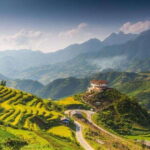
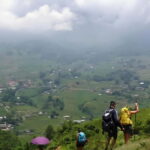
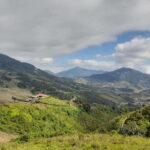
The summit goal is Fansipan Peak at 3,143 meters, often described as the Roof of Indochina. This is the high point, and it is where your effort turns into a visible reward.
When the sky cooperates, you get breathtaking views. The altitude is high enough that weather can change quickly, though. Fog and clouds can roll in, and then the view turns into a gray ceiling. That disappointment is real, and it is not your fault if visibility is bad that day.
This is where the guide support becomes more valuable than you might think. Binh-style guides often share photos of what you might see when visibility is good. It gives you context while you wait for conditions to shift, and it helps you still feel like you understand the summit moment even if the distance is hidden.
Even in lower visibility, reaching the summit still means something. You have climbed through forest zones, bamboo sections, and thin-air effort. You have earned the right to stand there, breathe, and soak in what you can see, even if the panorama is limited.
Descent back to Tram Ton Pass, then taxi to Sapa
After you spend time at the summit, you begin the descent back toward Tram Ton Pass. The tour is designed as a loop in feel, with the summit point tied back to the pass where you started. Once you are back at Tram Ton, you take a taxi to return to Sapa and end the tour.
Downhill is where many people get careless. It can be steep, and it can be slippery. A tough uphill can still be manageable, but a rough descent can turn into a leg and balance test. Stay calm, shorten your steps, and keep your focus on the ground.
If you are thinking about cable car options, note that a cable car down is not included in this trek package. If you want to use it, you will pay separately. Some people consider it if weather turns or if legs feel wrecked on the way down. In a good-weather day, the full hike up and down can feel complete. In a bad-weather day, it can be a practical backup plan.
Guide quality, local insight, and the small touches that stand out
This tour stands out because the hike is guided, and the guidance seems to be the difference between a hard day and a stressful one.
An English speaking guide is included, and the guides often bring local mountain knowledge and cultural context that makes you feel like you are walking with someone who understands the terrain. That support is especially important on the more difficult and slippery parts of the trail, where you want a steady pace and advice that fits the conditions.
Another small touch is the sense of celebration at the end. One guide named Binh has been known to hand out medals at the end of the trek. Even if you do not care about souvenirs, that kind of final acknowledgement can make the day feel more complete.
Also, the tour includes certification. While that detail is easy to ignore when you are excited, it often signals that you are working with a provider that takes the climb process seriously. In mountain hiking, structure and compliance are not boring, they are safety.
Price and value: what $64 covers, and what can add up
At $64 per person, this trek can be a strong value if you want most basics taken care of. Here is what is included:
- English speaking guide
- lunch meal
- Hoang lien national park entrance fee
- 1.5 liter bottle water
- transport (Sapa to Tram Ton, and back)
- rain coat (for rainy days)
- porter (for 4 people or more)
- certification
That bundle matters because it removes the common costs and hassles. You are paying for a full guided package with transport, entrance fee, and food. You are also getting water and rain protection, which are real needs on a mountain hike.
What is not included:
- cable car (if you arrive on top and want to take the cable car down)
- expenses for snacks and soft drinks
- and there is the passport requirement after booking for the climbing procedure
So the question is not just whether $64 sounds low. It is whether your day already includes the biggest variables: guide, entry, transport, and a meal. For a short, high-demand hike like Fansipan, those items are exactly what you want covered.
If you think you might need the cable car down, plan extra budget. Also consider whether you will join as part of a group large enough to qualify for a porter. The porter is included only for groups of 4 people or more.
What to bring for Fansipan: practical packing for altitude and slippery trails
Bring gear that helps you handle changing conditions at higher elevation. The tour asks you to bring:
- hat
- hiking shoes
- sunscreen
- jacket
- comfortable clothes
- daypack
I like this list because it focuses on what actually affects comfort on the mountain. Hiking shoes are the big one. The trail can be slippery, so you need grip, not just good-looking footwear. A hat and sunscreen matter too, even if clouds appear, because UV at altitude can surprise you.
A jacket is essential. Weather can be unpredictable, sometimes rain and strong winds can hit. When the wind comes, you feel it immediately on exposed trail sections.
Also, keep your daypack simple. You want only what you need for the day. Carrying extra weight on a steep hike is not fun.
Finally, follow the rules: no littering, and do not make fire. These mountains are part of a national park ecosystem, and your behavior is part of protecting it.
Fitness, health, and weather planning so the day stays safe
This climb is a challenge, and it requires a good fitness level. The tour is not suitable for people with heart problems, respiratory issues, wheelchair users, or anyone with low level of fitness.
If any of those apply, it is better to skip this specific trek. At 2,000 meters and then up to 3,143 meters, the effort is real. Breathing demands rise, and weather can add strain when rain or strong winds show up.
Weather is the other big factor you should respect. The day can be complicated by fog, clouds, rain, and strong winds. Even with a great guide, you cannot control the sky. What you can control is how prepared you arrive.
So plan like this:
- Keep a steady pace, do not sprint the first sections
- Wear shoes with grip and bring warm layers
- Expect slipperiness and treat downhill as part of the challenge
- Be flexible with what you can see from the summit, because visibility is not guaranteed
If you are the type who gets impatient with slow travel, this day may feel long. But if you can handle a steady climb and enjoy the forest-to-summit progression, you will likely find the challenge rewarding.
Should you book this one-day Fansipan trek from Sapa?
If you want a structured, guided path to Fansipan with transport, entrance fees, lunch, and rain gear included, this is a sensible choice. It is also a good fit if you value a guide who keeps things safe and supportive, especially for slippery sections. With a guide named Binh, the day can include local context, helpful pacing, and even those photo moments when fog limits the view.
I would not book it if you know you cannot handle the physical demands. This is not a stroll, and altitude plus weather can amplify effort. If you are relying on cable car down to save time or energy, budget extra since it is not included here.
If your top priority is a perfect summit panorama, go anyway but keep expectations flexible. Fog can hide the view, even when you do everything right. The good news is that the day still has value, because the forest, bamboo transition, and the summit achievement are the core experience.
FAQ
Where is the pickup for the Fansipan one-day trek?
You get picked up in Sapa, either from Sapa Church or another central location in Sapa.
How do you travel from Sapa to the start of the hike?
You take a taxi from Sapa to Tram Ton Pass.
What altitude is Tram Ton Pass?
Tram Ton Pass is at 2,000 meters above sea level.
Where does lunch happen?
Lunch is served at about 2,800 meters during the hike.
How high is Fansipan Peak on this trek?
Fansipan Peak is 3,143 meters above sea level.
What is included in the $64 price?
Included items are an English speaking guide, lunch, Hoang lien national park entrance fee, 1.5 liter bottle water, transport between Sapa and Tram Ton, a rain coat for rainy days, porter service for groups of 4 people or more, and certification.
Is the cable car included for the ride down?
No. The cable car is not included if you want to take it down from the top.
What should I bring for the hike?
You should bring a hat, hiking shoes, sunscreen, a jacket, comfortable clothes, and a daypack.
Who is this trek not suitable for?
It is not suitable for people with heart problems, wheelchair users, people with respiratory issues, or people with low fitness levels.
Do I need to send my passport after booking?
Yes. After booking, you are asked to send your passport to carry out the climbing procedure.
More Hiking & Trekking Tours in Sa Pa
More Guided Tours in Sa Pa
More Tour Reviews in Sa Pa
Not for you? Here's more nearby things to do in Sa Pa we have reviewed

More Sapa Trekking Tours to consider.
 ★ 5.0Sapa 2 Days 1 Night From Hanoi – Overnight in Ta Van VillageTickets from $592,669 traveller reviews
 ★ 5.0Hanoi – Sapa 2 Days 1 Night Overnight At HomestayTickets from $89899 traveller reviews
 ★ 4.6Sa Pa: Muong Hoa Valley Trek and Local Ethnic VillagesTickets from $23864 traveller reviews
 ★ 5.0Sapa: Fansipan Cable, Cat Cat Village & Moana Instagram TourTickets from $30777 traveller reviews
 ★ 4.8From Hanoi: 2-Day Sapa Trekking Trip with Homestay & MealsTickets from $71704 traveller reviews
 ★ 5.0Sapa 3 Days 2 Nights Trekking Tour (1 Night In Ta Van Village, 1 Night In Hotel)Tickets from $139699 traveller reviews
 ★ 4.9Sapa: Eco Adventure Terrace Fields and Local Villages TrekTickets from $27636 traveller reviews
 ★ 5.03-Day Trekking Adventure of Sapa from Hanoi – Stay Ta Van VillageTickets from $109611 traveller reviews
More useful Hanoi routes