
Review · SAPA TREKKING TOURS
2-Day Fansipan Mountain Trek – Indochina’s Highest Peak
Fansipan sunrise makes the legs worth it. This 2-day climb from Sa Pa to Vietnam’s highest peak mixes a real summit push with an English-speaking guide who keeps the experience understandable, not just strenuous. One heads-up, the night at camp can get brutally cold, and the sleeping setup you get might not feel warm enough for everyone.
I also like how the trek connects effort with people, not just views. You meet a Black Mong porter who carries your food and sleeping bag, and your guide shares what life and customs look like for local groups such as the Black Mong, Red Dzao, and Dzay as you climb.
If you want the big payoff, you should also expect the reality of the route. This is a steep trek with long hiking hours, and the camp is basic, so plan for cold and limited comfort.
Key Highlights At A Glance
- Sunrise at the summit (around 7:30 AM) for big valley views over Sa Pa and beyond
- English-speaking guidance that turns the climb into learning, not just marching
- Porters handle heavy basics, including your food and sleeping bag
- Day 1 forests and streams through pine and bamboo, in cool mountain weather
- Basic hut or tent camping around 2800 m, plus dinner cooked for you
- Hot showers at arrival and end, a welcome reset after mountain dust
Fansipan in 2 days, what the climb really feels like
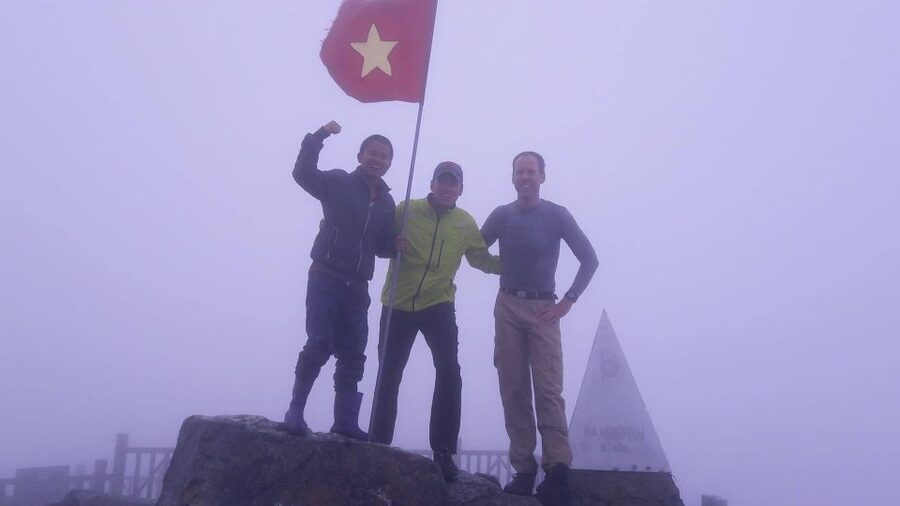
Fansipan (3143 m) is the kind of mountain that makes you respect distance. The plan is only two days, but it still asks for real stamina, especially on the early start of Day 2 when you’re hiking toward the top in the dark-to-sunlight window.
What makes this tour work is the rhythm. Day 1 gets you up from roughly Tram Ton pass elevation toward a camp at around 2800 m, with breaks for lunch and time to settle in. Day 2 starts early, aims for a summit arrival at about 7:30 AM, and then sends you down in time to be back at Tram Ton by late afternoon.
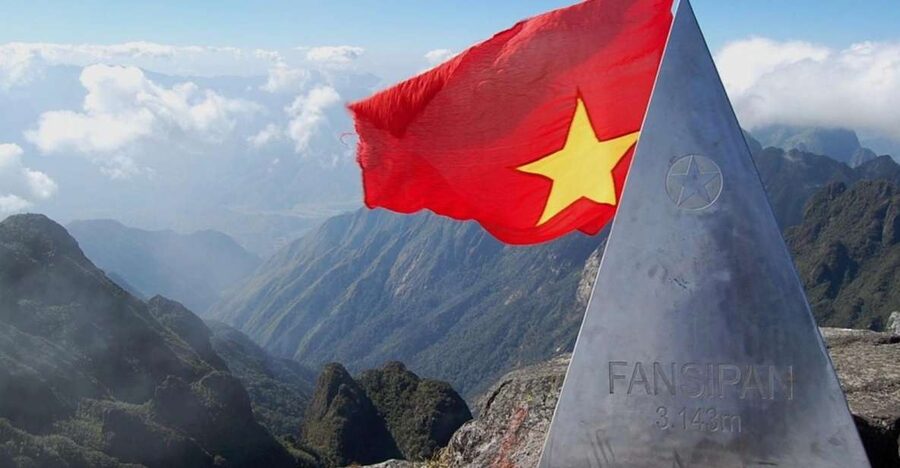
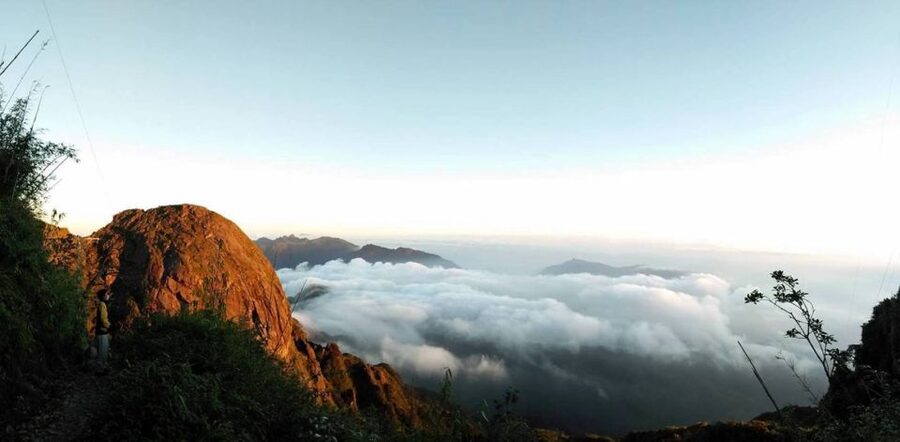
The best part is the payoff. You’re not just reaching a viewpoint, you’re standing on Vietnam’s highest peak with sunrise light opening up the valleys and ridgelines. You can even catch views toward mountains in China’s Yunnan Province when conditions cooperate.
You can also read our reviews of more hiking tours in Sa Pa


Sa Pa warm-up, luggage storage, and getting to Tram Ton
Your day begins in Sa Pa at Vietnam Nomadtrails’ office on Tue Tinh str. The tour info lists the meeting point as 8:00 AM, but the schedule also includes an earlier welcome window for a hot shower and storing your large luggage. So you’ll want to show up with a bit of padding in your morning plan, not right at the last second.
Then comes the transfer to the starting area at Tram Ton pass. The itinerary has the drive leaving around 9:00 AM, which matters because it sets expectations for the first long hiking push. Once you arrive at Tram Ton, your guide also helps you settle into the trekking logistics.
One of the “quiet value” parts here is that your food and sleeping bag ride on a porter. That means you’re not hauling camp weight all the way up. You still hike, but the load feels more like a day pack than a full camping expedition.
Day 1, Tram Ton up to 2800 m through pine, bamboo, and streams
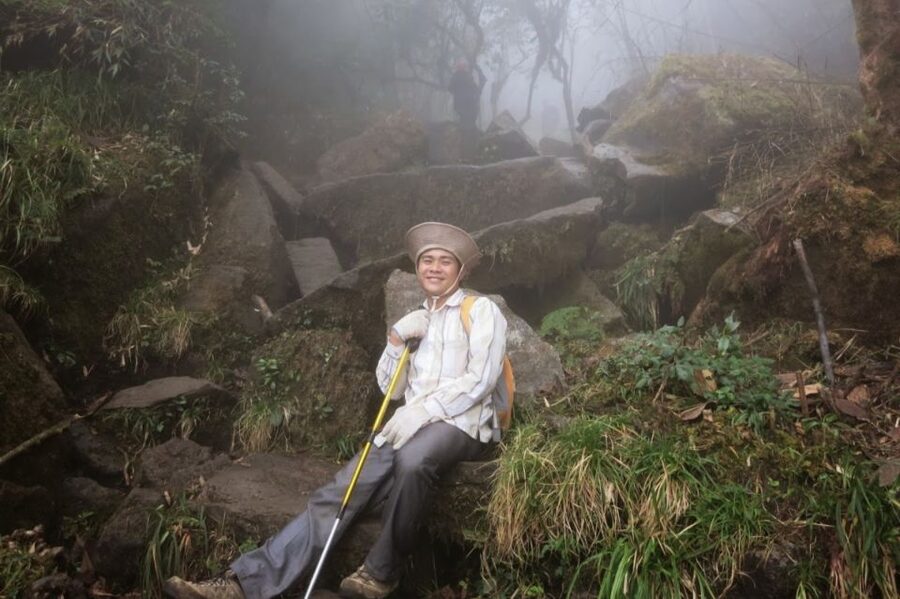
Day 1 is the climb into mountain life. You head from Tram Ton toward 2200 m by around noon, and along the way the route runs through pine and bamboo forests with cool air, plus streams and changing terrain that keep your steps varied instead of monotonous.
A big perk is the human side of the hike. Your guide talks about the indigenous communities living around Sa Pa, specifically the Black Mong, Red Dzao, and Dzay. And because your baggage porter comes from the Black Mong people, you’re not just hearing facts, you’re seeing how mountain trekking logistics connect to local life.
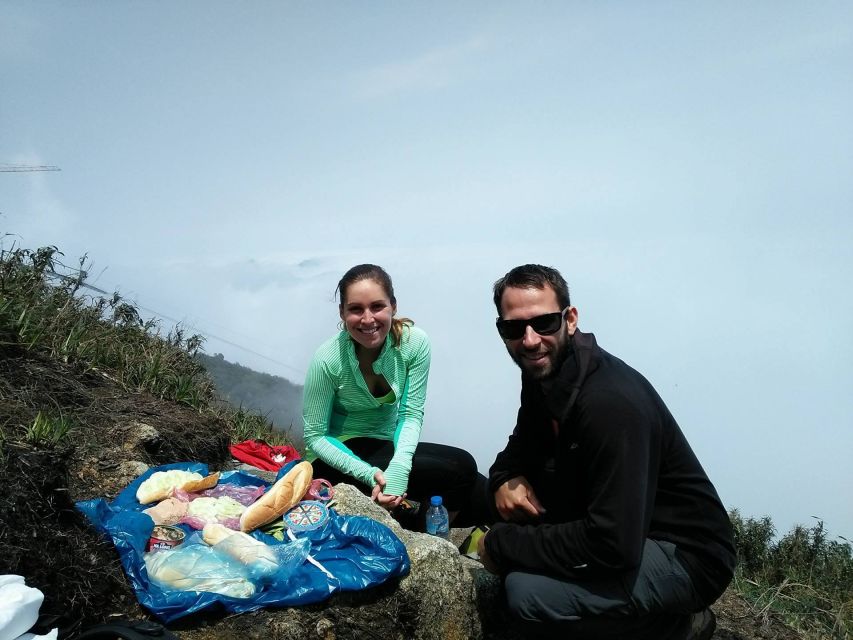
Around noon, you stop at about 2200 m for a picnic lunch prepared by your guide and porter. This is one of those moments that actually matters for the rest of the day. Eating well at altitude keeps your energy steadier for the push to camp.
By around 4:00 PM, you reach your sleeping point at 2800 m. After you settle, your guide and porter handle dinner prep, and you eat at 6:30 PM. Then it’s an early night, which is smart because Day 2 starts before 6:00 AM.
Camp at 2800 m, the basics, and the cold reality
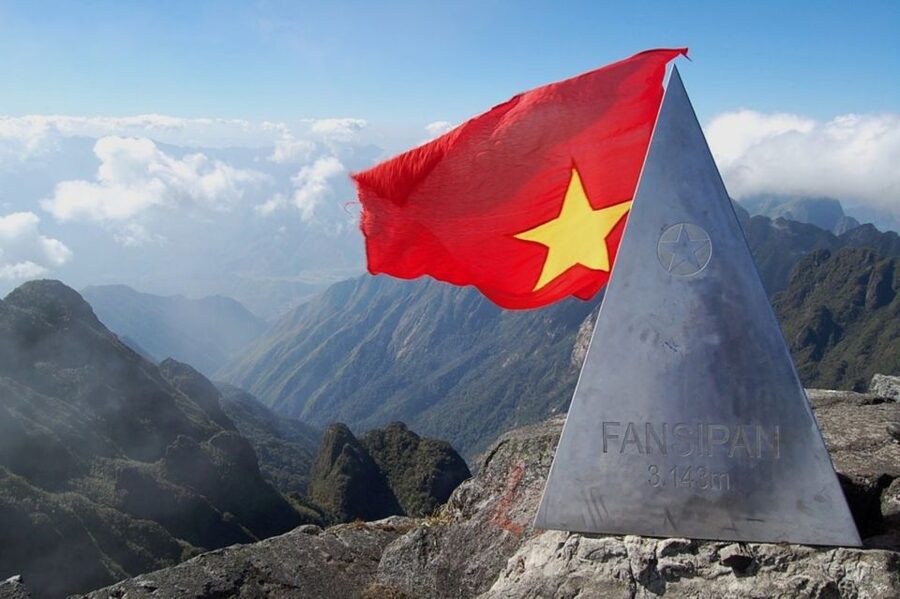
At camp, the experience shifts from trekking to “mountain survival lite.” You’re sleeping in a tent, hut, or with a sleeping bag setup included in the tour, and you get time to rest and look around your immediate area.
Here’s the consideration that can make or break your comfort. The trek runs in a cool climate, and at least in colder conditions, the night temperature can drop near freezing. Some people find the sleeping bags not quite enough for that level of cold, so you may want to bring extra warmth in your personal pack (like a warm layer you can sleep in). If you rely only on the sleeping bag, you could end up shivering through the night and pay for it with tired legs on Day 2.
The good news is that the tour keeps you fed and supported. Dinner is included, and you have a plan for early rest. Also, hot showers are provided at the end of the trek, which is your chance to feel human again before traveling onward.
Day 2 summit push, bamboo forests, and sunrise at Fansipan
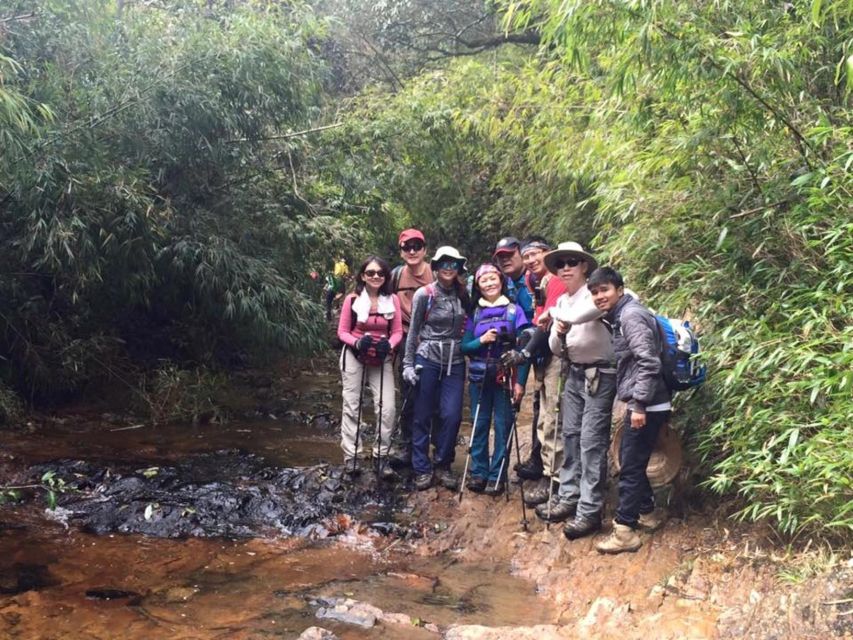
Day 2 starts early at 5:00 AM with breakfast. You’ll get hot tea or coffee, and then you continue the climb through bamboo forest toward the summit area. As you approach the top, the vegetation becomes less and less, which makes the final approach feel different from the forest trekking of Day 1.
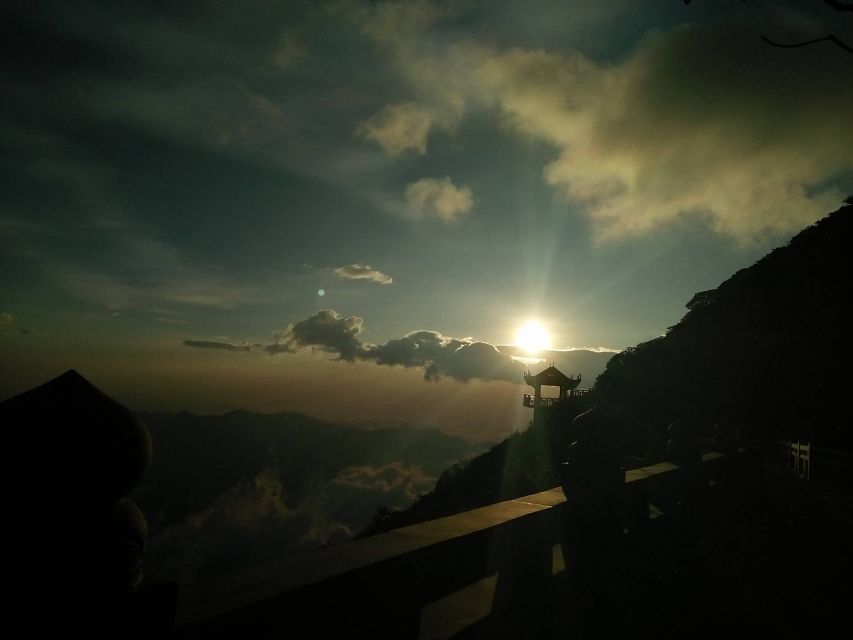
The schedule aims for arrival at the summit around 7:30 AM. This is the moment that people remember: sunrise light spilling into valleys, and the intense feeling of standing at Vietnam’s highest point. The views cover the Sa Pa region and Lai Chai Province, and when visibility is clear you may even see toward Yunnan Province in China.
Then the tour turns practical again. You start descending around 8:00 AM, with a picnic lunch on the way down. After that, you aim to reach Tram Ton between 3:30 and 4:30 PM, where a car brings you back to Sa Pa.
You also get another hot shower at the office after the trek. That’s not a luxury detail here, it’s a comfort reset that helps you transition from mountain mode to travel mode.
More Hanoi tours and experiences for the shortlist

Food and water, what’s included and what you should bring anyway
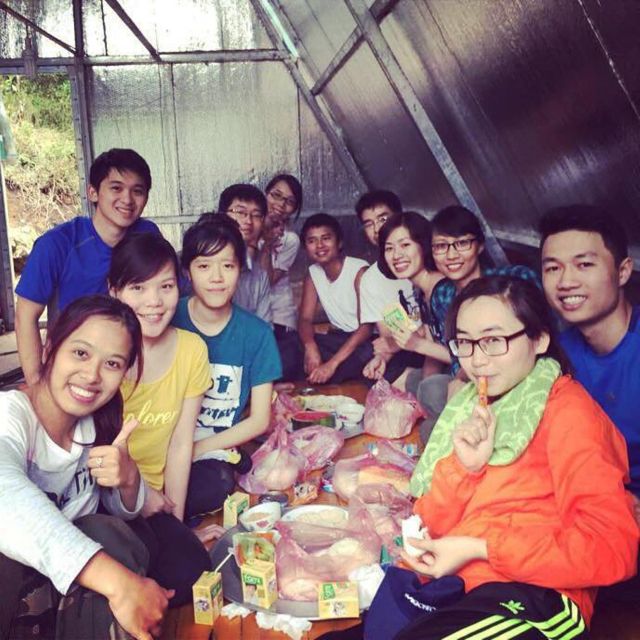
This tour covers the basics that keep trekking realistic: 2 lunches, 1 dinner, and 1 breakfast, plus 1.5 liters of water per day. The meals are cooked by your guide and porter, and the lunch stops are timed so you get fuel before the next uphill section.
I like that the plan doesn’t make you hunt for food. In this kind of trek, what you need is steady, not improvised. A picnic lunch at 2200 m on Day 1 and another on the descent Day 2 keep energy consistent.
What’s not included is drinks beyond the listed water, and of course you may want snacks. If you know you get hungry during steep climbs, bring small personal extras that you can eat without disrupting the group.
Guides, porters, and why the story part matters on a mountain trek
On the mountain, your guide does more than point the way. A good guide turns effort into understanding by explaining what you’re passing and who lives there. In this trek, that includes indigenous cultures around Sa Pa, with specific references to groups like the Black Mong, Red Dzao, and Dzay.
It also helps that your porter carries the heavy essentials like your sleeping bag and food. That means you can stay focused on footing and pace rather than carrying camp logistics. The result is a smoother experience, especially if you’re not used to multi-hour mountain trekking.
If you’re lucky enough to get a guide who’s comfortable explaining details in English, you’ll get a more complete sense of the region. Some guides are described as very supportive and checking in on hikers, which makes a difference when the terrain gets steep.
Price and value, what you pay for at $120
At $120 per person for a 2-day, guided trek, this tour earns its price in a few clear ways.
You’re getting:
- English-speaking guide
- Permits and entrance fees
- Transport to and from the trekking starting point at Tram Ton
- Meals and water
- Porter support for your food and sleeping bag
- Accommodation (sleeping bag and camp arrangements)
- Hot shower at the arrival and end
A lot of treks look cheaper until you price in the permit fees, guide time, porters, and the logistics of meals and camp. Here, those pieces are already bundled.
What’s extra:
- Cable car ticket is not included (it’s listed separately as 800,000 VND), though there’s also a note that you can ask about cable car descent if you feel tired.
- VAT is not included.
- Drinks beyond the listed water aren’t included.
- Travel insurance isn’t included.
- Lunar New Year surcharge is noted for a specific date window in 2025 (70 USD per person).
If you’re comparing options, consider what you’d have to organize yourself: permits, a guide, camp sleeping gear, and meal planning. The bundled support is the value.
Who should book, and who should skip this Fansipan trek
This trek is for people who want a real mountain experience in a short time and are okay with basic camp conditions.
It is not suitable for:
- people with disabilities (as stated)
- children under 17
- and elderly hikers are advised not to do the long trek
The reason is simple: the route is steep and long, and it includes tougher footing. Expect sections that can involve steps, ladders, and rocky terrain. If you’re already feeling worried about your legs, don’t treat that worry as something you can talk yourself out of on Day 2.
If you’re healthy, motivated, and honest about your fitness, this is a strong way to do Fansipan in two days. Also, if sunrise views are a top priority, the schedule is designed around an early summit arrival.
Should you book this 2-day Fansipan Mountain Trek?
I think you should book it if you want a guided, supported climb with permits and meals handled, and you’re chasing that early-morning summit feeling. The combination of sunrise at the top, English explanations about indigenous groups, and hot showers afterward makes it more than a workout. It’s a structured mountain story.
Skip or reconsider if you hate cold nights or you know you struggle with steep multi-hour hikes. The camp can be cold, and the sleeping setup may not fully protect you unless you prepare. Also, if you’re not confident on steep terrain, plan for the fact that you may want a descent option like the cable car.
FAQ
How high is Mount Fansipan in this trek?
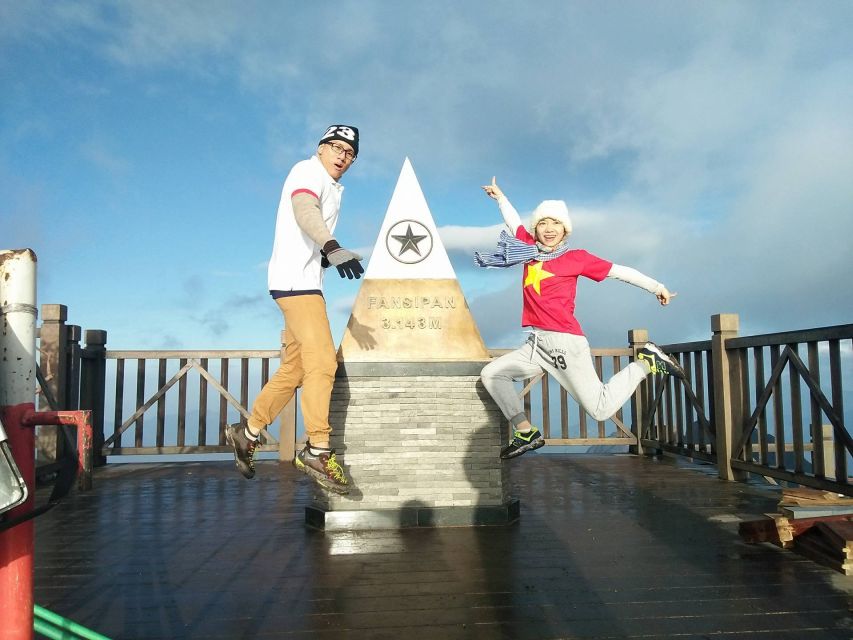
Fansipan reaches 3143 meters, and the itinerary includes a camp point at about 2800 meters plus a lunch stop around 2200 meters.
What does the $120 per person price include?
It includes an English-speaking guide, entrance fee and permit, meals (2 lunches, 1 dinner, 1 breakfast), 1.5 liters of water per day, a porter for food and sleeping bag, transport to and from Tram Ton, accommodation, and hot shower at the end.
Where do we meet in Sa Pa?
You meet at Vietnam Nomadtrails’ office, No 013 Tue Tinh str, Sapa town, Lao Cai, Vietnam. The activity lists the meeting point as 8:00 AM at the office, with an earlier welcome window for shower and luggage storage.
What time does the trek reach the summit?
The schedule aims for a summit arrival at 7:30 AM on Day 2.
What should I do about cable car tickets?
Cable car tickets are not included. The tour also notes you can ask your guide about buying a cable car ticket for the descent if you feel tired.
Is this trek suitable for children or people with disabilities?
No. The trek is not suitable for children under 17 and is not suitable for those with disabilities. Elderly people are advised not to do the long trek.
What meals are provided during the 2 days?
You get picnic lunch and dinner on Day 1, plus breakfast on Day 2, and a picnic lunch during the descent. Drinks are not included, but water is provided.
How do I get back to Hanoi after the trek?
After finishing back at the meeting point and showering, you return to Sa Pa and then the tour notes that transport from Sa Pa to Hanoi is your charge (by bus or train).
More 2-Day Experiences in Sa Pa
More Hiking & Trekking Tours in Sa Pa
More Tour Reviews in Sa Pa
Not for you? Here's more nearby things to do in Sa Pa we have reviewed
More Sapa Trekking Tours to consider.
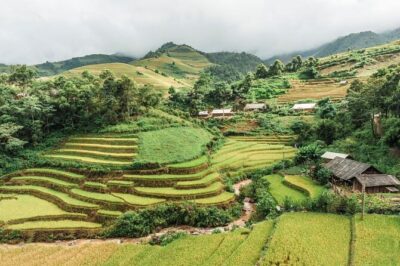 ★ 5.0Sapa 2 Days 1 Night From Hanoi – Overnight in Ta Van VillageTickets from $592,669 traveller reviews
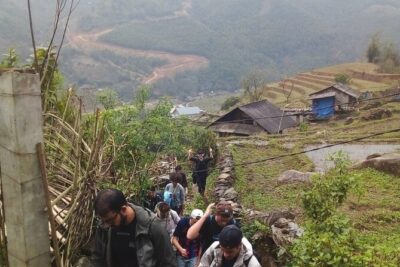 ★ 5.0Hanoi – Sapa 2 Days 1 Night Overnight At HomestayTickets from $89899 traveller reviews
 ★ 4.6Sa Pa: Muong Hoa Valley Trek and Local Ethnic VillagesTickets from $23864 traveller reviews
 ★ 5.0Sapa: Fansipan Cable, Cat Cat Village & Moana Instagram TourTickets from $30777 traveller reviews
 ★ 4.8From Hanoi: 2-Day Sapa Trekking Trip with Homestay & MealsTickets from $71704 traveller reviews
 ★ 5.0Sapa 3 Days 2 Nights Trekking Tour (1 Night In Ta Van Village, 1 Night In Hotel)Tickets from $139699 traveller reviews
 ★ 4.9Sapa: Eco Adventure Terrace Fields and Local Villages TrekTickets from $27636 traveller reviews
 ★ 5.03-Day Trekking Adventure of Sapa from Hanoi – Stay Ta Van VillageTickets from $109611 traveller reviews
More useful Hanoi routes