
Review · HANOI CITY TOURS
From Hanoi: 3-Day Sapa Tour with Cat Cat, Ta Van & Fansipan
Climb into the mountains, then back out fast. This Hanoi to Sapa 3-day tour hits Cat Cat Village culture, Muong Hoa rice terraces, and a cable car ride to Fansipan, the highest peak in Indochina. I love how it mixes village visits with real walking time, plus the big “wow” moment on Fansipan. One possible drawback: weather can be rough in Sapa, and it can affect views, or even whether you’re able to make the summit comfortably.
You’ll stay in Sapa for two nights with included meals, so you are not burning energy on constant logistics. The group plan also keeps you moving in a sensible way, with daytime trekking and a last day built around the scenic Muong Hoa funicular. If you are not comfortable walking on uneven paths or you want a purely relaxing trip, this one may feel more active than you expected.
Key Things I’d Watch For First
- Weather decides the mountain mood, so pack layers and plan for mist or rain.
- Cable car and funicular tickets are not included, so budget extra before you go.
- Your shoes matter for terrace paths and village routes.
- You get culture plus trekking, not just photo stops.
- Rooms are shared (2 to 3 people), unless you pay the single-room option.
- This is not for mobility needs, since the trek and mountain logistics are part of the package.
Why This Hanoi to Sapa 3-Day Tour Works So Well
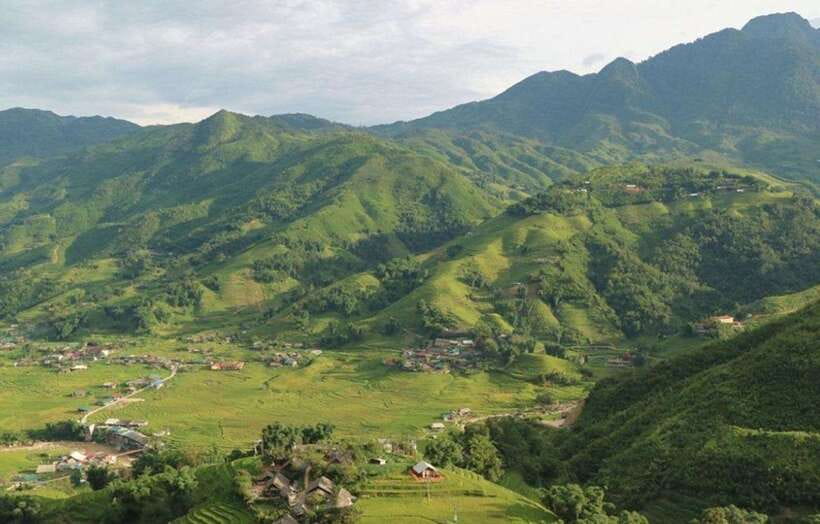
Sapa is famous for two things that often get mixed up by itinerary shortcuts: the ethnic villages you can actually meet and learn about, and the mountain scenery that changes hour by hour. This tour is built around both. You start with Cat Cat, then move into the Muong Hoa Valley area for trekking and village hopping, and finish with Fansipan by cable car and the Muong Hoa funicular for valley views.
The value is in what is bundled. Transportation, two nights of lodging in Sapa, and multiple meals are included, which usually saves you time and decision stress. You also get an English-speaking guide and entrance fees for Cat Cat, Lao Chai, and Ta Van covered, so you are not hunting for paperwork between stops.
The pace is not extreme for a hiking lover, but it is still real. Day 2 includes a trek through rice terraces along Muong Hoa Stream and walks between multiple villages. That day is where the tour earns its “adventure” label.
More Hanoi tours and experiences for the shortlist
Day 1: Hanoi to Sapa, Then Cat Cat Village by Waterfall and Hydroelectric Power
Your day begins with a pickup from your hotel in Hanoi, then a ride to Sapa that is part of the included round-trip sleeping bus plan. It is a long but efficient transfer style. You arrive, check in, and have lunch, which helps you avoid the most common travel-day problem, hunger plus jet lag minus sleep.
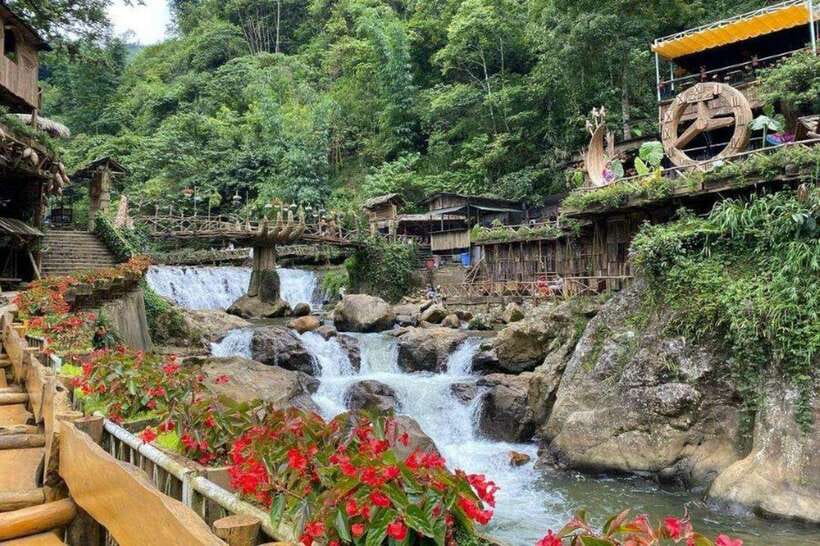
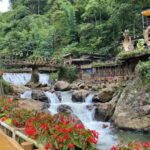
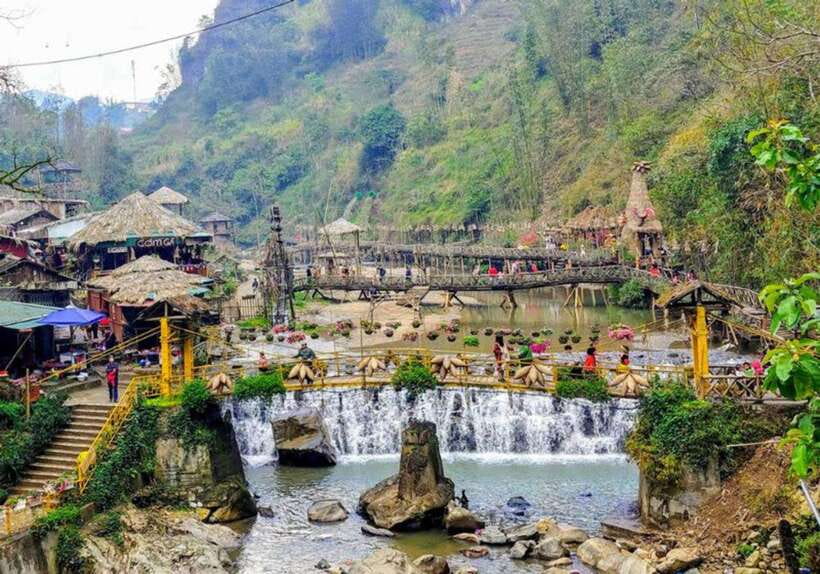
After lunch, you head to Cat Cat Village. The focus here is cultural and practical. You learn about the customs and habits of the H’mong people, then you visit the Cat Cat waterfall and a hydroelectric power plant. That hydroelectric stop matters more than it sounds. It gives you a window into how people in this region think about water and energy in daily life, not just tourist sightseeing.
What I like about Cat Cat on Day 1 is the layout. You get an introduction without going straight into a full-day trek. It is a gentle landing pad for altitude, cooler air, and the change in pace that Sapa brings.
Practical note: it can be chilly in the morning and evening, even when the afternoon feels bright. Pack warm layers for this first day and keep comfortable shoes on. Uneven ground is common around waterfalls and village paths.
Day 2: The Muong Hoa Stream Trek, Lao Chai and Ta Van Ethnic Villages

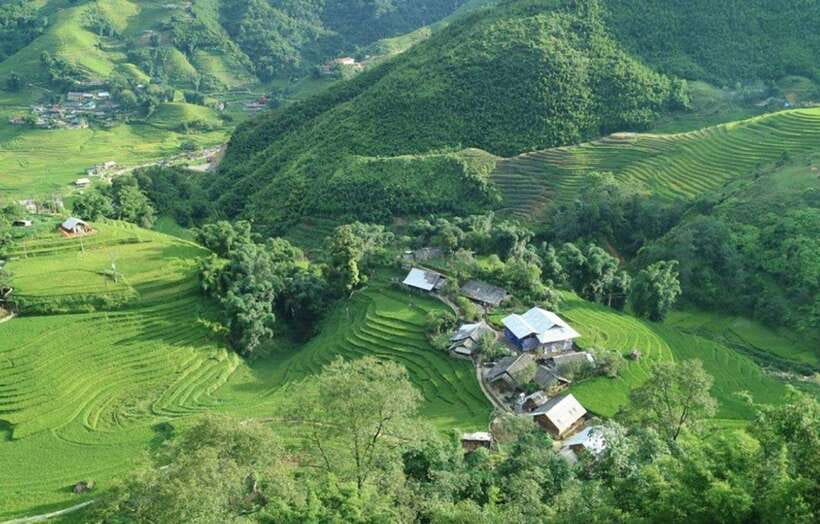
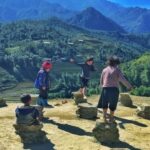
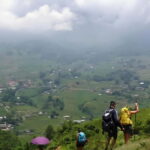
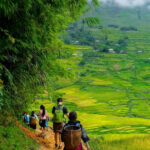
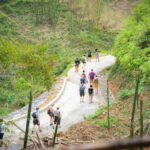
This is the heart of the tour. After breakfast, you meet your guide and start walking to Y Linh Ho village, then you hike along the rice terraces tied to Muong Hoa Stream. The terrace paths can be muddy if the weather is wet, and they can be uneven even when conditions look dry. That is why the “comfortable shoes” list is not just a formality.
As you walk, you connect several places rather than bouncing randomly. You pass village areas that include Lao Chai and Ta Van, home to Black H’mong, Dzao, and Dzay minority peoples. This matters because the names on the map are not the same as understanding daily life. Your guide gives you context as you move, so the stops feel like part of one story instead of isolated photo points.
Lunch is in Ta Van village. That pause is important for energy and for meeting the day in a more human way. Dinner is on your return to Sapa at a local restaurant, then you spend the night in your hotel.
What you should expect on Day 2 is simple: steady walking, mountain air, and views that make you stop even if your itinerary says keep moving. If you like trekking where the scenery and the people are part of the same loop, this day will feel like the best use of your time.
Potential drawback: it is not an all-transport day. If you have back issues or mobility limits, this itinerary is not the right match. The tour is also listed as not suitable for wheelchair users, and pregnancy is not recommended.
Day 3: Muong Hoa Funicular Views, Then Cable Car to Fansipan Summit

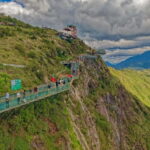
Day 3 is where the tour switches from walking to riding. After breakfast, you go to the Sun Station to take the Muong Hoa Funicular to the Fansipan Cable Car station. The funicular is a nice middle step because it gives you sweeping valley views while you transition toward the summit area.
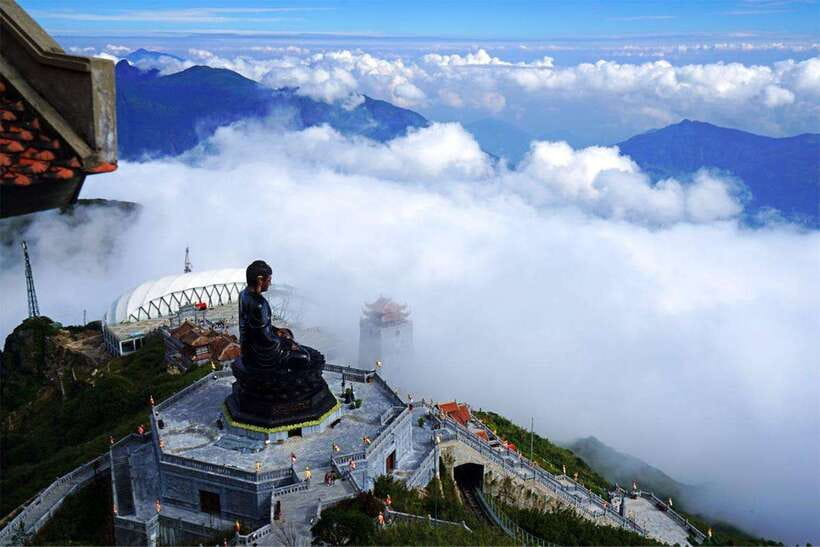
Then you take the cable car up to Fansipan, the highest peak in Indochina. When weather is clear, the panoramic views are the point. When it is foggy or rainy, you still get the mountain experience, just with less visibility than you hoped.
One thing to keep in mind is how weather can change your final day. Sapa can shift fast, and the mountain is often the first place to feel it. If you care most about seeing far, bring your “weather flexibility” mindset. If the conditions are really bad, you might have to adjust your expectations for the summit experience.
After lunch, you get free time in Sapa. You can visit and shop at Sapa market and also explore Sapa town. Then you head back to Hanoi with drop off at Tran Quang Khai or Ly Thai To Street.
This ending is practical. It gives you some time for shopping and casual wandering after the physical work of the trek. Just don’t expect your last day to be a long, unstructured spa-style day. It is still a tour day, with travel time to and from Hanoi.
Price and Value: What You Pay for, and What You Still Need to Budget
The listed price is $142 per person, for a 3-day tour. It includes round-trip transportation by sleeping bus, two nights accommodation in Sapa (2 to 3 people per room), and 05 main meals plus 02 breakfasts. You also get an English-speaking local tour guide and entrance fees to Cat Cat, Lao Chai, and Ta Van.
Here is the part that affects value the most: Muong Hoa Funicular and cable car tickets are not included. So your real cost will be the base price plus those tickets. The tour also notes that on Saturday or public holidays cable car tickets are surcharged by $2 per ticket. Since the mountain day is a big “paid ticket” day, it is smart to budget for this early so there is no last-minute surprise.
Drinks during meals and tax are also not included. For budgeting, that means you should plan to buy water and any drinks you want on your own.
For many travelers, the price still looks fair because lodging, transfers, meals, and guide services are covered. If you tried to piece it together yourself, you would likely pay more in time and coordination costs, even if ticket prices stayed the same.
Single room option is extra. If you want your own room, the tour lists a charge of +600.000/2 nights for a single room in a 3-star hotel, or 900.000/2 nights in a 4-star hotel. If you are traveling solo, this is the best “do I share rooms or not” lever you get.



Logistics That Save You Time (and Headache)
This tour is built to be easy on your schedule. Pickup in Hanoi and drop-off in central Hanoi streets after the Sapa portion means you are not stuck arranging taxis at the end of a long travel day.
You also get an English-speaking guide, and there is a note that the tour helps you skip the ticket line. That is a genuine time saver on cable-car heavy days.
The itinerary also includes entrance fees for village stops, which removes a common annoyance. People often spend time negotiating entry fees or asking what is included. Here, you already know Cat Cat, Lao Chai, and Ta Van entrance are covered.
Weather can still be a factor. Sapa conditions can change quickly, and the tour is not pretending the mountain will always cooperate. Bring warm clothes and assume the mountain day may be misty.
What to Pack for Sapa Comfort, Not Just Style

This is not a “cute outfit and hope” kind of trip. You want comfort for walking and warmth for mountain air.
Bring:
- Comfortable shoes for terraces and village paths
- Warm clothing for cool air and potential rain
- Hat and sunscreen
- Water
- Insect repellent
- Camera, if you like photos of terraces and valley views
The tour also warns about varying weather conditions, including rain. A light rain layer can help if the forecast shifts. You should also be ready for cooler evenings after walking all day.
Not allowed in the vehicle: pets, smoking, alcohol. If you follow that, everything stays smooth.
Who This Tour Suits Best

This is a strong fit if you want:
- A planned tour with real trekking time
- Ethnic village visits in the Cat Cat, Lao Chai, and Ta Van area
- A finish that includes Fansipan by cable car with funicular valley views
- A package where major costs like bus, lodging, and meals are handled for you
It is also better suited to people who can handle cold weather and uneven ground. If you have back problems, mobility limitations, are wheelchair dependent, or are pregnant, the tour is listed as not suitable. That is important to respect because the Day 2 trek is the core activity.
If you want a calm, totally low-effort experience, you may feel the Day 2 walk takes more energy than you expected. On the other hand, if you like moving at a steady pace and you enjoy guide context, this should feel like good use of three days.
Should You Book This Sapa Tour?
I would book this tour if you are prioritizing three things: village culture with a guide, a proper terrace trek day, and a real mountain summit attempt via cable car. The bundled meals, lodging, and transportation make it simpler than self-planning, and the villages give your trip meaning beyond views.
I would pause or at least plan carefully if:
- You are sensitive to bad weather and need clear summit views to be happy
- You expect mostly sightseeing without walking
- You need mobility-friendly routes, since trekking is part of the plan
Final tip: treat the Fansipan day as the big variable. Pack for cold, plan for mist, and keep a flexible mindset. If you do that, this tour gives you exactly what Sapa is about: terraces, village life, and a mountain peak day that feels like a real achievement, not just another stop on a checklist.
FAQ
How much does the Hanoi to Sapa 3-Day tour cost?
The price is listed as $142 per person.
How long is the tour and how many nights are included?
It is a 3-day tour with 2 nights of accommodation in Sapa.
What is included in the tour package?
Included are round-trip transportation by sleeping bus, 2 nights accommodation in Sapa, 05 main meals and 02 breakfasts, a local English-speaking tour guide, and entrance fees to Cat Cat village, Lao Chai, and Ta Van Village.
Are the Muong Hoa funicular and Fansipan cable car tickets included?
No. Muong Hoa Funicular & Cable Car Ticket is not included in the tour price.
What are the daily stops or activities?
Day 1 includes travel from Hanoi to Sapa and a visit to Cat Cat Village. Day 2 includes trekking in the Muong Hoa area and visits to Lao Chai and Ta Van villages. Day 3 includes riding the Muong Hoa Funicular, taking the cable car to Fansipan, and time in Sapa market and town.
Where do you get picked up and where do you get dropped off in Hanoi?
You are picked up from your hotel in Hanoi, and you are dropped off at Tran Quang Khai or Ly Thai To Street.
What kind of rooms are provided in Sapa?
Accommodation is for 2 to 3 people per room. Single room options cost extra.
Is the tour price different on weekends or holidays?
The tour price applies on weekdays and not on public holidays. Children’s prices vary by age and services required.
Is there a surcharge for cable car tickets on certain days?
Yes. On Saturday or holidays, cable car tickets are surcharged at $2 per ticket.
What cancellation options are available?
Free cancellation is available up to 24 hours in advance for a full refund.
More 3-Day Experiences in Sa Pa

More Tours in Sa Pa
More Tour Reviews in Sa Pa
Not for you? Here's more nearby things to do in Sa Pa we have reviewed


More Hanoi City Tours to consider.
 ★ 5.0Hanoi Jeep Tour: Food, Culture and Fun by Vietnam Army JeepTickets from $5515,222 traveller reviews
 ★ 5.0Full-Day Ninh Binh Highlights Tour from HanoiTickets from $797,761 traveller reviews
 ★ 4.7Ha Long Bay Day Cruise – Swimming, Meal, KayakingTickets from $417,415 traveller reviews
 ★ 4.6Water Puppet Show TicketsTickets from $77,029 traveller reviews
 ★ 5.0Hanoi Motorbike Tour: Food, Culture and Fun by Vintage MotorbikeTickets from $556,699 traveller reviews
 ★ 4.9Guided Food Tour with Train Street VisitTickets from $196,239 traveller reviews
 ★ 5.0Hanoi Cooking Class: Culture, Local Market & Meaning CSR ImpactTickets from $395,147 traveller reviews
 ★ 5.05 Traditional Dishes Hanoi Cooking Class with Market TripTickets from $354,890 traveller reviews
More useful Hanoi routes