
Review · HANOI CITY TOURS
5 Traditional Dishes Hanoi Cooking Class with Market Trip
A Hanoi cooking class feels extra real when you shop first. This one mixes market hunting with hands-on cooking of five classic dishes, then you eat what you make. You’ll likely love the full food loop, plus the small class size (max 10). One possible drawback is that the schedule is packed into about 3 hours and 15 minutes, so the pace can feel brisk, and a few people raise minor hygiene concerns.
I also like that the menu is practical and unmistakably Hanoi, not generic stir-fry lessons. You’ll cover Pho bo, Bun cha, Nem ran, papaya salad, and egg coffee (or chocolate), and you’ll get a cookbook and certificate to bring the steps home. Just note there’s no hotel pickup, so you need to be comfortable getting yourself to the Old Quarter start point.
Key Highlights You Should Care About
- Market trip before cooking: You pick ingredients first, then use them right away in class.
- Five Hanoi classics in one session: Pho bo, Bun cha, Nem ran, papaya salad, plus egg coffee or chocolate.
- Small group size (max 10): More time for hands-on work instead of watching.
- English speaking chef: You can follow along and ask questions while you cook.
- Vegetarian and non-red-meat options: You’ll learn a vegetarian version if needed.
- Take-home proof of learning: You receive a cook book and a certificate.
Market, Then Mastery: Why This Class Feels Like Hanoi
If you want Vietnamese food to make sense, start with ingredients. This class does that on purpose. Instead of jumping straight into chopping, you head out to Hanoi’s largest market with a local expert, so the flavors connect to the real sources: herbs, noodles, spices, and the small choices that change a dish.
Then the lesson snaps into place. You cook multiple items during the same session, so you learn patterns instead of isolated recipes. In places like this, you’re not just memorizing instructions. You’re learning how cooks think: how a broth gets built, how a sauce comes together, how fresh herbs get handled, and why textures matter in dishes like Nem ran and papaya salad.
You can also read our reviews of more shopping tours in Hanoi
Meeting at 8 P. Gia Ngư: Simple Logistics That Matter
This tour meets at 8 P. Gia Ngư, Hàng Bạc, Hoàn Kiếm, Hà Nội. The class ends back at the same meeting point, so you’re not stuck figuring out drop-off logistics afterward. There’s also no hotel pickup or drop-off, which is actually helpful if you’re already in the Old Quarter area.
For you, the main prep is timing and confidence. Plan to arrive a few minutes early so you can settle in before you head out for shopping. If you’re using a phone for directions, make sure your offline maps are ready, since this neighborhood has a lot of narrow streets and quick turns.
Hanoi’s Largest Market Stop: How to Shop With Purpose
The market part is where this class earns its keep. You’re going to see more than ingredients laid out on trays. You’ll get a guide who can explain what matters and how to choose.
Here’s what you should watch for as you shop:
- Herb selection and freshness: Vietnamese cooking leans hard on herbs, and freshness affects the final smell and flavor.
- Spice and seasoning choices: Even when dishes share sauces, the mix and timing can differ.
- Noodle and broth foundations: Pho bo and Bun cha both rely on core ingredients, and learning what those are helps you cook later.
You also get the advantage of buying ingredients with the same mindset you’ll use in the kitchen. That sounds basic, but it changes everything when you try to cook again at home. You stop thinking of recipes as fixed instructions and start seeing them as decisions you can reproduce.
Back in the Kitchen: What Hands-On Really Means Here
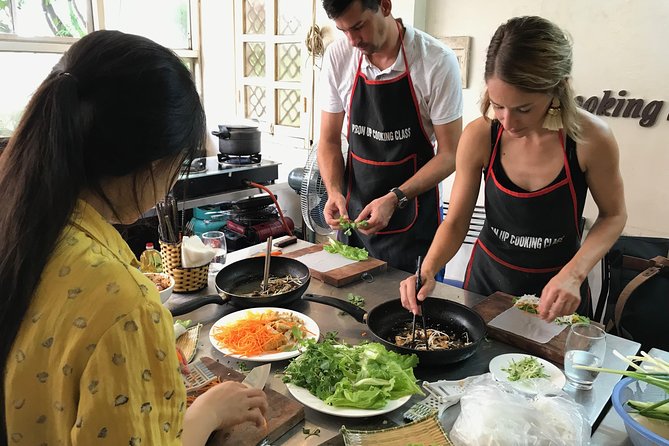
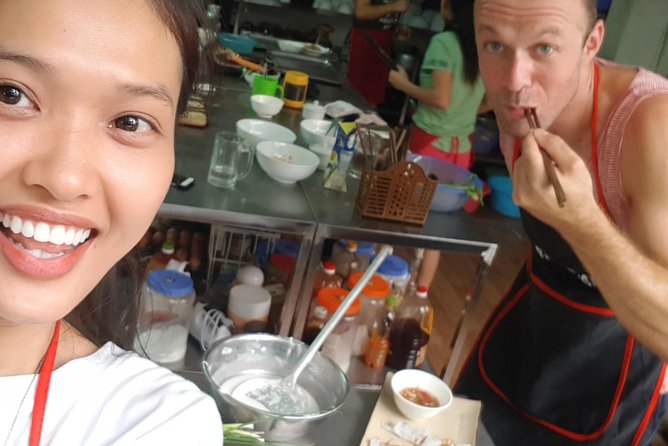
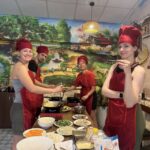
Once you return to the cooking studio, you’ll cook several dishes rather than doing one demo and eating later. The group size is capped at 10, which keeps it interactive. You can expect multiple people working through steps, with an English speaking chef guiding you.
A common theme in the instructor feedback is that classes run smoothly, like a well-organized workflow. Even with five dishes, the teaching stays clear and step-by-step. And if you have dietary needs, there are mentions of accommodations, including learning vegetarian versions.
One consideration: because you’re doing a lot in a short time, you’ll want to listen closely in the moments that matter most. Take mental notes on timing, not just ingredients. When a broth simmers, when to mix sauce, when to plate, those are the things you’ll copy later.
Cooking Pho Bo: The Broth Mindset You Can Reuse
Pho bo is the dish that makes people fall in love with Hanoi-style comfort food. In class terms, it’s also a lesson in foundation. You’re learning how broth flavor is built, not just how it tastes.
What you’ll likely focus on:
- Core broth logic: how ingredients contribute and how balance changes.
- Timing and heat control: even simple steps depend on keeping things on track.
- Flavor layering: pho is not one thing added at the end. It develops.
If you’re a home cook, this is where the value is biggest. Once you understand the broth mindset, you can apply it to other Vietnamese noodle soups, even when ingredients vary.
More Hanoi tours and experiences for the shortlist

Bun Cha: Grilling Notes, Sauce Balance, and Texture
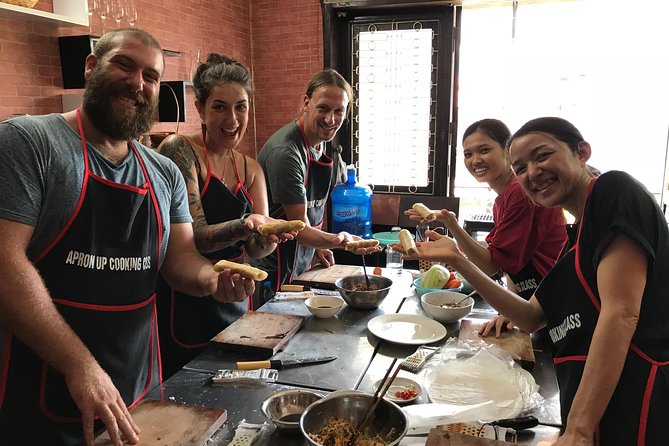
Bun cha is Hanoi BBQ in noodle form, with grilled pork and a sauce that makes the whole bowl snap into place. This is one of those dishes where texture matters as much as flavor: the meat has to feel right, and the bowl needs a mix of fresh elements.
In the kitchen, you’ll get a feel for:
- Grilling flavor direction: smoke and char notes that separate good bun cha from average.
- Sauce balance: sweet, salty, and tang need to land together.
- How toppings change the bowl: fresh herbs and crunch keep it from becoming heavy.
This dish is a great “pattern” lesson. You learn how Vietnamese sauces and herbs work together, not separately.
Nem Ran: A Fried Lesson That Teaches Technique
Nem ran means fried spring roll, and it’s one of the clearest places to see technique at work. Frying isn’t forgiving. Small mistakes in wrapping, filling, or temperature can show up fast.
In a class like this, the key learning is process:
- How to assemble cleanly: so the roll holds together while cooking.
- How to manage filling amounts: too much makes it hard to fry evenly.
- Understanding fry consistency: you want crisp edges without burning the outside.
When it comes out well, Nem ran is all crunch and aroma. And when you understand the technique, you’re not just copying a recipe. You’re learning how to get repeatable results.
Papaya Salad: The Fresh, Tangy Structure
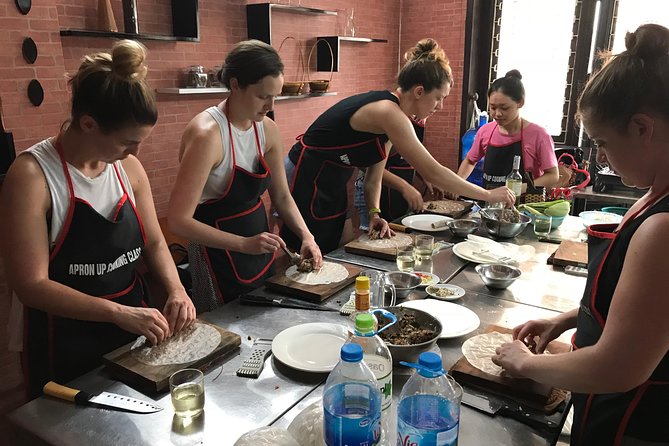
Papaya salad is where you really feel Vietnamese balance. It’s not just crunchy. It’s sweet, sour, salty, and herb-forward, with a dressing that ties everything together.
What to pay attention to as you cook:
- How the dressing gets balanced: sour and sweetness are rarely the same for every spoonful.
- When to combine for best texture: mix too early and it can lose crunch.
- Herbs and aromatics: they aren’t decoration. They carry the dish.
If you’ve ever tried to make papaya salad at home and found it bland or one-note, this is the class that helps you fix that. You learn what “balance” actually tastes like while you’re still in the process.
Egg Coffee or Chocolate: The Sweet Finale With Coffeehouse Logic
For dessert, you’ll do egg coffee or chocolate. Both connect to Vietnam’s love of rich, creamy sweetness, especially in cafe-style flavors.
This is a good stopping point for three reasons:
- You get something comforting after savory dishes.
- It teaches another Vietnamese flavor pattern: creamy sweetness with a distinct aroma.
- It wraps the session so you remember the whole meal as one system.
If you end up choosing chocolate, the skills still transfer, because the class is still about texture and balance.
Rice Vodka Pairing: A Drink That Actually Matches the Meal
Your meal includes rice vodka (and the overview describes it as complimentary rice wine). Either way, the point is the pairing. It adds warmth and a different flavor texture alongside the savory dishes.
You do not need to treat it like a party shot. Think of it as part of the dining experience. It can also help you relax after the kitchen work. If you prefer not to drink, you can often watch and still enjoy the meal, but the tour does list rice vodka as included, so plan accordingly.
Group Size, Participation, and Take-Home Bookkeeping
This is a small class, max 10. That matters. In a crowded class, you’d spend too much time waiting. Here, you’re more likely to actually participate in prep steps and cooking steps, not just stand near the wok.
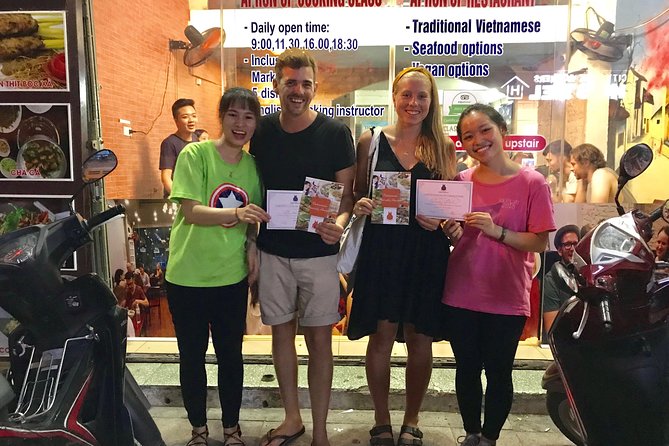
You’ll also get a cook book and certificate. That take-home piece is more than a souvenir. It helps you repeat the recipes after you get home, when your memory has already started to fade. If you’ve ever struggled with recreating dishes from travel, having written guidance right away is a big plus.
Price and Value: Is $35.07 Worth It?
At $35.07 per person, this is priced like a budget-friendly experience, but it doesn’t feel cheap in what you do. You’re paying for three things that add up fast:
- A local market stop with guidance on what to buy
- A hands-on cooking session with multiple dishes
- The full meal you cook, plus coffee/tea and rice vodka
You’re also getting a small group experience instead of a giant churn. When class size stays small, your attention and participation improve, which is a real value factor, not just a comfort factor.
The only financial “catch” is that you handle your own way to the meeting point. There’s no hotel pickup, so if you’re far out, transportation costs could nudge your total spend.
Who This Class Fits Best, and Who Might Skip It
This class is a strong match if you:
- Want a first serious introduction to Hanoi flavors and techniques
- Like hands-on cooking instead of passive tastings
- Prefer a class with a clear structure and a finish where you eat everything you made
- Want recipes you can take home as a cookbook and not just memories
You might consider a different option if:
- You strongly dislike fast-paced sessions. This one runs for about 3 hours and 15 minutes, with five dishes happening in one stretch.
- You’re extremely sensitive about hygiene. One guest raised a hygiene concern, so it’s worth being aware and judging for yourself once you’re there.
Should You Book This Hanoi Cooking Class?
I think you should book it if you want the classic Hanoi flavors in a format that actually teaches you. The market stop plus five-dish cooking is a smart combo, because it connects ingredients to technique and technique to flavor. With small group size, English speaking instruction, and take-home recipes, it’s a solid value for your last-night meal or a midday Hanoi reset.
If your priorities are only a quick food sample, then this might feel like too much work. But if you want to leave with skills, recipes, and a full meal that tastes like Hanoi, this is an easy yes.
FAQ
What dishes do you cook in this class?
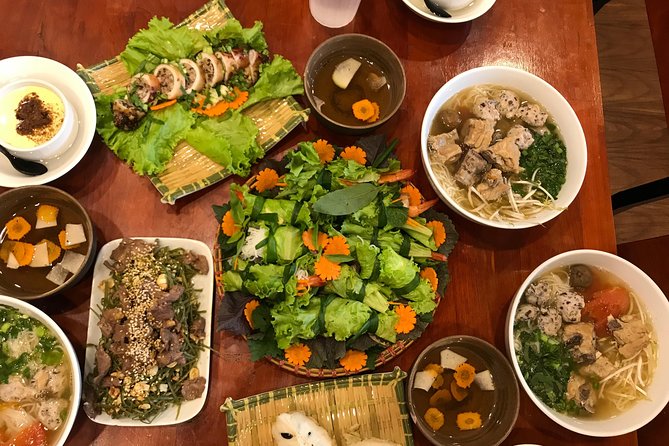
You cook five traditional dishes: Pho bo (beef noodle soup), Bun cha (Hanoi BBQ pork noodle), Nem ran (fried spring roll), papaya salad, and egg coffee or chocolate.
How long is the cooking class and market trip?
The experience lasts about 3 hours and 15 minutes.
How many people are in the group?
The class has a maximum of 10 travelers.
Is hotel pickup included?
No. Hotel pickup and drop-off are not included, and you meet at the start location in Hanoi.
Are vegetarian options available?
Yes. Vegetarian and non-red-meat eaters learn vegetarian versions.
What’s included in the price?
Included are coffee and/or tea, rice vodka, and an English speaking chef.
What if I cancel last minute?
Free cancellation is available up to 24 hours before the experience starts for a full refund. If you cancel less than 24 hours before, the amount you paid is not refunded.
More Markets in Hanoi
More Shopping Tours in Hanoi
More Tour Reviews in Hanoi




Not for you? Here's more nearby things to do in Hanoi we have reviewed





More Hanoi City Tours to consider.
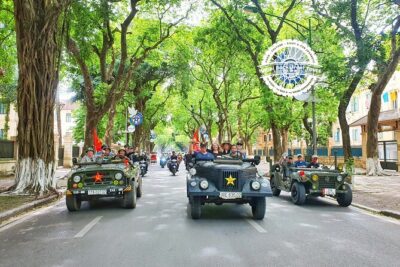 ★ 5.0Hanoi Jeep Tour: Food, Culture and Fun by Vietnam Army JeepTickets from $5515,222 traveller reviews
 ★ 5.0Full-Day Ninh Binh Highlights Tour from HanoiTickets from $797,761 traveller reviews
 ★ 4.7Ha Long Bay Day Cruise – Swimming, Meal, KayakingTickets from $417,415 traveller reviews
 ★ 4.6Water Puppet Show TicketsTickets from $77,029 traveller reviews
 ★ 5.0Hanoi Motorbike Tour: Food, Culture and Fun by Vintage MotorbikeTickets from $556,699 traveller reviews
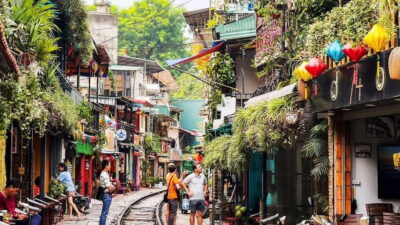 ★ 4.9Guided Food Tour with Train Street VisitTickets from $196,239 traveller reviews
 ★ 5.0Hanoi Cooking Class: Culture, Local Market & Meaning CSR ImpactTickets from $395,147 traveller reviews
 ★ 5.0Small Group Hanoi Street Food Tour with a Real FoodieTickets from $284,682 traveller reviews
More useful Hanoi routes