
Review · HANOI CITY TOURS
Hanoi Cooking Class: Culture, Local Market & Meaning CSR Impact
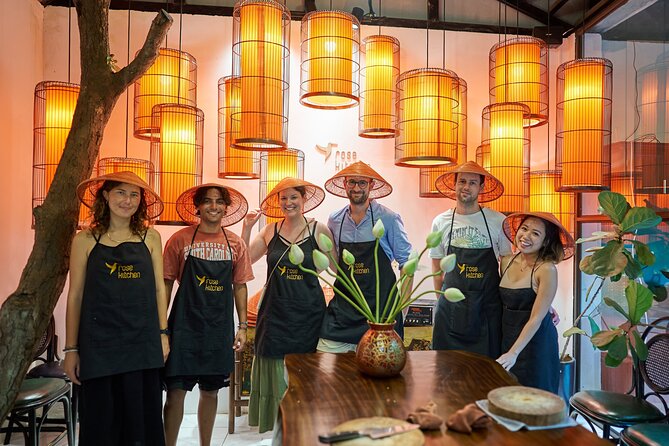
Cooking Hanoi style starts at the market. This half-day class at Rose Kitchen pairs a real market walk with hands-on cooking in a garden villa, plus hotel pickup and drop-off that keeps logistics painless. I love the step-by-step instruction (guides like Maxie, Aroma, Alex, and Simon know how to make everyone feel capable), and I especially like the full meal, including tastings like homemade fruit wine. The main consideration: plan on the full 4.5 hours so you do not rush the experience.
If you want Hanoi food the way locals actually shop and cook, this is a strong fit. You will walk, buy ingredients, cook dishes like bun cha and spring rolls, then sit down for the meal you helped make. And there is a clear social side too, because the program ties your ticket to Rose Kitchen CSR work, not just cooking entertainment.
Key highlights I think you will care about
- Old Quarter pickup and drop-off keeps the day stress-free
- Local market walk teaches you what you are buying, not just what you are eating
- Garden villa cooking space means a comfortable, practical place to cook in Hanoi
- Full lunch or dinner plus tastings helps you leave satisfied, not snack-hyped
- CSR projects tied to your booking support cancer patients, children’s education, and ethnic minority employment
- English-speaking guide support plus an on-site host means fewer gaps during Q&A
From Old Quarter Pickup to a Local Market Walk in Hanoi
The day starts with hotel pickup within Hanoi’s Old Quarter, which matters more than it sounds. Hanoi traffic is fast and a little chaotic, and a cooking class is one of the few activities where you really want to arrive calm and hungry, not negotiating transport for 30 minutes.
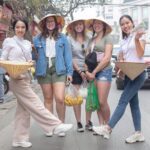
Once you meet up, the pace becomes very Hanoi. You head into a local market walk focused on seasonal ingredients and Vietnamese culinary culture. This is not just a photo stop. You are learning what different ingredients are used for, and you are building your own mental map of flavors. If you have ever wondered why Vietnamese food tastes the way it does, markets are where that starts to click.
From the experience vibe, this is also where the guide becomes your translator, storyteller, and teacher. In past groups, guides like Maxie, Simon, Aroma, Kim, and Alex (Trung) led the market portion, and the common thread is simple: explain what you are looking at, and connect it to the food you will cook next. That turns market time into “useful time,” not wandering time.
One practical note: if you are sensitive to crowds or noise, go in expecting energy. Even with a group cap of up to 100 travelers, market moments can feel lively, because markets are built for daily locals, not for slow tourism.
You can also read our reviews of more shopping tours in Hanoi
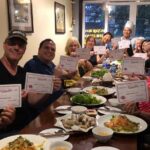
Rose Kitchen Garden Villa: The Cooking Setup and How Classes Flow
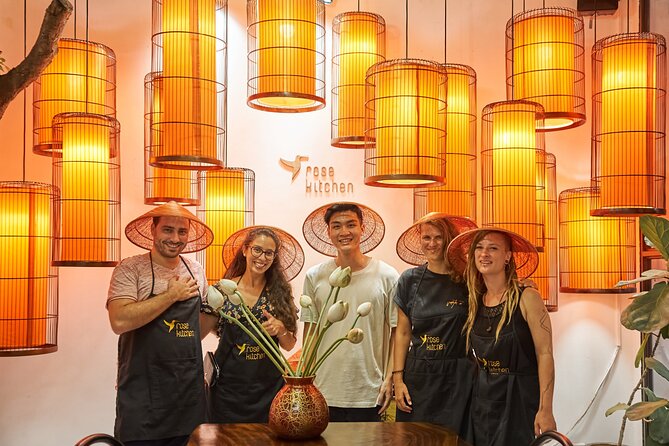
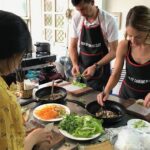
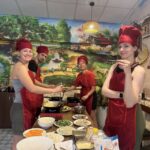
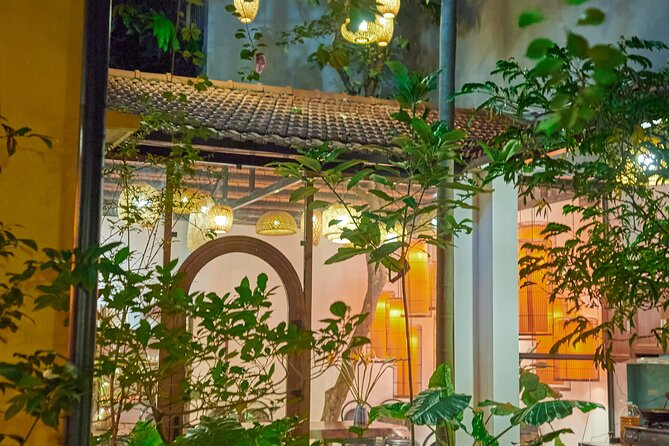
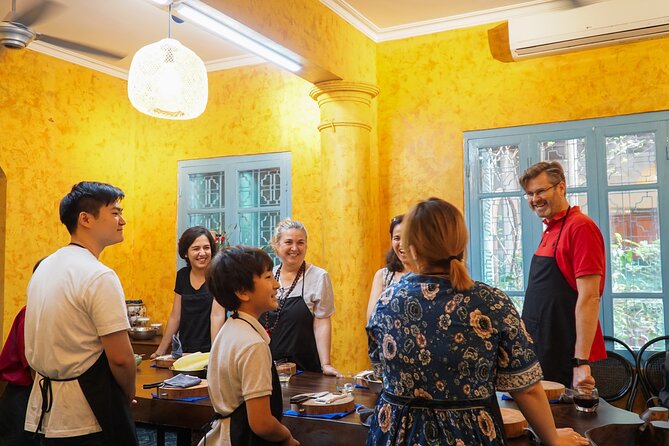
After the market, you return to a cooking space at Rose Kitchen, described as a garden villa and set up to feel like a friendly home base. The instruction is hands-on and step-by-step, and the kitchen is designed for groups to cook in an organized way.
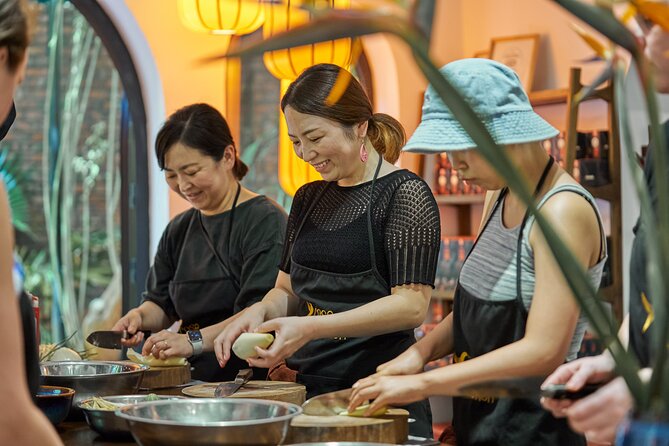
Here is what I like about the format. You are not standing around watching one person cook. The teaching style aims to keep you moving, working in small steps, and understanding ingredients and technique. In many classes, the lead chef, such as Alex, works with an on-site helper or family member. One pairing that showed up in feedback is Alex with an aunt, which matches the “home cooking, shared table” feel.
The space is also air-conditioned, and you get unlimited mineral water during the experience. That is a small detail that becomes a big quality-of-life point when Hanoi’s heat is doing its thing.
Equipment is provided, so you are not hunting for tools or specialty utensils. If you cook at home, you will recognize what you use. If you do not cook at home, you will still be able to follow along. Either way, the class is built for participation.
And yes, rain can happen. The experience operates in all weather conditions, and one group noted that even when it rained, the class continued and everyone still felt welcome. Still, dress for weather, because the market portion and outdoor garden aspects can mean you feel Hanoi’s humidity if you are in the wrong clothes.
The Vietnamese Dishes You’ll Make, Plus What They Teach You

This is the part where a cooking class can go either way. Some are showy and vague. This one is practical: you cook specific Vietnamese dishes, and the instruction connects the ingredients to the final taste.
Based on what is described and what people consistently mention, you can expect dishes that cover different Vietnamese flavor zones, including:
- Spring rolls
- Bun cha
- Stir-fried vegetables
- Traditional noodles
- Mango salad (including green mango-style salad in some classes)
- Fresh summer rolls
Some classes also include extra food moments beyond your main meal. One group mentioned egg coffee, which is a classic Hanoi drink, so if your class day includes it, consider it part bonus, part sweet finale.
What you should take away from the cooking itself is technique, not just recipes. Vietnamese cooking is balancing fresh herbs, acidity, salt, sweetness, and aromatics. When you buy ingredients at the market and then use them in a dish, the flavors stop being mysterious. You start understanding which components do what.
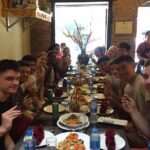
The meal is also part of the learning. You are guided through the process, then you eat what you made. That matters, because it helps you calibrate taste. After you roll a summer roll or assemble bun cha, you can understand how the ratio of herbs to sauce changes everything.
Tastings, Tea, Wine, and the Eat-What-You-Cook Payoff
Right away, this experience acknowledges that food is not only about cooking. It also needs atmosphere and small rituals.
On arrival, you get a welcome herbal tea. During the meal, you are served a full Vietnamese lunch or dinner, depending on the session you choose. Afterward, there are fresh seasonal fruits, and the class includes a complimentary tasting of signature homemade fruit wine.
I like these add-ons for two reasons:
- They keep the evening or afternoon feeling like an event, not just a workshop.
- They give you a wider snapshot of Vietnamese taste, beyond one dish.
One small food reality check: people mention you will leave full. With a multi-dish cooking flow and a full meal, this is not the kind of activity where you can eat a light breakfast and forget dinner plans. If you have a big dinner reservation later, consider moving it, or at least keep it flexible.
The Real Meaning: CSR Impact Tied to Your Ticket
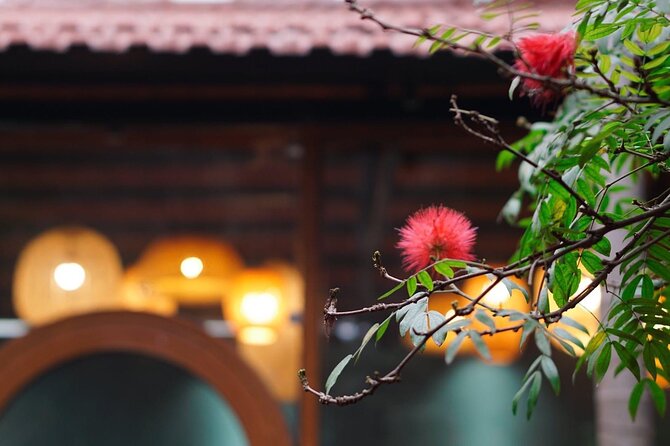
This is not “we donate someday.” Rose Kitchen frames your class as part of ongoing CSR projects, and that is where the experience becomes more meaningful than another cooking class.
When you book, you support these programs:
- Monthly charity meals for cancer patients
- Educational programs for disadvantaged children in remote regions
- Sustainable employment for ethnic minority women, who serve as butlers
Why that matters for you, as the traveler: you get to connect your money to outcomes that are ongoing, not one-time photo ops. It also shapes the atmosphere in a positive way. When you are in a social-impact environment, people tend to work with extra pride, and that often shows up in service and care.
It also affects the “why should I care?” question for families and first-time visitors. You are not just learning to cook. You are seeing a small model of how tourism can support local people and community needs.
More Hanoi tours and experiences for the shortlist

Price and Value: Is $39 a Good Deal?
At $39 per person, the value is strong if you treat this like more than a cooking class.
Here is why the math works:
- You get Old Quarter pickup and drop-off, which usually costs money if you have to do it yourself
- You get a market walk plus instruction
- You get a full lunch or dinner, plus drinks (herbal tea, mineral water) and tastings (fruit wine)
- You get equipment, an English-speaking guide and cultural storyteller, and an on-site host
- You also receive digital materials like a digital guidebook (must-try local eats and favorite hangouts) and a digital certificate on request
In other words, you are paying for a mini experience loop: buy, cook, eat, learn. When meals and transport are included, the per-person price stops feeling like a “workshop fee” and starts feeling like an actual day out.
If you want extra personalization, the experience notes you can upgrade to a private class. Vegetarian/vegan options are also available if you request them at booking.
So who is this best for? People who want Vietnamese food with structure. People who do not want to plan ingredients and timing. People traveling with a partner or family who want an activity that feels local, not staged.
Practical Tips Before You Go (So You Enjoy It More)
A few details will help you get more out of your afternoon.
Book the session that fits your energy. Morning and afternoon classes are available, so pick based on when you feel least rushed.
Come with a flexible appetite. You will cook multiple dishes and then eat a full meal. If you have a habit of skipping meals, you might overestimate your hunger right away. If you are the opposite and love light snacking, do not show up too full. You want to enjoy the tasting and sit-down meal.
Ask about dietary needs when you book. Vegetarian options are available. If you have allergies or strict needs, tell the operator when you reserve.
Use luggage storage if needed. There is free luggage storage available by request, and there is also complimentary luggage storage up to 3 days. If you are doing this on a check-in or check-out day, that can save you hassle.
Plan for weather. The class operates in all weather conditions, but you should still dress appropriately, because part of the day involves market walking.
Expect an organized group day. The experience caps at maximum 100 travelers, but it still runs as a guided activity with an on-site host. In practice, the feel is more like a well-run home cooking session than a chaotic food market crush.
Should You Book Rose Kitchen in Hanoi?
Yes, if you want a real Hanoi food day with minimal stress. This class does a lot of things right for the price: market context, hands-on cooking, a full meal, and clear social impact tied to CSR.
Book it if:
- You want to learn Vietnamese cooking basics in a way you can repeat later
- You like getting transport handled, especially in the Old Quarter
- You care about food tourism that supports local projects, not just your own itinerary
- You would enjoy a friendly, guided group day with standout instructors like Maxie, Aroma, Simon, Kim, or Alex (Trung)
Skip it or choose a different style if:
- You want something short and light. This is a half-day that can run close to the full 4.5 hours
- You dislike market environments. You cannot bypass the market walk, because it is part of how the class teaches ingredient choices
If you are reading this because you are hungry for Hanoi flavor and a plan that feels both authentic and well organized, Rose Kitchen is an easy yes.
FAQ
What time commitment should I plan for this Hanoi cooking class?
Plan for about 4 hours 30 minutes.
Is hotel pickup and drop-off included?
Yes. Pickup and drop-off within Hanoi’s Old Quarter are included.
Do I get to explore a market before cooking?
Yes. You start with a market walk where you explore seasonal ingredients and learn about Vietnamese culinary culture.
What kinds of dishes will I cook?
You can prepare Vietnamese dishes such as spring rolls, stir-fried vegetables, traditional noodles, and dishes like bun cha and mango salad are mentioned in the experience.
Is the class suitable for vegetarians or vegans?
Vegetarian options are available. You should advise any dietary requirements at time of booking.
What food and drinks are included?
You get an herbal tea welcome drink, unlimited free mineral water, a complimentary fruit wine tasting, fresh seasonal fruits after the meal, and a full Vietnamese lunch or dinner depending on your session.
Is there a digital guide or certificate?
Yes. A digital guidebook is included, and a digital certificate is available on request.
Is there luggage storage?
Yes. Free luggage storage is available upon request, including complimentary storage up to 3 days.
Does the class run in bad weather?
It operates in all weather conditions, and you should dress appropriately. If it is canceled due to poor weather, you are offered a different date or a full refund.
Where does it start and end?
It starts at 52 P. Sơn Tây, Kim Mã, Hoàn Kiếm, Hà Nội, and ends back at the meeting point.
More Markets in Hanoi
More Shopping Tours in Hanoi
More Tour Reviews in Hanoi



Not for you? Here's more nearby things to do in Hanoi we have reviewed






More Hanoi City Tours to consider.
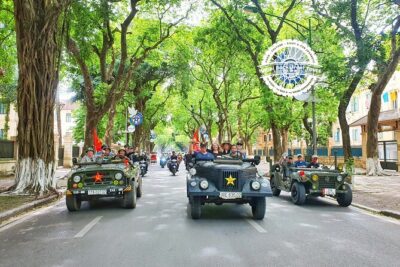 ★ 5.0Hanoi Jeep Tour: Food, Culture and Fun by Vietnam Army JeepTickets from $5515,222 traveller reviews
 ★ 5.0Full-Day Ninh Binh Highlights Tour from HanoiTickets from $797,761 traveller reviews
 ★ 4.7Ha Long Bay Day Cruise – Swimming, Meal, KayakingTickets from $417,415 traveller reviews
 ★ 4.6Water Puppet Show TicketsTickets from $77,029 traveller reviews
 ★ 5.0Hanoi Motorbike Tour: Food, Culture and Fun by Vintage MotorbikeTickets from $556,699 traveller reviews
 ★ 4.9Guided Food Tour with Train Street VisitTickets from $196,239 traveller reviews
 ★ 5.05 Traditional Dishes Hanoi Cooking Class with Market TripTickets from $354,890 traveller reviews
 ★ 5.0Small Group Hanoi Street Food Tour with a Real FoodieTickets from $284,682 traveller reviews
More useful Hanoi routes