
Review · SAPA TREKKING TOURS
Sapa: Discover the Secrets of the Red Dao: A Healing Journey
The views and village paths around Sapa feel like they were made for a guided trek. I like how this tour connects the rice fields to real daily life, and how the focus lands on Red Dao traditions instead of just checking boxes.
I also really like the optional herbal bath moment at Ta Phin. You get a practical break in the middle of a hike, plus a local lunch in Cang Ngai that keeps the day from feeling rushed.
One consideration: this is an active day. Expect uneven ground and a lot of walking, and the tour is not suitable for mobility issues, pregnancy, or back problems.
Key highlights worth marking
- English-speaking local guide who explains daily life, farming, and customs clearly
- Suoi Ho to Ma Tra route with rice paddies, streams, and village walking
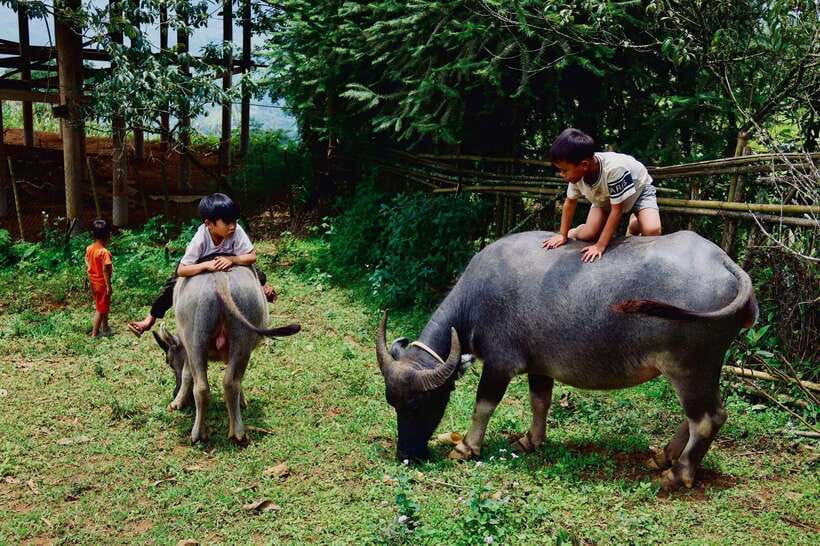
- Black H’mong villages (Suoi Ho, Ma Tra, and lunch in Cang Ngai) that add context to what you see
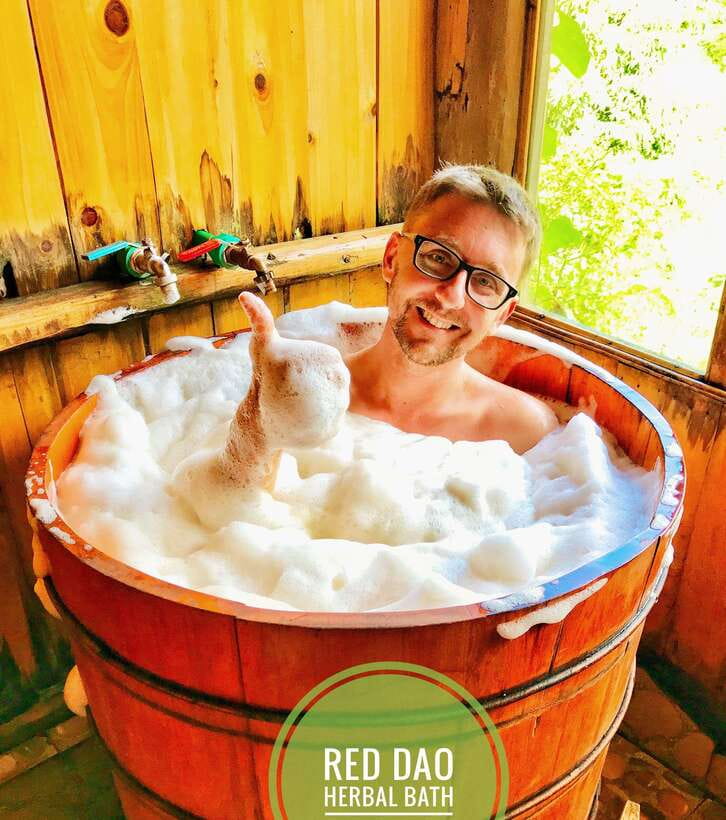
- Ta Phin Red Dao herbal knowledge including the option to try the herbal bath
- Lunch included at a local spot in Cang Ngai, in a village setting
First Step: Sapa Church at 9:00AM, and how the day is paced
You meet your guide in front of Sapa Church at 9:00AM. The guide finds you with your name, which is a small detail that makes a big difference in a busy meeting point.
This is a group tour, so you’ll move at a steady pace with the group rather than wandering off on your own. The day runs about 6 hours, with a short ride time back toward town, so you’re not stuck hiking until sunset. The official focus is a walking trek plus cultural visits, not a long endurance challenge.
Your guide is English-speaking (live), and they’re part storyteller, part translator. In practice, that matters because the tour is built around village life and traditions, not just scenery. When someone explains what you’re looking at, the hike becomes more than exercise.
Before you go, take the tour’s limits seriously. This route is not aimed at people with mobility impairments, pregnancy, or back problems. Even with a guide and a group, the terrain is uneven and the walking time is real.
You can also read our reviews of more tours and experiences in Sa Pa.


Suoi Ho: Rice paddies, a stream, and a village that feels close up
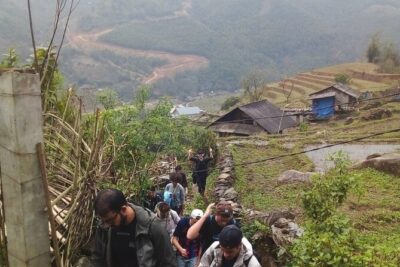
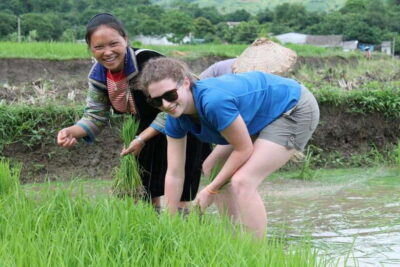
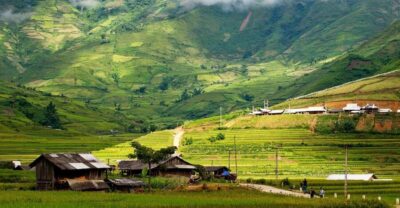
You start by heading from Sapa toward Suoi Ho village, where the first stretch is about 2 hours of sightseeing and walking. This part is the easiest place to feel the rhythm of the Sapa valleys. You’ll pass rice paddies and vegetables fields, and you’ll likely see a small stream threading through the area.
What makes Suoi Ho a strong opening stop is the way it sets expectations. You see the landscape of agriculture before you hear the culture. Then when you talk with your guide, you can connect the farming routines to what you’re actually seeing on the ground.
Expect village walking on mixed surfaces. Even if the group pace is relaxed, you still need comfortable shoes. If you hate tripping over uneven rocks and roots, this is where you’ll notice it most.
Photo stops can break up the walk, but don’t plan to linger for long. This tour moves village to village, so think of Suoi Ho as the warm-up that puts your eyes in the right place for the rest of the day.
Ma Tra: Black H’mong culture you can understand while walking
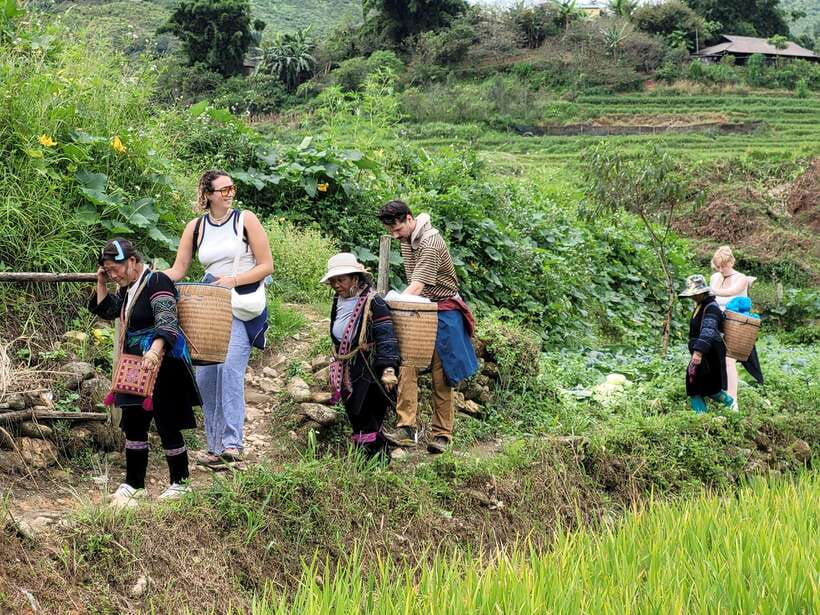
After Suoi Ho, the route continues to Ma Tra, another stop in the Black H’mong area. This segment is about 1 hour and is built for cultural context rather than long hikes.
What I like about this portion is the change in angle. You’re not just seeing fields, you’re learning how people organize daily life in that setting. The tour’s cultural explanation is the point here, so try to stay present instead of only scanning for photos.
Even with short timing, the walking matters. It keeps you close to the pathways communities use, instead of putting you in a vehicle for the whole experience. That makes the visit feel more grounded, and it helps you understand why the villages are where they are.
If you’re someone who enjoys asking questions, this is a good time to do it. Your guide can connect what you notice on the trail to how people work and live in the region.
Cang Ngai lunch: a break that still feels part of the story

Next comes Cang Ngai, a Black H’mong village and your lunch stop. You get lunch at a local restaurant here, which is one of the best value parts of the tour because it’s included.
Timing-wise, lunch is part of the longer Ta Phin block later, but the Cang Ngai break is the midpoint that keeps the day comfortable. Your hike doesn’t turn into a long day of snacks. You sit, eat, and reset your legs.
I also like how this lunch location matches the theme of the day. You’re not eating in a generic tourist setting. Instead, you’re eating in a Black H’mong environment, with the day’s route and explanations still in mind.
Practical tip: you’ll be walking on uneven surfaces earlier, so if you’re sensitive to motion or stomachs don’t love hills, eat a little slower than usual and drink water. The tour reminds you to bring water, and it’s for a reason.
Ta Phin: Red Dao traditions and the herbal bath option
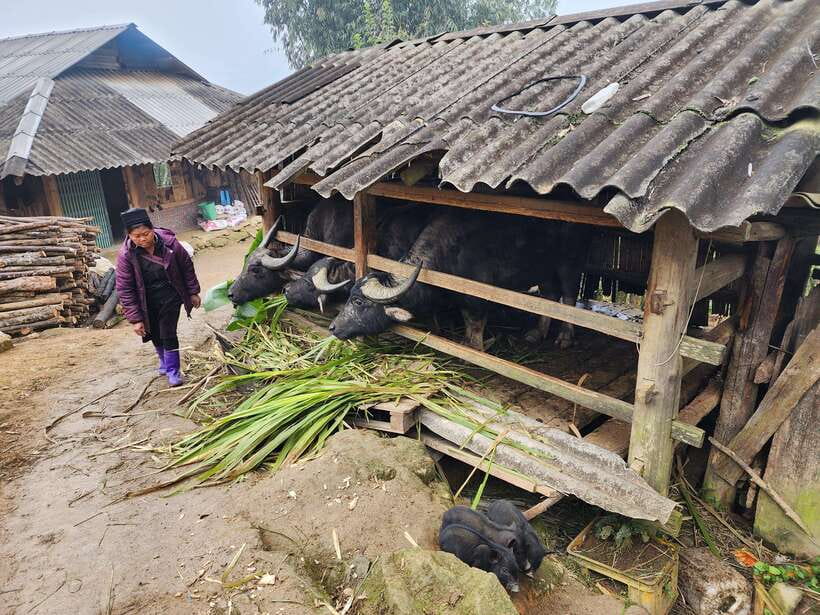
The highlight for many people is Ta Phin Village, home to the Red Dao tribe. After lunch, the day continues with another 2.5 hours of walking and visiting, and a big focus here is Red Dao herbal medicine knowledge.
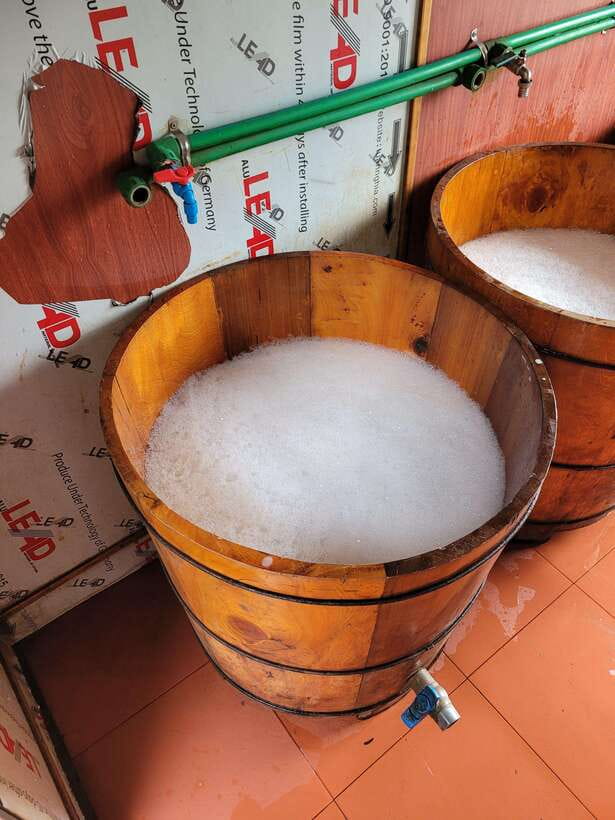
This stop is designed around the Red Dao herbal bath traditions. Your tour includes learning about how the Red Dao people use herbs and what the herbal bath is believed to do. Even if you skip the bath, the cultural education is the reason to come to Ta Phin.
And yes, you can choose to take the bath. The herbal bath is an optional extra, so it’s not baked into the base price. If you do choose it, plan for a short dedicated break so you can enjoy it without rushing.
What makes Ta Phin work well is that it gives you a concrete way to understand a tradition. A story is nice, but a lived practice is different. If you like hands-on experiences, this is where you’ll feel the tour’s value.
If you’re cautious about heat or have any wellness concerns, take it slow. The tour is physically active, so don’t treat the bath as a random add-on. Treat it as part of the day’s rhythm.
After Ta Phin, you start heading back to Sapa, with about a 30-minute transfer included in the itinerary.

How the day really feels: 6 hours, uneven ground, and your kit
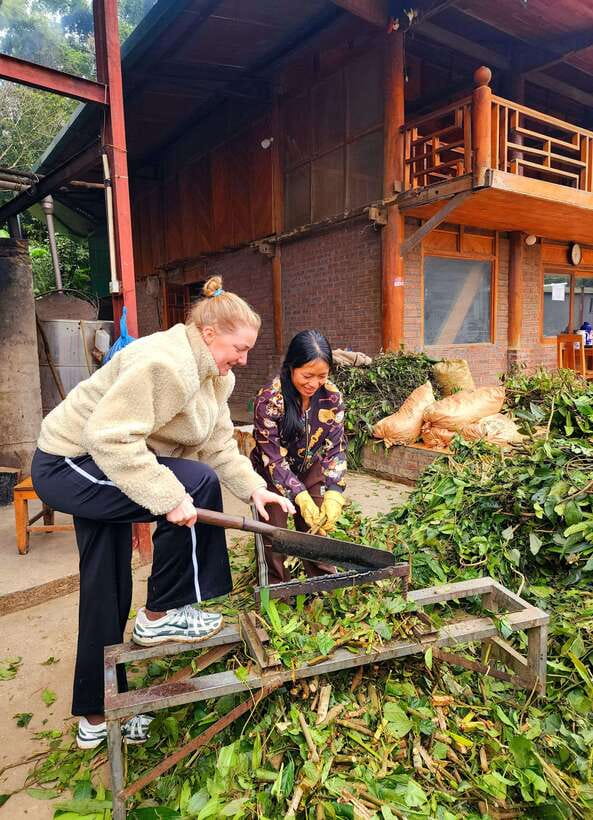
Even though the tour is only 6 hours, it feels longer because the walking is on uneven surfaces and you’re stopping to visit villages. The tour itself warns you it is not suitable for mobility limitations, pregnancy, or back problems, and I agree with taking that seriously.
Distance can vary depending on the exact path taken by your guide and the group pace. Based on what people commonly report from this route, you might end up walking around 12 to 15 km. That’s enough that comfortable footwear becomes non-negotiable.
Bring what the tour lists, and add one extra common-sense item if you can: a small snack. The day has lunch, but some people like a tiny bite later for the final stretch.
Here’s what you should bring:
- Comfortable shoes for uneven surfaces
- Hat and sunscreen for sun exposure
- Camera if you want village and field photos
- Water bottle to stay hydrated
- Insect repellent to prevent mosquito bites
My advice: wear layers. Sapa can change with altitude and clouds, and village paths don’t always offer shade.
Also, don’t underestimate how tired you get from walking on uneven ground. Your legs will be fine if you pace yourself, but your feet and ankles need good support.
Price and value: why about $24 can still be worth it
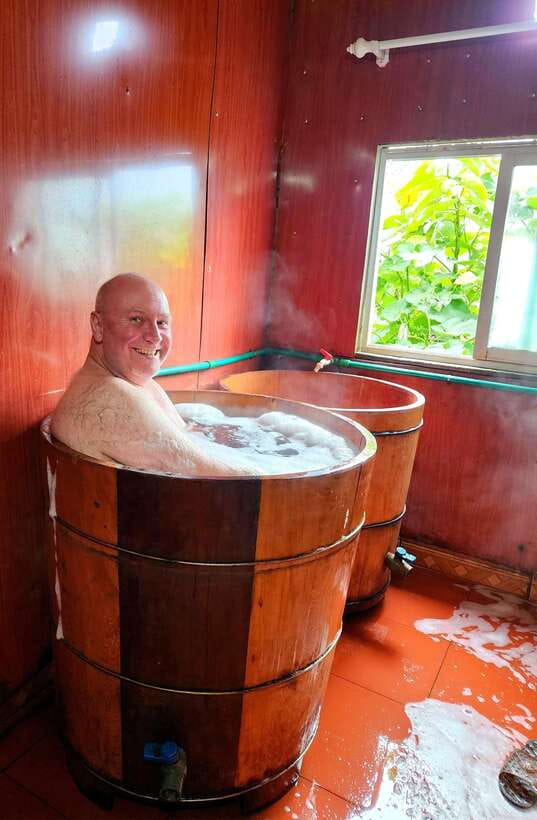
At $24 per person, this tour is priced to be accessible for a half-day adventure. What makes it feel like real value is what you actually receive for that price: a local guide, transportation, and lunch.
Many day tours in Vietnam charge extra for the food, or they shorten cultural time to keep the schedule tight. This one keeps a full day structure with multiple village stops and a guided explanation. The lunch in Cang Ngai is included, so you don’t spend your day hunting for a place to eat.
The herbal bath is not included, so if you want to try it, expect an extra cost. But even if you don’t do the bath, the Ta Phin portion still centers on Red Dao herbal traditions and medicine knowledge, which is the tour’s core story.
One more value check: the day is short enough that it doesn’t steal your whole trip. If you’re in Sapa for just a few days, this can be a great cultural hike option without committing to a multi-day trek.
Who should book this Red Dao hike, and who should skip it

This is a great fit if you want:
- A guided route through Sapa rice fields and ethnic villages
- Cultural explanations focused on Black H’mong and Red Dao traditions
- A day with lunch included, not just a walking experience
- The option to try the Red Dao herbal bath if it appeals to you
It’s also a good choice if you like guided days where you learn something while walking. The strongest element people remember is often the guide quality, including clear explanations about local life.
Skip it if you:
- Have back problems
- Are pregnant
- Need a tour designed for mobility impairments
- Want a fully flat, easy stroll
If you’re on the fence because you’re unsure about the bath, you don’t have to decide in advance. You can learn about it first, then decide if it feels right for your body and your budget.
FAQ
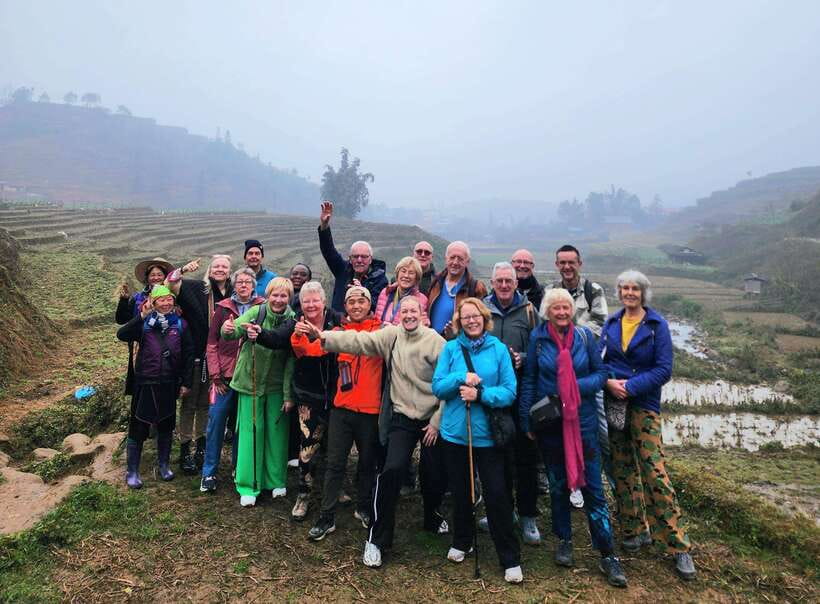
FAQ
Where is the meeting point and what time does the tour start?
You meet the guide in front of Sapa Church at 9:00AM. The guide will find you with your name.
How long is the tour?
The tour runs for about 6 hours.
What is included in the price?
The tour includes a local guide, lunch at a local restaurant, and transportation.
Is lunch included?
Yes. Lunch is included, served at a local restaurant in Cang Ngai.
Is the herbal bath included?
No. The herbal bath is optional and is listed as an extra cost.
What should I bring for the hike?
Bring comfortable shoes, a hat, camera, sunscreen, water, and insect repellent.
Is the tour suitable for everyone?
No. It is not suitable for people with mobility impairments, pregnant women, or those with back problems.
Can I cancel or pay later?
You can cancel up to 24 hours in advance for a full refund. You can also reserve now and pay later.
Should you book? If you want a guided Sapa day that mixes real village visits with Black H’mong context and Red Dao herbal traditions, this one is a strong pick. The $24 cost feels fair because guide + lunch + transportation are included, and the Red Dao herbal bath option gives you a memorable closer for the day.
More Tour Reviews in Sa Pa
Not for you? Here's more nearby things to do in Sa Pa we have reviewed





More Sapa Trekking Tours to consider.
 ★ 5.0Sapa 2 Days 1 Night From Hanoi – Overnight in Ta Van VillageTickets from $592,669 traveller reviews
 ★ 5.0Hanoi – Sapa 2 Days 1 Night Overnight At HomestayTickets from $89899 traveller reviews
 ★ 4.6Sa Pa: Muong Hoa Valley Trek and Local Ethnic VillagesTickets from $23864 traveller reviews
 ★ 5.0Sapa: Fansipan Cable, Cat Cat Village & Moana Instagram TourTickets from $30777 traveller reviews
 ★ 4.8From Hanoi: 2-Day Sapa Trekking Trip with Homestay & MealsTickets from $71704 traveller reviews
 ★ 5.0Sapa 3 Days 2 Nights Trekking Tour (1 Night In Ta Van Village, 1 Night In Hotel)Tickets from $139699 traveller reviews
 ★ 4.9Sapa: Eco Adventure Terrace Fields and Local Villages TrekTickets from $27636 traveller reviews
 ★ 5.03-Day Trekking Adventure of Sapa from Hanoi – Stay Ta Van VillageTickets from $109611 traveller reviews
More useful Hanoi routes