

Review · SAPA TREKKING TOURS
In Sapa: 1 Day Mountain Trek, Visit beautiful villages
Hiking to village life beats another bus tour. This one-day Sapa mountain trek combines big views from Sa Seng with real time in Black Hmong villages, plus a local guide who explains what you’re seeing as you walk. You also get the Muong Hoa valley and Fansipan in the same day, without needing an overnight homestay.
I particularly loved two things. First, the early climb pays off with sweeping panoramas, including Fansipan (3,143m) and the terraced fields in Muong Hoa valley. Second, the time in Hau Thao and Hang Da feels practical and human, with stories about village routines, rice-field work, and Hmong marriage traditions.
One thing to plan for: this is not a casual stroll. Even with an easy-to-moderate pace option, you’ll face steep, uneven sections, and rain can make parts muddy and slippery.
Key things to know before you go
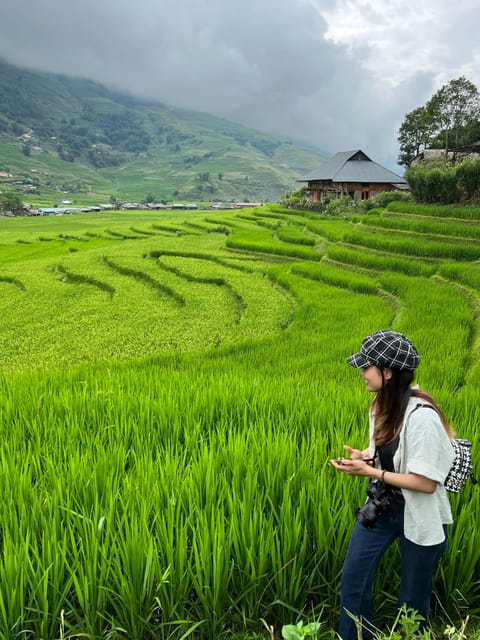
- Sa Seng summit views early in the day: Fansipan and Sapa town show up when the light hits right.
- Hang Da plus animal sightings: you’ll pass through working spaces and see buffalo and pigs.
- Hau Thao daily life if timing lines up: harvesting or planting can happen while you’re there.
- Family-run lunch included: you eat where locals eat, not a staged restaurant stop.
- Small group, max 10: pace and questions feel personal, not rushed.
Why this trek feels like Sapa’s real side, not a checklist
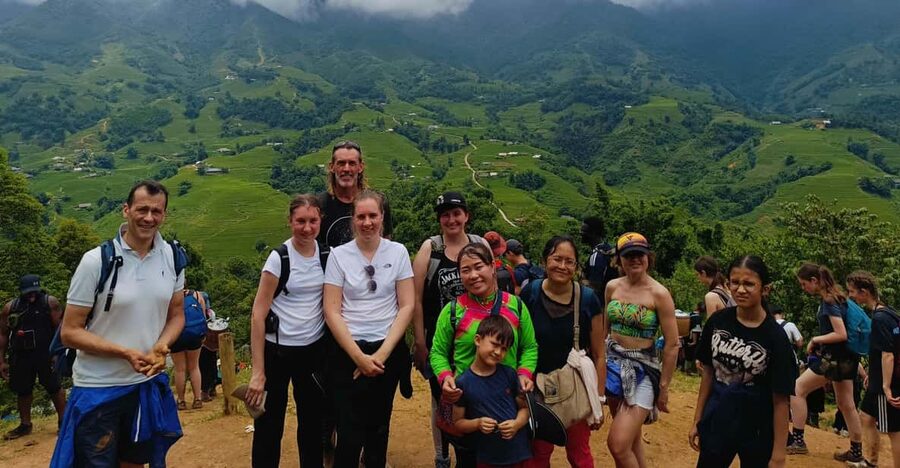
Sapa can be sold as views and selfies. This 1-day trek does something smarter, it links the view to the villages below it. You start with a hike, then you walk down into daily life.
The route also makes sense for a short visit. In 10 hours, you get a summit panorama, two village areas, and lunch with locals. For $24 per person, the value comes from what’s wrapped in: guide, village entry fees, trekking stick, water, and transport back to Sapa.
That said, the physical side is real. Reviews consistently point out steep bits and uneven ground, especially after rain, so you’ll want decent shoes and a calm pace.
You can also read our reviews of more hiking tours in Sa Pa



Getting oriented at Sapa TT Homestay, then rolling out at 9:00
Your day starts at Sapa TT Homestay. It’s about 2.3 km from Sapa’s center, and it’s used as the meeting point for the multi-day trekking options too, so the staff knows how to handle trekkers.
You’re advised to arrive at least 30 minutes before departure. That time is for check-in, luggage storage, and a pre-trek briefing so you’re not scrambling in the dark with sore legs already threatening your future.
Once you’re set, your guide and van pick you up from your accommodation at 9:00. After a short introduction, you’re on a small trail that climbs toward mountain views.
Sa Seng mountain: where Fansipan and the terraced Muong Hoa valley appear
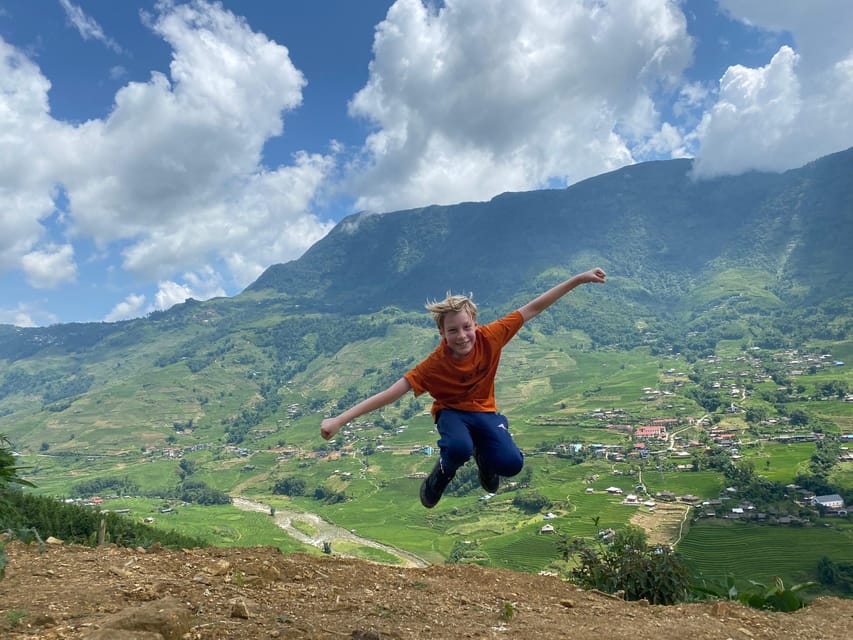
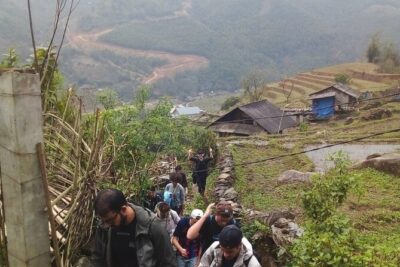
The first part of the hike is uphill, about 1 km on a small trail. After roughly 1 hour of hard trekking, you reach the top of Sa Seng mountain.
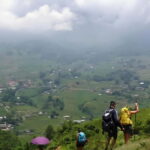
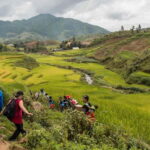
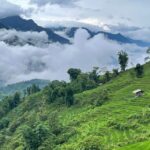
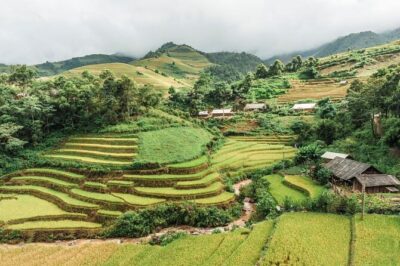
From there, the payoff is the kind you remember later, not just the kind you post. You look down toward Sapa town, and you can see Fansipan at 3,143m. Then your eyes track to the Muong Hoa valley, including the famous rice terraces and the large river cutting through it all.
Practical tip: this is where pacing matters. Start steady, don’t sprint the climb, and you’ll be in a better mood when the views open up.
Also note how the route sets expectations. The climb is the moment most people care about, but the day stays rewarding after it, because you spend real time walking down through villages rather than turning around immediately.
Hang Da village walk: Black Hmong life, animals, and a family lunch
After the summit look, the tour continues down the mountainside toward Hang Da. This is a village area of the Black Hmong minority, and the walking keeps you moving through less touristy paths.
Along the way, you may see farm animals such as buffalos, cows (the listing says cores, which is likely cows in translation), and pigs. Even if you’re not a farm-animal person, this part helps you understand the village economy you’ll hear about later.
Lunch happens at a small restaurant run by a local family. It’s included in the price, and it’s the kind of meal that feels connected to the route because it’s timed after you’ve worked up an appetite on the trails.
A small but helpful heads-up from how the day is run: bathroom stops aren’t mentioned as a formal feature, but reviews describe the logistics as well planned, including timing. That means fewer awkward waits and more of the day staying on track.
Hau Thao village: rice work, house building, and marriage traditions
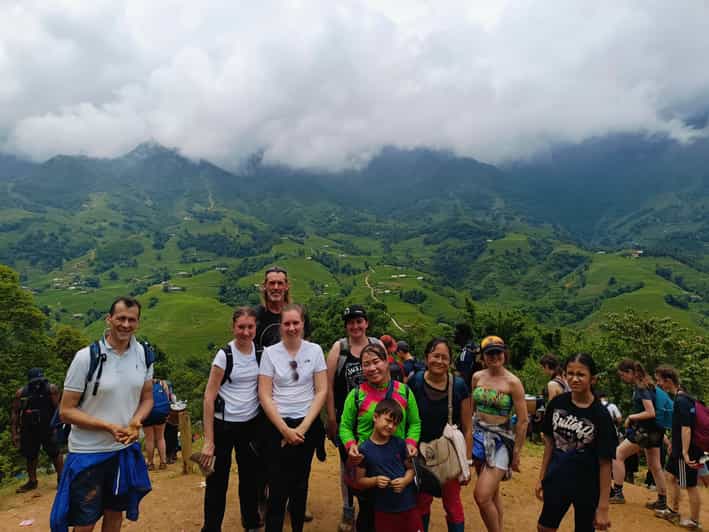
Hau Thao is the village stop that tends to stick hardest with people. After lunch, you take a small road down to the village, then arrive for a look at daily life.
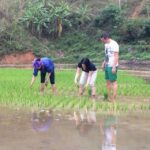
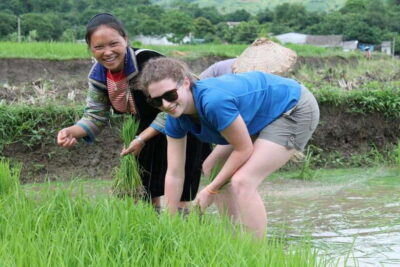
If your timing lines up, you might see people working the fields, such as harvesting or planting rice. This matters because it’s not just a photo-op visit. You’re watching how the village rhythms connect to the land you just viewed from above.
Your guide explains cultural details as you walk. Expect stories about Hmong marriage traditions, rice-field work, and house building techniques. These topics can sound abstract in a classroom, but here they connect to what you can see, like tools, steps, materials, and schedules.
One note to keep your day smooth: small-scale selling can happen while you’re walking in villages. It doesn’t ruin the experience, but it can get tiring if you’re not in the mood. The best approach is simple, be kind, and decide in the moment if you want to browse or keep walking.
And for photos: ask first. A respectful question keeps your interactions comfortable for both sides.
More Hanoi tours and experiences for the shortlist


The 15:30 shift: walking to Giang Ta Chai and back to Sapa
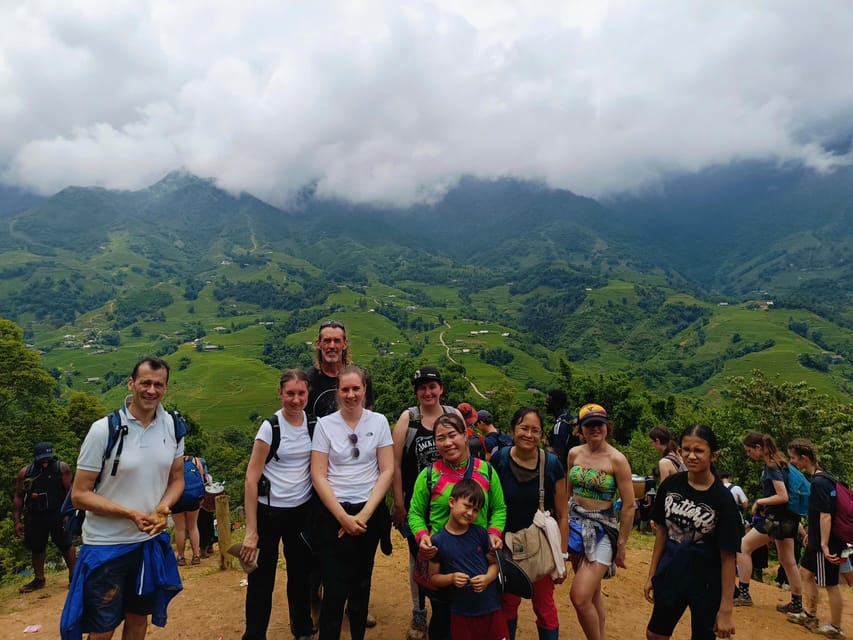
The day doesn’t end the moment you leave Hau Thao. Around 15:30, you walk toward Giang Ta Chai village, where your transport is waiting on the main road.
Then the ride takes you back to Sapa. It’s a clean wrap-up that keeps the total day to about 10 hours, without stretching into late-night fatigue.
This final stretch also helps the emotional arc of the trek. You get the summit views, then the village time, then a practical return. You won’t feel like you got dropped off in the middle of nowhere with half a battery left.
Who guides this and why small groups make a difference
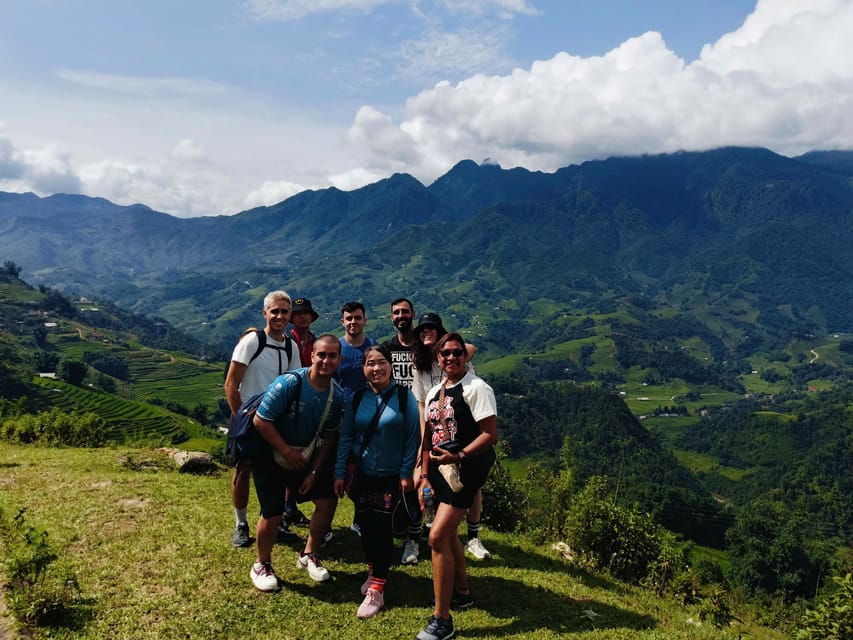
This tour runs with a small group, limited to 10 participants. Reviews describe groups of just a handful of people, and that’s a big deal for pacing on steep, uneven trails.
The guide is English-speaking (and Vietnamese as well). You’ll often feel like you’re walking with someone from the local area who can explain what you’re seeing in plain language, not just naming places.
Different guides are named in past experiences, including Moa, Mao, Sung, Soso, and Mama Mao. Whoever leads your day, the best pattern is consistent: the guide adapts the pace to the group and keeps the timing workable.
If you’re the type who asks questions, the small group format is helpful. You get answers without waiting your turn for the next stop.
Practical value: what you pay for and why it makes sense
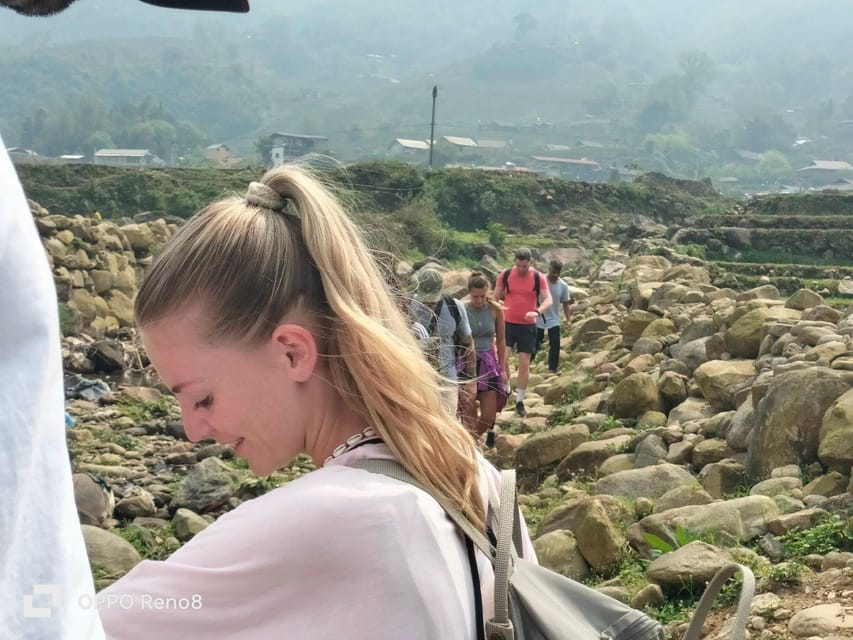
Let’s talk money the honest way. The price is $24 per person, and what’s included is fairly substantial for a one-day walk.
Included items are:
- Traditional lunch
- English speaking guide
- Village entry fees
- 1 small bottle of water per person
- Transport back to Sapa after the trek
- Trekking stick
That’s the core value. You’re paying for a full guided day with transport and access, not just a route on a map. On top of that, the hike links viewpoints with village context, which is harder to DIY safely in a place with real elevation changes and narrow trails.
If you’re comparing options, don’t just compare the hiking time. Compare what you get at the end of the day: a meal, village entry, a guide to interpret daily life, and a ride back.
What to pack and what to watch out for
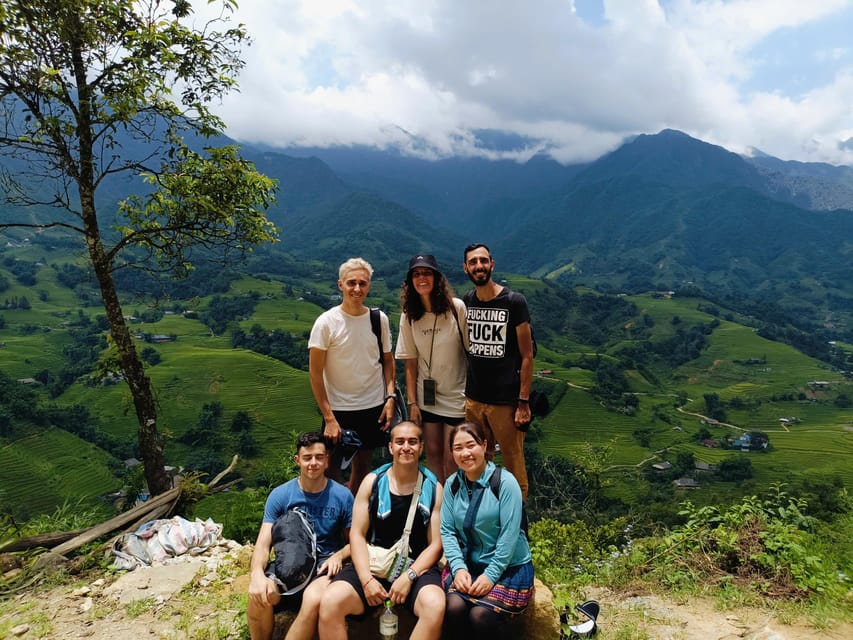
Start with the essentials. Bring cash, since it’s listed as required. Wear proper shoes, because the trail can include steep parts and uneven steps.
The trekking stick is provided, which is useful on downhill sections. You’ll also get water, though it still helps to drink early and not wait until you feel thirsty.
Avoid weapons or sharp objects, since they’re not allowed. That’s a straightforward rule, but it’s smart to remember if you’re packing gear for other activities in Sapa.
This trek is not suitable for people with mobility impairments, wheelchair users, or people over 95 years old. If any part of that applies, look for a gentler alternative, because the terrain is a core part of the experience.
Should you book this Sapa 1-day mountain trek?
Book it if you want a day that mixes serious views with real village time. The summit at Sa Seng and the Muong Hoa valley scenery are worth it, but the main reason to choose this trek is how the route slows down to show everyday life in Hang Da and Hau Thao.
Skip it if you want flat, easy walking. The hike can be challenging, and muddy conditions after rain can make it harder than you expect.
If you like small groups, good guiding, and learning from conversations rather than signs, this is a strong match for your Sapa day.
FAQ
How long is the Sapa 1 Day Mountain Trek?
The tour lasts about 10 hours.
Where is the meeting point, and when should I arrive?
The meeting point is at Sapa TT Homestay. Plan to arrive at least 30 minutes before the scheduled departure time for check-in, luggage storage, and a pre-trek briefing.
What is included in the price?
Included are a traditional lunch, an English speaking guide, village entry fees, 1 small bottle of water per person, transport back to Sapa after the trek, and a trekking stick.
What should I bring with me?
You should bring cash.
Is the trek suitable for wheelchair users or mobility impairments?
No. The tour is not suitable for people with mobility impairments or wheelchair users.
Is there free cancellation?
Yes. You can cancel up to 24 hours in advance for a full refund.
More 1-Day Tours in Sa Pa
More Hiking & Trekking Tours in Sa Pa

More Tour Reviews in Sa Pa
Not for you? Here's more nearby things to do in Sa Pa we have reviewed



More Sapa Trekking Tours to consider.
 ★ 5.0Sapa 2 Days 1 Night From Hanoi – Overnight in Ta Van VillageTickets from $592,669 traveller reviews
 ★ 5.0Hanoi – Sapa 2 Days 1 Night Overnight At HomestayTickets from $89899 traveller reviews
 ★ 4.6Sa Pa: Muong Hoa Valley Trek and Local Ethnic VillagesTickets from $23864 traveller reviews
 ★ 5.0Sapa: Fansipan Cable, Cat Cat Village & Moana Instagram TourTickets from $30777 traveller reviews
 ★ 4.8From Hanoi: 2-Day Sapa Trekking Trip with Homestay & MealsTickets from $71704 traveller reviews
 ★ 5.0Sapa 3 Days 2 Nights Trekking Tour (1 Night In Ta Van Village, 1 Night In Hotel)Tickets from $139699 traveller reviews
 ★ 4.9Sapa: Eco Adventure Terrace Fields and Local Villages TrekTickets from $27636 traveller reviews
 ★ 5.03-Day Trekking Adventure of Sapa from Hanoi – Stay Ta Van VillageTickets from $109611 traveller reviews
More useful Hanoi routes