
Review · SAPA TREKKING TOURS
SaPa: 2-Day Villages,Rice Fields, Love Waterfall Hiking Tour
Fog or sun, the trek feels real. This 2-day route links non-touristy village walking with big Sapa views, then tops it off near Heaven Gate and two major waterfalls. I especially like the mix of working farmland views, then the human scale of staying overnight in a village home. I also like the Red Dzao touch, a traditional herbal bath that adds culture without feeling like a show. One possible drawback to plan for is weather, since fog and rain can cut down visibility in the high pass area.
What makes this tour click is the pacing you can feel in the details: mostly easy to medium days, decent walking time, and built-in breaks for village meals. In practice, it also sounds like the guides really shape the experience, including local guide Mo and Mr. Tinh, who both come across as friendly and able to explain village life in a way that matches your pace. If you want a totally low effort walk, this probably is not that. You will be on your feet for hours, and some sections climb.
Key highlights at a glance
- Non-touristy villages in and around the national park, so the trek feels local, not packaged
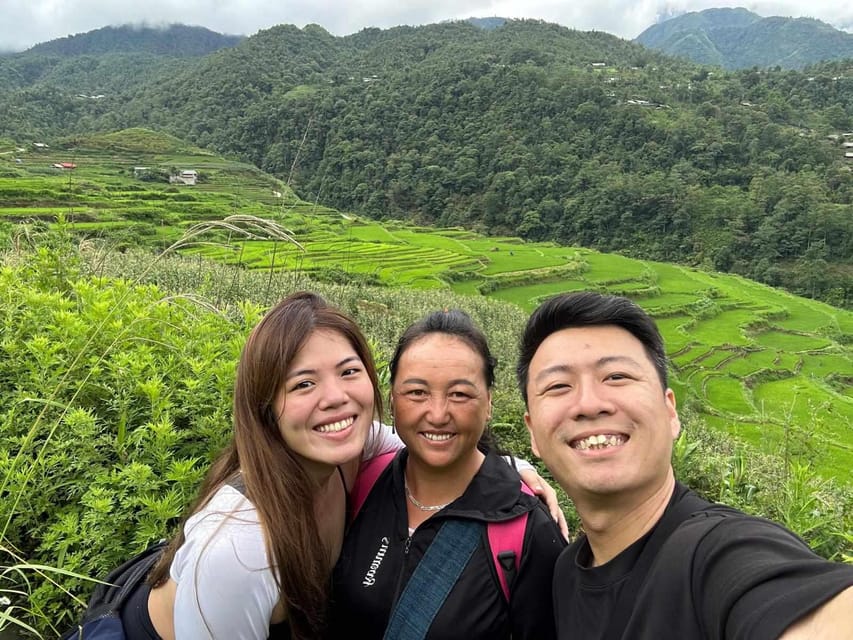
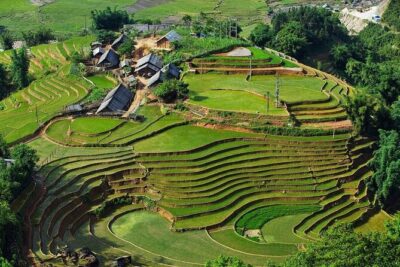
- Best rice paddy viewpoints in Sapa, with photo stops where the valley opens up
- Red Dzao herbal bath in a traditional setting, optional but memorable
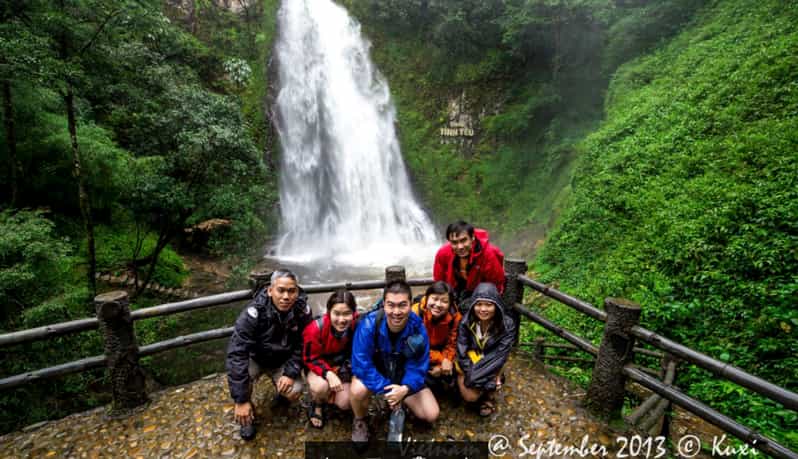
- Love and Silver Waterfall stops plus a short walk in the national park area
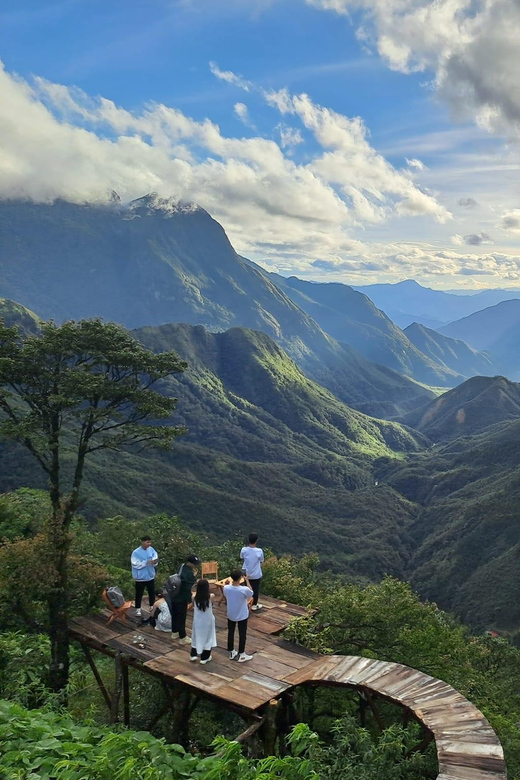
- Heaven Gate Lonely Tree viewpoint near 2,000 m, where the clouds can sit below you
- Overnight in a traditional wooden homestay, with dinner shared family-style
Why this Sapa trek feels more real than the quick routes
Sapa is known for big views, but the best moments often happen away from the main drag. This experience is built for that. You spend your days walking through rice terraces, cornfields, bamboo forest, and minority villages, not just looking from a viewpoint platform.
That difference matters. When you walk village paths, you notice the small stuff: how people farm, where trails cut through ridges, and how the views change as you gain or lose altitude. It makes the scenery feel earned, not just purchased.
The other big reason it works is the cultural add-ons are tied to the place, not separate from it. The overnight homestay and the Red Dzao herbal bath put you in contact with village routines, and the waterfalls are visited by car partway through, so you still get the natural payoff without making the trek only about hiking.
One note on expectations: the itinerary is outdoors-focused and weather can be a wildcard. If fog comes in, the higher viewpoints may look like a mystery, not a panorama. That can still feel special, but you should dress and plan like visibility is not guaranteed.
You can also read our reviews of more hiking tours in Sa Pa
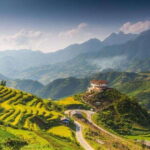
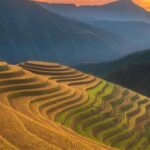
The big picture route: villages, passes, waterfalls, and rice terraces
You start in Sapa, then move through areas around Suoi Ho, Giang Cha, Ta Phin, Suoi Thau, Phin Ho, and Ban Khoang. Along the way you get a chain of environments: downhill trails, village edges, bamboo forest, and rice paddy views that are often the main reason people visit Sapa in the first place.
The second day shifts from farming views to the classic Sapa headline sights. You walk to a top viewpoint area, stop for lunch in Ban Khoang, then transfer by car to the Love and Silver Waterfall zone. After that you head to the Heaven Gate area at the Lonely Tree viewpoint, which sits at about 2,000 m above sea level, and is known for the dramatic valley scale.
Even if you are the kind of traveler who likes a clear checklist, the route still feels like a story arc. Day one is about descending through communities and scenery. Day two is about rising to high viewpoints and then rewarding you with waterfalls and air that feels cooler and thinner.
Day 1: Sapa to Suoi Ho, Giang Cha, and a Ta Phin plateau view
Day one is about 12 to 14 km of walking over roughly 4 to 5 hours, with elevation gain and loss around 200 to 300 m. The trekking style is described as easy to medium. In real terms, that usually means a mix of gentle stretches and some steeper bits where you slow down and let your legs do the work.
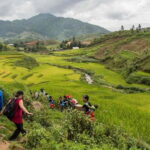
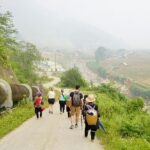
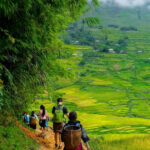
You start downhill on dirt trails through a non-touristy area. This is where you get your first strong wave of rice terrace and cornfield views. The best part is that these views do not show up all at once. As you walk, the ridges keep revealing more layers of farmland and mountains, so the scenery keeps updating.
You also pass through Hmong villages. That adds a human scale to the walking. Instead of just hiking beside farms, you are moving through places where people live and farm, which makes the pauses feel more meaningful.
Lunch happens in Giang Cha village at a local restaurant with traditional Vietnamese food. That matters for value and energy. You are not buying snacks on the go. You are stopping for a proper meal and taking a break before the later panorama section.
After lunch, you keep moving downhill toward a plateau. This is one of the better spots for mountain and rice terrace views. Then you climb to the top of a hill for a wide panorama of the valley.
As the day winds down, you trek down into bamboo forest and head to a traditional wooden homestay for the night.
Day 1 pace tip
If you like photos, you will be tempted to stop constantly. The route is designed for breaks, but the best photos often come when you rest and let the light settle. Plan to take fewer, stronger pictures rather than trying to shoot every meter.
Night in a traditional wooden homestay, plus the Red Dzao herbal bath
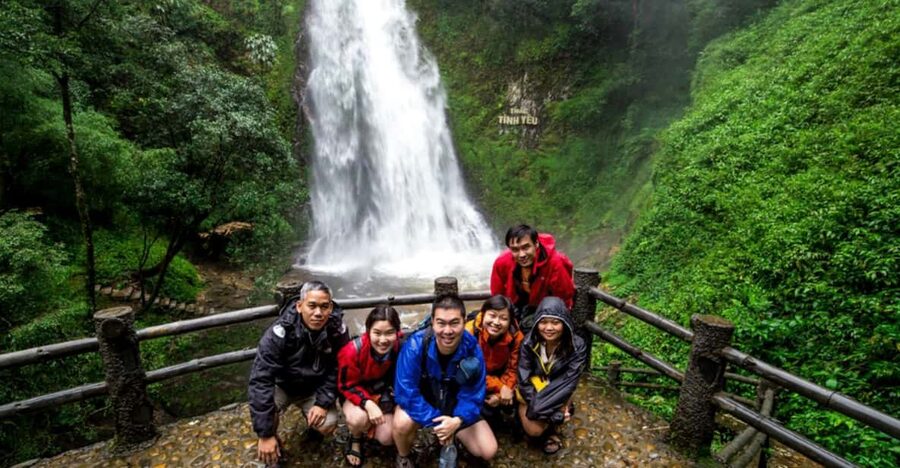
Overnight is in a local house, described as a traditional wooden homestay. You have dinner with the family, and the vibe is cozy and shared, not staged. One review highlighted that the homestay dinner was the best meal during the entire Sapa stay, and that kind of detail is what you should look for when choosing between trekking companies.
You will also take a walk around the village while your guide prepares dinner. That small moment helps you understand the place after daylight. When you return from the day’s walking, you see how village life continues when you are not just passing through.
Then there is the herbal bath with the Red Dzao ethnic group. It is optional, and you pay for it separately. Even if you skip it, the way it is offered can feel respectful rather than pushy, because it is framed as part of local practice rather than a checklist item.
More Hanoi tours and experiences for the shortlist
What to consider about the homestay
This is not a hotel. You are sleeping in a village home. Some stays will feel very simple, but the experience is the point. If you are sensitive to basic facilities, ask ahead about what is available for bathing and comfort.
Day 2: Suoi Thau to Ban Khoang, Love and Silver Waterfall, and Heaven Gate
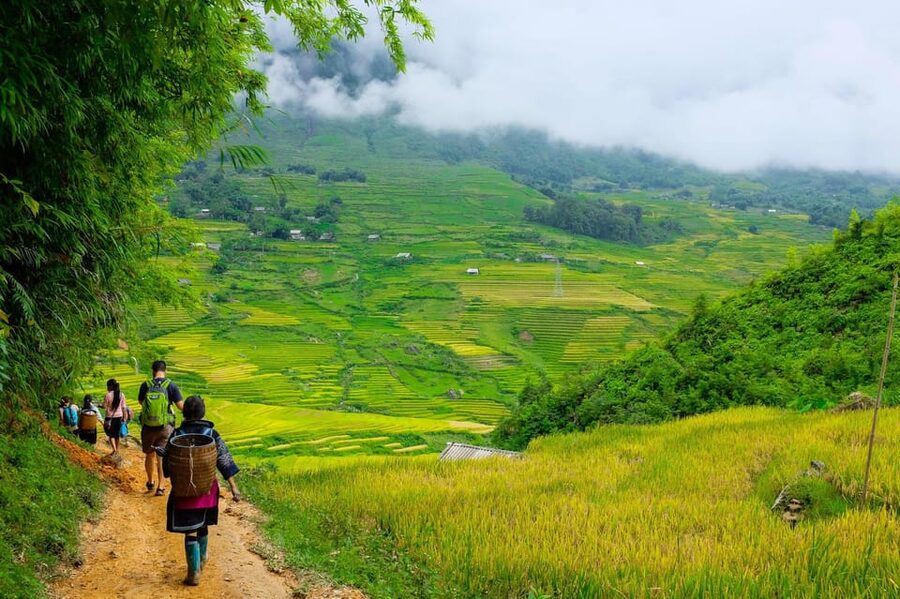
Day two is about 12 to 14 km and takes around 5 hours walking, with elevation around 300 to 400 m. It is rated medium and easy level. Compared to day one, you are likely to feel the higher effort since the day includes more “rise to viewpoint” moments, not just downhill walking.
After breakfast at the homestay, you head toward Suoi Thau village. Expect to pass through several minority villages along the way. The route here is described as peaceful and non-touristy, so you can enjoy a slower mental pace.
You walk through rice paddy fields to reach a top of a mountain viewpoint area. This is a key photo moment because you get a wide view over the valley. From a travel-choice standpoint, this is where you can decide if you want to linger. If the weather cooperates, it can be the kind of view that makes the whole trek feel worth it.
Then you head down toward Phin Ho village and a viewpoint next to the jungle and valley area of the Red Dzao ethnic people. This is another scenic stop where the mix of forest edge plus valley depth helps your eyes rest between rice paddy frames.
Lunch is in Ban Khoang village at a local restaurant. After lunch you shift gears. You take a car for about 25 minutes to reach the Love and Silver Waterfall area.
Love Waterfall and Silver Waterfall: what you actually do
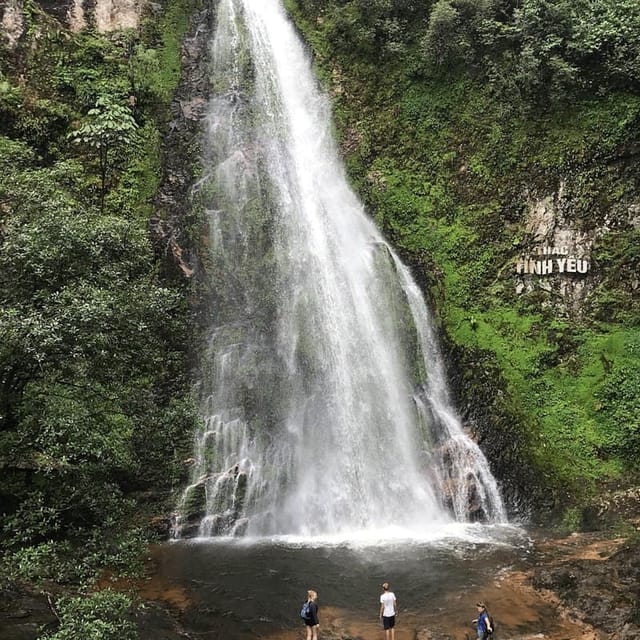
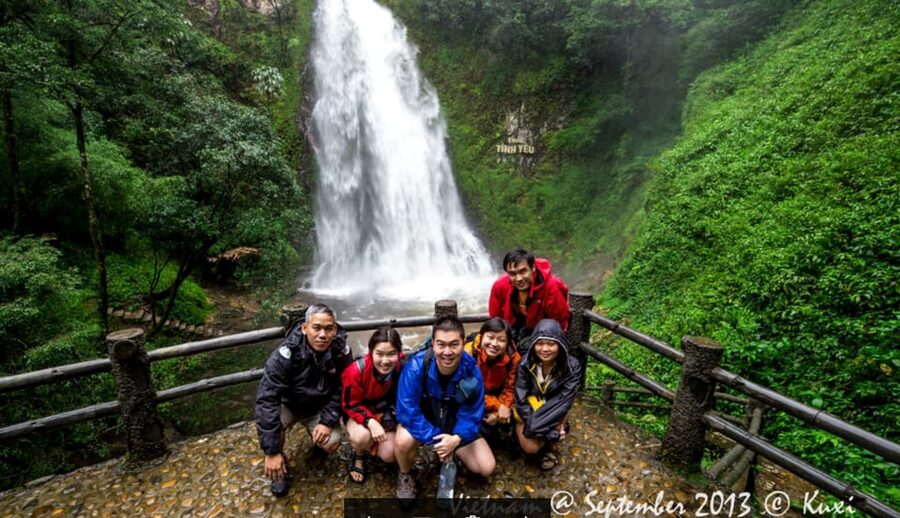
You visit both Love and Silver Waterfall, described as the biggest waterfalls in Sapa. After you arrive, there is a short walk in the national park area with nice scenery and many old trees. There is also mention of a golden stream, and possible swimming in the Love Waterfall, depending on conditions.
Once you have had your time near Love and Silver, the tour continues to the Heaven Gate area, specifically the Lonely Tree point. This is the highest pass in Vietnam mentioned in the description, at about 2,000 m above sea level.
At Lonely Tree, you get the big valley spectacle. The air is cooler and windier, and you may feel like clouds are below you. If fog rolls in, this is where the experience can go either way: you might lose sharp edges in the view, but the atmosphere can be very haunting and beautiful in a different way.
You continue by car to Silver Waterfall on the high mountain for an overview. Then you step up to get a nicer angle and pass the bridge to hunt for photos of the waterfall from another perspective.
Finally you return to Sapa by car, generally around 15:00 to 16:00.
The guide factor: when the explanation matters
One of the most praised parts of this kind of Sapa trek is the guide. In the reviews, both Mo and Mr. Tinh were mentioned for friendliness and for being good at explaining different villages. That is not just nice customer service. It changes how you experience the walking.
When a guide can point out what you are seeing, you start noticing patterns. For example, how paths connect to farmland, how terraces look from different angles, and what makes each village area distinct. Even basic explanations of who lives there and how they use the land can turn a “scenic hike” into a meaningful cultural walk.
The tour also includes an English speaking guide and is set up as a private group. That usually means fewer timing fights. If you need to slow down for photos, water, or breaks, you can.
Difficulty and who this trek suits best
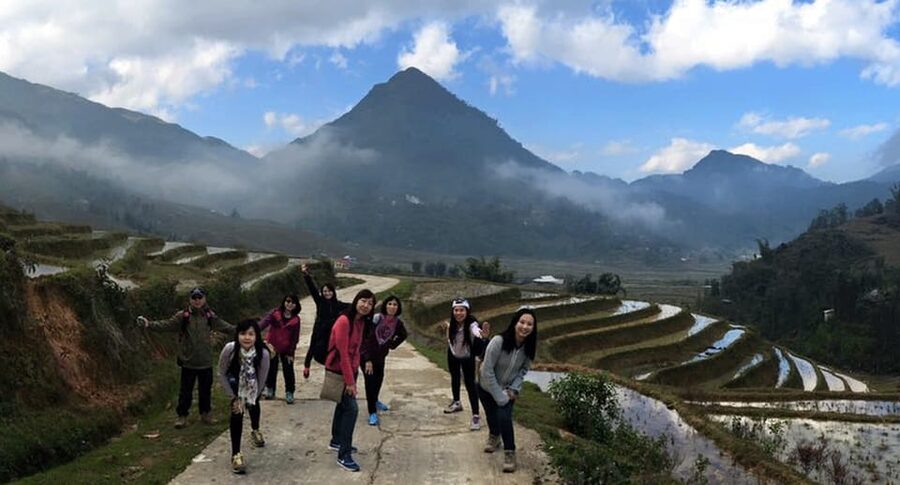
This is not an extreme trek, but it is not a casual stroll. Day one and day two both come in around 12 to 14 km, with 4 to 5 hours of walking each day plus breaks. Elevation changes range around 200 to 300 m on day one and 300 to 400 m on day two.
So who should book it?
- If you like real walking in rural areas and want farmland, forest, and villages, this suits you well.
- If you want a nature highlight without doing a multi-day marathon, the length and pacing can feel manageable.
- If you love waterfalls and high viewpoint drama, day two is built for that.
Who should think twice?
- If you hate hills or you want flat walking only, the viewpoint climbs will be noticeable.
- If you need steady indoor comfort, homestay sleeping and outdoor trekking might feel like a hard swap from hotel travel.
- If you are booking for crystal clear mountain views, understand fog can happen and you do not control that.
Price and value: why $112 can make sense here
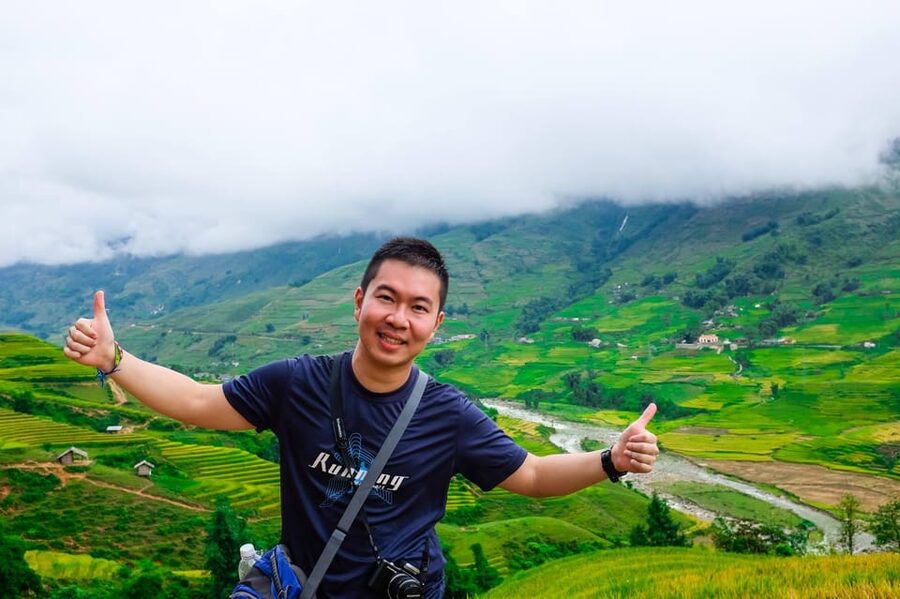
At $112 per person for a 2-day trek, the value comes from what is bundled and what is saved. You are paying for:
- An English speaking guide
- Homestay accommodation
- Meals: 2 lunches, 1 breakfast, 1 dinner
- Entrance fees to villages and waterfalls
- Transport following the program, including car transfers for the waterfall portion
- 1.5 liters of water per person per day
- A place in Sapa town for room for shower and luggage storage in the office
A private group style can also raise the cost versus big-group treks, but it can also improve your experience if you want flexible pace and less waiting. When you compare that to booking guides, entry fees, and separate car transfers one-by-one, $112 starts to look more reasonable.
The herbal bath is optional and not included, so if you plan to do it, budget extra.
What you should bring for a 2-day Sapa village trek
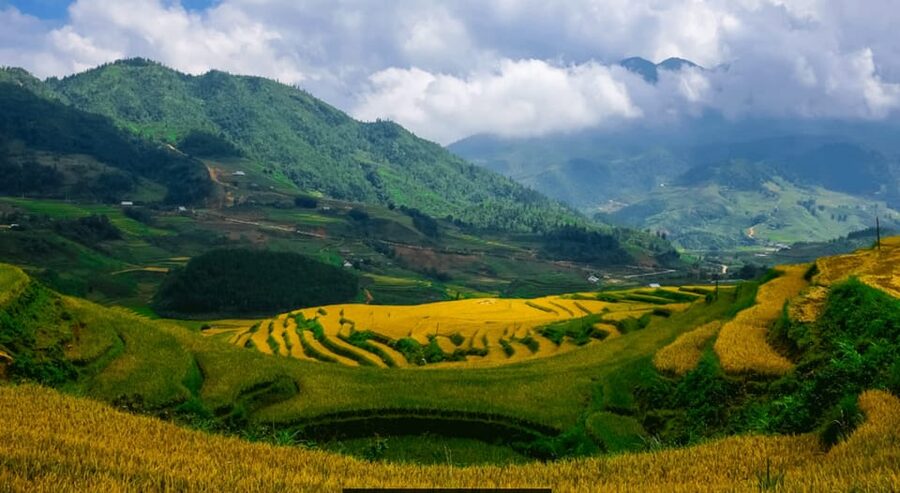
The tour provides water, meals, and guide support, but you are responsible for comfort and safety. I recommend packing like it might rain and like temperatures can drop with altitude.
Bring:
- Waterproof jacket or rain layer
- Hiking shoes with grip
- Light layers that you can add or remove
- Daypack for a change of socks and essentials
- A small towel and basic toiletries for homestay needs
- Sun protection for rice paddy walking and photo stops
- Cash for optional items, since the herbal bath is paid by yourself
Also, plan for fog. If visibility becomes limited near Heaven Gate, you will want to keep your focus on what is still visible: paths, village life, river sounds, and textures in the air.
How the waterfalls and national park walk fit the story
Some Sapa treks treat waterfalls like a short stop on the way to something else. Here, Love and Silver Waterfall are a real chapter. The short walk inside the national park area plus the possibility of swimming at Love Waterfall gives you a change in pace and a different kind of scenery than rice terraces.
Then Heaven Gate provides the “scale” payoff. If rice terraces teach you the rhythm of the land, Heaven Gate teaches you the size of the valley and the way weather can sculpt the view. The Lonely Tree viewpoint is especially photo-friendly, even if fog changes the look.
Practical details that matter day to day
Timing is based on the program with a start time you check for availability. Walking times are clearly set, but you will still want to be ready for a slower day if rain makes trails slippery.
Group type is private, and the language is English. That helps if you want explanations rather than just a route.
Transport is not constant. You walk the village sections, then take car transfers for the waterfall day parts. That is a good compromise. You get the benefits of hiking through villages without turning the waterfall portion into another long uphill slog.
Should you book this Sapa trek?
Book it if you want:
- Non-touristy village walking and real farmland scenery
- A real homestay dinner night, not just a token stop
- Waterfall time at Love and Silver
- A high viewpoint moment at Heaven Gate with the Lonely Tree area
Skip it or consider an easier alternative if:
- You are worried about hills and 12 to 14 km walking days
- You only want guaranteed clear mountain views, since fog and rain can affect visibility
- You expect hotel-style comfort every step of the way
If your goal is authentic Sapa, with culture and nature in the same trip, this one makes strong sense, especially with a guide like Mo or Mr. Tinh shaping the story and pace.
FAQ
How long is the Sapa 2-day villages, rice fields, Love Waterfall hiking tour?
It runs for 2 days, with walking time each day included in the program. You can check availability to see starting times.
Where does the trek start and what areas do you visit?
You start in Sapa (Dong Bac, Vietnam is listed for location) and trek through areas such as Suoi Ho, Giang Cha, Ta Phin village, Suoi Thau, Phin Ho, and Ban Khoang. You also visit Love and Silver Waterfall and the Heaven Gate area.
How much do you walk each day, and is it difficult?
Day 1 is about 12 to 14 km with around 4 to 5 hours of walking, with elevation change around 200 to 300 m. Day 2 is about 12 to 14 km with around 5 hours of walking, with elevation change around 300 to 400 m.
Do you stay in a hotel or a homestay?
You stay overnight in a local house described as a traditional wooden homestay.
What meals are included?
The tour includes 2 lunches, 1 breakfast, and 1 dinner.
Is a herbal bath included?
A traditional herbal bath with the Red Dzao ethnic group is mentioned as optional. It is not included, so you pay for it yourself.
Are entrance fees included?
Yes. Entrance fees to villages and waterfalls are included.
Is transport provided during the trek?
Yes, transport is included following the program. You walk major sections, and there are car transfers, including about 25 minutes to the Love and Silver Waterfall area.
What is included in the price besides guiding and meals?
Besides the English speaking guide and meals, it includes homestay accommodation, entrance fees, transport, 1.5 liters of water per person per day, and room for shower and luggage storage in the office in Sapa town. Insurance and personal expenses are not included.
More Hiking & Trekking Tours in Sa Pa
More Tours in Sa Pa
More Tour Reviews in Sa Pa
Not for you? Here's more nearby things to do in Sa Pa we have reviewed
More Sapa Trekking Tours to consider.
 ★ 5.0Sapa 2 Days 1 Night From Hanoi – Overnight in Ta Van VillageTickets from $592,669 traveller reviews
 ★ 5.0Hanoi – Sapa 2 Days 1 Night Overnight At HomestayTickets from $89899 traveller reviews
 ★ 4.6Sa Pa: Muong Hoa Valley Trek and Local Ethnic VillagesTickets from $23864 traveller reviews
 ★ 5.0Sapa: Fansipan Cable, Cat Cat Village & Moana Instagram TourTickets from $30777 traveller reviews
 ★ 4.8From Hanoi: 2-Day Sapa Trekking Trip with Homestay & MealsTickets from $71704 traveller reviews
 ★ 5.0Sapa 3 Days 2 Nights Trekking Tour (1 Night In Ta Van Village, 1 Night In Hotel)Tickets from $139699 traveller reviews
 ★ 4.9Sapa: Eco Adventure Terrace Fields and Local Villages TrekTickets from $27636 traveller reviews
 ★ 5.03-Day Trekking Adventure of Sapa from Hanoi – Stay Ta Van VillageTickets from $109611 traveller reviews
More useful Hanoi routes