
Review · SAPA TREKKING TOURS
Sa Pa: 2-Day Trekking Trip with Ethnic Minority Homestay
One good day of Sapa hiking is pretty great. Two days with ethnic village time makes it special.
This trek puts you in the Muong Hoa Valley for mountain views, rice terraces, and hands-on cultural moments. I especially like how it mixes village visits with real trail time, plus you sleep in a Dzay homestay instead of just changing location and calling it culture.
One thing to consider first: this is a real trek on dirt paths. In rain, the trail can get muddy and slippery, and the experience is not a fit if you have mobility issues, back problems, are pregnant, or are traveling with kids under 6.
What I like, and what to watch
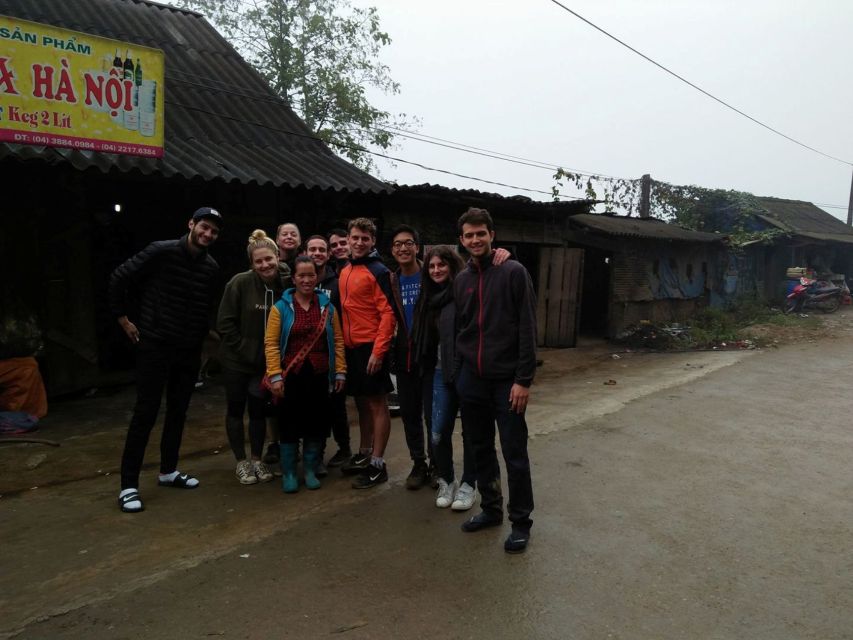
What I like most is the way the route keeps changing, day to day. Day 1 focuses on village stepping stones like Y Linh Ho, plus classic views toward Fansipan and the surrounding rice paddies.
Day 2 adds another mood: a quieter hike through bamboo, a waterfall break, and a chance to cool off with a swim in the Muong Hoa River. You also get solid food included, including a hosted dinner at the homestay, and lunch stops that keep you from burning all your energy before you arrive.
The main drawback is that homestay conditions are basic, which you should treat as part of the deal, not a surprise. Also, there was at least one mention of bedbugs in some beds, so I’d be smart about checking bedding and asking for a different spot if anything seems off.
Key highlights worth planning around
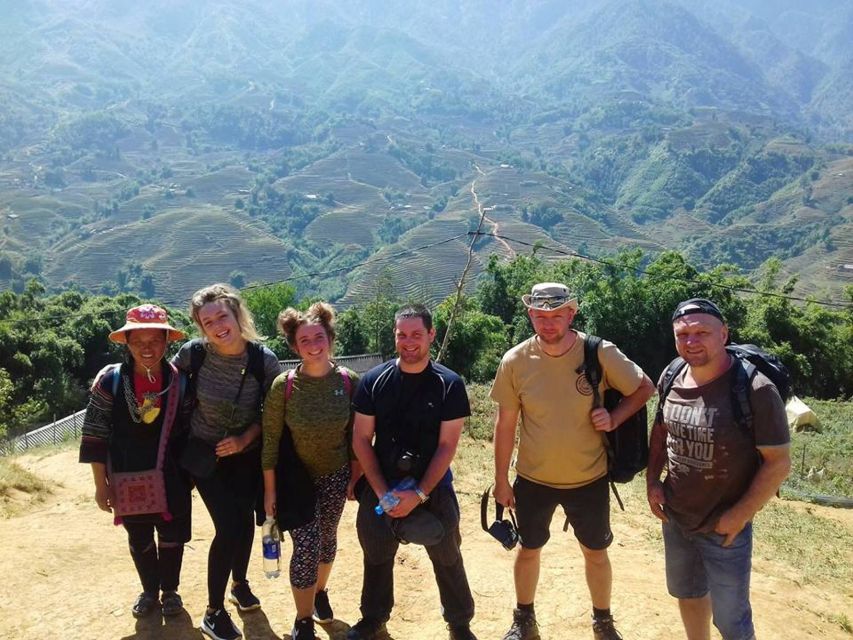
- Small group size (up to 14) helps the guide keep an eye on everyone on the trail
- Dzay homestay dinner and breakfast gives you more than a quick photo stop
- Black H’mong and H’mong village visits add context to what you see on the mountainside
- Day 2 bamboo forest and river swim makes the second day feel like its own mini-adventure
- Fansipan views show up early enough that you can appreciate them even if weather changes
You can also read our reviews of more hiking tours in Sa Pa



Entering Muong Hoa Valley: the real reason this trek works
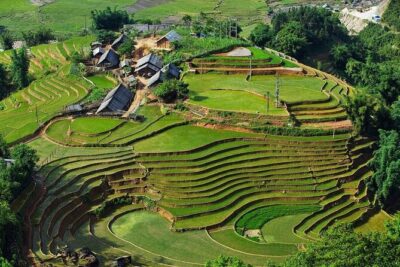
Sapa can feel like a set of viewpoints unless you hike into the valley. This itinerary avoids that trap by sending you through the Muong Hoa Valley villages on foot, then turning it into an overnight cultural experience.
You do not just “see places.” You walk between them. That matters because the terrain slowly reveals how people live at different elevations, and why the valley is so famous for terraces and mountain farms.
The group size cap matters too. With a maximum of 14, you tend to get less waiting and more attention on the trail, especially on muddy sections. Guides like Lan and Khu show up in the feedback as English speakers who keep things moving and answer questions without rushing you.
Day 1: Sa Pa to Y Linh Ho, Lao Chai, and Ta Van
Day 1 is your main entry into the valley. It’s about an 11-kilometer trek, with a steady mix of walking and village encounters that keeps it from feeling like one long slog.
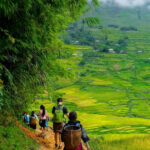
You start from Sa Pa and head toward Y Linh Ho, where you meet the Black H’mong community. This is one of the best “first contact” stops because it sets the tone for the rest of the walk. You get views toward Fansipan, plus rice paddies that look different depending on the angle and the weather.
As you continue, you pass through settlements and reach Lao Chai on the way to Ta Van. Lao Chai is one of those valley villages that makes you understand why people come to Sapa for more than scenery. The homes, pathways, and terraced fields sit right next to the trail, so you naturally slow down and look longer.
One practical note: if it rains, expect mud and slick patches. People in the past mentioned that local women sometimes walk with the group at the start to help with footing. That sounds small, but it can be the difference between a stressful day and a day you actually enjoy.
Lunch is included on this day, and dinner is a hosted meal back in the homestay village. That structure matters. You are not trying to find food mid-trek, and you avoid the end-of-day “where do we eat?” scramble that can ruin your evening.
Homestay night in a Dzay village: the culture part you can feel
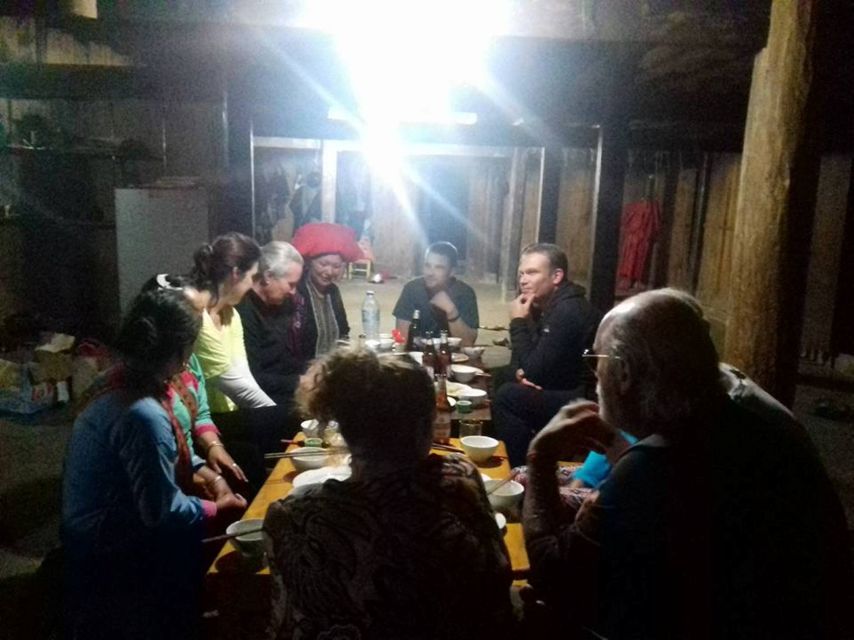
The overnight is the heart of this trip. You spend the night in a Dzay ethnic minority village, and that is what turns it from a standard hike into a stay-in-the-community experience.
Your homestay package includes accommodation plus breakfast at the homestay. Dinner is also included as a hosted dinner in the village. In the feedback, the meals come up again and again, with people praising the home-cooked feel and the fact that it is not just a token serving.
Rooms are usually simple. You should plan for basic, not hotel-like. Still, multiple accounts describe warm blankets and a cozy atmosphere, even when weather is rough.
There’s also a modern wrinkle: some guests mentioned internet and outlets at the homestay, which is helpful if you want to charge your phone for the next day. Do not assume it will always be there, though. Bring a power bank if you have one, and treat charging as a bonus.
And yes, there is one issue you should take seriously. There was a mention of bedbugs in some beds in the homestay. If you notice anything that feels wrong with the bedding, ask for a different bed immediately. This is also where your own comfort precautions help, like using a light layer you can sleep in and checking the bed before you unpack.
Day 2: Bamboo forest, Giang Ta Chai, and the Muong Hoa River break
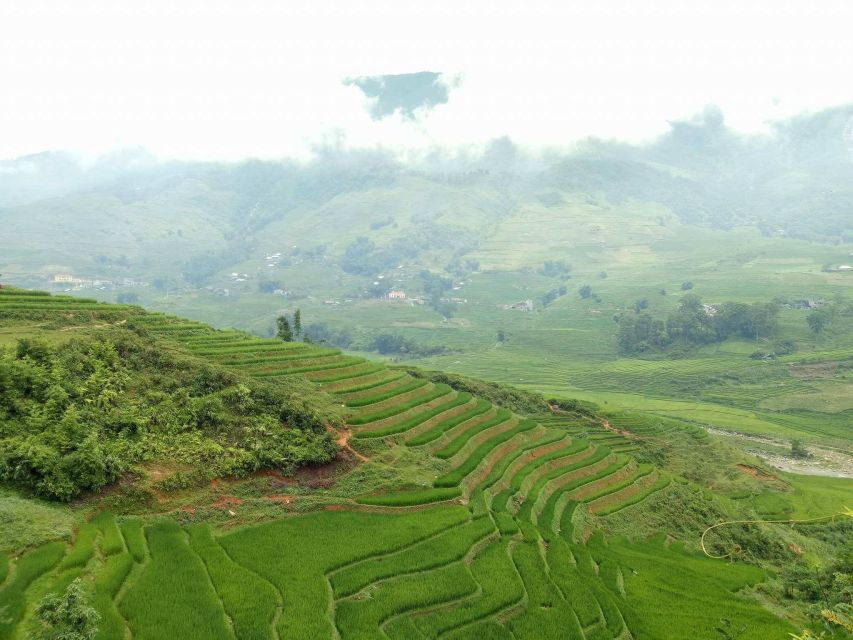
Day 2 is about 8 kilometers and often feels easier than Day 1, partly because it is shorter and partly because the scenery shifts more dramatically.
You start with breakfast at the homestay, then head out on a dirt trail. A small H’mong village stop comes early, which keeps the cultural thread going instead of turning the second day into pure nature time.
Then comes the bamboo forest, one of the stops that turns the trek from “nice views” into “wow, this feels different.” People often remember this part because bamboo changes the light and the sound, and the walk slows down without you forcing it.
You’ll stop at a waterfall and you may have time to cool off with a swim in the Muong Hoa River. That is not just a fun moment. It also gives your legs a reset after the walking. If you swim, keep it sensible. Wet trails can be slippery, and you’ll still need to hike afterward.
Lunch is included at a local restaurant before your drive back to Sa Pa. In practical terms, this makes the day feel complete. You get a proper meal, then you’re not stuck hungry in the car.
More Hanoi tours and experiences for the shortlist


Price and value: why $55 can make sense here
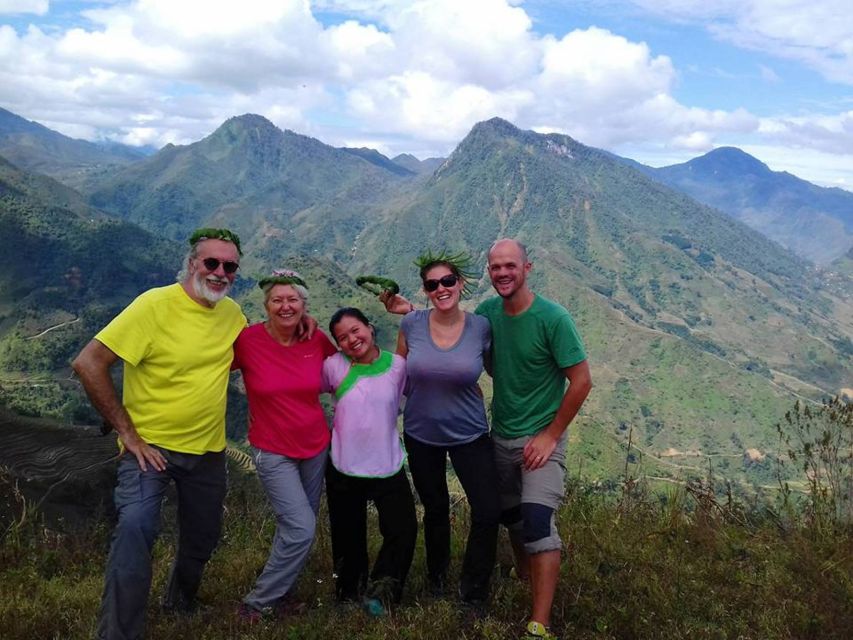
This trek costs $55 per person for a two-day experience. That number feels low if you think only about hiking. It makes more sense when you break down what’s included.
You get an English-speaking guide, homestay accommodation, a hosted dinner, breakfast, and two lunches. Entrance tickets to sites included in the plan are covered, and you also get mineral water plus the return transfer by bus.
What’s not included is also important: drinks are extra. Also, there’s a $30 USD per person Lunar New Year surcharge (noted for Jan 26 to Feb 2, 2025), paid at the meeting point.
So the real value is not that you are paying for scenery. You’re paying for logistics plus a cultural overnight that would be harder to organize on your own safely and smoothly.
Guides and small-group rhythm: the difference between okay and memorable
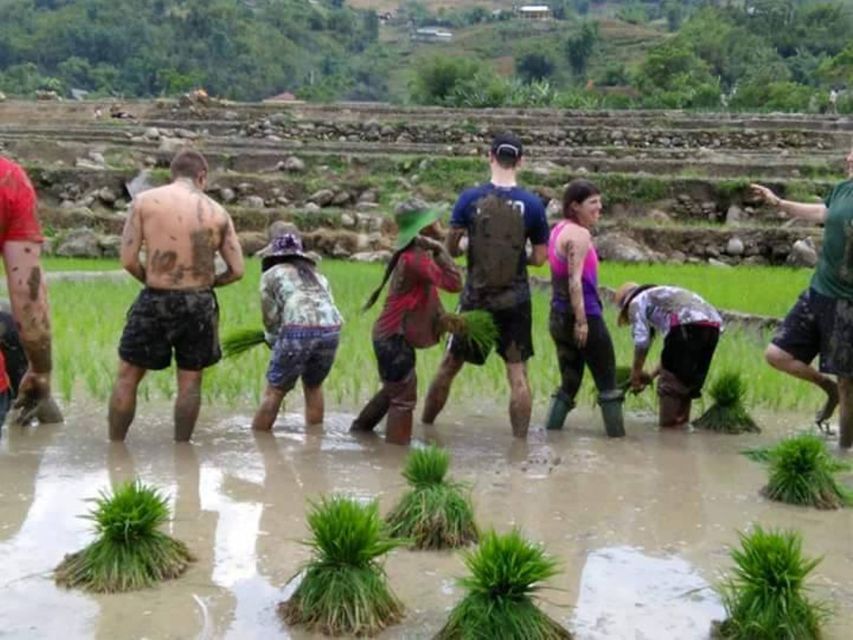
A trek lives or dies by the guide. The feedback around this trek is consistently about guides who keep things organized and explain what you’re seeing in clear English.
You’ll see names like Lan, Khu, Mme Nhu, Son, Robert, and Coo tied to strong experiences. The common themes are helpfulness, friendliness, and making sure everyone is okay on the trail. People also praised guides for adapting the pace or adjusting routes when the group needed it.
I also like that some guides bring extra local context. One example from the feedback mentioned a guide taking people to a festival in the town. That kind of add-on is the bonus you hope for on a small-group trek.
Still, there are minor complaints worth respecting. One person felt the guide used a phone too much during parts of the walk. Another mentioned occasional harassment by some local women who walked with the group at the start and expected purchases. The fix here is simple: be polite, keep moving, and remember that “no” is a full sentence.
Trails, weather, and gear you should not skip
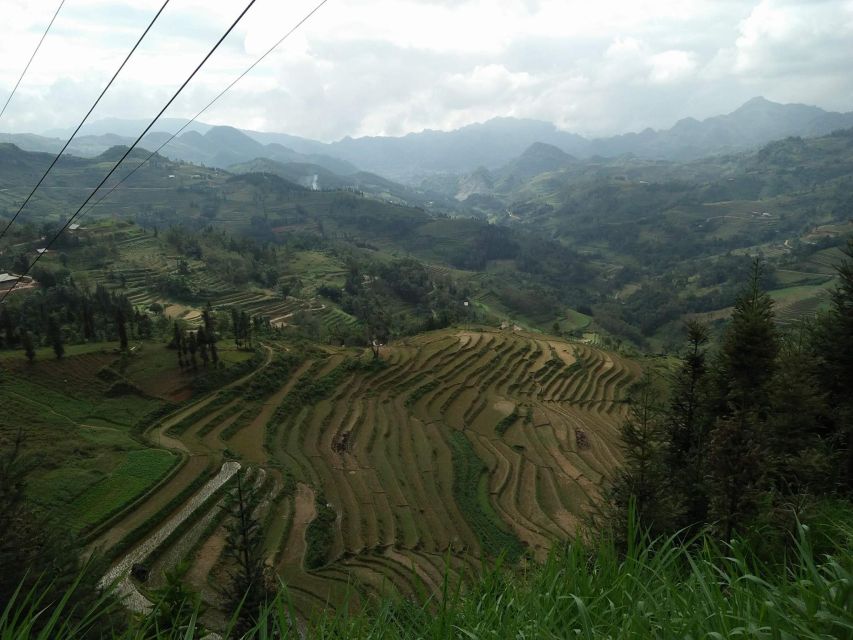
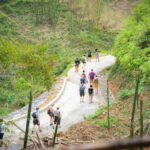
This is a walking trip, not a casual stroll. You should plan for uneven paths, dirt trails, and elevation changes. Comfortable shoes are non-negotiable.
The recommended packing list is straightforward:
- Comfortable shoes
- Warm clothing (especially Oct to March)
- Sunglasses
- Sunscreen
- Insect repellent
If you’re traveling in the rainy season, bring the mindset that you’ll get muddy at some point. One review specifically mentioned deciding whether to join because of rain, then being glad they did. The key was encouragement and local support on slippery sections.
Also, the trek includes time outdoors even when weather is iffy. Warm layers help, and sunglasses matter more than you think when the light hits the terraced fields.
Who this trek fits best, and who should skip it
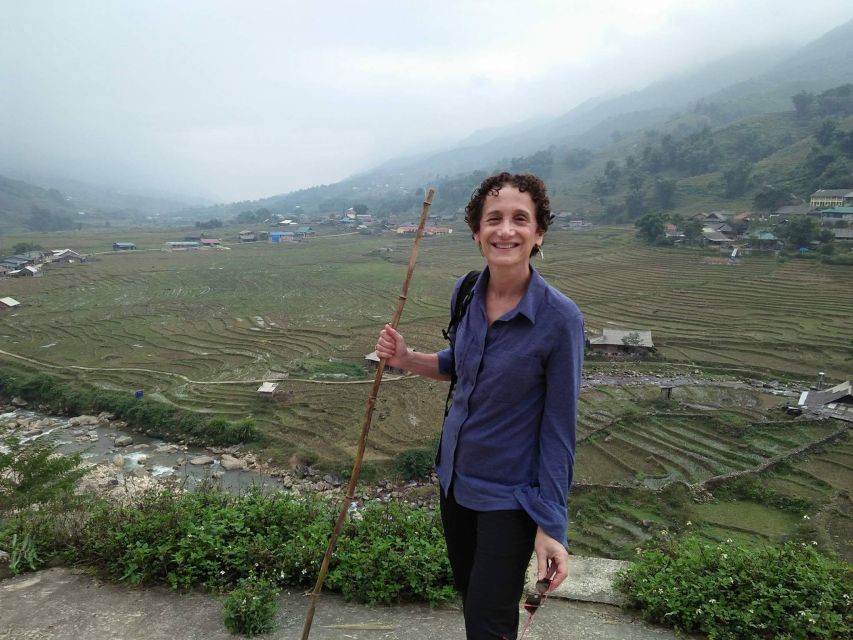
This trek is not for everyone. It’s listed as not suitable for people who are disabled, have children under 6, have back problems, have mobility impairments, are pregnant women, and people who might struggle with uneven walking terrain.
If you’re healthy and comfortable hiking on dirt paths, this is a strong “first trekking step” in Sapa. The daily distances, 11 kilometers on Day 1 and 8 kilometers on Day 2, are manageable for active travelers, and the route is broken up by villages and stops.
You’ll enjoy it most if you want more than photos. You should like talking, asking questions, and letting the day unfold slowly with the people you meet.
It’s also a great fit for people who want cultural experience without paying for a separate show. The homestay dinner and breakfast turn the cultural side into time, not a quick stop.
Should you book this 2-day Sa Pa trek with Dzay homestay?
Book it if you want a real valley hike plus an overnight in a Dzay village where meals are included and the day is paced with village visits. The small group size, English-speaking guidance, and the mix of Black H’mong and H’mong stops make this feel like more than a sightseeing bundle.
Skip it if you want a cushy, guaranteed clean-and-comfy homestay experience, or if your body needs flat ground and minimal effort. Also be cautious if you are sensitive to basic lodging conditions, since one bedbug issue was reported.
If you do book, go in prepared: pack warm layers, wear proper shoes, and bring respect for local culture. You’ll get the kind of Sapa experience that actually sticks.
FAQ
How long is the trekking trip?
It runs for 2 days total, with hiking on both days. The trek is about 11 kilometers on Day 1 and about 8 kilometers on Day 2.
Where do you sleep overnight?
You sleep at a homestay in a Dzay ethnic minority village.
What meals are included?
Lunch is included twice, dinner is hosted in the village, and breakfast is included at the homestay.
Is there a chance to swim?
Yes. On Day 2 there is a waterfall break and the group can cool off with a swim in the Muong Hoa River.
What should I bring for the trek?
Bring comfortable shoes, warm clothing, sunglasses, sunscreen, and insect repellent.
Is this trek suitable for children or people with mobility or medical issues?
No. It is not suitable for children under 6 years old, pregnant women, people with back problems, and people with mobility impairments or disabilities.
More 2-Day Experiences in Sa Pa
More Hiking & Trekking Tours in Sa Pa
More Tour Reviews in Sa Pa
Not for you? Here's more nearby things to do in Sa Pa we have reviewed


More Sapa Trekking Tours to consider.
 ★ 5.0Sapa 2 Days 1 Night From Hanoi – Overnight in Ta Van VillageTickets from $592,669 traveller reviews
 ★ 5.0Hanoi – Sapa 2 Days 1 Night Overnight At HomestayTickets from $89899 traveller reviews
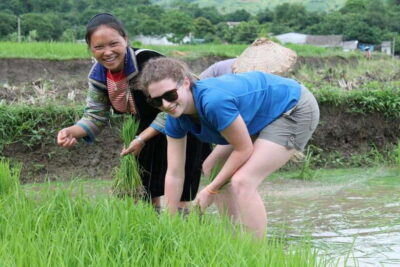 ★ 4.6Sa Pa: Muong Hoa Valley Trek and Local Ethnic VillagesTickets from $23864 traveller reviews
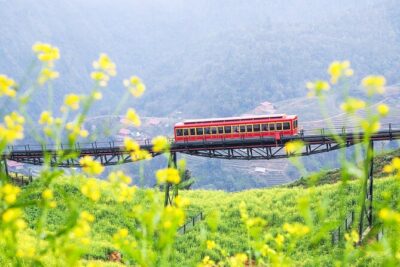 ★ 5.0Sapa: Fansipan Cable, Cat Cat Village & Moana Instagram TourTickets from $30777 traveller reviews
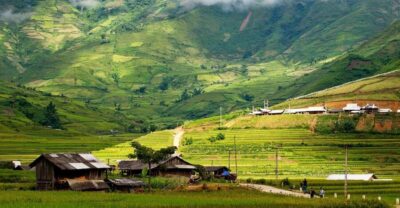 ★ 4.8From Hanoi: 2-Day Sapa Trekking Trip with Homestay & MealsTickets from $71704 traveller reviews
 ★ 5.0Sapa 3 Days 2 Nights Trekking Tour (1 Night In Ta Van Village, 1 Night In Hotel)Tickets from $139699 traveller reviews
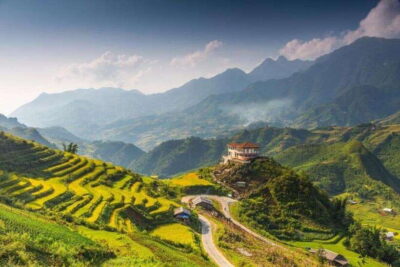 ★ 4.9Sapa: Eco Adventure Terrace Fields and Local Villages TrekTickets from $27636 traveller reviews
 ★ 5.03-Day Trekking Adventure of Sapa from Hanoi – Stay Ta Van VillageTickets from $109611 traveller reviews
More useful Hanoi routes