
Review · HANOI CITY TOURS
From Hanoi: Sapa 3-Day Medium Trek and Limousine Trip
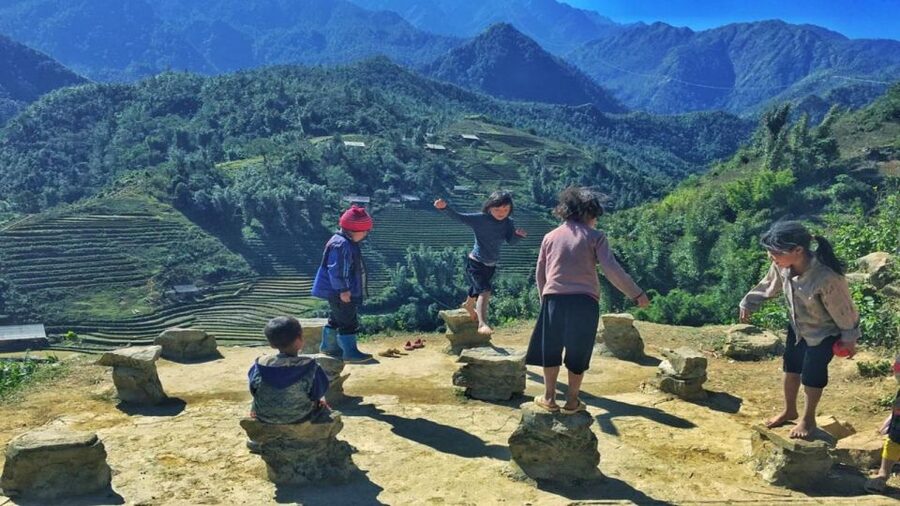
A few hours after leaving Hanoi, Sapa starts to feel unreal. This 3-day medium trek takes you from the town edge into Muong Hoa Valley rice-terrace country and small ethnic villages where day-to-day life is the main event. You get a homestay night too, so it is not just a photo walk.
What I like most is the mix of scenery plus people-focused stops, including Sin Chai and the Ta Van area, with time to see how families actually work. I also like that you are guided by an English-speaking local, and guides I learned names for from this experience include Jo, Ai, May, and support from Nam. One consideration: the homestays are not hotel-standard, and there are practical issues around transport communication and occasional on-the-road pressure from people selling items.
If you want an easy, carefree trip with zero rough edges, this might feel like a lot. If you want authentic mountain days, this is a strong fit.
Key things you’ll remember
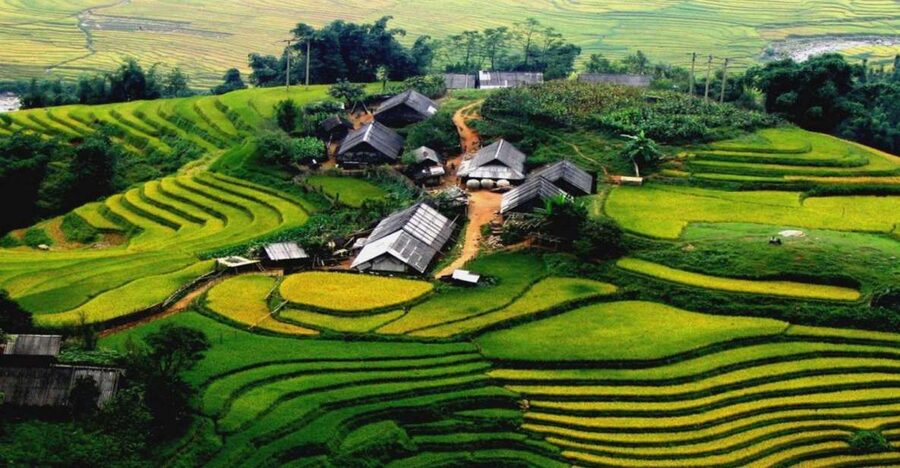
- Black Hmong, Zay, and Red Zao villages along a real hiking route, not just viewpoints
- Muong Hoa Valley walks with a suspension bridge crossing and riverbank trails
- Homestay experience that can be warm and memorable, but facilities vary
- Hoang Lien Son mountain range scenery, with fog risk in cooler months
- Limousine comfort on the Hanoi-Sapa segments, plus restroom and snack stops
- On-trek selling pressure you should ignore, then stick close to your guide
Hanoi to Sapa by limousine, with the day’s pace already set
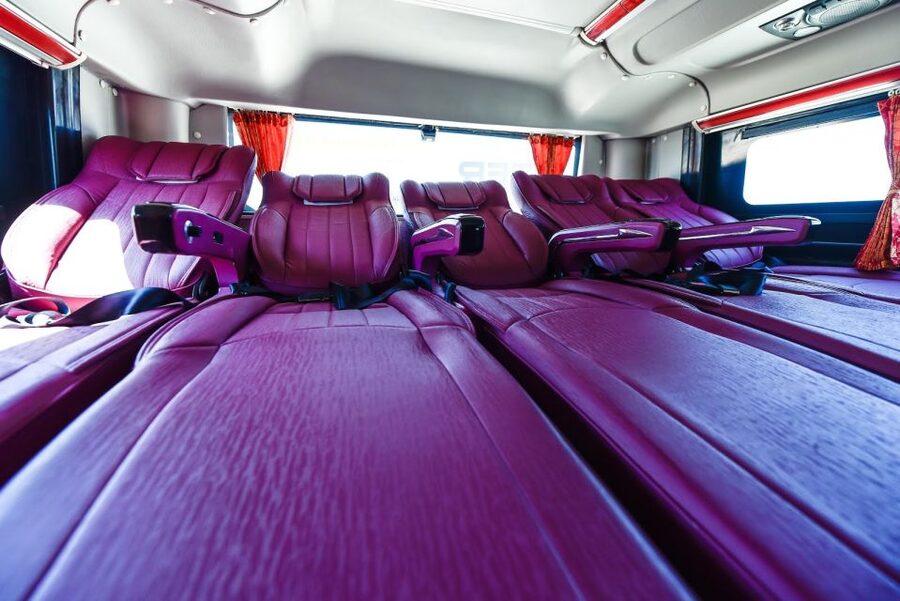
The itinerary starts with a hotel pickup in Hanoi’s Old Quarter at about 6:30 to 7:00am. You ride a modern air-conditioned limousine to Sapa, and the road time is about 6 hours, usually with two stops for snacks and restroom breaks. That early start matters here, because Sapa hiking works best when you arrive in daylight.
Once you reach Sapa, the rhythm shifts. You do lunch at a local restaurant, check in, then reset before the guide picks you up to begin the trek. In practice, that structure keeps you from arriving, rushing, and getting cold and tired right away, which can happen on faster day trips.
A quick reality check on transport: some past experiences have had late pickup moments or unclear stop timing. The limo is comfortable on paper, so your best move is to stay flexible, keep your phone charged, and treat restroom and snack stops as “best case” windows, not exact minutes.
You can also read our reviews of more hiking tours in Sa Pa



Day 1: Sin Chai village near Sapa, rustic life and an easy first hike
Day 1 is your orientation trek, about 4 km to the southwest of Sapa, to Sin Chai village of the Black Hmong. The point is not distance. It is getting far enough from town to feel the difference between a market area and a living village set into the hills.
Sin Chai is described as simple and rustic, more than 2 km from Sapa town center, so it has that out-in-the-mountains feel. As you walk, you are moving at a “talk and look” pace, with the village itself giving you the slow down moments: traditional homes, daily routines, and a sense of continuity in how life is organized.
After the trek, you head back to your hotel to freshen up and then go to dinner. That night is built for you to choose your own flavor: you can explore Sapa by night with roasted corn and baked eggs by a charcoal fire, or shop around if you want a simple, low-effort evening.
Possible drawback: this first day is still influenced by weather. If fog rolls in, views can soften, and you might feel more chill than you expected. Pack warm layers and plan for damp air, especially if you travel from September to March, when Sapa is typically cold.
Day 2: Muong Hoa Valley and the bridge crossing to Y Linh Ho, then on to Lao Chai and Ta Van
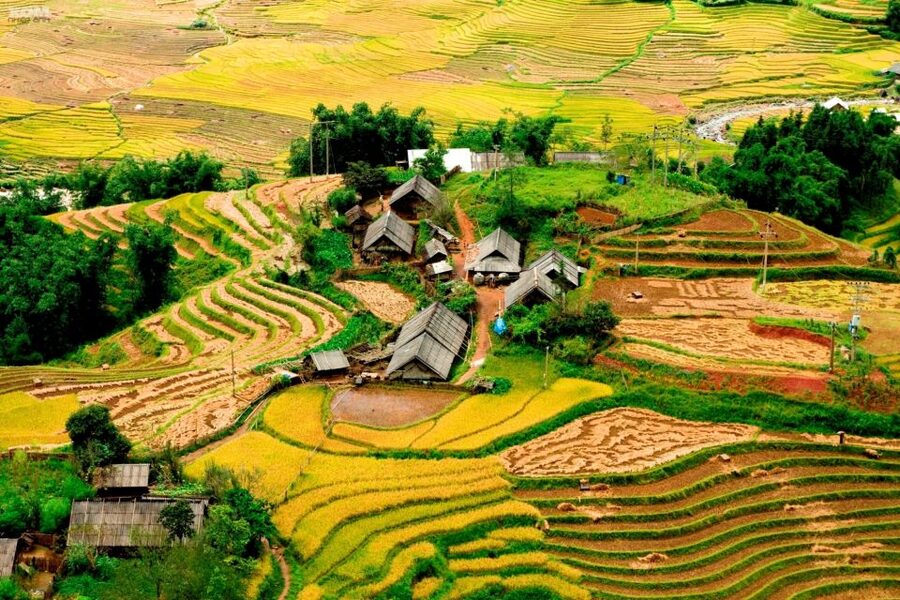
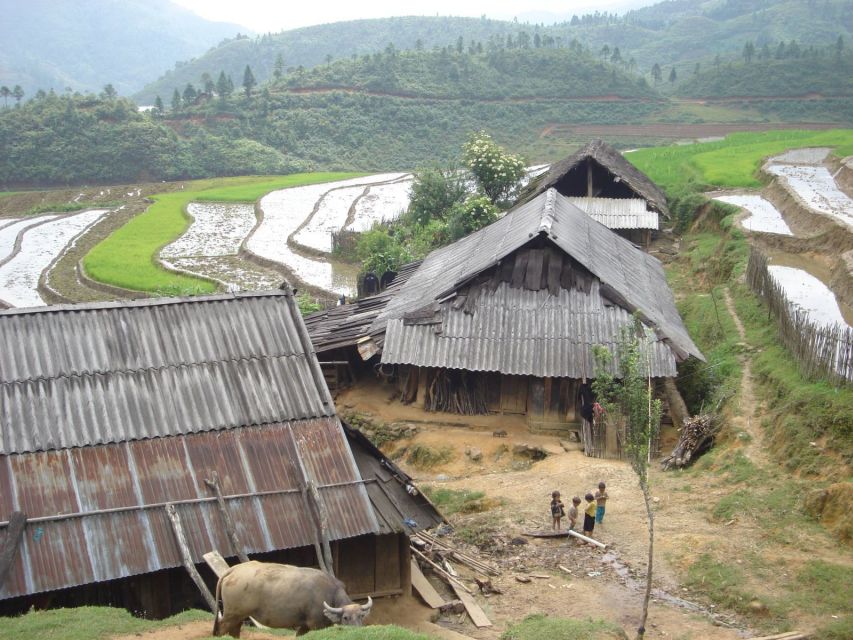
Day 2 is where the trip becomes a true mountain hike. You start with breakfast, check out, and head into Muong Hoa Valley, which sits in the Hoang Lien Son mountain range. The morning routing begins by walking south on the main road for about an hour, then turning onto a footpath downhill toward the valley.
That switch, road to trail, is the moment you feel the “medium trek” label. The terrain changes. Your steps get slower. The scenery starts showing rice terrace shapes and valley depth that you do not get from Sapa town alone.
The suspension bridge and Y Linh Ho village
You cross the river on a suspension bridge to reach Y Linh Ho village. This is one of those travel details that is easy to skip past in a brochure, but it is a great pause point in real life. Crossing by foot makes the valley feel close and real, and it breaks up the hike so it never becomes one long line of effort.
At Y Linh Ho, you can visit some H’mong families, then watch daily work as part of village life. Lunch is included here, which helps a lot since you are on a day with multiple village stops.
Lao Chai, then the Zay community of Ta Van for your homestay night
After lunch, you follow the trail through hills for about 2 hours until you reach Lao Chai. From there, the route follows the river bank down to Ta Van, a village of the Zay people.
In Ta Van, you visit local homes and settle into the evening in a homestay. This is where the trip becomes more than sightseeing. You are not just passing through. You are part of someone’s rhythm for a night.
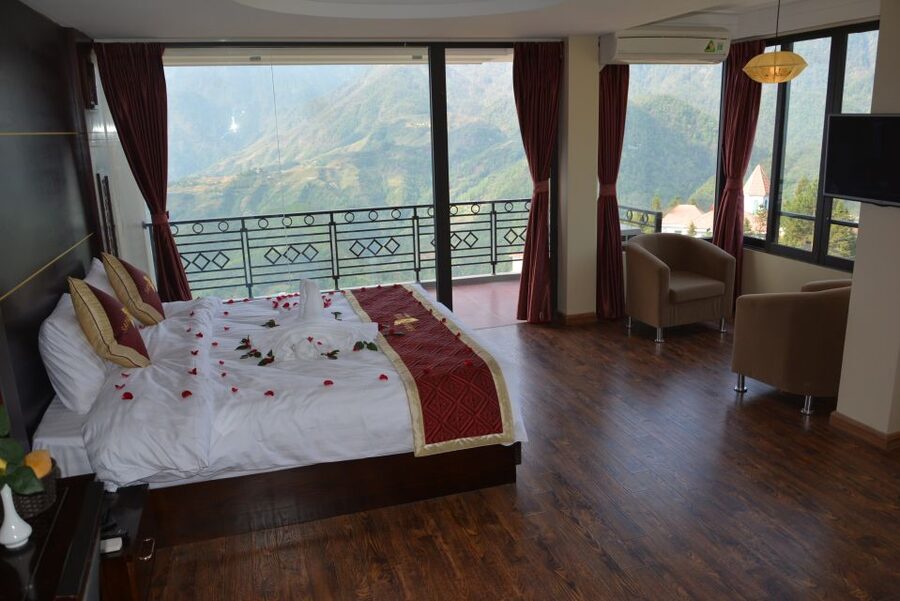
What to know about the homestay side of Day 2: facilities vary. The trip notes that homestays are not the same as Sapa hotels, and one past experience included very rustic conditions, like shared sleeping spaces with limited privacy and shared bathroom access for larger groups. That does not mean it is bad. It means you should set expectations and bring your comfort aids, like a headlamp, a spare layer, and earplugs if you are a light sleeper.
Also, homestays can be genuinely friendly. I saw examples of people cooking a meal with their hosts, and hosts who welcome you like family. If you go with a flexible attitude, the night often turns into one of your most memorable parts of the whole trip.
More Hanoi tours and experiences for the shortlist
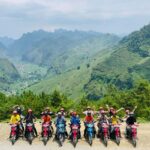

Day 3: Rice terraces, bamboo forest, and Giang Ta Chai waterfall time
Day 3 starts from Ta Van after breakfast. The route goes uphill, passing terraced rice fields and small hamlets of the H’mong before entering a bamboo forest. This is another “you feel the effort” day, but the itinerary builds in stops so you are not hiking the whole time without a break.
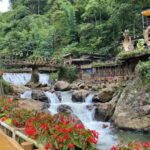
Eventually, you reach a waterfall. You relax there before continuing for about 30 minutes to Giang Ta Chai village, home of the Red Zao people. This day’s design works well because you get both cultivated views (terraces) and a more shaded, forested segment (bamboo), then end with a village visit.
Lunch is served nearby the village, and then you get time to relax and prepare before heading back to Hanoi. The limousine pickup is at 2:00pm, and the drive takes five to six hours, depending on traffic. You typically arrive in Hanoi around 8:30 to 9:30pm.
If you are sensitive to cold, keep in mind that altitude and weather can change fast. Sapa can be foggy in December, January, February, and March, so if visibility looks low in the morning, do not panic. Go slow, keep warm, and trust that conditions can shift later in the day.
Guides, pace, and the real value of local guidance
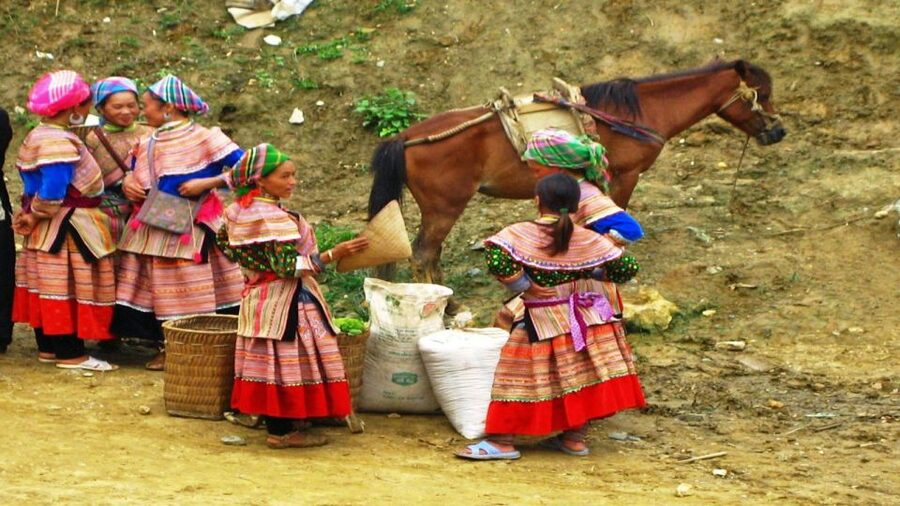
This trip is built around an English-speaking local tour guide. Names that came up in this experience include Jo, Ai, and May, and a support person named Nam. That matters because on this kind of route, the guide is not just logistics. They translate what you are seeing, choose paths that fit your group’s hiking ability, and keep your timing realistic.
Several guide comments also point to good pacing and day planning, including knowing when you will arrive at key points, when meals happen, and when bags are moved or dropped. That helps you enjoy the valley instead of constantly checking your watch and wondering what happens next.
I also appreciate the way a good guide can handle group energy. On longer valley days, small differences in pace can become big differences in stress. The trip is labeled medium, so you should be ready to hike, but it is also designed so a skilled guide can offer options if needed.
The money-selling caution on the trail: what to do in practice
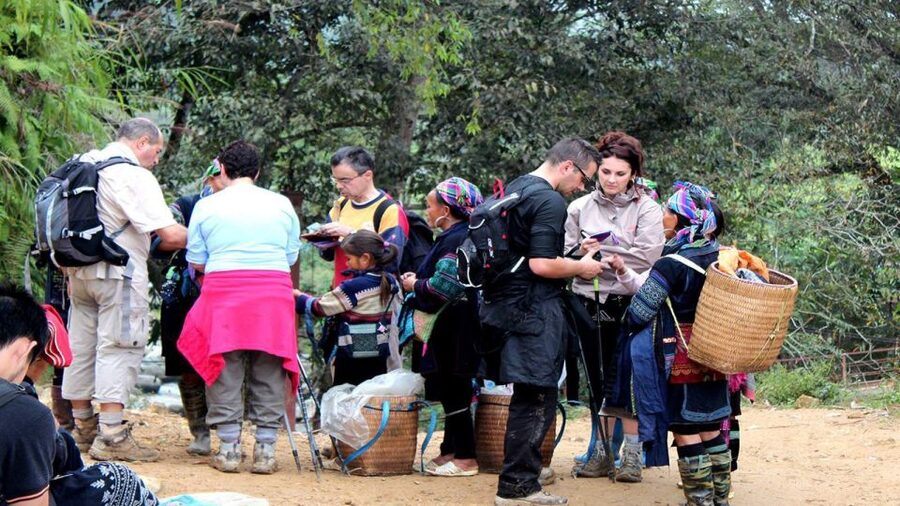
One of the most important practical notes is included for a reason. During the trek, local ethnic people may try to accompany you in order to ask for money or sell local items at high prices. The provided guidance is clear: ignore them and stick to the guide.
In real life, this is easiest when you do two things. First, stay oriented to your guide at all times. Second, do not break off to browse items or chat with extra entourage members, even if they seem friendly. Keep your focus on the trail and the planned village stops.
It is not about being rude. It is about protecting your time and your budget, and it keeps the group safer and less chaotic.
Weather and packing: how to stay comfortable in Sapa’s cold fog days
Sapa is unpredictable. The trip notes it is normally cold from September to March, and it can be foggy in December to March. You should pack for chill and damp, even if Hanoi feels mild when you leave.
Bring:
- Warm clothes, plus a scarf and a hat or cap
- Trekking shoes or sturdy comfortable shoes
- Sunglasses (fog or glare can still happen)
- Sun cream
- Insect repellent
- Medicine in case of illness
Also bring cash. The trip advises bringing Vietnam Dong because banking in Sapa can be unreliable. US dollars, euros, and Australian dollars are accepted in Sapa, but do not assume every place can change every currency smoothly.
Price and value at about $165 per person
At $165 per person, the value is strongest if you want the whole package, not just a hike. You are paying for round-trip modern limousine transport from Hanoi, guided village treks, meals, entrance tickets, and two nights of accommodation (in an option mix that can include a homestay night first or second night depending on circumstances).
Here is why that math can work:
- Transport is usually the pain point in northern Vietnam. Getting it included saves time and planning stress.
- Food is handled. You get 2 dinners, 3 lunches, and 2 breakfasts, so you are not hunting for meals after trekking.
- You also get access and organization, including site entrance tickets and a local English guide.
The main value tradeoff is comfort consistency. Hotels in town are easier than homestays, and homestay conditions can be very rustic. If you need privacy or quiet, you may feel the cost more than the inclusions. But if you can handle basic conditions and you want authenticity, the structure is a good deal.
Who this Sapa trek fits best, and who should reconsider
This trip is marked as not suitable for people with mobility impairments. It also says the 9-kilometer trek is not recommended for older guests or children. That is a helpful filter, because “medium” can mean different things to different people.
Best fit:
- Adults who are comfortable hiking and walking on mixed terrain
- First-time Sapa visitors who want more than town highlights
- People who enjoy village culture and want a homestay night
- Travelers who like planning that is guided, paced, and meal-supported
Consider a different option if:
- You need a hotel-standard bed and bathroom every night
- You dislike shared sleeping spaces or limited privacy
- You get stressed by schedule confusion and transport communication gaps
Should you book this Sapa 3-day medium trek and limousine trip?
I would book it if you want a guided, structured way to see Muong Hoa Valley and multiple ethnic villages without building your own route from scratch. The included meals, transport, and English guide make this efficient for a short stay. The homestay night can be one of the most human, memorable parts, especially when hosts welcome you warmly.
I would hesitate if you cannot handle rustic accommodations, cold fog weather, or a hike that adds up over the three days. Also, if you are the type who needs exact timing and total clarity at every restroom stop, know that communication on the Hanoi-Sapa drive has not always been perfect.
If you decide to go, do it with the right mindset: bring warm layers, keep close to your guide during the trek, and expect the authentic bits to feel real, not staged.
FAQ
How long is the overall trek on this Sapa tour?
The tour includes a 9-kilometer trek, and it is not recommended for older guests or children.
What time is pickup in Hanoi, and when do you return?
Pickup from your Hanoi hotel in the Old Quarter is around 6:30 to 7:00am. On the last day, the limousine picks you up at 2:00pm and arrives back in Hanoi around 8:30 to 9:30pm.
Where do you stay overnight during the 3 days?
You have 2 nights accommodation. You may stay overnight at a homestay for the first night or on the second night depending on circumstances, and homestay facilities are not the same as Sapa hotels.
What meals are included?
The package includes 2 dinners, 3 lunches, and 2 breakfasts. Beverages are not included.
Is the guide English-speaking?
Yes. The tour includes an English-speaking local tour guide.
What should I bring for weather in Sapa?
Bring warm clothes including a scarf and hat or cap. The tour also recommends trekking shoes, sunglasses, sun cream, insect repellent, and medicine in case of illness.
Will I need cash during the trip?
Yes. Bring cash in Vietnam Dong since the banking system in Sapa sometimes doesn’t function well. US dollars, euros, and Australian dollars are accepted in Sapa.
Are there any issues with extra people following the trek?
Yes. Ethnic people may try to accompany you to ask for money or sell items at high prices. The guidance is to ignore them and stick to the guide.
More 3-Day Experiences in Sa Pa
More Hiking & Trekking Tours in Sa Pa

More Tour Reviews in Sa Pa
Not for you? Here's more nearby things to do in Sa Pa we have reviewed
More Hanoi City Tours to consider.
 ★ 5.0Hanoi Jeep Tour: Food, Culture and Fun by Vietnam Army JeepTickets from $5515,222 traveller reviews
 ★ 5.0Full-Day Ninh Binh Highlights Tour from HanoiTickets from $797,761 traveller reviews
 ★ 4.7Ha Long Bay Day Cruise – Swimming, Meal, KayakingTickets from $417,415 traveller reviews
 ★ 4.6Water Puppet Show TicketsTickets from $77,029 traveller reviews
 ★ 5.0Hanoi Motorbike Tour: Food, Culture and Fun by Vintage MotorbikeTickets from $556,699 traveller reviews
 ★ 4.9Guided Food Tour with Train Street VisitTickets from $196,239 traveller reviews
 ★ 5.0Hanoi Cooking Class: Culture, Local Market & Meaning CSR ImpactTickets from $395,147 traveller reviews
 ★ 5.05 Traditional Dishes Hanoi Cooking Class with Market TripTickets from $354,890 traveller reviews
More useful Hanoi routes