
Review · SAPA TREKKING TOURS
2 Night Lao Chai-Ta Van Homestay- Trekking & Fansipan Visit
A mountain valley, two village stays, and real people time.
This 2-night Sapa trip pairs Muong Hoa valley trekking with an ethnic home experience, then you can top it off with an optional Fansipan cable car visit.
I like how the days are paced around village life, rice terraces, and the stream you keep crossing and following, instead of doing only viewpoints.
What I like most is the two homestay change of scenery: Lao Chai San (Black Hmong) one night, then Ta Van village the next, with different routines and food from each household.
Second, I really value the guide-led cultural side, including time to learn about everyday life and local customs, with some group leaders calling out the H’Mong and Day connections clearly, like the helpful guide Soa.
One drawback to keep in mind is that the trekking effort and details can vary by group setup. Some departures have felt less exact than advertised, with slower walking times, extra carrying of bags, or needing to pay for water, so you will want to confirm trek level and basics with your operator before you start.
Key highlights to know before you go
- Two homestays, two ethnic styles in Lao Chai San and Ta Van, so you see more than one village routine
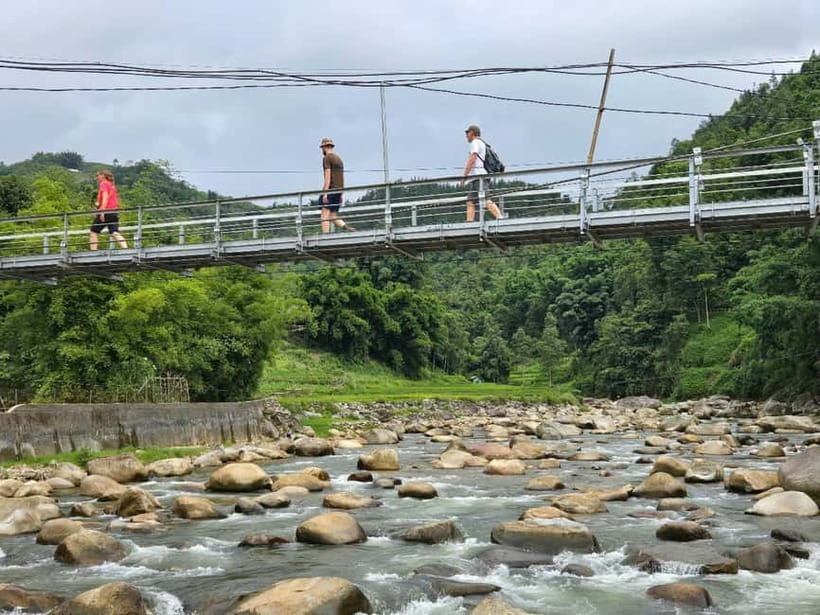
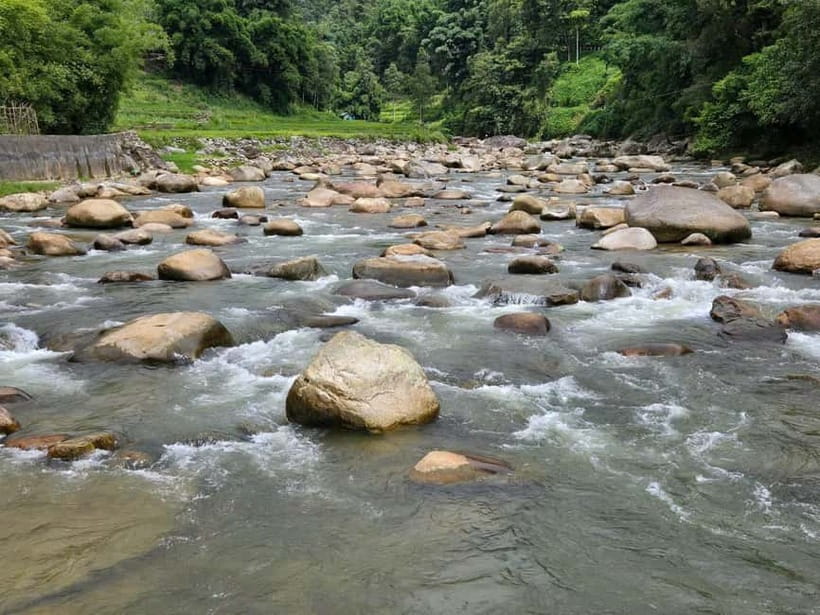
- Muong Hoa valley trekking route with rice terraces, the stream, and suspension bridges that keep the route interesting
- Meals are included and structured across lunches, dinners, and breakfasts (with a picnic lunch on Day 2)
- English-speaking support with an English guide in Sapa, and some guides like Soa are especially strong on explanations
- Fansipan is optional by cable car, so you can choose cable convenience or skip it to focus on trekking
Why Muong Hoa valley trekking plus two homestays feels special
Sapa has plenty of “see the view, take the photo, move on” tours. This one aims for something more lived-in. You spend real time walking through the Muong Hoa valley scenes, then you sleep in village homes where meals and conversation are part of the day.
The two-stay format matters. Lao Chai San and Ta Van are close, but the feel is different. You are not repeating the same homestay routine twice, so you get more variety in how people live, cook, and spend the evening. It also gives you a better feel for village rhythms, from morning breakfasts to a quieter night after trekking.
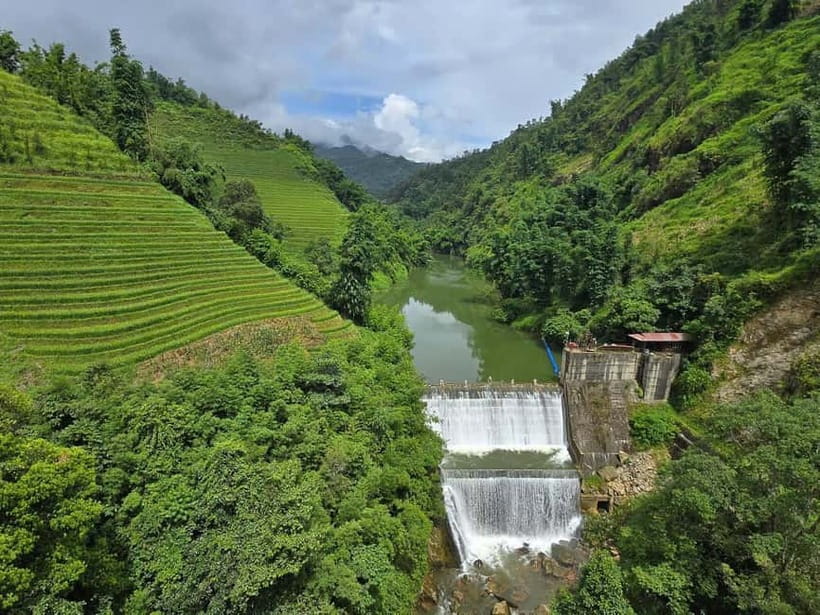
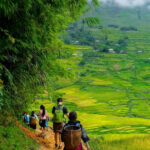
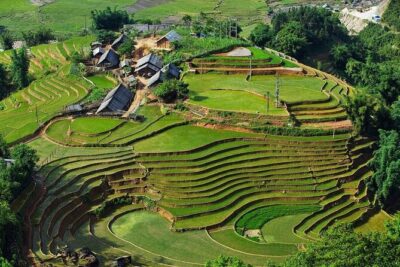
The trekking itself is tied to the valley’s layout: rice terraces, a lot of walking along the Muong Hoa Stream, and suspension bridges that change what you see and how often you get that “wait, look at that” moment.
You can also read our reviews of more evening experiences in Sa Pa
Hanoi to Sapa by limousine bus: fast, but not always restful
You start the day early. You meet around 204 Tran Quang Khai, then board a limousine bus to Sapa with multiple short breaks along the way, and complimentary bottled water on board.
The big plus is convenience. This is direct, organized transport with an English-speaking guide in the mix. The time listed is about 5.5 hours driving, which is a solid way to start without spending your morning guessing transit connections.
The practical downside is comfort. If you are tall or you need a real sleep, plan for it. One experience description mentioned the sleeper buses can feel tight for someone around 1.85 m, so bring a neck pillow if you use one, and expect “rest” more than “sleep.”
Day 1: From Y Linh Ho to Lao Chai San, Black Hmong village nights
Day 1 builds the trip around a long trek into Lao Chai San, a Black Hmong village. After lunch in Sapa (around the early afternoon), the trek starts from Y Linh Ho.
What you should expect on the walk:
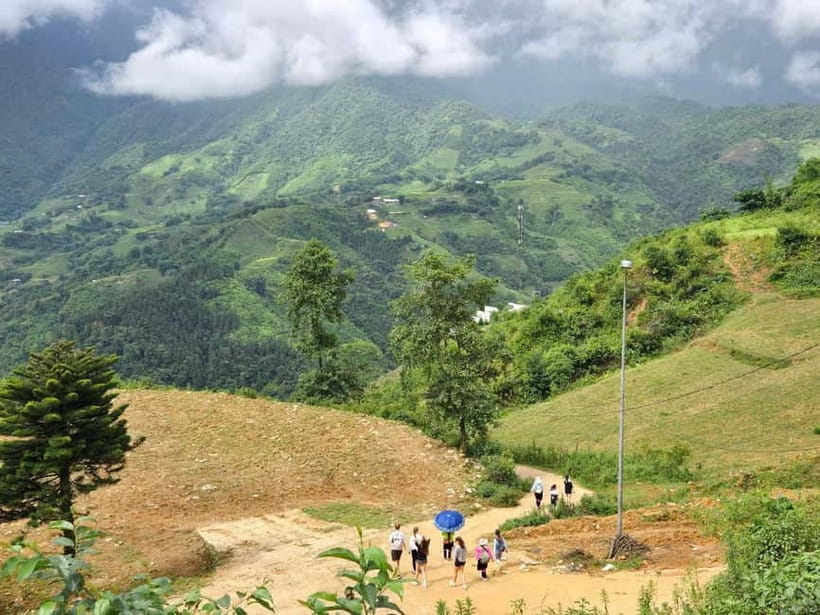
- Rice terraces and open valley views as you move through the farming slopes
- A path that follows the Muong Hoa Stream for much of the route
- Passing a suspension bridge with waterfall scenery nearby
- A climb to the hill area where you check into the homestay
Once you arrive, the day turns into the homestay portion fast. You refresh, then you eat dinner with the host. If you want to join in cooking, the option is there.
Why this day is worth it: you are trekking into a village community rather than doing just a short “walk to a lookout.” It also sets up a satisfying contrast, from effort in the afternoon to a calmer mountain evening after dinner.
Day 2: Muong Hoa valley trekking to Ta Van, plus picnic lunch and stream time
Day 2 starts early with breakfast at the homestay. The tour includes pancake with honey and fruit as part of that morning meal.
From there, your guide leads a trek with a focus on the valley scenes: terraces, the stream, and chances to meet local people. You get a picnic lunch prepared by your guide, and the idea is that you stop in a scenic place, eat, and keep your energy for the afternoon.
Timing wise, the walk is planned so you reach Ta Van village about 15:00. After arrival, you are not forced into more nonstop activity. You can rest and even swim in the nearby stream if conditions allow and you are comfortable with it, then relax at the homestay and watch the mountain views from there.
Dinner is cooked by the host again, so you get another round of home-style food. This is where a lot of value comes from. It is not only about the scenery, it is about seeing what a meal looks like when you are living in their daily rhythm for a night.
A consideration for Day 2: some people have described that breakfast timing and walking duration did not match expectations on certain days. If you care a lot about a more intense hiking schedule, confirm your expected pace and start time ahead of booking, and ask how the operator handles group changes.
Day 3: Ta Van morning trek, Giang Ta Chai suspension bridge, then back to Sapa and Hanoi
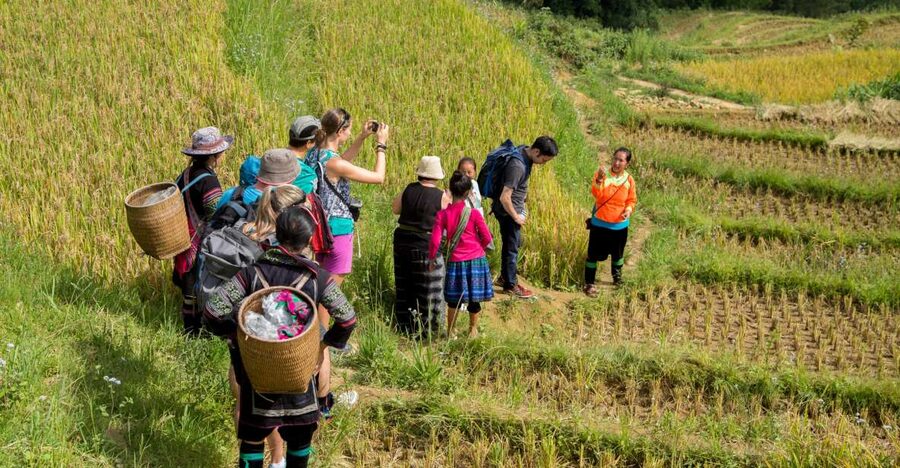
The last day keeps the “valley walking” theme but adds an early village-before-departure feel.
You get breakfast around 7:30. Then you trek again through rice paddies and a bamboo forest, with a panoramic look at Giang Ta Chai village along the way. One of the signature moments is crossing the Giang Ta Chai suspension bridge.
After the trek, a mini bus takes you back to Sapa for lunch and a shower. Then you continue on the limousine bus back to Hanoi.
You are scheduled to end back around 21:00 at the meeting point in Hanoi. From there, your hotel transfer is on you.
If you want Fansipan, this is also where the optional add-on usually fits, which can change your day a lot (more on that next).
You can also read our reviews of more hiking tours in Sa Pa




Fansipan by cable car: optional convenience, extra cost, and timing tradeoffs
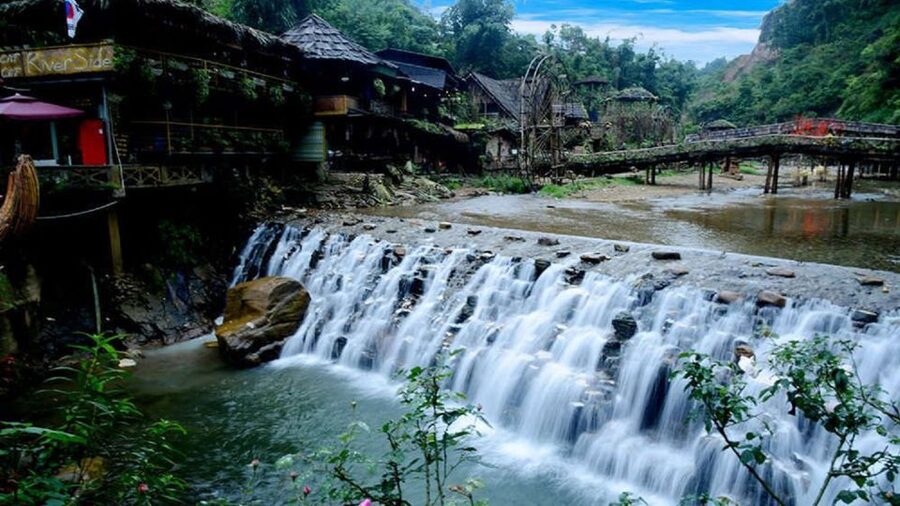
Fansipan is 3,143 meters. The tour offers it as an optional trip by cable car, with a car and guide taking you to the cable station after breakfast at Ta Van.
The cost is not included. The cable car round trip is listed at 850,000 VND per person. On the way back, you go to a restaurant for lunch, then you get ready to return to Hanoi.
So the tradeoff is simple:
- You gain a big-name peak visit with less uphill time
- You lose some trekking time and the village-focused feel of the day, depending on how your schedule lands
If you are mainly here for Muong Hoa valley walking and homestay life, you may decide to skip Fansipan. If you want the peak experience but still want a comfortable option, this cable car add-on can be a good way to check the box.
Homestay basics in Lao Chai and Ta Van, and what “single mattress” really means
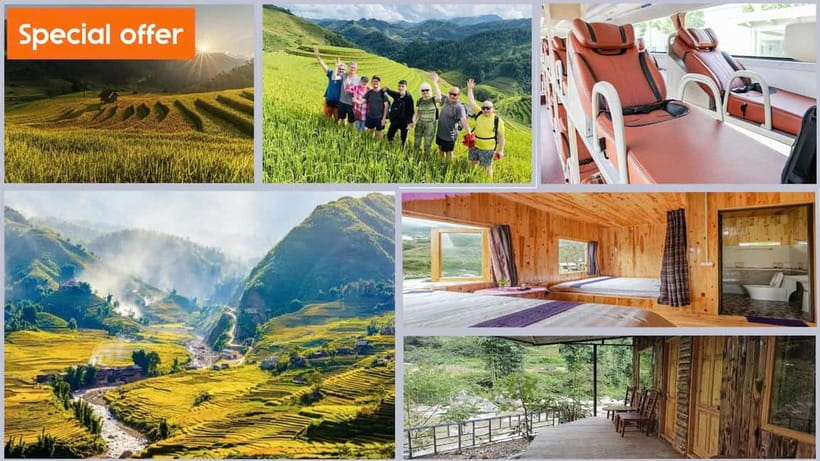
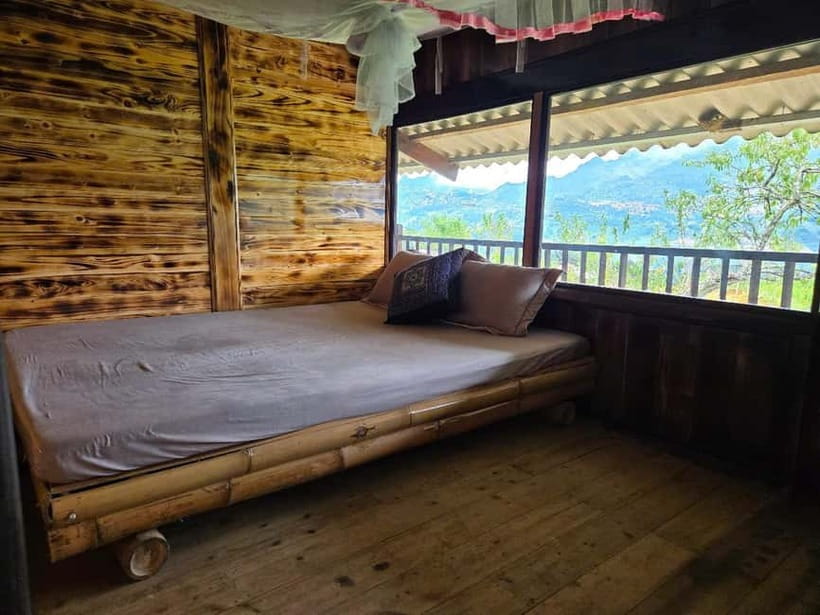
You are staying in homestays for two nights across Lao Chai San and Ta Van village. Accommodation is described as single mattress sleeping.
That matters for expectations. You should assume basic comfort, not a hotel bed. Bring small creature comforts if you use them, like a light layer for night air and a simple way to keep your essentials organized.
Meals are included across the program: 3 lunches, 2 dinners, and 2 breakfasts, plus a picnic lunch on Day 2. That is a big part of the value. In rural homestays, paying for meals separately can add up fast, and here it is built into the day.
Etiquette tip that helps a lot in homestays: be ready to be flexible. If the host invites you to join cooking or asks questions, lean in. It is the kind of interaction that turns a “tour” into an actual cultural exchange.
Guide-led culture in H’Mong and Day communities, with Soa as a standout
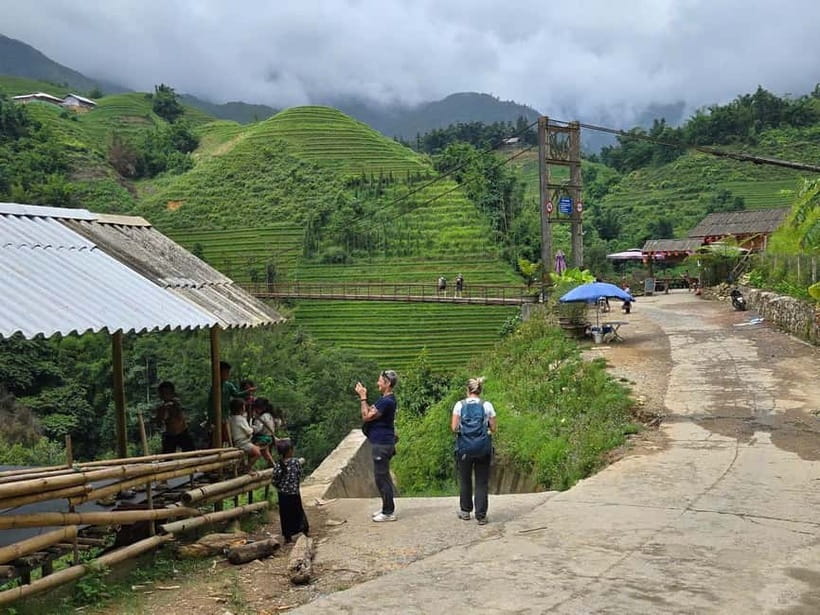
A key selling point is that you are not only walking. You have a guide in Sapa and the trip includes understanding culture and local food with that guide.
Some guide names show up in the experience descriptions, and Soa is specifically mentioned as very helpful and information-rich. That type of guide usually makes a huge difference because you can connect what you are seeing, like terrace farming and village layout, to the people behind it.
The best part of cultural explanation in a trip like this is that it is practical. When your guide can connect farming, daily life, and community roles to what you see at each stop, your photos stop feeling random. They become grounded in context.
If you care about culture, ask questions as you walk, not just at meals. The trekking route gives natural pauses, and those moments are when good guides can explain quickly without turning the day into a classroom.
Price and value: what $110 covers, and what can add up
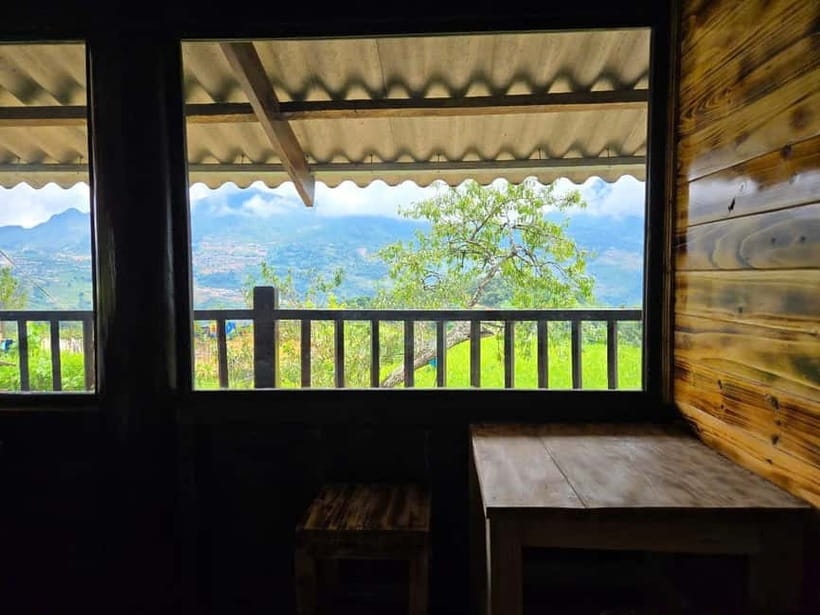
The price is $110 per person for the full 2-night program. For Northern Vietnam, that is relatively good value when you factor in what is included.
Included items:
- Round trip limousine bus Hanoi to Sapa and back
- Complimentary bottled water on the bus
- English-speaking guide support and Sapa transfers
- All meals listed across lunches, dinners, and breakfasts
- All entrance tickets
- Homestay accommodation as single mattress
- In-Sapa transfer by mini bus or car
Not included costs:
- Fansipan cable car (850,000 VND per person)
- Travel insurance
- Drinks during the trip
- Tips for guide and driver
- Personal expenses
- Holiday surcharges on specific dates, which you pay directly to the guide if your travel dates match
Where people feel the value can wobble is not the big cost, it is the small “operational” details. Drinks are not included, and some descriptions mention water being something you pay for or manage yourself. Also, trek expectations can vary by group setup.
So my practical take: the base cost looks fair if you go in with the right mindset. Plan to budget a bit of cash for water and snacks, and expect the trekking pace to follow the realities of group dynamics.
Trek pace, group logistics, and what to clarify before you go
This trip is not for everyone. The operator states it is not suitable for wheelchair users and not suitable for people with low level of fitness.
Based on the way trekking is described, you should be comfortable with:
- Long walking days through terraces and valley paths
- Hills and climbs, especially on Day 1
- Suspension bridge crossings and uneven ground
Logistics to clarify so you do not get surprised:
- Water and drinks: drinks are not included, and some experiences mention you may need to pay for water on the trek
- Bag handling: a couple of accounts describe having to carry big bags when expectations were different
- Trek level and walking time: some described a less sporty route than expected, with fewer hours of walking than anticipated
If you want a more “sporty trek,” ask before departure what your walking duration is expected to be and whether your group will be matched by pace. If you expect a more structured start time on Day 2, ask what time breakfast usually happens for your group.
Good planning beats disappointment. And it keeps you enjoying the day instead of tracking the clock.
What to bring for comfort and safety on these mountain days
Your packing list is straightforward in the tour notes, and I would treat it as minimum.
Bring:
- Passport or ID card
- Comfortable shoes (trekking shoes are recommended)
- Sunglasses and sun hat
- Warm clothes, scarf, hat, and cap
- Sun cream and insect repellent
Also bring some cash for small needs. You might want water or additional snacks during treks, especially because drinks are not included in the package.
A quick logic check: homestays are simple. Wear what you can layer up with, and keep your “nice outfit” for village photos, not for the long walk.
Who this trip suits best
This is a strong match if you want:
- Real homestay time in two Sapa villages
- A trek through the Muong Hoa valley with bridges, terraces, and stream scenes
- A guide who can explain village life, not just point at views
- Optional Fansipan convenience by cable car
It may be a tougher fit if:
- You get uncomfortable with long walks and climbs
- You need precise schedules down to the minute
- You expect a hotel-style room setup or fully private accommodation
- You are sensitive to “small operational differences,” like water availability or pace
Should you book this 2-night Lao Chai and Ta Van trekking homestay?
If you like the idea of being part of village life for two nights, this is the kind of trip that makes Sapa feel human. The two homestays are a smart design, and the combination of Muong Hoa trekking plus a cultural guide makes your days feel connected.
I would book it if you:
- Are comfortable walking on uneven mountain paths
- Want included meals and a structured plan
- Are willing to carry your essentials and plan for drinks not being part of the package
- Like learning from a guide, especially if you can ask questions during the walk, like the better explanatory guides named in past experiences
I would hesitate if you:
- Care about very specific walking duration and start times and want zero variation
- Need lots of “comfort first” details
- Are unsure about trekking fitness, since the trip is not aimed at low-fitness travelers
Bottom line: for $110, you are paying for transport, meals, and guided trekking with two village stays. If you go in flexible and practical, you get a memorable mix of valley walking and real cultural contact, not just a quick photo stop.
FAQ
What’s included in the $110 per person price?
The price includes the round trip limousine bus Hanoi to Sapa and back, complimentary bottled water on the bus, an English-speaking guide, all meals (3 lunches, 2 dinners, 2 breakfasts), all entrance tickets, homestay accommodation on a single mattress, and transfers in Sapa by mini bus or car.
Are private rooms available at the homestay?
Private rooms are not included. The accommodation is listed as a single mattress at the homestay.
Is Fansipan included, or is it optional?
Fansipan is optional. If you choose it, the cable car round trip cost is 850,000 VND per person, and you pay it directly as part of the add-on.
What time does the trip start in Hanoi?
You are asked to be ready at about 6:15 am at the meeting point around 204 Tran Quang Khai to board the limousine bus.
What should I bring for the trekking days?
Bring a passport or ID card, comfortable shoes (trekking shoes are recommended), sunglasses, a sun hat, warm clothes, and insect repellent. Sun cream and a scarf or cap are also recommended.
Is water included during the trek?
Drinks are not included in the trip listing. Some trip descriptions indicate water may not be provided during parts of the trek, so it is smart to plan for purchasing water while you are walking.
More Hiking & Trekking Tours in Sa Pa

More Evening Experiences in Sa Pa
More Tour Reviews in Sa Pa
Not for you? Here's more nearby things to do in Sa Pa we have reviewed
More Sapa Trekking Tours to consider.
 ★ 5.0Sapa 2 Days 1 Night From Hanoi – Overnight in Ta Van VillageTickets from $592,669 traveller reviews
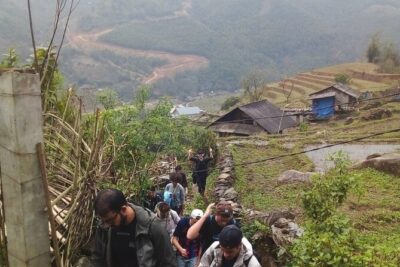 ★ 5.0Hanoi – Sapa 2 Days 1 Night Overnight At HomestayTickets from $89899 traveller reviews
 ★ 4.6Sa Pa: Muong Hoa Valley Trek and Local Ethnic VillagesTickets from $23864 traveller reviews
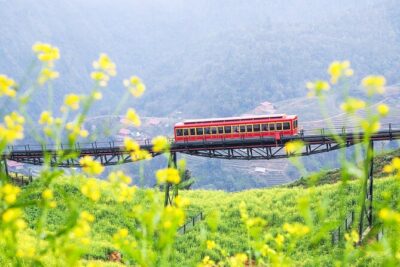 ★ 5.0Sapa: Fansipan Cable, Cat Cat Village & Moana Instagram TourTickets from $30777 traveller reviews
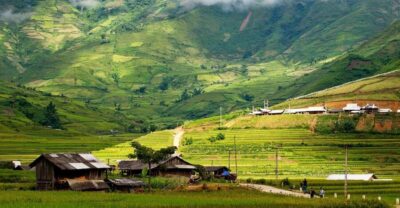 ★ 4.8From Hanoi: 2-Day Sapa Trekking Trip with Homestay & MealsTickets from $71704 traveller reviews
 ★ 5.0Sapa 3 Days 2 Nights Trekking Tour (1 Night In Ta Van Village, 1 Night In Hotel)Tickets from $139699 traveller reviews
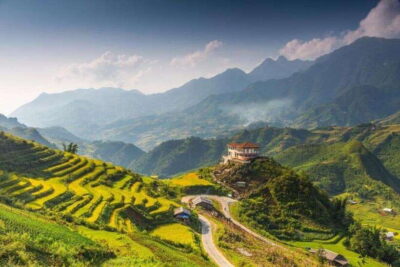 ★ 4.9Sapa: Eco Adventure Terrace Fields and Local Villages TrekTickets from $27636 traveller reviews
 ★ 5.03-Day Trekking Adventure of Sapa from Hanoi – Stay Ta Van VillageTickets from $109611 traveller reviews
More useful Hanoi routes