
Review · SAPA TREKKING TOURS
Sapa: 1-Day Trek to Mountain, Local Villages & Rice Terraces
Sapa’s mountain trails feel like a quick reset. I especially love the Dragon Jaw viewpoint at about 1,900 m, where you can take in Sapa town and the Muong Hoa rice valley, and maybe even spot Fansipang from the right weather window. I also like the human side of the day, from lunch in Hang Da to a stop at the Ban Bo village museum that helps you understand daily life beyond the scenery. One drawback to consider: this route can be moderate to challenging, with steep, sometimes slippery sections, so good grip shoes and warm layers matter.
You start around 9:00am near Sapa Center, either with hotel pickup or by meeting the guide at Sapa Church. Then you hike from corn fields up toward Dragon Jaw Mountain, continue along high trails through small bamboo areas and hills, and finish with village walking plus a museum visit before heading back to town.
If you like packing a lot into a short time, this is a strong pick. The mix of big views, village stops, and culture context makes the day feel purposeful instead of just a scenic walk, and the included lunch helps keep it good value at $24 per person.
Key Things That Make This Sapa Trek Worth Your Time
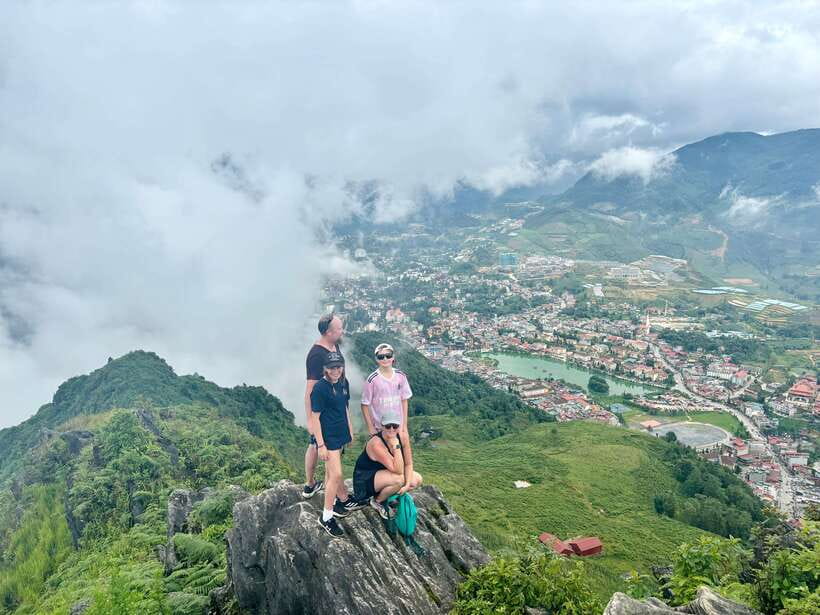
- Dragon Jaw Mountain viewpoint: big panorama of Sapa town and the Muong Hoa rice valley, with a chance to see Fansipang
- Hang Da lunch with Black H’mong dishes: a real break inside village life, not just a picnic stop
- Ban Bo village museum: a practical way to learn local customs and traditional clothing
- High trails in small forests and bamboo: cooler air, quieter footpaths, and that sea-of-clouds feeling if weather cooperates
- Guides who adjust to conditions: guides like Tung Jacob checked trek difficulty when it was raining
- You’ll be on real terrain: steep stretches and slippery slopes mean traction is not optional
Where This 1-Day Trek Fits In Your Sapa Plan
Sapa is small, but the hills around it are a whole different world. This trek is built for people who want a taste of the region’s mountain life without committing to a full multi-day hike. At about 6 hours, it’s long enough to feel like an outing, but short enough to still enjoy Sapa town afterward.
The day runs on a simple rhythm: hike up to a major viewpoint, walk village trails with photo and animal sightings along the way, then end with culture time at a museum. If you’re in Sapa for only a day (or you already plan to do one big day trip), this works well as your active, outdoorsy option.
You can also read our reviews of more hiking tours in Sa Pa

Morning Pickup Near Sapa Church or Your Hotel
You’ll be picked up around 9:00am if your hotel is in the Sapa Center area. If you haven’t booked a specific pickup, the guide meets you at Sapa Church, which is easy to find because it’s the main church in town.
Before you start trekking, the guide gives you a quick run-through of how the day will flow. This matters because conditions in Sapa can change quickly. You’ll get a clearer sense of what pace to expect and what clothing choices make the most sense.
Practical tip: if you’re using local taxis or motorbikes to reach the pickup point, aim to be early. In hilly areas, being five minutes late can feel like fifteen, because everything takes longer on winding roads.
Trek Start: Corn Farms, Quick Elevation, and Big Mountain Mood
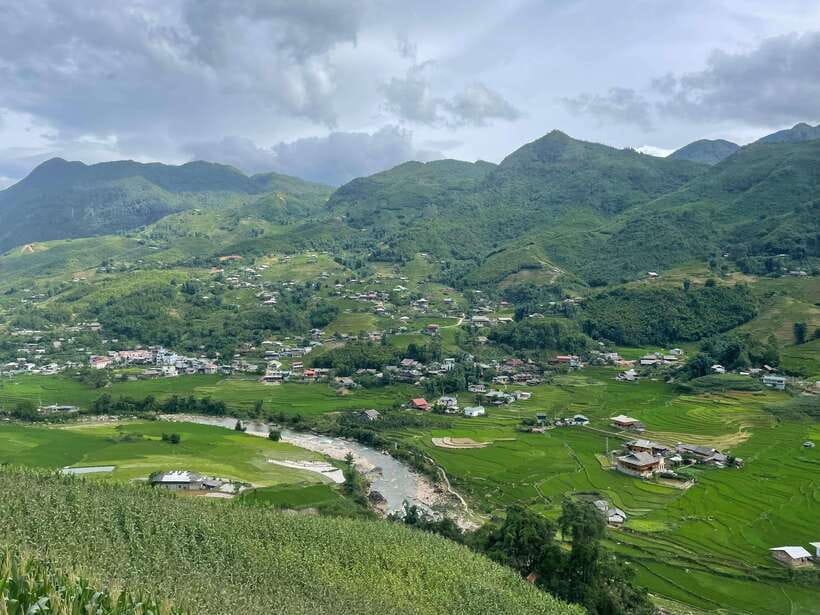
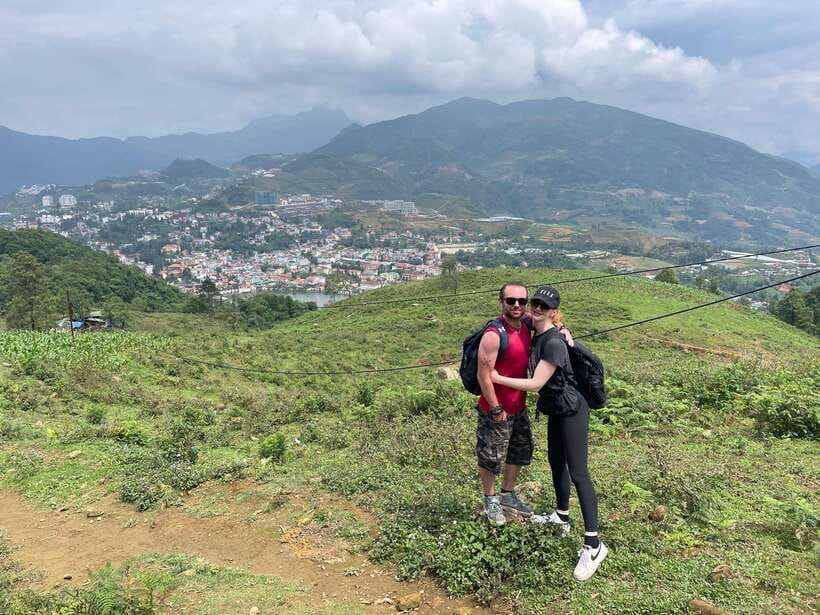
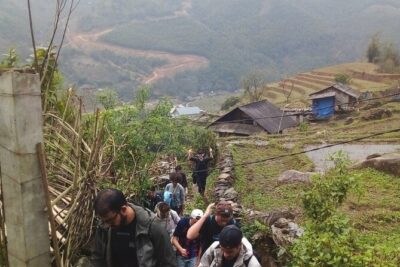
After pickup, you begin on a small trail hike through corn farm terrain as you move toward the mountains. That first stretch is a good warm-up, and it’s also where you start to feel the change in air as elevation rises.
From there, the hike heads toward Dragon Jaw Mountain, climbing to around 1,900 m above sea level. The timing is set so you reach the viewpoint after about 1.5 hours, which is ideal. You get your major scenery early, while daylight is still strong and the chances of atmospheric views are better.
This is also a great moment to set expectations. If the day is clear, you’ll likely get sharp views of the valley. If it’s cloudy or misty, you might still catch that dramatic “sea of clouds” look, which can be just as memorable.
Dragon Jaw Mountain: The Viewpoint That Makes the Day
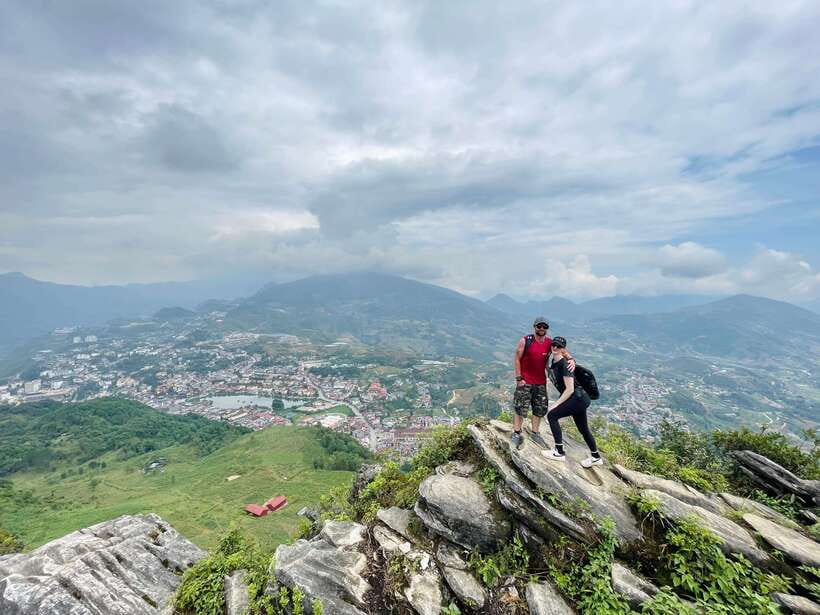
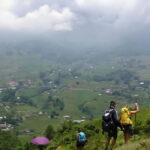
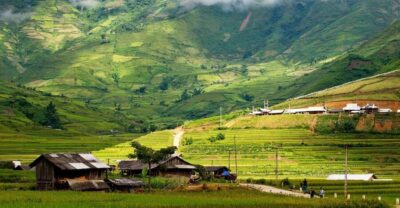
Dragon Jaw is the showpiece of this trek. From up there, you can see Sapa town and the Muong Hoa rice valley, one of the most scenic areas in northern Vietnam. And on a clear day, you can also see Fansipang, known as the highest mountain in Indochina, from this viewpoint.
The trail logic here is smart: you hike up, reach the view, take your photos, then head back down on paths that change scenery again and again. That means you’re not stuck with one viewpoint all morning, and you’re not racing to get your photos at the end.
What to do when you arrive: pause, look around slowly, and don’t rush your photos. The valley view can shift as clouds move. Even if the mountain doesn’t fully reveal itself, you’ll still get layers of hills and rice terrace shapes that look different with every few minutes of mist.
The High Trail: Forest Footpaths, Bamboo Sections, and Sea of Clouds
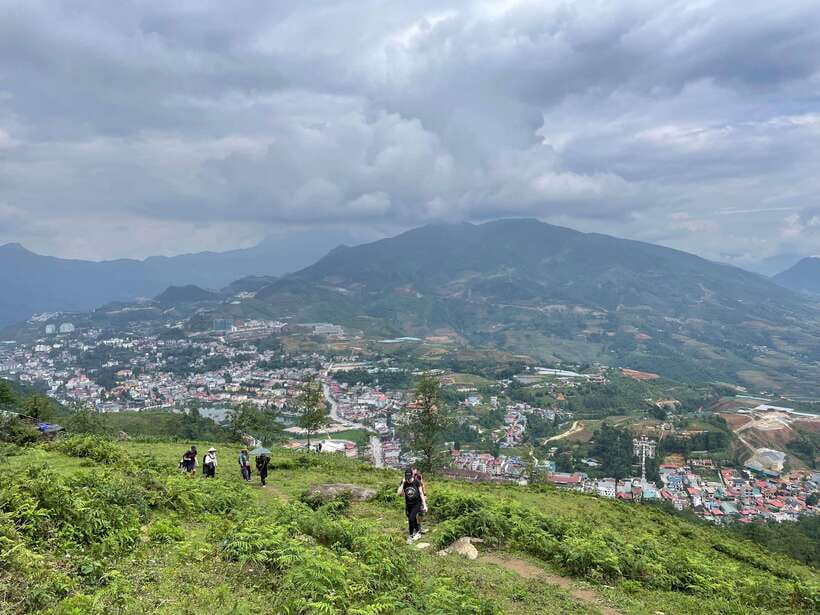
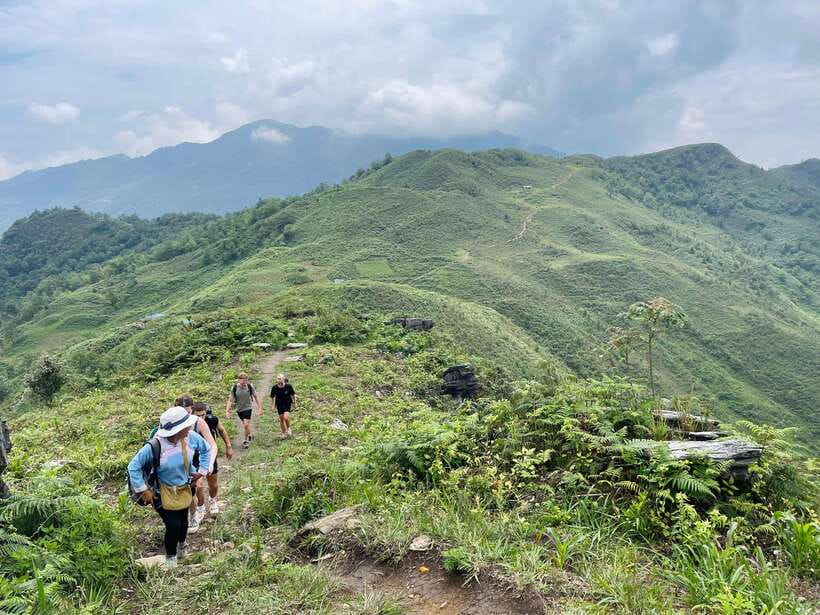
After the Dragon Jaw break, you continue walking on high trails that feel narrow and hidden in parts. You’ll go through small bamboo forests and hills, with enough variety to keep it interesting even when the slope gets steep.
One of the best things about this section is the sense of being away from the road. You’re not just walking through a village street. You’re trekking through terrain, and that makes the views feel earned.
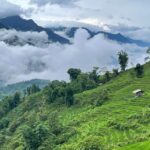
Weather can make this part of the day. When the skies cooperate, Sapa can deliver that classic cloud-hugging look. When it’s wet, expect slick footing, especially on slopes. Guides in similar conditions have emphasized the need for strong grip, so I’d treat good shoes as part of the tour gear, not an optional extra.
More Hanoi tours and experiences for the shortlist


Animal and Village Moments on the Descent
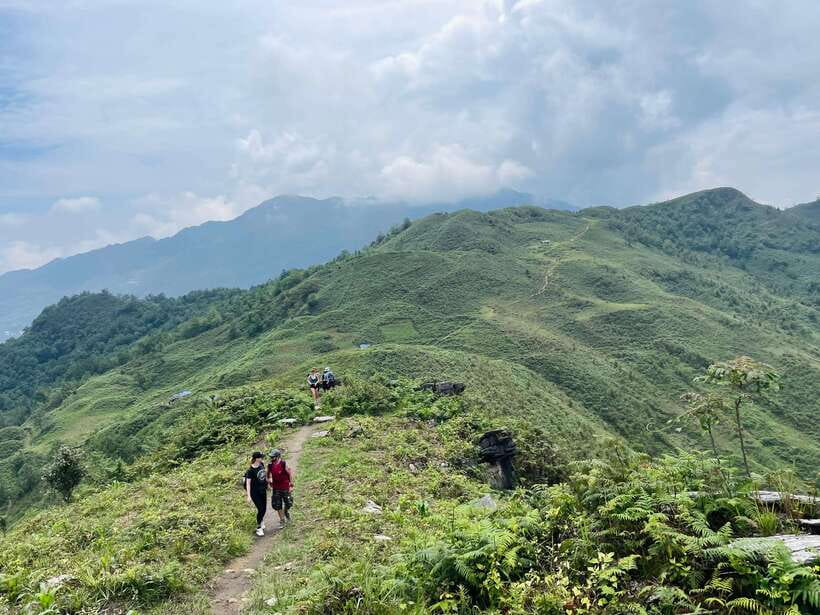
As you head down, the trek passes through working areas around the valleys. You might spot farm animals like buffalo, cows, horses, and pigs. Those sightings are one of the small joys of the route because they make the scenery feel real, not staged.
Then you reach Hang Da, a village of Black H’mong people. This is where the walk transitions from “viewpoint hike” into “village day,” with traditional homes and everyday life close by.
You’ll have a chance to walk through the village and see how people live, including the shape of traditional houses and how the community fits into the surrounding hills. This isn’t a performance stop, but it’s still a good place to slow down and observe.
Lunch in Hang Da: Local Food and a Needed Reset
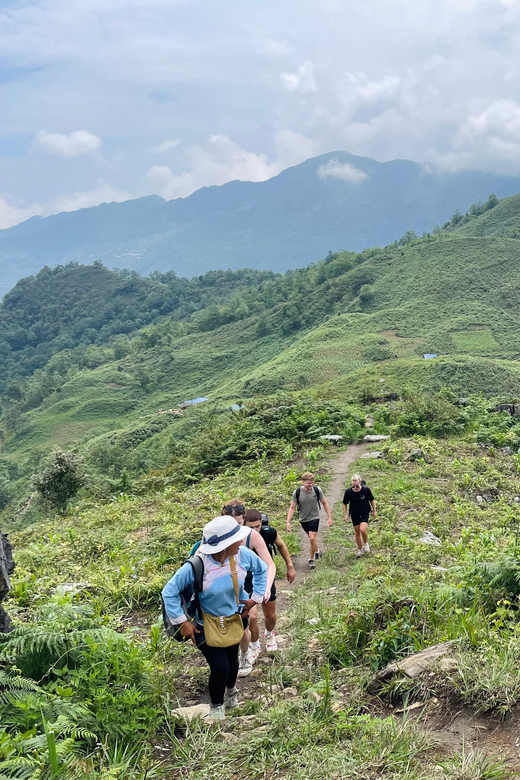
Lunch is included, served in Hang Da village, so you’re eating at the heart of the day rather than after a long slog. You’ll get local dishes, and one key detail worth knowing is that meals are often simple, not fancy. That’s usually a plus on a trek because it’s fueling food, not a gourmet detour.
You’ll have about 1 hour for lunch and a rest. Use that time wisely: drink water, warm up if it’s chilly, and ask your guide quick questions about what you’re seeing around you. This is one of the easiest parts of the day to connect dots between scenery and culture.
Diet notes: the day requires you to inform dietary restrictions in advance. If you have allergies or strict preferences, contact the tour operator ahead of time so they can plan.
Hau Chu Ngai and Beyond: Photo Stops That Change the View Again
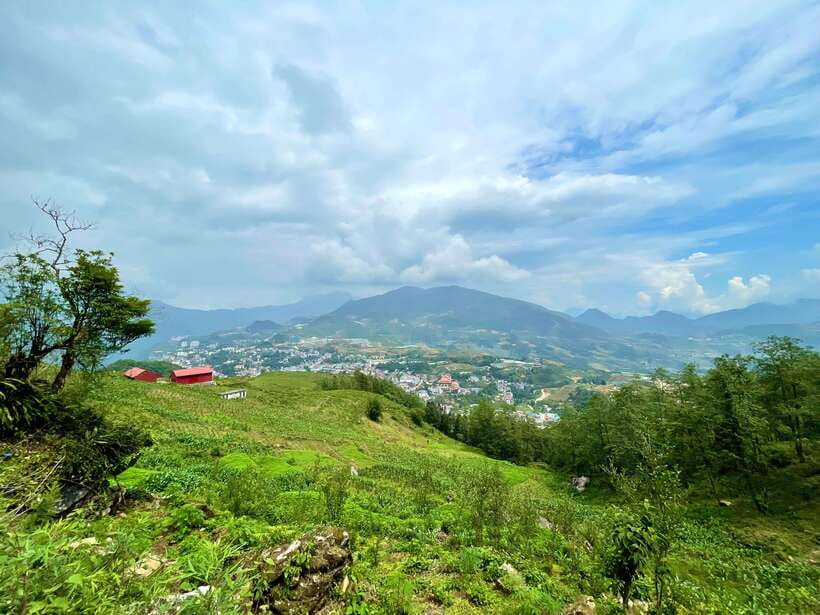
After Hang Da, the trek continues toward Hau Chu Ngai village with photo opportunities and short walks. This segment is described as having extremely scenic village roads plus short trail sections through bamboo. It’s the kind of walking where you can stop often without feeling like you’re constantly pausing.
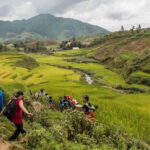
Next, you may pass through areas connected with Giang Ta Chai, with more photo stops and sightseeing along the way. These stops matter because the valley view keeps evolving. Even if you’ve already seen terraced fields from earlier angles, each new turn reveals a different pattern of slopes and rice paddies.
A useful mindset: think of these moments as “mini viewpoints,” not just photo breaks. A good guide will help you orient what you’re looking at, even if the scenery is partly hidden in mist.
Ban Bo Village Museum: Culture Learning Before You Head Back
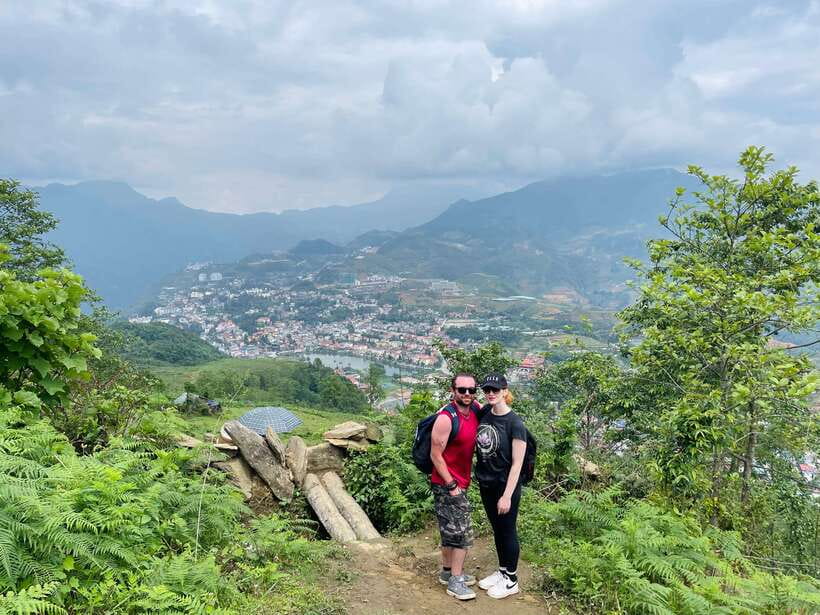
The final culture stop is at Ban Bo village, where you visit a museum. The guide explains local traditional clothing, customs, and local culture, which turns the day from scenic trekking into something more grounded.
This museum stop is valuable because it gives context to the village life you saw earlier. Without that, the day can feel like a sequence of photos. With context, it starts to feel like you’re learning how communities relate to the terrain and seasons.
After the museum visit, the trek ends and you take transport back to town or your accommodation. The timing is set so you’re not stuck late into the night, which is great if you want dinner and an easy evening in Sapa.
Guides and the Trek Difficulty Reality Check
The experience is strongly shaped by the guide. In the small number of past bookings, guides like Nhu, Tung Jacob, and Keyni stood out for being engaged and capable on the trail. Tung Jacob also checked trek difficulty based on rain and level preference, which is a smart way to handle Sapa weather.
Keyni was described as physically fit and patient, even when the route felt challenging. That’s a good sign if you want someone who can keep things moving without rushing you past your limits.
Now the important part: this trek can be steep and slippery. One traveler advice point was to have shoes with good grip because steep slopes can be slick. Another helpful detail from a similar experience is that a poncho may be available when asked, which can save your clothing and your mood if a shower hits.
If you have a heart condition, this is not suitable. The route is active and includes hilly terrain, so it’s not the right choice for anyone who needs a low-impact day.
Value for $24: What You’re Actually Getting
At around $24 per person, this tour prices as a budget-friendly way to combine trekking, transport, food, and guide support. What makes it good value is the mix of included items:
- Professional English-speaking guide
- Lunch
- Entrance fees
- Transport back to Sapa town or your accommodation
- Bottle water
When you price that combination against the cost of hiring a guide just for trekking, plus paying for entry fees and meals separately, this starts to look like one of the more efficient ways to do a cultural hike in the Sapa area.
The main thing you pay for yourself is personal gear and any extras beyond the included meal and water, plus travel insurance, which isn’t included.
What to Bring So the Day Feels Fun, Not Frazzled
Sapa weather shifts, even on short timeframes. Plan around warm layers and rain readiness.
Bring:
- Comfortable shoes with good grip
- Warm clothing
- Hiking shoes if you have them
- Camera
- A way to keep dry if it rains (a poncho may be available when asked)
If you’re tempted to wear casual sneakers, don’t. Steep, slippery slopes are part of the reality of this trek, and traction affects safety more than it affects comfort.
Who This Trek Suits Best
This is a good fit if you want:
- Views of Sapa and Muong Hoa with a realistic chance to see Fansipang
- A village day that includes a lunch stop and a museum for context
- A guided hike around 6 hours that still feels like it left town
It’s not a great fit if you need wheelchair access or if you have heart problems. The route’s active walking and uneven footing are not designed for mobility aids.
Should You Book This Sapa 1-Day Trek?
Book it if you want a practical, high-reward day: big viewpoints early, village life in the middle, and culture context at the end. The included lunch, guide, entrance fees, and transport make it a solid value, especially at $24.
Skip it, or choose a gentler alternative, if you’re not comfortable with steep or slippery sections. This trek can be physically demanding, and good shoes and warm clothing are not “nice to have,” they’re the difference between a fun day and a stressful one.
If your priority is scenic trekking plus a real chance to learn something while you’re there, this is the kind of Sapa day that leaves you with more than just photos.
FAQ
What time does the tour start?
The tour starts around 9:00am, with pickup around Sapa Center or meeting at Sapa Church.
Where do I meet the guide if I do not have hotel pickup?
You can meet the guide in front of the main church in central Sapa, Sapa Church.
How long is the trek?
The full experience lasts about 6 hours.
What parts of the day include walking and sightseeing?
You’ll hike to Dragon Jaw Mountain for sightseeing, walk through high trails and village areas, stop for photos along the way, and finish with a museum visit in Ban Bo village.
Is lunch included?
Yes. Lunch is included during the stop in Hang Da village.
Are entrance fees included?
Yes. Entrance fees are included.
Is the guide available in English?
Yes. The tour includes an English-speaking guide.
What is Dragon Jaw Mountain, and what can I see there?
Dragon Jaw is a viewpoint at about 1,900m above sea level. From there, you can see Sapa town and the Muong Hoa rice valley, and you may be able to see Fansipang on clear weather.
What should I bring for the trek?
Bring comfortable shoes or hiking shoes, warm clothing, and a camera. Good grip footwear is especially important for steep or slippery slopes.
Who should not take this trek?
It is not suitable for people with heart problems or wheelchair users.
More 1-Day Tours in Sa Pa
More Hiking & Trekking Tours in Sa Pa

More Tour Reviews in Sa Pa
Not for you? Here's more nearby things to do in Sa Pa we have reviewed
More Sapa Trekking Tours to consider.
 ★ 5.0Sapa 2 Days 1 Night From Hanoi – Overnight in Ta Van VillageTickets from $592,669 traveller reviews
 ★ 5.0Hanoi – Sapa 2 Days 1 Night Overnight At HomestayTickets from $89899 traveller reviews
 ★ 4.6Sa Pa: Muong Hoa Valley Trek and Local Ethnic VillagesTickets from $23864 traveller reviews
 ★ 5.0Sapa: Fansipan Cable, Cat Cat Village & Moana Instagram TourTickets from $30777 traveller reviews
 ★ 4.8From Hanoi: 2-Day Sapa Trekking Trip with Homestay & MealsTickets from $71704 traveller reviews
 ★ 5.0Sapa 3 Days 2 Nights Trekking Tour (1 Night In Ta Van Village, 1 Night In Hotel)Tickets from $139699 traveller reviews
 ★ 4.9Sapa: Eco Adventure Terrace Fields and Local Villages TrekTickets from $27636 traveller reviews
 ★ 5.03-Day Trekking Adventure of Sapa from Hanoi – Stay Ta Van VillageTickets from $109611 traveller reviews
More useful Hanoi routes