
Review · SAPA TREKKING TOURS
Sapa: Private trek to Muong Hoa Valley
Rice terraces and village life, in one half day. This private hike into Muong Hoa Valley feels grounded and real, starting on foot from Sa Pa town and winding through Black Hmong villages before you reach Lao Chai. I love the Lao Chai rice terrace views, and I also love how the Ta Van stop turns into a hands-on look at weaving and dyeing. The one drawback is simple: it is about 12 km, and during May to September the trail can get slippery, so footwear matters.
You’ll go with an English-speaking guide and a private vehicle waiting at the end, which makes the day feel smooth even when the paths get steep. The tour is not for everyone, but it is a strong match if you want mountain scenery plus daily ethnic life without rushing. One more note, this is for active walkers, not a casual stroll.
Key highlights worth getting excited about
- Lao Chai rice terraces, with big-photo views that you actually have time to take in
- Black Hmong village walking, where costumes and everyday routines are part of the story
- Ta Van weaving and coloring, including a visit to local houses and craft work
- Lunch included, served near the river bank or at a local restaurant
- Route adjustments when paths are steep or slippery, a detail that keeps the hike comfortable
- Private pickup and drop-off in Sapa town, plus water during the trek
Why Muong Hoa Valley feels more local than the usual Sapa circuit
Sapa gets busy, but Muong Hoa Valley works differently. You walk through villages where life keeps moving, so your “tour” time overlaps with real routines, not just photo stops. The valley is famous for rice terraces, yet what makes this trek special is that you meet the people who live around them.
I like that the day is built around villages you can actually reach on foot, Lao Chai first, then Ta Van. You’re not just looking from a distance. You’re moving through the rhythms of the countryside, hearing how customs show up in daily dress and work.
The setting also keeps the hike from feeling monotonous. One stretch is about valley views, another is about village interaction, and the craft-focused part gives you a break from pure walking.
You can also read our reviews of more private tours in Sa Pa
Getting started in Sapa, then walking into Black Hmong country
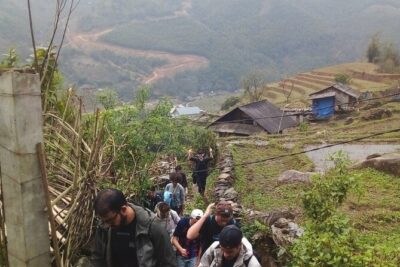
The day begins in Sa Pa town, and the trek starts from there on foot. You head toward Muong Hoa Valley, and the walking route takes you through villages of the Black Hmong tribe. This is one of the key reasons I think this tour is worth it, you get meaningful contact with daily life as you go, not just at the end.
Along the way, your English-speaking guide helps connect what you see to how people live. That can include simple but useful context around household life, traditional clothing, and how the terraces and paths shape everyday movement.
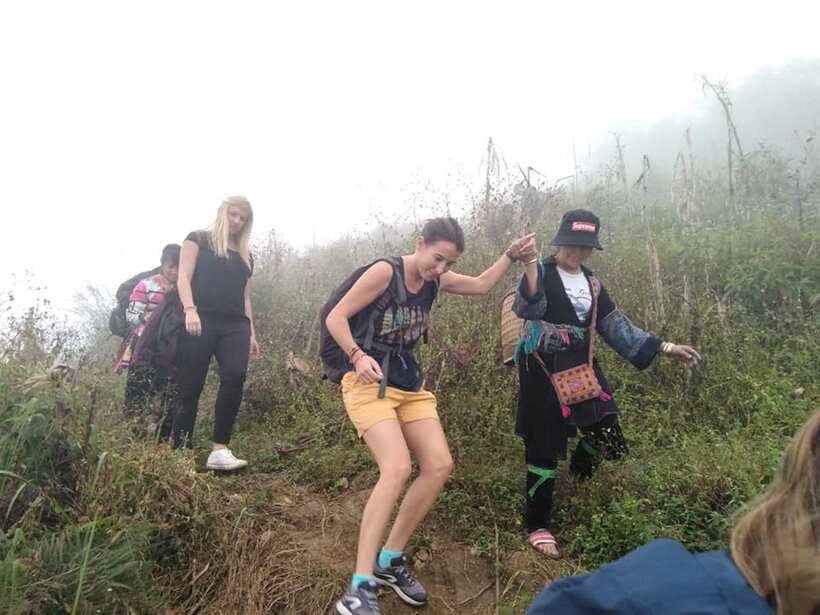
A big practical advantage is that you are not doing this alone. Your guide is there to help you understand what you are looking at, and they also guide the pace. In the field, guides often adjust the route when sections get steeper or slicker, and that flexibility matters on a day like this.
This is also a good place to mentally prepare for outdoor walking. Even before Lao Chai, you should expect uneven ground, short climbs, and moments where you’ll want to slow down and watch your footing.
Lao Chai rice terraces: the view break that ties the whole hike together
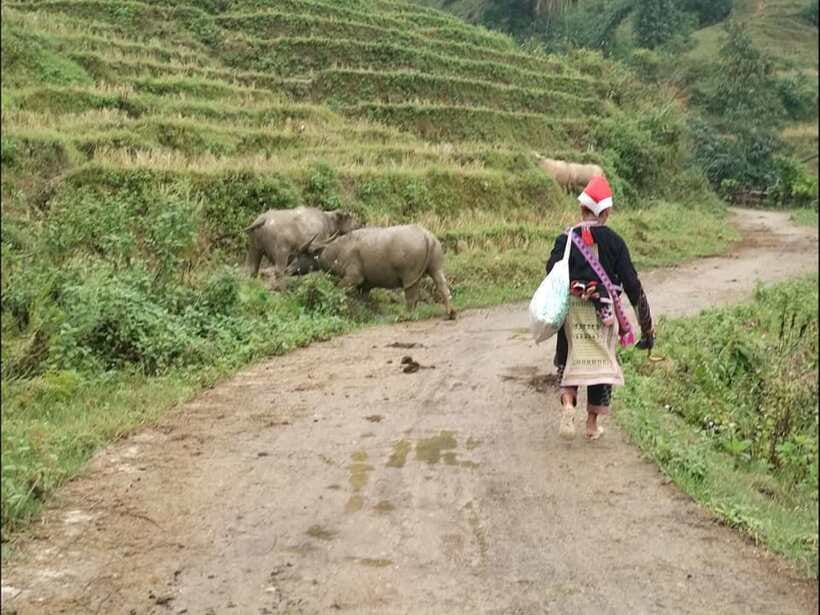
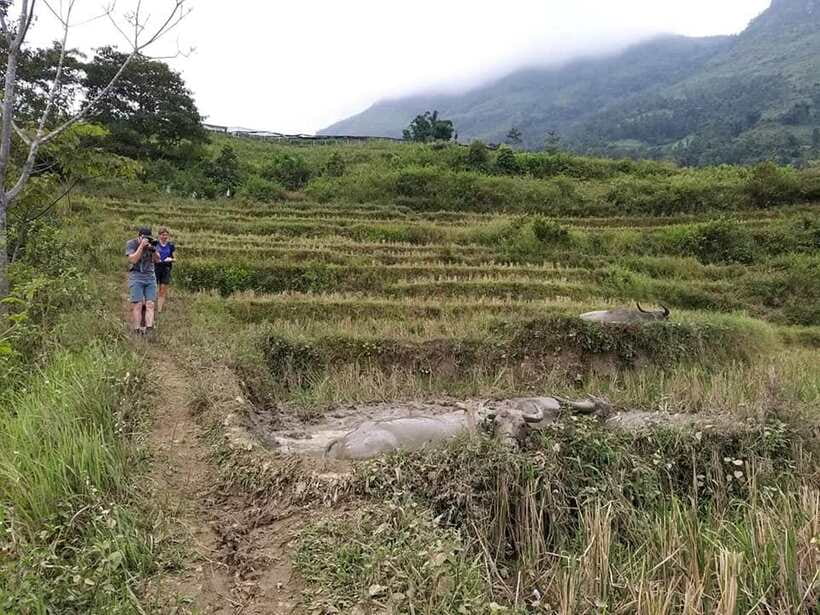
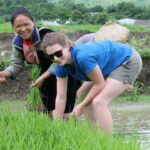
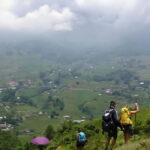
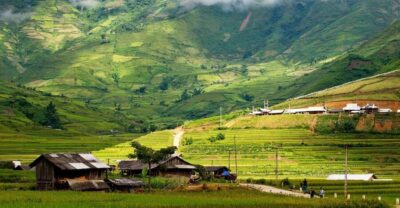
Lao Chai is the turning point of the trek. You reach it after walking through the Black Hmong villages, and that’s where you get spectacular views of the most beautiful rice terraces in northern Vietnam.
This stop is not just “see it, snap it, move on.” The schedule gives you a real break before lunch. That time is valuable because rice terraces look different at different distances and angles, and the light in the mountains can change how vivid the terraces appear.
If you’ve ever visited a scenic spot where the trail time feels wasted, this is the opposite. The terraces are the reward for the walk, not a token afterthought. And because you’re higher up in the valley area, the views tend to feel wide and layered, with village life spread out around the fields.
You’ll then head into lunch, typically near the river bank or at a local restaurant. Coming to the meal after a steady walk helps you reset without feeling like you’ve paused too early.
Lunch near the river or at a local restaurant, plus how to enjoy it well
Lunch is included, and it is served either on the river bank area or at a local restaurant. This is one of those simple inclusions that actually improves your experience. You don’t have to think about finding food mid-trek, and you can focus on the hike and the village visit.
I also like that the day builds toward lunch after you’ve earned it with walking and views. One common theme with this trek is that the meal is considered good and plentiful, so you’re less likely to end the tour feeling underfed.
Practical tip: bring water habits with you. Even with water included, drink when you feel thirsty rather than waiting until you’re drained. Mountain walking can sneak up on you, especially if you’re taking photos and slowing down often.
And if you want to make the meal feel more connected to the day, take a moment to ask your guide about what you’re eating and how meals fit into rural life. It’s not a lecture, it’s just a conversation, and your guide can connect it back to the places you just walked through.
Ta Van village houses, weaving, and Dzay traditions up close
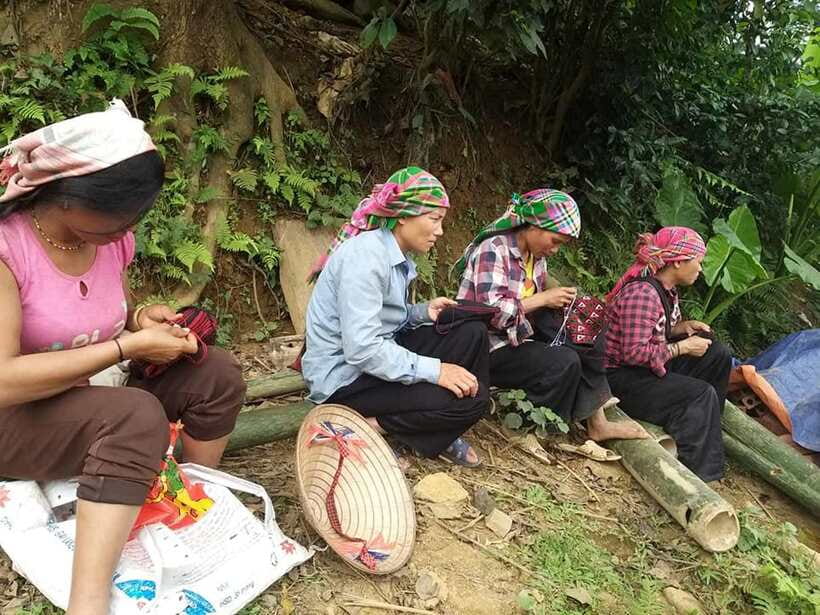
After lunch, you keep trekking to Ta Van village. Ta Van is inhabited by the Dzay ethnic group, and this section shifts the day from terrace views to cultural learning through home visits and crafts.
You’ll visit local houses and learn about traditional handicrafts, including weaving and coloring techniques. This matters more than it sounds. Crafts are not just souvenirs, they are skills tied to daily work, family routines, and how people manage clothing and decoration.
Your guide also helps you understand rural life and customs, including the role of costumes in identity. Even if you do not catch every detail, you’ll leave with a clearer picture of why clothing and handiwork show up so strongly in the villages here.
The best way to enjoy this part is to slow down and watch hands. When you see weaving and coloring in action, you start to understand the effort behind it, and you’ll appreciate the work without needing a museum setting.
Before the trek ends, you’ll learn more about customs and costumes as you move toward the main road, where the driver waits to pick you up.
You can also read our reviews of more hiking tours in Sa Pa



Pace, distance, and how to avoid turning the hike into a slog
This is a 5-hour experience that includes trekking time and transport back to Sapa center. You are trekking around 12 kilometers total, which is a solid half-day hike by any standard.
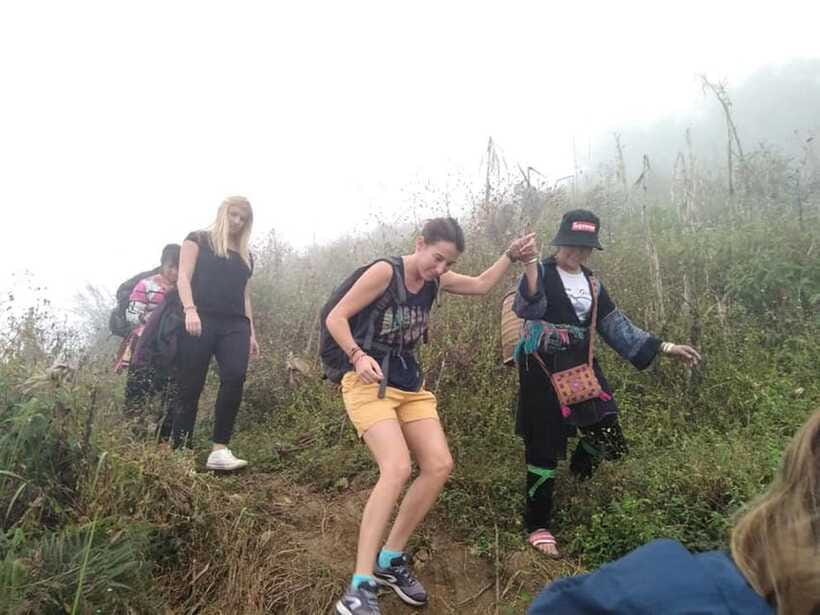
It is not listed as a beginner hike, and I would not treat it like one. The route can be steep and slippery, especially in the summer months from May to September. If you show up in shoes that are fine for city sidewalks, you’ll feel it.
The good news is that the trek can feel manageable because guides adjust the walking pace and route when conditions require it. One of the strengths that stands out is adapting to steep, slippery paths so you can keep moving without constant stress.
What to do with this info: plan to walk steadily, not fast. Take short breaks when you need them. If you start out rushing, you’ll burn energy before Lao Chai, and then you’ll hit the steep stretches feeling tired.
Also, if you have any limits on endurance, check the tour’s suitability guidance. It is not suitable for pregnant women, people with heart problems, or people with mobility impairments.
Price and what you actually get for $47 per person
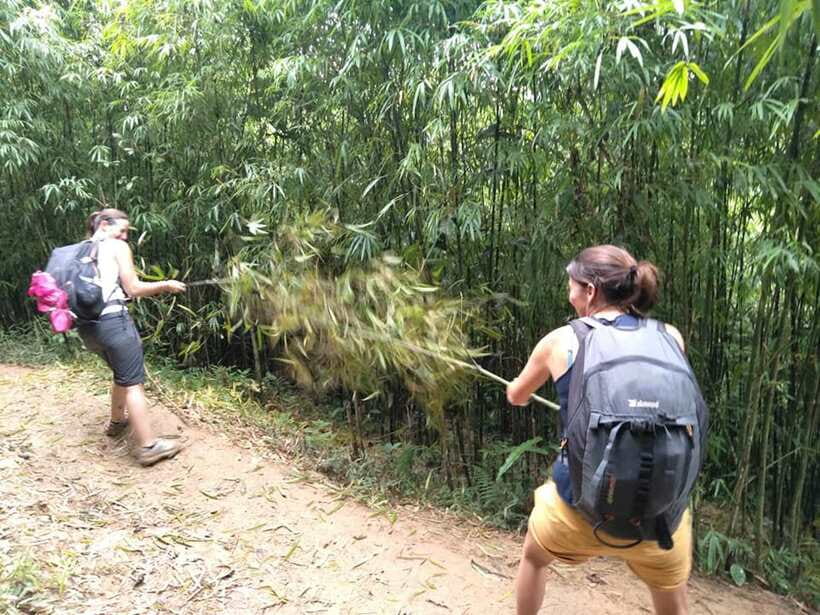
At $47 per person, this trek is priced like a value-focused half-day. The big reason is what is included: an English-speaking guide, lunch, entrance fees, transportation, water, and hotel pickup and drop-off in Sapa town.
In other words, you are paying for the whole experience, from guidance and meals to the practical pieces that can eat up your time. When you compare that to piecing together a guide, lunch, and transport separately, the bundled cost makes more sense.
One more point: the tour includes private vehicle support at the end, which reduces friction at the finish line. You’re not scrambling for rides after a walk, and that keeps the day from turning into “hike then hassle.”
What can add cost:
- VAT is not included (so the final amount may vary)
- A surcharge applies for a French-speaking guide, 15 USD per person
- During Lunar New Year, from 26 Jan to 2 Feb 2025, there is a 35 USD per person surcharge paid directly on the trip
Insurance is also not included, and personal expenses are not included. Those are normal extras, but it is good to budget for them.
What to bring, what not to bring, and the slippery-season reality
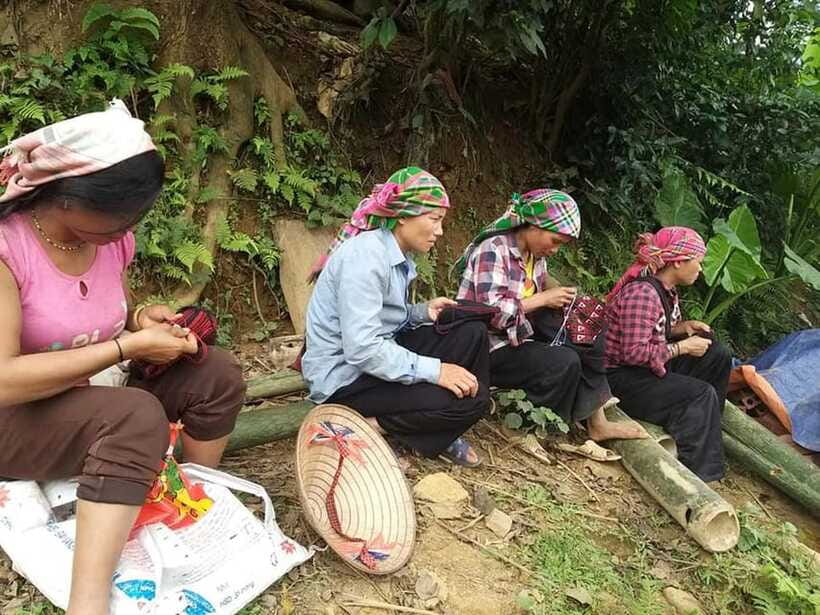
Wear comfortable shoes and comfortable clothes. Slippers are not allowed, which is the kind of rule that keeps people safe when the trail turns muddy or wet.
If you’re traveling between May and September, bring trekking shoes with good grip. This is specifically recommended because the trail can be slippery in summer conditions. Even if it has not rained that day, mountain paths can stay damp and slick.
A small checklist for your pack:
- Trekking shoes with traction
- Light layers you can adjust
- A way to carry water snacks if you like extra fuel, since only water is listed as included
If you’re traveling with bulky bags, keep it light. You’ll feel better if your hands are free for balance on uneven terrain.
Guides, interactions, and why the human part is the point
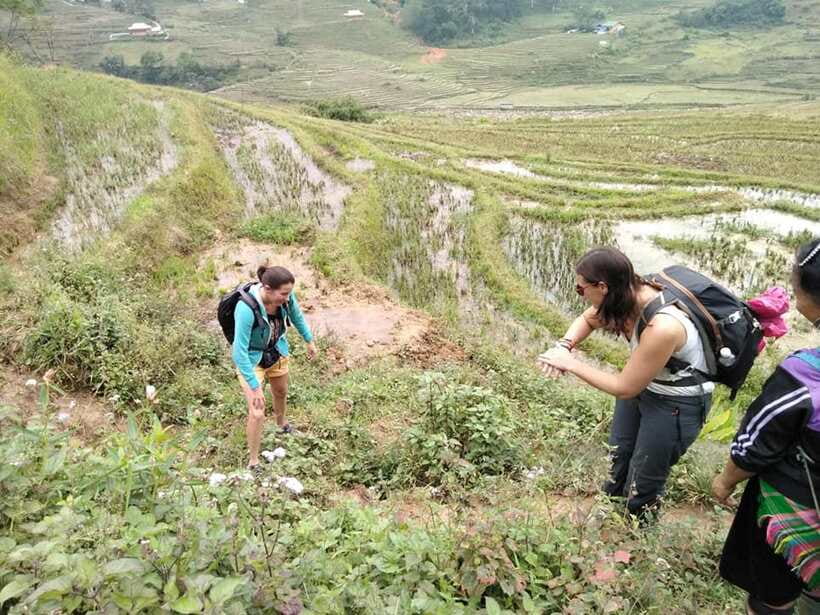
This trek works because the guide role is active, not passive. Your English-speaking guide is there to explain what you’re seeing, including diverse customs from locals. The interactions with villagers also help shift the day from “scenery” to “understanding.”
Names that have come up include Cha and Zheng, both described as friendly and detail-oriented. That matters because in village settings, a good guide helps you avoid awkward misunderstandings and instead keep things respectful and informative.
The day also feels more personal because routes can be adjusted to match comfort level, rather than pushing everyone down the same hard line. If the paths are steep or slippery, that flexibility is a big quality marker.
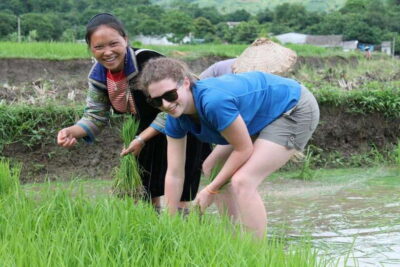
And when you’re in Ta Van, the focus on handicrafts creates a natural bridge between you and the host community. People are not just posing for a photo. They are working, showing, and explaining what their skills mean.
Who this trek suits best, and who should skip it
This tour is a strong fit for you if you want:
- A half-day hike with real village interaction
- Views of Muong Hoa Valley and the famous rice terraces area
- A cultural stop that goes beyond photos, with weaving and coloring learning in Ta Van
- A guided day that includes lunch and transport so you’re not planning every step
You should likely skip it if:
- You need a low-impact, flat walk
- You are pregnant, have heart problems, or have mobility impairments
- You dislike uneven outdoor terrain, because the route is about 12 km and can get slippery in summer
Also keep in mind pickup is only available from hotels in Sapa town. If you’re staying outside that area, you may need to adjust your plans.
Should you book this private trek to Muong Hoa Valley?
Yes, I’d book it if you want the best kind of Sapa day: one that combines mountain views, village life, and a meal that lands at the right time. The value is strong because lunch, water, entrance fees, guide, and town pickup and drop-off are included, and the 5-hour structure fits well for travelers who want a real experience without committing to a full day.
If you’re sensitive to steep steps, you must plan carefully with the footwear advice and pace. For me, the decision comes down to one thing: you’re coming to walk. If you embrace the walking and treat the terraces and crafts as your main rewards, this private trek delivers.
FAQ
FAQ
How long is the trek?
The experience lasts about 5 hours.
How far do you trek?
You trek around 12 kilometers.
What is included in the price?
Included are an English-speaking guide, lunch, entrance fees, transportation, water, and hotel pickup and drop-off in Sapa town.
Where does pickup happen?
Pickup is available from hotels in Sapa town only.
Is lunch included?
Yes. Lunch is included, served near the river bank or at a local restaurant.
What language is the guide?
The tour offers an English-speaking guide.
What should I bring and wear?
Bring comfortable shoes and comfortable clothes. Slippers are not allowed.
Is this tour suitable for everyone?
It is not suitable for pregnant women, people with heart problems, or people with mobility impairments.
More Hiking & Trekking Tours in Sa Pa
More Private Tours in Sa Pa
More Tour Reviews in Sa Pa
Not for you? Here's more nearby things to do in Sa Pa we have reviewed


More Sapa Trekking Tours to consider.
 ★ 5.0Sapa 2 Days 1 Night From Hanoi – Overnight in Ta Van VillageTickets from $592,669 traveller reviews
 ★ 5.0Hanoi – Sapa 2 Days 1 Night Overnight At HomestayTickets from $89899 traveller reviews
 ★ 4.6Sa Pa: Muong Hoa Valley Trek and Local Ethnic VillagesTickets from $23864 traveller reviews
 ★ 5.0Sapa: Fansipan Cable, Cat Cat Village & Moana Instagram TourTickets from $30777 traveller reviews
 ★ 4.8From Hanoi: 2-Day Sapa Trekking Trip with Homestay & MealsTickets from $71704 traveller reviews
 ★ 5.0Sapa 3 Days 2 Nights Trekking Tour (1 Night In Ta Van Village, 1 Night In Hotel)Tickets from $139699 traveller reviews
 ★ 4.9Sapa: Eco Adventure Terrace Fields and Local Villages TrekTickets from $27636 traveller reviews
 ★ 5.03-Day Trekking Adventure of Sapa from Hanoi – Stay Ta Van VillageTickets from $109611 traveller reviews
More useful Hanoi routes