
Review · SAPA TREKKING TOURS
Sapa: Private Muong Hoa Valley and Homestay Trekking 2-Day
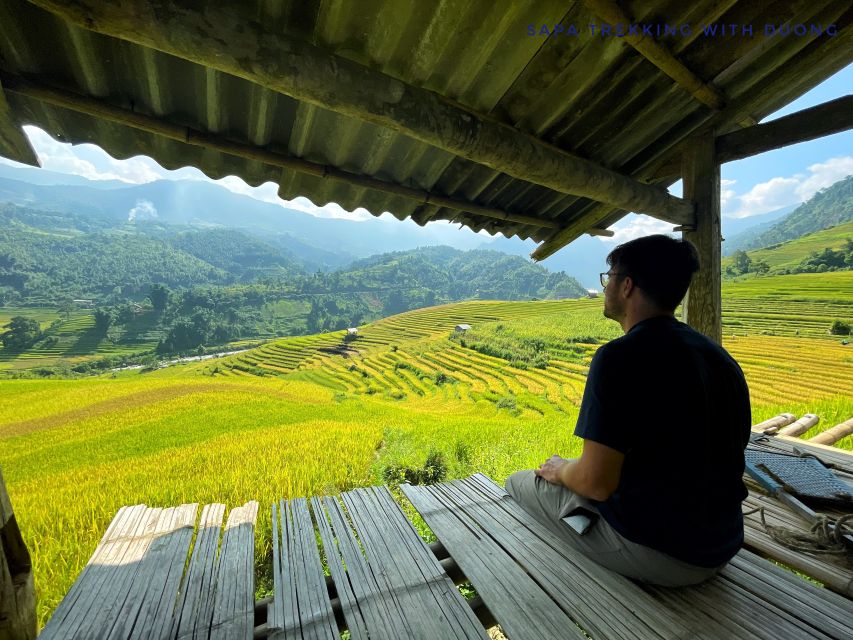
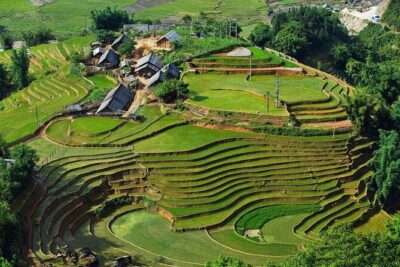
Sapa’s Muong Hoa Valley feels like a living postcard. This private 2-day trek links some of the best terrace viewpoints with hands-on village time, plus an overnight with the Giay community. I love the way the route mixes scenery with culture, and you get to learn through visits to Black Hmong and other ethnic villages, not just quick photo stops. One thing to consider: the walking is real, and weather can change fast in Sapa, so you will want good rain protection and comfortable shoes.
Two names keep popping up for this experience: guides like Du (Zu) and Pang Chou have been praised for explaining what you’re seeing in a way that actually sticks. I also like that this tour includes the core basics that matter on a trek, from meals to homestay time, so you are not doing extra guesswork after you arrive. Still, since this is a homestay night, expect a simpler setup than a hotel, and plan to be flexible about schedules and comfort.
Key moments that make this trek worth your time
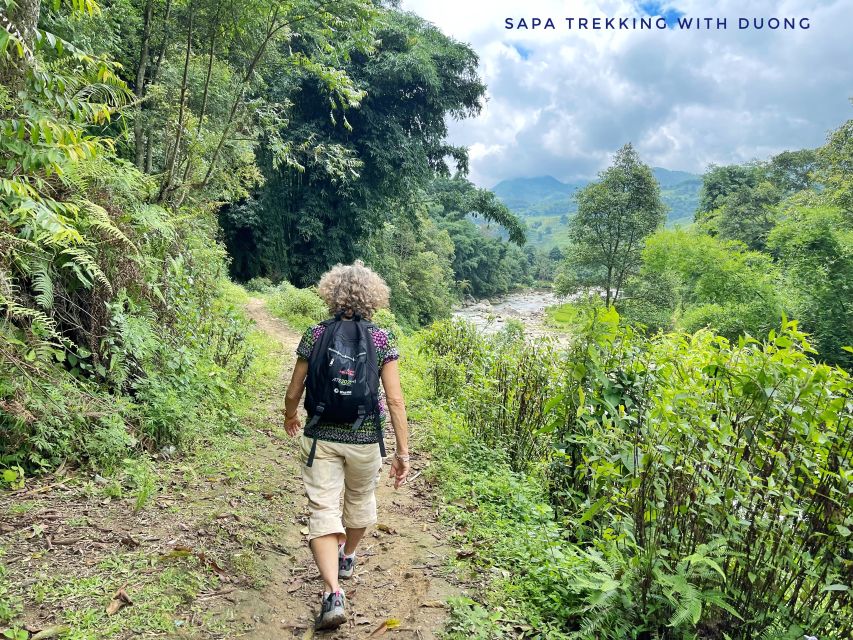
- Six ethnic villages across the Muong Hoa area, including time with Black Hmong, Red Dao, and Giay communities
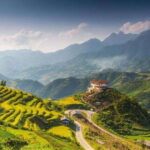
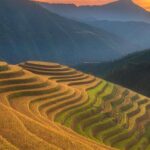
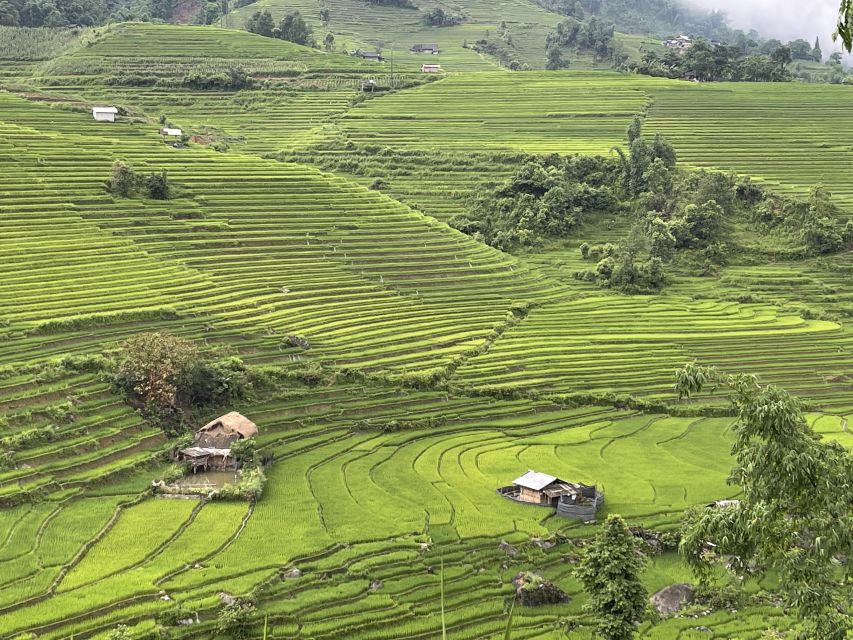
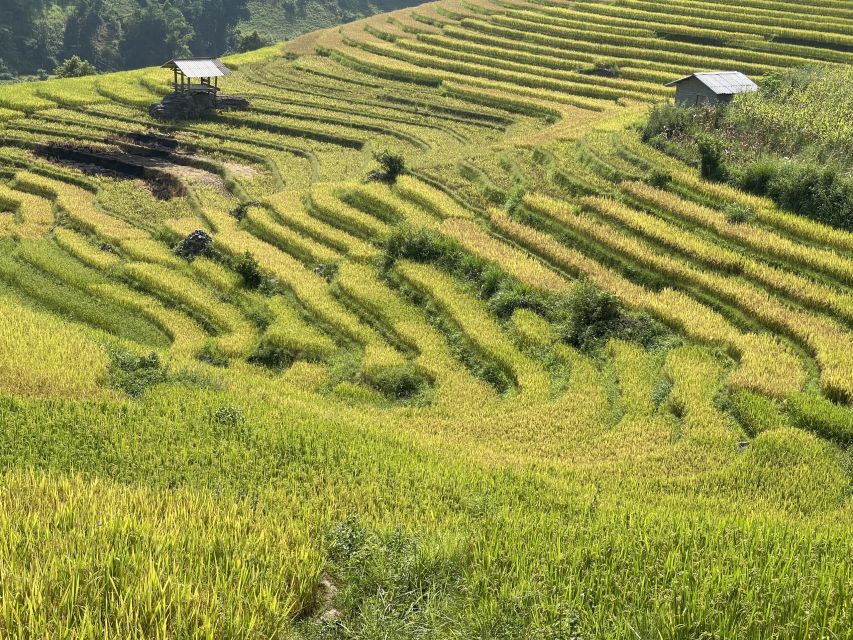
- Terrace rice field views on the walking days, with some of the best scenery you will pass on the way
- One night at a Giay homestay, where culture is experienced through real daily life
- Included meals with local cooks, including lunches at village houses
- Private guide and hotel pickup, which cuts down the hassle factor in Sapa
Muong Hoa Valley in two days, without the rush
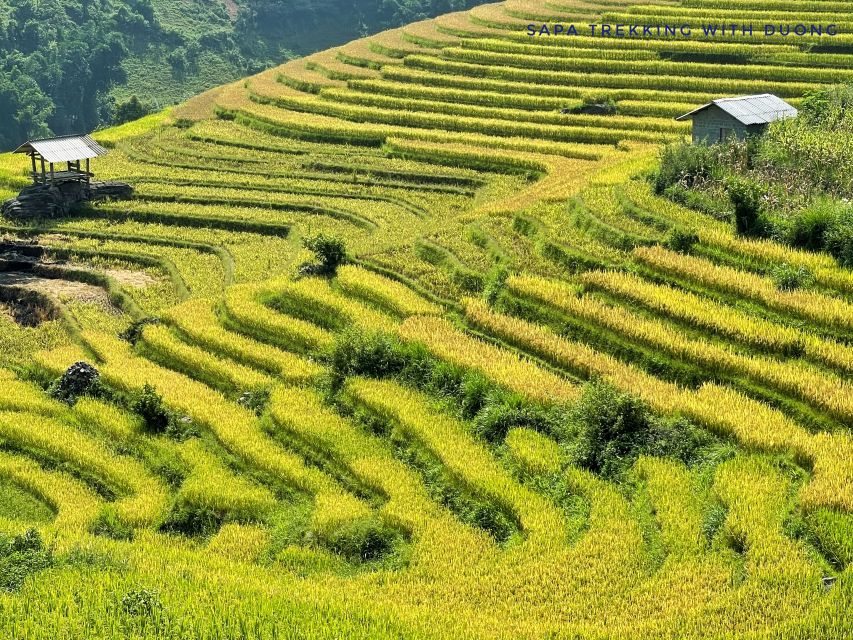
Muong Hoa is where Sapa turns from town into storybook terrain. Expect steep paths, rice terraces, bamboo stretches, and viewpoints that reward slow walking. The biggest win here is the balance: you get the landscapes people come for, but you also get village visits that explain what you are looking at.
This tour is also structured to reduce dead time. You start with a hotel pickup in central Sapa and finish day two back with a private return transfer. That matters because Sapa is compact, but the access points to the villages are not. Less commuting time means more time with the communities, and more time to actually notice details.
You can also read our reviews of more private tours in Sa Pa
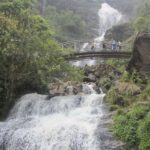
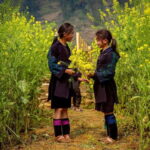
Day 1: Y Linh Ho to Lao Chai, rice terraces and Black Hmong homes
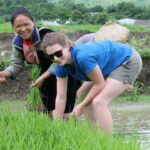
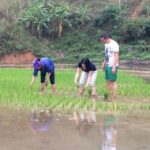
Your day typically starts around late morning, with a pickup in Sapa center and then the hike route begins. The first stop is Y Linh Ho, where you will walk through terraced rice fields and see how people farm in this valley. You also get the cultural context early, including time to observe Black Hmong people planting rice.
One of the best parts of day one is the village-house visit. You do not just pass by a traditional home, you get a chance to learn more about Black Hmong culture through what your guide shows you. Depending on timing, this often includes seeing or discussing traditional house features and how people live day to day.
Lunch is another highlight, because it is not a generic meal on the road. You eat at a local house, and the pace is slower. That is when conversations make sense, because you are not racing to the next photo viewpoint. If you like learning how daily life works, this is where the tour earns its value.
Next comes the walk toward Lao Chai San. This is where you see one of the route’s strongest terrace scenes, and the guide helps you notice what matters in the valley’s layout. When you arrive at Lao Chai village, the visit shifts again toward the people, including traditional clothes and the wood structure of a Black Hmong traditional house.
The homestay transition: arriving Giay territory and comparing cultures
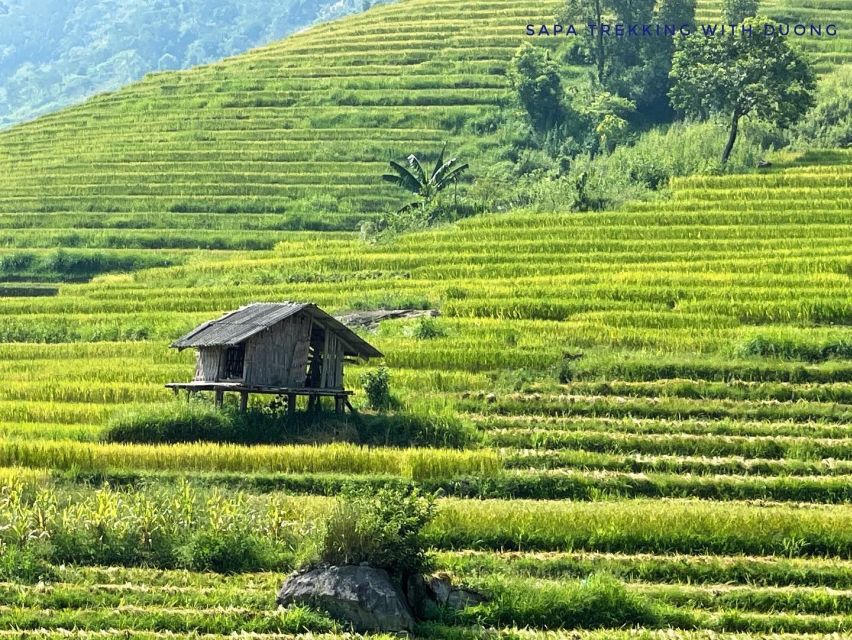
By mid-afternoon on day one, you reach the Giay homestay, where you stay for one night. This is a big deal in a way that a bus-only tour never is. Sleeping in a homestay gives you time to experience the end of the day, not just the daylight walking hours.
What you’re really getting here is a cultural comparison. The tour is designed so you experience Black Hmong and Giay lifestyles closer together in time. You learn about Giay culture and food, and you can compare what changes between communities, especially around home design and daily routines. In practice, that makes the visit feel more grounded and less like a checklist.
A practical note: since meals and at least part of the evening flow are part of the homestay experience, you should go with a flexible mindset. You will likely eat what is cooked for the household, not a restaurant menu. That can be the best part, as long as you are open to it.
Day 2: Ta Van, terraces and bamboo, then Giang Ta Chai waterfall
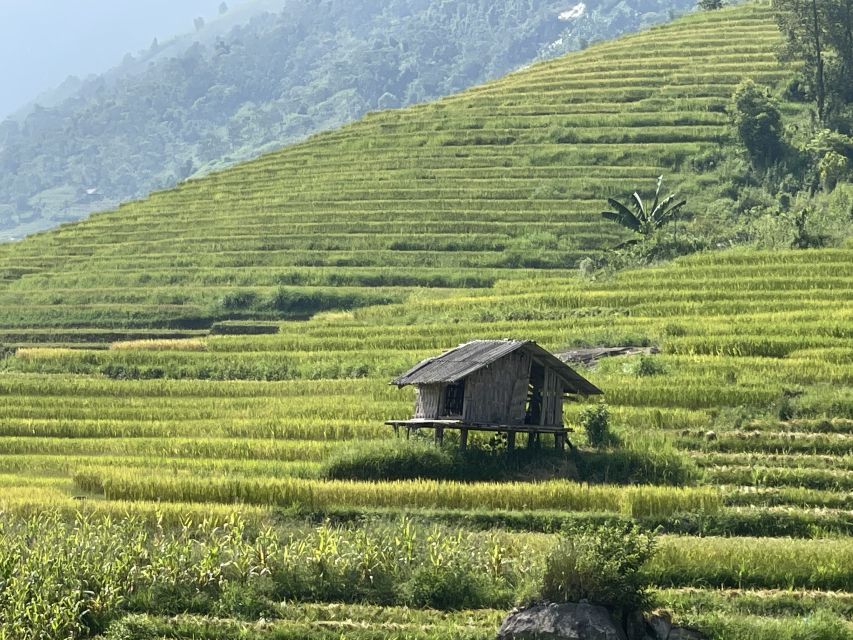
Day two starts early, with a morning routine and breakfast that are included. You then head back out trekking around the late morning. One reason this day works is that it follows the rhythm of the landscape: you start with trails through the terraced fields, then move through bamboo stretches.
A key stop is Giang Ta Chai, including a waterfall and a lake viewpoint area. This is where the tour slows again. You take a rest and hear stories connected to the place, tied to Black Hmong perspectives. Even if you are not a big storyteller person, it helps because the scenery becomes more than a pretty backdrop once you understand what locals say the land means.
Lunch on day two is another included meal, at a Black Hmong house. The important detail is that it is described as traditional food made by locals in that village. That is a strong value point because a lot of treks promise local food, but then deliver something generic. Here, the meals are built into the day around village time.
After lunch, you continue trekking to Hau Thau village, which is the last village stop on day two. Along the way, your guide shares how Hmong people raise crops and how indigo is used for clothes. There is also time for stories tied to Hmong wedding traditions.
Hau Thao village, indigo dye, and the trumpet moment
Hau Thao is a fitting closing stop because it ties together skills, tradition, and sound. You get to observe daily life and learn how indigo tree material connects to the unique clothing people make. This is the kind of information that makes your earlier village visits feel connected, not random.
One memorable detail is the moment with the oldest men of Black Hmong blowing the trumpet. It is not just a performance moment, it’s positioned as part of cultural life and storytelling. If you care about hearing the human side of traditions, this ending tends to land well.
After that, you head back to Sapa by private taxi, finishing the trek without having to figure out transportation on your own. That is helpful because day two can feel longer than day one, even if the walking distances are similar. You end with a proper wrap-up.
You can also read our reviews of more hiking tours in Sa Pa

What’s included, and what that means for your day
This tour is priced at $78 per person for two days, and the key is what’s bundled in. You get:
- Hotel pickup and drop-off in central Sapa
- Village entry fees
- A local English-speaking guide
- Homestay for one night
- Meals: 1 breakfast, 2 lunches, 1 dinner
- Water: 1.5 liters per person per day
- Raincoat and trekking sticks
- Return transport from the last village back to Sapa
The included raincoat and trekking sticks are not small touches. In Sapa, rain can turn a comfortable walk into a slippery, exhausting one. Having rain protection and a stick you can use right away can save your feet and your patience.
The only notable extras are drinks on the way, travel insurance, and tips. That means you can budget with less surprise once you arrive. If you like to pack light, this setup also reduces what you must carry.
Food and the homestay night: how to get the most out of it
You are not just visiting a home, you are spending the night there. That usually means the pace is shaped by the household, not by a restaurant schedule. You also get a cultural lesson through food, because the tour highlights traditional dishes cooked in the village setting.
For you, the best strategy is simple: keep your expectations flexible, and focus on manners and curiosity. Ask questions your guide can translate, try the foods that are offered, and notice what is different from a Sapa town meal. Even if you are not a big “try-everything” eater, you can still learn by watching how meals are prepared and served.
If you are the kind of traveler who loves cultural exchange, this part can become the emotional center of the trip. You spend one night in Giay territory, then return on day two still carrying the contrasts between communities.
Pace and comfort: plan for real trekking, not a stroll
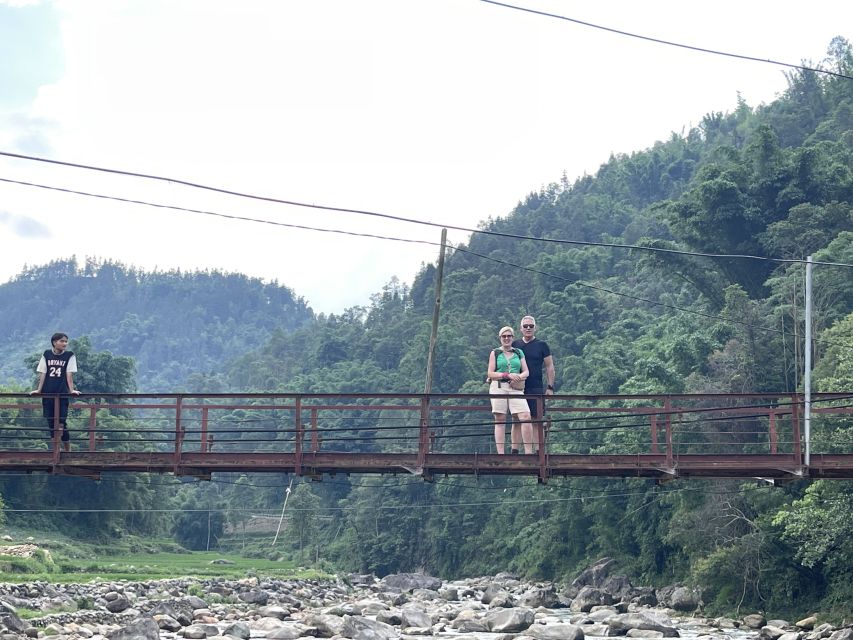
This is a trekking tour, and you should treat it like one. Day one covers multiple stops and includes multiple transitions, from Y Linh Ho through Lao Chai to the homestay. Day two adds more walking through terraces, bamboo areas, and up to waterfall scenery, then onward to Hau Thau.
The good news is that you are not doing it alone. You have a guide, trekking sticks, and a private setup that usually means you can keep moving at a realistic pace. Private also helps with timing, because you are less likely to get dragged through stops like a group on a schedule.
If you have knee issues, balance problems, or you know you get uncomfortable on steep trails, talk to the operator before booking. The tour data does not describe difficulty levels in detail, so you will want to gauge it based on your comfort on uneven ground.
Who this private Muong Hoa trek suits best
This experience fits best if you want more than views. If your ideal Sapa day includes learning about ethnic minorities through actual village visits, this tour is built for you. The structure also works well if you like comparisons, since the tour deliberately covers more than one community across two days.
It can be a great choice for:
- Couples or small groups who prefer private guidance
- Travelers who want included meals and simpler logistics
- People interested in Black Hmong, Red Dao, and Giay village life
It may be less ideal if you want a mostly flat walking day or you prefer city comfort over homestay-style sleep.
Price and logistics: is $78 good value here?
At $78 per person for two days, the value comes from the bundle. A trek that includes a guide, hotel pickup, multiple village entry fees, two lunches, dinner, and one full homestay night usually costs more when booked as separate parts. Here, the package reduces friction.
You are also getting practical gear: trekking sticks and a raincoat, plus water. Those items are easy to overlook until it’s pouring. If you add up what you might otherwise spend on snacks, transport, and basic gear in Sapa, the price starts to make sense.
The main thing you should weigh is your willingness to handle homestay conditions and the real walking schedule. If that matches your travel style, this price feels fair for the amount of cultural time and included logistics.
Quick heads-up on timing and what to watch for
This tour runs over two days, with starting times dependent on availability. You’ll be in the field in daylight hours, and you’ll return to Sapa by private taxi on day two. Because the route includes terraces and bamboo areas, your comfort will depend heavily on weather.
Bring shoes you trust on uneven ground. Wear layers for morning cool and changing conditions. And remember that you are walking into working areas where people live and farm. Slow, respectful behavior helps you get more out of every stop.
FAQ
How long is the Sapa Private Muong Hoa Valley and homestay trekking?
It runs for 2 days.
Where does the pickup happen?
Pickup is included at your hotel in Sapa center or at Sapa Church.
What’s included in the homestay?
You stay for 1 night at a homestay of an ethnic minority community, and meals are included as part of the experience.
What meals are included?
You get 1 breakfast, 2 lunches, and 1 dinner.
Is the tour guided and in English?
Yes. It includes a local English-speaking guide, and the tour language is listed as English.
What ethnic groups are visited during the trek?
You explore villages connected to Black Hmong, Red Dao, and Giay communities.
What trekking gear is provided?
A raincoat per person and a trekking stick per person are included.
Is water provided during the trek?
Yes, 1.5 liters of water per person per day is included.
What is not included in the price?
Extra drinks on the way, travel insurance, and tips for the guide and driver are not included.
Is there free cancellation?
Yes, you can cancel up to 24 hours in advance for a full refund.
Should you book this Muong Hoa private trek?
If you want a Sapa experience that mixes terraced rice scenery with real time in ethnic villages, this is a strong choice. The homestay night adds depth, and the included guide, meals, and transport reduce the stress that can ruin a good trek.
I’d book it if you’re comfortable walking over uneven trails and you like learning through direct village interaction. I’d pause and ask questions before booking if you need a very gentle walking day or you know homestay sleep would be a deal-breaker for you.
More Hiking & Trekking Tours in Sa Pa
More Private Tours in Sa Pa
More Tour Reviews in Sa Pa
Not for you? Here's more nearby things to do in Sa Pa we have reviewed

More Sapa Trekking Tours to consider.
 ★ 5.0Sapa 2 Days 1 Night From Hanoi – Overnight in Ta Van VillageTickets from $592,669 traveller reviews
 ★ 5.0Hanoi – Sapa 2 Days 1 Night Overnight At HomestayTickets from $89899 traveller reviews
 ★ 4.6Sa Pa: Muong Hoa Valley Trek and Local Ethnic VillagesTickets from $23864 traveller reviews
 ★ 5.0Sapa: Fansipan Cable, Cat Cat Village & Moana Instagram TourTickets from $30777 traveller reviews
 ★ 4.8From Hanoi: 2-Day Sapa Trekking Trip with Homestay & MealsTickets from $71704 traveller reviews
 ★ 5.0Sapa 3 Days 2 Nights Trekking Tour (1 Night In Ta Van Village, 1 Night In Hotel)Tickets from $139699 traveller reviews
 ★ 4.9Sapa: Eco Adventure Terrace Fields and Local Villages TrekTickets from $27636 traveller reviews
 ★ 5.03-Day Trekking Adventure of Sapa from Hanoi – Stay Ta Van VillageTickets from $109611 traveller reviews
More useful Hanoi routes