
Review · SAPA TREKKING TOURS
Sapa Night Market Experience – BBQ, Hotpot & Black Chicken
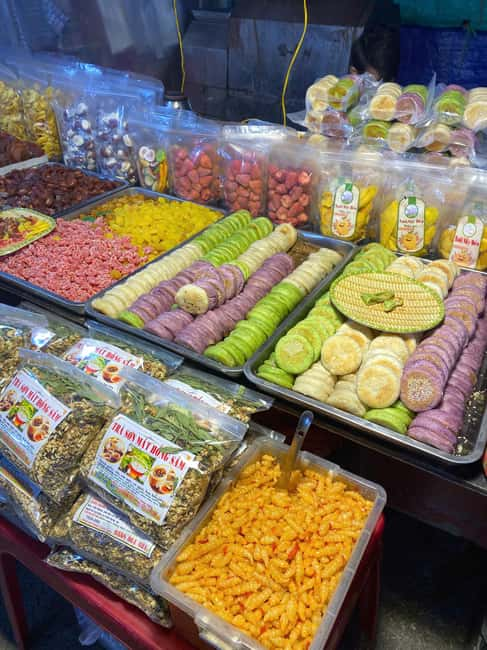
Sapa at night turns into a food lesson. This is a local-guided street-food evening in Sa Pa where you eat like people do, not like a tour bus script. You get a guide, you choose your specialty, and you hear the stories behind the flavors as you go.
I like the choice-first format. You can pick BBQ, hotpot, or the legendary H’mong black chicken, and you only pay for the dishes you want. I also like the small-group feel, which makes it easier to ask questions and actually talk with the people running the stalls.
One thing to consider: the night market shopping side can feel repetitive. You may see lots of similar goods stall to stall, so go in for the food and the guide, not for a huge variety shopping spree.
Key things to know before you go
- Choose-your-own dinner from three Sapa specialties, with food payment handled on the spot
- Mountain flavors explained, including mắc khén (mountain pepper) in the BBQ story
- Hotpot with local twists, like cardamom, star anise, wild mushrooms, and mountain greens (cải mèo)
- Black chicken context, tied to H’mong traditions and the “healing food” belief
- Safer, smoother market time with a guide who can talk to sellers for you
- Expect food first, shopping variety may not be huge in the night market area
Sapa after dark, built around local street cooking
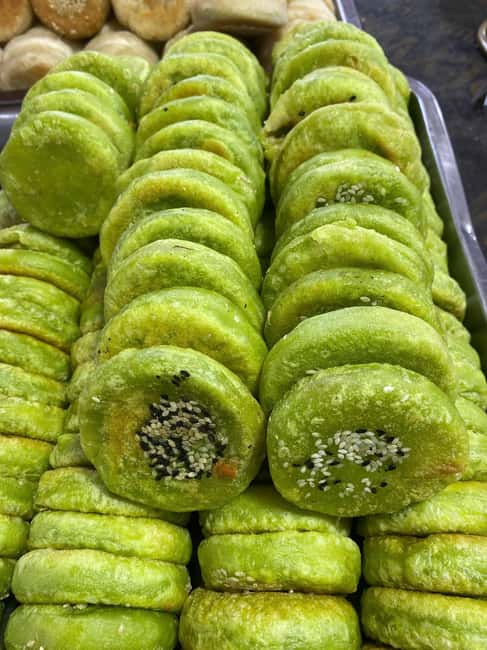
Sa Pa looks dramatic by day, but the evening is where the town shows its daily rhythm. This experience centers on night-market cooking, where food is practical, quick, and built for sharing. In a couple of hours, you go from walking the market area to sitting with a real meal choice, guided by someone who knows the setup and the stories.
The big difference versus a standard restaurant night is that this feels like you’re joining local dinner culture. Grilling and hotpot are not just techniques here, they are social habits tied to cold-weather living and community time. You do not need to be a foodie to enjoy it, but if you like food with a reason behind it, you will eat well.
You can also read our reviews of more tours and experiences in Sa Pa.


What your $10 covers, and how you pay for dinner
The price you pay includes the guide’s service plus the tour booking platform fee, and you get one bottle of water (500ml). Food is not included, and that is on purpose. Instead of a fixed set menu, you choose the dish you want to eat and pay for it yourself.
For me, this setup is good value because it matches how most people actually travel. If you want BBQ, you do not have to pay for a hotpot you will not finish. If a friend wants black chicken and you want hotpot, you can each steer the meal toward your own tastes.
One practical note: since you are paying for the dishes directly, it helps to show up with a rough idea of what you want. You will still have options when you arrive, but knowing your pick keeps the evening relaxed.
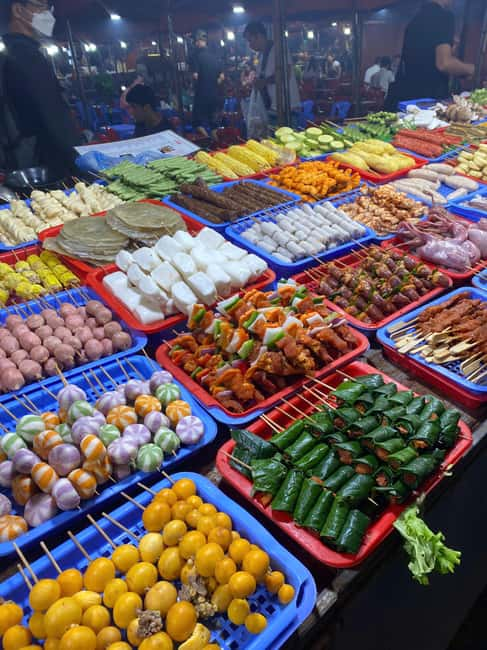
BBQ in Sa Pa: mountain herbs, charcoal, and mắc khén pepper
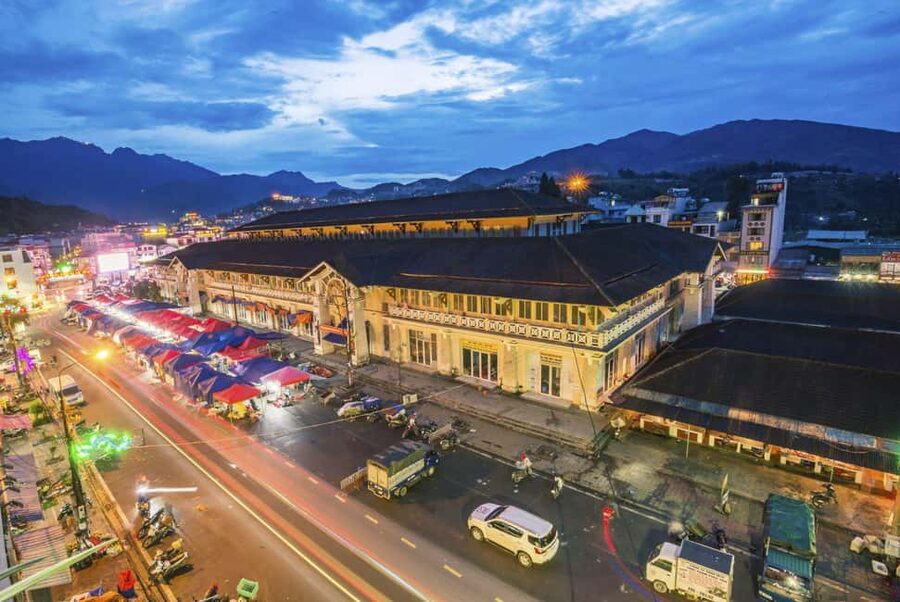
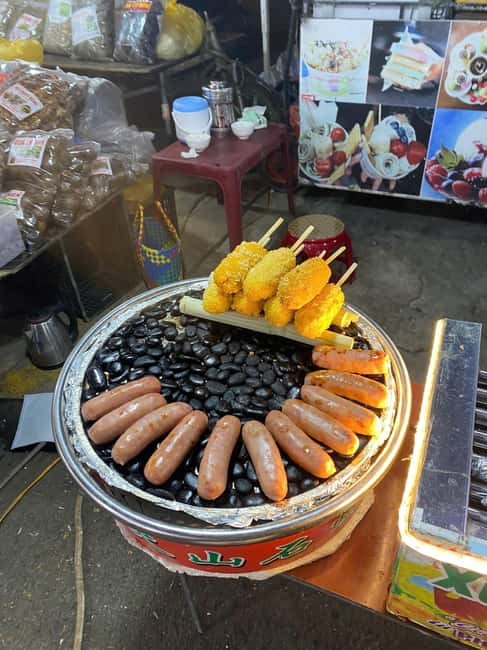
If you choose the traditional Sa Pa BBQ, you are choosing the grilled-food version of a cold-weather street tradition. The style is known as nướng Sa Pa, and the method fits the setting: charcoal grilling on smaller street setups that cook quickly when temperatures drop at night.
Here is what makes the BBQ story matter. The skewers and vegetables are not just cooked, they are marinated with mountain flavor anchors. You might hear about ingredients like vegetables and sweet potatoes, mushrooms, and skewers of pork or beef, all seasoned with local spices such as mắc khén. This is a mountain pepper with a flavor profile that people compare to Sichuan pepper, so it is not a generic BBQ taste.
The social part is just as important as the food. Grilling is described as a gathering habit, where families and friends share stories while warming up around the heat. So even if you eat quietly, the setting carries that energy.
Practical takeaway: if you like food with a smoky edge and you want something straightforward after walking, BBQ is the easiest choice. It also tends to work well if you are hungry but want to keep the evening moving.
Sa Pa hotpot: cardamom, star anise, and mountain greens
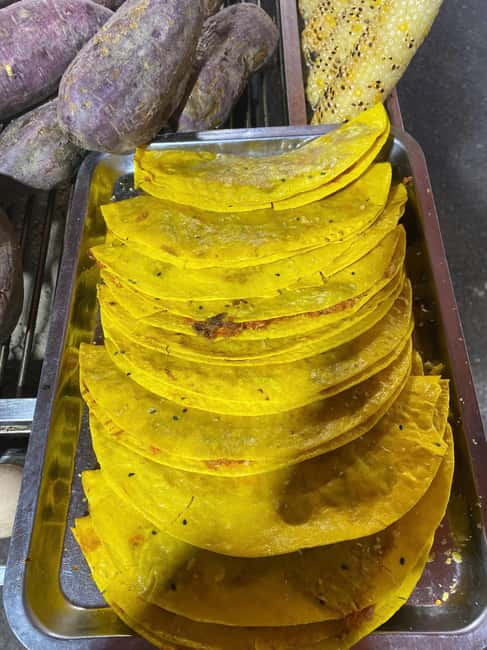
Hotpot is popular across Vietnam, but Sa Pa gives it a local fingerprint. If you pick the hotpot option, you are usually signing up for a broth that leans aromatic and warming, not just salty and plain.
The flavor elements you may learn about include cardamom and star anise, along with wild mushrooms. Depending on the setup, the broth can also include something richer like bone marrow from buffalo or pork. The goal is a full, layered warmth that matches the chilly mountain evenings.
Then come the mountain vegetables. One example you might hear is cải mèo, a local mustard green that balances the broth’s richness with a fresher, slightly bitter bite. That balance is the point of hotpot in cooler climates: it warms you up without turning the whole meal heavy.
Hotpot also has a built-in social rhythm. With one pot shared among the group, it becomes a community meal. If you enjoy watching how people coordinate, this option will feel natural. If you hate waiting around, you might prefer BBQ instead, since hotpot takes a bit of time as ingredients cook.
H’mong black chicken: why it’s dark, and what locals believe
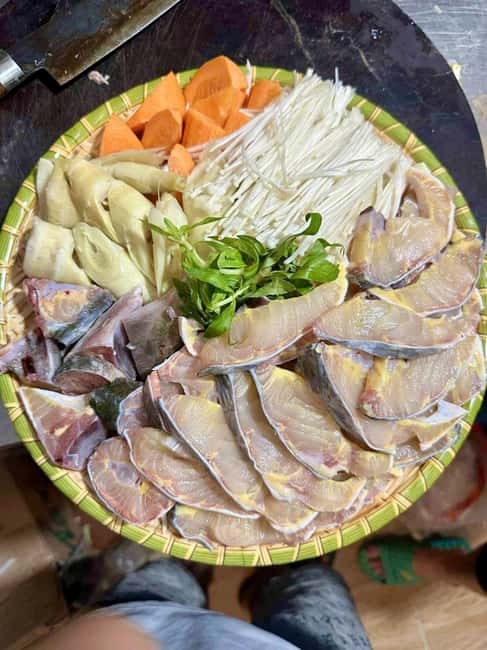
The black chicken dish is one of those foods that makes people curious before they even taste. In this experience, the spotlight is on Gà Đen, H’mong chicken raised in the highlands.
The key detail is physical, and it is not just a gimmick. The chicken is described as darker in skin, bones, and meat than standard chicken. That difference is part of why it has its own reputation in local cuisine.
Then there is the cultural meaning. Traditionally, black chicken is considered a healing food in local medicine, believed to give strength and energy, especially for new mothers. Whether you treat that belief as medicine or tradition, it changes how people talk about the dish. It becomes a heritage item, passed down and respected, not just another menu choice.
Practical takeaway: if you like trying something you can’t find easily in your hometown, pick black chicken. It is also a good choice if you care about the story behind the meal, not only the taste.



Walking the night market with a guide who handles the awkward bits
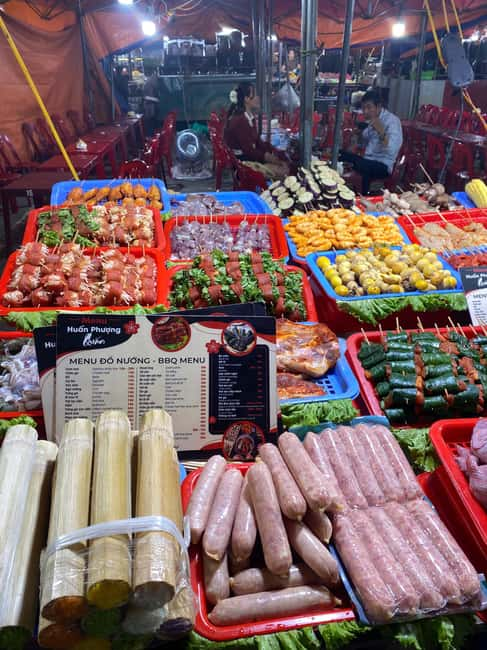
This tour works because you are not wandering cold streets hoping you pick the right stall. You meet at a scheduled point in Sa Pa, then you go out with a guide who can help you move through the market confidently and communicate with sellers.
In real terms, that makes the evening easier. A guide can answer questions fast, point you toward the right type of stall setup, and help you understand what is being cooked. It also cuts down the uncertainty when prices, menus, or ingredients are not clearly labeled.
One guide name that comes up is Chinh. In past evenings, Chinh has been described as friendly, strong in English, and open to questions. He has also helped people feel safer in the market and gave them support while walking from the hotel area toward the food spots.
That matters because this experience is small-group, private, and conversation-friendly. If you like asking why something is seasoned a certain way, or what a local spice does, the guide is the bridge.
Timing in two hours: how the evening usually flows
A 2-hour dinner walk means you are not doing a long, drawn-out food tour. The pacing is tight by design: quick orientation, market walk time, then your meal choice. You end the experience back in Sa Pa.
Because time is limited, the best move is mental prep. Decide your top pick early, then stay open to the guide’s suggestions. You can still switch if something looks better once you’re there, but having a plan helps you enjoy the food instead of rushing for it.
Shopping for souvenirs, without expecting a market explosion
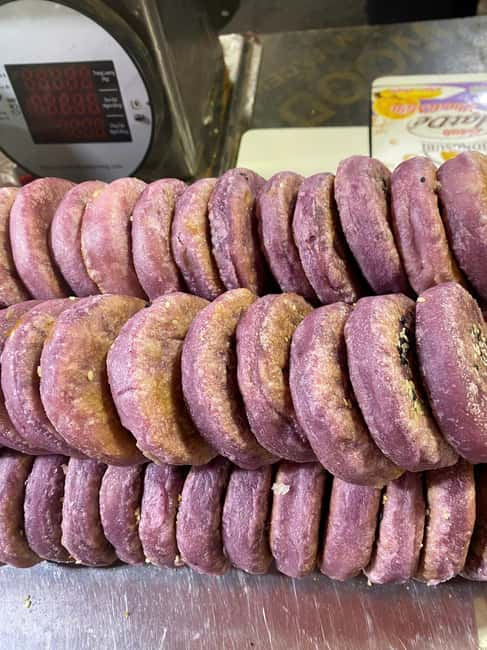
It is a night market, so you will see plenty of goods for sale. But here is the honest expectation: the market area is not always known for huge variety. You may notice many stalls selling similar items once you have walked a few blocks.
That does not make it pointless. It can still be fun to browse while you walk between food stops. If you want more shopping variety, set your expectations for food learning first, and souvenirs second.
The advantage of having a guide is that you can ask questions on the spot, and you are more likely to find the right stalls for what you want to buy. Still, keep your priorities straight.
Who should book this BBQ, hotpot, and black chicken night market tour
This is a great fit if you:
- Want real street-food dinner choices without having to plan every detail yourself
- Care about the meaning behind food, not only the taste
- Prefer a small group where you can ask questions and get answers
- Like the idea of paying for food directly based on what you pick
You might skip it if you:
- Are mainly looking for a very varied shopping market experience
- Want a fixed, fully included meal price (since the dish costs are not included)
- Prefer a restaurant meal with no street-market walking
For most people, the format hits a sweet spot. You get structure from a guide, but you keep control over the meal.
Practical notes for an easy Sa Pa evening
Because Sa Pa nights can feel chilly, dress for cool weather, even if you are mostly moving around. This kind of BBQ and hotpot evening is about warmth, so you will enjoy it more if you are comfortable.
Also note the behavior rules. Pets are not allowed, and alcohol and drugs are not allowed, with intoxication also prohibited. Littering and using fireworks or explosive substances are also not permitted. It is a normal set of rules for a food-focused public experience, but it is good to know up front.
Language support is another plus. The guide speaks English and Vietnamese, so you should be able to get explanations even if you only know a few words.
Should you book this Sapa night market BBQ, hotpot, and black chicken tour?
Yes, if your goal is a guided street-food dinner where you get to choose between three distinct Sa Pa specialties and hear the stories behind each one. The value is strong because the $10 mainly pays for the guide service and coordination, while your actual meal choice is flexible.
Hold off if you want a long food crawl with multiple tasting rounds included in the price, or if you are hoping the night market will be a huge variety shopping fair. This is food-centered and guided, not a shopping competition.
If you are the type who likes asking questions while you eat, this format is especially satisfying. And if you care about trying black chicken specifically, the cultural context makes the meal more than just a novelty.
FAQ
How long is the Sapa night market experience?
It lasts 2 hours.
What does the $10 price include?
It includes the guide’s service, the tour booking platform fee, and one bottle of water (500ml). Food is not included.
Is food included in the tour price?
No. You choose what you want to eat, and you pay for the dishes yourself.
What food options are available?
You can choose among Sa Pa BBQ, Sa Pa hotpot, or H’mong black chicken.
Is the tour private?
Yes, it is listed as a private group experience.
What languages does the guide speak?
The guide speaks English and Vietnamese.
Where do we meet in Sa Pa?
If you are near the center (within a 5km radius), pickup is arranged at your hotel. If you are farther out, you pick a prominent location such as the stone church or the train station.
Are there rules during the experience?
Yes. Pets are not allowed, intoxication is not allowed, and alcohol and drugs are not allowed. Littering and fireworks or explosive substances are also prohibited.
Can I cancel and get a refund?
Yes. Free cancellation is available up to 24 hours in advance for a full refund, and you can reserve with pay later.
More Tour Reviews in Sa Pa
Not for you? Here's more nearby things to do in Sa Pa we have reviewed







More Sapa Trekking Tours to consider.
 ★ 5.0Sapa 2 Days 1 Night From Hanoi – Overnight in Ta Van VillageTickets from $592,669 traveller reviews
 ★ 5.0Hanoi – Sapa 2 Days 1 Night Overnight At HomestayTickets from $89899 traveller reviews
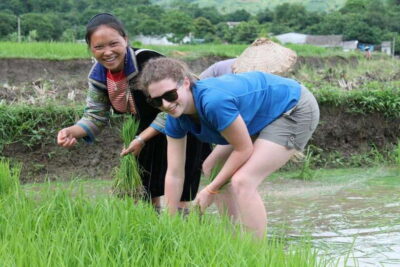 ★ 4.6Sa Pa: Muong Hoa Valley Trek and Local Ethnic VillagesTickets from $23864 traveller reviews
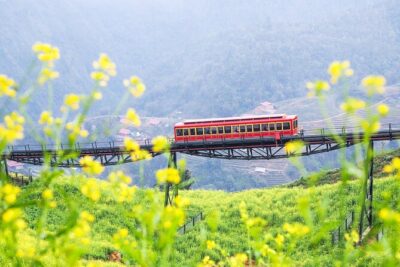 ★ 5.0Sapa: Fansipan Cable, Cat Cat Village & Moana Instagram TourTickets from $30777 traveller reviews
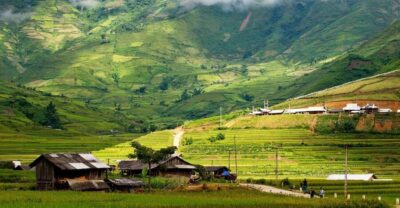 ★ 4.8From Hanoi: 2-Day Sapa Trekking Trip with Homestay & MealsTickets from $71704 traveller reviews
 ★ 5.0Sapa 3 Days 2 Nights Trekking Tour (1 Night In Ta Van Village, 1 Night In Hotel)Tickets from $139699 traveller reviews
 ★ 4.9Sapa: Eco Adventure Terrace Fields and Local Villages TrekTickets from $27636 traveller reviews
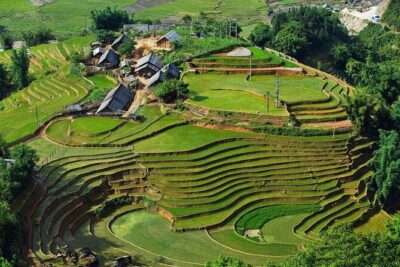 ★ 5.03-Day Trekking Adventure of Sapa from Hanoi – Stay Ta Van VillageTickets from $109611 traveller reviews
More useful Hanoi routes