
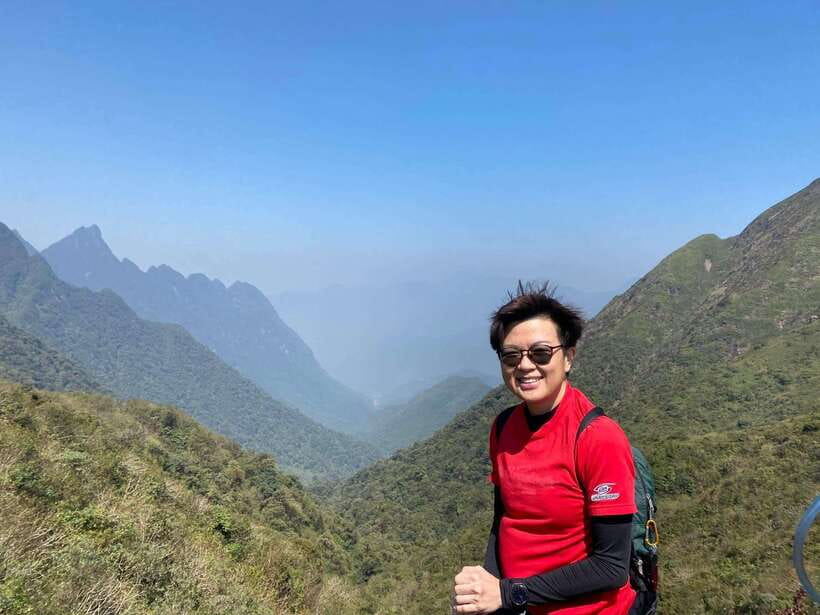
Review · SAPA TREKKING TOURS
Fansipan Trekking – 1 Day
Fansipan rewards early mornings. This one-day hike from Sapa up to Vietnam’s highest mountain is tough, but the payoff is the kind of panoramic scenery that makes the effort feel fair, especially with an English-speaking guide like Mr Cho or Mr Tinh.
I also like the professional organization from pickup through drop-off, plus the way the day is paced around a real starting elevation at Tram Ton pass.
What really makes this trek work is the combo of guided route support and practical small details, like the picnic lunch carried by your guide and the limited group feel of a private setup. Your guide can explain what you’re seeing and what to watch for, which turns a “just a hike” day into something more human.
One drawback to plan for: this is a hard, long day. You’ll cover about 24 km round-trip and climb roughly 1,400 to 1,600 m total height gain, with early departure and a return late in the afternoon or evening.
Key things I’d bet you’ll care about
- English-speaking guide quality, including guides who are active hikers and good at explaining the forest
- Tram Ton pass start (around 2,000 m), which means altitude is part of the challenge right away
- Picnic lunch at roughly 2,800 m, so you eat above the tree line feeling, not back at base
- You control the descent with an optional cable car down to save time if weather and legs cooperate
- Weather can shift quickly, so packing the right layers matters more than you think
Entering Fansipan’s Big-Deal Altitude, One Day at a Time
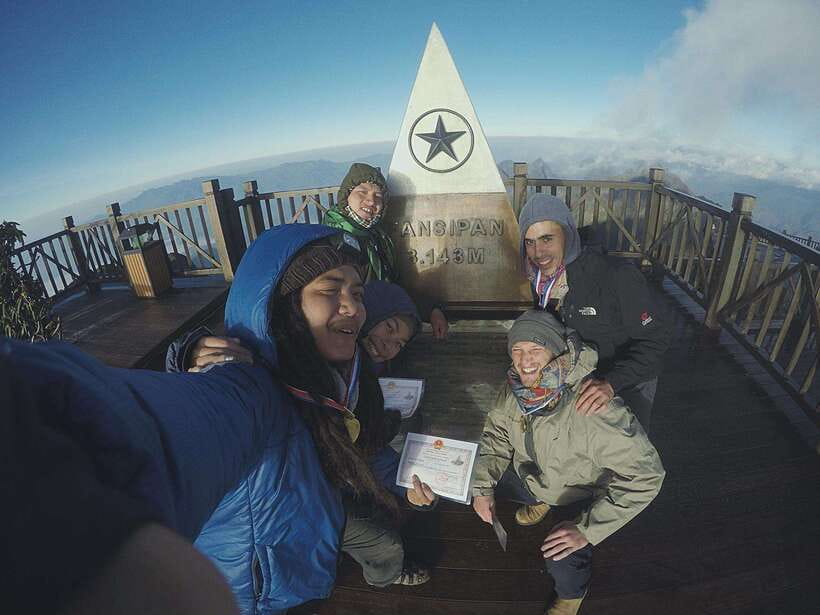
Fansipan is the highest mountain in the Indochina peninsula, at 3,143 m. For a one-day trek, that fact alone sounds like a marketing line, but the reality is simple: you’re going to work, you’re going to climb, and you’re going to earn the views.
This tour is built for people who want a summit day without turning it into a multi-day expedition. You start from Sapa and head to Tram Ton pass, then hike up through forest paths and streams, with bamboo and older trees along the way. The guide keeps the hike moving and helps you make sense of what’s happening at each elevation change, which matters because you’re not just walking, you’re adjusting to altitude and terrain.
Two things I like here. First, your guide is genuinely strong on English and communication, so you won’t be guessing. Second, you’re not stuck with a vague day plan. Timing is tight and clear, so you can plan your energy, not just hope for good luck.
You can also read our reviews of more hiking tours in Sa Pa


Getting from Sapa to Tram Ton Pass (and Why the Start Matters)
The day kicks off early. You’ll usually get picked up from your hotel in central Sapa around 5:30 to 6:00 AM, then ride to Tram Ton pass at about 2,000 m. If you’re traveling solo, transport can be by scooter rather than car, since the pickup still targets hotels around Sapa’s center (not village homestays).
This start location is a big deal. Beginning around 2,000 m means you feel the climb right away, not hours later. Even if you’re fit, the first stretch can hit your breathing a bit because your body adapts to altitude gradually and terrain adds strain on top.
Once you start hiking, you’ll cross through a mix of bamboo, older tree forest, and you may see colorful flowers and small streams. The route is not described as a single straight “up only” line. It’s more like a continuous changing hike, where you build rhythm, stop when your guide needs a check-in, and get small moments of scenery as the elevation rises.
Practical tip: if you’re the type who hates cold mornings, this is where you’ll feel it most. Start the day warm, not cozy. Bring layers that you can actually peel off while walking.
The Main Climb: Distance, Gain, and What the 10 to 12 Hours Really Means
The hike is roughly 12 km each way, making about 24 km round-trip. Total trekking time is about 10 to 12 hours, depending on your pace and how your day unfolds. You’re also climbing about 1,400 to 1,600 m overall. That’s why this isn’t for couch-to-summit dreamers.
Plan for a steady effort. One key detail that helps: you reach the top around 12:00 to 13:00, depending on speed. That timing matters because it affects both your summit time and how much daylight you’ll have on the way down.
Lunch happens on the way, at around 2,800 m. That’s high enough that you’re not fully “back to comfortable.” You’ll eat, reset your legs, then continue climbing. Your guide carries the picnic lunch, so you don’t need to lug extra weight, but you should still keep your pack balanced for trekking.
Your picnic lunch includes bread, fried chicken and eggs, tomato and cucumber, two kinds of fresh fruits, plus some small Vietnamese snacks. If you have dietary requirements, you can request changes in advance, and the team will adjust the food.
I like this lunch setup because it’s not just “here’s a snack.” It’s a real meal that keeps you fueled for a long descent, and it’s scheduled so you’re not starving and rushing at the worst possible moment.
The Summit Window: Views, Photos, and Reaching Peak Timing
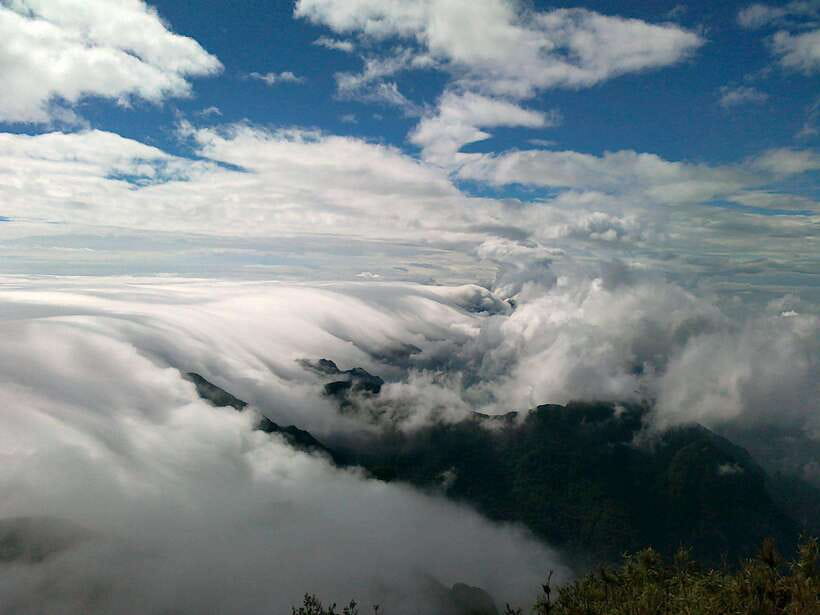
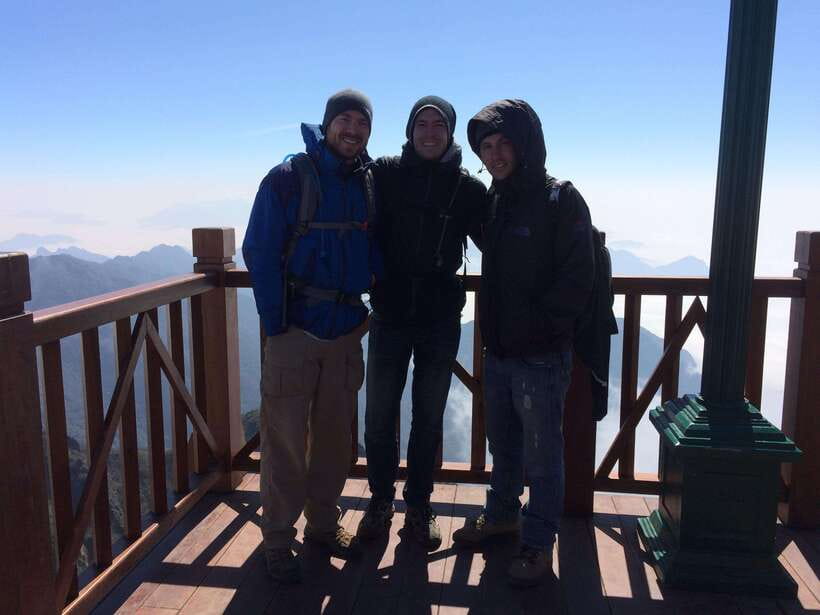
Your arrival at the summit is generally around 12:00 to 13:00. From there, you get wide, impressive views over Sapa town and out toward the Vietnam and China mountain areas. This is the part of the day where you feel like the early start made sense.
Also, this climb is famous for photo opportunities. You’ll likely want to slow down and take advantage of clear moments. The tricky part is weather. Fansipan can be sunny one hour, misty the next, with fast changes. So if clouds move in, your timing for photos matters. Don’t wait forever on one angle.
Once you reach the top, you can enjoy the views and take pictures, then you start the descent. The tour is designed so you’re not stuck at the summit all day. Instead, the plan pushes you into the return while daylight still works for safety and comfort.
Coming Back Down: Cable Car vs Trek Down the Same Way
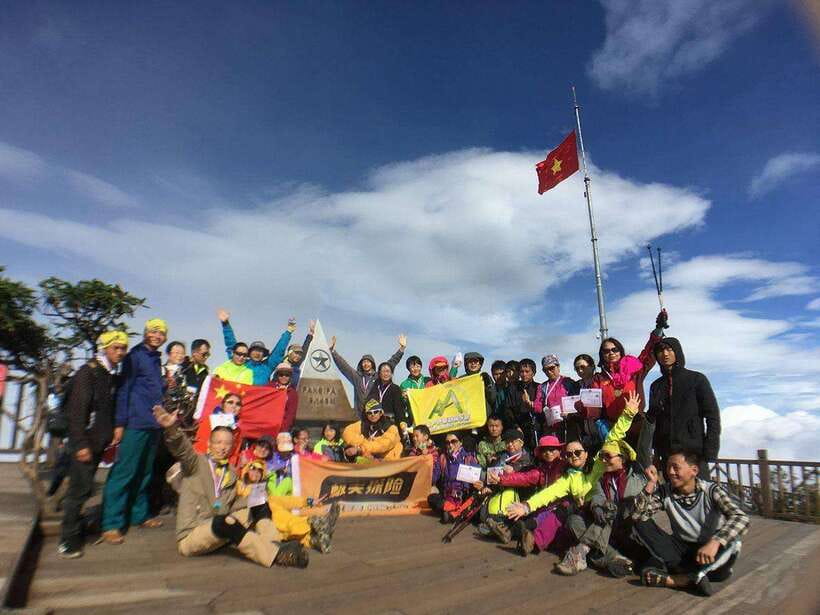
The route back uses the same general trail approach: down to Tram Ton pass, then back to Sapa. There are two ways to do the descent, depending on your energy and daylight.
Option one is trekking down the same way to Tram Ton pass, then taking transport back to Sapa. The end of the tour is usually 17:00 to 18:00, depending on speed.
Option two is taking a cable car down if you want to save time. If you use the cable car, return can be closer to 14:00 to 15:00. One important note: the cable car ticket is paid by you, directly.
This choice changes the whole feel of the day. Trekking down gives you continuity and more time in the forest stretch, but it can be rough on knees. Cable car can feel like a relief, but you trade that for faster recovery and less time on the trail.
If you’re unsure, here’s a simple rule: if your legs feel shaky or you’re worried about getting back before light fades, plan to use the cable car. It’s built into the experience for a reason.
More Hanoi tours and experiences for the shortlist


Winter Cold, Summer Rains, and the Packing That Actually Helps
Fansipan weather is a real factor, not background noise. Conditions can change quickly, so pack like you’re dealing with multiple weather moods in one day.
From November to April, it’s winter and often cold. Expect frequent sun, with possible mist and rainy spells, though not always heavy rain. Temperatures are listed around -2 to 12°C during that period.
From May to October, it’s described as summer, and you might still feel cold on the mountain. It can be sunny, misty, and there may be heavy rain at times, though it’s not described as dangerous for the trek. Temperatures are listed around 5 to 15°C.
Cold, mist, and rain combine into one thing: you need clothing that keeps you warm without soaking you. Bring warm layers, a raincoat, and gloves if you run cold. Add a hat and consider a head-light or headlamp for late light conditions, since the day can finish around early evening.
Suncream matters too. When it clears, UV can surprise you at altitude, even if it feels chilly. And a waterproof bag is a small piece of gear that saves big headaches.
You’ll be given 1.5 liters of water per person, but you still carry it yourself. That means your water strategy matters. Don’t over-drink early, but don’t wait until you feel drained either.
What’s Included in Your $77 Day (and Where Value Shows Up)
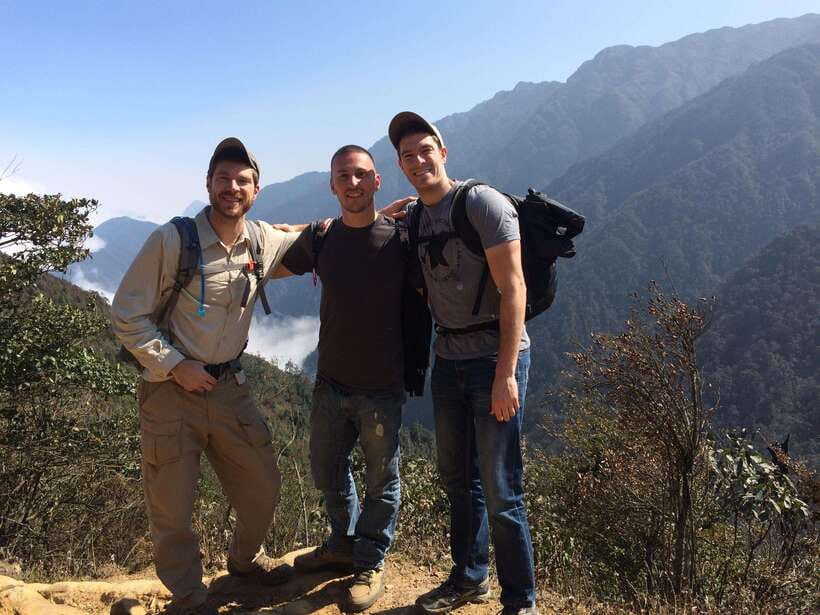
The price is listed at $77 per person for a 12-hour day, though your exact start time depends on availability.
What you get for that money is the kind of value that shows up in the hard parts of the day:
- English-speaking guide to lead you and keep you on track
- Picnic lunch plus the guide-carrying setup
- 1.5 liters of water per person
- Transport by car or scooter from central Sapa hotels and back
- Entrance fee for Fansipan Mountain, including a medal and certificate
- Insurance
For me, the value isn’t just the essentials. It’s the fact that the hike is logistically complex for a one-day trip, and the team handles the route entry process. You also get paperwork support, since you’ll provide personal details needed for permits.
Permits are not glamorous, but they matter for a smooth day on the mountain. That’s why you should fill out the required registration details promptly: name, date of birth, gender, passport number, and nationality for all members. Also share dietary requests, including allergies or vegetarian needs.
Fitness Reality Check: Who Should Do This Trek, and Who Should Skip It
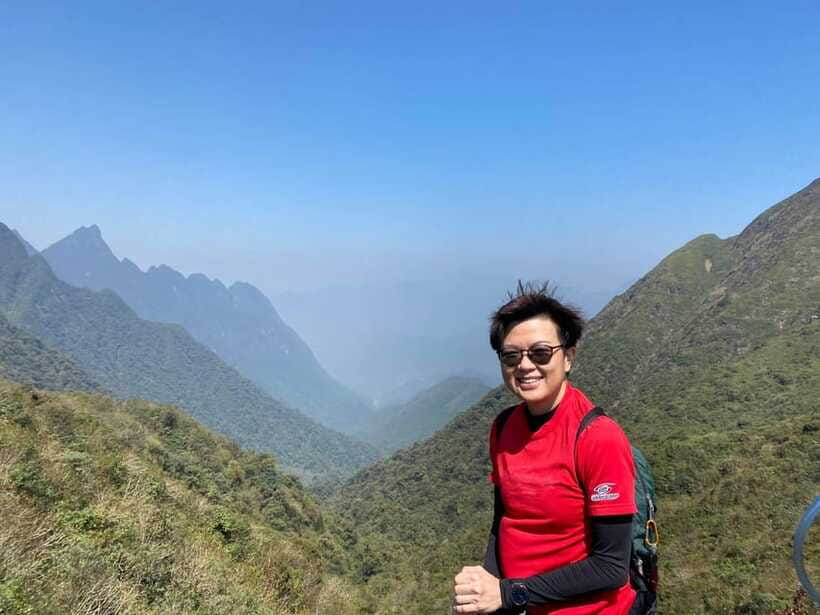
This is a serious day trek. Not because it’s extreme on paper, but because it’s long, steep in sections, and you’re starting at 2,000 m.
It’s listed as not suitable for children under 14, not suitable for pregnant women, and not suitable for people over 70. That’s a strong hint about the physical demand. Respect those limits.
Who should do it? You’ll likely enjoy it if:
- You can walk for most of the day and handle elevation
- You have decent hiking shoes (not just sneakers)
- You’re comfortable managing cold and possible mist or rain
- You want summit-level views in one day and you can handle a demanding schedule
If you’re unsure, think in terms of stamina and stress management. Can you keep steady pace for hours? Can you handle uneven terrain? Can you stay warm and dry when weather turns?
Your Guide Makes the Day: English, Forest Stories, and Staying Motivated
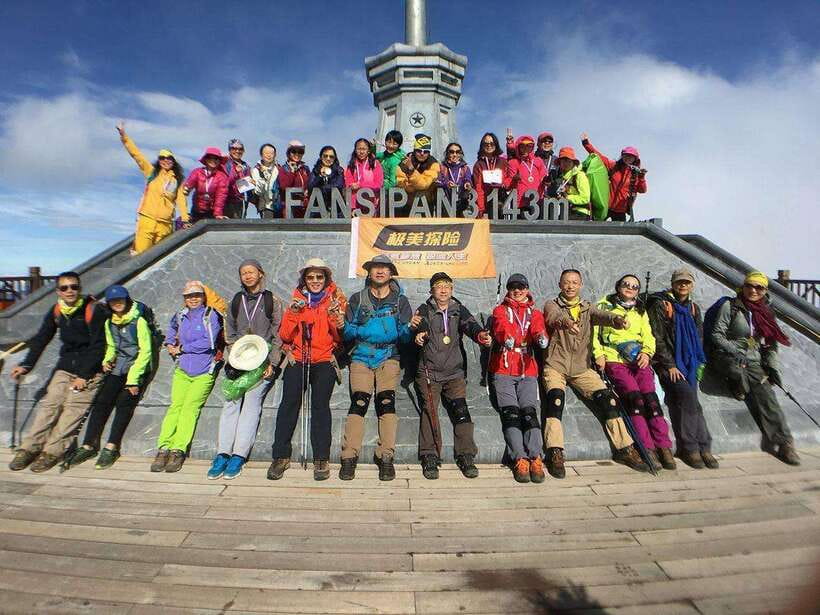
The strongest praise points are consistent: guides speak very well English, are friendly and helpful, and run the day professionally.
In one account, the guide shared background about the forest and his life. Another guide is mentioned as being highly professional from start to finish and enthusiastic and attentive throughout the trek. Guides like Mr Tinh and Mr Cho show up in the story as people who make the experience feel authentic and well-run, not generic.
That matters because a summit day can turn into pure endurance if you don’t know what you’re looking at. A guide helps you connect the dots. It also helps with pace, since the hike can feel slow or punishing if you’re pushing too hard too early.
Here’s a small mindset tip: let the guide set the rhythm, then follow your own body. When you’re tired, don’t panic, just keep moving at a sustainable pace.
Small Practical Tips Before You Go
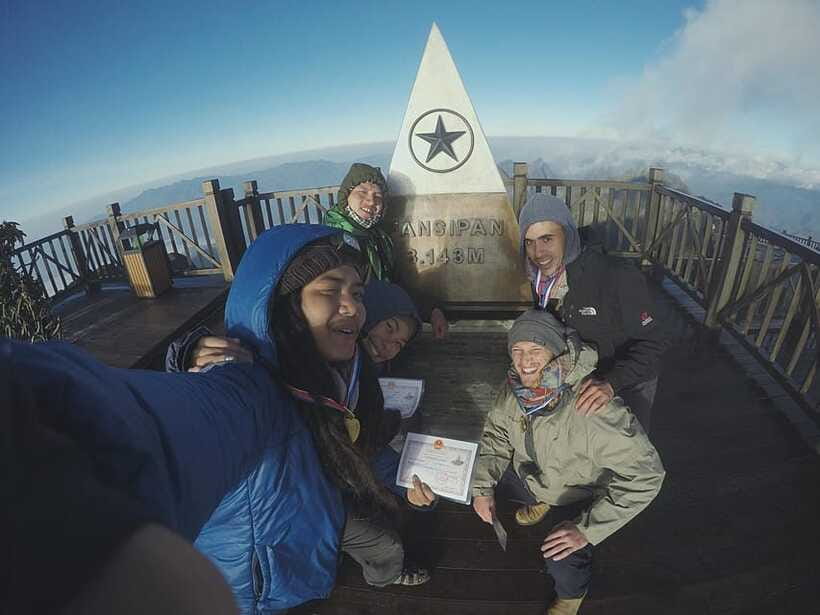
- Pack trekking shoes with grip. The terrain is described as difficult, so comfort is safety.
- Bring long pants, and plan for cold hands with gloves and extra socks if you get chilly.
- Bring a stick if possible. You might find a bamboo stick in the jungle, but having your own grip tool can help.
- Keep toilet paper in your kit. It’s specifically mentioned as something to carry.
- Wear layers you can handle between sun and mist.
- If you’re sensitive to weather, plan a calm summit checklist. Take what you can when visibility is good.
Should You Book This One-Day Fansipan Trek?
Book this trek if you want a real summit day from Sapa, with English guidance, included transport and lunch, and a plan that gets you back on schedule. The value is strongest for people who want a professionally managed day without having to figure out permits, timing, and logistics.
Skip it, or at least reconsider, if you’re not comfortable with a hard full-day hike at high altitude, or you fall into the listed non-suitable groups. Also skip if you hate unpredictable weather and long cold mornings, because Fansipan doesn’t slow down for anyone.
If you’re fit, prepared for cold and rain, and excited by the idea of Vietnam’s highest peak in one push, this is a straightforward, high-reward way to do it.
FAQ
How long is the Fansipan trek for one day?
The trek is listed as about 12 hours, and includes a full-day schedule with early morning pickup and a return to Sapa later in the afternoon or evening.
How far do we hike?
The hike is about 12 km each way, for roughly 24 km round-trip.
What language is the guide?
The tour includes a live guide who speaks English.
Do I get pickup and drop-off in Sapa?
Yes. Pickup is included from hotels around the center of Sapa town, and you’ll be dropped back at the end of the tour.
What time do we start and when do we reach the top?
Pickup is typically around 5:30 AM or 6:00 AM. You arrive to the top about 12:00 PM to 1:00 PM, depending on your speed.
What is included for food and water?
You get a picnic lunch (bread, fried chicken and eggs, tomato and cucumber, two kinds of fresh fruits, and small Vietnamese snacks) plus 1.5 liters of water per person.
Can I use the cable car on the way down?
Yes. You can take the cable car down by yourself if you want to save time, but the cable car ticket is paid by you.
More 1-Day Tours in Sa Pa
More Hiking & Trekking Tours in Sa Pa

More Tour Reviews in Sa Pa
Not for you? Here's more nearby things to do in Sa Pa we have reviewed
More Sapa Trekking Tours to consider.
 ★ 5.0Sapa 2 Days 1 Night From Hanoi – Overnight in Ta Van VillageTickets from $592,669 traveller reviews
 ★ 5.0Hanoi – Sapa 2 Days 1 Night Overnight At HomestayTickets from $89899 traveller reviews
 ★ 4.6Sa Pa: Muong Hoa Valley Trek and Local Ethnic VillagesTickets from $23864 traveller reviews
 ★ 5.0Sapa: Fansipan Cable, Cat Cat Village & Moana Instagram TourTickets from $30777 traveller reviews
 ★ 4.8From Hanoi: 2-Day Sapa Trekking Trip with Homestay & MealsTickets from $71704 traveller reviews
 ★ 5.0Sapa 3 Days 2 Nights Trekking Tour (1 Night In Ta Van Village, 1 Night In Hotel)Tickets from $139699 traveller reviews
 ★ 4.9Sapa: Eco Adventure Terrace Fields and Local Villages TrekTickets from $27636 traveller reviews
 ★ 5.03-Day Trekking Adventure of Sapa from Hanoi – Stay Ta Van VillageTickets from $109611 traveller reviews
More useful Hanoi routes