
Review · SAPA TREKKING TOURS
Sapa 1 Day Long Trek: Trek to Hau Thao and Sa Seng Villages
Views from Sa Seng change your whole Sapa day. You start with a steep warm-up and end up with Mount Fansipan and the whole Sapa valley spread below you, then you keep walking into Black Hmong villages. This one-day route is a smart way to trade cable-car views for real mountain life.
I really like that the trek balances big scenery with human details. You get cultural explanations along the way, and you also get a family-run lunch that feels local, not touristy. Guides I have seen mentioned, like Mama Mao, Su, Zo Zo, and Chau, tend to bring energy and stories, which matters when you are spending hours on uneven trails.
One thing to consider is that the trail can turn muddy and slippery in wet bamboo and forest sections. Even when the views are foggy, the walk is still active, so plan on good traction shoes and careful footing.
Key things to know before you go
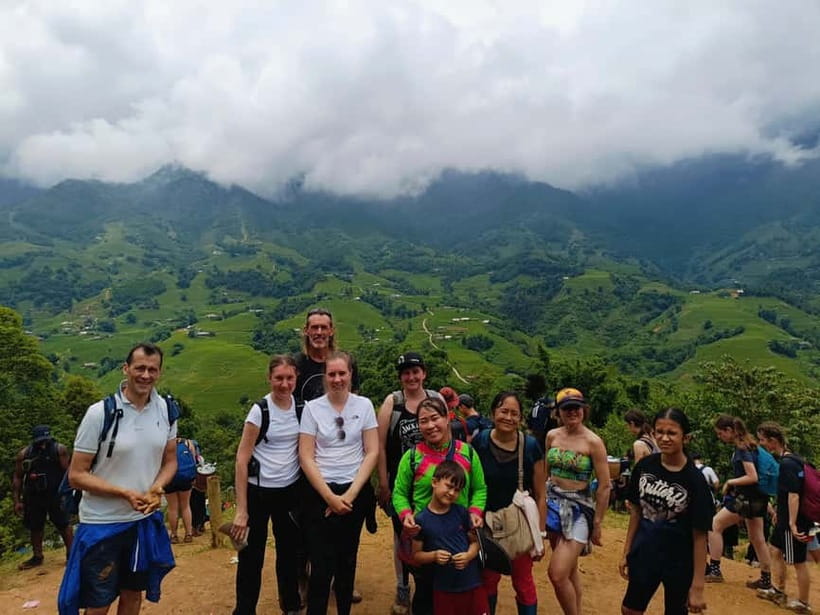
- Sa Seng Mountain viewpoints: A high point early in the day for wide views over Sapa and toward Fansipan.
- Muong Hoa Valley above the terraces: You see the big terrace panorama from higher ground, not just from town.
- Hang Da and Hau Thao villages: Real village visits with day-to-day farming and mountain living.
- Animals and rice field work: You may spot buffaloes, pigs, and horses, plus seasonal planting or harvesting.
- A home-style meal around noon: Lunch is included at a local family restaurant, not a quick pit stop.
- Small group feel: It is built as a small group trek, so the guide can keep track of everyone.
A one-day Sapa trek that actually feels like the mountains
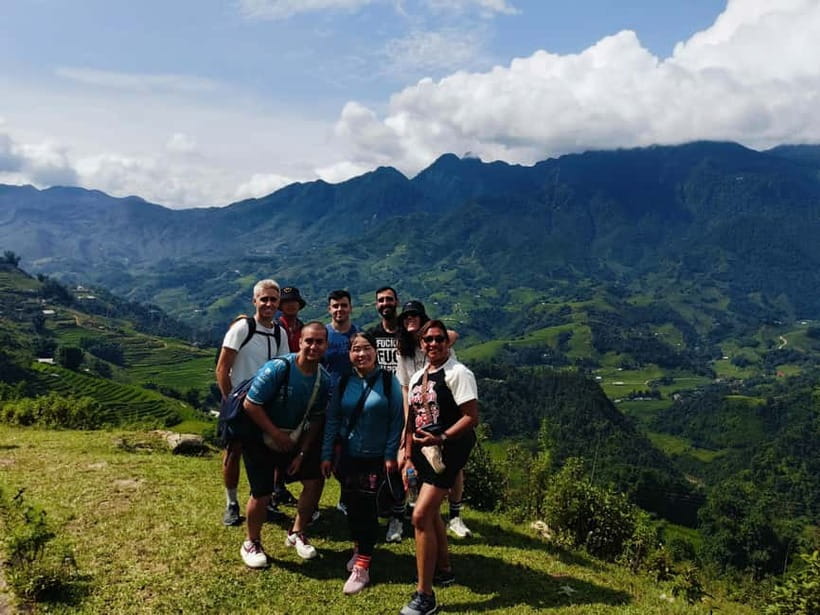
Sapa can be weirdly “touristy” if you only do short walks near the town center. This trek is different. You leave town, climb to a viewpoint, then walk downhill and through village areas where farming and daily routines shape the day. If you want a Sapa experience that feels more like Northern Vietnam than a postcard, this route is a solid bet.
You also get a rare combination for a one-day trip: distant panoramic views (including Mount Fansipan from afar) and face-to-face cultural learning with Black Hmong communities. The pace is full-day, so it is not a casual stroll, but it is structured and guided so you are not just wandering.
And the value is better than it looks on paper. For about $24 per person, you are getting hotel pickup and drop-off in Sapa Town, private transport back after the hike, an English-speaking local guide, entrance fees, bottled water, and lunch.
You can also read our reviews of more hiking tours in Sa Pa


The route in plain English: Sa Seng, Hang Da, Hau Thao, and Giang Ta Chai
This trek starts at 9:00 AM with pickup inside Sapa Town. After a short briefing, you begin with about 1 km uphill on a scenic mountain trail. Roughly an hour into the walk, you reach the top of Sa Seng Mountain, which sets the tone for the day.
From Sa Seng, the walking keeps changing character. You start by climbing into a viewpoint zone, then you continue downhill toward Hang Da Village. Along the way, you may see local farm animals like buffaloes, pigs, and horses, which are part of how people live and work up here.
Late morning to around noon is where the experience turns social. You arrive at Hang Da, get welcomed by the Black Hmong community, then you head to a family-run restaurant for lunch. After lunch, you move again toward Hau Thao Village, another Black Hmong community.
The final stretch is meant to be satisfying but still manageable for a one-day itinerary. By around 3:30 PM, you end in Giang Ta Chai village, and your vehicle waits to take you back to Sapa.
Sa Seng Mountain at the start: where the day pays off
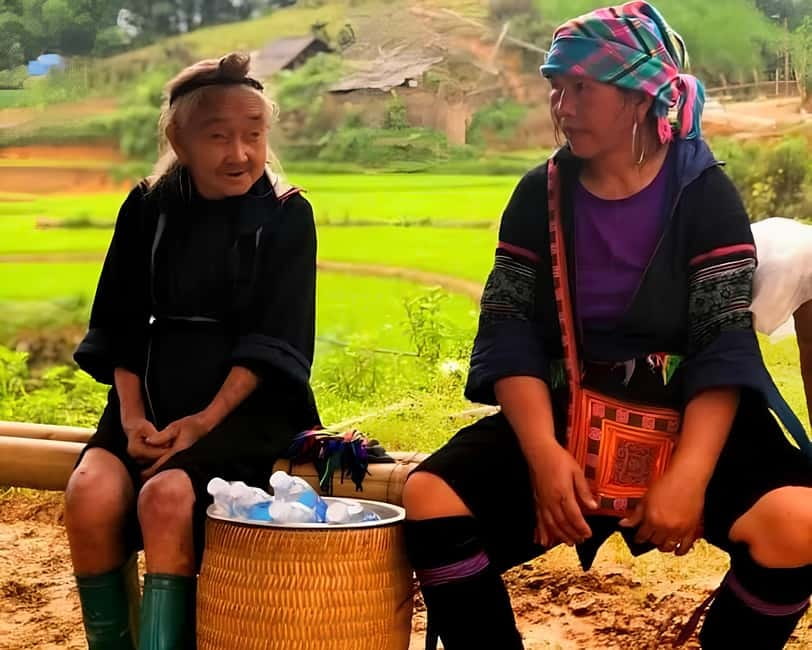
The climb to Sa Seng is not the long part, but it is the “wake up and start working” part. You will likely feel it in your legs because it is uphill and you are on mountain paths, not flat sidewalks.
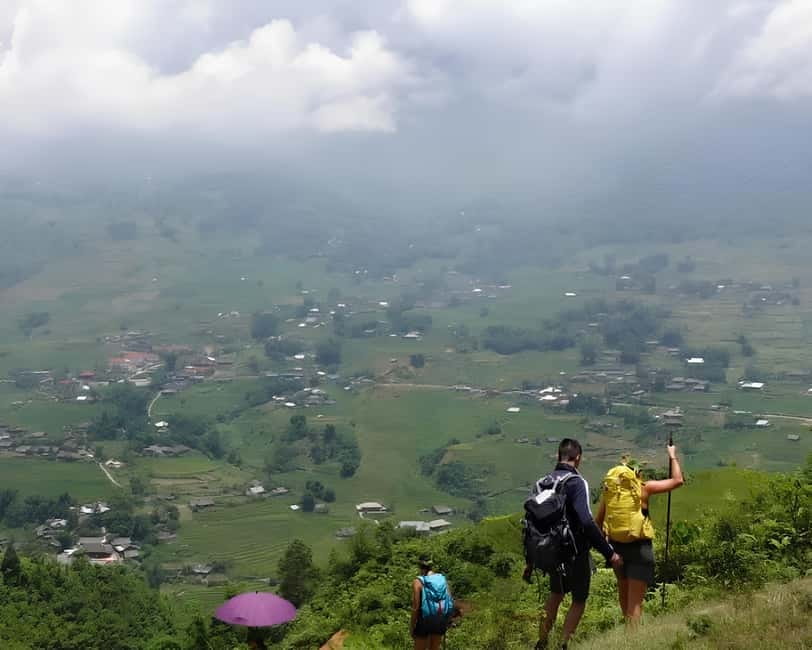
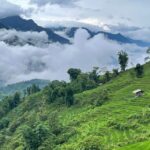
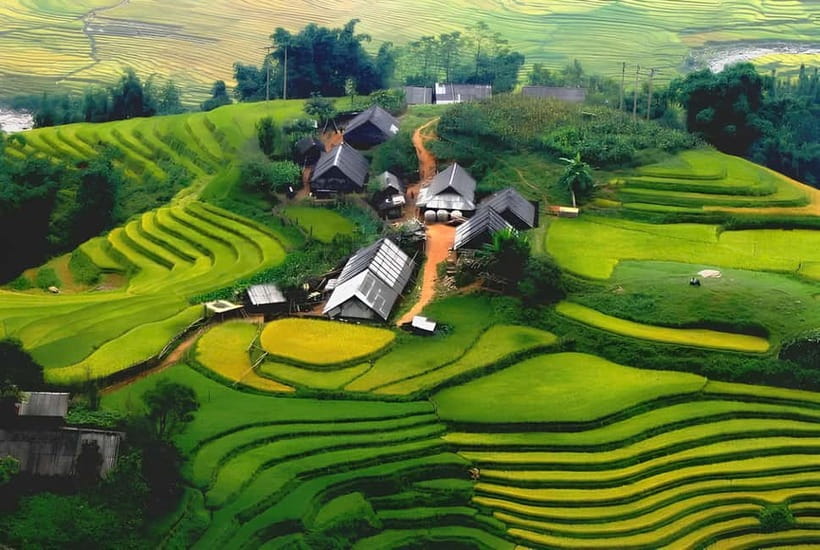
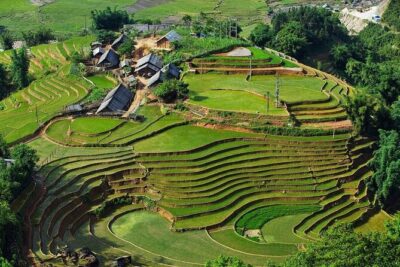
The reward hits when you crest the top. From Sa Seng, you get sweeping panoramic views over the Sapa valley. From this vantage point you can see Mount Fansipan in the distance, and you also get the big picture of Muong Hoa Valley. The Muong Hoa terraces are famous, and here you are seeing them from above, so the scale feels bigger.
A practical note: weather changes fast in this region. Even when the fog rolls in, you still get the “mountain changes by the hour” feeling. On clearer days, this is when your photos actually look like Sapa, not just hillsides wrapped in mist.
Hang Da Village: Black Hmong life, plus animals on the trail
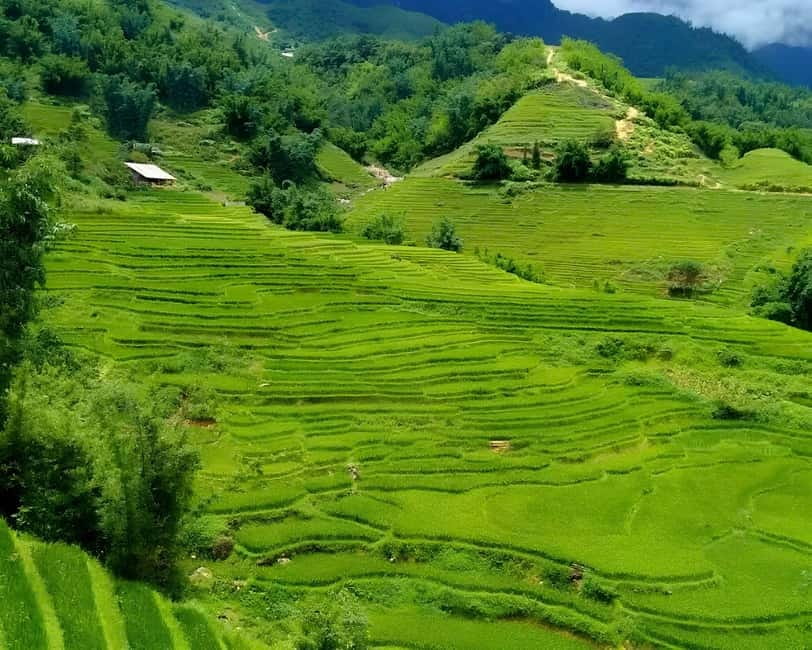
After the viewpoint, you go downhill toward Hang Da Village. This is where the trek becomes more than walking. You get welcomed by the Black Hmong community, and the guide brings context to what you are seeing.
One of the best parts is how ordinary village life shows up along the route. If conditions are right, you might see free-roaming buffaloes, pigs, and horses. They are not a staged “attraction,” they are simply part of the landscape of farming and herding.
The guide also explains how daily life connects to the land. You can expect talk about cultural practices and how people manage work and seasons. It is the kind of information that makes the walk feel purposeful, not random.
If you like meeting people but you do not want a long multi-day homestay, Hang Da is a good middle ground. You get the village contact, plus the structure of a guided day.
The included lunch at a family-run restaurant
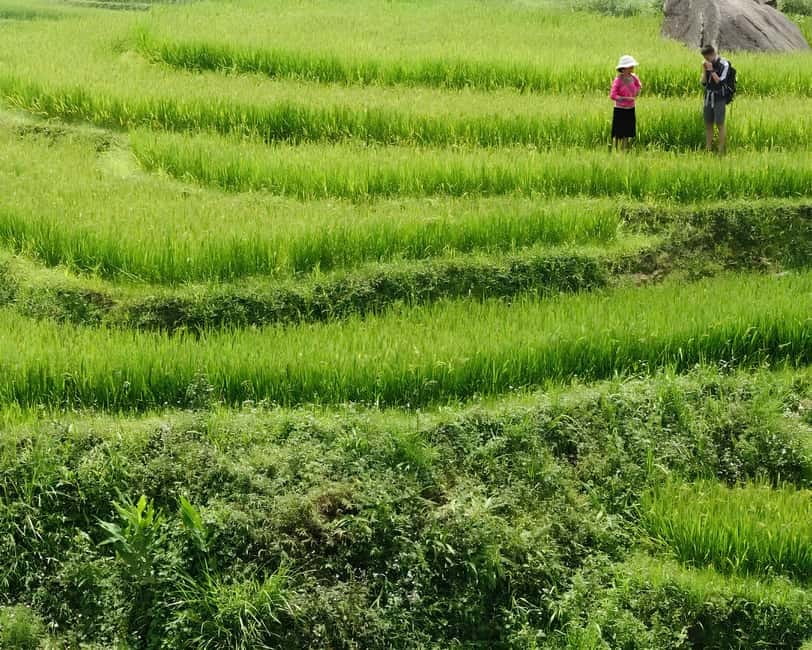
Lunch is around noon, and it is included. The format matters here. It is not a fast stop or a food court style meal. It is described as a traditional lunch at a cozy family-run local restaurant, which tends to feel more like you are eating where locals eat.
This is one of those small itinerary wins that makes the whole day feel balanced. When you have a long uphill start and an afternoon village walk, you need real food, not just a snack. Several guide-led experiences like this also get praised for having generous portions, which means you can refuel without worrying about finding something later.
For your planning: you will want to eat slowly and hydrate during lunch. Bottled water is provided during the trek, but you still burn energy on the trail, especially with elevation gain.
More Hanoi tours and experiences for the shortlist
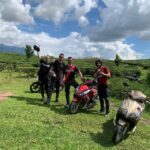
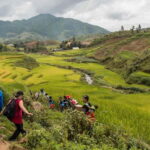


Hau Thao Village in the afternoon: farming seasons and house-building talk
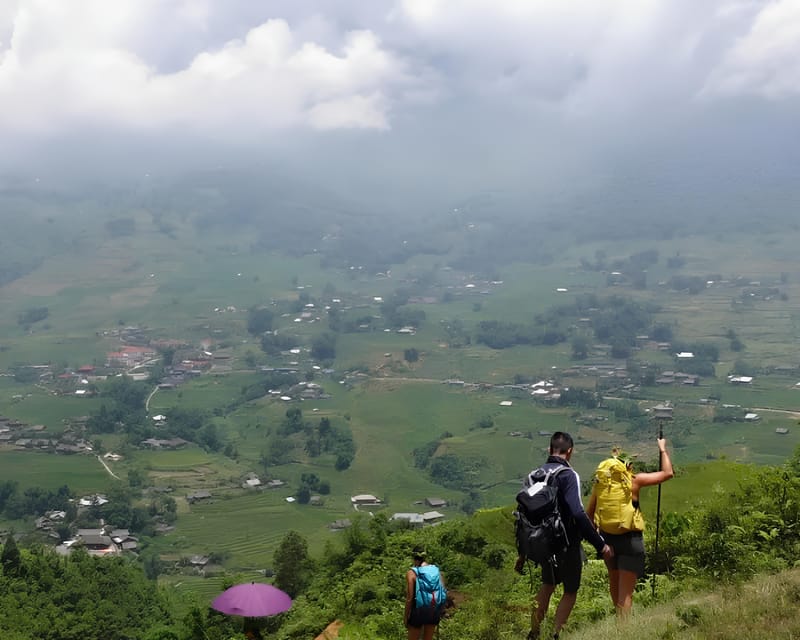
After lunch, the trek heads toward Hau Thao Village. Like Hang Da, this is also a Black Hmong community in the mountains. The big difference here is the afternoon feel: the light can shift, the terrain keeps your attention, and your guide’s cultural stories build on what you saw earlier.
Depending on the season, you might see farmers working, planting, or harvesting rice. That seasonal element is important. Rice terraces are iconic, but watching the rhythm of farming makes the terraces make sense as living production, not just a view.
This is also the time when your guide typically shares more direct cultural explanations. The day plan includes insights into traditional customs, including marriage rituals and house-building techniques, plus how rice cultivation fits into village life.
Even if you only catch parts of the explanation between picture stops and short walks, it changes your perspective. Instead of “I saw terraces,” it becomes “I understand why people shape this terrain the way they do.”
Giang Ta Chai finish at about 3:30 PM, then back to Sapa
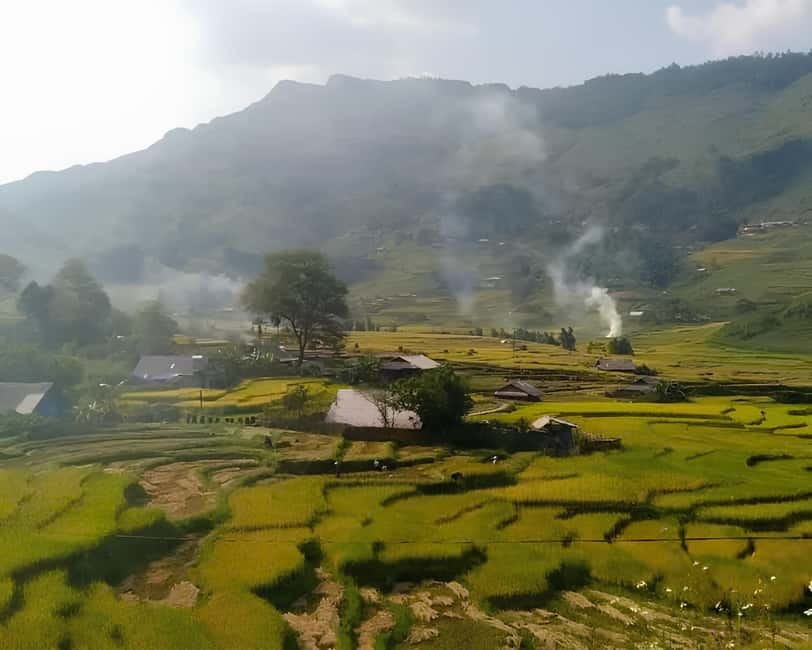
The trek ends in Giang Ta Chai village around 3:30 PM. A vehicle is waiting to take you back to Sapa Town.
This ending matters. After hours of walking, it is a relief to know the transport is built in, not something you have to negotiate at the last minute. You finish feeling like the day is complete, not half-done.
Pace, fitness, and the mud factor
This is where you should be honest with yourself. Even though the trek is described as moderate for some sections, it is still an active day with uphill effort at the start and uneven paths.
Some route logs from similar day treks suggest distances around 15 km, with meaningful elevation changes. Even if you do not track the numbers, you will feel the climbing early, and you may feel the downhill later, especially if the ground is slick.
Wet weather can turn certain sections into a slip-and-slide. One of the most common practical cautions is that bamboo forest and shaded trail areas can get muddy and slippery. If you are deciding what to wear, choose hiking shoes with grip over casual sneakers.
Also keep in mind the tour’s health suitability list. It is not designed for people with mobility impairments or wheelchair use, and it also flags concerns like heart problems, altitude sickness issues, kidney problems, and age limits. If any of those apply to you, you should skip this trek and look for a gentler Sapa option.
Guides: the energy makes the difference
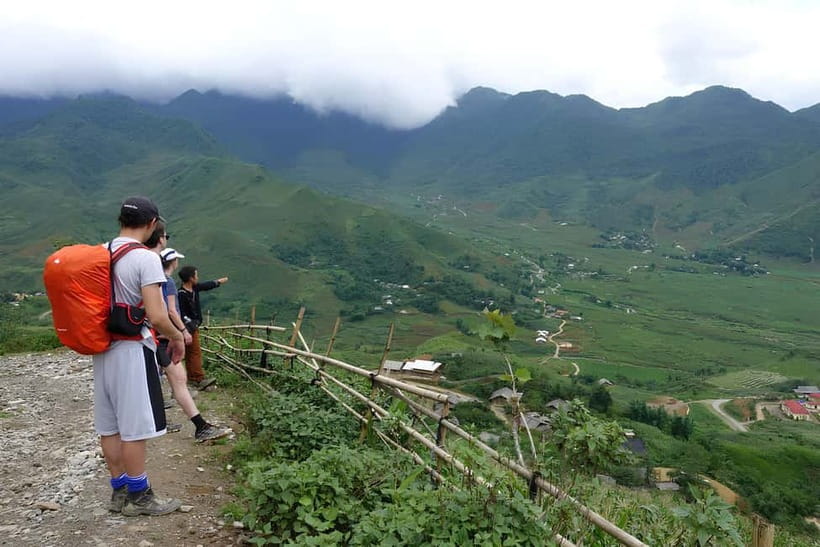
The trek is built around an English-speaking local guide, and the names people mention show a consistent pattern. Guides like Mama Mao, Zo Zo, Su, Pang, Vang, Chau, La, and Kerr are described as energetic, funny, and attentive. That matters because a long walk can get repetitive if the guide has nothing to say.
Good guides also handle conditions. When fog or rain limits views, a strong guide keeps the day interesting with culture, nature notes, and route pacing. Even in poor visibility, the trek can still feel like a win because the villages and farming explanations do not disappear.
When your guide is friendly and flexible, the experience stays human instead of mechanical.
Price and value for a $24 day trek
The price is around $24 per person, and the inclusions are what make it feel fair.
You get:
- Hotel pickup and drop-off in Sapa Town
- Private transport back after the trek
- An English-speaking local trekking guide
- Entry fees for village and trekking route
- Traditional lunch
- Bottled water during the trek
- A planned guided route through Sa Seng, Hang Da, and Hau Thao
- Local operator support (Cat ba memories)
If you were to price those elements separately, the guide and transport alone can add up fast. What you are paying for is not just “being taken hiking,” it is the whole day organized around access to village areas and cultural interpretation.
Is it the cheapest trek in town? Maybe not. But for a one-day route that includes lunch and transport, it is strong value.
What to bring, and what to avoid
The tour provides bottled water, but you still need your own basics.
Bring:
- Sunglasses
- Sun hat (sun can cut hard when the clouds break)
- Hat
- Cash
Avoid:
- Weapons or sharp objects
- Baby strollers
- Intoxication, alcohol, drugs
- Fireworks or explosive substances
- Bare feet
If your goal is comfort, focus on footwear traction. When the ground is wet, shoes matter more than almost anything else.
One small reality check: village selling at the end
This is the one awkward, real-world detail to plan for. Some experiences like this include moments where local women follow the group and invite you to buy items at the end of the trek. You do not have to buy anything, but you should expect the sales energy if you get that kind of stop.
My advice is simple: carry small cash so you feel in control, decide your budget ahead of time, and use a polite no if you are not interested.
Who should book this trek, and who should not
This trek is for you if:
- You have limited time in Sapa and want a full day outside town
- You care about Black Hmong culture and farming life, not just scenic photos
- You want a mix of Sa Seng mountain views and village contact
- You like guided walking with someone explaining what you are seeing
You should skip this trek if:
- You have mobility issues, use a wheelchair, or you are visually impaired (the tour lists these as not suitable)
- You have altitude sickness concerns or health conditions like heart or kidney problems
- You are under the listed minimum ages or above the listed age limits
- You expect an easy flat walk. This is a working day on uneven terrain
Should you book the Sapa 1-Day Trek to Sa Seng and Hau Thao?
Book it if you want a one-day plan that hits the key Sapa themes: big views over Muong Hoa Valley and Fansipan from afar, plus village visits that explain how people live and farm in the mountains. The included lunch and transport make it feel complete, and the small group style helps keep the day personal.
Skip it if you cannot handle uneven paths or if muddy footing will worry you more than it motivates you. The trek can be slippery in wet conditions, so be honest about your footing confidence.
If you are flexible on weather and you show up with proper shoes and a good attitude, this is one of the better ways to spend a day in Sapa.
FAQ
What time does the Sa Seng, Hang Da, and Hau Thao trek start?
Pickup starts at 9:00 AM in Sapa Town, and the trek typically finishes at about 3:30 PM.
How long is the trek?
The duration is listed as 7 to 10 hours.
What villages are included?
You will trek through and visit Sa Seng, Hang Da, and Hau Thao villages, and you finish in Giang Ta Chai village.
Is hotel pickup and drop-off included?
Yes, hotel pickup and drop-off in Sapa Town is included. If your hotel is in Sapa Town, you can request pickup from your accommodation.
What is included in the price?
The tour includes an English-speaking local trekking guide, private transport back to Sapa after the trek, entrance fees, bottled water during the trek, and a traditional lunch at a family-run restaurant.
What should I bring?
You should bring sunglasses, a sun hat, a hat, and cash.
Is the trek suitable for everyone?
No. It is not suitable for people with mobility impairments, wheelchair users, people with heart problems, people with altitude sickness, or people with kidney problems, and it has age and weight limits listed by the operator.
More 1-Day Tours in Sa Pa
More Hiking & Trekking Tours in Sa Pa


More Tour Reviews in Sa Pa
Not for you? Here's more nearby things to do in Sa Pa we have reviewed

More Sapa Trekking Tours to consider.
 ★ 5.0Sapa 2 Days 1 Night From Hanoi – Overnight in Ta Van VillageTickets from $592,669 traveller reviews
 ★ 5.0Hanoi – Sapa 2 Days 1 Night Overnight At HomestayTickets from $89899 traveller reviews
 ★ 4.6Sa Pa: Muong Hoa Valley Trek and Local Ethnic VillagesTickets from $23864 traveller reviews
 ★ 5.0Sapa: Fansipan Cable, Cat Cat Village & Moana Instagram TourTickets from $30777 traveller reviews
 ★ 4.8From Hanoi: 2-Day Sapa Trekking Trip with Homestay & MealsTickets from $71704 traveller reviews
 ★ 5.0Sapa 3 Days 2 Nights Trekking Tour (1 Night In Ta Van Village, 1 Night In Hotel)Tickets from $139699 traveller reviews
 ★ 4.9Sapa: Eco Adventure Terrace Fields and Local Villages TrekTickets from $27636 traveller reviews
 ★ 5.03-Day Trekking Adventure of Sapa from Hanoi – Stay Ta Van VillageTickets from $109611 traveller reviews
More useful Hanoi routes