
Review · SAPA TREKKING TOURS
From Sapa: Waterfalls, Trekking and Tribal Villages Tour
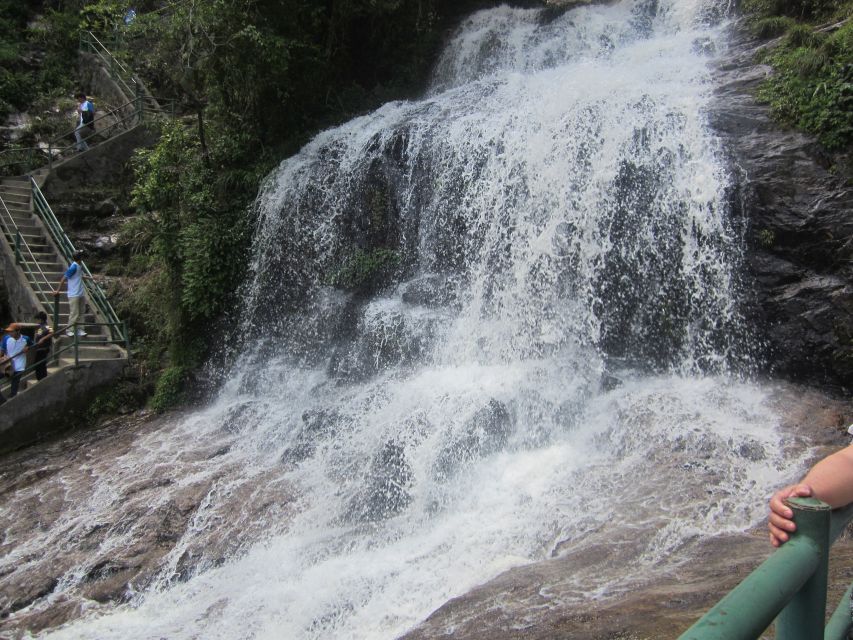
Sapa waterfalls are nice, but this one adds tribal village time and a proper hike through rice country. You start with Silver Waterfall and Love Waterfall in Hoang Lien National Park, then you work your way toward Tram Ton Pass before the trail tour begins. That mix of big scenery and small, human-scale moments is what makes the day feel complete.
My favorite part is the long stretch of walking through rice paddies and toward Ban Khoan, with time to meet the Hmong and Red Dzao people. The day also includes a picnic lunch with locals, which turns the scenery into a real conversation. The only caution: the hike length and pace can run longer than the headline, and weather (fog or rain) can change what you actually see.
Key highlights you’ll feel fast
- Silver and Love Waterfall views in Hoang Lien National Park, with the best chances of drama after rain
- Tram Ton Pass as the scenic mid-point that helps you understand the area’s mountain setup
- About 4 hours of trekking (around 15 km / 9.3 miles) through rice paddies and village paths
- Ban Khoan and Red Dzao community time in the Ta Phin Village area
- Hmong and Red Dzao cultural encounters, often guided by stories and textile-related context
- Picnic lunch included, with some guides able to handle dietary needs like vegan requests
Getting out of Sapa quickly: Tram Ton Pass and two waterfalls first
Most half-day tours in Sapa feel like one big drive with a small stop at the end. This one flips that rhythm. After pickup at your hotel lobby in Sapa Town, you head about 30 minutes out toward the waterfalls and Tram Ton Pass area, so the day begins with views instead of waiting.
Tram Ton Pass is part of what gives the day its “why here” feeling. It’s not just a scenic drive moment. You’re in the mountains early enough that your brain starts mapping the terrain for the trek ahead, including how valleys open up and where the trail can thread through farmland.
You can also read our reviews of more hiking tours in Sa Pa



Silver Waterfall and Love Waterfall: what the day looks like in real conditions
The tour visits Silver Waterfall and Love Waterfall, both in Hoang Lien National Park. If you like water that looks powerful rather than polite, aim for day-of conditions that include mist, recent rain, or steady humidity, because the waterfalls can look much more impressive then.
Fog can blunt the rice-paddy views later, but it also changes the mood around the falls. On a foggy day, you may lose some distance views while gaining atmosphere up close. Either way, expect walking to reach the viewpoints. One group noted the total back-and-forth for the waterfalls area was about 4 km, so this is not a sit-and-snap photo stop.
One practical note: you’re still early in the day when legs are fresh, so it’s a good time to move at a comfortable pace, not a sprint. Take your photos, but also factor in how your feet will feel later on the longer village trek.
Ban Khoan to the Red Dzao village area: rice paddies, trails, and village paths
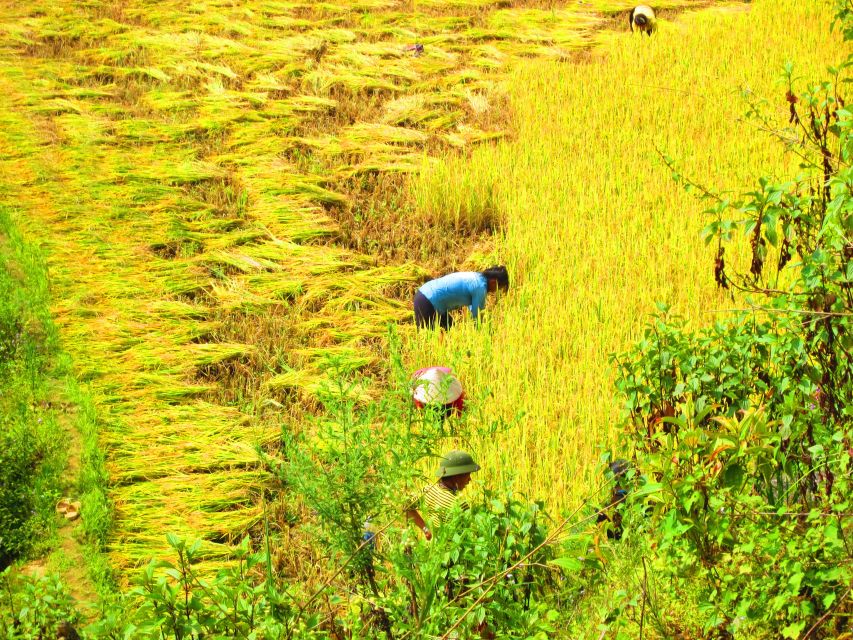
After the initial waterfall and pass stops, you head to Ban Khoan and begin the main trek. The plan is about 4 hours of hiking along a secluded trail, with a total walking distance listed as roughly 15 km (9.3 miles).
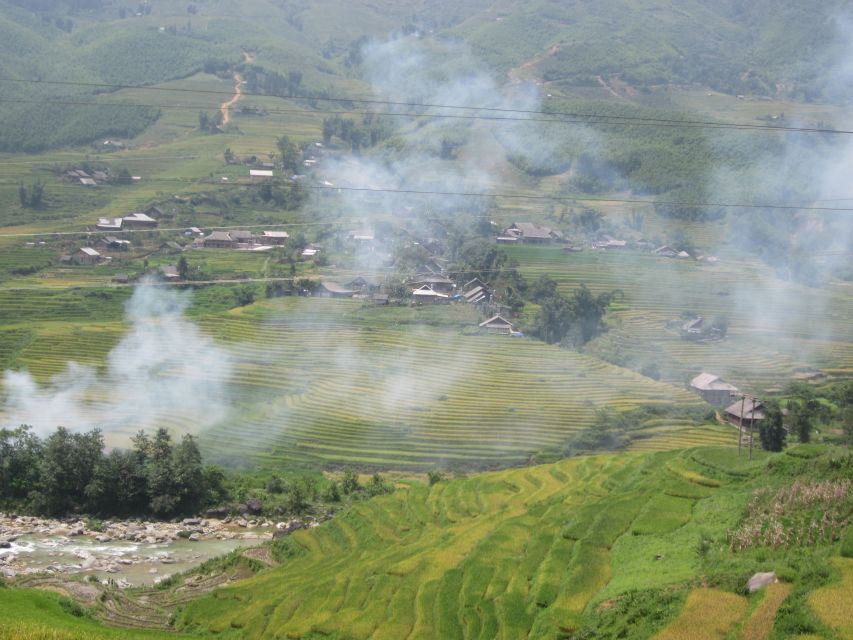
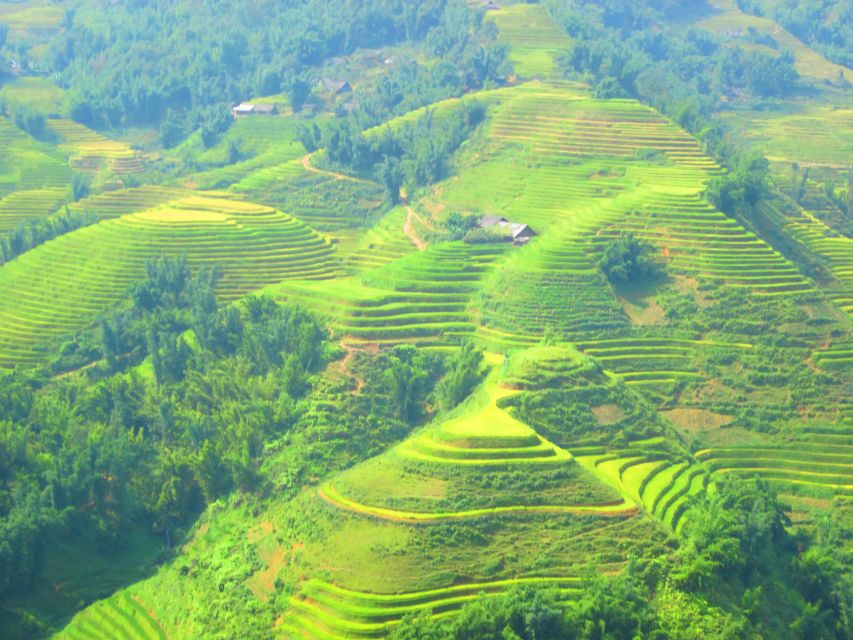
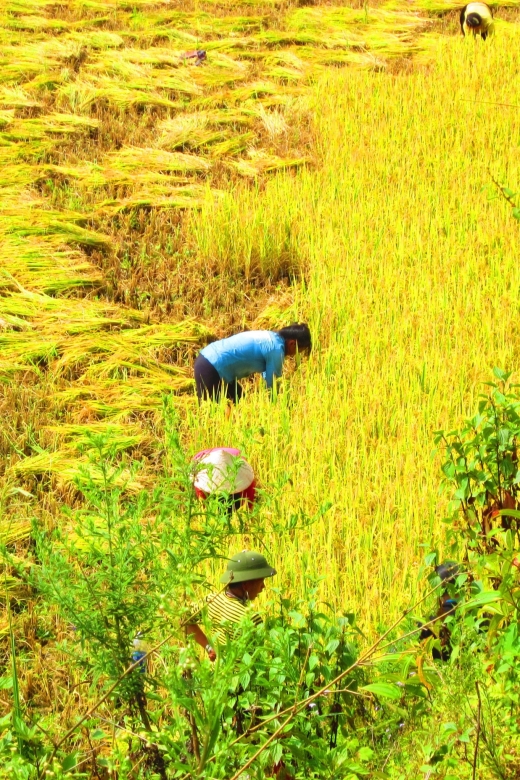
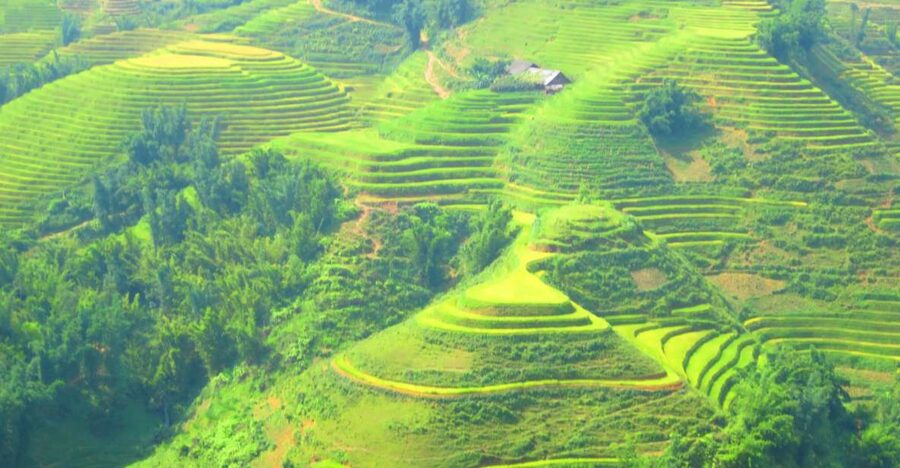
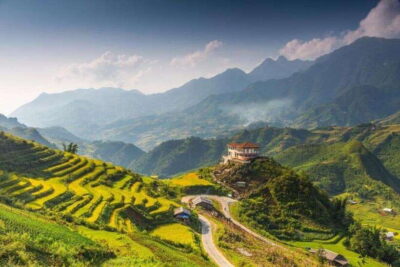
What I like about the structure is that the hike isn’t just “go up, go down.” You get variety. The trail is described as mountain paths, but you also move through rural farmland settings, including rice paddies. That matters because it changes what you’re looking at every stretch, instead of giving you one long view of the same slope.
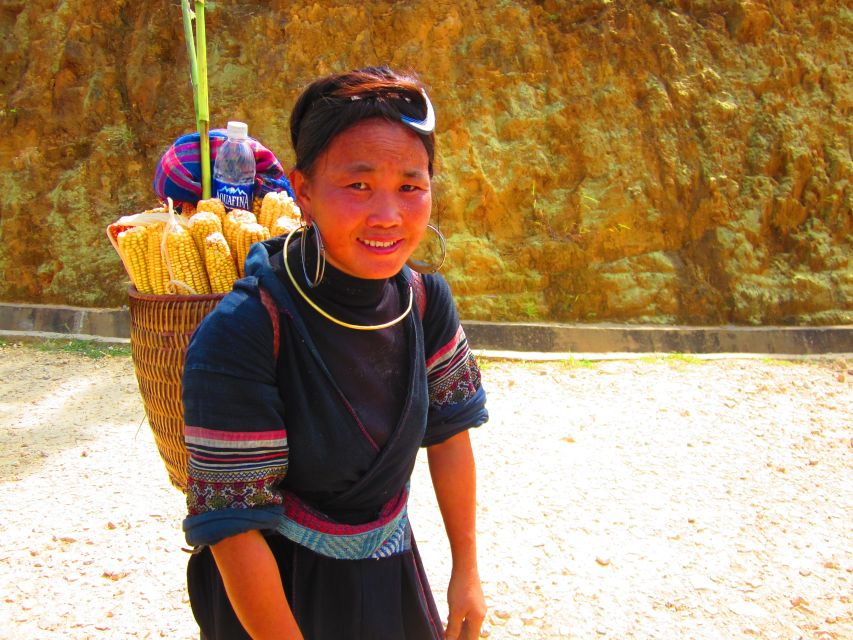
You’ll also be in and around tribal villages as you go. The tour is built around meeting and understanding life in the communities, including the Hmong and Red Dzao people. In practical terms, this usually means you’ll slow down at moments where your guide wants to show something specific, like how people live, work, and express identity through textiles.
A note on pacing: the trek can run long
Here’s the honest part. The tour language can sound like everything fits neatly into a 4-hour hike, but real terrain and route choices can stretch time. One group found the walk between villages took longer than expected, and another noted the trek time ran closer to 5 hours. So if you’re timing your afternoon tightly back in town, give yourself slack.
Meeting Hmong and Red Dzao people: why the village walk matters
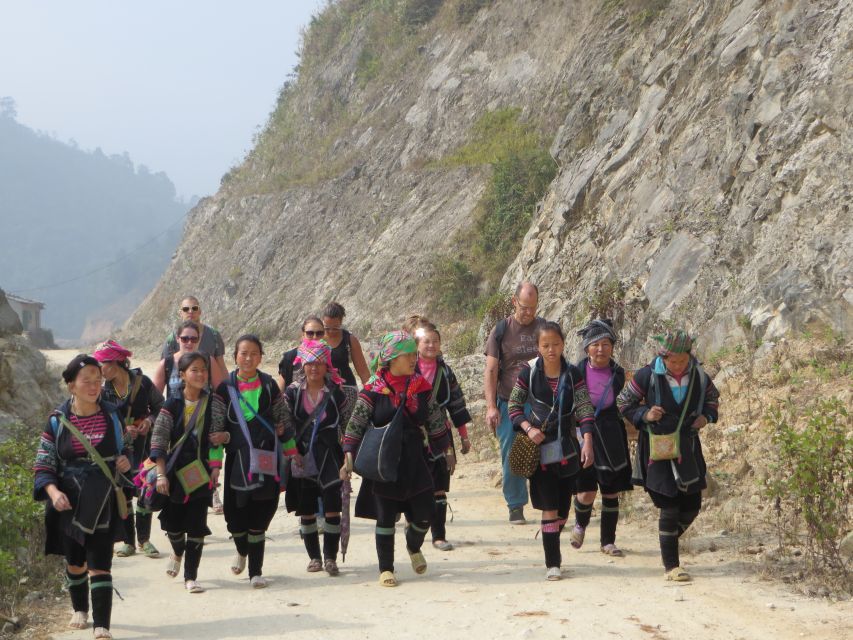
The best part of this tour is the human scale. You’re not doing a “tour of stalls.” You’re walking through day-to-day settings and learning about culture through a guide, with time to ask questions and see details people would notice in daily life.
The tour includes reaching the home area of the Red Dzao tribe in Ta Phin Village. You’ll spend time walking and exploring as part of the cultural portion, and the day’s focus is on understanding how communities live, not just checking boxes.
Guide quality can make a big difference here. In past groups, names like Lisa, Cu, Lan, and Sue came up, and the pattern was consistent: clear English explanations, stories about local traditions, and helpful answers. One guide even allowed route choices at the start for a more personal fit with comfort level and scenery.
If you want a cultural experience that feels friendly and grounded, this is the kind of format that works. You get time to slow down, ask questions, and connect what you’re seeing with context.
Picnic lunch with locals: included food, plus culture at the table
Lunch is a picnic lunch included in the price, with the idea that you eat in the village area and keep learning while you’re resting.
What’s worth knowing is that this isn’t always a bland boxed meal situation. One group mentioned the lunch included sandwiches, prepared along the way, and another group said the guide catered for a vegan diet request. That doesn’t mean every lunch will match every dietary need, but it’s a good sign that guides can sometimes flex.
The practical value: lunch breaks up the trek so you’re not just hiking until fatigue. It also gives you a quiet moment to absorb what you’ve seen so far. By the time you’re eating, you’ve already moved through waterfalls, farmland, and village paths, so the lunch feels like a pause inside the experience, not an add-on.
How fit do you need to be for this Sapa trek?
This is an outdoor half-day tour with a real trek, so comfy shoes matter. The tour guidance says to wear comfortable clothes and hiking shoes appropriate for outdoor activities. For cooler months, it also recommends warm clothes from November to March.
From the numbers and the on-the-ground feedback, I’d file this as “moderate trekking, but with ups and downs.” The listed trek is about 15 km (9.3 miles) over roughly 4 hours, but people also report variations by route and conditions.
If you’re a casual hiker who typically covers shorter distances, bring extra patience. The trail time can feel longer than the headline, especially if you stop to look around or photos slow you down. The good news is you’re with an English-speaking guide, and the pace usually gets managed for the group.
Time management: 5 hours total, with transfers built in
The entire experience is listed as 5 hours. That includes:
- pickup in Sapa Town
- about 30 minutes to reach the waterfalls and Tram Ton Pass area
- time for exploring and the trek
- a roughly 30-minute transfer back to Sapa after the village portion
Also, starting times are not the same every day. You’ll need to check availability to see what time the tour begins, which matters if you want to coordinate with morning rest, lunch in Sapa, or later plans.
Group size is capped at 15 participants, so you’re not stuck with a huge crowd. That size tends to make it easier to hear your guide and to keep the rhythm during photo stops.
Price and value at $72: what you pay for, what you still handle
At $72 per person, this tour can feel like a smart value if you want a guided cultural trek without the hassle of arranging transport, tickets, and lunch. You’re paying for a local English-speaking guide, private car transfer, entrance fees, picnic lunch, and 2 bottles of mineral water per person.
Where the value shines is in not having to piece together the day. In Sapa, that matters. You avoid juggling separate rides, separate ticket lines, and the stress of making sure you’re at the right trailhead on time.
What you’re not paying for: hotel accommodation and travel insurance, plus your own train or bus tickets to reach Sapa. If you’re already in town and just want one guided half-day that covers a lot of key Sapa sights, this pricing structure makes sense.
What to pack for waterfalls and rice paddies
You’re outdoors for hours and you’re moving between wet areas and farmland paths. Bring what you’d bring for a serious walk, not just a city stroll.
The tour’s guidance is specific and worth following:
- insect repellent
- sunscreen
- a raincoat
- a sun hat
- a small daypack with personal items
- comfortable clothes and hiking shoes
And yes, bring warm layers for November through March, since you can get chilly when weather changes around the mountains and passes.
One more practical tip from experience type logic: keep your daypack light enough that you can move easily, but big enough for rain gear and water. The tour includes bottled water, but you’ll still want your own way to manage snacks or a light extra layer.
Should you book this Sapa Unique Tour trek?
Book it if you want your Sapa day to include both big scenery and real village context, with a guide who explains what you’re looking at. This is especially a good fit if you like a guided format, want to meet people in the region, and appreciate a small group with pickup and private transport handled.
Skip it or choose a different option if:
- you need a guaranteed very short hike at a strict pace, since the trekking time can run longer depending on route and conditions
- you have limited mobility or strong sensitivity to steep, uneven trails
- fog and rain would make you unhappy, since weather can change how far you can see later in the day
If you’re somewhere in the middle, this is a solid “half-day that actually feels like a day” choice, with waterfalls, pass views, rice-country walking, and cultural time in Ban Khoan and the Ta Phin area.
FAQ
How long is the tour?
The tour duration is listed as 5 hours.
Where does pickup happen in Sapa?
Pickup is included at your hotel lobby in Sapa Town.
Are starting times fixed?
Starting times vary, so you should check availability to see what times the tour runs.
How long is the trekking part, and how far is it?
The trek is about 4 hours and covers approximately 15 kilometers (9.3 miles).
Is lunch included?
Yes. A picnic lunch is included.
What does the tour include in the price?
It includes an English-speaking guide, all entrance fees, private car transfer, picnic lunch, and 2 bottles of mineral water per person.
What is the group size?
The tour is a small group, limited to 15 participants.
What should I wear or bring?
Wear comfortable clothes and hiking shoes. Bring insect repellent, sunscreen, a raincoat, sun hat, and a small daypack. If trekking from November to March, bring warm clothes.
Is travel insurance included?
No, travel insurance is not included.
What is the cancellation and payment flexibility?
You can cancel up to 24 hours in advance for a full refund. It also offers a reserve now and pay later option, where you pay nothing today.
More Hiking & Trekking Tours in Sa Pa


More Tours in Sa Pa


More Tour Reviews in Sa Pa
Not for you? Here's more nearby things to do in Sa Pa we have reviewed



More Sapa Trekking Tours to consider.
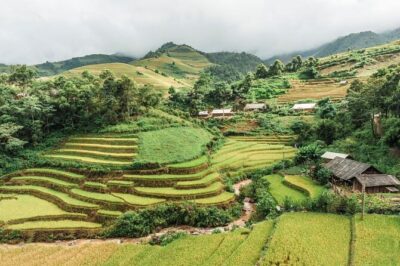 ★ 5.0Sapa 2 Days 1 Night From Hanoi – Overnight in Ta Van VillageTickets from $592,669 traveller reviews
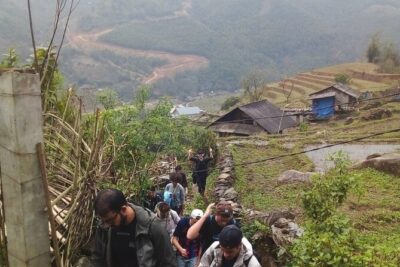 ★ 5.0Hanoi – Sapa 2 Days 1 Night Overnight At HomestayTickets from $89899 traveller reviews
 ★ 4.6Sa Pa: Muong Hoa Valley Trek and Local Ethnic VillagesTickets from $23864 traveller reviews
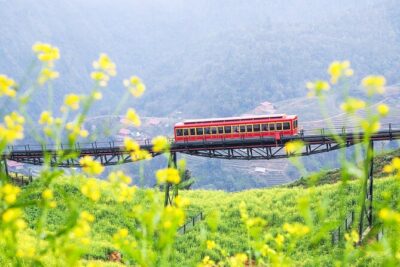 ★ 5.0Sapa: Fansipan Cable, Cat Cat Village & Moana Instagram TourTickets from $30777 traveller reviews
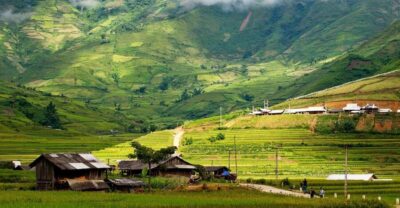 ★ 4.8From Hanoi: 2-Day Sapa Trekking Trip with Homestay & MealsTickets from $71704 traveller reviews
 ★ 5.0Sapa 3 Days 2 Nights Trekking Tour (1 Night In Ta Van Village, 1 Night In Hotel)Tickets from $139699 traveller reviews
 ★ 4.9Sapa: Eco Adventure Terrace Fields and Local Villages TrekTickets from $27636 traveller reviews
 ★ 5.03-Day Trekking Adventure of Sapa from Hanoi – Stay Ta Van VillageTickets from $109611 traveller reviews
More useful Hanoi routes