Review · HANOI
Sapa3D2N TrekkingAdventures,Valleys,Bambooforest,Waterfall
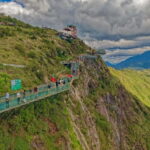
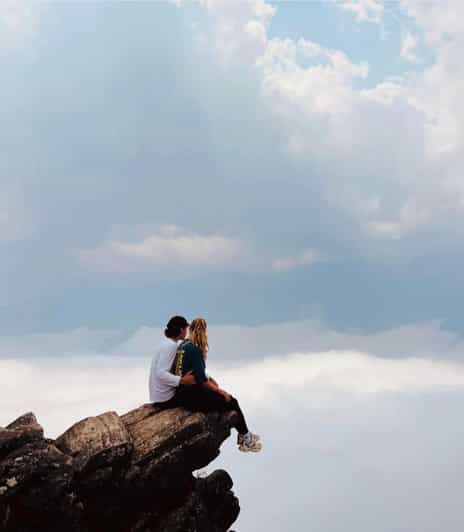
That view from Dragon Mountain feels like a movie set. I love the combo of big panorama stops like Dragon Mountain and the real, hands-on homestay with Dinh’s family. The tradeoff is simple: this is real trekking time, with long days on uneven paths, so you need comfortable shoes and a steady pace.
What I also like is how the trip is organized around villages, not just photo stops. You’ll walk through rice terraces, cross hanging bridges, and visit multiple ethnic groups, from Black Hmong to Red Dao, with guidance in English. If you hate early mornings and want mostly flat walking, this route may feel like more work than you planned.
Key highlights worth your attention
- Dragon Mountain at 1900m with views toward Fansipan (3143m) and Sapa town
- Homestay style evenings with family meals, hot shower time, and local culture moments
- Waterfalls at Giang Ta Chai plus an alternate trail and bridge crossings
- Village variety across Black Hmong, Red Dao, and a visit tied to Tày stilt houses in Ban Ho
- Practical guiding from Dinh and her team with Dinh also described as energetic and fun to be around
First stop: Dragon Mountain and why it sets the tone
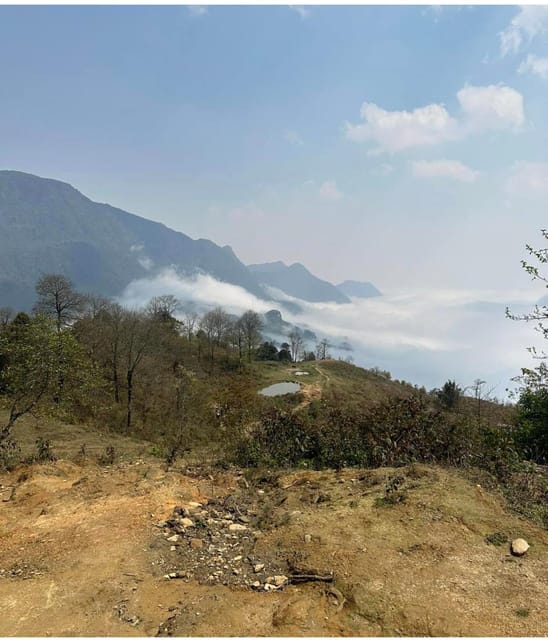
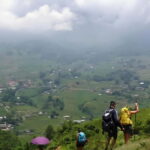
Day 1 starts with a 9:00 am pickup at your hotel in Sapa or in front of Sapa’s main church. From there, the walking begins with a short uphill trail to Dragon Mountain, around 1900m. This early climb matters because it gives you the big picture view fast, before the day’s villages and footpaths fill your brain.
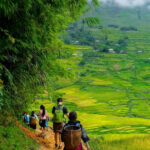
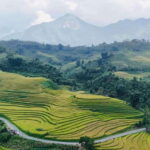
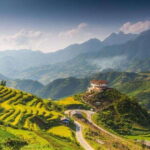
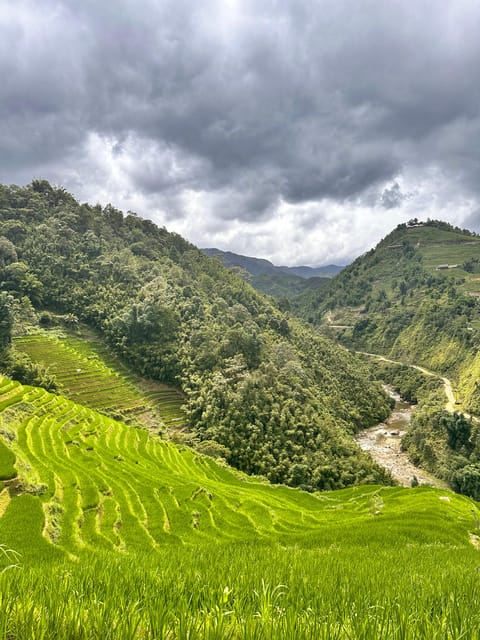
From the viewpoint, you get sweeping sightlines toward Fansipan, listed here as 3143m, and a wide view across Sapa. You can also see the famous rice terrace areas tied to Muong Hoa Valley, plus the major river and valley that make this region feel dramatic even when you are standing still.
If you’ve only seen Sapa from town cafes, this is the moment that turns it into something physical. The terraces and valleys stop being a postcard and start being the route you will actually walk through.
You can also read our reviews of more tours and experiences in Sa Pa.

Getting village context in small, human stops
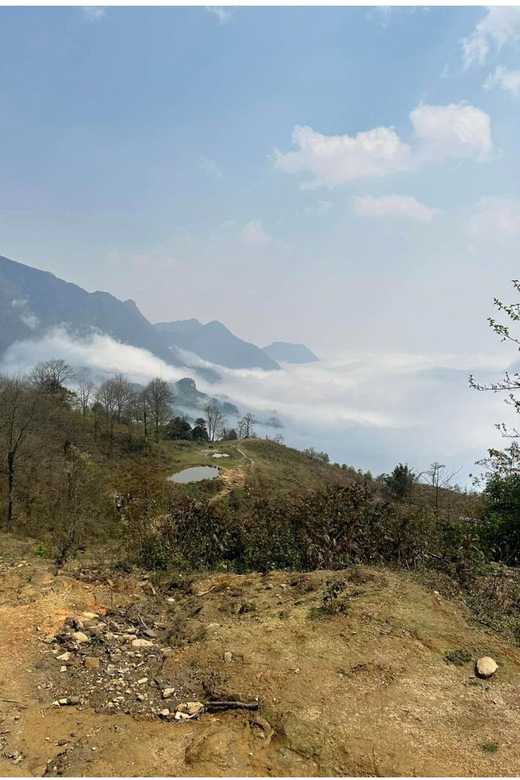
This trek is built around time in local villages, not just a checklist of scenic spots. The day-to-day rhythm is mostly: short walks between areas, village viewing, then food with locals.
You’ll visit Black Hmong villages including Hang Da and Hau Thao, and the itinerary also includes time in an area connected to the Red Dao community. You will learn culture and daily life, and if timing lines up with fieldwork, you may see people planting or harvesting rice. That part is never guaranteed, but it is the kind of thing that makes your photos feel grounded instead of staged.
One more cultural note: the highlights specifically call out traditional stilt houses of the Tày ethnic group in Ban Ho. Even if you do not linger for a long museum-style explanation, seeing stilt houses in context helps you understand why homes here are built the way they are, with practical choices tied to mountain living.
Day 1: Sa Seng, Hang Da, Hau Thao, and a homestay welcome
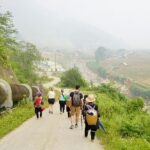
The first day is around 10 to 15km and about 6 hours of trekking. After the Dragon Mountain viewpoint, you continue downslope toward Hang Da, a Black Hmong village.
This is a good day if you like gradual variety. You are not just looking at terrain, you are moving through it. Along the way, you may spot farm animals such as buffalos and pigs, because the route passes through working areas.
Lunch on Day 1 is at a small restaurant run by a local family. After lunch, you move on to Hau Thao, another Black Hmong village. The plan is to see daily life up close, so you are not just walking through. You are arriving as part of someone’s day.
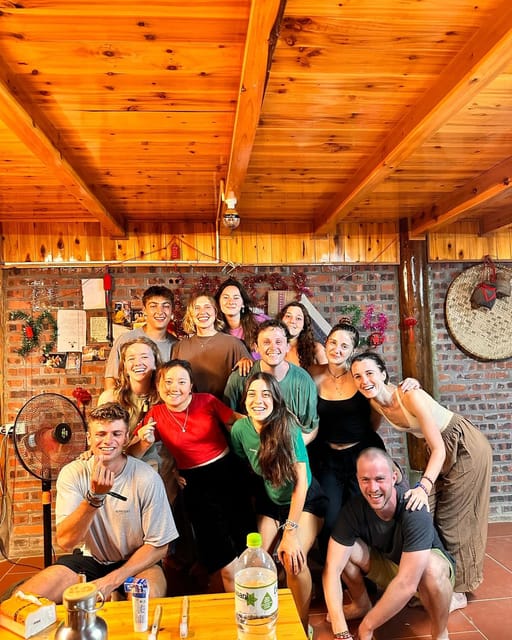
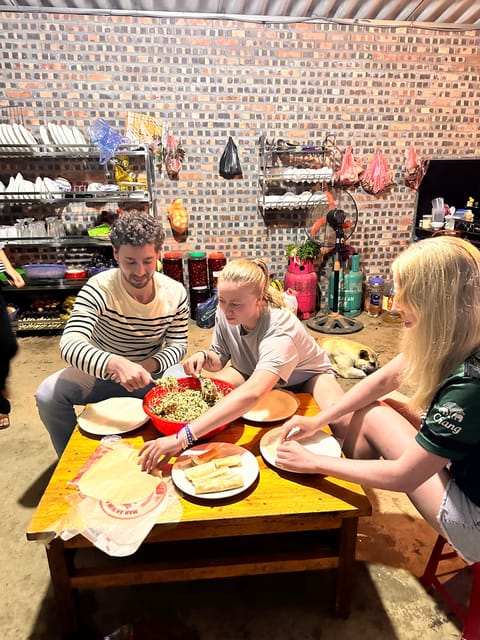
Then comes the part many people remember most: the homestay. You will be welcomed by Dinh’s family, stay for two nights, and have time to rest afterward, including mention of a hot shower. Dinner is with the family, which usually means you are eating what is normal for them, not what a restaurant kitchen cooks for tourists.
One detail worth knowing for your expectations: this is not a silent hotel experience. In the homestay setting, there are moments of social energy. In past trips, the host family has been described as keeping spirits up with activities like local dances and singing, plus a local drink people refer to as happy water. If you are shy, you can still sit back and enjoy, but if you like warm, communal moments, this is where it happens.
Day 2: Ta Van, Giang Ta Chai waterfalls, Red Dao culture, and bridge crossings
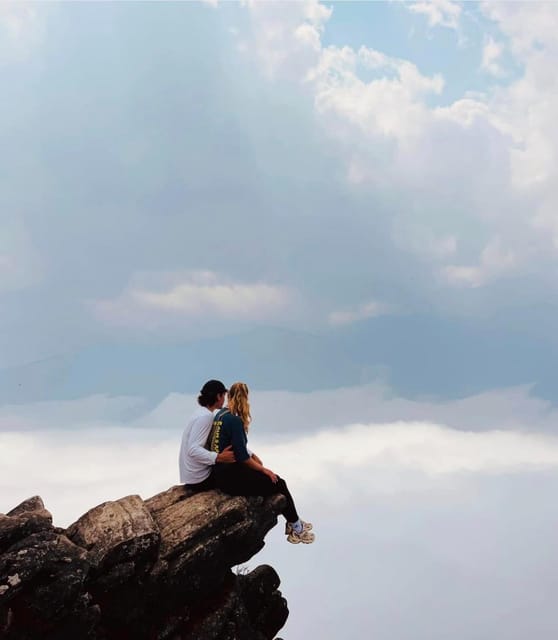
Day 2 is about 9 to 11km with roughly 5.5 hours of trekking. It starts with breakfast, then the walk moves down through village areas tied to Hau Thao before heading toward Su Pan, described as a small village near the mountains where you can get panorama views of rice fields.
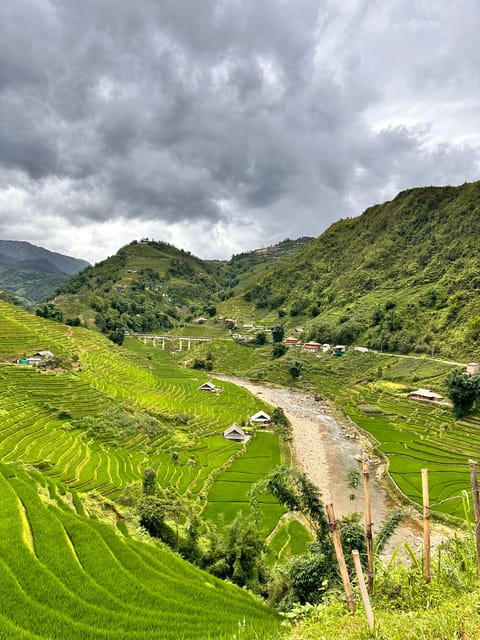
This is the day where the trek starts feeling like a sequence of “come around the corner and the view changes.” You will see traditional houses, and you are trekking in a way that makes it easy to notice how houses and fields fit together. The itinerary also includes time around the Red Dao area, including learning more about culture and daily life with a local guide.
A key moment on Day 2 is reaching the waterfalls at Giang Ta Chai. This is the big natural payoff, especially after a day of terraces and villages. After visiting the waterfalls, you head back via an alternative trail and cross another hanging bridge.
That hanging bridge part is not just a thrill moment. It also changes your physical rhythm and gives you a break from constant climbing. But it is also a reminder that this is mountain walking, so keep a steady footing and slow down when you reach bridge sections.
Lunch is at a small local restaurant in Giang Ta Chai village. Then the afternoon trek moves back toward Ta Van for the second homestay night. You are done with the day’s biggest natural element and set up for another evening with the family.
Day 3: Lao Chai, Y Linh Ho, the Muong Hoa bridge, and the final return
Day 3 is about 9 to 13km, with around 5.5 hours of trekking. After breakfast, you trek to Lao Chai and Y Linh Ho.
This is where the Muong Hoa River region becomes the focus. The itinerary includes a visit to the hanging bridge of the Muong Hoa river. You then continue uphill toward the viewpoints associated with the big rice terraces and mountain scenery tied to Hoang Lien Son Mountain.
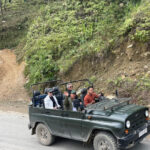
The walk ends with reaching Sapa. Your homestay routine also includes help with luggage. The plan states that for big bags, you will drive them to Dinh’s house, where you stay. That detail is practical if you prefer hiking with a lighter daypack. It also helps you avoid hauling heavy items for multiple hours.
If you want the final day to feel like a finish, pace yourself on the uphill sections. Day 3 can be the hardest mentally, because you are aware it is almost over, but you still have terrace climbs to handle before the last transfer back into Sapa.
Price and value around $80 per person
At about $80 per person for 3 days and 2 nights, this trek looks like strong value if you care about having meals, guides, and cultural access built in.
Here’s what the price covers:
- An English local guide for 3 days
- Village entry fees for 8 villages
- 3 lunches, 2 breakfasts, 2 dinners
- 2 nights homestay
- Water, 1 bottle per person per day
- Transportation back to Sapa after the tour ends
What is not included:
- Personal travel insurance
- Extra drinks during hiking (extra bottled water or beer)
Why that matters: you are paying for more than walking. You are paying for cultural entry, guided interpretation, and meals that would cost extra if you tried to piece this together on your own. You also avoid the hassle of figuring out village contacts, route timing, and what “homestay” means in a way that is safe and organized.
My practical take: if you already plan to buy extra drinks, snacks, and bottled water, budget a little extra on top of the base price. And if you do any longer trekking elsewhere, a travel insurance policy is still a smart idea, since it is explicitly not included here.
What to pack, and what to expect from the walking
The packing list is straightforward. Bring:
- Sunglasses
- Sun hat
- Swimwear
- Change of clothes
- Sunscreen
- Comfortable clothes
Even though the trek is the star, the homestay day includes downtime and mention of shower time, so packing a change of clothes is not “extra.” It helps you feel human again at night.
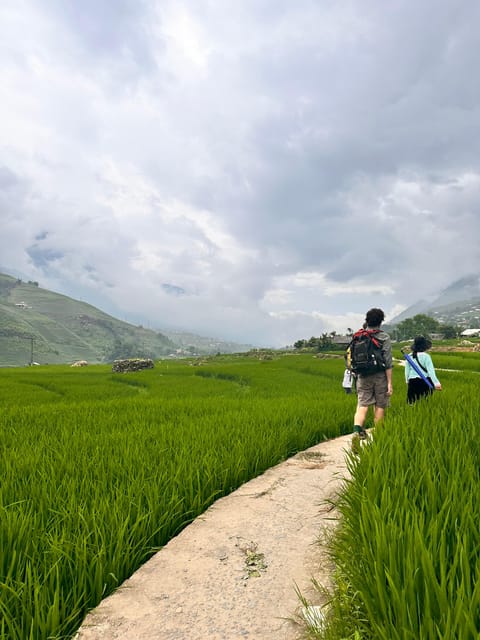
For the walking itself, the itinerary ranges from about 9 to 15km per day, around 5.5 to 6 hours of trekking. That is a meaningful workout. Paths can be uneven, and you will do bridge crossings. This is a good match if you are comfortable hiking and you do not need to optimize for speed.
One more suitability note: the tour is not suitable for people over 95 years old. If you fall into that age range or you have mobility issues, this is likely not a fit based on the distances.
Who this tour is best for
I think this trek is a great match if you want:
- Village life, not just viewpoints
- A guided route with interpretation in English
- A homestay experience where you eat with the family and hear local stories
- Mix of nature and culture, including terraces, bamboo forest mentioned in route highlights, and the Giang Ta Chai waterfall
If your idea of travel is only short strolls, skip this one. If you want a deeper look at how mountain communities live, sleep, work, and welcome visitors, you’ll likely feel right at home.
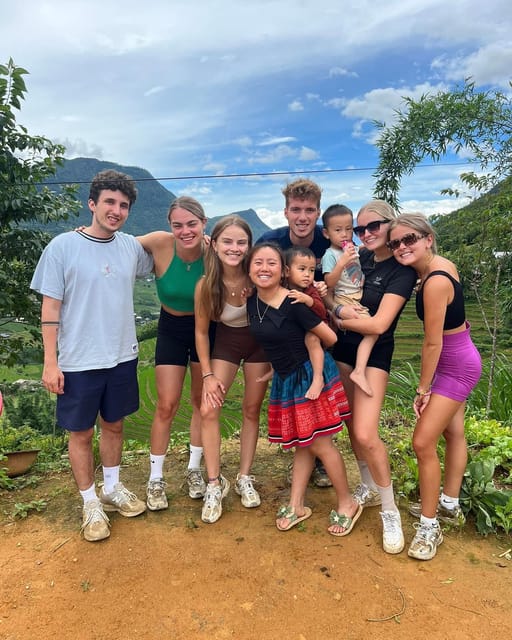
Also, if you like friendly guides and a lively evening, the team structure is part of the appeal. Dinh is named as the guide, and past groups have also spent time with Dinh’s cousin as the guide. Dinh has been described as very enthusiastic, with an easy laugh that helps keep the group energy up through long walking days.
Should you book this Sapa 3-day trek?
Book it if you want a trekking-and-homestay experience that feels organized, culturally grounded, and food-forward. The combination of Dragon Mountain views, village visits across ethnic communities, and a true highlight like the Giang Ta Chai waterfall gives you variety without feeling scattered.
Skip it if you want mostly easy walking, or if you are not comfortable with 9 to 15km days plus bridge crossings. This tour rewards stamina, curious eyes, and a willingness to join in when the host family shares culture moments.
If you do book, show up ready for a real mountain schedule, pack the sun gear and a change of clothes, and be open to learning how people live here, not just seeing where they live. That’s where the $80 feels like it really lands.
FAQ
Where do we meet on the first day, and what time?
You meet in the morning at 9:00 am, either at your hotel in Sapa or in front of Sapa’s main church.
How long and how far is the trekking each day?
Day 1 is about 10 to 15km for around 6 hours. Day 2 is about 9 to 11km for about 5.5 hours. Day 3 is about 9 to 13km for about 5.5 hours.
What meals and drinks are included?
The tour includes 3 lunches, 2 dinners, and 2 breakfasts. It also includes 1 water for 1 person per day. Extra drinks during hiking are not included.
How does the homestay work, and what about big bags?
You stay 2 nights in homestays with the family. For big bags, the plan includes driving them to the guide’s house where you stay, so you do not carry everything on the hike.
Are village entry fees included, and is transport back to Sapa included?
Yes. Village entry fees for 8 villages are included. Transportation back to Sapa after the tour ends is also included.
What languages are guides available in?
Guides are available in English and Vietnamese.
Is travel insurance included, and what is the cancellation window?
Personal travel insurance is not included. Free cancellation is available up to 24 hours in advance for a full refund.