
Review · SAPA TREKKING TOURS
Sapa Tour: 2-Day Fansipan Trekking
Fansipan feels big from the start, and the logistics are handled. This 2-day trek out of Sapa focuses on learning about the mountain’s environment and Indigenous communities, while keeping the route simple with a guide and porter help so you are not stuck carrying everything yourself. I like the small-group setup (max 20) and the fact that meals, park fees, and transfers are folded in, so you can show up and just hike. One thing to weigh first: this is a high-altitude hike, so the cold and fatigue are real, especially if you are not used to trekking.
You also get a taste of Sa Pa Town before the climb, with pickup and transport built around the train and bus connections. The itinerary is designed around Tram Ton as your trekking base, so the second day is the main summit push. In past departures, you may run into summit fog, shared cabin sleeping arrangements, and a sometimes-changing cable car situation if you were planning to use it later.
Key points to know before you go
- Porter support for lighter hiking: you are not hauling the heavy stuff by yourself
- English-speaking guide to the top: reduces stress, helps you stay on-route
- Meals included (breakfast, dinner, and two lunches): less planning mid-trip
- Overnight mountain shelter with sleeping bags: hut or tent style, weather-ready setup
- Transfers from Sapa train and bus stations: saves time on arrival and departure
- Small group size (max 20): a more manageable pace and easier teamwork on the trail
Why Fansipan Trekking in Sapa Feels More Doable Than DIY
Fansipan is one of Southeast Asia’s highest peaks, topping 10,000 feet, and that altitude changes everything. Even when the trail is clear, you will feel the cold and the effort more than you might expect from a “just a hike” day.
What I like about this style of trek is the way it strips away the usual friction. Instead of spending your time piecing together guides, permits, sleeping gear, and transport, the plan covers the core pieces for a smooth experience: guide, national park permission and entrance fees, overnight gear, meals, and round-trip station transfers.
You can also read our reviews of more hiking tours in Sapa
Price and Value: What $136.65 Buys You in Real Life
At $136.65 per person for a 2-day trek, the value comes from what is included, not just what you pay. You are getting:
- English-speaking guide support
- National park permission and entrance fees
- Overnight accommodation on the mountain (sleeping bags, hut or tent)
- Meals: breakfast, dinner, and two lunches
- Water (1.5L per person per day)
- Transport support including pickup from your Sapa hotel or Lao Cai station, plus round trip transfers tied to train and bus stations
On a trek like Fansipan, the “hidden costs” are usually what ruin the budget: permits, guide time, transport from the right place, and the overnight setup. Here, most of those basics are already covered. If you were doing it as a DIY plan, you would likely spend time and money lining those parts up anyway.
One note: VAT and personal expenses are not included. Also, beverages beyond what is listed are on you, so plan for that in your spending.
Meeting Point, Pickup, and How You Start Without Stress
The tour starts at Nomadtrails Boutique Sapa at 15 Tue Tinh, Sa Pa, Lao Cai, with a start time of 8:30 am. If you are already in Sapa, pickup can happen from your hotel. If you are arriving from outside by train or bus, you can also use the transport support from Sapa’s train and bus stations.
This matters because Fansipan access is all about timing. When pickup is handled, you avoid the scramble of trying to coordinate rides, find the correct transfer point, and still get to the trek start ready.
You will also want to have your passport handy. A valid passport is required on the day of travel. If you have dietary needs, you should share them during booking, since that is the only way the team can prepare properly.
Day 1: From Pickup to Tram Ton and Your First Night Up the Mountain
Your first day begins with breakfast during the pickup period, then you head toward Tram Ton, the trekking start point. From there, you walk your way along the route toward Fansipan, with the day serving as your “get your legs going” segment rather than an all-out summit sprint.
The reason Day 1 is so important is simple: altitude does not care about your attitude. By easing you into the trek, the schedule gives you time to adjust before the summit push.
Overnight setup: hut or tent, and what to expect
You will sleep in mountain accommodation, with sleeping bags included and an overnight place that can be a hut or tent setup. One helpful detail from recent experiences: the overnight can be a shared wooden cabin with separate rooms. That is good news if you want some privacy, but it also means you should expect shared space where noise and warmth vary.
If it is foggy and damp, the night can feel colder than the daytime, so your clothing system matters. You do not want to be improvising layers in the dark.
More Hanoi tours and experiences for the shortlist
Day 2: The Summit Push, Fog Moments, and the Descent Back to Tram Ton
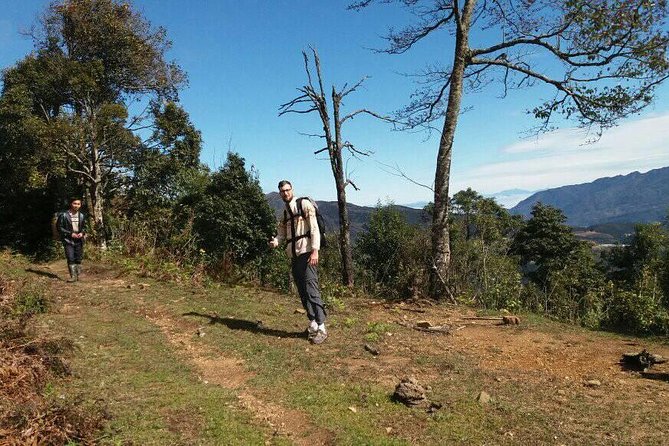
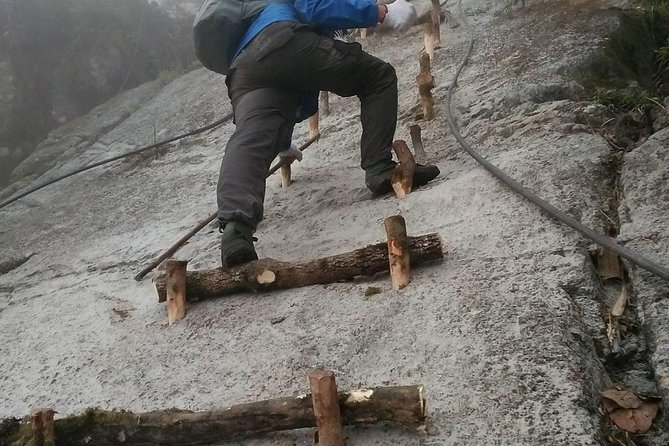
Day 2 is where the trek earns its name. You climb to the top, then go back down to Tram Ton. The guide stays with you, which is the practical point for navigation and pacing. You get the benefit of not having to guess, especially in fog, where visibility can drop fast.
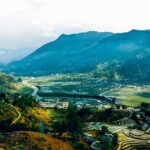
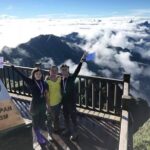
One of the standout themes from summit experiences is mystical fog. If you catch the summit with low cloud, views can vanish and reappear. That is not a disappointment, it is part of the mountain experience. Plan to be flexible, take photos when you can see, and enjoy the moment even if the horizon stays hidden.
The descent is part of the hike
Do not treat the second half as “easy now.” The downhill can be just as tiring on knees and thighs. Going back to Tram Ton also sets you up for the return transport, so you are not stuck dragging your energy level through extra wandering.
Guide, English, Porter Support, and Group Size That Affects the Pace
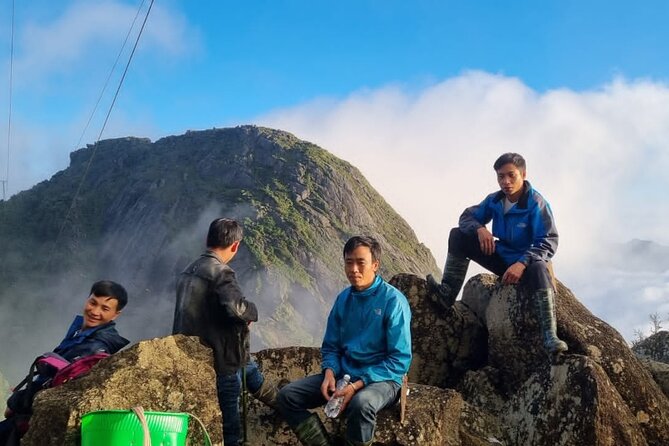
This trek is built around three support pillars:
- An English-speaking guide
- Porter help so you do not carry unexpected loads
- A small group, with a maximum of 20 people
The guide aspect is more than language. It is route confidence and pace control. Recent trips also noted that some guides may be correct and clear without being overly talkative. That is fine. You do not need a nonstop lecture when you are climbing. You want calm guidance, clear communication, and help when the trail gets tricky.
Porter support is one of the best “value per minute” features. When your personal pack is lighter, your hiking becomes steadier. On a cold mountain, that means you manage energy better instead of burning it all at the start.
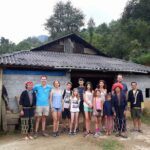
Small-group size matters too. With fewer people, it is easier to move as a unit, stop when you need to, and avoid the long “conga line” effect that turns some treks into traffic jams.
What You Learn on Fansipan: Environment and Indigenous Tribes
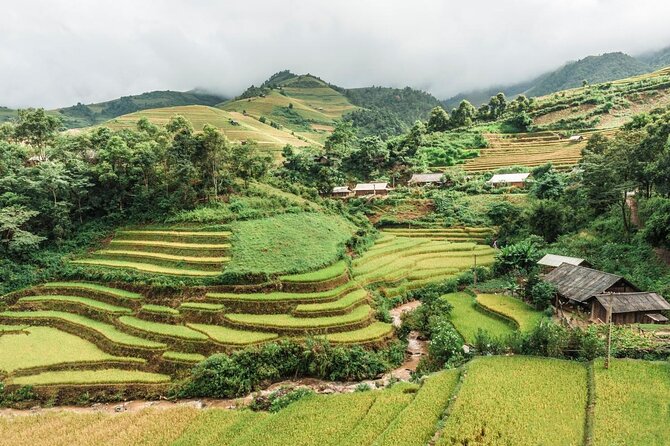
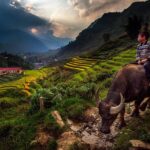
This trek includes time to learn about the mountain’s environment and the Indigenous tribes living on it. Even if you mainly came for the summit views, this adds meaning to the hike. You are not just walking to take a photo. You are walking through a living landscape, where culture and ecology are linked to the mountain.
The practical advantage is that it gives you context when you notice changes in vegetation or weather. When your guide explains what you are seeing, the walk becomes more than distance.
Cold, Altitude, and Practical Packing Tips That Keep You Comfortable
The trekking is high enough that you should expect cold, especially at night. You can be in the right place and still feel miserable if your layers are wrong.
Here is what you should prioritize when packing, based on what this kind of Fansipan trek demands:
- Layering system for cold mornings and colder nights
- Warm outer layer for summit hours, when the air can feel sharper
- Rain protection, since fog and mist are part of the mountain experience
- Sturdy hiking shoes with grip for changes in terrain
- Gloves or something similar for warmth when the air bites
Also, remember you are sleeping in mountain accommodation. Even with sleeping bags provided, you want dry clothes ready for night, not soaked ones from the day.
Is the Cable Car a Plan? Double-check its status
Fansipan sometimes offers a cable car option, but it can be subject to maintenance closures. If you are hoping to use the cable car down or as a backup plan, check the status before you rely on it.
For this trek specifically, the core plan is hiking, climbing to the top, and returning to Tram Ton. So treat any cable car idea as an optional bonus, not your main exit strategy.
Who This Tour Fits Best, and Who Might Want Another Style
This is a strong fit if you want a guided summit experience without building a whole logistics puzzle. It also suits people who like structure: set start time, transport handled, meals included, and clear “go here, then here” steps.
You might want a different plan if:
- You hate cold weather and are not ready for high-altitude discomfort
- You are looking for a totally independent experience with no group and no fixed schedule
- You want a private trek with no shared cabin or group walking rhythm
The minimum age is 18, and recent reviews suggest most travelers can participate, as long as you are prepared for the effort.
Should You Book the 2-Day Fansipan Trek?
If you want an efficient way to reach Fansipan with a guide, porter support, meals, permits, and overnight gear handled for you, I think this is an easy yes. For the price, the included transport and the mountain setup are the big wins, and they remove the biggest DIY headache.
Book it if you like clear planning and want the safety net of a guide accompanying you to the top, especially when fog rolls in. Skip it if you want to minimize hiking effort, dislike shared sleeping spaces, or cannot handle cold at altitude.
One last decision tip: since this style of trek is commonly booked about 21 days in advance, plan ahead so you get the dates that work best with your Sapa stay.
FAQ
What is included in the 2-day Fansipan trekking price?
The package includes breakfast, dinner, and two lunches, plus water (1.5L per person per day). It also includes an English-speaking guide, national park permission and entrance fees, accommodation on the mountain with sleeping bags, and transport to the trekking point and back.
How long is the trek?
The experience is listed as 2 days (approx.).
Where does the tour start?
It starts at Nomadtrails Boutique Sapa, 15 Tue Tinh, Sa Pa, Lao Cai, with a start time of 8:30 am.
Do I get pickup from Sapa or the train and bus stations?
Yes. Pickup can be from your hotel in Sapa or from Lao Cai station. Transport also includes round trip transfers from Sapa’s train and bus stations.
Do I need a passport?
Yes. A current valid passport is required on the day of travel.
How big is the group?
The tour has a maximum of 20 travelers.
What overnight accommodation is provided?
Accommodation is provided on the mountain, with sleeping bags included. It is described as hut or tent in the mountain area.
Can I cancel for free?
Free cancellation is available. You can cancel up to 24 hours in advance for a full refund, with cut-off times based on local time.
Are there age or dietary requirements?
The minimum age is 18. You should advise specific dietary requirements at the time of booking.
More Hiking & Trekking Tours in Sapa
More Tours in Sapa

More Tour Reviews in Sapa
Not for you? Here's more nearby things to do in Sapa we have reviewed




More Sapa Trekking Tours to consider.
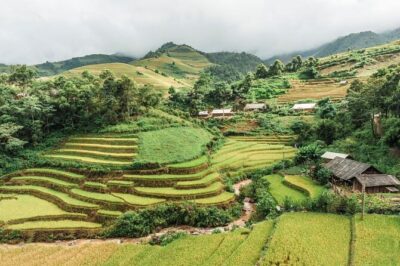 ★ 5.0Sapa 2 Days 1 Night From Hanoi – Overnight in Ta Van VillageTickets from $592,669 traveller reviews
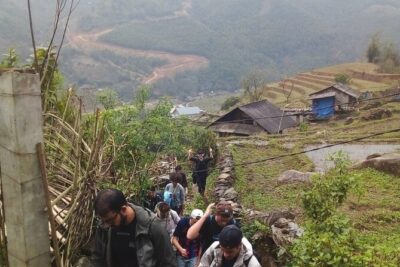 ★ 5.0Hanoi – Sapa 2 Days 1 Night Overnight At HomestayTickets from $89899 traveller reviews
 ★ 4.6Sa Pa: Muong Hoa Valley Trek and Local Ethnic VillagesTickets from $23864 traveller reviews
 ★ 5.0Sapa: Fansipan Cable, Cat Cat Village & Moana Instagram TourTickets from $30777 traveller reviews
 ★ 4.8From Hanoi: 2-Day Sapa Trekking Trip with Homestay & MealsTickets from $71704 traveller reviews
 ★ 5.0Sapa 3 Days 2 Nights Trekking Tour (1 Night In Ta Van Village, 1 Night In Hotel)Tickets from $139699 traveller reviews
 ★ 4.9Sapa: Eco Adventure Terrace Fields and Local Villages TrekTickets from $27636 traveller reviews
 ★ 5.03-Day Trekking Adventure of Sapa from Hanoi – Stay Ta Van VillageTickets from $109611 traveller reviews
More useful Hanoi routes