
Review · HIKING & TREKKING
Mountain views & Rice Terraced Fields Hiking – 2D 1N
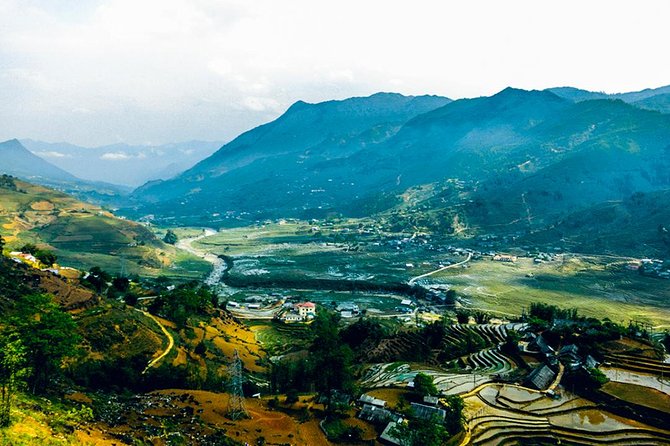
Rice terraces and village paths, in two days. This Sapa trek connects mountain views with ethnic minority life across Hmong, Giay, and Red Dao villages, plus big valley scenery. You’ll see the bigger river and valley from the walking routes and get real context from your local guide.
What I like most is the small-group feel, capped at 10 people, so your questions about daily work and traditions do not get lost. And I also like that the tour is built around a homestay night, with dinner and breakfast included, not just a quick walk-through.
One consideration: this is labeled moderate fitness, and it includes uphill and downhill sections, including a 1 km climb early on day 1. If you prefer flat, easy strolling only, you may find the walking a bit more work than you planned.
Key highlights that make this trek worth your time
Up to 10 travelers keeps it personal and helps the guide answer your questions.
One night homestay with dinner and breakfast means you experience village time, not just scenery.
Multiple ethnic minority villages across Hmong, Giay, and Red Dao communities.
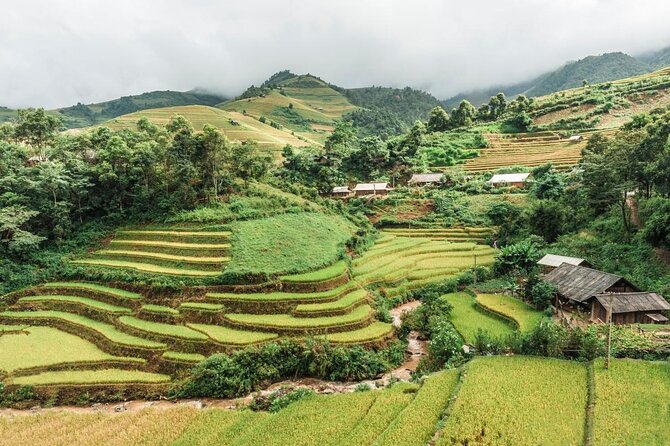
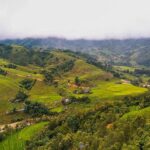
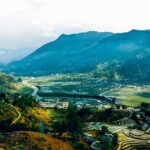
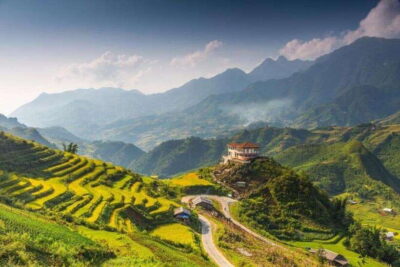
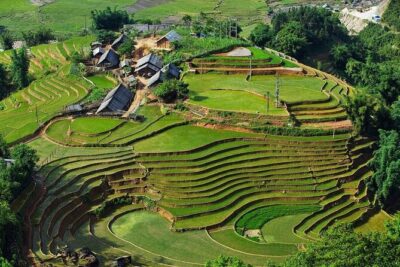
Rice terrace scenery plus waterfall area on day 2, paired with valley and river viewpoints.
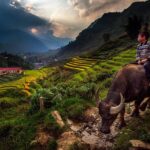
Guide-led culture moments on Hmong marriage traditions, rice field work, and house building techniques.
Name-checked guide San in feedback, praised for clear explanations and caring attention.
Sapa’s village trek, without the fast tourist circuit
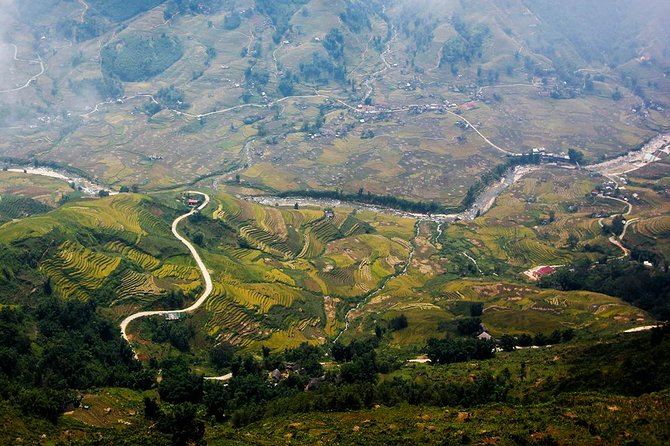
This tour is the kind of Sapa day plan that makes sense when you want more than photos. The route focuses on village life, and it does not just point at a view and move on. You’ll walk between different communities and learn how people live, farm, and build homes in the mountains.
The ethnic mix is a big part of the value. You’re not only looking at one community. The tour is designed around Hmong, Giay, and Red Dao traditions, which gives you a broader sense of how Sapa’s cultural landscape works. And because you’re in a small group, it is easier to ask practical questions instead of watching the group blur by.
If you are after “culture with legs,” this fits. If you are after a relaxed, sit-and-snack walk, you may be happier with something gentler.
You can also read our reviews of more hiking tours in Sapa
Meeting point and timing: day 1 starts early in town
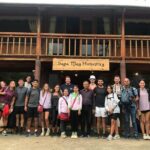
You start at Sapa Church, with a 9:00 am start time. The meeting spot is in the city center area (near public transportation), which is convenient if you’re staying in Sapa. Pickup is offered too, but the meeting point is your key reference if you want to be independent and avoid surprises.
The early start matters for two reasons. First, it helps you get into the cooler morning air for the first climb. Second, it gives time to reach the viewpoints and still settle into the afternoon village stop.
This schedule also sets expectations: you’re not doing a late brunch tour. Day 1 is built for walking, eating, and then continuing on, with no long gaps.
Day 1: Hang Da village viewpoint climb, then Hau Thao Black Hmong daily life
Day 1 has two main stops, and the rhythm is simple: views early, village life after lunch.
Stop 1: Hang Da village mountain views
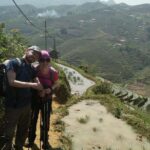
You meet your guide at the church area in the morning, then get a short introduction. From there you walk about 1 km uphill on a small trail to mountain views. That “short but uphill” character is important, because it’s enough effort to feel like a trek without being an all-day grind right out of the gate.
One practical tip: wear shoes you can trust on dirt paths. Even if the distance sounds manageable, Sapa trails can get slippery, and you do not want to worry about footing while you’re trying to enjoy the view.
Stop 2: Hau Thao, Black Hmong village
After lunch, you head down to Hau Thao. This is where the tour shifts from scenery to everyday life. You’ll spend time in the village area and see how people go about their routines. The timing can affect what you see, since village activity moves with the day.
This is also where your guide’s role really matters. A good explanation turns a quick village visit into something you can understand. In feedback from past travelers, the guide experience stood out, with emphasis on clear storytelling and careful guidance. The best tours help you notice details you might otherwise miss, like how work fits the terrain and seasons.
More Hanoi tours and experiences for the shortlist
The possible downside of day 1 pacing
One mild caution: the itinerary lists day 1 village time in a short way, so you should expect a couple of focused stops rather than long, slow roaming. If you want to linger for hours in one place to sketch, photograph, or chat deeply, plan to treat this as an active sampler of Sapa villages.
Homestay night: dinner, breakfast, and the value of sleeping in the village
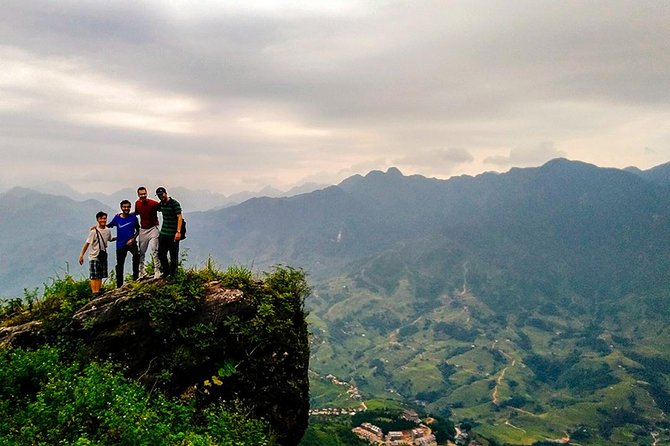
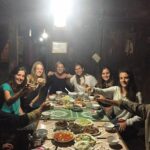
You stay overnight in a homestay for one night. Dinner and breakfast are included, which is a big part of what you’re paying for. This turns the trek from a daytime activity into a true two-day experience.
Why that matters: you see village life across meal time, not only while you’re walking. Homestays can also help you understand the practical side of life in the mountains, like how people manage cooking, warmth, and daily routines after the visitors leave.
You’ll also get 1 big bottle of water per person. It’s not “only water,” but it’s a helpful inclusion because trekking day hydration adds up fast. Extra drinks at the homestay are not included, so if you know you’ll want sodas or other beverages, budget for that separately.
From feedback, the food and homestay setup have been praised as solid. The overall impression is that this is not a “survival homestay” experience. It’s basic, but well run, and it supports the tour’s goal of cultural contact.
Day 2: Giang Ta Chai waterfall area, then Ta Van for Giay and Black Hmong views

Day 2 starts with breakfast in the homestay. Then you begin the next trek leg. From Hau Thao you walk downhill to Giang Ta Chai village. The tour highlight here is the chance to see a waterfall area while you make your way through the countryside.
This day is structured to feel more varied than day 1. You’ll get movement plus scenery plus a water feature, and you’ll also pick up more cultural context as the villages shift.
Stop 1: Giang Ta Chai village, waterfall and walking routes
The day begins with a downhill trek, which can feel easier on the calves after day 1 climbing. Still, downhill can be tough in its own way, so take your time on the steps and uneven sections.
Giang Ta Chai is a good stop because it adds visual change. A waterfall spot gives you a “pause moment” within the trek, and it helps break up the walking into something memorable rather than continuous.
Stop 2: Ta Van village, with Giay and Black Hmong communities
After enjoying the photos and viewpoints around the area, you head downhill to Ta Van village. This is where the tour brings you to a place where both Giay and Black Hmong minorities are present.
Ta Van is often a name people hear in Sapa trekking plans, and here it has a specific purpose. It’s not just “another village stop.” It’s part of the tour’s wider story about how different communities live side by side and how their cultures and daily work shape the mountain terrain.
What you learn: traditions and mountain work, not just sightseeing
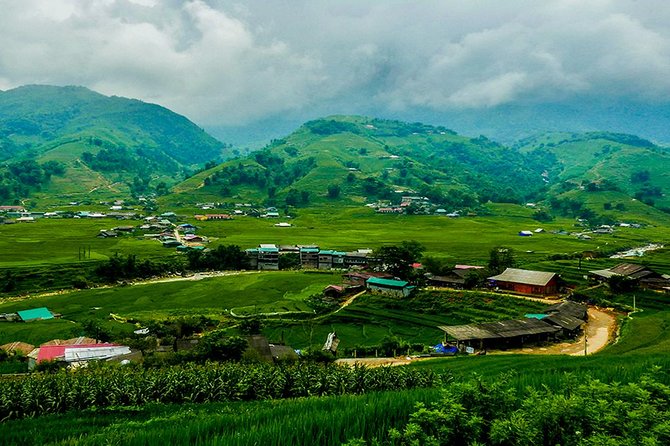
The tour description promises culture talk, and that is one of the main reasons it’s priced the way it is. Your guide is expected to introduce you to topics tied to Hmong life, including marriage traditions, rice fields, work routines, and house building techniques.
I like this approach because it gives you a framework. Without it, rice terraces and traditional homes can turn into background scenery. With it, you start to connect the details to real choices people make, like how work is shaped by land, season, and community needs.
Also, because you’re in a small group, these explanations do not feel like a lecture delivered to a crowd. Feedback has highlighted that guides can explain a lot and answer questions, which is exactly what makes cultural info stick.
Price and value: what $90 covers, and what you still need to plan for
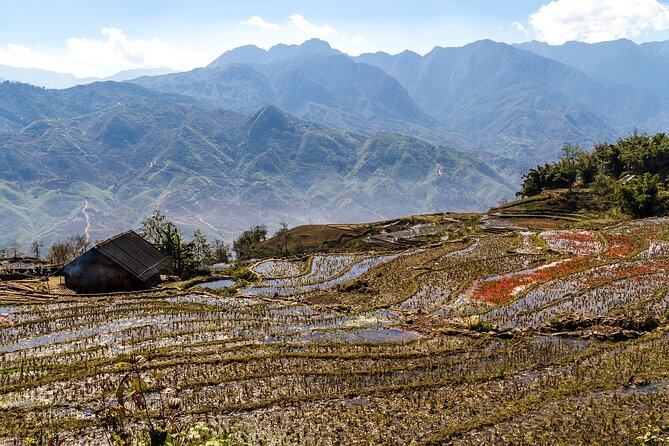
At $90 per person for about 2 days, 1 night, the value comes from what’s bundled. This is not just a guide and a walking route. Your package includes:
Homestay accommodation for one night
Dinner and breakfast
Lunch on both days
Village entry fees
A local guide
Transport back to Sapa after the village portion ends
1 big bottle of water per person
When those items are included, the real comparison is simpler. You’re paying for an organized cultural trek with meal planning and local fees baked in. In Sapa, that can be the difference between a “cheap trek” that turns into surprise costs, and a trip where you can budget cleanly.
Not included items are also clearly stated: personal travel insurance, extra drinks at the homestay, and tips. That means you should plan a little pocket money for beverages and keep tips in mind if you appreciated your guide.
One practical note: the tour requires good weather. If conditions are poor, the experience may switch dates or be refunded. So value can depend on weather timing, not just the ticket price.
Fitness level: moderate trekking with real uphill, then downhill
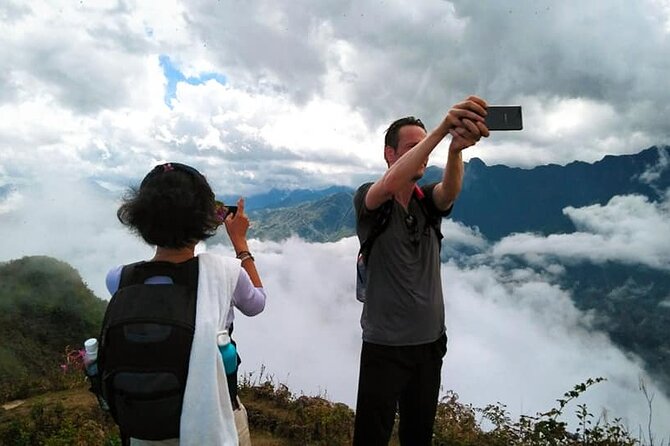
The tour is aimed at a moderate fitness level. Day 1 includes a 1 km uphill segment to the views, and day 2 is downhill followed by more walking between villages.
What that means for you:
If you can comfortably walk for a couple of hours at a time and handle uneven dirt paths, you’ll likely be fine.
If you struggle with stairs, steep slopes, or sore knees, bring a slower pace strategy, like taking short rests and not rushing the climbs.
Because the group is small, you can generally move at a reasonable speed, and a capable guide will help you keep balance and timing. But “moderate” still means you should pack for walking, not for a photo-only stroll.
Group size, tickets, and pickup: simple logistics that matter
This is capped at a maximum of 10 travelers, which is one of the biggest quality signals. Smaller groups tend to mean better pacing and better conversation. It also makes the tour easier to manage when you’re switching villages and navigating trails.
You’ll also get a mobile ticket, and confirmation happens at booking time. Pickup is offered, which is helpful if you don’t want to coordinate getting to the start point on your own.
If you like clear logistics, this tour mostly delivers what you need: a defined meeting point at Sapa Church, a fixed start time, and transport back to Sapa at the end.
Cultural etiquette that will make your homestay and village stops smoother
Even with a structured tour, you’re entering someone’s daily space. You’ll get the best experience if you keep these basics in mind:
Expect the homestay to be functional, not staged for tourists.
Follow your guide’s lead about where to stand, when to take photos, and how long to linger.
Ask questions about what you see. The tour is built for Q and A, and the guide’s explanations are a major part of the payoff.
Since the tour includes cultural topics like marriage traditions and house building techniques, you’ll likely get better responses if you come with curiosity and patience, not a rush to “check a box.”
Should you book this Sapa 2-day village trek?
I think you should book if you want a short, structured trek that still gives you real cultural access: village life, rice terrace scenery, and a homestay night with meals included. The small group size and praised guide style, including San’s strong explanations in feedback, are exactly the ingredients that help this kind of trek feel meaningful.
You might skip it if you want a low-effort walk only, or if you dislike the idea of moderate uphill and downhill. Also, if your travel dates are locked and the weather looks unreliable, keep in mind that the experience depends on good conditions, and the plan may shift.
If your goal is to learn while you walk, and to experience Sapa beyond the main roads, this is a solid pick.
FAQ
How long is the trek?
The tour lasts 2 days (approx.).
What time does the tour start, and where do I meet?
It starts at 9:00 am. The meeting point is Sapa Church, P. Hàm Rồng, TT. Sa Pa, Sa Pa, Lào Cai 333100, Vietnam.
Is pickup offered?
Yes, pickup is offered.
What’s included in the tour price?
Dinner, breakfast, and lunches (2) are included, along with village entry fees, a 1 night homestay, transport back to Sapa after the tour ends, 1 big bottle of water per person, and a local guide.
Are village entry fees included?
Yes, village entry fees are included.
Is a homestay included for one night?
Yes. Accommodation in a homestay for 1 night is included.
Which ethnic minority communities are featured?
The tour focuses on Hmong, Giay, and Red Dao ethnic minorities, with stops at villages including Black Hmong communities and areas where Giay and Black Hmong are both present.
What fitness level is recommended?
Travelers should have a moderate physical fitness level.
What happens if the weather is bad?
The experience requires good weather. If it is canceled due to poor weather, you’ll be offered a different date or a full refund.
When can I cancel for a full refund?
Free cancellation is available. You can cancel up to 24 hours in advance for a full refund. Cancellation less than 24 hours before the start time is not refunded.
More 2-Day Experiences in Sapa
More Hiking & Trekking Tours in Sapa

More Tour Reviews in Sapa

Not for you? Here's more nearby things to do in Sapa we have reviewed





More Hiking & Trekking to consider.
 ★ 5.0Halong Bay Full Day with Kayaking, Hiking viewpoint, Cave – Deluxe To LuxuryTickets from $38884 traveller reviews
 ★ 4.6Sa Pa: Muong Hoa Valley Trek and Local Ethnic VillagesTickets from $23864 traveller reviews
 ★ 4.8From Hanoi: 2-Day Sapa Trekking Trip with Homestay & MealsTickets from $71704 traveller reviews
 ★ 5.0Sapa 3 Days 2 Nights Trekking Tour (1 Night In Ta Van Village, 1 Night In Hotel)Tickets from $139699 traveller reviews
 ★ 4.9Sapa: Eco Adventure Terrace Fields and Local Villages TrekTickets from $27636 traveller reviews
 ★ 5.03-Day Trekking Adventure of Sapa from Hanoi – Stay Ta Van VillageTickets from $109611 traveller reviews
3D and 2N Lan Ha Bay Cat Ba Island Kayaking & Trekking with VegaTickets from $365593 traveller reviews
★ 5.03-Day Trekking Adventure of Sapa from Hanoi – Stay Ta Van VillageTickets from $109611 traveller reviews
3D and 2N Lan Ha Bay Cat Ba Island Kayaking & Trekking with VegaTickets from $365593 traveller reviews
 ★ 5.0Number one top rated ethical cultural trekking and homestay by ETHOSTickets from $93456 traveller reviews
More useful Hanoi routes