
Review · SAPA TREKKING TOURS
Daily Tour: Sapa Trekking in Muong Hoa valley, Bamboo forest
The views start before you catch your breath. This Muong Hoa Valley trek with Vietnam Nomad Trails pairs hotel pickup in Sapa with a guided walk through Lao Chai and on to Ta Van for lunch, with the route continuing toward Giang Ta Chai before you head back. I love the small group (max 14) and the way the guide turns the walk into a quick lesson on plants, villages, and local culture. One heads-up, if it rained the night before, parts can be muddy and the footing gets more challenging.
You will feel taken care of from the first minutes, too, with an English-speaking guide and bottled or mineral water included. I also liked the “real break” feeling of lunch in Ta Van, with a homestay-style meal that actually tasted good, not just filler food, and the chance to meet locals along the way.
Key Highlights You’ll Actually Feel on the Walk
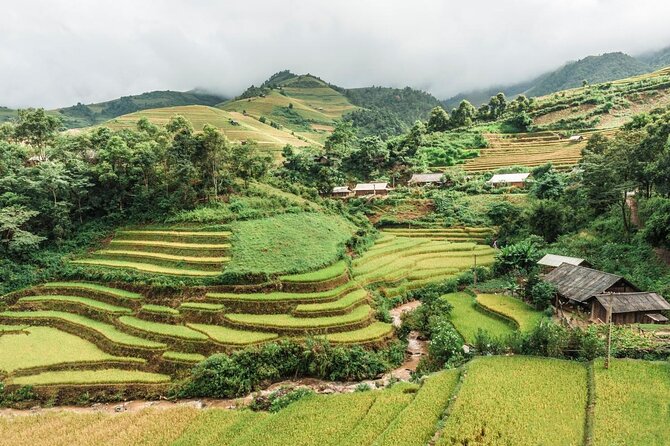
- Muong Hoa Valley viewpoints you get from walking, not just from one photo stop
- Small-group trekking (up to 14) so the pace stays human
- Lao Chai to Ta Van village route with a guide who shares on-the-ground context
- Bamboo forest sections that add shade and a different walking mood
- Lunch included in Ta Van, plus water to keep things comfortable
- Return to Sapa by bus after the trek, so you are not stuck figuring out the logistics
Muong Hoa Valley Trek, Not a Bus Tour

Sapa is built for scenic walks, but you can still waste time if you rely on guesswork. This trek is designed as a short, focused introduction to Muong Hoa Valley, where the best parts are the walking itself and the village rhythm you see as you pass through.
You will move through Lao Chai and then reach Ta Van for lunch, with the route continuing and looping back toward Giang Ta Chai. That village-to-village flow matters because it keeps the day from feeling like one long slog to a single overlook. Instead, you get a sequence: start in Sapa, walk through valley views, eat in a local setting, then finish with a return that puts you back in town without drama.
It is also a good fit if you want culture context without turning the day into a lecture. The guide shares information about plants and village life as you go, and you will notice that it changes how you look at what is around you.
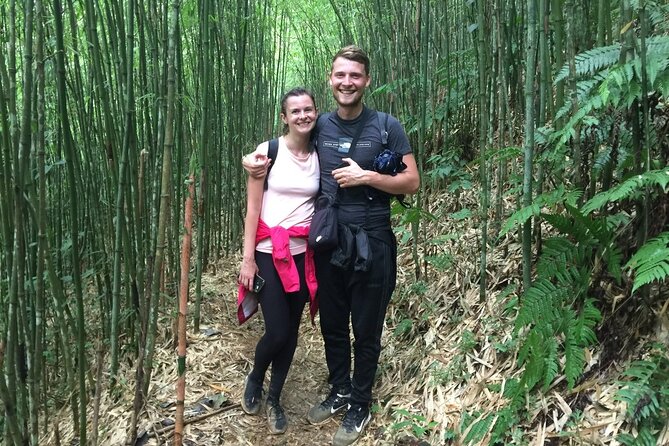
The route is described as a bamboo forest trekking experience. Even if you only catch glimpses between village sections, that mix of shade, greenery, and open valley views gives your photos and your legs a nice contrast.
You can also read our reviews of more hiking tours in Sapa
Meeting at Sapa Church and Getting on the Trail Fast
The day starts at 9:00 am, with the activity ending back at the meeting point. If you are staying in or near Sapa center, pickup is part of the plan, so you are not spending the morning hunting down a starting location.
Your main meeting point is listed at Sapa Church, and you are also told to arrive about 15 minutes early. You might be picked up either from the office at 13 Tue Tinh str in Sapa or from your hotel in the center, depending on how your booking is set up. In real life, this is the kind of detail that can save you stress, especially if your hotel is uphill or the streets are confusing.
This is a small-group trek with a maximum of 14 travelers. That small number is a big deal on a trail, because you get fewer bottlenecks and a guide who can actually watch your footing and answer questions without repeating themselves 20 times.
Plan to dress for cool Sapa weather. Warm clothes are recommended for Sa Pa from October to March, and even outside those months the morning can feel brisk when you start walking.
Lao Chai to Ta Van: Bamboo Forest Walking and Mud-Friendly Reality
The walk starts with travel out of Sapa, then you head for a trek toward Lao Chai village. After that, the route continues toward Ta Van, where lunch is served before you keep moving.
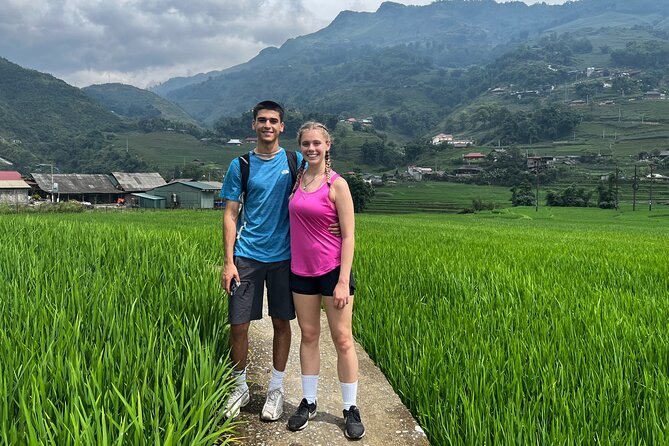
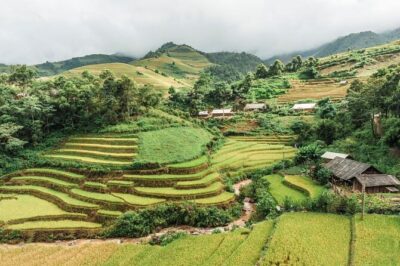
This is where the “views you earn” feeling comes in. The best sights tend to show up along the walking sections, not at a single stop. You get valley perspectives as you move, and you will likely find yourself pausing more than you expected, just to look.
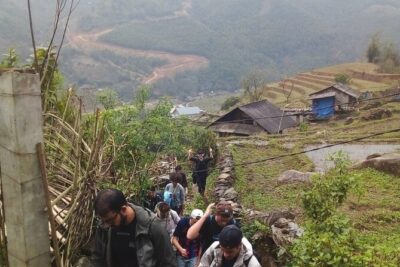
Now the one consideration that changes everything: weather and mud. The trek is about a half-day at roughly 5 hours, and the path can get muddy after rain. That means trekking shoes are not optional in spirit, and it is smart to keep expectations realistic. If you hate slippery footing, you may find the day more tiring than you pictured.
Also, you will be walking in and around villages, so keep your pace flexible. This is not a race. The tour is built for a moderate physical level, and the guide can help you adjust the pace and keep the group together.
One detail I really like from the experience style is that your guide does not just point at things. You get practical commentary about plants and the villages you pass, which makes the bamboo forest parts feel like more than scenery. You start noticing patterns in how people farm, how paths connect, and what grows where.
Ta Van Lunch: Included, Local-Style, and the Right Kind of Break
Lunch is a core part of the day, and it is included. You stop in Ta Van and spend about an hour there, so you get enough time to eat without feeling rushed back onto the trail.
The meal is described as delicious in a homestay style setting. Even if you have had your share of “tour lunch” meals in Asia, this is the kind that can reset your energy for the rest of the trek and the return.
If you have dietary needs, tell the operator at booking. That is explicitly requested, and it is the right move. It is always easier for a small-group tour to handle preferences when you communicate early.
Because lunch is included, you do not have to calculate where to eat later. That makes the day feel simpler, which is a big part of why tours like this work for first-time visitors.
Water is also included, including mineral water and bottled water. Still, if you know you drink more than average, you may want to bring extra snacks or beverages. Drinks are listed as not included, so plan on that for the trail comfort.
Giang Ta Chai Return and the Ride Back to Sapa

After lunch, the route continues toward Giang Ta Chai for pickup back to Sapa. The itinerary describes moving to Giang Ta Chai, then you get picked up and return to Sapa by bus.
This is one of those “small logistics” pieces that matters more than people think. If you had to sort out transportation after the trek, you might lose an hour or more, and you could end up tired and irritated. Here, the trek stays a trek, then the transport part takes over.
The timing is designed to fit a half-day format. With an approximate 5-hour duration, you are not stuck missing your dinner plans or squeezing the day into a tight schedule.
The experience ends back at the meeting point, so you can keep your evening simple. If you want to explore Sapa town afterward, you can do it with a clear head, not with a phone battery at 3% and a map app dying on you.



Price and Logistics: What $29.90 Buys You
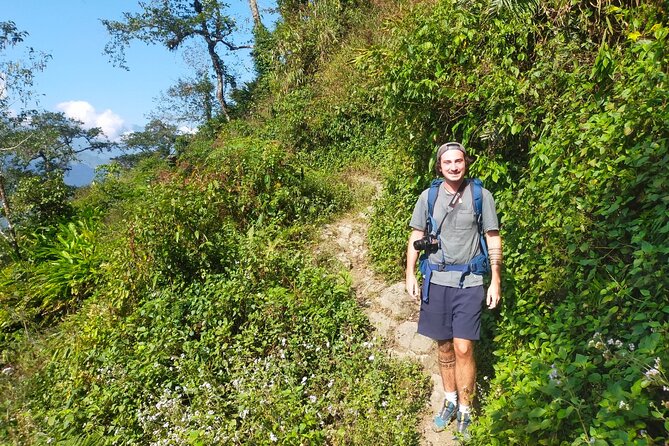
At $29.90 per person for a 5-hour guided trek, the value comes from the package, not the distance. You are paying for the guide, the small-group structure, the included lunch, water, and the pickup and return transport.
Here is what is included:
- English-speaking tour guide
- Lunch
- Mineral water and bottled water
- Bus back to Sa Pa
- Bottled or mineral water during the day
What is not included:
- Beverages
- Travel insurance
- VAT
- Personal expenses
That mix is pretty typical, but it helps to think in practical terms. If you tried to DIY this route, you would still need a guide for village access and route confidence, plus you would need transportation. When pickup and return are included, you are essentially buying yourself time and lower stress.
Free cancellation is offered up to 24 hours in advance for a full refund. That gives you some flexibility if weather looks sketchy, and it reduces the risk of booking too far ahead.
The only “hidden” cost is what you bring with you. Make sure you show up equipped: trekking shoes, sunglasses, sun cream, and insect repellent. Those are explicitly recommended, and in Sapa they can make the difference between a comfortable walk and an annoying one.
Guide Lang’s Role, and How to Get More from the Day
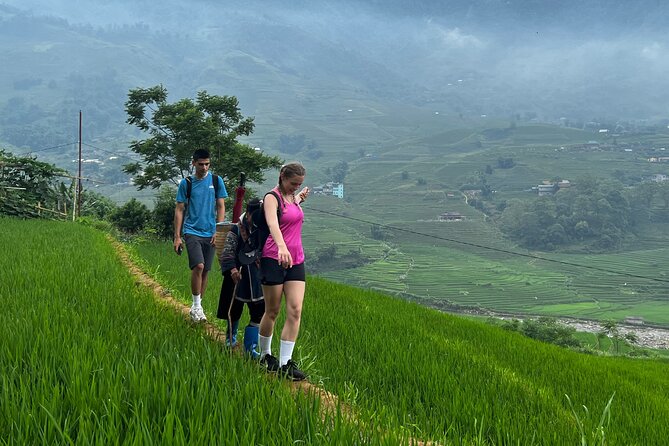
One thing that consistently lands with guests is the quality of the guide. In this case, the guide name Lang comes up as wonderful and knowledgeable, and that matches the tour’s style.
What you get from a good guide here is more than facts. You also get momentum. When you understand why you are walking a certain route, you stop treating the day as just steps. You start noticing plant types, village life details, and the way locals manage their routines.
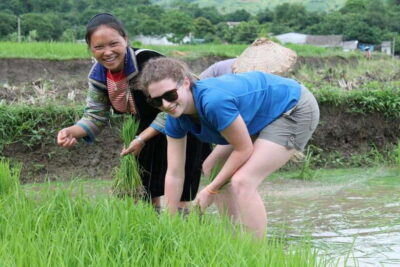
You might even pick up small cues on etiquette. The experience asks you to respect local culture in Sapa, which is fair. I like this approach because it keeps interactions respectful without making them awkward.
The other useful tip from the overall vibe is to have small cash on you for tipping. The day is guided, and there can be “helping hands” involved along the way. I always prefer to have a few small notes ready rather than scrambling at the end when my wallet is already a mess.
Finally, one reality check: litter is mentioned as a concern in the wider area. Your best move is simple, do not add to it. If you see trash, you can carry what you can in your own bag until you find a place to put it, even if you cannot fix the whole issue.
Who Should Book This Trek, and Who Should Skip It
This trek works best for you if you want:
- A short, structured introduction to Muong Hoa Valley
- A village-to-village walk with an English-speaking guide
- Lunch included, plus water and transport handled
- A small group cap so your guide can actually focus on your questions
You should also have moderate physical fitness. The day is described as manageable for moderate walkers, but muddy conditions after rain can make it harder. Bring proper shoes, take it slow on wet patches, and you will be fine.
You might want to skip or reconsider if you have mobility issues or you dislike uneven, muddy paths. Even though it is only about 5 hours, the terrain can be unpredictable.
This is also a good day if you are traveling solo or as a couple, because the group is small and the guide time feels personal. If you are traveling with kids, this becomes a more individual decision. You have the moderate-fitness note, and in wet conditions it is not a gentle stroll.
Should You Book This Muong Hoa Trek with Vietnam Nomad Trails?
I would book this if your priority is value and direction. For $29.90, you get a guided route that hits Lao Chai and Ta Van, includes lunch, and brings you back to town without you thinking about transport. The small group size helps, and the guide’s storytelling about plants and village culture makes the walk feel like more than sightseeing.
I would hold off only if you are worried about mud or you hate slipping terrain. If rain is in the forecast, pack extra grip and accept that the day may feel more physical than you planned.
If you are a first-timer in Sapa, this is exactly the kind of half-day trek that helps you understand the region fast and then enjoy the rest of your trip at your own pace.
FAQ
What is the duration of the Sapa trekking tour?
The tour runs for about 5 hours (approx.).
What time does the tour start?
The start time is 9:00 am.
Where is the meeting point?
The start meeting point is Sapa Church (P. Hàm Rồng, TT. Sa Pa, Sa Pa, Lào Cai 333100, Vietnam). You are also advised to arrive 15 minutes before departure at 013 Tue Tinh str.
Is hotel pickup included?
Pickup is offered, including pickup from your hotel in Sapa center or from the office at 13 Tue Tinh str.
Is lunch included?
Yes. Lunch is included, and it is served in Ta Van village.
What is the group size limit?
The maximum group size is 14 travelers.
What should I bring for the trek?
You should bring trekking shoes, sunglasses, sun cream, and insect repellent.
Do I need warm clothes?
Warm clothes are recommended for Sa Pa from October to March.
Do I need to tell the operator about dietary needs?
Yes. You should advise any specific dietary requirements at the time of booking.
Do I need a passport?
A current valid passport is required on the day of travel.
More Hiking & Trekking Tours in Sapa
More Tours in Sapa

More Tour Reviews in Sapa
Not for you? Here's more nearby things to do in Sapa we have reviewed






More Sapa Trekking Tours to consider.
 ★ 5.0Sapa 2 Days 1 Night From Hanoi – Overnight in Ta Van VillageTickets from $592,669 traveller reviews
 ★ 5.0Hanoi – Sapa 2 Days 1 Night Overnight At HomestayTickets from $89899 traveller reviews
 ★ 4.6Sa Pa: Muong Hoa Valley Trek and Local Ethnic VillagesTickets from $23864 traveller reviews
 ★ 5.0Sapa: Fansipan Cable, Cat Cat Village & Moana Instagram TourTickets from $30777 traveller reviews
 ★ 4.8From Hanoi: 2-Day Sapa Trekking Trip with Homestay & MealsTickets from $71704 traveller reviews
 ★ 5.0Sapa 3 Days 2 Nights Trekking Tour (1 Night In Ta Van Village, 1 Night In Hotel)Tickets from $139699 traveller reviews
 ★ 4.9Sapa: Eco Adventure Terrace Fields and Local Villages TrekTickets from $27636 traveller reviews
 ★ 5.03-Day Trekking Adventure of Sapa from Hanoi – Stay Ta Van VillageTickets from $109611 traveller reviews
More useful Hanoi routes