
Review · SAPA TREKKING TOURS
2 Days Fansipan Trekking
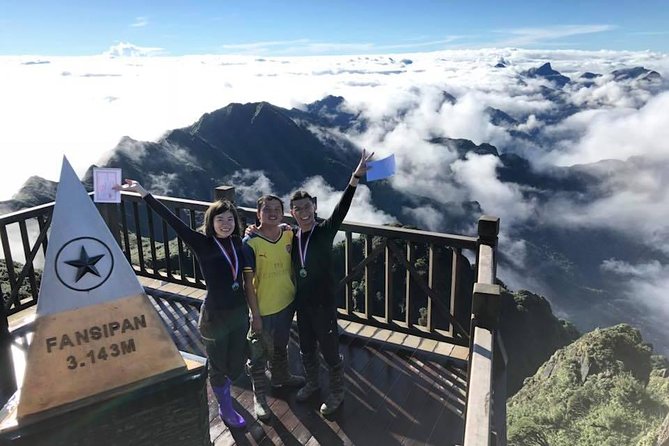
Two days on Fansipan sounds short, until you see the climb plan. This trek from Sapa takes you through pine and bamboo forests, up to the “Roof of Indochina,” with a Black H’Mong guide who adds culture along the trail. I like that the trip is built around the experience, not just the summit, with a base-camp night and real support on the ground. I also like the practical extras, like meals, camping comfort gear, and hot shower time at the office. One thing to consider: this is physically demanding with altitude, and the weather can turn cold and wet fast.
What I think makes this tour feel worth it is the mix of structure and flexibility. I like that you get an English-speaking guide and a plan for both a normal day and an early sunrise option, while keeping the group private for your party. I also like that the team emphasizes safety and care, including a hot shower setup after the hike, which makes the end of a muddy day feel human again. The main drawback is simple: if you go in underprepared (thin layers, weak shoes, no trekking pace), you will feel it.
Key things to know before you go
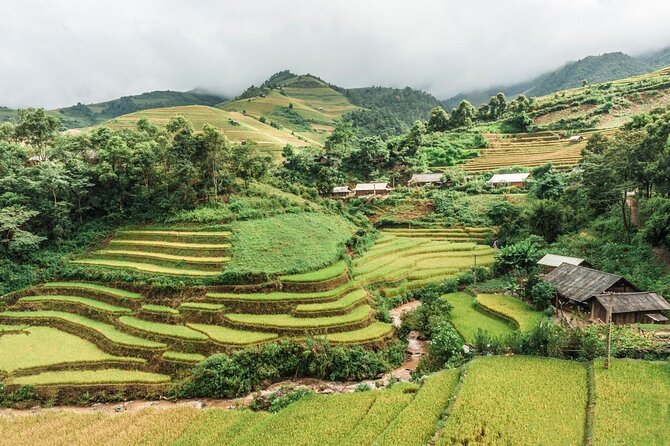
- Tram Ton Pass is your launch point, with a steep first day and real elevation gain
- Base camp overnight means you are not rushing everything in a single push
- Black H’Mong guidance adds cultural context, not just directions on the map
- Meals and water are included, plus camping gear like sleeping bag and mattress
- Hot shower at the Sapa office before and after the trek is a standout comfort win
- Cable car is optional but not included, so plan your return method
Fansipan in Two Days: what you are really signing up for
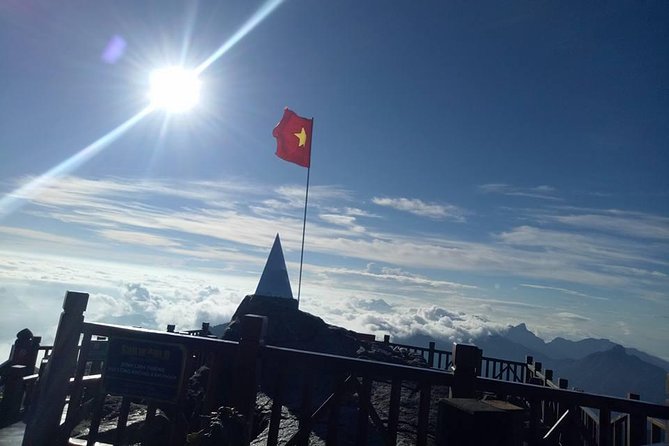
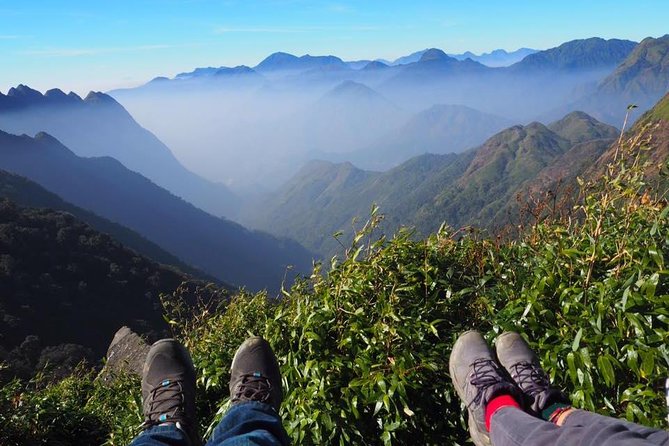
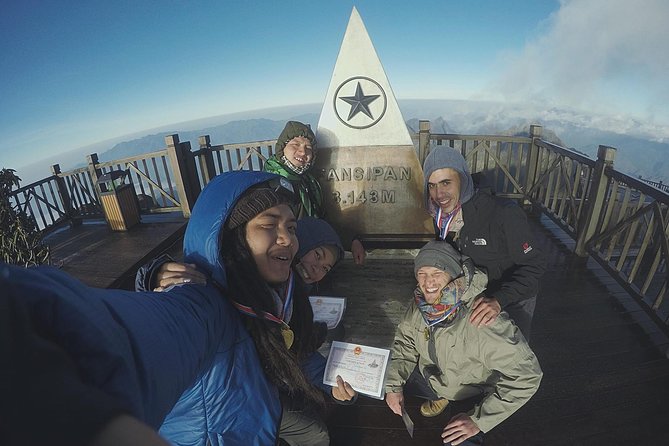
Mount Fansipan is the highest peak on the Indochina peninsula, and people come for the views. The big reason this trek stays on many lists is that it is not just a box-tick climb. You start in Sapa, work up through a mix of forest and ridge walking, sleep at base camp, and then decide how you want your second day to feel, including a possible early summit push for sunrise.
This is also a good length if you want a true challenge without turning your trip into a week of hiking. You get enough time for the trail to do what trails do, slow you down, take your mind off your phone, and make you feel the effort in a focused way. That said, two days also means no lazy cushion. You should be ready for steep segments, long hiking hours, and an out-and-back feel to the route timing.
If you are the kind of person who likes clear plans, this tour is built for you. You have defined start time, defined trekking distance per day, and a team that handles transport and logistics. Guides like Sing and Mr. Tinh were singled out for being patient, engaging, and ready with extra knowledge about the area and local culture.
You can also read our reviews of more hiking tours in Sapa
Getting from Sapa to Tram Ton Pass: the part that sets your pace
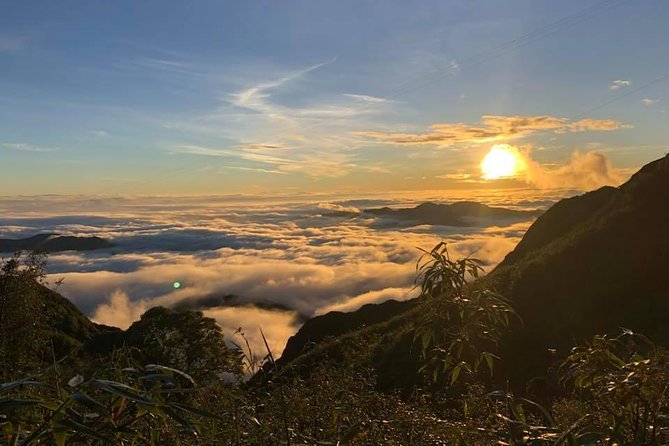
Your day starts with pickup and transport to the trailhead. The tour lists a start time of 8:30 am, and then you are scheduled to travel by car or motorbike toward Tram Ton Pass. If you are traveling solo, the guide uses a scooter and you ride behind. That matters, because it keeps the group moving without turning the start into a long waiting game.
At Tram Ton Pass, you begin the first hiking block. Expect a distance around 10 km with about 1,200 m of elevation gain and roughly 5 to 6 hours on Day 1. Admission for Tram Ton Pass is included, and you get a short ramp-up before the real effort begins.
What I like about this structure is that it gives you a clear “first checkpoint” moment. You are not dropped onto a trail and told good luck. You move from town to trail with the guide, then you start the climb while your energy is still fresh.
Potential drawback: if you are prone to motion sickness, the motorbike transport might feel bumpy. It is not mentioned as a problem by everyone, but it is something to keep in mind. Also, the initial climb is where your legs will remember the altitude for the rest of the trip.
Day 1 on the Fansipan route: forests, streams, and base camp reality
After Tram Ton Pass, your trekking route takes you through pine and bamboo forests, plus sections alongside streams. This kind of walking is a nice change from only rocky switchbacks. Pine and bamboo tend to mean a cooler feel under the canopy, and the water sounds can make a long climb less monotonous.
The tour timing has you reaching the main summit push after you pass through those forest sections. You have a picnic lunch along the way, then you continue onward on a ridge toward the top area. The day is listed as about 5 hours for the Fansipan segment on top of the earlier trekking block.
This is the day where the cultural and comfort pieces start paying off. The guide is not just there to keep you from getting lost. In multiple accounts, guides like Sing were praised for support and for walking with steady patience even in tougher weather.
You also get to the base-camp end of Day 1. That is a real advantage in a two-day itinerary. Instead of sleeping somewhere random, you are in the built rhythm of the trek. Camping is part of the deal, and the tour includes sleeping bag and mattress, which is important. A summit day on tired legs is one thing, but a rough sleeping setup makes the whole second day feel harder than it needs to.
Day 2 sunrise option: early breakfast and a long finish
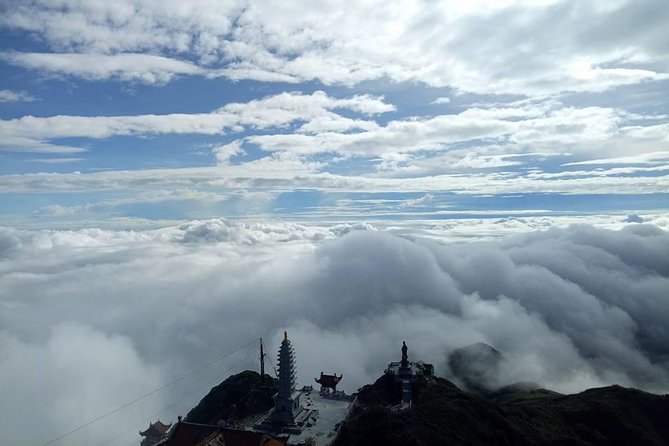
Day 2 starts with early breakfast. The schedule lists 4:00 am or 6:00 am depending on the option you choose. This ties directly to the idea of reaching the summit for sunrise. If you want that moment, you need to be the kind of person who can get moving fast after a camp night.
The second day’s hiking distance is about 14 km with about 300 to 400 m of uphill plus roughly 1,100 to 1,200 m of downhill. Total hiking time is listed around 6 to 7 hours. That downhill is the part many people underestimate. It is not always harder in a heart-rate way, but it can be harder on knees and ankles, especially if your shoes are not up to it.
Then you move toward Tram Ton Pass to end the trek. The plan lists two return options. You can trek down to Tram Ton Pass again, or you can take the cable car by yourself to a station near Sapa town. Once you are at the cable car station, a car or motorbike is waiting to bring you back to Sapa. Arrival back in Sapa is listed around 13:00.
Cable car tickets are not included, so you are the one making that choice in real time. If you think your legs will feel shaky on the descent, it is worth mentally preparing for using the cable car to protect your day.
Hot shower in the office: why the ending matters
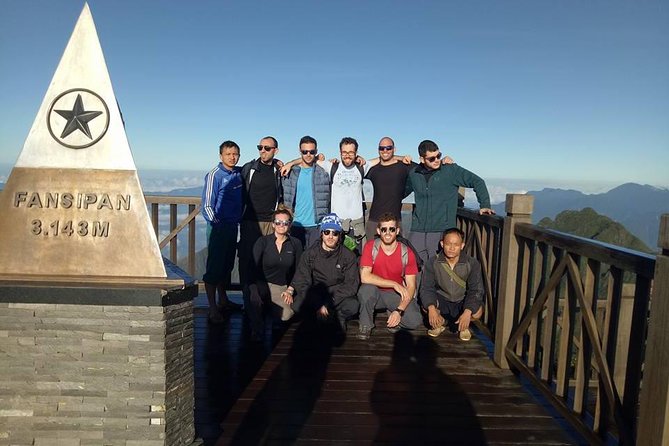
There are plenty of treks in Vietnam where the trail is great and the end feels like punishment. This tour is different because it builds comfort into the finish. The included items mention hot shower before and after the trek in the office in Sapa town.
That might sound like a small detail, but it is the thing you feel immediately. After sweaty trekking and possible wet weather, a hot shower changes your mood. It also makes it easier to re-wear clean layers and get back to eating comfortably instead of chasing dry clothes.
In real experiences, people also described the end facilities as fantastic and noted feeling safe in the process. You are not just released on a roadside. You return to a staffed setup with transport waiting, then you rinse off and rest.
More Hanoi tours and experiences for the shortlist
Black H’Mong guidance and sustainable tourism: more than a cultural label
The tour highlights a local Black H’Mong guide, and that is where the experience becomes more grounded. With a local guide, you are more likely to notice the small things: how people talk about the land, how they explain places along the route, and how they connect daily life to what you are walking through.
This is also linked to sustainable tourism initiatives. The practical meaning is that the tour is designed to support the local community through guided experiences rather than treating the region as a theme park. When a guide like Mr. Tinh is patient and adds extra knowledge about area and culture, you start to understand that Fansipan is part of a living landscape, not just a photo target.
The cultural value is not separate from the physical trek. It affects your pacing. If the guide is teaching in small pieces, you spend less time staring at your own legs and more time paying attention to the place around you.
Price and value: is $136 fair for a two-day summit trek?
At $136 per person, this is not a cheap activity, but it also is not priced like a luxury expedition. What helps the value feel reasonable is what you get included.
Included items cover:
- English-speaking guide
- Transport
- Meals (2 lunches, 1 dinner, 1 breakfast)
- 1.5 liters of water per person per day
- Entrance fees
- Camping gear like sleeping bag and mattress
- Insurance
- Medal and certificate
- Hot showers before and after at the office
- Shared accommodation for the night
Not included items are mainly what you would expect: tips, personal expenses, and cable car tickets if you choose that route.
When you compare this to the cost of doing a similar trek on your own, the biggest savings is time and hassle. Your hardest work is the walking. Everything else, transport, permits, food, water, and camp setup, is handled. That is what you pay for, and it is where value usually shows up for people who do not want to spend their holiday time in paperwork.
If you are going solo, you might wonder about the “shared accommodation” part. The tour is described as private for your group, but shared accommodation can still mean shared within the trek structure. If that matters to you, you should ask before booking what your sleeping arrangement looks like for your specific group size.
What to pack for Fansipan: layers, shoes, rain gear, and altitude respect
Your trek comfort depends on three things: warmth, traction, and dryness.
From experience notes, you should plan for cold and possible rainy weather, even if Sapa seems mild earlier in the day. The advice that keeps coming up is warm clothes in layers and good trekking shoes. Thin air also matters. Even when you feel strong on the flat, higher altitude can make your breath feel tight.
Pack basics you should not skip:
- Layered warm clothing for mornings and evenings
- Weather protection for rain (a rain jacket is smarter than cotton)
- Trekking shoes with decent grip for wet or muddy sections
- A small day pack for water and layers
- A headlamp if you choose the sunrise option, since you start very early
This tour includes 1.5 liters of water per person per day, so you do not need to carry the full hydration load. Still, you should be ready for the fact that you might want small extras depending on how hot you run.
Pacing tip: start slower than you think you should on the early gain. Many people blow themselves up on Day 1 because they feel okay in the first hour. The elevation gain is significant, about 1,200 m across the start block, so a steady pace wins.
Who should book this Fansipan trek, and who should think twice
This trek makes a lot of sense if you:
- Want a serious hike without a long vacation commitment
- Prefer an organized plan with a guide who explains the area
- Like the idea of a base-camp overnight and a possible sunrise morning
- Value comfort at the end, especially the hot shower setup
It might be a poor fit if you:
- Struggle with steep, sustained climbs or long downhill segments
- Do not like camping style accommodation, even with provided sleeping gear
- Are hoping for an easy nature walk with frequent breaks
The tour data specifically calls for strong physical fitness, and the distances and elevation profiles back that up. Also, because this is private for your group, you are not “sharing the workload” with a larger crowd. If your group pace is slower, it can change how you feel on timing and energy.
Practical itinerary notes you can plan around
A few details can help you plan your expectations.
- Start time: listed at 8:30 am, with transport scheduled shortly after.
- Day 1: expect around 5 to 6 hours for the initial gain block, plus about 5 hours for the Fansipan segment, with a picnic lunch and base-camp overnight.
- Day 2: early breakfast at 4:00 am or 6:00 am, then a long day around 6 to 7 hours with more downhill than uphill.
- Return to Sapa: estimated around 13:00, and cable car is only if you choose it, with tickets not included.
This kind of structure helps you avoid the classic trekking mistake: arriving in town without setting aside the whole day around the hike.
Should you book this 2 Days Fansipan Trekking with Sapa Original Trek?
Book it if you want a well-run, guided Fansipan trek that balances effort with support. The standout reason is the combination of Black H’Mong cultural guidance, a base-camp night, included meals and water, and a finish that includes hot showers. If you care about organization, people have highlighted how smooth the experience felt, with guides like Sing and Mr. Tinh doing a good job of keeping things comfortable and informative even when weather turned.
Skip it or think hard before booking if you want an easy hike or if you are unsure about altitude and downhill endurance. Two days to Fansipan is not a casual outing. It is more like a focused adventure that asks you to show up prepared, then rewards you with views and a sense of accomplishment you can actually feel in your body for a while afterward.
If you are ready for that trade, this tour is a solid pick, especially because so much is included that you can focus on one job, hiking well and staying warm.
FAQ
What is the duration of the Fansipan trekking tour?
The tour is listed as 2 days (approx.).
Where does the tour take place?
It takes place in Sapa, Vietnam, with trekking up to Mount Fansipan.
What time does the tour start?
The meeting/start time is 8:30 am.
How challenging is the trek?
The tour notes you should have a strong physical fitness level. The itinerary includes major elevation gain and long hiking hours across both days.
What is included in the price?
Included items list English-speaking guide, meals (2 lunches, 1 dinner, 1 breakfast), 1.5 liters of water per person per day, transport, entrance fees, camping setup (sleeping bag and mattress), insurance, medal and certificate, and hot showers at the office before and after the trek.
Are cable car tickets included?
Cable car tickets are not included. The itinerary offers a cable car option on Day 2 if you choose it, with you arranging payment.
Where will you stay overnight?
The tour includes camping and shared accommodation as part of the overnight base-camp plan, with sleeping bag and mattress provided.
Is this a private tour?
Yes, it is described as private, and only your group participates.
What is the cancellation policy?
You can cancel for a full refund up to 24 hours in advance of the experience start time.
More 2-Day Experiences in Sapa
More Hiking & Trekking Tours in Sapa
More Tour Reviews in Sapa
Not for you? Here's more nearby things to do in Sapa we have reviewed

More Sapa Trekking Tours to consider.
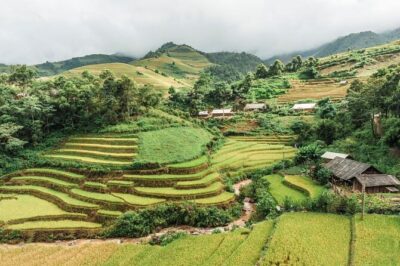 ★ 5.0Sapa 2 Days 1 Night From Hanoi – Overnight in Ta Van VillageTickets from $592,669 traveller reviews
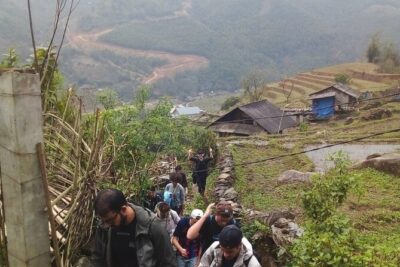 ★ 5.0Hanoi – Sapa 2 Days 1 Night Overnight At HomestayTickets from $89899 traveller reviews
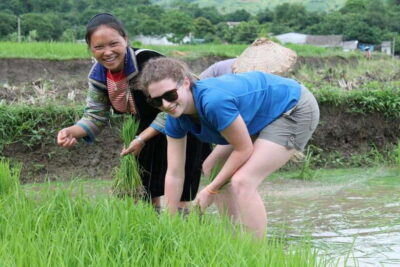 ★ 4.6Sa Pa: Muong Hoa Valley Trek and Local Ethnic VillagesTickets from $23864 traveller reviews
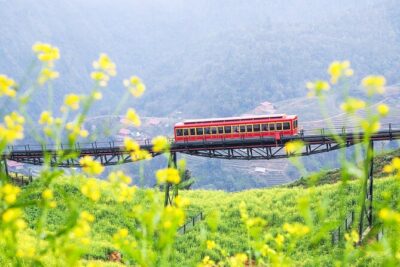 ★ 5.0Sapa: Fansipan Cable, Cat Cat Village & Moana Instagram TourTickets from $30777 traveller reviews
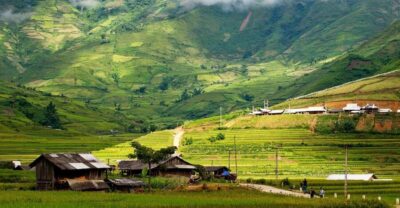 ★ 4.8From Hanoi: 2-Day Sapa Trekking Trip with Homestay & MealsTickets from $71704 traveller reviews
 ★ 5.0Sapa 3 Days 2 Nights Trekking Tour (1 Night In Ta Van Village, 1 Night In Hotel)Tickets from $139699 traveller reviews
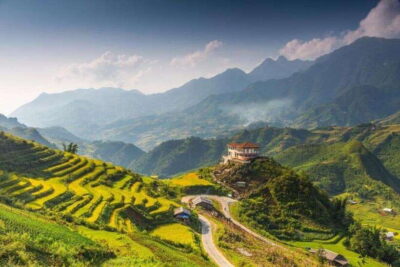 ★ 4.9Sapa: Eco Adventure Terrace Fields and Local Villages TrekTickets from $27636 traveller reviews
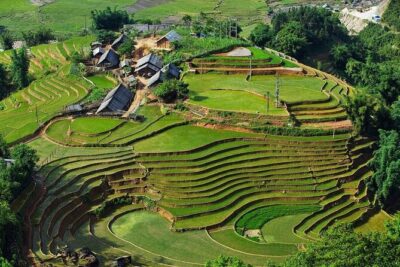 ★ 5.03-Day Trekking Adventure of Sapa from Hanoi – Stay Ta Van VillageTickets from $109611 traveller reviews
More useful Hanoi routes