Fansipan is a real summit day. What makes this outing interesting is the combo of an English-speaking guide plus round-trip hotel transfers, so you spend your energy on the mountain, not figuring out logistics. The route is serious, but you get structure: start early, follow a marked path, and finish back at your original meeting point.
I also like that the core costs are handled up front. Entrance fees are included, and you get a medal and certificate for reaching the top. The main drawback is the effort level, a day trek that’s described as very hard, with big altitude gain and a steep finish that can feel brutal if you are not used to uphill hiking.
Key things to know before you hike Fansipan
- English-speaking guidance that helps you stay safe and move at a realistic pace
- Hotel pickup and return so you do not have to arrange taxis or worry about timing
- Big elevation gain for a day hike, roughly 1,600 to 1,700 m up
- Lunch and water included, including a picnic meal and 1.5 liters of water
- Entry fees built in, plus the medal and certificate at the end
- Cable car is optional on the way down for an extra fee
From Sapa to Tram Ton pass: your 6:00 am launch point
This day starts early on purpose. At 6:00 am, you’re picked up and taken toward Tram Ton pass, the launch area at about 2,000 m above sea level. It’s one of those practical touches that matter: you’re not wasting daylight on slow travel. You’re already in mountain mode when the hike begins.
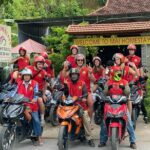
Transport is simple. If you’re traveling solo, you might go by scooter, and if you’re in a group, you’ll ride in a car. Either way, the tour aims to remove the usual “Sapa puzzle” of where to meet, how to get to the trailhead, and how to get back after a long day.
You’ll also want to treat this part as a warm-up mentally. Your breakfast is on you in the morning, then you roll into a day that can run 10 to 13 hours total depending on your pace and conditions. The mountain is high enough that timing and preparation matter more than on a casual nature walk.
You can also read our reviews of more hiking tours in Sapa
The hike math: distance, altitude gain, and why pace matters
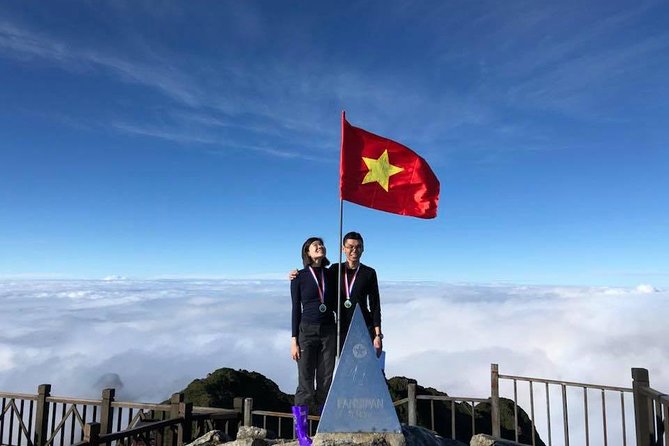
Fansipan is the highest peak in the Indochina peninsula at 3,143 m. This is not a “pretty trail” hike. It’s a climb that’s repeatedly described as hard, with a demanding elevation profile for a single day.
Here’s the basic workout you’re signing up for:
- About 12.5 km each way (roughly 7.75 miles each direction)
- Roughly 1,600 to 1,700 m of elevation gain
- Total time around 10 to 12 hours of trekking, with a full day experience that can stretch toward 12 to 13 hours to reach the top
That elevation gain is the real story. Even if the trail is “manageable” for experienced walkers, your body still has to process a lot of uphill effort in a short window. One review noted that the first part feels more reasonable, but the last third gets steep quickly. Another mentioned taking 7 hours or more with breaks, which is a reminder that this climb rewards patience.
My advice is to treat the pace as part of the plan, not a personal failure. If you are slower, you still can reach the summit, but you need stops. The guided approach helps because your guide can keep you moving without rushing you.
On-trail moments: bamboo, old trees, flowers, and stream breaks
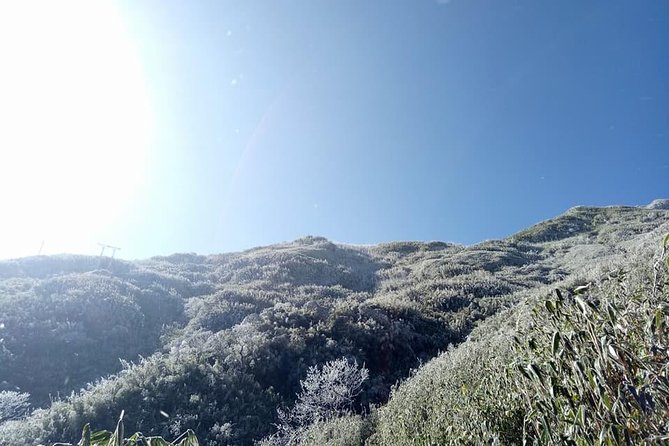
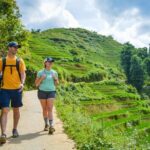
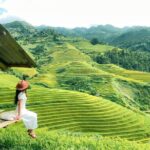
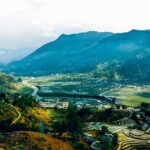
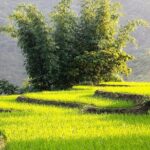
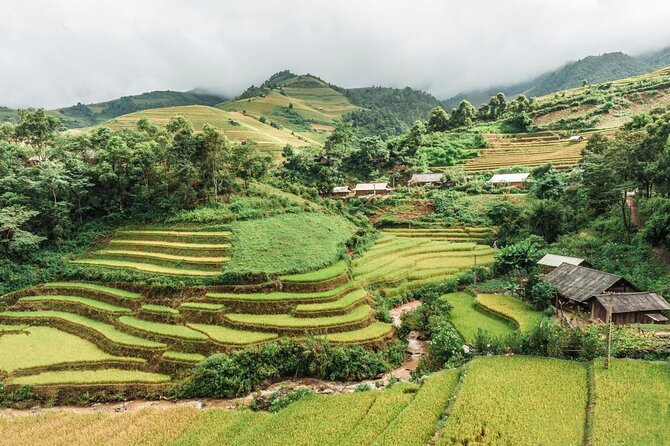
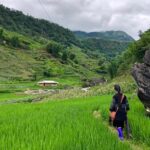
Once you start from Tram Ton pass, the trail unfolds through forest and plant life that changes as you gain elevation. The route is described with plenty of visual texture: bamboo, old trees, colorful flowers, and nice streams along the way. This is why the hike feels like more than just exercise. You’re not staring at your feet the whole time.
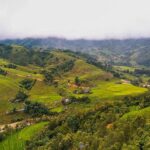
The trail is also a chance to learn how to read the mountain. In misty or foggy conditions, views might be reduced, but the guide can still point out what’s around you. Some guides specifically shared information about the flora and fauna, so it becomes part nature lesson, part route management.
This is a day where breaks count. Many of the best moments happen during the pauses, not just at the summit. If you’re like me and you do not love “stop and go,” ask your guide what their pacing style is, because you’ll likely stop more often than you expect on steep grades.
Also, expect weather variation. One hike mentioned colder temps around 7 degrees C, and another noted fog. Bring layers and plan for changing conditions even if Sapa looks mild earlier in the morning.
Lunch at around 2,800 m: fueling high up
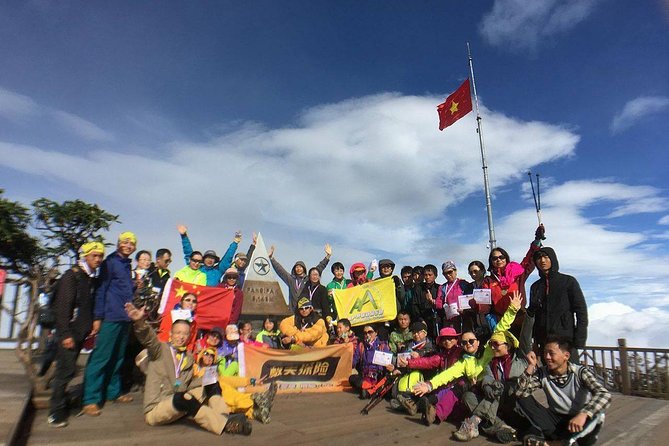
At mid-day, you’ll stop for lunch on the way. The walk is described as reaching a camping site at about 2,800 m, where you have a picnic lunch. Since lunch is included, you do not have to scramble for food halfway up the mountain.
Food here is not a minor detail. When you’re climbing steeply, your energy fades faster than you think. Having a planned meal helps you keep your rhythm and avoid the “hangry spiral” that can make the second half feel worse than it is.
One nice touch from real experiences: guides handled different dietary needs, including a vegetarian lunch in at least one case. If you need a specific diet, I’d message the operator ahead of time and confirm it. The tour includes the meal, so the key is making sure the meal matches what you can eat.
And remember that you’re still in thin-air territory compared to the town. So sip your water steadily, do not chug it. You get 1.5 liters of water included, and that’s meant to keep you moving comfortably through the day.
Reaching Fansipan: the moment and what you get at the top
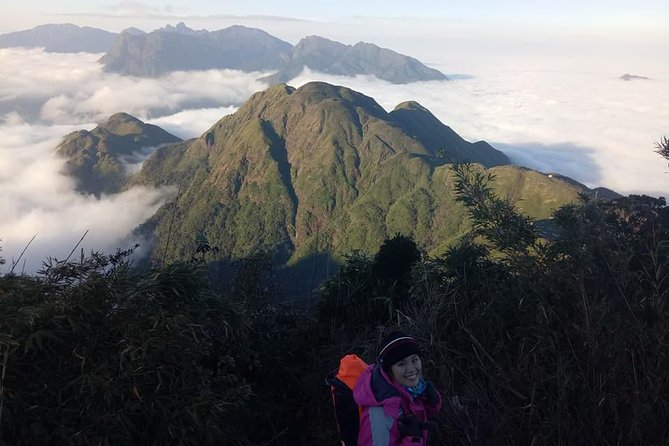
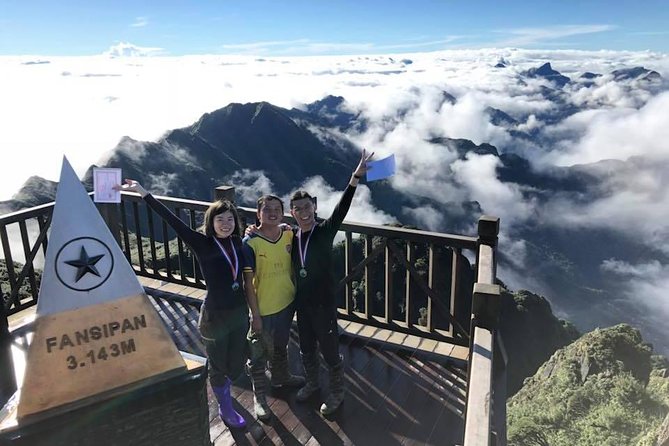
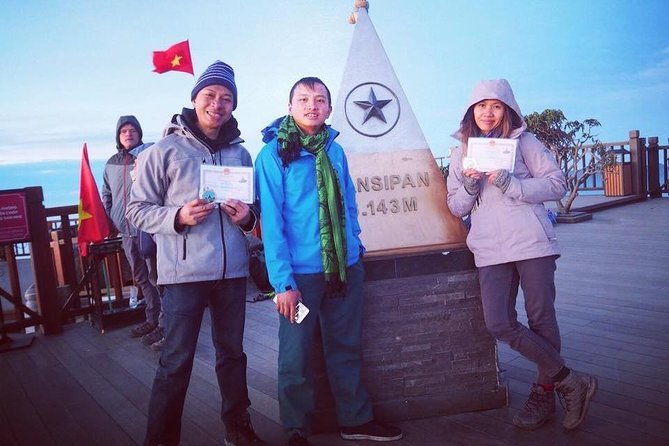
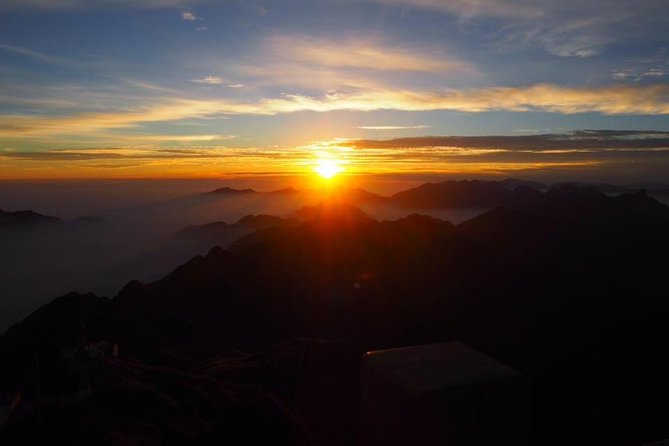
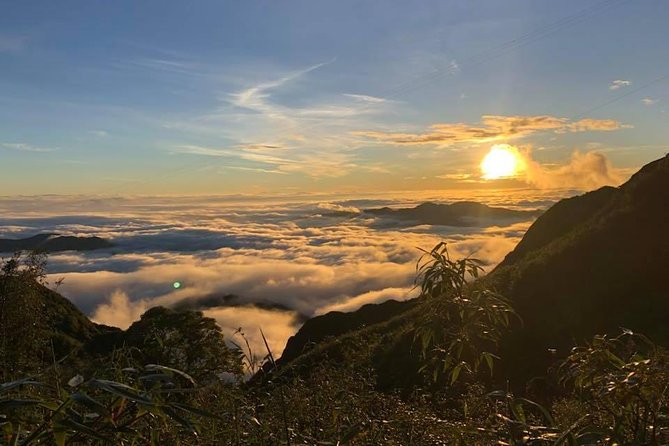
The climb ends at Fansipan summit, with the top typically reached around 12 or 13 hours after starting, depending on conditions and your speed. When it works out, the payoff is huge: one description calls out amazing views of Sapa town from above.
At the summit, the tour includes entry fees, and you receive a medal and certificate. I actually like these kinds of extras in places like this, because it gives the day a clear finish line. You’re not just “hoping you did the right thing.” You have proof that you made it.
Altitude can be a factor. Even with a guide, one account specifically mentioned dealing with symptoms of altitude sickness but still reaching the top. That’s a good reminder that you should take altitude seriously, even if you think you’re fit.
If you want to make the summit safer and more comfortable, build your day around small wins: slower steps, controlled breathing, and frequent short breaks. If you feel unwell, tell your guide right away. Guides are there to manage the reality of the mountain, not just the route.
More Hanoi tours and experiences for the shortlist
Getting down: cable car option vs the same steep return
The descent is where many people’s legs start negotiating. You have two options.
1) Cable car down for a fee
2) Descend via the same route you used to get up
The tour does not include cable car tickets, so you’ll decide based on your energy and your hiking goals. If you choose the cable car, you might feel like you “bought back” time and knee stress after a long climb. If you take the same trail down, you’re getting the full hiking experience, but it demands more stamina and careful footing.
Either way, the route is structured as a loop with your return ending back at your meeting point. That matters in practice because it reduces the final-day stress. You do not have to hunt for transport when you’re tired.
One helpful detail from real situations: when people chose the cable car, their guides and drivers still made sure they knew what to do afterward and how to get back toward Sapa. That kind of “finish line support” is often what turns a difficult day into a smooth one.
Guides who set the tone: what the best experiences have in common
This trek runs with an English-speaking guide, and that’s a big deal for a hard day hike. Language barriers can turn small confusion into big stress when you’re moving uphill and trying to keep your footing.
The strongest praise shows up again and again around guidance style:
- Patient pacing for slower hikers
- Calm safety focus on slippery or muddy areas
- Friendly, hospitable communication from the organizer and the guide
Specific guide names appear in multiple experiences, including Mr Tinh as the organizer, and guides such as Mr Choo, Mr Chay, Mr Sinh, Ms Ho, and Ms Ser. I’m not saying the names matter for your decision, but they are a hint of something important: you’re not just buying a random walking service. You’re buying a human who knows how to run the day.
Some experiences also mention raincoats being provided and kept. Even if that is not listed in the fixed inclusions, it’s a strong signal that the operator thinks about comfort for the weather swings you can hit on Fansipan.
A useful mindset for you: treat your guide as your pace manager. If you feel slower, say so early. More than once, guides were described as letting people go at their own rhythm without cutting them out of the plan.
Price and value at $80: what you are really paying for
At $80 per person, this trek is priced as a guided, supported, all-day mountain experience. The value is not just “you get a guide.” You’re also getting multiple cost items handled for you:
- Round-trip hotel transfers (no need to arrange a taxi)
- Entry fees included, plus the medal and certificate
- Picnic lunch included
- 1.5 liters of water
- Insurance included
- Guide speaks English
When you add those together, the price becomes more reasonable. Without this structure, you’d typically spend time coordinating transport and entrances, and you’d still need someone who can guide you through a steep day and keep the logistics tight.
The tour is also private, meaning you’re not sharing your day with strangers who might set an incompatible pace. Private tends to be more comfortable on a steep route, especially if you want breaks without feeling like you’re slowing a group down.
There are also mentions of group discounts and a mobile ticket. Even if you’re traveling solo, the main advantage is still the organized flow. You show up, you start the hike, you finish the hike, and you get back with less last-minute hassle.
Who should book this Fansipan day trek from Sapa
This is for you if you want a real mountain challenge and you have the fitness to match it. The tour data calls for strong physical fitness, and the climb is described as very hard and difficult, best for people with hiking experience.
It can still work for a range of hikers, but the common thread is willingness:
- You accept that you will take breaks
- You can handle steep grades
- You can keep going even if the weather fogs in or turns cool
- You’re okay starting at 6:00 am and spending most of the day moving
You might not love this if your idea of a good day is mostly flat walking and scenic stops with minimal exertion. Fansipan is a summit goal, not a gentle stroll.
It’s also a great choice if you value support and clarity. If you’d feel nervous on a hard trail, having an English-speaking guide and included insurance makes the experience more reassuring.
Should you book this 1 day Fansipan trekking tour?
I’d book it if you want a structured, guided summit attempt with the big practical pieces handled for you. The biggest wins are simple: transfers included, entry fees included with a medal and certificate, lunch and water provided, and English-speaking guidance that helps you manage a steep climb.
I’d think twice if you are not confident in uphill hiking for a full day, because the climb includes serious elevation gain and can get steep fast. Also, plan to choose your descent strategy in advance, since the cable car is an extra cost, and the “same trail down” option demands more leg strength.
If you’re an experienced hiker or you train for hard days, this is the kind of summit trip that feels worth the effort. If not, I’d either train first or consider a different style of trek that matches your fitness level.
FAQ
What time does the trek start?
The tour starts at 6:00 am.
Where does the hike begin?
You’re taken to Tram Ton pass at about 2,000 m above sea level, which is the start point of the trek.
How long and how far is the trek?
You’re looking at about 10 to 13 hours total, with roughly 12 km each way (about 24 km round-trip) and around 1,600 to 1,700 m elevation gain.
What is included in the price?
Included are an English-speaking guide, picnic lunch, 1.5 liters of water, transport by car or scooter (if 1 person), entrance fees (with a medal and certificate), and insurance.
Is the cable car included?
No. Cable car tickets are not included, though you can choose to take the cable car down for a fee.
Is this a private tour?
Yes. It is described as private, so only your group participates. The activity ends back at the meeting point.