
Review · SAPA TREKKING TOURS
Sapa: Love Silver Waterfall, LonelyTree in Heaven-Rice Field
In Sapa, waterfalls plus rice terraces make a full day feel effortless. I especially love the Love and Silver Waterfalls in the jungle and the photo payoff from the Lonely Tree in Heaven gate at O Quy Ho pass, with that wide valley view and moving clouds. One thing to plan for: this is still a walking trek, about 11 to 12 km total, so bring proper shoes and be ready for steep bits and misty weather.
What makes this outing work so well is the flow of it: you start with waterfall time, then switch to high-pass viewpoints, then finish by trekking down through villages and terrace fields. With an English-speaking guide and private-group pace, you’re not stuck rushing, and the lunch plus village stop feel like part of the day, not an afterthought.
Key things to know before you go
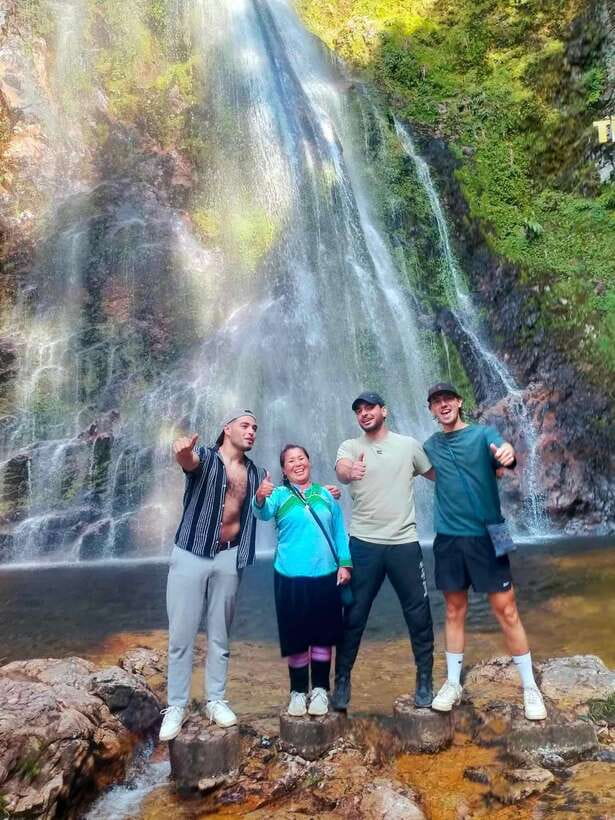
- English-speaking guides: Guides like Mo or Sinh are known for clear explanations and staying friendly on the trail
- Two big waterfall stops: You get both Love Waterfall (jungle setting) and Silver Waterfall (higher mountain outlook)
- Lonely Tree, O Quy Ho pass: The “Heaven gate” viewpoint sits at about 2,000 m and is built for dramatic valley photos
- Rice terraces in Sin Chai: The walk down includes characteristic rice and corn fields that give Sapa its reputation
- San Sa Ho village visit: You can watch traditional hemp and indigo weaving and learn daily life in a less touristed setting
- Flexible routing if needed: The pace can be adjusted if you’re not feeling well, though you might pay extra in some cases
A 6-hour mix of waterfalls, pass views, and rice terraces
This is the kind of Sapa day that strings together three different moods without feeling like separate tours. You start in the greenery and cool air near the waterfall area, then climb (and ride) up into pass country with that “Heaven gate” feeling, and finally wind down through terraced fields and village paths.
The route is practical: most of the walking is downhill or mixed terrain, and you keep getting breaks by car between main stops. The big wins are the variety and the efficiency. For a half-day, you see a lot of Sapa’s signature places: Love and Silver Waterfall, O Quy Ho pass, and the terrace-side village trekking around Sin Chai and San Sa Ho.
A private group is worth it here, because the day depends on weather and trail conditions. If it’s misty, you still get viewpoint time, and if you’re tired, you can sometimes swap to a shorter walking option.
You can also read our reviews of more tours and experiences in Sa Pa.

Love and Silver Waterfalls in the jungle: what you’ll actually do
Love Waterfall: jungle calm and possible splash time
Love Waterfall is the earlier waterfall and it sits in a jungle setting. Expect a short walk through the national park area first, with old trees, a golden-stream feel, and that damp-air scent that only shows up in mountain forests.
Once you reach Love Waterfall, the point is to slow down. Bring patience for photos, because the scenery tends to look best when you give it a minute. If conditions are right, you may even have a chance to swim or cool off, but treat that as a bonus, not the plan.
One small detail I like about this stop is how it tends to feel “local trail” rather than a theme-park waterfall. You’re moving on foot among the natural scenery, and you’re not just standing at a railing for five minutes.
Silver Waterfall: mountain views and the best angle hunt
Silver Waterfall comes later, after the pass viewpoint segment. It’s higher on the mountain, and you step up to get an overview of the valley.
From there, you head closer and cross a bridge area to find better angles for photos of the waterfall and the surrounding mountain backdrop. If you’re the type who likes capturing waterfall motion from a few distances, this is the more “active” of the two waterfall moments.
Also, this is where the day’s earlier walking earns you something. After you’ve trekked through forest and then climbed up to pass-country, Silver Waterfall looks extra dramatic, because your eyes are already tuned to elevation and depth.
O Quy Ho pass and the Lonely Tree: the Heaven gate moment
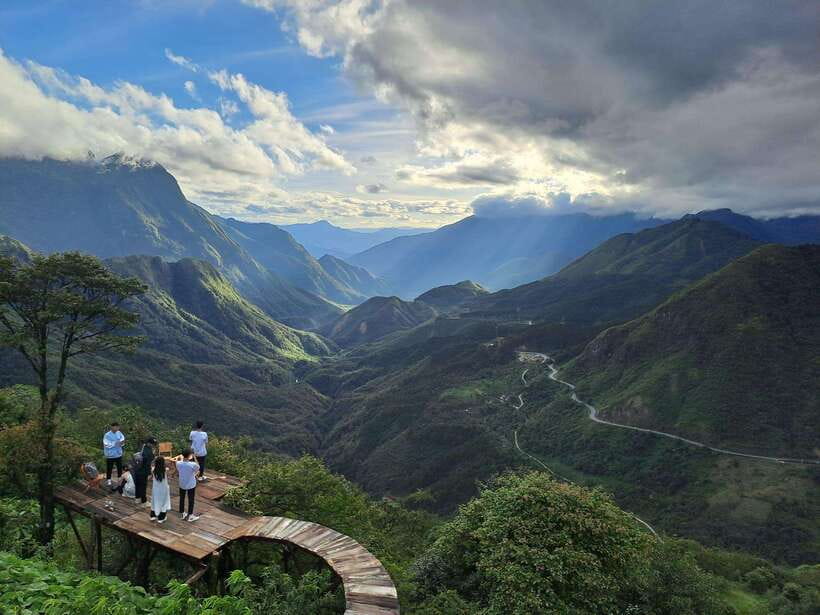
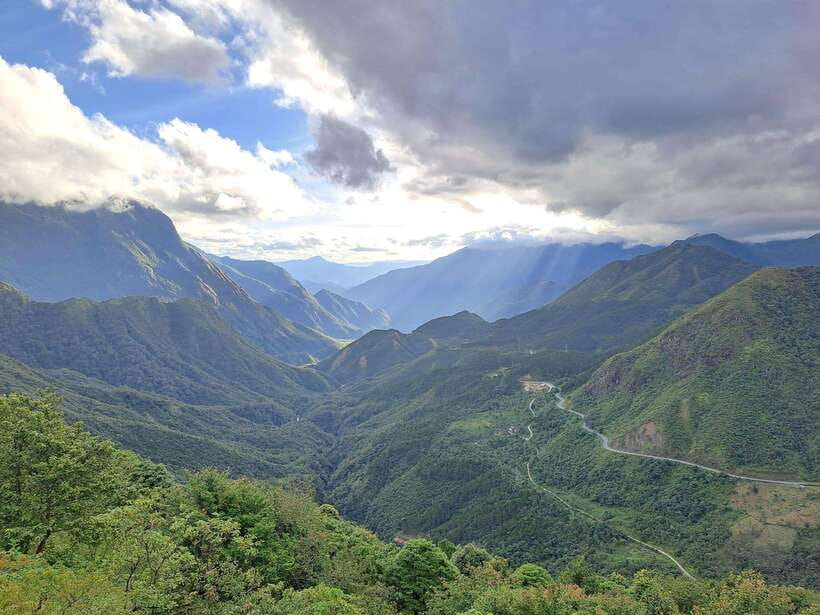
If you only cared about one viewpoint in Sapa, this would be it: the Lonely Tree at the Heaven gate area of O Quy Ho pass. The pass is the highest pass in Vietnam, around 2,000 m above sea level, and you feel that altitude in the air.
The viewpoint is the star. You’ll stand in a wide valley scene with cool wind and clouds sitting below you, which makes the whole place feel like the sky dipped down a little. It’s also why this stop gets constant attention. The viewpoint isn’t just pretty, it’s built for photos from different angles.
Timing matters. If you hit cloud cover, you might get less of the distant lines, but you’ll often get more drama in the moving mist. If it’s clear, the valley opens up and the Lonely Tree silhouette becomes extra photogenic.
This is also a good moment to re-check your footing. After the pass viewpoint, you shift from high-air photography mode into trekking down village paths, which means shoes and pacing matter more than pose-time.
Sin Chai rice terraces and the long down-hill trek
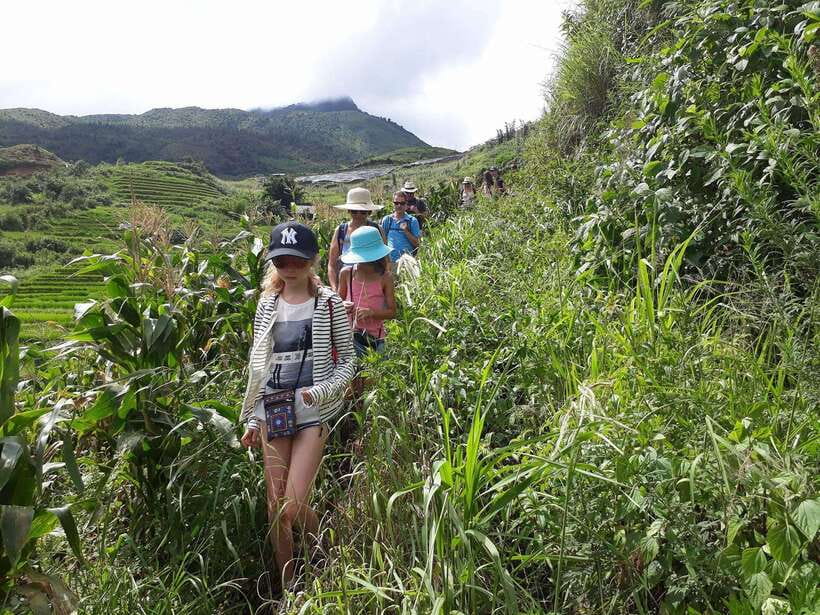
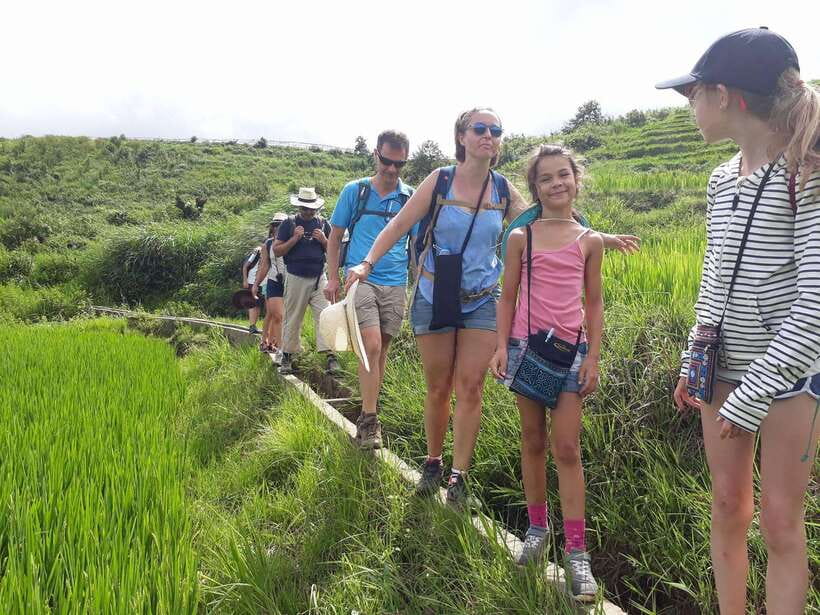
After the viewpoint and waterfall sections, the day turns into “Sapa walking.” You do a trekking down segment that passes tea-hill and vegetable-garden scenery in a small village area, then continues onto dirt trails through rice and corn fields.
The key idea here is rhythm. The walk is long enough to matter, about 4 to 5 hours of total walking time in the day, but the overall trek feels manageable because the tour breaks it into segments and uses car transfers between major waypoints.
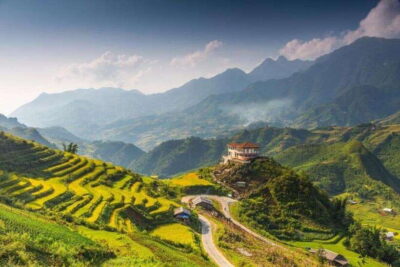
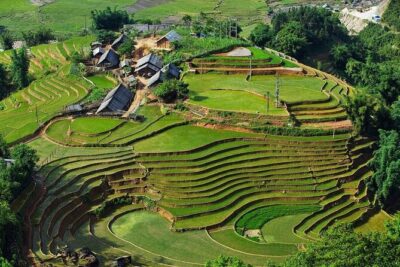
Sin Chai village is one of the terrace-focused stops, and this is where you see Sapa’s reputation in action. Rice terraces are not just a background, they shape the paths you walk. Expect lots of time looking down at field patterns and watching how water and slopes guide the layout.
A practical note: in misty or rainy conditions, terraces can feel slippery and dirt sections can get muddy. Good shoes are non-negotiable. If you’re unsure, pack an extra layer for damp air and keep your pace steady.
San Sa Ho village: hemp and indigo weaving you can watch
This is one of the parts that turns the trek into something more than scenery. You visit a local house in San Sa Ho village, described as next to jungle and at the bottom of Fansipan peak, with a non-touristy feel.
What you’re doing here is exploring daily life and watching traditional craft work. In particular, the weaving of hemp and indigo is highlighted, using traditional techniques to craft tribal costumes. It’s the kind of visit where you get to see how textiles connect to identity and everyday routines.
One reason I like this stop for first-time Sapa visitors is that it adds context. You’re no longer only thinking about waterfalls and mountain views. You start thinking about the people living in the terraces and valleys, working and creating with the local materials and patterns of life.
You should also recognize the value of the setting. A village visit closer to the working landscape, rather than a busier tourism spot, usually leads to a calmer conversation and a more real sense of how the day runs.
How hard is this trek, and what to pack
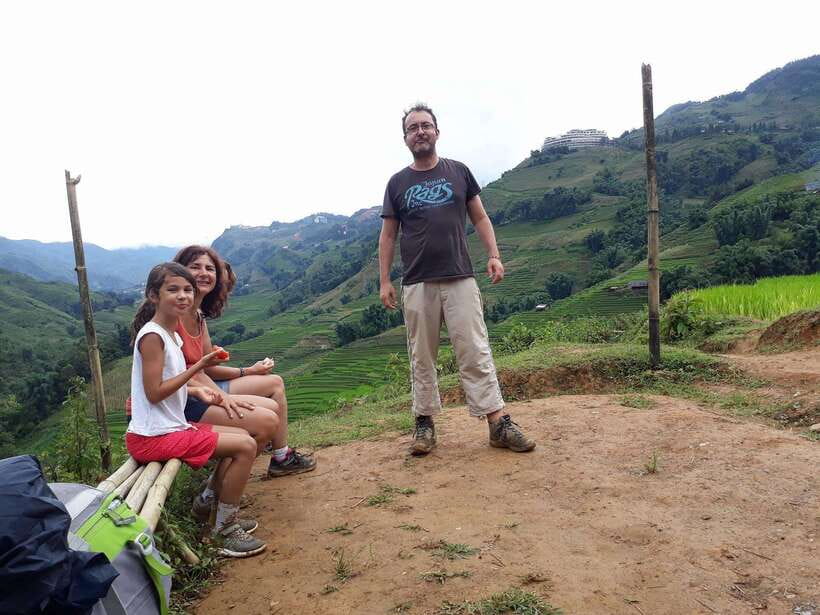
Let’s make this simple. The trek is listed as Level: Medium and easy, with about 11 to 12 km total distance and 4 to 5 hours walking.
Medium and easy usually means you can do it if you’re reasonably comfortable on uneven ground. It does not mean it’s flat. You’ll have steps, dirt trails, and changes in elevation around viewpoints and down-hill segments.
Here’s what I’d personally treat as mandatory for comfort:
- Hiking shoes with grip (you’ll be on dirt and possibly slick terrain)
- Rain gear and a waterproof bag, especially if you’re traveling in cooler misty months
- Sun hat and comfortable clothes, since the air can still turn bright between clouds
If you’re prone to foot soreness, consider bringing blister protection. The day’s duration is short, but the terrain adds up.
Guides and private-group pace: why it feels smoother
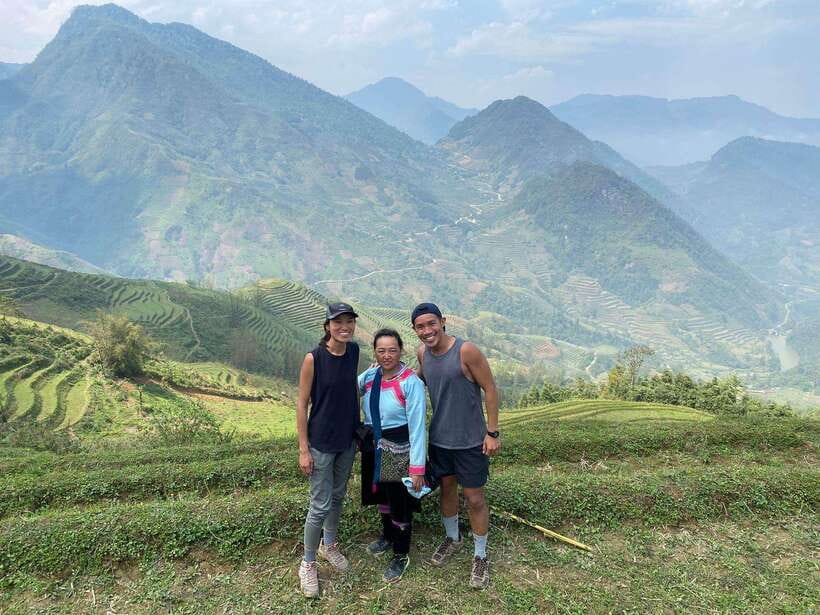
This tour uses an English-speaking guide, and the guide quality is repeatedly a main reason people rate it highly. Names like Mo and Sinh come up with strong English, good storytelling, and clear on-the-ground tips.
What matters most is not just language, it’s how the day gets managed. A good guide keeps you informed about what you’re seeing, helps with photo timing, and adjusts when the day demands it. In one example shared with the operator, route adjustments happened when someone didn’t feel well, and the tour responded by changing walking distance. Just know that changes can affect lunch choices and pickup time, and in that reported case, it led to a small additional cost for a different lunch and a longer car pickup.
Another small detail: you may encounter local animals during the waterfall approach, including moments on the trek where you can interact with or see buffalo along the way, depending on the route and conditions.
The private-group setup helps here. You’re not competing for space in a crowded line at viewpoints, and you can move at a pace that fits your group.
Price and value: is $62 worth it?
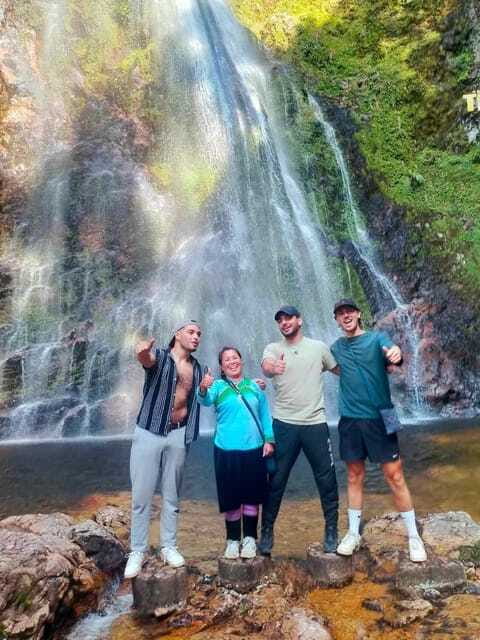
At $62 per person for roughly a half-day, this is one of those Sapa deals that works if you want variety. The price includes:
- English-speaking guide
- Lunch
- Entrance fees to waterfalls and villages
- Car transport following the route plan
- About 1.5 liters of water per person
What you don’t get included: tips, insurance, and personal expenses.
Value is really about what you’re buying. Here, you’re buying transport between scattered sights, the guide time, and entry fees, plus food. If you were to DIY, you’d spend time coordinating rides, figuring out entry points, and stitching together a route between O Quy Ho pass viewpoints and village walks.
A private group usually costs more than a shared tour, so the math depends on your priorities. If you care about waterfall time, the Lonely Tree photo stop, and a village visit with weaving, $62 feels reasonable because the day is doing multiple jobs at once: sightseeing, trekking, and cultural time.
Weather in Sapa: mist, rain, and how to plan for it
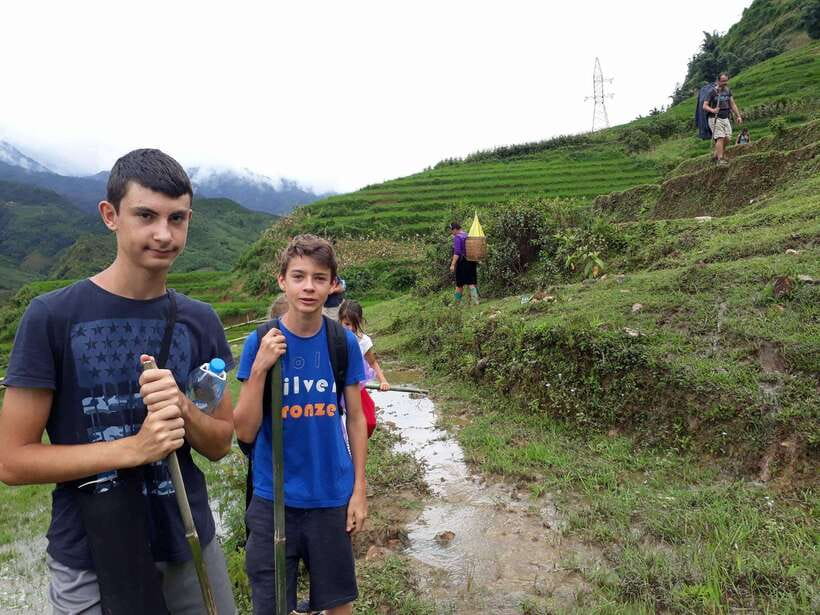
Sapa weather is changeable. Light rain and mist can show up, especially in months like November, and mist does affect visibility from viewpoints.
Here’s the useful mindset: mist reduces far-distance clarity but can make the Heaven gate atmosphere more theatrical. Cloud sitting in the valley can still deliver that cool, windy feel and give you great tonal photos.
Still, mist and rain affect footing. Bring rain gear and plan for slower walking. The tour does include car transfers and stops, so you’re not out in storms for hours at once, but you do need to be ready for damp ground.
If you see heavy rain right before you go, I’d lean toward good footwear confidence and extra caution rather than assuming everything will be canceled. The tour format is built around flexible pacing.
Who should book this tour, and who should skip it
Book it if:
- You want Love and Silver Waterfalls plus O Quy Ho pass in one day
- You like a mixed day: photos at viewpoints, then walking through fields and village paths
- You want a cultural stop with traditional weaving in San Sa Ho village
- You’re comfortable with medium walking, about 11 to 12 km total
Skip or choose a gentler option if:
- You want a low-walking day with mostly flat terrain
- You have trouble on uneven dirt paths or get easily uncomfortable with misty ground
- You’re traveling with limited mobility, since the day does include a meaningful walking segment
This tour is also a smart pick for short stays. If you only have a half-day in Sapa, it gives you a high hit rate of signature areas without making you rush through one single spot.
Should you book this Sapa trek?
Yes, if your idea of a great Sapa day is mixing nature and human life, and you don’t mind walking on uneven ground. The itinerary makes sense: two waterfall stops for the dramatic water moments, the Lonely Tree for the Heaven gate view, then rice terraces and a village visit that adds context through traditional hemp and indigo weaving.
If you’re on the fence because of weather or walking, focus on your shoes and your comfort level on dirt trails. Pack for mist and light rain, and you’ll be in good shape to enjoy the whole day.
One last tip: pick a route pace that lets you enjoy the views. This is not a race. The best photos at the Lonely Tree and the prettiest terrace moments happen when you slow down just enough to take them in.
FAQ
How long is the tour, and when does it run?
The tour duration is about 6 hours, with specific start times depending on availability. Pickup is arranged from your hotel in central Sapa, and the day typically ends around 14:30 to 15:00 depending on walking speed.
How much walking is involved?
You’ll walk about 11 to 12 km total, with roughly 4 to 5 hours of walking time. The level is listed as medium and easy.
What does the $62 price include?
The price includes an English-speaking guide, lunch, entrance fees to waterfalls and villages, car transport following the route plan, and about 1.5 liters of water per person.
What are the main stops on the route?
The day includes Love Waterfall and Silver Waterfall, the Lonely Tree point at the Heaven gate area of O Quy Ho pass, rice and terrace fields in the Sin Chai village area, and a visit to a local house in San Sa Ho village.
What language is the guide?
The guide speaks English.
Is pickup included, and where does it start?
Pickup is included from hotels around central Sapa town, not from hotels in the villages.
What should I bring for this trek?
Bring a sun hat, hiking shoes, rain gear, comfortable clothes, and a waterproof bag.
Is swimming allowed at Love Waterfall?
Swimming is listed as a possible option at Love Waterfall, but it depends on conditions on the day.
What is not included in the tour price?
Tips, insurance, and personal expenses are not included.
More Tour Reviews in Sa Pa
Not for you? Here's more nearby things to do in Sa Pa we have reviewed

More Sapa Trekking Tours to consider.
 ★ 5.0Sapa 2 Days 1 Night From Hanoi – Overnight in Ta Van VillageTickets from $592,669 traveller reviews
 ★ 5.0Hanoi – Sapa 2 Days 1 Night Overnight At HomestayTickets from $89899 traveller reviews
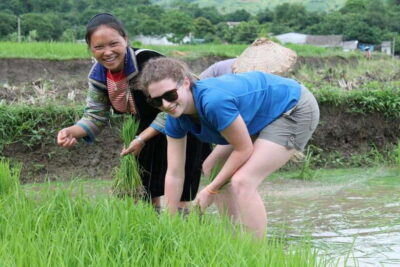 ★ 4.6Sa Pa: Muong Hoa Valley Trek and Local Ethnic VillagesTickets from $23864 traveller reviews
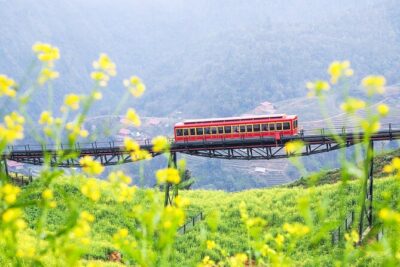 ★ 5.0Sapa: Fansipan Cable, Cat Cat Village & Moana Instagram TourTickets from $30777 traveller reviews
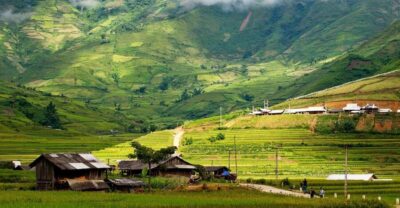 ★ 4.8From Hanoi: 2-Day Sapa Trekking Trip with Homestay & MealsTickets from $71704 traveller reviews
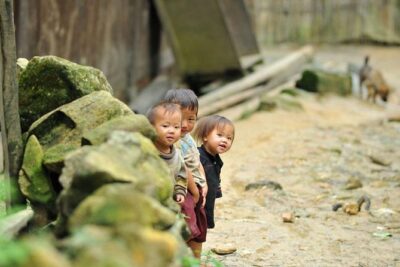 ★ 5.0Sapa 3 Days 2 Nights Trekking Tour (1 Night In Ta Van Village, 1 Night In Hotel)Tickets from $139699 traveller reviews
 ★ 4.9Sapa: Eco Adventure Terrace Fields and Local Villages TrekTickets from $27636 traveller reviews
 ★ 5.03-Day Trekking Adventure of Sapa from Hanoi – Stay Ta Van VillageTickets from $109611 traveller reviews
More useful Hanoi routes