
Review · SAPA TREKKING TOURS
2 days authentic trekking tour in Sapa ( Homestay – Less touristy )
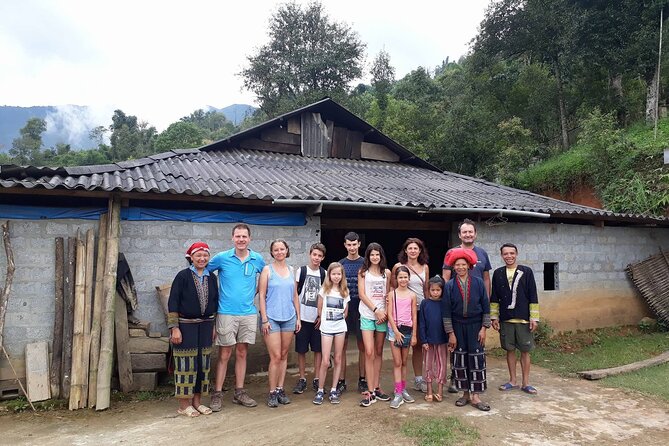
Fog rolls in, then you walk it away. This 2-day Sapa homestay trekking tour focuses on quieter village routes, with time in Hmong and Dzao communities, plus a night in a traditional wooden house. I especially like the guide-led paths that take you past rice terraces and down village trails you would miss on your own, and I love that you’re not just sightseeing, you’re eating and learning local routines. The main thing to consider is the walking, it is steep in places, and when it is hot you will feel it.
You start at 9:00 am and finish back near the meeting point after about 9 hours of trekking spread across two days. It is a private setup for your group, with pickup offered, and mobile ticketing is used for convenience. If you want a gentler stroll, pick another Sapa day tour, because this one is built around real footpath walking.
Below is how the two days actually play out, what the homestay experience is like, and how to decide if this is the right fit for your style of travel.
Key things I’d prioritize before you go
- Less-touristy village routes with real community time in Hmong and Dzao areas
- Terraced rice views plus misty forest walking across dirt trails and pine areas
- A night in a traditional wooden house homestay with meals and village activities
- Steep stretches and an active pace across roughly 9 hours over two days
- Guide names that matter, Mai leads many groups, with hosts like Mr. Tinh and Maykeiun helping things run smoothly
- Route flexibility for fog, the team can adjust when visibility is poor
Why this Sapa homestay trek feels like a real Sapa day
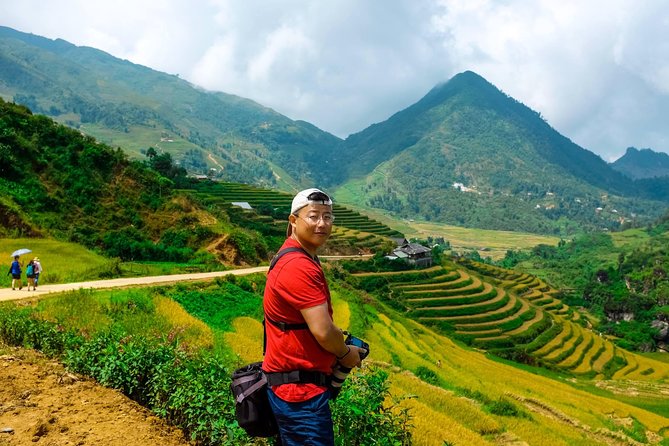
Sapa can be strangely split. You can do the viewpoint circuit, take a few photos, and still feel like the mountains were the only thing you met. This kind of 2-day tour is different because it ties the views to daily life. You walk through terraced rice paddies, cross rural paths, and then spend the night inside the community rather than returning to a hotel the same day.
The “homestay plus trekking” format is also great value. At $89 per person, you’re not just paying for a guide and a meal. Your day includes village visits, entrance fees, transport, and drinking water (1.5 liters per day is included). That is a lot of small costs bundled into one price, which matters if you are trying to keep Sapa spending under control.
The other win is that this tour is built around “less touristy” movement. You’re not only hitting famous stops. You’re taking dirt trails through pine forest, passing cornfields, and walking through minority villages along the way. That is the difference between collecting sights and learning how people live in these highland valleys.
One consideration: this is not a long, scenic drive with short photo walks. Expect a working hiking day, often steep, and you’ll want to be comfortable with that before you commit.
You can also read our reviews of more hiking tours in Sapa
Ta Phin Village Day 1: pine forest trails and terrace views
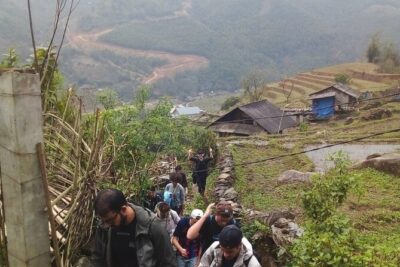
Day 1 begins with trekking down hill through a mountainous area, following a dirt trail shaded by pine forest. The walking is long enough to matter, about 5 hours on this day, so even though it starts down hill, you still need stamina. I like this structure because it warms you up to the terrain quickly, then you earn the views as you go.
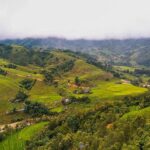
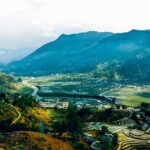
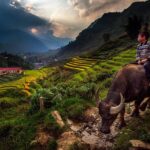
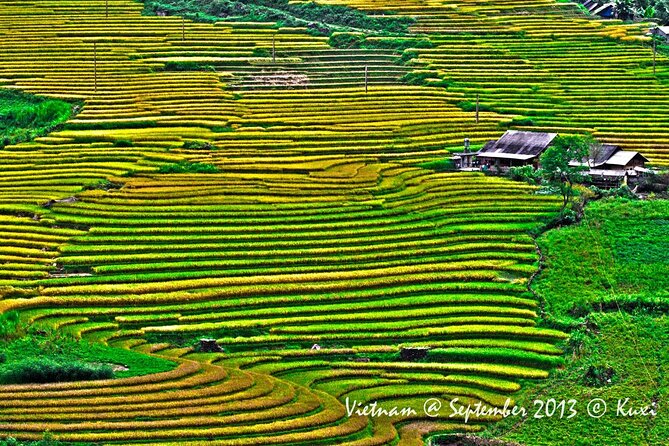
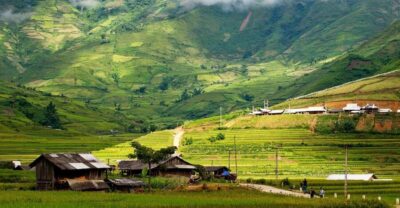
As you move through the pine area, you get repeated chances to look out over rice paddy terraces and also cornfields. That combination is useful because it reminds you that Sapa isn’t only about dramatic rice steps. It is mixed farming on steep hills, and the scenery changes as the planting and seasons shift.
Ta Phin Village is your first cultural anchor. This is where you stop trekking and connect with the community side of the trip. You’ll see how people live in the highlands and you’ll have time for meals in the village setting, not just a quick stop and a photo.
A practical heads-up: because the hike is longer and includes steep segments, you should plan your day like a hike, not like a sightseeing stroll. If you arrive with heavy jeans and no support shoes, the terrain will punish you. If you come prepared, it feels rewarding because you’re earning each viewpoint with your own steps.
Ngũ Chỉ Sơn and Suoi Thau Day 2: village walking and mountain top moments
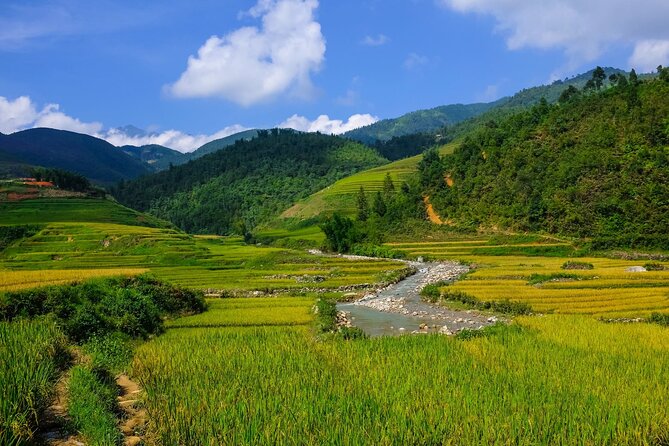
Day 2 starts with breakfast at the homestay, then you head toward Suoi Thau village. Your route includes passing through several minority villages along the way. The walk takes about 4 hours, and the rhythm changes from Day 1, more rice-field walking before you push up toward higher ground.
One of the best things about this day is the mixture of village-to-village movement and scenery. You get a “walk through farmland” feel, then you reach a higher point and get mountain-top views. Even when the rice is already harvested, the views can still be very rewarding, because you’re looking at patterns on the hills and the valley air that makes Sapa feel like a different world.
There is also flexibility built in. One group experience I found especially useful to note: when fog rolled in and visibility was poor, the guide adjusted the route. That’s the kind of practical leadership that keeps your day moving instead of stuck waiting for weather to cooperate.
If you want a challenge but still want to enjoy the scenery, this is a good second day balance. It is shorter than Day 1, but you still get the stepping, the village movement, and that “top of the mountain” payoff.
Homestay nights in a traditional wooden house: what to expect
The homestay is a core part of the experience. You sleep in a traditional wooden house in a local community, which means the comfort style is simpler than a hotel. In my mind, that is the point, as long as you go in with realistic expectations.
From the experience details, you can count on a full set of basics for the trip: homestay, meals, entrance fees, transport, and daily water. Reviews also highlight that the homestay is rustic but comfortable, and food is described as delicious. That combination is important. Rustic is fine. Hungry and uncomfortable is not.
You’ll also take part in village learning moments. The tour description mentions meals and workshops, and the cultural focus shows up in how guides explain daily routines and local craftsmanship. I recommend treating these moments like conversations rather than classroom lessons. Ask simple questions about what you see, and keep your tone respectful when you’re inside homes.
One more thing I appreciate: the team seems to handle community logistics well. In one example, host Mr. Tinh helped smooth the group’s arrival and even arranged a room to refresh the prior night. Not every trip will include that exact timing, but it signals that the homestay side is organized, not improvisation.
If you care about comfort at all costs, you might find the homestay style too basic. If you care more about connection, food, and atmosphere, this is the kind of night you remember.
Price and value: is $89 a fair deal here
At $89 per person for a 2-day tour, this isn’t the cheapest option in Sapa, but it is also not inflated for what you get. You are paying for: an English guide, transport, village entrance fees, a homestay night, two lunches, breakfast, and dinner, plus 1.5 liters of drinking water per day.
That bundled value matters. In Sapa, it is easy to accidentally buy your way into extra costs. You might pay for transport separately, then pay for entrance tickets, then pay again for a guide, and finally add meals. Here, the tour price covers most of the day-by-day basics so you can budget your trip without doing a spreadsheet on every morning.
Your money also buys access to routing. The tour is private for your group, and guides lead you on paths you could never find easily on your own. That is not a minor benefit in Sapa, because your time on steep trails and in local villages is limited. A guide saves you from wasting that time guessing roads, especially around rice terraces and small community lanes.
The real value test is your priorities. If you want maximum “nature only” time with minimal village contact, this might feel too cultural. If you want landscape plus people, this price usually feels fair.
More Hanoi tours and experiences for the shortlist
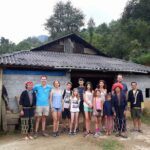
The walking pace: steep hills, not a laid-back stroll
This trek is active. Reviews describe steep stretches and warn that it is not gentle walking, especially when temperatures rise. Even the rough timing gives you the clue: about 9 hours of trekking across two days.
Here is how I’d translate that into planning advice. Bring shoes with grip you trust. The paths are dirt trails and hill routes around rice terraces. If your footwear is slippery or worn out, your feet will pay for it.
Hydration matters too. The tour includes water, 1.5 liters per day, but you should still treat that as the minimum. Plan for a steady pace and take breaks when you need them. You’ll enjoy the villages more when you are not rushing while out of breath.
One nice detail: on the way, you may be able to choose trekking level, medium or heavy, with your guide. That is useful if you want to match effort to fitness. If you are unsure, start at medium and let your guide adjust as you warm up.
If you have mobility limitations or you know you struggle with steep climbs, be honest with yourself. This tour is built around footpaths and elevation changes. You can still have fun in Sapa, but it might be a better idea to choose a different style of day.
Guide leadership that turns routes into stories: Mai, Mr. Tinh, Maykeiun
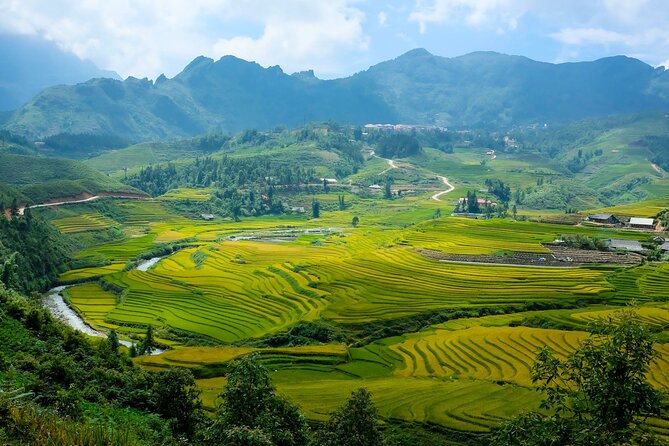
The biggest difference-maker on any trek is the guide. Here, the experience consistently credits guide work, with specific names showing up clearly in real trip stories.
Mai is repeatedly mentioned as a great guide who leads people along paths they would never find alone. Her value is not just navigation. She also explains the rice terraces, the villages, and the people who live around Sapa. That kind of context helps you notice details instead of only looking through a camera viewfinder.
Mr. Tinh shows up as an extraordinary host in at least one account, with support for smooth arrival and homestay comfort. That matters because homestay experiences can feel chaotic if the host and team are not organized. When someone local is managing the flow, you get less stress and more time to settle in.
Maykeiun is also named for taking care of participants throughout the trek. If you have ever been on a day tour where logistics fall apart at the edges, you know this kind of steady support is worth something.
So, if you are choosing between “a guide is included” and “a guide will actively teach and troubleshoot,” this tour leans toward the second.
Who should book this 2-day Sapa Original Trek
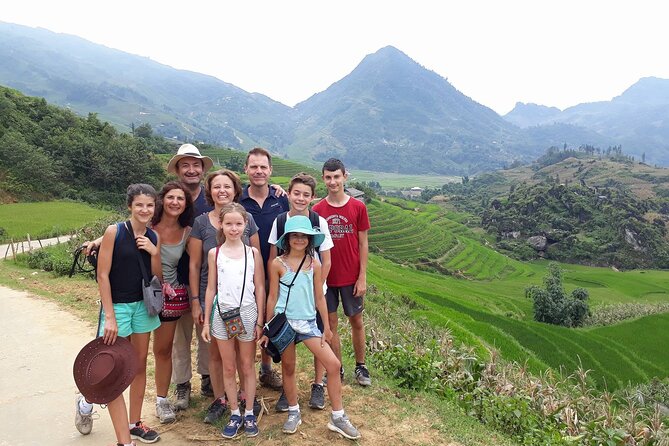
This tour fits best if you want a blend of rice terrace walking and village life, and you’re okay with a hike. It is ideal for travelers who like small community interaction, and for anyone who prefers fewer crowds and more time moving slowly on real paths.
It also suits people who like flexibility. If fog or visibility changes, the guide can pivot the route. That keeps your day productive even when the mountains do their mood swings.
This is less suitable if you want easy walking, short distances, and lots of built-in comfort. The steep stretches and active pace are part of the design, not a surprise. If that makes you nervous, choose a gentler Sapa option instead.
Finally, I think this is a solid pick for cultural learners. The tour is designed around Hmong and Dzao villages and includes village workshops and explanations about daily life and local craftsmanship. If that kind of learning is your thing, you’ll get more out of every step.
Should you book this Sapa homestay trekking tour?
If your idea of a great trip includes walking steep hill paths, meeting ethnic village communities, and sleeping in a traditional wooden house, then yes, I’d book it. The $89 price feels fair because it bundles guide time, transport, village entrance fees, meals, and water into one package, not a pile of separate purchases.
If you are sensitive to uneven terrain or you want a mostly easy day, skip this specific trek. Choose a lighter route in Sapa and save your energy for the waterfalls and town views.
FAQ
What is the duration of the Sapa homestay trekking tour?
The tour runs for 2 days (approximately).
How much does the tour cost per person?
The price is $89.00 per person.
Is pickup offered?
Yes, pickup is offered.
What time does the tour start?
The start time is 9:00 am.
Is this a private tour?
Yes. Only your group will participate.
What are the main trekking stops on the route?
Day 1 includes Ta Phin Village. Day 2 includes Ngũ Chỉ Sơn and walking onward toward Suoi Thau village.
What meals are included?
The tour includes breakfast, two lunches, and dinner.
How much water is included each day?
You get 1.5 liters of water per day.
What is not included in the tour price?
Tips, insurance, personal expenses, herbal bath, and soft drinks are not included.
Is cancellation free?
Yes. You can cancel up to 24 hours in advance for a full refund.
More Hiking & Trekking Tours in Sapa
More Tours in Sapa
More Tour Reviews in Sapa
Not for you? Here's more nearby things to do in Sapa we have reviewed


More Sapa Trekking Tours to consider.
 ★ 5.0Sapa 2 Days 1 Night From Hanoi – Overnight in Ta Van VillageTickets from $592,669 traveller reviews
 ★ 5.0Hanoi – Sapa 2 Days 1 Night Overnight At HomestayTickets from $89899 traveller reviews
 ★ 4.6Sa Pa: Muong Hoa Valley Trek and Local Ethnic VillagesTickets from $23864 traveller reviews
 ★ 5.0Sapa: Fansipan Cable, Cat Cat Village & Moana Instagram TourTickets from $30777 traveller reviews
 ★ 4.8From Hanoi: 2-Day Sapa Trekking Trip with Homestay & MealsTickets from $71704 traveller reviews
 ★ 5.0Sapa 3 Days 2 Nights Trekking Tour (1 Night In Ta Van Village, 1 Night In Hotel)Tickets from $139699 traveller reviews
 ★ 4.9Sapa: Eco Adventure Terrace Fields and Local Villages TrekTickets from $27636 traveller reviews
 ★ 5.03-Day Trekking Adventure of Sapa from Hanoi – Stay Ta Van VillageTickets from $109611 traveller reviews
More useful Hanoi routes