
Review · SAPA TREKKING TOURS
Explore Sapa by TrekkingAdventures, Mountain,Rice fields
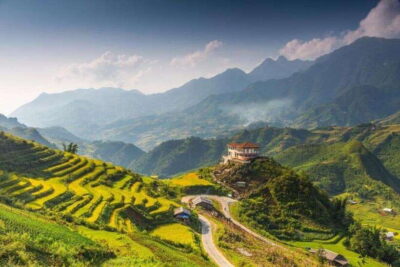
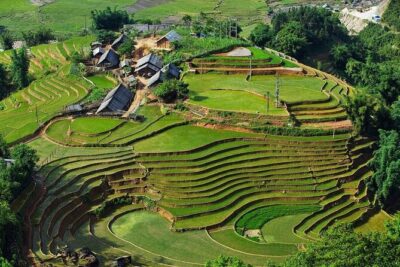
Rice terraces in Sapa feel up close. This 1-day hike takes you through Hmong valleys and rice terraces, with real talk about village life. You also get to walk between Black Hmong and Dzay communities, following local women guides who share their own stories.
What I like most is the way this feels personal, not scripted. You will meet local women like Sun, Mu, or Chuchu in the guide role, and you will walk with them as they explain everyday life, not just point at views. The one thing to consider is that paths can turn slippery and steep, especially in fog, rain, and mud.
Key highlights worth planning for
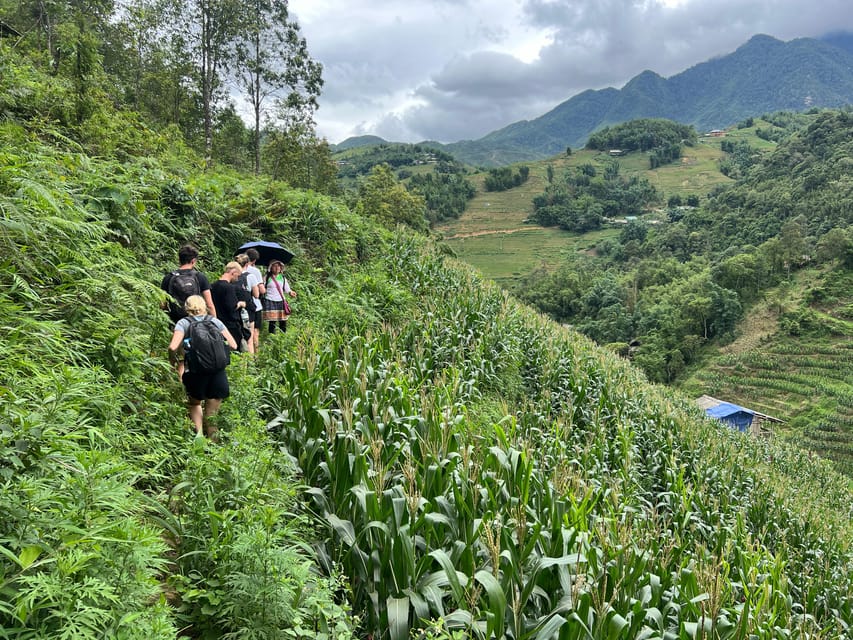
- Most gorgeous rice terraces in Sapa, walked on foot, not just photographed from a road
- Local Hmong sisters guiding your group, including the chance to hear first-hand life stories
- Flexible trek difficulty, easy to hard options, based on how much downhill and trail roughness you want
- Lunch included inside the villages, with water and village entry fees covered
- Rain-ready trekking support, including boots and trekking sticks when the weather turns
Why this Sapa trek feels different right from the start
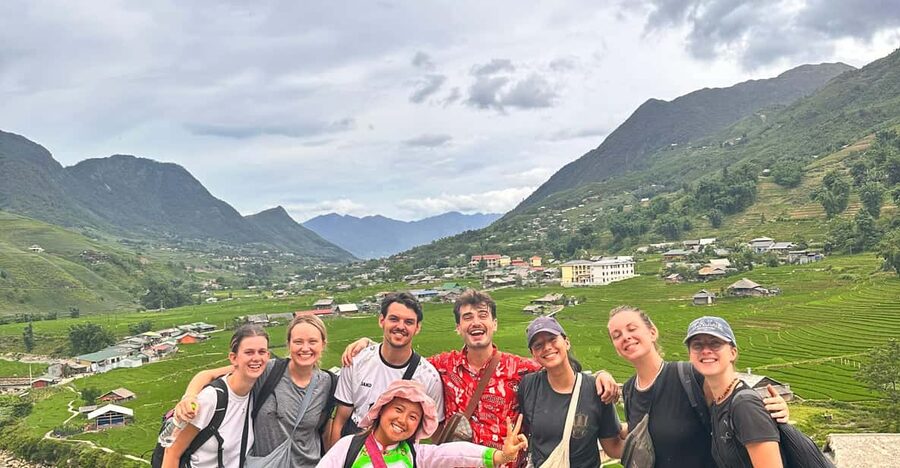
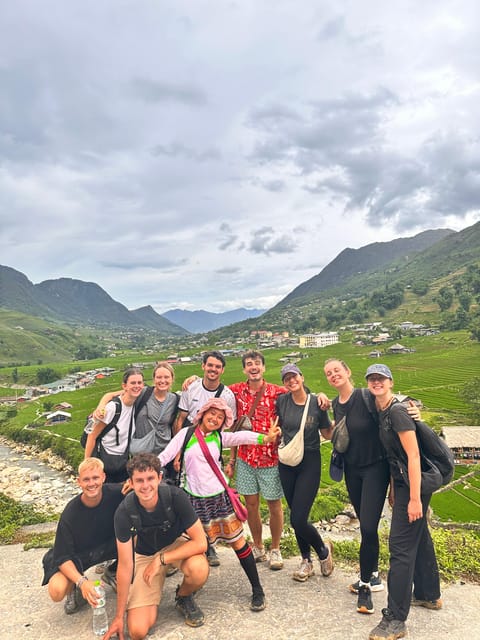
This is a one-day trek built around village connection. You start in Sapa Town, then you move away from the main streets and into valleys where daily work actually shapes the day.
A big part of the value is the people leading you. The tour is run by local Hmong women, including three sisters, and the guide experience is tied to real community support, including helping local children go to school and creating work opportunities for women. When someone grew up without electricity, and now guides visitors through the same mountain paths, it changes the tone fast.
You should also know it is a group trek. That means shared pacing, shared stops, and the chance to meet other hikers along the route.
You can also read our reviews of more tours and experiences in Sa Pa.


Sapa Town to Y Linh Ho, Black Hmong rice terraces in the real light
Your day can start at 9:00 AM or later (you just need to coordinate the start time). You meet your guide at your Sapa hotel or in front of the main church, then you head out toward the first valley section.
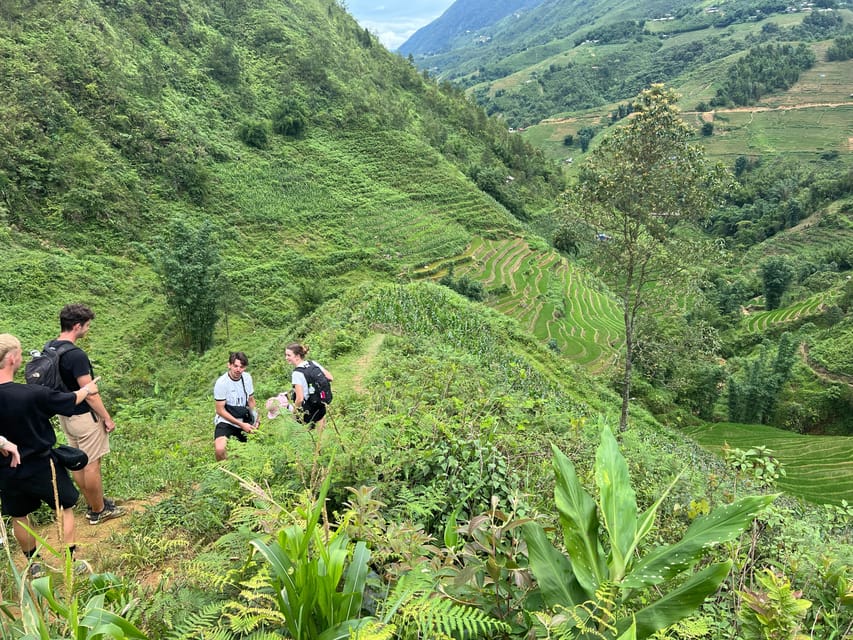
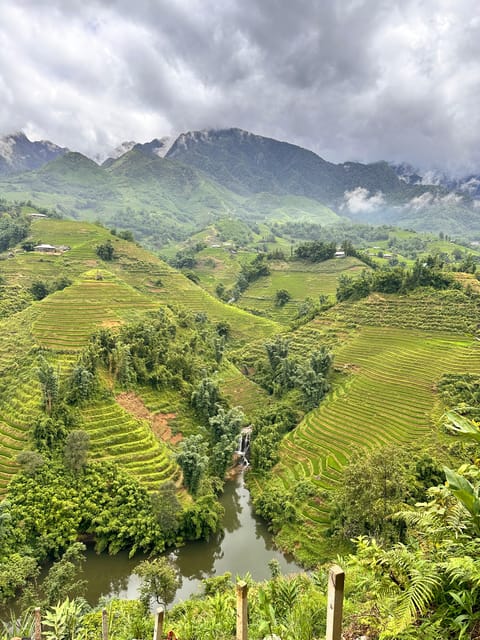
The walk begins with that downhill feel that Sapa is famous for. You make your way toward Y Linh Ho, known as a Black Hmong village, and the trek rolls past some of the most photogenic rice terrace scenery in the area.
Along the route, you may spot village animals like buffalo, pigs, and chickens. It is one of those small details that makes the trek feel alive, because it reflects how households actually work around the fields. If you are the type who likes asking questions, this is where you will get the most back-and-forth, from everyday routines to how seasonal fieldwork shapes village life.
How to set expectations on difficulty: the tour offers different route options, and you can choose a hike that matches you. Some paths are easier, while the harder option adds extra rocky and slippy footing, especially after rain.
Lao Chai lunch and the Black Hmong house stop you will remember
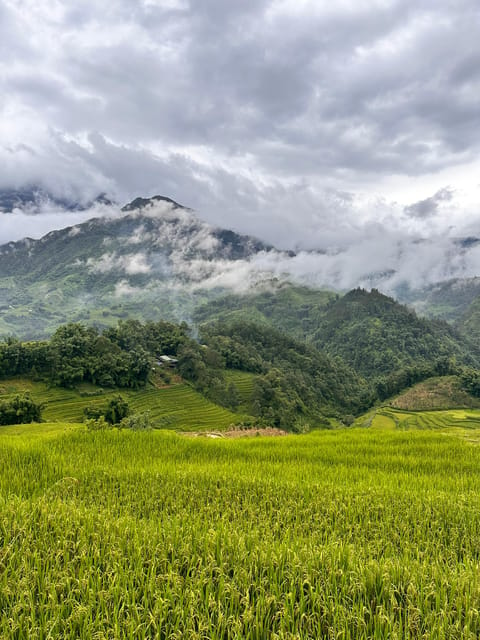
Next you reach Lao Chai, one of the older and larger Hmong communities in the region. This is not just a stop for photos. It is where the day turns more cultural, with a lunch break that takes place in a local restaurant in the village.
Lunch is included in the price, and you also get water. In addition, veg-friendly options have been mentioned by past hikers, which matters if you do not eat meat or want a lighter meal after a long walk.
After eating, you visit a traditional Black Hmong house. This is the point where the trek stops being only scenery and becomes context. You learn about daily life in the mountains, what the home is for, and how customs connect to work in the fields.
One practical note: the group moves slower here, so it is a good time to take photos at a relaxed pace. If it is foggy in the upper sections, views often improve as you go down, and Lao Chai is often where that reality starts to click.
Ta Van and Dzay village life, with rice season as the wild card
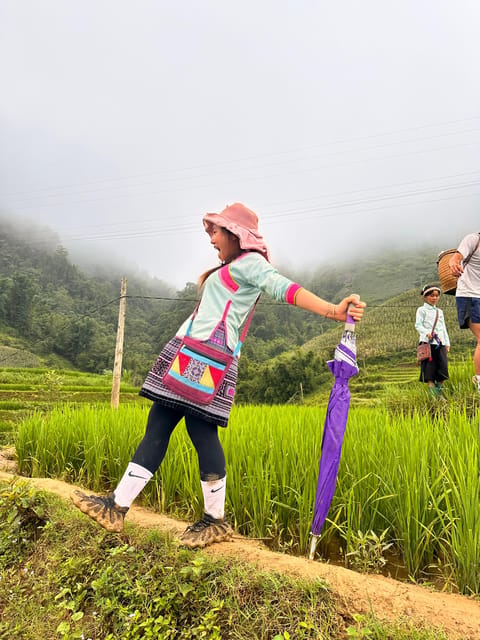
From Lao Chai, you continue on to Ta Van Village, home of the Dzay people. Ta Van is where the trek often feels more open, with wider field views and a gentler sense of pace.
If you are lucky with timing, this is also where rice planting or harvesting might be visible, depending on the season. Even if you do not catch fieldwork, the terrace shapes, the paths between plots, and the way villagers use the land still tell the story.
During the late part of the walk, you also get explanations about differences between ethnic minority groups in Sapa. That matters because it helps you avoid the common mistake of treating the area as one single culture. Instead, you learn why languages, customs, and village traditions vary from one community to another.
The tour wraps up around 3:00 PM in Ta Van Village. Then a private car brings you back to Sapa Town. That timing is perfect if you still want dinner in town afterward without feeling rushed.
Trek levels, mud, and why the downhill can be the hardest part
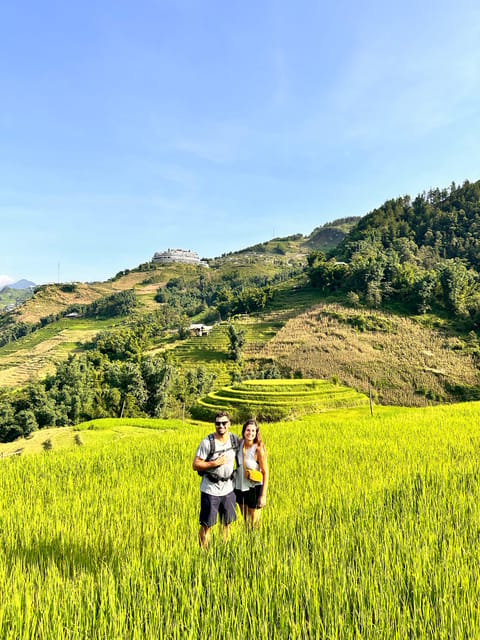
This trek is described as easy to moderate, or hard, with most routes sitting around 10 km. You choose the route difficulty based on how comfortable you are with a steady day of walking and the downhills that Sapa loves to throw at you.
Here is the reality check: even when the hike is not long, it can still feel demanding because you are walking downhill a lot. Past hikers have also mentioned narrow paths, stream crossings, and occasional scrambling. If it has rained, footing can get slick.
The good news is that the operator prepares for that. In rain, boots and trekking sticks are available. You are still responsible for your own comfort, but having that extra grip and support helps a lot.
What to bring if you want a smooth day:
- Sunglasses and sunscreen, even when the sky looks cloudy
- A sun hat (or light layer for sun and mist)
- Camera
- Cash for small purchases along the way
- Comfortable shoes, plus insect repellent and a raincoat if weather suggests it
Also note: the tour is not suitable for people over 95 years old, so if you are traveling with older family members, you will want to choose a different style of activity.
The $23 value: what’s included, what’s not, and why it matters
At $23 per person, this is one of the better bargains in Sapa, mainly because the price covers more than guiding.
What you get included:
- Local English-speaking guide (and Vietnamese)
- Lunch
- Water
- Village entry fees
- Transportation back to Sapa after the trek ends
What you do not get included:
- Personal travel insurance
- Extra drinks during the hike (you might need to plan for this if you expect to buy something)
The value piece is the lunch and village entry fees. Many budget hikes keep the food simple or skip the village access entirely. Here, lunch is part of the day and village entry is covered, so you do not feel nickeled and dimed in the middle of the trek.
There is also a transport quality signal: the activity lists strong satisfaction for the transport portion. That matters because the day is otherwise fully outdoors, and you want the return trip to be straightforward.
The Hmong sisters factor: more than a nice story, it changes the trip
This is one of those tours where the mission is not pasted on top. It is tied to why the guiding exists.
The guide intro explains that girls in their culture often marry early, around 13 to 14, and that this can cut off schooling and independence. Many women in the village struggle to find work, so tour income becomes one of the few ways to create jobs and support education for local children.
When you walk with sisters who grew up in a small mountain village without electricity, the stories do not feel like a performance. They feel like lived experience, and you can see how the tour helps fund current life, not just share history.
There is also a cultural tradeoff to consider: along the hike, you may encounter people asking you about handmade items. Some hikers say villagers can be persuasive about crafts. The best way to handle it is simple: bring cash, decide ahead of time what you want to buy (if anything), and tell yourself no is a complete sentence.
Who this Sapa 1-day trek suits best
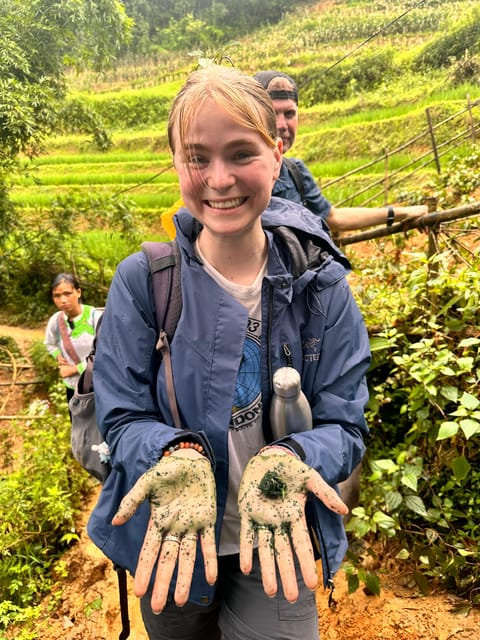
You will love this trek if you want:
- A countryside day outside the Sapa center
- Rice terraces up close, not from a bus window
- Guides who can explain village life and ethnic differences clearly in English and Vietnamese
- A structured route with a lunch stop inside the community
You might not love it as much if:
- You have very limited mobility or trouble with downhill walking, mud, and narrow paths
- You want a totally predictable walking surface, because weather can change things fast
- You want zero group dynamics, since this is a group trek
Good fits include couples, solo hikers, and small groups who enjoy asking questions and walking at a human pace. It is also family-friendly in the limited sense that children under 3 join for free, but the hiking itself still has practical demands.
If you prefer more space and less group pacing, private tours are available for an extra cost. Just ask, and you can tailor the experience.
Should you book this one-day Sapa hike?
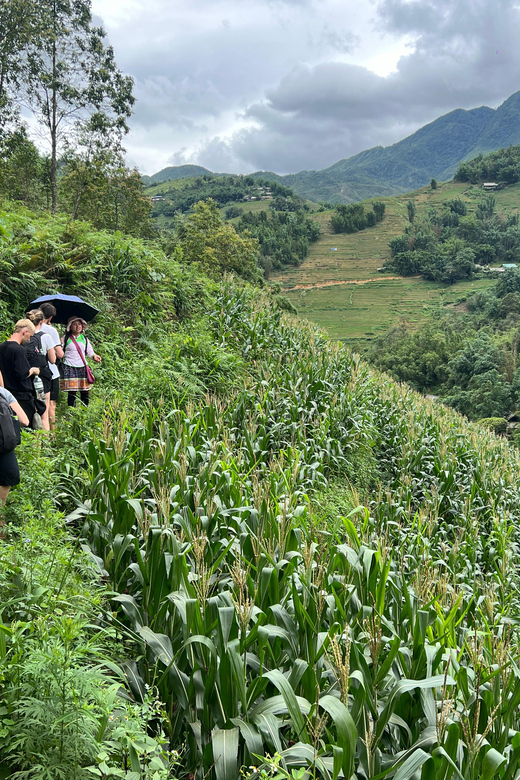
Book it if you want the best mix of scenery, culture, and real human stories, all for a price that stays fair. The included lunch, village entry fees, and the return transport make it feel complete, not like a bare-bones hike.
Consider booking a different option if rain and slippery trails would stress you out. If fog is heavy, views can be muted in the upper parts, and the downhill can feel extra slow and careful.
If you do go, come prepared: good shoes, rain plan, insect repellent, and a small amount of cash. Then walk with your questions. This trek is at its best when you treat the villages as people, not scenery.
FAQ
What time does the Sapa trek start?
You meet in Sapa Town or in front of the main church, with a start time listed at 9:00 AM. Other starting times are possible if you let them know your preferred time.
How long is the tour, and what time does it end?
The experience is about 5 hours. It typically finishes around 3:00 PM in Ta Van Village, with a car ride back to Sapa Town afterward.
How far do you walk, and how hard is it?
The walking distance is listed as 5 to 11 km, and you can choose the difficulty level. It is described as easy or hard, with an option labeled hard then easy, and most routes are around 10 km.
What route does the trek follow?
You go from Sapa to Y Linh Ho, then to Lao Chai, and on to Ta Van Village.
What is included in the price?
The price includes a local English-speaking guide, lunch, water, village entry fees, and transportation back to Sapa after the trek ends.
What is not included?
Personal travel insurance is not included, and extra drinks during the hike are not included.
What should I bring?
Bring sunglasses, a sun hat, a camera, sunscreen, and cash. Comfortable walking shoes and weather layers help too, and insect repellent is recommended.
What happens if it rains?
In case of rain, boots and trekking sticks are available, so you are not stuck improvising footwear and grip.
More Tour Reviews in Sa Pa
Not for you? Here's more nearby things to do in Sa Pa we have reviewed

More Sapa Trekking Tours to consider.
 ★ 5.0Sapa 2 Days 1 Night From Hanoi – Overnight in Ta Van VillageTickets from $592,669 traveller reviews
 ★ 5.0Hanoi – Sapa 2 Days 1 Night Overnight At HomestayTickets from $89899 traveller reviews
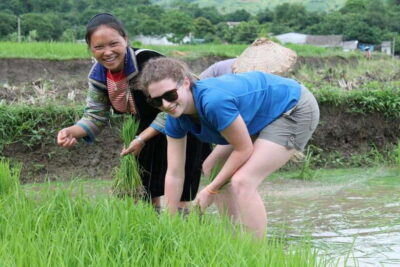 ★ 4.6Sa Pa: Muong Hoa Valley Trek and Local Ethnic VillagesTickets from $23864 traveller reviews
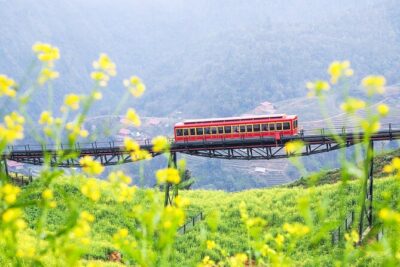 ★ 5.0Sapa: Fansipan Cable, Cat Cat Village & Moana Instagram TourTickets from $30777 traveller reviews
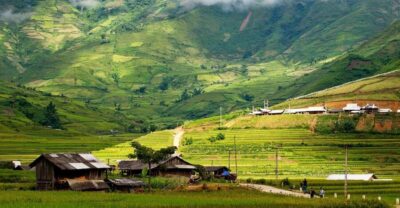 ★ 4.8From Hanoi: 2-Day Sapa Trekking Trip with Homestay & MealsTickets from $71704 traveller reviews
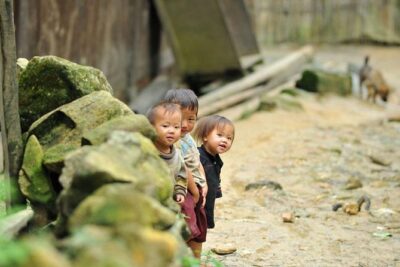 ★ 5.0Sapa 3 Days 2 Nights Trekking Tour (1 Night In Ta Van Village, 1 Night In Hotel)Tickets from $139699 traveller reviews
 ★ 4.9Sapa: Eco Adventure Terrace Fields and Local Villages TrekTickets from $27636 traveller reviews
 ★ 5.03-Day Trekking Adventure of Sapa from Hanoi – Stay Ta Van VillageTickets from $109611 traveller reviews
More useful Hanoi routes