
Review · SAPA TREKKING TOURS
Trekking Sapa 1 Day With Local Guide, Terraced Rice Fields
One tough trek, big payoff in Sapa. You get guided visits to Hmong and Giay villages, plus the river-and-terrace scenery of Muong Hoa, with an English-speaking guide who keeps the day organized and chatty in a good way. The main drawback is practical, not romantic, the trail can turn very muddy and wet, and you may be busy negotiating the village sales energy instead of lingering for photos.
The route is a true walk day, about 13 km and roughly 5 hours on your feet, ending back in Sapa town around 14:30. It’s also capped at a small group size of 10, which matters when you are hiking on narrow paths and want less crowding in the viewpoints.
You’ll climb toward mountain views at about 1,800 m, with chances to see farm animals like water buffalo. If you deal with altitude sickness or high blood pressure, this one may not be your best match, and the tour itself flags those as reasons to skip.
Key highlights worth your time
- Three-ethnic village immersion across Hmong, Giay, and Red Dao communities, with practical cultural notes you can actually remember.
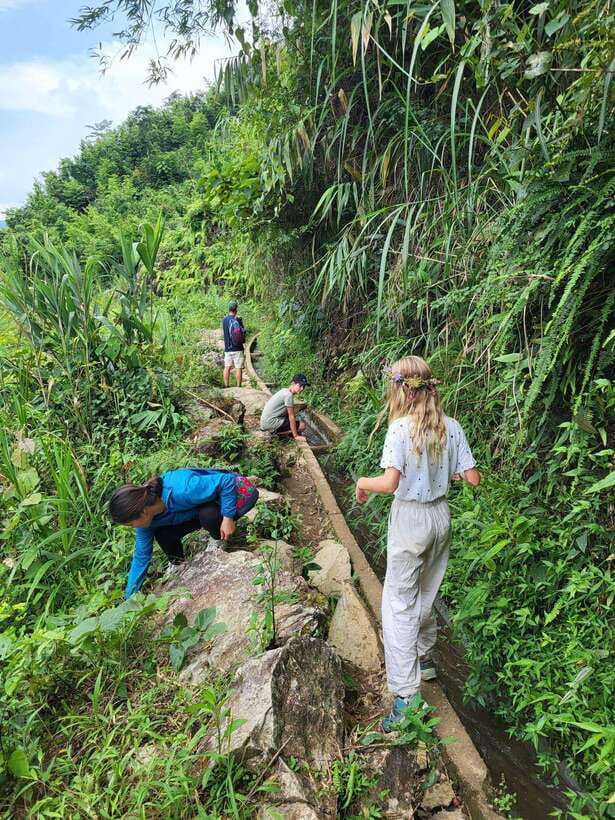
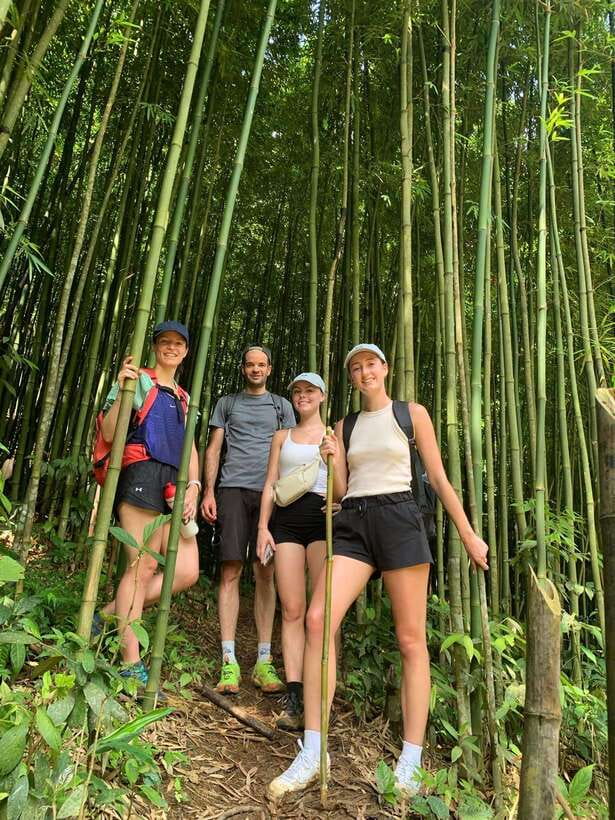
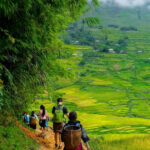
- Muong Hoa Valley and the hanging bridge moment, plus a climb through bamboo forest before the best rice-terrace views.
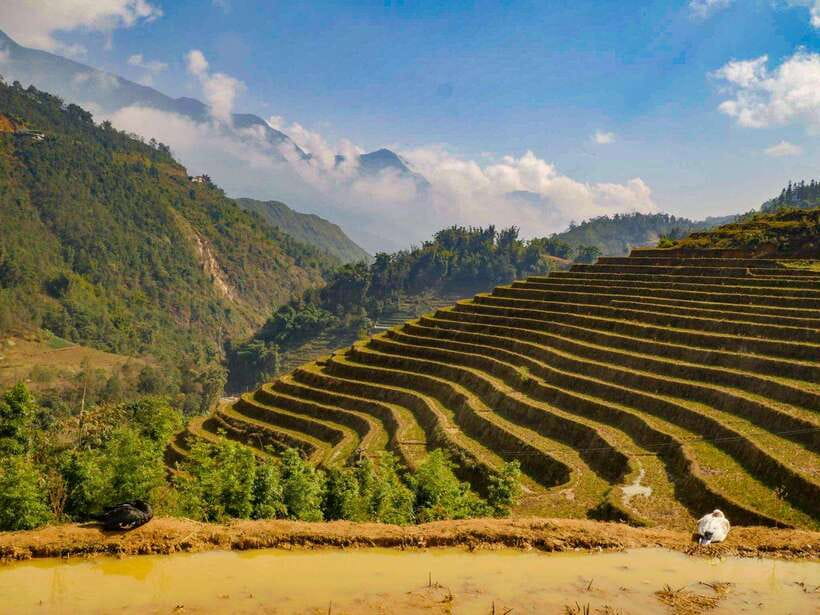
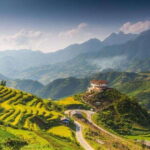
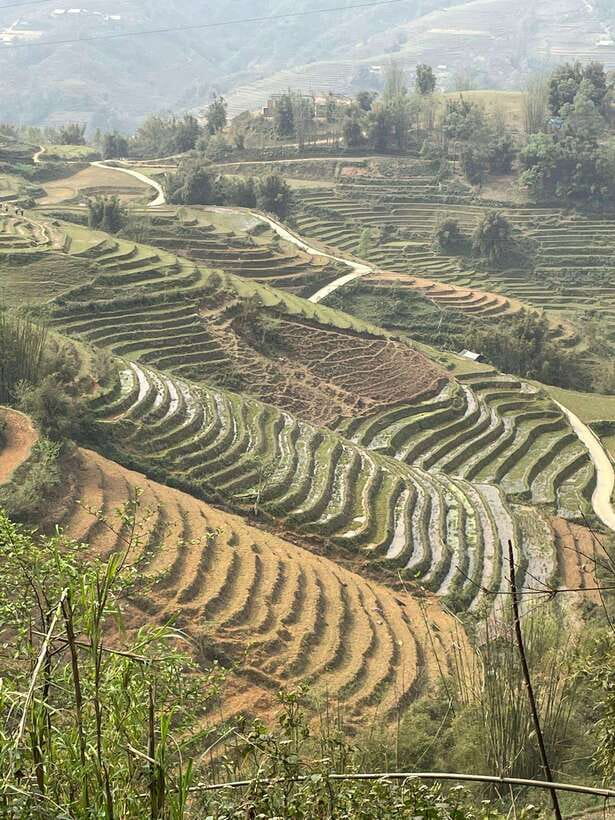
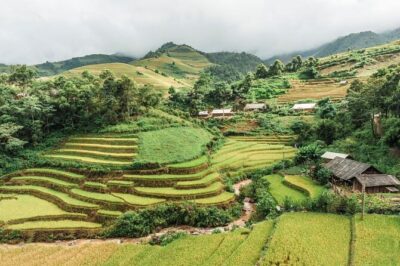
- Famous Sapa rice terraces viewpoints, including some of the biggest, most photogenic terrace areas.
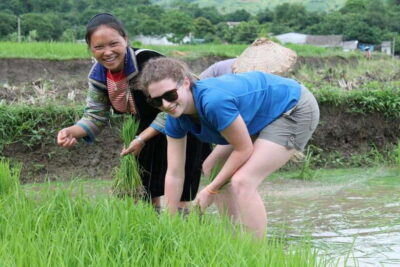
- Hmong traditions explained on the trail, including Hmong marriage customs and how families work their rice fields.
- Lunch with a local family connection, included in the price at a small traditional restaurant.
- Representative mountain-farm animals, like water buffalo, so you see how this life connects to the land.
What this Sapa day trek is really like
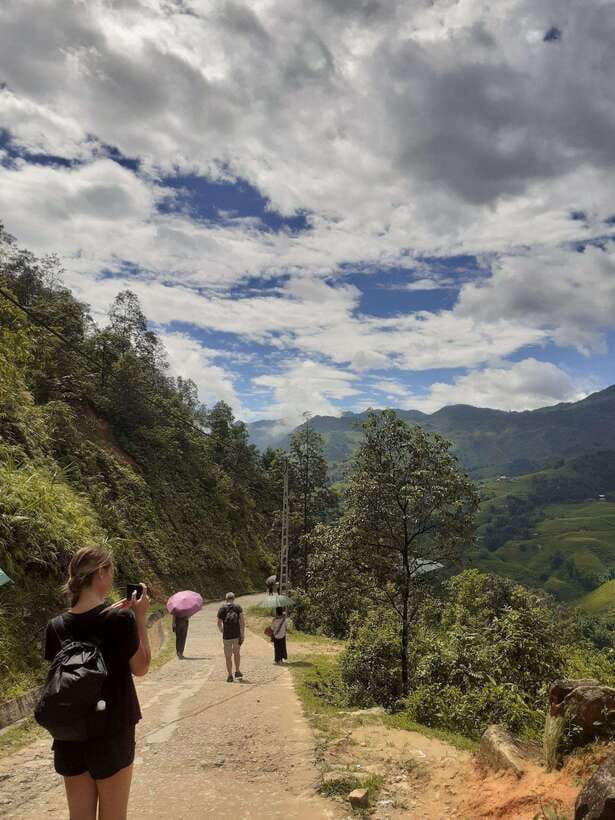
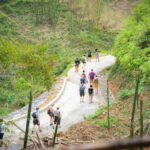
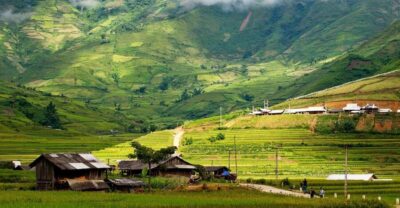
This tour is built for people who want more than a quick photo stop. You hike between villages, so you feel the rhythm of the valley, the river, and the terraced hillsides. Instead of staying on the most obvious tourist track, you spend time on the paths that locals and guides actually use.
The day has two strong payoff modes. One is the changing scenery, river valley to bamboo forest to terrace viewpoints. The other is the human side, where you’re meant to learn about daily work and traditions, not just pass through. The guide’s role is big here, because the pace, the timing, and the explanations all make the difference between seeing things and understanding them.
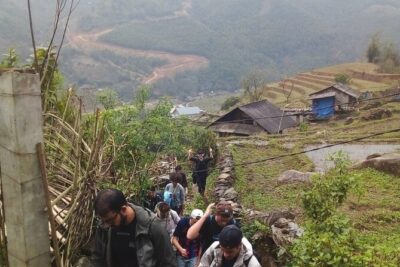
The practical tradeoff is time and footing. You are walking a fair distance, and in rainy weather the ground can get slick. One of the real-world lessons from this kind of trek is that your attention will be split, watching your step and responding to village selling activity when you enter each place.
You can also read our reviews of more guided tours in Sa Pa

Price and value: what $24 buys you in Northern Vietnam
At $24 per person for a 7-hour day, this tour is good value if you want a guided route and included food without paying extra for every piece. The price covers an English-speaking guide, entrance fees, one meal, and return transport by bus from Ta Van back to Sapa town.
Where it can feel less “all inclusive” is what’s not covered. Drinks with the meal are not included, and tips are also not included. Tax and holiday surcharges can add extra cost depending on when you go. If you budget for water and basic extras, you’ll feel in control instead of surprised.
Here’s how I’d frame the value decision. If your priority is a structured, culturally guided hike with transport and lunch handled for you, this price checks a lot of boxes. If you’re a confident independent hiker who already knows routes and wants zero structure, you might compare against self-guided options. But for many first-time Sapa visitors, paying for a competent local guide and not having to figure out logistics is worth the money.
The walking route: Sapa to Cat Cat road, Muong Hoa bridge, bamboo forest
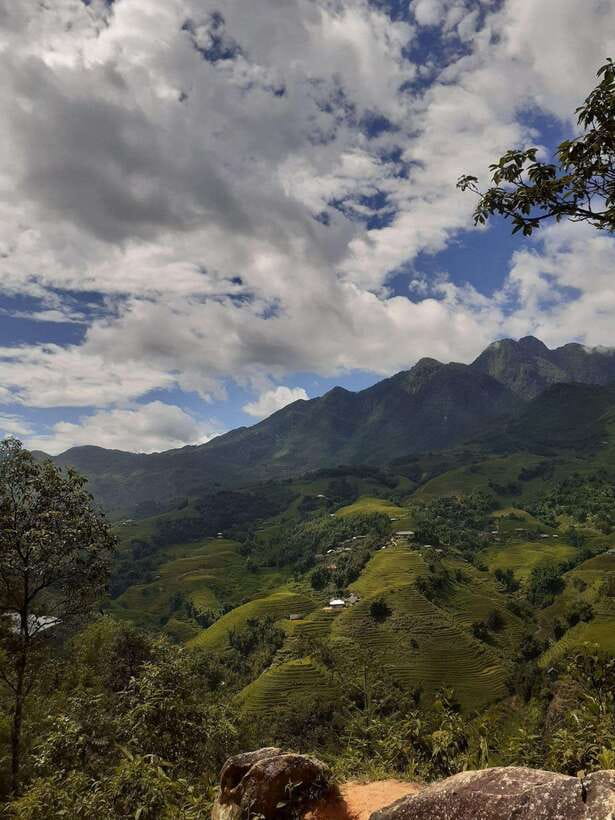
Most days start with pickup between 8:00 and 8:30 am from your hotel in Sapa town center. If you’re staying nearby the main area, that’s convenient, no long transfer first thing in the morning.
Then the trek begins with a downhill walk of about 2 km to the Cat Cat road area. This matters because it warms up your legs before the later climb. You’re also transitioning from town energy into village-and-valley rhythm.
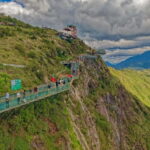
Next comes the Muong Hoa river hanging bridge. This is one of those moments that works even if you’re not a thrill-seeker. The walk to and across it gives you a real sense of the valley scale, and then you immediately keep moving upward.
After the bridge, you climb into the mountains and through bamboo forest. Bamboo forest walking is a small blessing on a day like this. It helps break up the “pure open terrace” feel and gives you a different kind of shade and atmosphere before the views open up again.
Village stops that actually teach you something
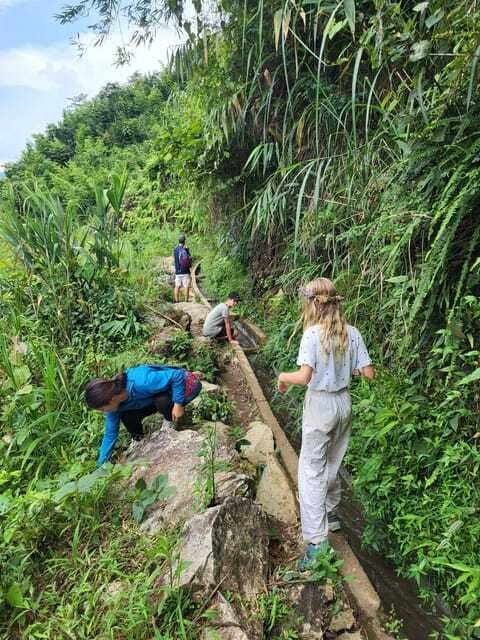
The heart of this trek is the village-to-village flow. You’re not just touring buildings, you’re learning how people live around the rice fields and mountain terrain.
Cat Cat road and Hmong community context
You start in the Hmong area connected to Cat Cat’s road. Even early in the day, the guide is there to orient you. You’ll learn the differences between ethnic minority groups in Sapa and what to pay attention to as you walk.
You can also read our reviews of more hiking tours in Sa Pa


Y Linh Ho: Hmong work, homes, and marriage traditions
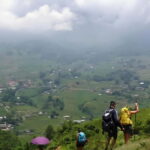
The route continues to Y Linh Ho village, where you stop for lunch at a small traditional restaurant run by a Hmong family. This is an important included moment, not just a break. It’s where the day shifts from walking and looking to listening and connecting.
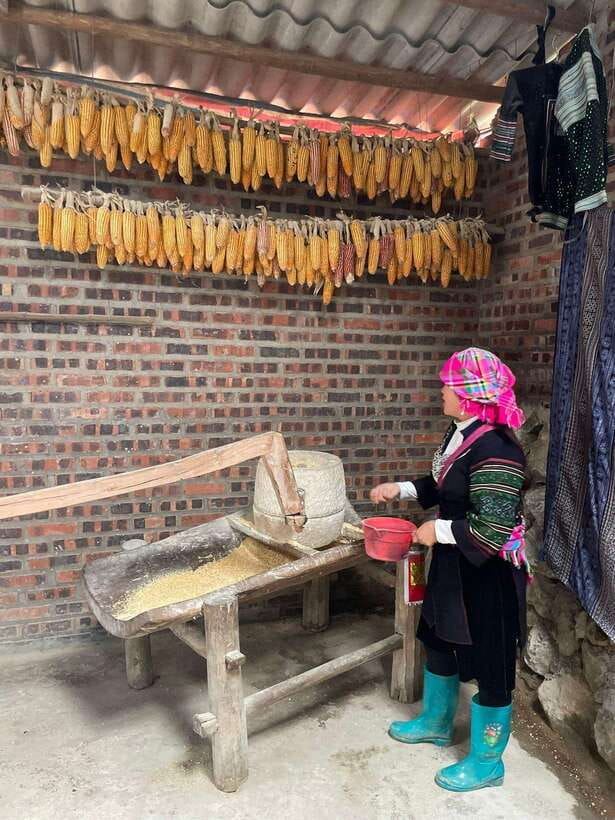
This tour also highlights Hmong marriage traditions, plus how families work the rice fields and the techniques involved in house building. If you’re the type who likes to understand why things are shaped the way they are, this is the part you’ll remember later.
Lao Chai: Black Hmong village walking
From Y Linh Ho, the trek leads to Lao Chai, a village associated with Black Hmong. The terrain here tends to feel more “in the valley,” with more terrace views working their way into your route as you move.
This is also where village selling can get intense. The experience itself is richer if you treat these stalls as cultural encounters, not interruptions. Still, be realistic: you may spend a bit of time navigating the approach of people offering handmade items, which can limit how long you stand still for photos.
Ta Van: meeting the Giay minority
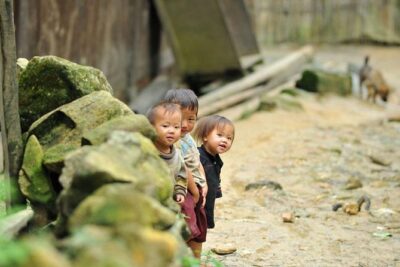
The final village stop before heading back is Ta Van, where you meet the Giay minority. You get a closing chapter of the day’s “who lives here and how” theme, tied to the larger story of ethnic diversity in the Sapa area.
After Ta Van, a car brings you back and the tour ends back in Sapa town around 14:30. That timing is practical if you plan to continue onward later, like taking a bus back to Hanoi.
The rice terraces and Hoang Lien Son viewpoint moment
This tour is marketed around Vietnam’s most famous rice terraces, and the hike is designed to get you to some of the terrace areas rather than just looking from a distance.
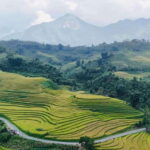
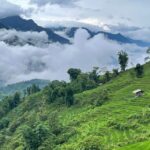
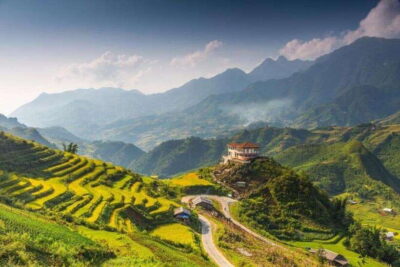
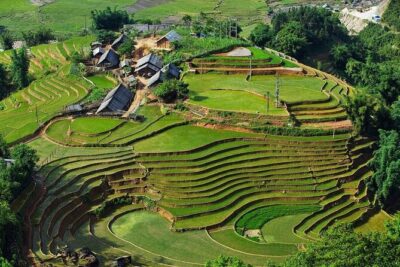
As you trek upward, you’ll reach the terrace viewpoints and get majestic mountain views near the Hoang Lien Son area, around 1,800 m. This is where the day often clicks. The terraces are not just pretty, they’re also a working system. When your guide explains daily life and rice-field work nearby, the terraces stop being a postcard and become an agricultural engine.
A practical heads up: in bad weather or heavy rain, you may not get long, relaxed viewing breaks. Muddiness can keep you moving, and it can be hard to sit down safely. If you want maximum scenery time, aim for a drier morning.
Water buffalo and offside paths: what makes it feel different
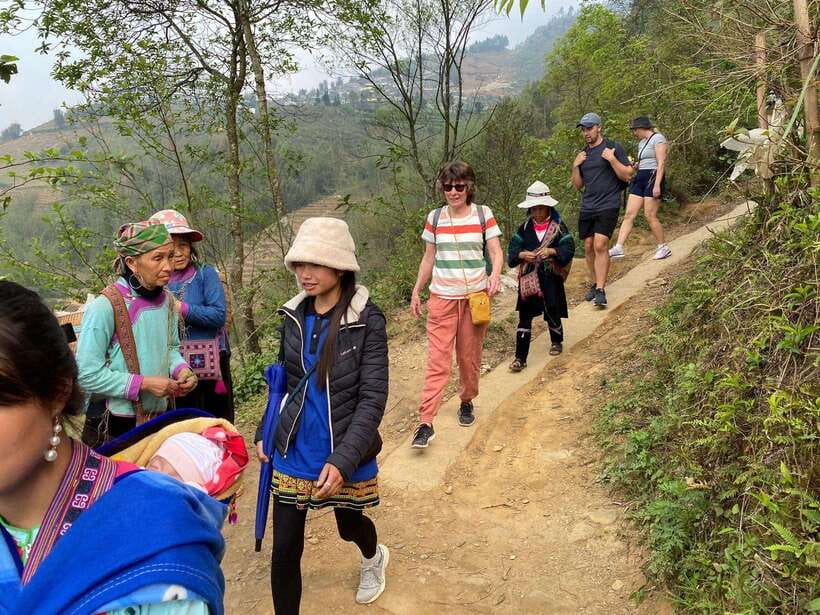
One of the most memorable parts is the “offside the touristic paths” feel. You are still in a popular area, but the route is structured to put you on walking lines that feel closer to daily life than to a fenced overlook.
You also get a chance to see representative animals like water buffalo. That’s a small highlight, but it reinforces the big idea here: this valley is working farmland as much as it is scenery.
And yes, the day can be messy. Rain turns paths into slippery mud. One review experience captured the reality well, you spend a lot of energy staying upright, and the villages can be busy with selling. If you’re prepared for that, the day feels more human and less staged.
Comfort, altitude, and muddy-trail reality check
The tour climbs to views around 1,800 m. For most people who are fit and used to hills, that’s manageable with a steady pace. But if you have altitude sickness problems, this is not the day to test your luck, and the tour specifically notes this as a reason not to book.
High blood pressure is also listed as a non-ideal condition. This isn’t meant to scare you away if you’re generally healthy, but it’s a clear signal that the hike has enough uphill effort to matter.
Then there’s the “wet season truth.” In rainy conditions, you can expect mud. Your best move is to treat footwear and traction as part of your planning, not an afterthought. If you’re thinking, I’ll just take photos while I walk, remember that the pace and footing come first.
Finally, it’s worth noting who this tour is not for: babies under 1 year and people over 95 are not suitable based on the activity guidance.
What’s included, what costs extra, and how to plan your day
Included:
- 1 meal (lunch at a small traditional restaurant in the Y Linh Ho area)
- English-speaking guide
- Entrance fees
- Bus from Ta Van back to Sapa town
Not included:
- Tax
- Drinks during the meal
- Tips
- Holiday surcharge (like Lunar New Year, Christmas, New Year)
Timing:
- Pickup at 8:00 to 8:30 am
- End back in Sapa around 14:30
Group size:
- Small group, limited to 10 participants
My practical advice is simple. Budget for water and any drinks you want with lunch. Also, plan your schedule after 14:30 with enough buffer so you’re not rushing immediately, since you’ve got a trek day behind you and you may need time to reset.
Should you book this 1-day Sapa rice terrace trek?
Book it if you want a one-day hiking plan that blends rice terraces, village culture, and a real guided route. It’s especially worth it if you enjoy explanations about how people work the rice fields and how traditions like Hmong marriage customs connect to daily life.
Skip it if you know you react badly to altitude or you have high blood pressure concerns. Also, if you hate muddy paths and being lightly hassled by village selling energy, this trek might frustrate you. The experience is better when you accept that village stops are active spaces, not quiet museum rooms.
If you do book, come ready for uneven ground, and use the guide as your advantage. A good guide turns a steep, slippery walk into something you understand, not just something you survive.
More Hiking & Trekking Tours in Sa Pa
More Guided Tours in Sa Pa
More Tour Reviews in Sa Pa
Not for you? Here's more nearby things to do in Sa Pa we have reviewed
More Sapa Trekking Tours to consider.
 ★ 5.0Sapa 2 Days 1 Night From Hanoi – Overnight in Ta Van VillageTickets from $592,669 traveller reviews
 ★ 5.0Hanoi – Sapa 2 Days 1 Night Overnight At HomestayTickets from $89899 traveller reviews
 ★ 4.6Sa Pa: Muong Hoa Valley Trek and Local Ethnic VillagesTickets from $23864 traveller reviews
 ★ 5.0Sapa: Fansipan Cable, Cat Cat Village & Moana Instagram TourTickets from $30777 traveller reviews
 ★ 4.8From Hanoi: 2-Day Sapa Trekking Trip with Homestay & MealsTickets from $71704 traveller reviews
 ★ 5.0Sapa 3 Days 2 Nights Trekking Tour (1 Night In Ta Van Village, 1 Night In Hotel)Tickets from $139699 traveller reviews
 ★ 4.9Sapa: Eco Adventure Terrace Fields and Local Villages TrekTickets from $27636 traveller reviews
 ★ 5.03-Day Trekking Adventure of Sapa from Hanoi – Stay Ta Van VillageTickets from $109611 traveller reviews
More useful Hanoi routes