
Review · SAPA TREKKING TOURS
Sapa: Ta Phin Village Trek & Red Dao Herbal Bath
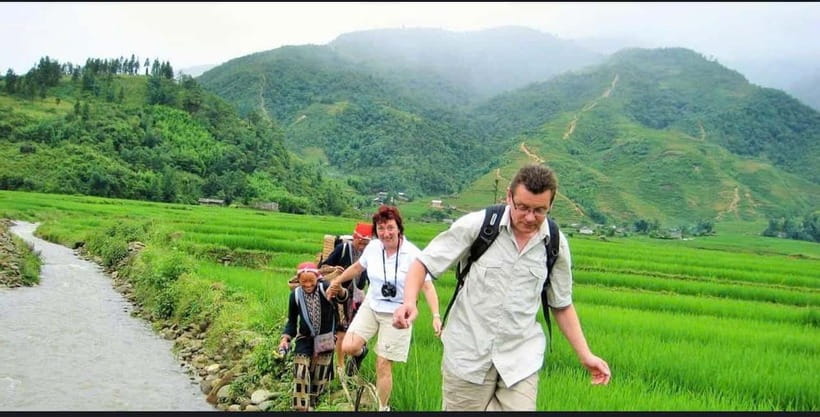
Sapa days can be busy. This one pairs village trekking with a real cultural finish, the Red Dao herbal bath. You get a full day of walking through rice and pine country, then a soak in aromatic medicinal herbs.
I like the small group setup, limited to 10 people, so questions and conversations actually happen. I also love how the route strings together three places in a sensible flow, Suoi Ho, Ma Tra, and Ta Phin, instead of bouncing you around.
One consideration: it is not a casual stroll. You are looking at about 12 to 14 km of easy to moderate trekking, and the herbal bath can feel very hot when you are tired.
Key highlights you should know before you go
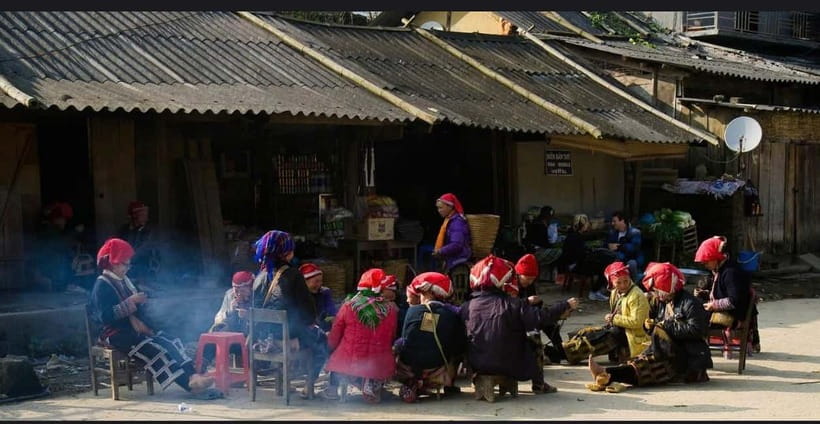
- Black H’mong to Red Dao, two cultures in one walk across Suoi Ho and Ta Phin
- Three village stops (Suoi Ho, Ma Tra, Ta Phin) with guided learning and village time
- Easy to moderate trekking for most fitness levels, about 12 to 14 km total
- Picnic lunch or homestay meal with traditional dishes, timed for your energy
- Red Dao herbal bath in a wooden tub filled with aromatic medicinal herbs
- Guides in English or Vietnamese and a group size capped at 10
Why this Sapa trek feels more local than most day tours
Sapa can attract plenty of day-hikers, so you want an itinerary that actually spends time with people, not just views. This route focuses on daily life in the Black H’mong and Red Dao communities, and it does it with multiple stops instead of one quick photo opportunity.
I like that the walk connects different village settings, starting with the calmer Suoi Ho area and then moving onward through agricultural fields and into Ta Phin. That pacing helps you understand what you are seeing, farming rhythms, crafts, and herbal medicine traditions, instead of treating it like a checklist.
The other reason it feels grounded is the small-group approach, capped at 10 participants. When you are not packed in, your guide can answer questions in a natural way and you can chat with villagers longer, which is where the day becomes memorable.
You can also read our reviews of more hiking tours in Sa Pa


Price and what $26 buys you in real value

At about $26 per person for a 6-hour day, this tour can feel like good value if you compare it to what you would otherwise pay for guide time, transport, and a paid activity. Here, your price bundles several things together: a local guide, transportation back to Sapa, a picnic lunch or a homestay meal, and the Red Dao herbal bath.
That combination matters in Sapa, because hiring a guide solo and arranging meals plus a bath can add up fast. Also, the day is designed to keep the schedule tight, so you are not paying for long idle time.
The trade-off is that you are locked into a pre-set plan, including the walking distance and the bath timing. If you want total freedom to wander for hours, this is more structured than that.
Meeting point and timing: how the day runs from start to finish
The tour starts at Nhà Thờ Đá Sapa, also called the Sapa Main Church area. Pickup is at 9:00am, then you begin with a short walk toward Suoi Ho Village to get the day moving without burning time.
The schedule is built around four main moments. First comes Suoi Ho around 10:30am, then Ma Tra next. Lunch hits about 11:30am, then you continue to Ta Phin, with the herbal bath scheduled for about 2:00pm. You return to Sapa by car and wrap up at 3:30pm.
A smart way to plan is to treat this as a full morning of walking plus a culture-heavy afternoon. If you go in expecting a short hike, the 12 to 14 km total can surprise you, even though the difficulty is described as easy to moderate.
Suoi Ho with the Black H’mong: what you are actually learning
Suoi Ho is your first village stop, and it is described as a peaceful community of the Black H’mong people. In practice, this is where the day starts making sense, because your guide helps connect what you see to how people live.
You will likely spend time learning about daily life, traditional farming, and animal husbandry. That is the difference between a village visit that feels like a quick performance and one that feels like a conversation. When you can ask why something is planted a certain way or how families organize work, the walk becomes more than scenery.
What to watch for: your guide will probably point out farm routines and how the village fits into the surrounding terrain. Even if you do not catch every detail, you will get a clearer picture of how livelihoods shape the landscape of daily decisions, where paths go, what gets tended first, and how people manage seasons.
Ma Tra Village: school visits and craft conversations
After Suoi Ho, you continue trekking to Ma Tra Village around 10:30am to 11:30am. This is the segment where the tour shifts from farming and animals toward community education and skills.
You may visit a local school or chat with villagers to understand customs and crafts. The best use of this time is simple: ask questions that connect to what you see. For example, you can ask how skills get passed down, what items people make most often, or how school fits into daily routines.
One practical note: this part of the day is still active walking time, so keep your breaks purposeful. If you drift into constant photo stops, you will arrive at lunch feeling more tired than you need to.

Lunch in a homestay or picnic: how to make it satisfying
Lunch is timed for 11:30am, and you can choose between a picnic lunch or a meal at a local homestay. Either way, the idea is that you eat somewhere connected to daily life, with traditional dishes rather than a generic tourist meal.
I like this approach because it resets your energy while keeping you close to the culture you came for. If you are doing the trek at a comfortable pace, lunch becomes a real midpoint, not just a pause before the next climb.
A useful tip: go in hungry but not overly stuffed. You still have more walking after lunch to reach Ta Phin, and the herbal bath later is best enjoyed when you are not completely exhausted.
Ta Phin Village and Red Dao traditions: embroidery and herbal medicine
Ta Phin Village is where the tour becomes more personal and distinctive. It is home to the Red Dao ethnic group, and you will spend time exploring their culture, embroidery techniques, and herbal medicine traditions.
Your visit includes guided time, and you also get breaks for photos and walks through the village area. The embroidery part is usually the highlight because it shows craftsmanship in a way that feels specific, not generic. When you understand what embroidery represents and how techniques are practiced, it changes how you view what you might otherwise treat like decoration.
Herbal medicine is the bridge to the final experience. You will hear about traditional herbal knowledge before you get the bath, so the soak feels connected rather than random.
The Red Dao herbal bath in a wooden tub: what to expect
Around 2:00pm, you relax with a traditional Red Dao herbal bath. The bath is described as a soothing soak in a wooden tub filled with aromatic medicinal herbs, and it is believed to relieve muscle pain and improve circulation.
Practically, you should expect warmth and strong herbal scent. It is also timed right after trekking, so your body is already carrying fatigue from the walk. That is why this stop works, it is not just a cultural activity, it is recovery.
When to be careful: if hot water makes you uncomfortable, do not push through it. Ask your guide what to expect and take it slow once you are in. Also plan to dry off enough for the ride back, because you are returning to Sapa in the afternoon and you do not want to feel chilled.
Walking distance, difficulty, and the gear that actually matters
The trekking distance is about 12 to 14 km, and the difficulty is easy to moderate. That is a sweet spot for many people, but it is still a real walking day, not a light stroll.
Your biggest gear needs are basic. Wear comfortable shoes you trust on uneven ground. Bring water, insect repellent, and weather-appropriate clothing, plus a daypack.
If you are someone who usually packs light, still bring what you need for comfort. You will feel the difference between having water and not having it, especially because the day includes multiple village stops where you might not have time to buy anything along the way.
Also note the limits. The tour is not suitable for children under 6 and it is not suitable for people with mobility impairments. If you fall into either category, you will likely have a hard time keeping up with the route.
Guides, language, and how the day gets better in conversation
This tour runs with a live guide in English or Vietnamese and keeps group size small. In Sapa, this matters because village visits can be awkward if you do not have context, even when people are friendly.
Guides like Su and Gao are specifically mentioned by past participants, and they are described as doing a great job explaining culture and daily life. The best part is that the explanations are not only history. You tend to get practical answers about farming, food, crafts, and what life looks like for local families.
My advice: use the guide’s strength. Ask what you are seeing, ask how seasons affect work, and ask about the herbal bath connection to everyday knowledge. If you do that, the day stops feeling like a tour and starts feeling like a learning experience with real people.
Who this tour suits best (and who should skip it)
This is a great fit if you want a one-day trek that focuses on culture, not just getting from point A to point B. You should enjoy walking in rural areas and you should like the idea of finishing with a real Red Dao tradition.
It is also a strong choice for couples or solo travelers who want a small-group day with conversation. The capped group size helps you feel less like a number and more like a person.
If you only want easy, low-effort sightseeing, or if you cannot handle walking 12 to 14 km, skip it. And if herbal baths and hot water sound like a bad fit, you might not enjoy the ending as much as you expect.
Should you book the Sapa Ta Phin Village Trek and Red Dao Herbal Bath?
If you have one spare day in Sapa and you want to spend that day with real village life, I would book it. The value stacks up because your price includes a guide, transportation, lunch or homestay food, and the herbal bath, all within a set, efficient 6-hour window.
I would especially recommend it if you like cultural learning that is connected to daily work, farming, crafts, and herbal knowledge. The itinerary is structured so Ta Phin builds naturally into the bath, which makes the whole day feel cohesive.
Before you go, be honest about your walking ability and your comfort with warm herbal water. If you handle those two things, this is a rewarding day trip that feels like Sapa beyond the main drag.
FAQ
Where is the tour pickup location in Sapa?
You start at Nhà Thờ Đá Sapa (Sapa Main Church) at 9:00am.
How long is the tour, and how far do you walk?
The tour lasts about 6 hours. The trekking distance is roughly 12 to 14 km, and the difficulty is described as easy to moderate.
Which villages are included on the trek?
You visit Suoi Ho, Ma Tra, and Ta Phin villages during the day.
What happens at the Red Dao herbal bath?
You get a traditional Red Dao herbal bath in a wooden tub filled with aromatic medicinal herbs. It is believed to relieve muscle pain and improve circulation.
What is included in the tour price?
The included items are a local guide, picnic lunch or a meal at a local homestay, the traditional Red Dao herbal bath, and transportation back to Sapa.
How big is the group, and what languages are offered?
The group is small, limited to 10 participants. The live guide speaks English and Vietnamese.
What should I bring for the trek?
Bring comfortable shoes, water, insect repellent, weather-appropriate clothing, and a daypack.
What time does the tour end?
The tour returns to Sapa by car and ends around 3:30pm.
Can I cancel or pay later?
Yes. You can cancel up to 24 hours in advance for a full refund. You can also reserve now and pay later to keep your plans flexible.
More Hiking & Trekking Tours in Sa Pa

More Tour Reviews in Sa Pa
Not for you? Here's more nearby things to do in Sa Pa we have reviewed





More Sapa Trekking Tours to consider.
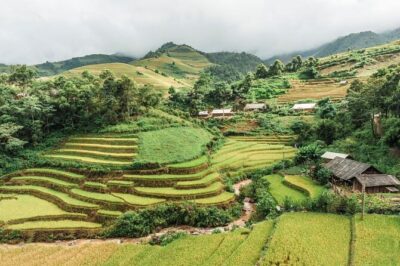 ★ 5.0Sapa 2 Days 1 Night From Hanoi – Overnight in Ta Van VillageTickets from $592,669 traveller reviews
 ★ 5.0Hanoi – Sapa 2 Days 1 Night Overnight At HomestayTickets from $89899 traveller reviews
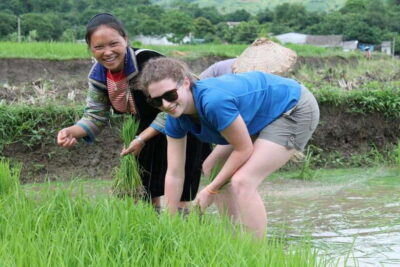 ★ 4.6Sa Pa: Muong Hoa Valley Trek and Local Ethnic VillagesTickets from $23864 traveller reviews
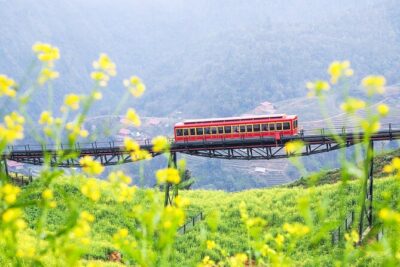 ★ 5.0Sapa: Fansipan Cable, Cat Cat Village & Moana Instagram TourTickets from $30777 traveller reviews
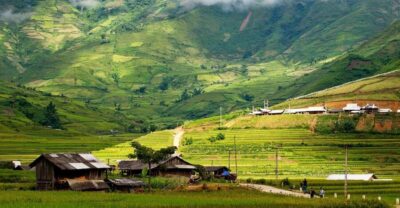 ★ 4.8From Hanoi: 2-Day Sapa Trekking Trip with Homestay & MealsTickets from $71704 traveller reviews
 ★ 5.0Sapa 3 Days 2 Nights Trekking Tour (1 Night In Ta Van Village, 1 Night In Hotel)Tickets from $139699 traveller reviews
 ★ 4.9Sapa: Eco Adventure Terrace Fields and Local Villages TrekTickets from $27636 traveller reviews
 ★ 5.03-Day Trekking Adventure of Sapa from Hanoi – Stay Ta Van VillageTickets from $109611 traveller reviews
More useful Hanoi routes