
Review · SAPA TREKKING TOURS
Sapa: Eco Adventure Terrace Fields and Local Villages Trek
Terraced trails and village stories in Sapa make the day feel real. I love how the route pairs Muong Hoa Valley rice terraces with walkable glimpses of daily farm life, and I also love the home-cooked Hmong lunch that gives you more than a quick photo stop.
One heads-up: this is a proper 10 to 12 km trek, and the early part can be muddy or slippery depending on weather, so hiking shoes matter.
Key Things I Think You’ll Care About
- Small-group pace (10 max), which makes it easier to ask questions and stay together
- Muong Hoa Valley views toward Fansipan Peak, especially at the first viewpoint
- Village access with the Hmong and Dzay communities, not just a drive-by
- A home-cooked lunch in Lao Chai Sang with warm local hospitality
- Mud readiness, with some sections trickier than they look and support from locals sometimes available
Why This Sapa Trek Feels More Human Than Tourist
Sapa can be a bit of a show, with mist and terraces pulling you toward the obvious viewpoints. This trek works because it slows you down and turns the day into a village walk, with farm scenes, homes, and people who live there all year.
I like that the experience is guided by an English-speaking local guide and paced for a small group of up to 10. That combo matters. When you can actually ask questions and hear real explanations, the villages stop being just scenic backdrops.
The other thing I like is the balance: you get big nature moments plus specific culture stops. You are walking through Muong Hoa Valley scenery, then you move into Hmong and Dzay village life, including a hands-on cultural element tied to clothing-making.
You can also read our reviews of more hiking tours in Sa Pa


Starting at 9:00 AM: Sapa Church Meeting Point and Fansipan-View Momentum
You start at 9:00 AM in the center of Sapa, meeting your guide in front of Sapa Church. If you want this to run smoothly, have a WhatsApp number ready, since easy contact is part of how these tours organize the day.
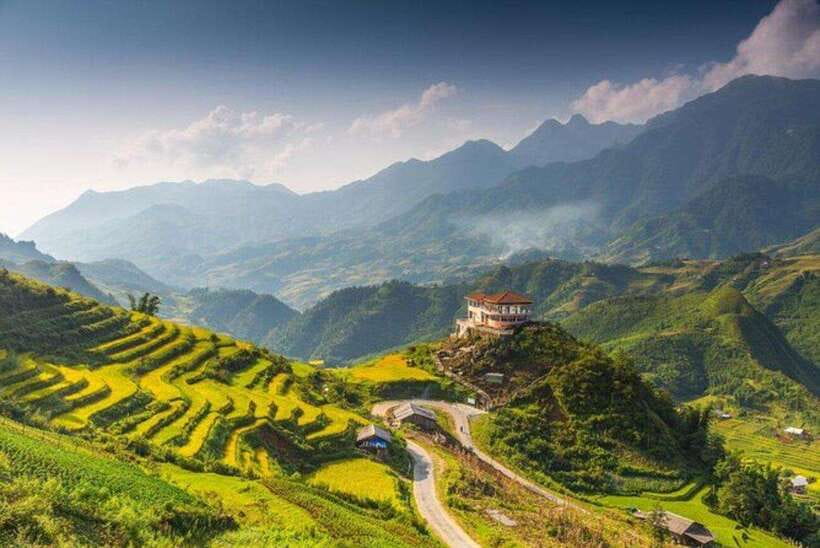
The morning begins with a short hike to a hill viewpoint where you can look out toward Fansipan Peak. Even when weather plays tricks, this first stop gives you bearings fast. You get context for what you’ll be walking through later: valleys, ridgelines, and the terraced patchwork around Sapa.
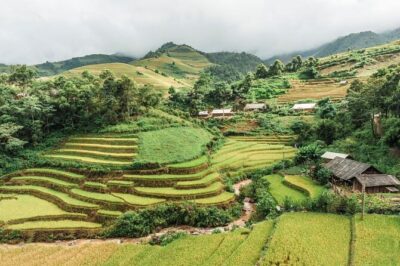
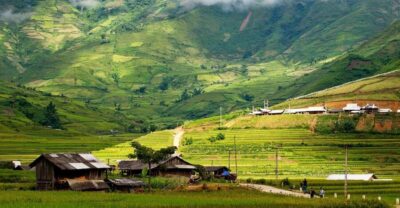
From there, the day shifts into Muong Hoa Valley. You’re not just looking at terraces from above. You’re moving alongside streams, fields, and footpaths that connect village life to the mountain terrain.
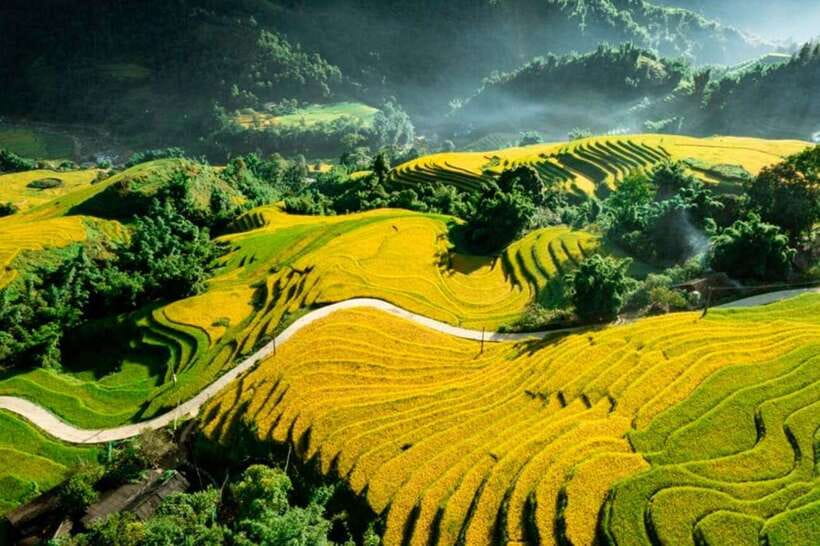
Muong Hoa Valley Walk: Streams, Terraces, and Farm Scenes Along the Way
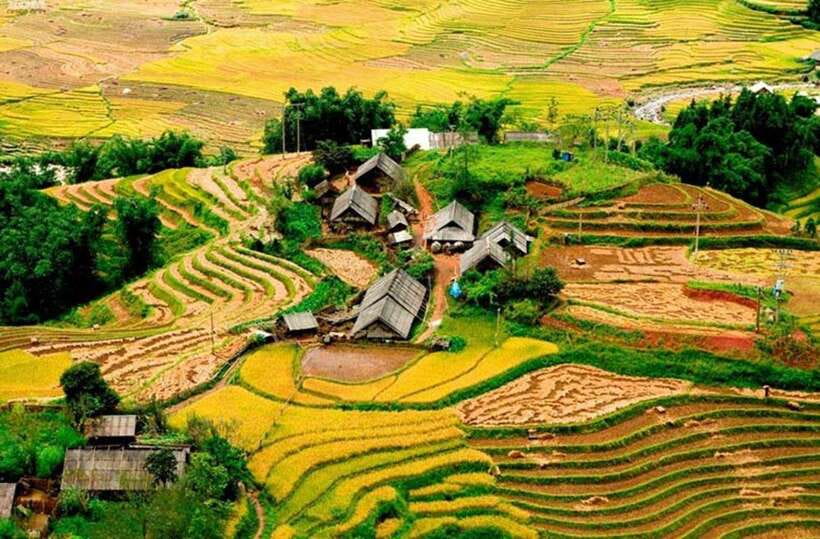
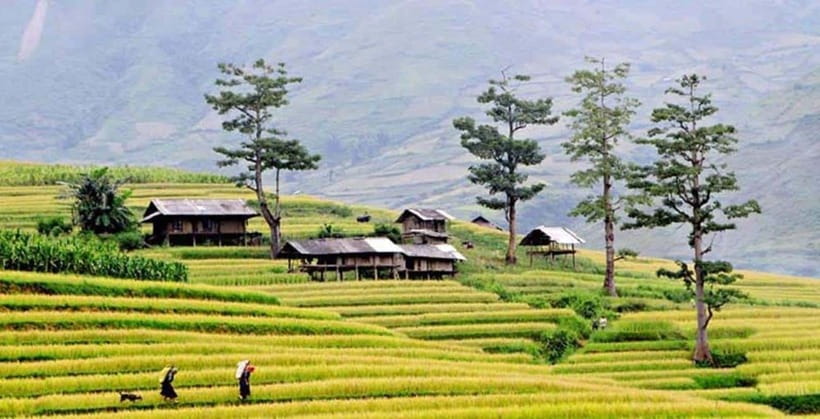
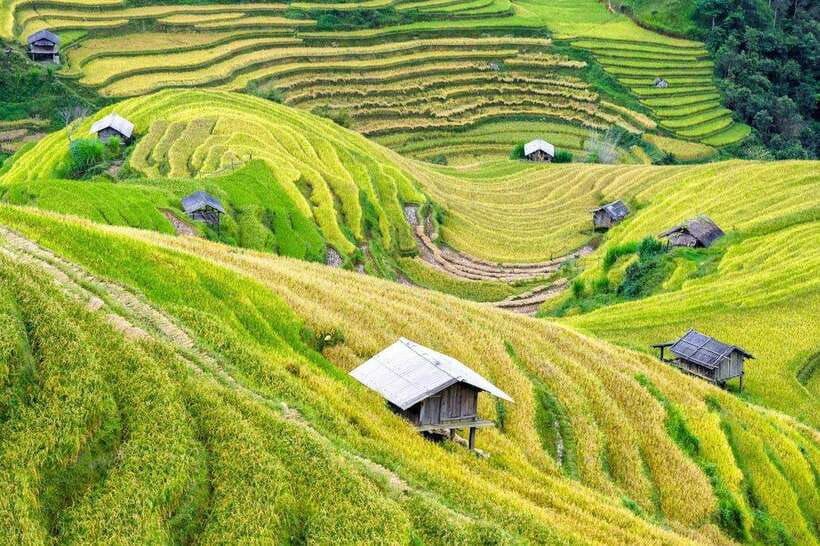
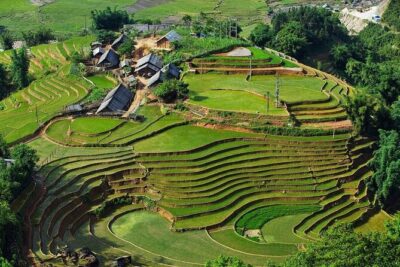
Muong Hoa Valley is famous for layered rice terraces, but what makes this trek worth it is how you meet the valley at walking speed. You pass meandering streams, farmers working in fields, and traditional wooden houses along the trail.
This is the kind of scenery that rewards attention. You start noticing small details: where water runs, how paths link between hamlets, and how the fields sit against towering mountains.
You also get a lot of variety in what you see without changing places constantly. That helps if you only have one day in Sapa. A single half-day feels full because the walk keeps rotating between views, village edges, and working farmland.
Y Linh Ho Village Stop: Hmong Community Life and a Scenic Bridge Moment
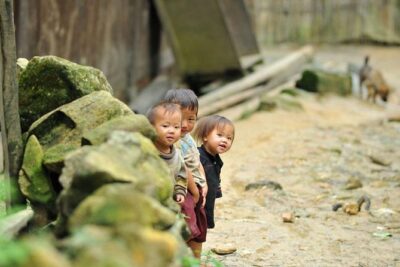
Around 11:00 AM, you reach Y Linh Ho Village, home to the Hmong ethnic minority. The stop works best when you treat it as more than a photo break. Ask simple questions through your guide, like what people grow, how daily routines work, or how the village fits into the season.
The route includes a small bridge over a scenic river, which is a nice natural pause before you continue trekking. Bridges can sound random, but here it’s a useful rhythm change. You go from open valley views into tighter village paths, and that shift helps you feel where you are geographically and culturally.
Then you continue onward toward Lao Chai Sang, with trails that run past fields and toward the backdrop of high peaks.
Lao Chai Sang to Lunch at 12:30 PM: Home-Cooked Food That Actually Feels Local
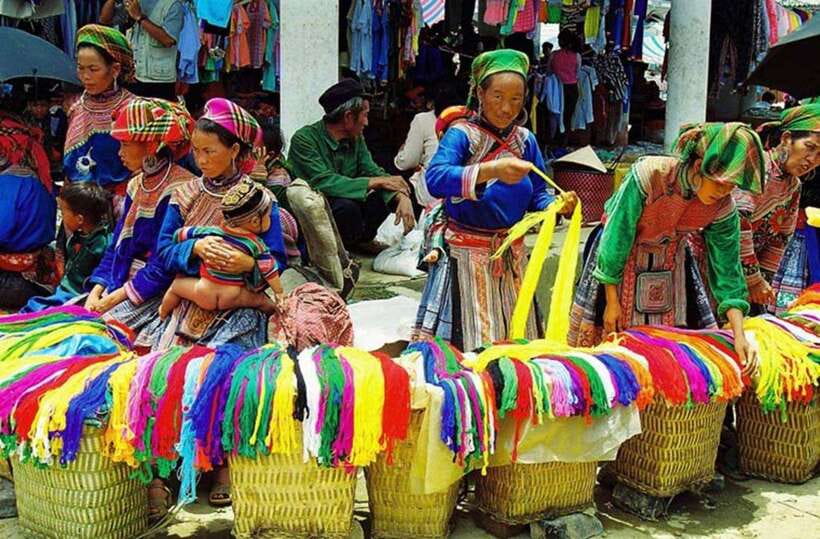
At about 12:30 PM, you eat lunch with a local Hmong family in Lao Chai Sang. This is the centerpiece for many people because it’s not a standard buffet stop. You’re sitting down where the food is made locally, and the meal comes with a human connection.
In places like this, lunch is also your energy reset. The trek covers around 10 to 12 km, so you’ll need that break to keep your legs happy for the afternoon villages.
What you might eat depends on the household and season, but the important part is that the meal is home-cooked and included in your price. Some groups also report that lunch options can include vegetarian choices, so if you eat differently, it’s worth telling your guide in advance.
One more practical note: since this is a rural meal stop, don’t expect restaurant-style menus. Expect real local food, served kindly, with fewer distractions and more conversation.
Lao Chai Village Afternoon: Rice Season Watching and Clothing-Making Lessons
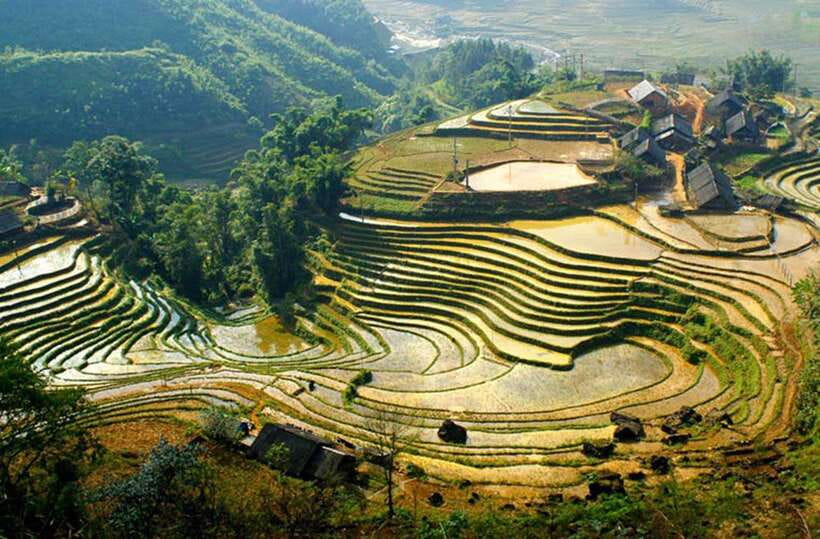
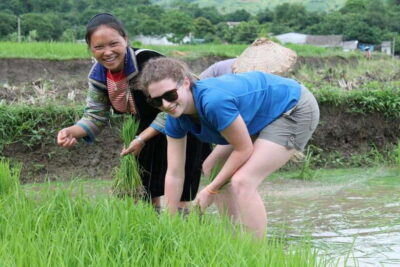
After lunch, you continue to Lao Chai Village. The goal here is to catch daily life in motion. Depending on the time of year, you may see villagers planting or harvesting rice, and those field moments tend to be the most memorable.
This is also where the cultural portion gets more specific. You’ll have a cultural experience learning about Hmong daily life and traditional clothing-making. Even if you’re not into crafts, this part gives you context. It explains why patterns, materials, and clothing styles matter, not just what they look like.
This is also the point in the day when you may notice more informal selling. Many of the villages have handmade items, and some stops can include bags or clothing made by local women. Support is always optional, but buying something small can feel like a fair trade for the access you’re receiving.
Ta Van Village for Dzay Culture: A Second Community, Similar Terrain
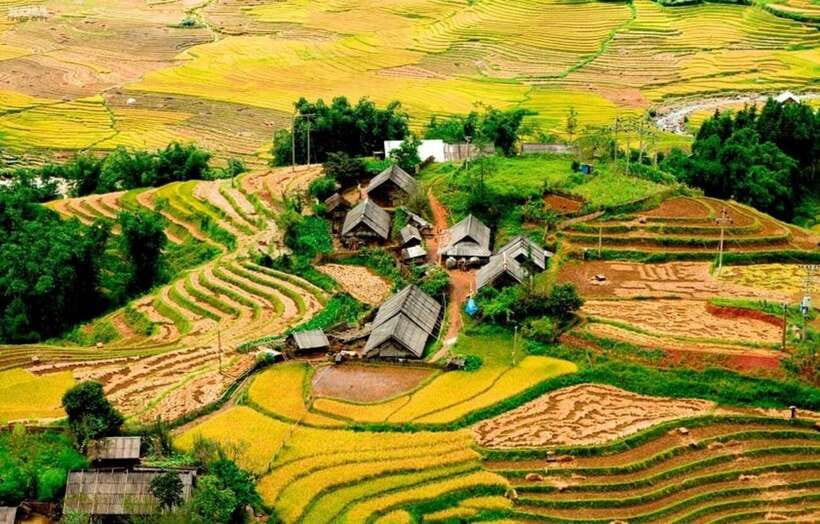
Later in the afternoon, you head to Ta Van Village, home to the Dzay (Zay) minority. This village stop matters because it adds a second cultural lens. Sapa’s tribes share the mountains and terraced agriculture, but daily life, traditions, and clothing styles can differ.
The trek continues through trails that keep you close to the fields and slopes. You’re not just going from village to village. You’re walking through the spaces between them, which is where you start understanding how people live across the valley.
Then you return to Sapa around 3:30 PM. Most likely you’ll travel back by vehicle for the final stretch, since the walk is the main activity and the goal is to end the day back in town.
How Hard Is It, Really: Mud, Slippery Downhills, and 10 to 12 km
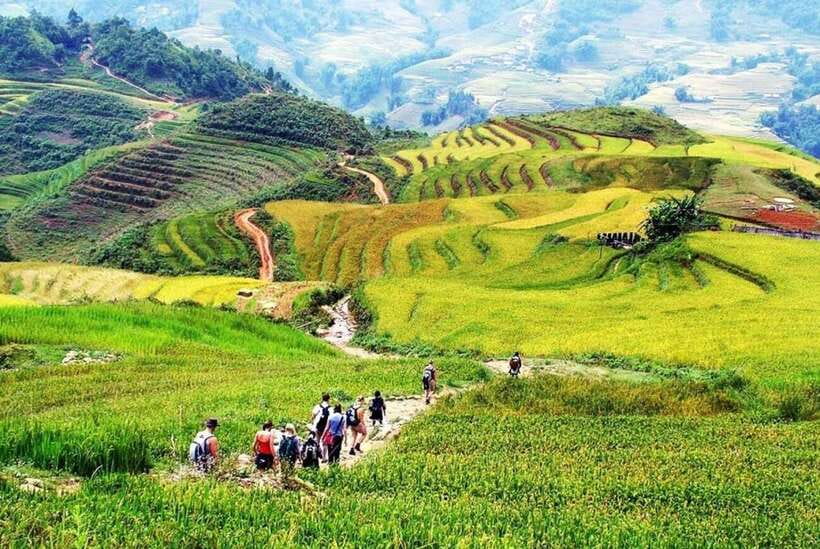
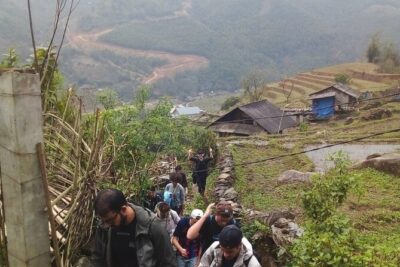
The distance is the big reality check: this trek involves 10 to 12 km of walking and hiking. That’s not a casual stroll. It’s manageable for many people, but it’s still a full active day.
Weather can change the feel fast. Some groups report that the first part can be very muddy and slippery, even when the rest of the day improves. When rain has happened recently, the ground can cling to your shoes and slow you down.
Footwear is not optional here. Wear hiking shoes, and plan to get dirty. In the past, guides have also offered or arranged gumboot rentals to help with the muddy sections. If you see that option on the day, it can be a smart, low-cost upgrade.
A useful tip: bring clothing you don’t mind washing later. Think practical layers, warm enough for Sapa mornings, but not so precious that you’re stressed all day.
Guide Care and Small-Group Rhythm: Why the People Matter
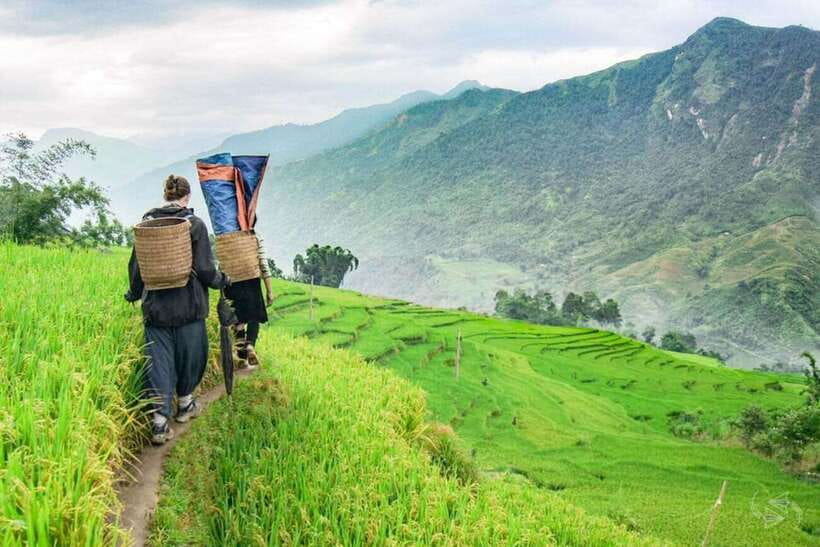
This trek is built around the guide. Your guide shapes the pacing, chooses which stories to emphasize, and helps you stay safe on the trickier ground.
Names that come up frequently include Chai and Vu, along with other guides like Wu, Le, Rose, Rou, and May in different groups. Across all of them, the common thread is that they don’t just point out sights. They explain village routines, traditions, and what daily life looks like beyond the tourist layer.
Also watch for moments when local support steps in. Some groups describe local women helping around the muddier sections, including holding hands or guiding you through slippery parts. That kind of help can turn a stressful patch into a manageable one.
Small group size is part of the payoff. When you’re not packed into a large crowd, you can linger briefly when the guide finds something interesting, or when a village moment needs respect and patience.
Weather and Visibility: Mist Starts Fast, Afternoon Often Improves
Sapa’s weather is famous for being unpredictable. Some groups report that fog or mist can make visibility limited in the morning, especially near the viewpoint areas. The good news is that conditions often shift by afternoon, and the walk continues through village paths regardless of the view level.
What you should do: keep expectations flexible. If the morning is foggy, the trek still gives you real value because it is about the walk and the people, not only panoramic views.
Warm clothing helps even on clear days. Sapa can feel cool in the morning, and you’ll be outside for hours. Dress for comfort first, then worry about photo-ready layers.
What You Get for $27: Value That Comes From Real Time
At $27 per person, this price can feel surprisingly fair because you’re not only paying for scenery. You’re paying for several high-value components bundled together:
- Local English-speaking guide
- Entrance tickets
- Home lunch included
- A small group format that keeps the experience interactive
Compared with tours that mainly transport you to viewpoints, this one spends most of your time on foot. That changes the value math. Your money buys time in the villages and on trails, plus cultural context that you don’t get from a quick stop.
What’s not included is also part of planning. Drinks are not included, and hotel transfer service is not included. So you’ll want to budget for water and figure out how you’re getting to the meeting point in Sapa.
Smart Packing for a Rice-Terrace Day
You should plan like this is both a hike and a cultural walk.
Bring:
- Warm clothing
- Hiking shoes
- Insect repellent
Also think practical:
- A small daypack for water and a light layer
- Clothes you can wash later if they pick up mud
- Cash if you want to support handmade items sold at stops
And if gumboots rental is offered along the way, consider it if you’re arriving after wet weather. Some people find the extra comfort worth it.
Who This Trek Suits Best (And Who Should Skip It)
This trek fits best if you want an active, meaningful half-day and you enjoy cultural learning while you walk. It’s ideal for couples, friends, and solo travelers who don’t mind a hike pace and want more than a single viewpoint.
It’s also a good fit if you like meeting communities through daily life. The combination of Hmong and Dzay village time, plus the clothing-making element, gives the day structure.
But it’s not a good match if:
- you have mobility limitations, use a wheelchair, or need step-free routes
- you’re pregnant
- you’re traveling with young children (it is not suitable for children under 5)
- you’re older than 75 and may struggle with uneven ground
Should You Book This Sapa Eco Adventure Trek?
Book it if you want a one-day plan that balances rice terraces, village culture, and a real home-style lunch. The price is strong value because the day includes guide time plus a included meal and multiple village experiences without rushing you through.
Skip it if you want an easy, clean walk with minimal mud risk. This is a 10 to 12 km trek, and depending on conditions, the start can be messy underfoot.
If you can handle a hiking day and you care about how people actually live in the Sapa region, this trek is the kind of experience that sticks.
FAQ
What time does the trek start and finish?
It starts at 9:00 AM in the center of Sapa and returns to Sapa around 3:30 PM.
How far do you walk?
Plan for about 10 to 12 kilometers of walking and hiking.
Where do you meet your guide?
Your guide meets you in front of Sapa Church.
Is lunch included?
Yes. Local lunch is included, served around 12:30 PM during the trek.
Are drinks included in the price?
No. Drinks are not included.
How big is the group?
It’s a small group, limited to 10 participants.
Are tickets and a guide included?
Yes. The package includes a local ethnic English-speaking guide and entrance tickets.
What should I bring for the trek?
Bring warm clothing, hiking shoes, and insect repellent.
Is the trek suitable for everyone?
No. It is not suitable for children under 5, pregnant women, people with mobility impairments, wheelchair users, or people over 75.
More Hiking & Trekking Tours in Sa Pa


More Tour Reviews in Sa Pa
Not for you? Here's more nearby things to do in Sa Pa we have reviewed

More Sapa Trekking Tours to consider.
 ★ 5.0Sapa 2 Days 1 Night From Hanoi – Overnight in Ta Van VillageTickets from $592,669 traveller reviews
 ★ 5.0Hanoi – Sapa 2 Days 1 Night Overnight At HomestayTickets from $89899 traveller reviews
 ★ 4.6Sa Pa: Muong Hoa Valley Trek and Local Ethnic VillagesTickets from $23864 traveller reviews
 ★ 5.0Sapa: Fansipan Cable, Cat Cat Village & Moana Instagram TourTickets from $30777 traveller reviews
 ★ 4.8From Hanoi: 2-Day Sapa Trekking Trip with Homestay & MealsTickets from $71704 traveller reviews
 ★ 5.0Sapa 3 Days 2 Nights Trekking Tour (1 Night In Ta Van Village, 1 Night In Hotel)Tickets from $139699 traveller reviews
 ★ 5.03-Day Trekking Adventure of Sapa from Hanoi – Stay Ta Van VillageTickets from $109611 traveller reviews
 ★ 4.82-Day Sa Pa Ethnic Homestay Tour & Trek with Limousine Bus440 traveller reviews
More useful Hanoi routes