
Review · SAPA TREKKING TOURS
Sa Pa: Muong Hoa Valley Trek and Local Ethnic Villages
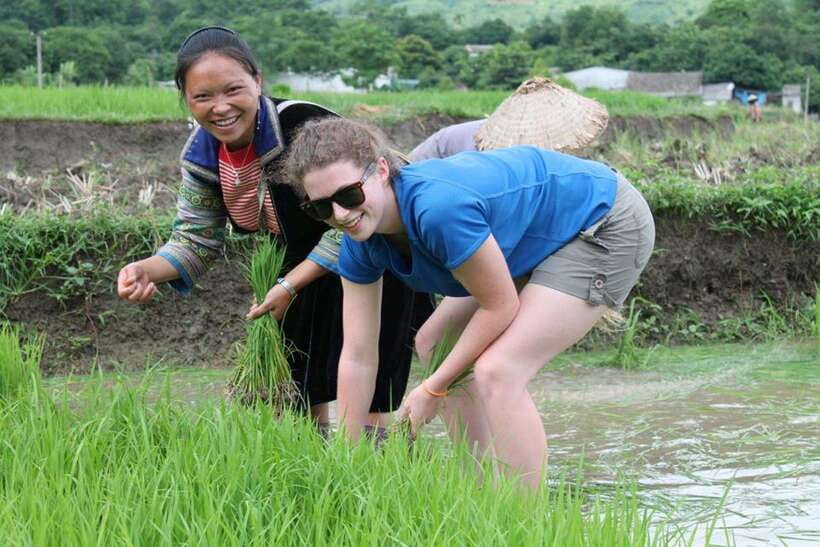
Fog lifts, then the valley opens. This 6-hour Muong Hoa Valley hike is one of the most direct ways to see how people actually live around the terraced fields, with village stops in Lao Chai and Giang Ta Chai. I love the morning views that appear through mist and rice work, and I love the human side of the day, from family-style lunch to walking with local guidance.
Your main thing to plan for is footing. The 10-kilometer route can get very slippery and muddy in wet weather, including the bamboo forest, so you will want solid grip hiking shoes and enough stamina for a true half-day trek.
Key takeaways before you go
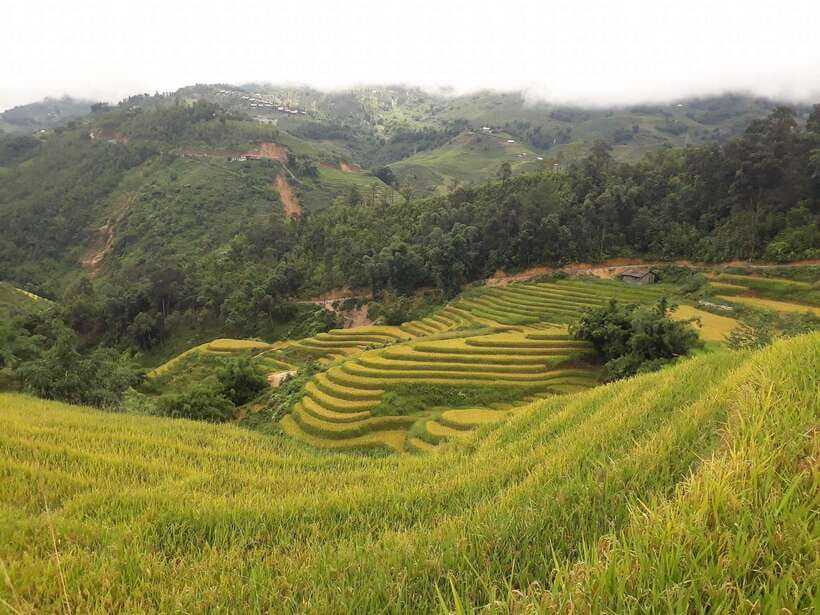
- A real 10 km day trek through rice terraces, river paths, bamboo, and steep bits
- Three ethnic village stops including Black Hmong in Lao Chai and Red Dao in Giang Ta Chai
- Muong Hoa River crossings plus a small suspension bridge about 2 km from a settlement
- Ancient rock carvings with figures of men, stilt houses, and decorative patterns
- Lunch at a local home (and mineral water) built into the route
- Guides and local helpers who focus on balance when the trail gets muddy
Muong Hoa Valley feels more personal than a bus tour
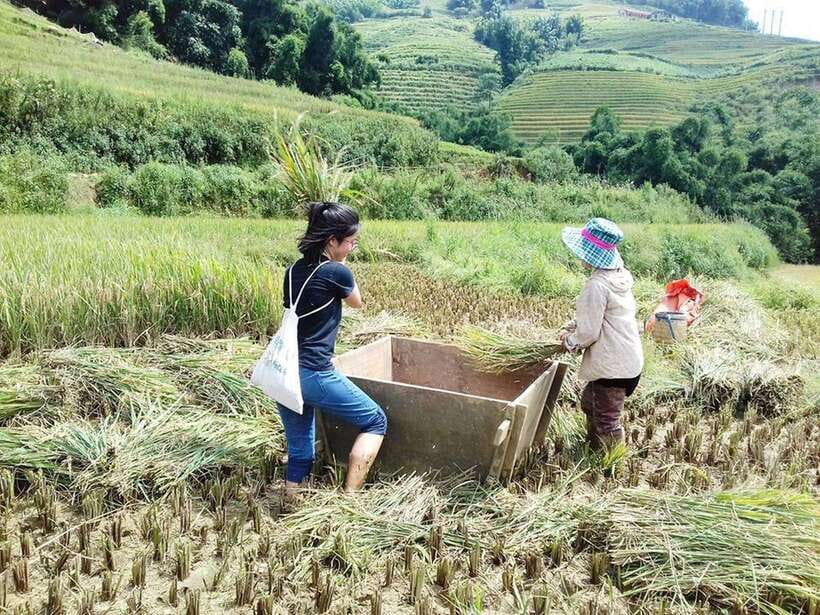
In Sa Pa, it is easy to spend a day seeing hills, then go back to town with the same photos. This trek is different because it is built around village life and footpaths, not just viewpoints. You start in the valley, cross the Muong Hoa River early, then keep walking past terrace plots, homes, and small community areas that sit right next to the trail.
For me, the best part is the rhythm: fields in the morning, village lanes mid-day, and a quieter reset in the bamboo forest before you reach the Red Dao area. And the cultural stops do not feel like a quick check-box. People are part of the walk, and your guide keeps the day moving while explaining what you are seeing, including what certain rock carvings represent.
One practical note: this is not a laid-back stroll. Even when the route feels straightforward on paper, wet ground can turn it into a balance game. If you expect flat comfort, you will be disappointed. If you come ready to hike carefully, you will get a far more memorable day.
You can also read our reviews of more hiking tours in Sa Pa


Starting from Sa Pa, then stepping into the valley
Your day usually begins with hotel pickup in Sa Pa center, or pickup from the tour office. That matters because it removes friction. You do not need to coordinate transport, and you can focus on the trek plan from the first minute.
Once you are on the route, you cover about 10 kilometers on foot. The early stretch takes you through valley paths where morning mist can hide and reveal the rice terraces. You also cross the Muong Hoa River on a smaller route section, which helps set the tone: this day is outdoors first, and the villages are woven into the walk.
A small logistics detail you will thank yourself for later: oversize luggage is not allowed. Keep your bag small enough for a full day on uneven ground, and pack in a way that you can access water and sun protection without stopping every five minutes.
If you are visiting during October to March, warm layers help. Even in daylight, Sa Pa’s air can feel chilly once you are higher or walking near shaded areas.
Rice terraces, Lao Chai, and what changes as you walk
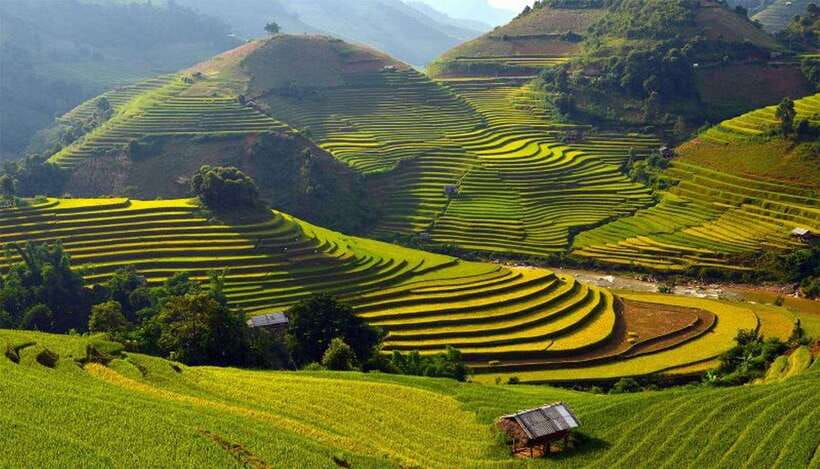
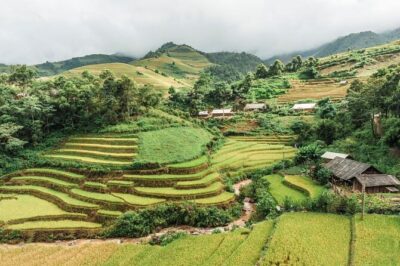
As you follow the trail through well-tended terraced fields, you get a close look at how people shape the valley. The route is designed so you see rice work in motion rather than only the famous aerial picture view.
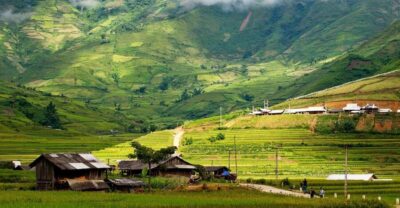
A major stop is the village of Lao Chai, home to the Black Hmong community. This is where the day starts to feel less like scenery and more like human geography. You will pass homes, paths, and terrace areas that connect directly to daily life. Expect your guide to explain how the community fits into the valley system, and ask questions as you go. The best conversations tend to happen when you pause naturally, not when you rush through.
Then the route continues toward Ta Van Giay. This leg is where the day begins to diversify: terrace edges, small lanes, and river-side walking. The footing can vary a lot here, so keep your pace controlled. Going too fast early is the easy way to feel tired by the time the bamboo forest starts.
Also, do not underestimate how muddy weather affects the whole experience. One wet morning can change the same trail from pretty and peaceful to slippery and intense, and that is exactly when local helpers become important later in the day.
Ta Van Giay, the suspension bridge, and rock carvings
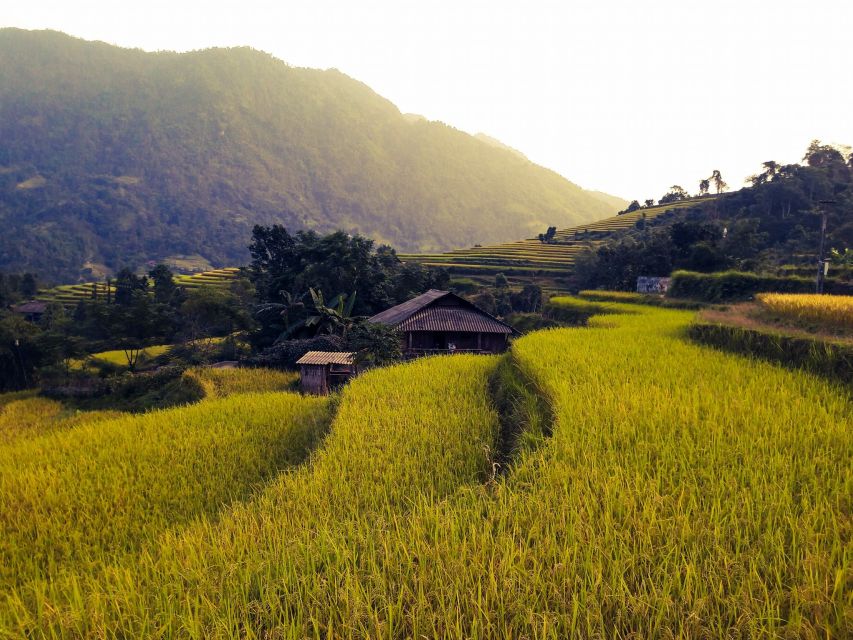
After Lao Chai, you hike on toward Ta Van Giay, then continue along parts of the Muong Hoa River. You will reach a small suspension bridge roughly 2 kilometers from the settlement, which adds a clear moment in the middle of the trek. It also gives you a different angle on the river valley.
About halfway through the emotion of the walk is when the day turns quietly fascinating: you will see ancient rock carvings. These depict images of men, stilt houses, and decorative patterns. Even if you have seen rock art before, this stop feels grounded in the living landscape around it. You are not looking at artifacts in a glass case. You are walking the same general terrain where people have long been telling stories with marks on stone.
In wet conditions, take your time here. The bridge and nearby trail surfaces can be slick, and your guide’s job is to keep the group safe without slowing down the whole day. In some similar departures, guides have also worked with local women to help people handle unstable footing near steep or muddy sections, so you should let them guide your steps rather than trying to power through alone.
If fog rolls in, you might lose some distance views, but you will still keep the carving stop and village walking, which are often the most memorable parts when weather is not picture-perfect.
Lunch at a local home, then the bamboo forest can test you

Lunch is one of the best reasons to choose this trek. You stop for a meal at a local house in the village area, and it is included along with mineral water. The idea is simple: you experience the valley not just through photos, but through food and a slower pause in the day.
Guides have been able to accommodate dietary needs on some departures, including vegan requests. If you have a strict diet, tell your operator or guide ahead of time, so they can plan the menu rather than trying to solve it last-minute.
From the walk perspective, lunch also gives you an energy reset. One thing I appreciate about the pacing here is that you do not hit the hardest terrain only after you are already drained. You get a break, then you keep hiking.
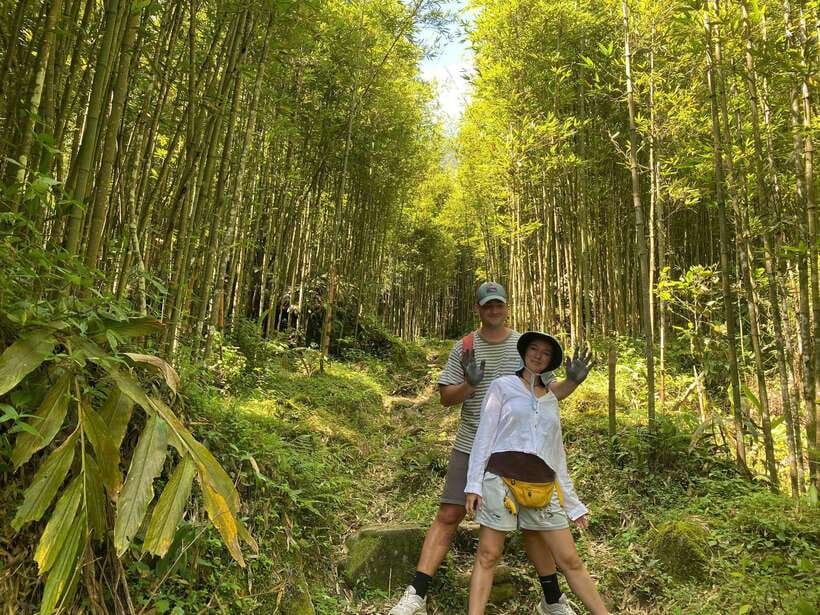
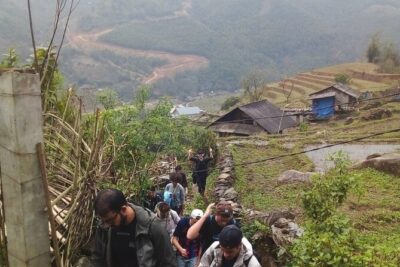
After lunch, you head through a bamboo forest. This section can be especially slippery when it has rained, and bamboo shade can mean damp ground lasts longer. You do not need to panic, but you should expect careful steps. The people on the trail often know exactly where the safer patches are, and guides frequently coordinate small supports so you can keep moving without feeling constantly stressed.
If you wore trainers instead of hiking shoes, you will feel the difference fast. Wet bamboo area footing demands traction.
Red Dao in Giang Ta Chai, then a waterfall pause and uphill exit
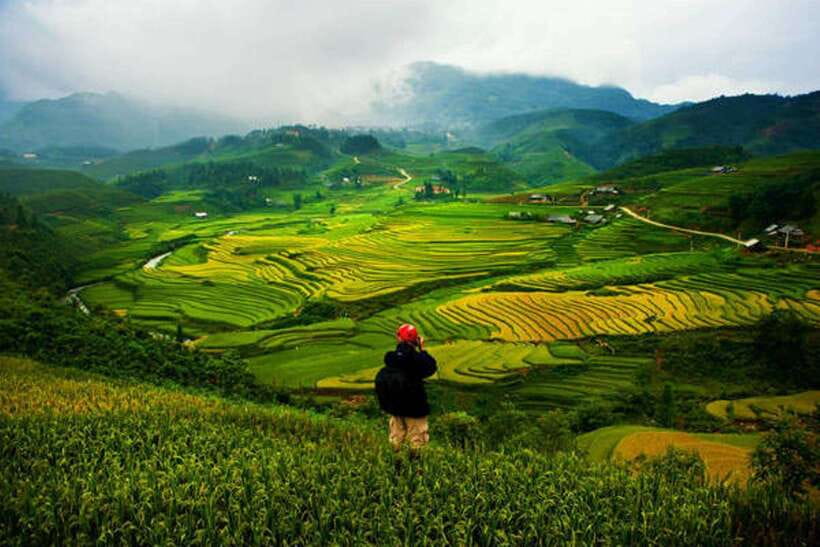
The route brings you to Giang Ta Chai, a Red Dao ethnic minority village. This is your final major cultural stop, and it helps close the day by showing another side of the valley’s community mix. You get to see how village life continues as the terrain changes, and your guide’s explanations help connect what you see back to the broader valley story.
After the village time, you get a short rest at a nearby waterfall. It is not a long sightseeing detour, but it is a valuable reset. Waterfalls also bring a hint of cooling air, and that makes the next uphill push easier to handle.
Then comes the closing movement: you climb uphill back toward the main road where the driver is waiting to bring you back to Sa Pa. This is where you will feel whether you paced yourself earlier. If you started too fast in the rice terraces, your legs might complain here. If you walked steady with good footing awareness, the uphill feels like a finishing sprint rather than a punishment.
Tours end around 3:30 PM, so you still have most of the afternoon back in town for dinner or a simple rest.
What to bring: traction, sun, and a small cash buffer
This trek’s success depends on your gear. The requirement is hiking shoes, not just sneakers. In real wet conditions, runners can feel slippery on steep muddy slopes and uneven rock. Your goal is grip, ankle support, and a sole that can handle muddy textures.
Sunscreen and sunglasses matter too. Even on a foggy day, the light can bounce off terraces and wet surfaces. Insect repellent also helps, especially near river areas and during warmer months.
If the weather turns muddy, plan to get dirty. Some participants find it helpful to rinse shoes at the end when a water brush station is available. Even if you skip that step, at least bring something practical like a change of socks for later.
One more thing that is easy to forget: bring some small cash for village goods. Along the walk, local women may offer small items during certain stretches, and you may be expected to buy something as a thank-you. People often keep it reasonable, and it can be a direct way to support the families you visited. If you hate being pressured, you can still approach it calmly: decide your budget before you start walking.
And yes, the trail can get very muddy. If you are risk averse, slow down. You will enjoy the valley far more when you are steady, not when you are worried about slipping every minute.
Price and value at about $23 for 6 hours in the valley
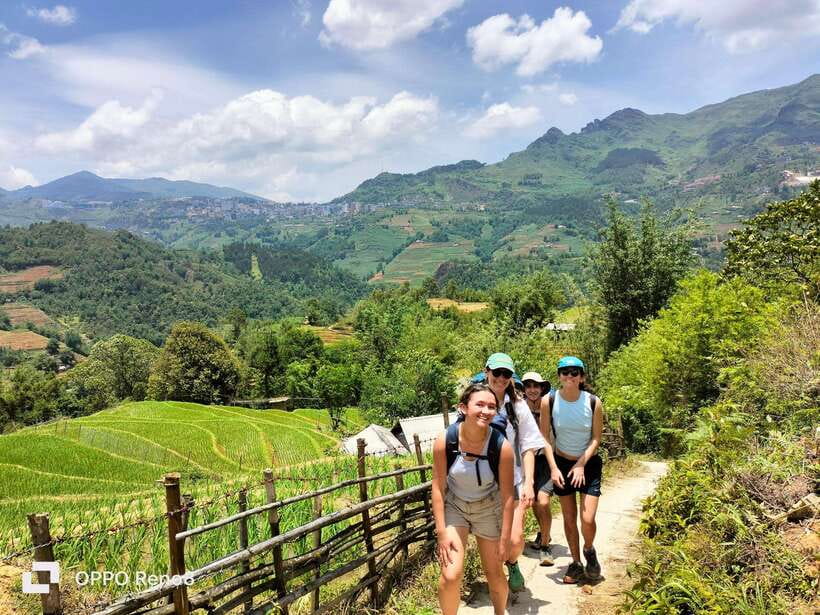
At $23 per person for a roughly 6-hour day, the value comes from what is actually included. You get hotel pickup in Sa Pa center, an English-speaking guide, entry tickets, lunch, and mineral water (500 ml per person). You also get the required transport back to Sa Pa.
What you do not get is just as important. Beverages beyond the included water are not included, and soft drinks and personal purchases are not covered. So if you like extra drinks during your trek, budget for it.
There are also possible add-ons that can affect your total cost. A French-speaking guide option is listed at 19 USD per person, payable upon confirmation. During Lunar New Year (14 Feb to 21 Feb 2026), there is a 30 USD per person surcharge, payable at departure. If you are traveling in that window, factor it into your budget early.
Why this price works for many people is the small group setup. The tour caps at 11 participants, which makes it easier for the guide to manage footing in muddy sections and to keep conversations moving at a human pace. In a place like Sa Pa, that difference matters more than the extra cost you might pay elsewhere for a bigger group.
Who should do this trek, and who should skip it
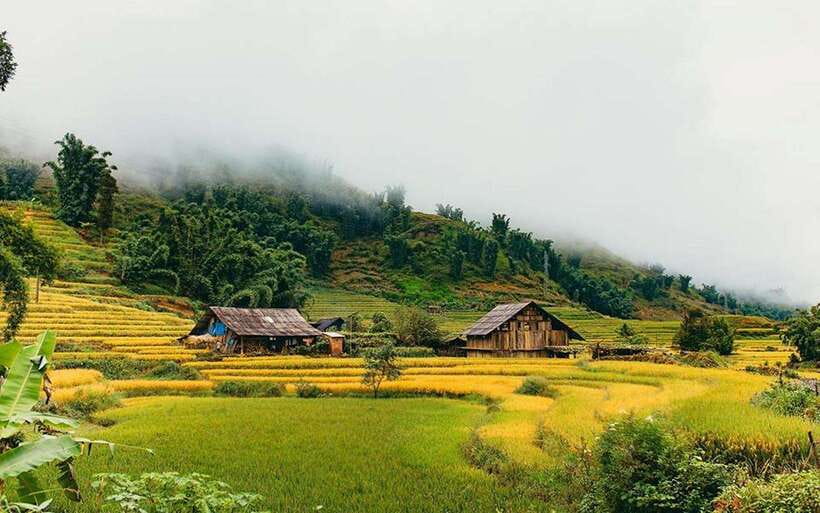
This is best for you if you want a half-day hiking experience that also teaches you how ethnic communities live in the valley. It suits people who like walking past rice terraces, enjoy village conversation, and are willing to slow down when the trail gets slippery.
You should also know the reality of difficulty. The route is 10 kilometers, and the tour can be challenging, especially in wet weather. It is not suitable for disabled people or children under 6 years old.
If you are coming off heavy hiking days, you can still do it, but you should go in with realistic expectations. A few people have found the mud and steep bits exhausting, even when they had decent footwear. The bamboo forest section and muddy slopes are where the day turns from scenic to intense.
If you hate uneven ground or do not trust your balance, you will have a worse time. In that case, consider a gentler activity in Sa Pa or a shorter route. But if you want the kind of day that feels like you stepped into the valley’s daily rhythm, this trek is exactly that.
Should you book the Sa Pa Muong Hoa Valley trek?
Book it if you want an authentic valley day that includes real villages, a mix of terrace and river walking, ancient rock carvings, and a home-style lunch that breaks up the hike. This is also a strong pick if you like small groups, because it makes it easier for guides to keep you safe on uneven footing.
Think twice if you are currently dealing with mobility limits, or if you do not handle slippery terrain well. This trek’s charm is partly the challenge, so show up with traction, a careful pace, and the right expectations.
If your dates fall around Lunar New Year, double-check the surcharge in your budget so there are no surprises.
FAQ
How long is the tour, and what time does it end?
The tour lasts about 6 hours and typically ends around 3:30 PM.
How far do I walk?
The trek is 10 kilometers long. Depending on the exact route and your steps, your total distance may vary.
Is hotel pickup included?
Yes, pickup is included if your hotel is located in Sa Pa center town. Pickup is also available from the provider’s office in Sa Pa. Pickup from outside the Sa Pa area is not available.
Is there an English-speaking guide?
Yes, the tour includes an English-speaking guide.
What is included for lunch and drinks?
Lunch is included, and you also receive mineral water (500 ml per person). Beverages beyond that are not included.
What should I bring?
Bring hiking shoes. It is also recommended to bring trekking shoes, sunglasses, sunscreen, and insect repellent. Warm clothes are recommended from October to March.
Is the trek suitable for children or people with mobility impairments?
No. The activity is not suitable for disabled people and children under 6 years old.
Is the trek difficult in wet weather?
Yes. The trek can be challenging, especially when it is wet. Some parts can be very muddy and slippery, so you should have appropriate fitness and grip footwear.
Are there extra costs for a French-speaking guide or Lunar New Year, and is cancellation free?
A French-speaking guide costs 19 USD per person, payable upon confirmation. There is a Lunar New Year surcharge of 30 USD per person from 14 Feb to 21 Feb 2026, payable at the departure of the tour. You can cancel up to 24 hours in advance for a full refund, and you can reserve now and pay later.
More Hiking & Trekking Tours in Sa Pa

More Tour Reviews in Sa Pa
Not for you? Here's more nearby things to do in Sa Pa we have reviewed

More Sapa Trekking Tours to consider.
 ★ 5.0Sapa 2 Days 1 Night From Hanoi – Overnight in Ta Van VillageTickets from $592,669 traveller reviews
 ★ 5.0Hanoi – Sapa 2 Days 1 Night Overnight At HomestayTickets from $89899 traveller reviews
 ★ 5.0Sapa: Fansipan Cable, Cat Cat Village & Moana Instagram TourTickets from $30777 traveller reviews
 ★ 4.8From Hanoi: 2-Day Sapa Trekking Trip with Homestay & MealsTickets from $71704 traveller reviews
 ★ 5.0Sapa 3 Days 2 Nights Trekking Tour (1 Night In Ta Van Village, 1 Night In Hotel)Tickets from $139699 traveller reviews
 ★ 4.9Sapa: Eco Adventure Terrace Fields and Local Villages TrekTickets from $27636 traveller reviews
 ★ 5.03-Day Trekking Adventure of Sapa from Hanoi – Stay Ta Van VillageTickets from $109611 traveller reviews
 ★ 4.82-Day Sa Pa Ethnic Homestay Tour & Trek with Limousine Bus440 traveller reviews
More useful Hanoi routes