
Review · SAPA TREKKING TOURS
Sa Pa: 6-Hours Muong Hoa Valley Trek with Local Ethnic guide
Rice terraces and tribal villages, all in six hours. This Muong Hoa Valley trek is a tight route from Sapa into the mountains, with a local guide and cultural stops that actually explain daily life.
What I love most is the way the walk mixes big scenery with small, human moments, like village-center encounters in Y Linh Ho and craft sessions such as indigo dyeing and hemp weaving. I also like the pacing that gives you both terraced-rice viewpoints from Lao Chai and home visits in Ta Van. The main drawback to plan for is that the 10-kilometer trek can be steep and slippery in wet weather, so it is not an easy stroll.
Key highlights I think are worth your attention
- Small group size (limited to 11), so you get more time with the guide and less waiting around.
- Village-to-village route connecting Black Hmong areas to Ta Van, then Dzay encounters for costume and custom contrast.
- Hands-on craft experiences tied to daily life, including indigo dyeing, batik making, and hemp weaving.
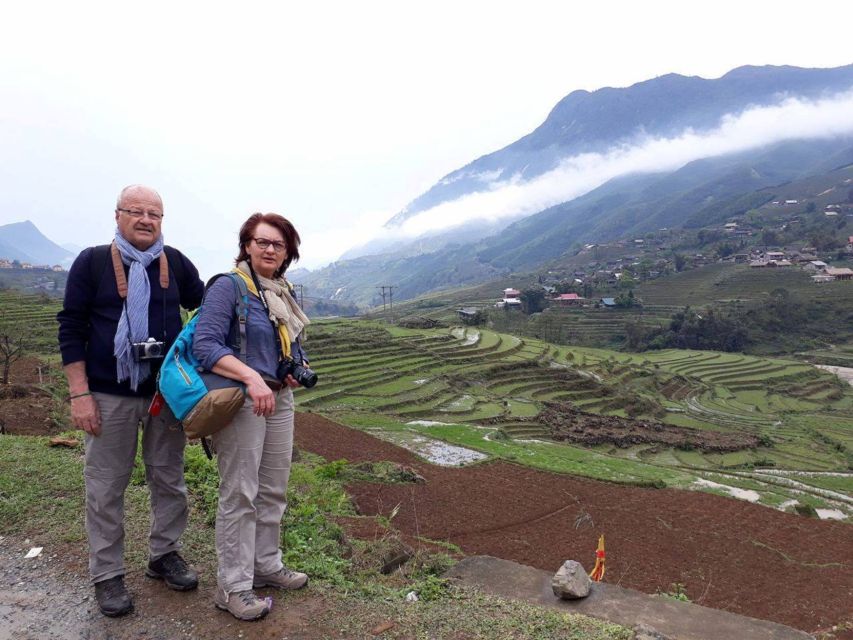
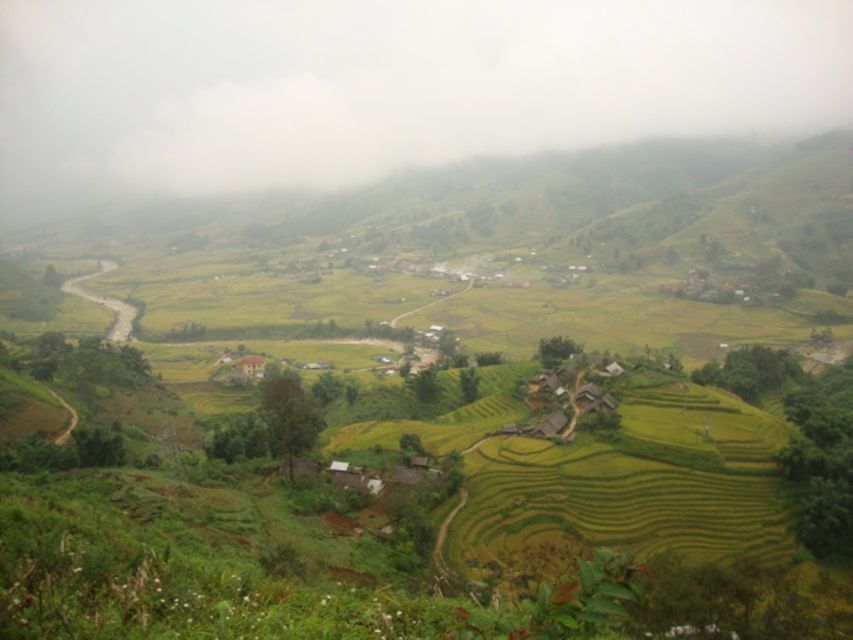
- Terraced rice views that are some of the best around Sapa, with clear photo angles at Lao Chai.
- Local helping hands on tricky slopes, especially when paths turn muddy.
Why this 6-hour Sapa trek makes sense
Six hours in Sapa is not a lot of time, and that is exactly why this route works. You get a full taste of the Muong Hoa Valley without committing to a full-day hike that can swallow your whole afternoon. The day is built around a steady walking rhythm plus several cultural stops, so you are not just staring at scenery from afar.
You also start with a short scenic approach: a roughly 20-minute walk along the road toward Y Linh Ho village. That small lead-in matters, because your legs wake up gradually and you ease into the valley pace before the main path.
Finally, the small-group format changes the feel of the trek. With a group capped at 11, the guide can actually manage timing on uneven trails, and you are less likely to get lost in a crowd when the route gets narrow.
You can also read our reviews of more guided tours in Sa Pa

Y Linh Ho to Lao Chai: Black Hmong culture plus terraced-rice views
The first real village stop is Y Linh Ho, home to the Black Hmong community. After that initial road walk, you move into village life at a human scale. You are not just passing through, you get time at the village center where you can observe daily rhythm and how families interact with visitors.
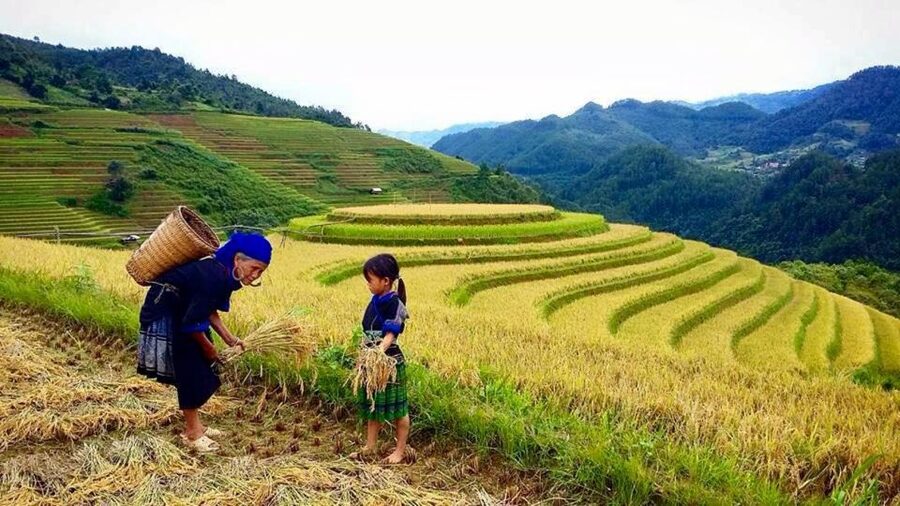
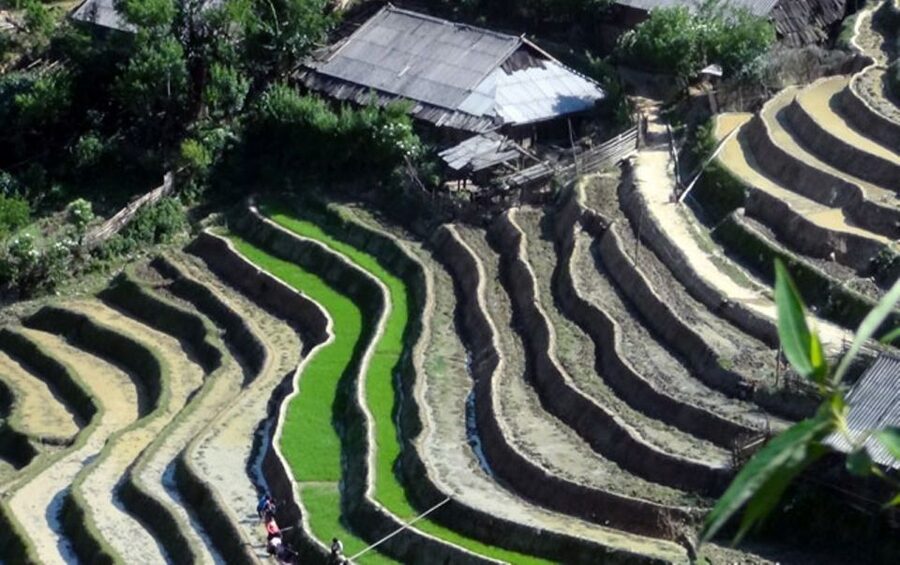
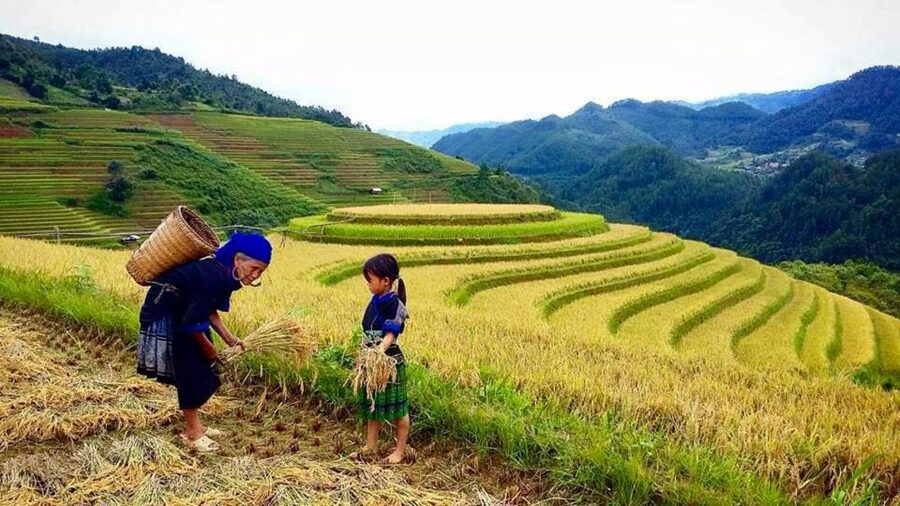
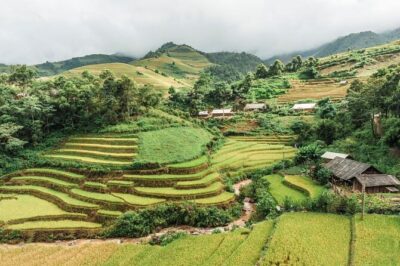
Then the trek continues toward Lao Chai, one of the key payoff points for views. This is where you catch expansive panoramas over the terraced rice fields that made northern Vietnam famous in the first place. If you care about photos, Lao Chai gives you angles where the terracing layers show depth, not just a flat green slope.
A practical note: this is a walking day, not a ride-with-a-view day. Even with stops, you should plan for time on dirt paths and uneven ground, and you may be walking downhill for part of the route. That is often easier on your energy, but harder on your knees when the ground is slick.
Craft stops in Lao Chai: indigo dyeing, batik, hemp weaving
One of the most valuable parts of this trek is that it ties craft to the landscape of work people do. Instead of treating crafts like a souvenir show, you get a glimpse into processes, like how textiles are colored and made.
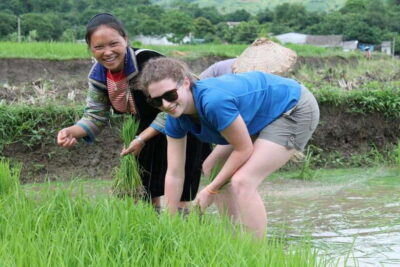
At Lao Chai, you may see or participate in craft activities connected to the Hmong tradition, including indigo dyeing, batik making, and hemp weaving. Even if your focus is photography or history, these stops help you connect what you see to why it exists. Rice terraces feed and support the agricultural calendar, and textiles are a parallel thread that supports clothing, household use, and income.
The tradeoff is time and attention. Craft sessions tend to slow the group a bit, and you will want to ask your guide questions instead of rushing. If you love learning how things work, this part is a highlight.
Ta Van village homes: where weaving and rice skills show up
After lunch, the route continues to Ta Van village. This is where the visit shifts from viewing craft work to understanding daily routines inside a home setting.
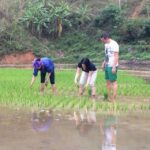
You visit traditional homes and learn about practices tied to weaving and rice cultivation. The key point here is the everyday connection. Weaving is not just a product, it is part of how households manage time and materials. Rice cultivation is not just a pretty terrace, it is a system that shapes seasons and labor.
Ta Van is also a good moment to slow down and reset mentally before the final part of the day. If you are someone who gets tired of constant movement, this section gives you a calmer pace, even though you are still walking between stops.
Dzay encounters: costume and custom contrasts you can actually notice
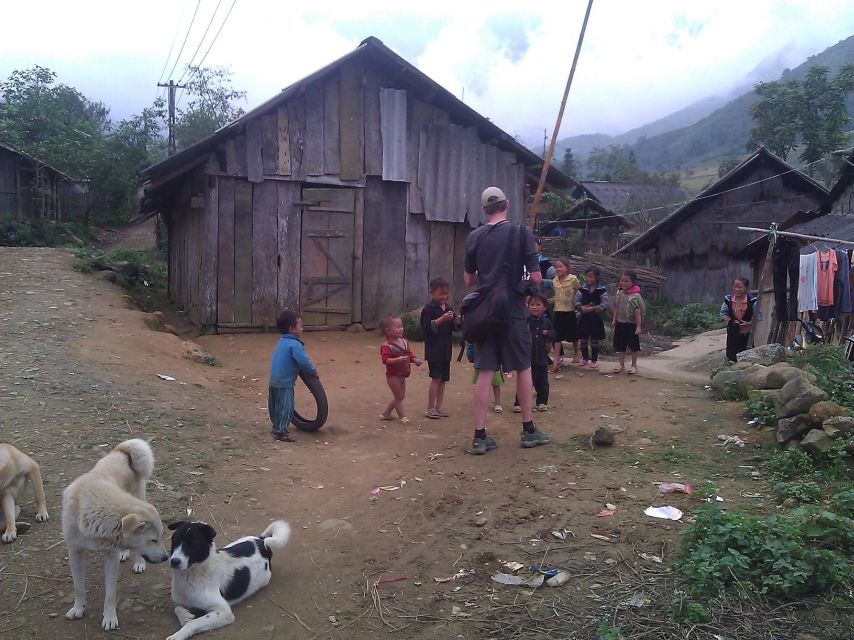
Near the end of the trek, you will meet members of the Dzay tribe. This portion is about contrast: how customs and clothing styles differ from what you already saw with the Black Hmong community.
When done well, these encounters are not just photo time. You get a chance to ask questions, and your guide helps translate what you are seeing into real-life meaning. The best way to experience this part is to treat it like a conversation, not a display.
If you are sensitive to attention, you should know that cultural markets and craft selling can happen alongside visits. You can keep your distance and still be respectful. If you want to support, choose thoughtfully and avoid feeling pressured.
You can also read our reviews of more hiking tours in Sa Pa


Lunch reality: local food, and why sales can follow you
Lunch is built in as a stop at a local restaurant. Food is at your own expense, so the day plan provides a break rather than a guaranteed meal package. This matters for budget planning, especially if you are traveling with picky eaters or you want a specific kind of cuisine.
In some cases, lunch time becomes more active, with people offering handmade items while you eat or immediately around the restaurant area. That can feel intense if you just want to relax for 30 to 45 minutes. I would treat it like this: you are visiting a place where your presence creates a chance to sell, and it often happens right alongside normal hospitality.
A good strategy is simple. If you want to browse, browse with a limit. If you want peace, eat calmly and keep walking focus on the next section. And if you do buy something, try to compare quality with your price expectations rather than buying purely to stop conversations.
Walking conditions: what “10 kilometers” feels like on these trails
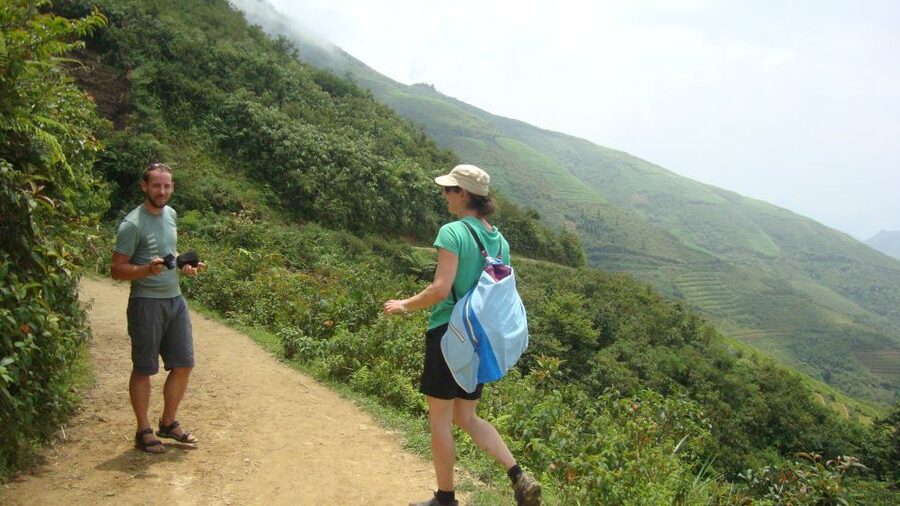
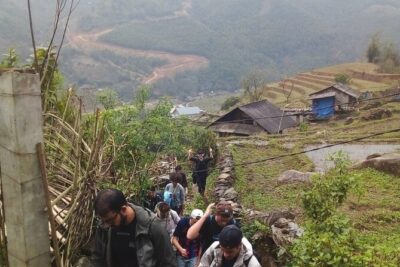
The trek covers about 10 kilometers, and the terrain is the real star and the real challenge. The path can include steep sections, muddy ground, and slippery rice-field edges, especially after rain. Even in good weather, expect uneven trails.
Wet weather changes everything. One of the most consistent practical themes on this kind of route is that the ground can be slick, and you might need assistance on descents. The good news is that the route is supported by local help, and your guide typically manages pace and safety.
Still, this is not a gentle stroll. Senior citizens are advised not to do this 10-kilometer trek because it can be dangerous in wet weather and can be challenging even at a slower pace. It is also not suitable for disabled people, wheelchair users, children under 6, and pregnant women.
If you are going in October to March, warm clothes are recommended. And no matter the season, plan like you will get sweaty and muddy. Trekking shoes are not optional if you want comfortable feet.
Guides and local helpers: English, humor, and safety teamwork
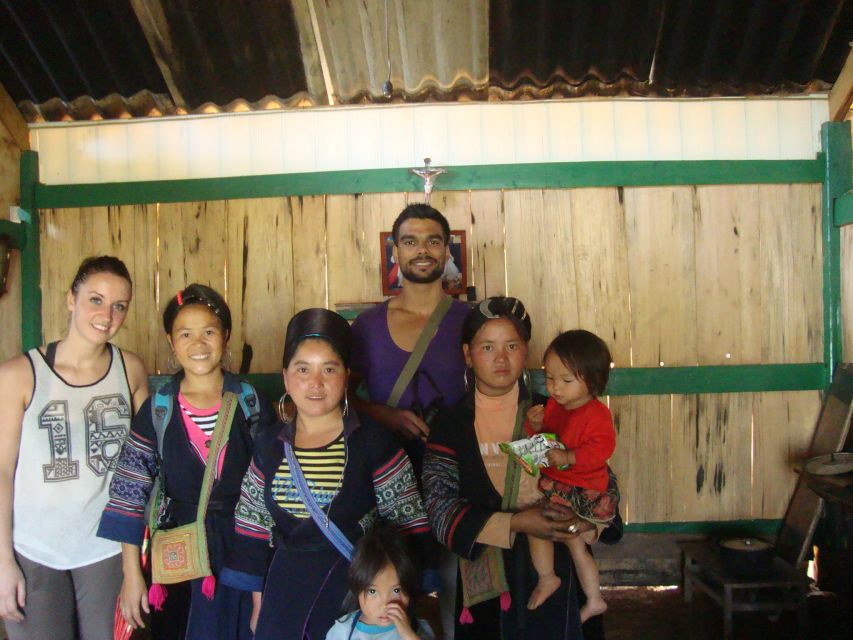
This tour is led by an English-speaking guide. In real life, English quality can vary by guide, but the people involved here often do a strong job keeping the story clear and understandable. You might encounter guides such as Sàng, Sang, Sai, Su, Bao, or Dong, and the common thread is that they explain village life in a way you can follow without a lot of guessing.
A huge factor for comfort is the presence of local helpers, especially when the ground is muddy or steep. On tricky parts of the route, these helpers can spot your footing and give a hand at the moment you need it. That is not just kindness, it is how the day stays safe.
Also, the pace is typically guided, not chaotic. You have a plan of village stops and craft moments, and your guide is usually focused on keeping the group together. For a trek that can be slippery, that matters.
Price and value for $18, plus the surcharges to watch
The base price is $18 per person, and that is where the value math makes sense. For that money, you typically get bus transportation, an English-speaking guide, entrance tickets to indicated sites, and 500 ml of water. In other words, the essentials that can cost you separately are bundled.
But you should still plan for extra spending. Lunch is not included, and soft drinks are not included. VAT and personal expenses are also not included, so think about what you will spend on food and any handmade items you decide to purchase.
Two surcharge situations are listed:
- Lunar New Year surcharge (2025): from 14 Feb 2025 to 21 Feb 2025, $20 per person paid directly on the trip.
- French-speaking guide surcharge: $20 per person paid directly on the trip.
There is also a separate Lunar New Year surcharge note for 2024 (from 9 Feb to 14 Feb 2024), listed as $30 per person. If you are booking around Tet, double-check the exact dates for your year and bring cash.
What to pack, how to act respectfully, and photo etiquette that matters
Your comfort kit is straightforward. Bring trekking shoes, sunglasses, sun cream, and insect repellent. Warm clothes are recommended between October and March. If rain is in the forecast, plan for mud, because the trail conditions can turn your shoes into mud boots fast.
On behavior, the rules are simple and worth following. Respect local culture. Do not take pictures of children without permission from their parents. And avoid touching people’s heads, even in friendly moments. These are small actions, but they help you avoid misunderstandings.
Also, pets are not allowed. If you are traveling with an animal, you will need a different plan.
Finally, keep water in mind. You get one 500 ml bottle per person, so you should not ignore thirst, but you also should not assume you can skip hydration planning.
Should you book the Muong Hoa Valley 6-hour trek?
I think you should book this trek if you want a short, structured way to see Sapa’s villages and terraced rice without spending all day hiking. It is especially a good fit for people who enjoy cultural encounters with context, not just sightseeing. The combination of village visits plus craft workshops like indigo dyeing and hemp weaving gives you more than a photo checklist.
I would not book it if you have limited mobility, if you are traveling with very young children (under 6), or if you are pregnant. Senior travelers should take the safety warning seriously. If you dislike slippery footing or you avoid steep, muddy trails, this route may stress you out more than you expect.
If you do book, choose trekking shoes you trust, dress for wet conditions just in case, and bring a respectful attitude toward the selling you might encounter during lunch and village stops. The day runs best when you see it as a shared moment, not a quick transaction.
FAQ
How long is the Muong Hoa Valley trek?
It lasts about 6 hours.
How far is the trek?
The trek is described as a 10-kilometer route.
Is pickup included, and where does it start?
Bus transportation is included, and pickup is available from hotels in Sa Pa town only. You need to share your hotel name and address so the operator can confirm pickup or tell you where to meet.
What is included in the price?
Included items are bus transport, an English-speaking guide, entrance tickets to indicated sites, and 500 ml of water per person.
What is not included?
Soft drinks, food (including lunch), travel insurance, VAT, and personal expenses are not included.
Is the tour suitable for children and people with mobility issues?
No. It is not suitable for children under 6, wheelchair users, people with mobility impairments, or pregnant women.
Are pets allowed?
No, pets are not allowed.
What should I wear or bring?
Bring trekking shoes, sunglasses, sun cream, and insect repellent. Warm clothes are recommended between October and March.
Are there Lunar New Year surcharges?
Yes. A Lunar New Year surcharge is listed for specific dates with different amounts depending on the period, including $20 per person from 14 Feb 2025 to 21 Feb 2025 (paid directly on the trip), and another listed Lunar New Year surcharge for 2024.
More Hiking & Trekking Tours in Sa Pa
More Guided Tours in Sa Pa
More Tour Reviews in Sa Pa
Not for you? Here's more nearby things to do in Sa Pa we have reviewed


More Sapa Trekking Tours to consider.
 ★ 5.0Sapa 2 Days 1 Night From Hanoi – Overnight in Ta Van VillageTickets from $592,669 traveller reviews
 ★ 5.0Hanoi – Sapa 2 Days 1 Night Overnight At HomestayTickets from $89899 traveller reviews
 ★ 4.6Sa Pa: Muong Hoa Valley Trek and Local Ethnic VillagesTickets from $23864 traveller reviews
 ★ 5.0Sapa: Fansipan Cable, Cat Cat Village & Moana Instagram TourTickets from $30777 traveller reviews
 ★ 4.8From Hanoi: 2-Day Sapa Trekking Trip with Homestay & MealsTickets from $71704 traveller reviews
 ★ 5.0Sapa 3 Days 2 Nights Trekking Tour (1 Night In Ta Van Village, 1 Night In Hotel)Tickets from $139699 traveller reviews
 ★ 4.9Sapa: Eco Adventure Terrace Fields and Local Villages TrekTickets from $27636 traveller reviews
 ★ 5.03-Day Trekking Adventure of Sapa from Hanoi – Stay Ta Van VillageTickets from $109611 traveller reviews
More useful Hanoi routes