
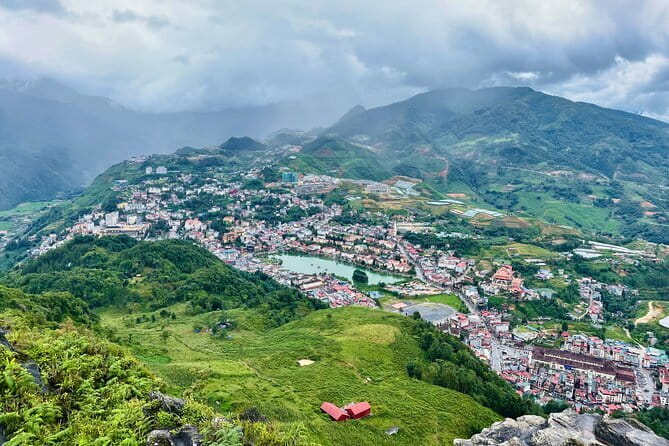
Review · SAPA TREKKING TOURS
Sapa Mountain Escape: 2-Day Trekking, Rice Terraces & Homestay
Two days, one real village rhythm. I like this Sapa trek because it pairs a Hmong homestay with mountain views and walking routes through terraced fields and bamboo forest. You get more than photos. You share daily routines, from home-cooked meals to simple chores that help a family keep life running in the hills.
The second thing I like is the guiding, especially when you get Nhu. One strong review noted she adjusted the plan so the group could be alone as often as possible, which makes the villages feel less crowded and the trail feel more personal. You still follow the core route, but the timing and pacing can feel more human.
The only real consideration is moderate fitness. You’ll be on your feet across both days, including mountain and village path trekking, so pack for steady walking and bring shoes you trust.
Key highlights at a glance
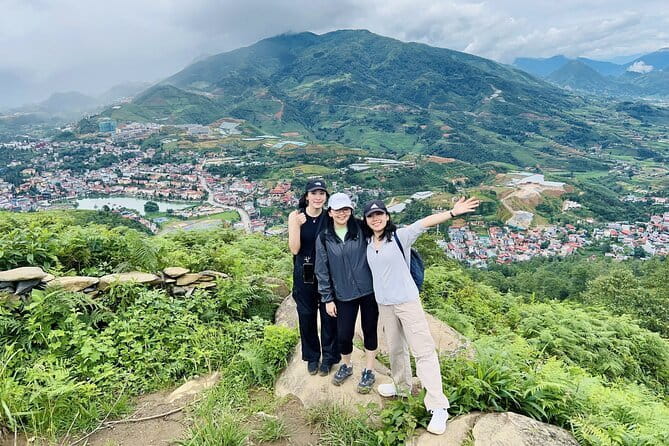
- Homestay with a Hmong family for 1 night, with meals included
- Terraced rice fields and bamboo forest paths on both days
- Guide support that can reduce crowds, including route adjustments (when possible)
- Entrance fees included for key stops like Ham Rong Mountain and villages
- Private transportation and a plan built around village-to-village time
Why this 2-day Sapa trek feels more like local life than a checklist
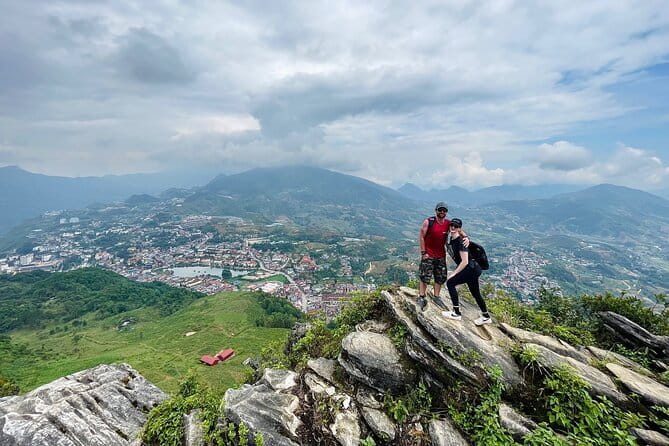
Sapa has a way of turning a simple walk into something memorable. This trip leans into that. You start in town, go up to classic viewpoints, then move through multiple villages before landing in a homestay for the night.
What makes this format work is the pacing. Day 1 connects viewpoints and villages. Day 2 focuses on terraced fields and another set of village stops through bamboo. That rhythm matters because it gives you time to notice how people live where the weather and elevation shape everyday routines.
Most importantly, you do not just pass through. You spend a night with a Hmong family, so the “story” of the trip is carried by real meals and real schedules. Tea on arrival and breakfast in the morning might sound small, but they anchor your day in the places you’re walking through.
You can also read our reviews of more hiking tours in Sapa
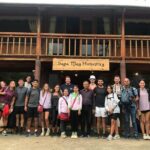
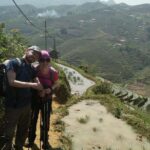
Getting started in Sapa: meet point, pickup, and first viewpoint time
The day begins around 9:00 AM. Your guide will pick you up from your hotel or meet you at Sapa Stone Church, also listed as Ham Rong Mountain area on the route. Either way, you’ll get a briefing before you start moving.
From the first stop, you’re meant to see Sapa from the outside in. Ham Rong Mountain is included, with an admission ticket. It also lasts about 3 hours, which is a long enough window to take your time, not rush. If you’re sensitive to heights or long stairways, plan for breaks rather than pushing nonstop.
This is also when your guide’s style starts to show. A strong review specifically called out Nhu’s warmth and knowledge, and the way she tailored the itinerary to help people avoid other tour groups. Even if you cannot control crowd levels in every village, your guide can still control when you move and how long you linger at each viewpoint.
Day 1: Ham Rong Mountain views, Hang Da village, bamboo trails, then a Hmong homestay
Day 1 is built like a gentle on-ramp, then a steady walk toward your night in the village.
Ham Rong Mountain, included ticket time
You begin in the center of Sapa town and head toward Ham Rong Mountain. Expect about 3 hours here, with the admission ticket included. This is where you get a broad sense of the region, which is helpful once you start threading through smaller village paths later.
Tip: If the morning is foggy, don’t automatically assume the day is ruined. Mountain weather shifts. Give it time, and ask your guide what visibility looks like from different points.
Hang Da village: rock formations and H’Mong culture
Next comes Hang Da village, about a 1-hour stop with an included ticket. Hang Da is known as a scenic H’Mong village, with large rock formations that make the area feel distinct compared with the more open rice-terrace views.
This short segment is usually the first real taste of village life on the trek. You’re not deep into long walking yet, so it’s a good time to adjust to local paths and learn what to expect from your guide’s directions.
More Hanoi tours and experiences for the shortlist
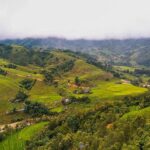
Hau Thao and the bamboo forest connection
After lunch, your trek continues toward Hau Chu Ngai village routes, with short trails through bamboo forests. This part is about 1.5 hours, and the admission ticket is free for this segment.
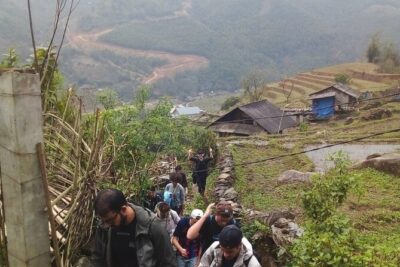
Bamboo forest walking is one of those Sapa details that changes the whole mood. The air can feel cooler and quieter, and the canopy makes your sense of direction less obvious. That’s where staying with your group matters, because you want your guide to lead you safely through the bends and narrow sections.
Giang Ta Chai village and the homestay night
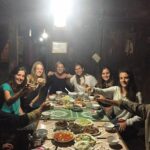
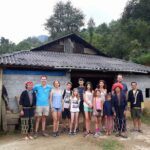
By about 3:30 to 4:00 PM, you reach Giang Ta Chai village and your homestay with a Hmong family. Hosts greet you with tea, and after you check in and freshen up, the evening includes a show. Dinner is included, and the homestay setup is where the trip becomes personal.
This is the heart of the value here. You’re not just buying transport and views. You’re paying for an overnight cultural exchange where daily routines matter. The trip description specifically points to seeing how families cook and care for animals, which is the kind of “real life” detail that turns a trek into a story you’ll remember.
What to watch for on Day 1
- You’ll likely do more uphill and uneven ground than you expect if you come from flat city walking.
- The late afternoon arrival at the homestay means you’ll want to keep your energy for the evening meal and show, not just sightseeing.
Day 2: coffee over terraced fields, Ta Van bamboo, then Lao Chai rice terraces
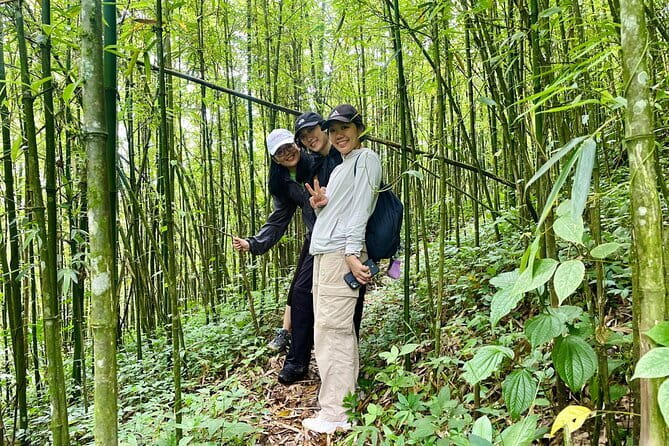
Day 2 starts with waking up in an unfamiliar setting, then coffee while you look out over terraced fields. Breakfast is served at 8:00 AM, then you pack up and say goodbye to your hosts.
From there, the trekking focus shifts. Instead of moving from mountain viewpoint to a homestay, you move from the homestay into more village-to-village time, including another bamboo forest segment.
Giang Ta Chai village to Ta Van village
After breakfast, you have around 2 hours before reaching the next main stop. Then you head to Ta Van village, about 1 hour, with an included ticket.
Ta Van is home to the Black Hmong and Giay ethnic groups. Your guide explains cultural distinctions, which is useful because it helps you avoid treating each village as a copy-paste version of the last one. With the right framing, you’ll notice differences in everyday life and clothing patterns more clearly.
Bamboo forest exit into Ta Van
Ta Van is reached after emerging from the bamboo forest. If you liked the Day 1 bamboo portion, this one continues the theme. It’s also a nice contrast to the terraced fields mornings, because bamboo walking tends to slow you down, naturally.
Tip: Take your time with photos. On paths like these, it’s easy to stop too suddenly and hold up the line behind you. Ask your guide where it’s safe to step aside.
Lao Chai: terraced rice fields and Black Hmong community
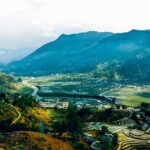
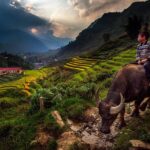
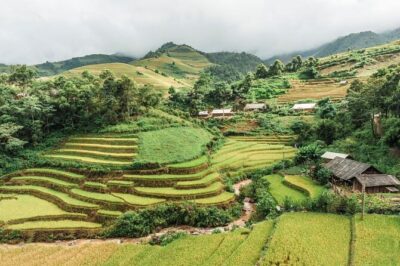
The next stop is Lao Chai, around 2 hours. Lao Chai is famous for terraced rice fields and a Black Hmong community, plus time to explore traditional houses and take in the everyday feel of the village.
This is often the “wow” section for people who came for Sapa’s iconic terraced views. But the real win is combining the visuals with short explanations about the community you’re seeing.
What to watch for on Day 2
- Your legs are already tired, so plan for slower pacing when the trail gets narrow or rocky.
- The day ends back at the meeting point area, so save some energy even if the best views happen near the end.
The homestay: what you actually get (and what it means for your day)
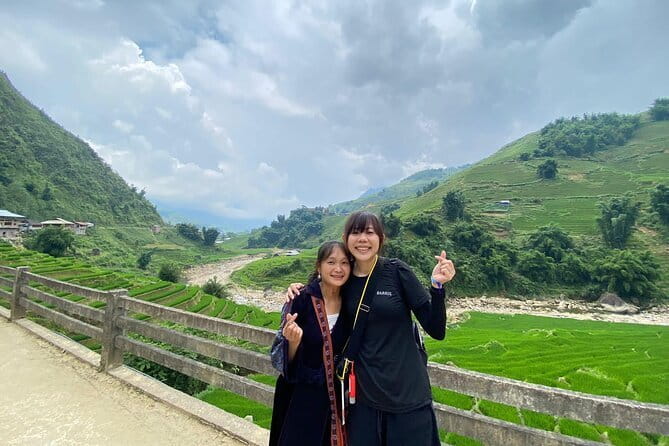
A homestay in Sapa is not the same as a hotel with a nightly checklist. The value comes from sharing time with a family, even if the schedule is simpler than what you’re used to.
Here’s what you can expect from this style of homestay on this trek:
- Greeting tea when you arrive
- Dinner included with the homestay
- Breakfast included the next morning
- Time to see family routines like cooking and caring for animals
Even the small details add up. A welcome tea helps you settle in. Breakfast over terraced fields helps you start Day 2 with context, not just exhaustion.
Now, the tradeoff. Homestays are often more basic than you’re imagining if you’re used to private ensuite rooms. The data here does not list room features, so I can’t promise specifics. What I can say is that the comfort level is usually “good enough for a trek trip,” and the experience itself is the main point.
Price and value: why $80 can make sense here
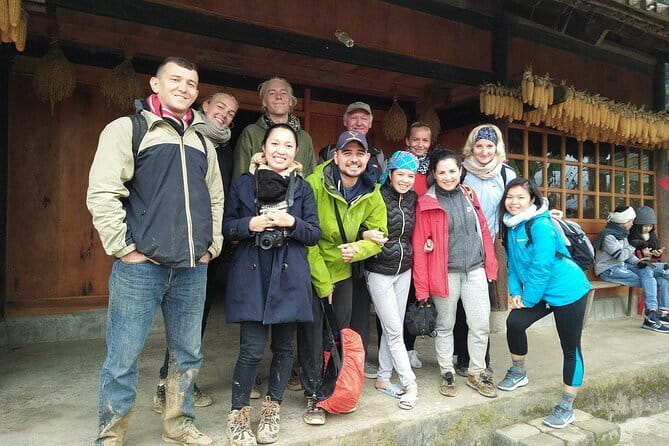
At $80 per person for about 2 days (1 night), this trek looks like a bargain once you add up what’s included.
What you’re paying for beyond the walk:
- Breakfast and dinner, plus lunch (2)
- Water
- Homestay
- All entrance fees
- Private transportation
- A guide, plus a full day plan across multiple villages
So you’re not just paying for footprints. You’re paying for logistics that can be hard to DIY in the hills, especially if you want entrance tickets and a structured route with minimal gaps.
Also consider timing. The trip is commonly booked about 48 days in advance on average, which suggests it can sell out around peak periods. If you have fixed travel dates, book early so you’re not gambling on last-minute availability.
Pace, packing, and fitness level: the practical side of Sapa walking
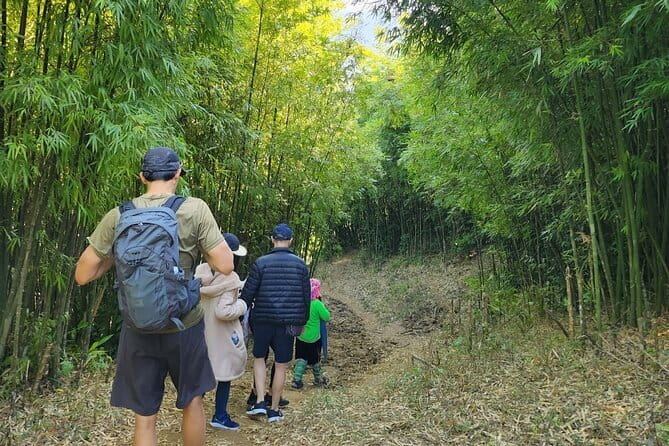
The trip lists a moderate physical fitness level. That’s accurate in the way it matters. You’re trekking through mountain and village paths, plus terraced fields and bamboo forests. Some sections are shorter, but it’s still nonstop movement across two days.
What I’d do if you’re deciding how to prepare:
- Wear shoes with grip, because village paths can be uneven.
- Bring layers. Mountain air can change fast, and bamboo forest shade can cool you down.
- Carry a small day pack for water and essentials, even though water is included.
- Plan to move at your guide’s pace, not your phone’s map pace.
One more practical note: the trip is private, meaning only your group participates. That can mean less waiting around, but it can also mean you’ll feel the route more directly. If you’re easily worn out, tell your guide early so they can adapt the pace.
Culture and guide time: getting the most from explanations
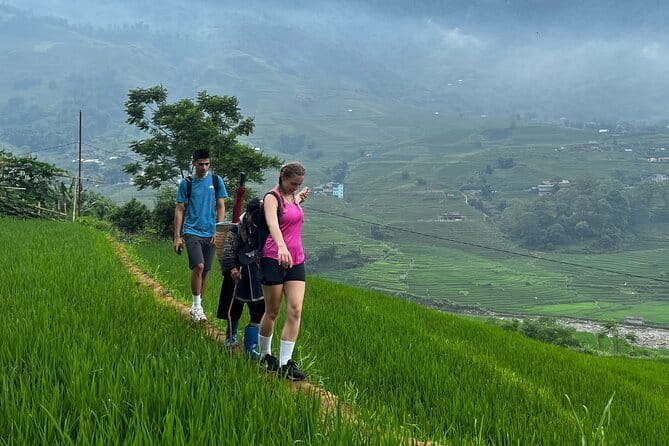
This trip’s strongest praise is about the guide. Nhu, in particular, came through as warm, knowledgeable, and passionate about sharing local history and traditions, with an extra focus on keeping the walk comfortable and less crowded when possible.
Even if your guide is different, the format is designed for conversation. You visit multiple villages, each with different cultural markers:
- Hang Da as an H’Mong village
- Ta Van for Black Hmong and Giay groups
- Lao Chai for terraced rice fields and a Black Hmong community
When your guide explains distinctions, you’ll get more from what you see. Without that context, you can end up just taking pictures and missing the meaning behind patterns, routines, and the way villages are organized.
Who this tour is for, and who should consider a different style
This works best for you if:
- You want a 2-day trek with a real homestay, not just viewpoints
- You like village walking and want cultural guidance along the way
- You prefer a private group so the trip feels less hectic
It might not be the best match if:
- You want a fully gentle day with no walking pressure. This is moderate fitness and real trekking time.
- You need hotel-level comfort and guaranteed room details.
If you travel as a vegan (or have other dietary needs), this trip states it is vegan friendly and can accommodate restrictions like vegetarian, vegan, and gluten-free if you indicate it at booking.
Should you book Sapa Mountain Escape?
I’d book this trek if you want Sapa to feel grounded in everyday life, not just a string of scenic stops. The best reason is the homestay, backed by included meals and entrance fees that simplify the trip.
I’d also book it if you care about guide quality and flexibility. One standout point from the guide experience is the ability to adapt the route so you can be alone as often as possible, which makes the villages and trails feel more personal.
Before you confirm, check your fitness and footwear, and plan for a full walking schedule across two days. If you’re ready for that, this is a strong value way to see terraced rice, bamboo forest, and village life in one trip.
FAQ
How long is the Sapa Mountain Escape trek?
It runs for about 2 days and 1 night.
Where does the tour start, and does it include pickup?
You can meet at Sa Pa Stone Church, near P. Hàm Rồng, or be picked up from your hotel. The route ends back at the meeting point.
What is included in the $80 per person price?
The price includes breakfast, dinner, lunch (2), water, a homestay, all entrance fees, and private transportation.
Is there a homestay, and who do you stay with?
Yes. You stay in a homestay with a Hmong family in Giang Ta Chai village for the night.
Can the tour accommodate vegan or other dietary needs?
Yes. The trip is vegan friendly and can accommodate dietary restrictions such as vegetarian, vegan, and gluten-free if you note your requirements at booking.
What is the cancellation window?
You can cancel for a full refund up to 24 hours before the experience starts.
More 2-Day Experiences in Sapa
More Hiking & Trekking Tours in Sapa

More Tour Reviews in Sapa
Not for you? Here's more nearby things to do in Sapa we have reviewed




More Sapa Trekking Tours to consider.
 ★ 5.0Sapa 2 Days 1 Night From Hanoi – Overnight in Ta Van VillageTickets from $592,669 traveller reviews
 ★ 5.0Hanoi – Sapa 2 Days 1 Night Overnight At HomestayTickets from $89899 traveller reviews
 ★ 4.6Sa Pa: Muong Hoa Valley Trek and Local Ethnic VillagesTickets from $23864 traveller reviews
 ★ 5.0Sapa: Fansipan Cable, Cat Cat Village & Moana Instagram TourTickets from $30777 traveller reviews
 ★ 4.8From Hanoi: 2-Day Sapa Trekking Trip with Homestay & MealsTickets from $71704 traveller reviews
 ★ 5.0Sapa 3 Days 2 Nights Trekking Tour (1 Night In Ta Van Village, 1 Night In Hotel)Tickets from $139699 traveller reviews
 ★ 4.9Sapa: Eco Adventure Terrace Fields and Local Villages TrekTickets from $27636 traveller reviews
 ★ 5.03-Day Trekking Adventure of Sapa from Hanoi – Stay Ta Van VillageTickets from $109611 traveller reviews
More useful Hanoi routes