
Review · HANOI CITY TOURS
Hanoi Coffee Workshop: Taste Salt, Coconut and Egg Coffee
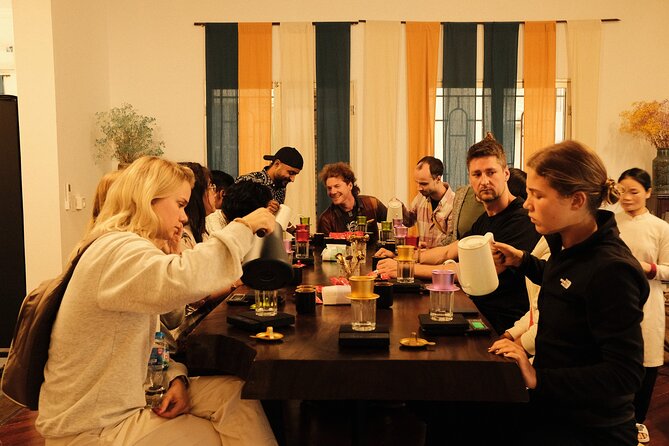
Coffee in Hanoi can taste like nothing else. This workshop at Local Beans Roastery turns coffee tasting into a hands-on class, with brews like egg coffee, salt coffee, and coconut coffee.
What I really like is how equipment is provided so you’re not just watching. I also like the lesson style, where you learn what changes when roast level and brew method change the cup.
One possible drawback to consider: this is a tasting class, so you’ll drink a range of coffee styles in one sitting. If you want only one or two coffees, pace yourself and plan to skip other caffeine stops that day.
Key things that make this Hanoi coffee workshop worth your time
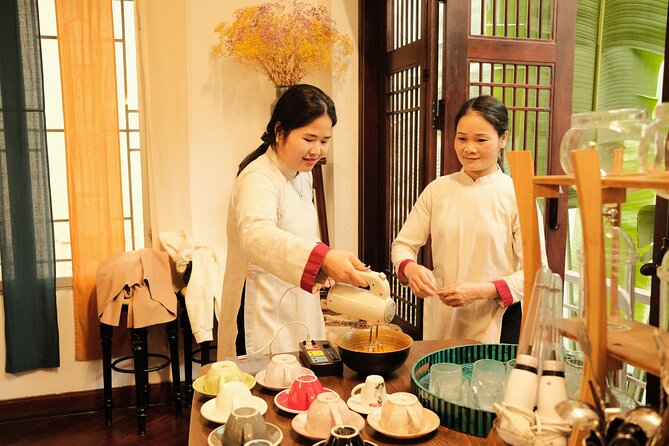
- You taste and brew multiple classic Vietnamese styles, not just one specialty drink
- All the gear is included, like filters and grinders, so you can learn the method properly
- Dietary needs can be accommodated, including vegan options
- Hotel pickup and drop-off works if you’re in the Old Quarter area
- You get recipes and digital coffee books to keep practicing after you leave
- Bonus tastings include homemade rice wine, plus a creative coffee cocktail
Local Beans Roastery: a practical starting point in Hanoi
Your experience starts at Local Beans Roastery, No. 75/173 Hoang Hoa Tham Street, Ngoc Ha Ward, Ba Dinh, Hanoi. The roastery is the real hub for the day, not a random meeting point that sends you elsewhere. That matters because you get straight into the coffee atmosphere right away.
If you’re staying in Hanoi’s Old Quarter, you may have hotel pick-up and drop-off included (within the Old Quarter area). That saves you the hassle of figuring out short taxi hops for a 3.5 hour activity. It also makes this a solid option on a busy sightseeing day, since you can plan the rest of your route around one simple schedule.
The group size is capped at 100. In practice, that usually means a lively room, not a huge auditorium. It also aligns with the tone from instructors, where people are encouraged to ask questions and get hands-on.
More Hanoi tours and experiences for the shortlist

What the 3.5 hour coffee workshop actually teaches you
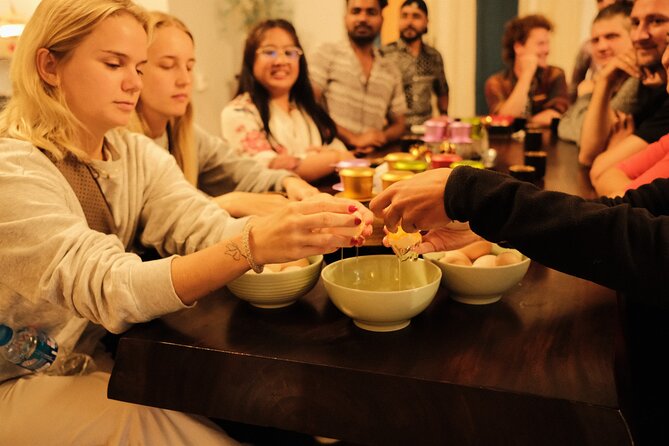
This isn’t just a tasting flight. It’s a workflow lesson: where coffee comes from, how Vietnamese brewing works, and how to tell the difference between a great cup and an average one.
The class begins with Vietnam’s coffee story and how coffee became part of daily life. You’ll also go through roast levels and what they do to aroma and taste. That part is useful because Vietnamese coffee isn’t just about a flavor trend. It’s about technique, bean behavior, and how long the coffee spends in contact with water.
Then you start brewing. You’ll guide yourself through six signature Vietnamese coffees, with the host giving direction as you go. The goal is not to memorize jargon. The goal is for you to understand why the same coffee can taste totally different depending on the brew style.
If you’re the type who always wonders why café coffee tastes better than home coffee, this workshop trains your eye and your nose. You’ll learn what to look for and what to avoid.
The brews you make, starting with Phin-brewed coffee
You’ll brew the classic Vietnamese phin-brewed coffee style early on, and that’s a smart choice. The phin filter method is the backbone of a lot of Hanoi coffee culture, so once you understand that process, the specialty drinks make more sense.
During the session, you’ll be using provided filters and grinders. That’s a big deal for value. You don’t have to bring your own tools, and you don’t end up paying for coffee gear at the end just to repeat what you learned.
After the phin lesson, the class moves through other styles, each with a different approach to sweetness, texture, or added ingredients. The host talks you through the logic behind each drink, so you’re not only tasting, you’re connecting the flavor to the method.
Egg coffee, salt coffee, and coconut coffee: the Hanoi trio
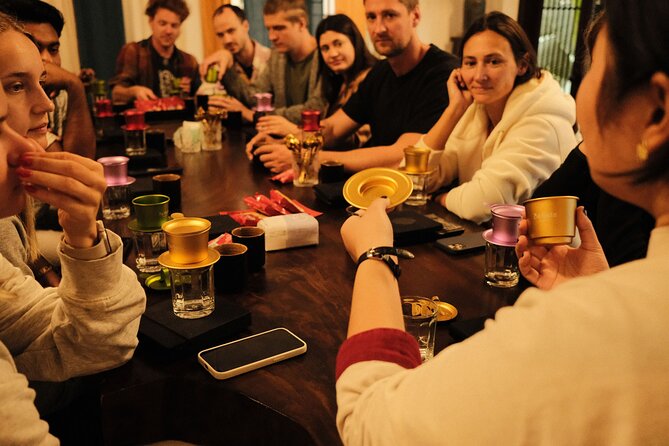
If you came for the famous drinks, this workshop delivers. You’ll sample and brew styles including:
- Egg coffee (ca phe trung)
- Salt coffee
- Coconut coffee
- A Brown coffee style
- A Coffee Cocktail made with local jam and wine
The big practical lesson with these is how Vietnamese cafes build a drink body, not just a caffeine hit. For example, egg coffee is known for its creamy foam texture. Salt coffee plays with the balance between saltiness and sweetness, which can make the coffee taste rounder. Coconut coffee brings a different kind of aroma, and it can shift how the roast reads in your cup.
What I like about learning multiple styles back-to-back is that your taste buds recalibrate in a useful way. You stop treating everything as “coffee with milk.” You start noticing roast cues, sweetness behavior, and how foam or added ingredients change the overall structure of the drink.
Also, the class supports dietary needs. If you’re vegan or have restrictions, you can be accommodated, so you’re not stuck watching someone else make a drink you can’t eat.
A host-led lesson with real personalities
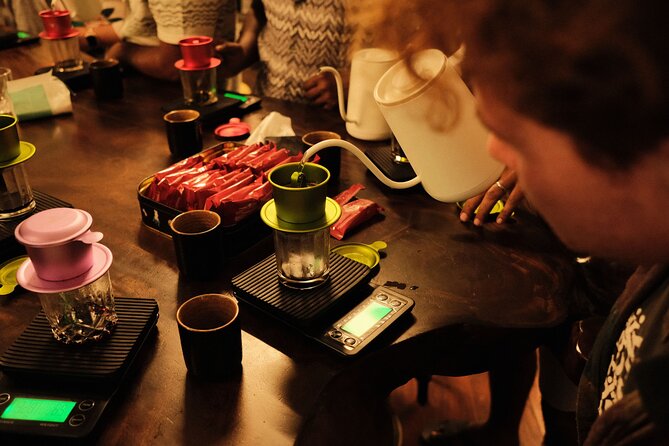
A lot of workshops end up feeling scripted. This one tends to feel more like a friendly class because the instructors stay involved.
In past sessions, instructors have included people like Val, Lin, Luka, Giang, and Valerie. Across those names, the pattern is clear: they explain the coffee history and technique, they keep things organized, and they encourage questions. One solo traveler vibe also shows up: people feel comfortable in the group because the host involves attendees in the steps instead of running a lecture.
That’s helpful for you if you’re nervous about speaking up. The class structure builds in participation, so you don’t have to force your way into the conversation.
More Hanoi tours and experiences for the shortlist
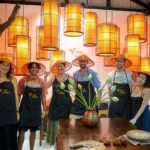
Snacks, ginger tea, and what you’ll drink along the way
Before you start brewing, you’ll be welcomed with snacks plus a herbal ginger root and peach tea. That sounds small, but it’s smart timing. Coffee tasting can get intense fast, especially with multiple styles. The tea helps you reset your palate between brews.
You’ll also get a bonus tasting of homemade rice wine made by the hosts. This isn’t just a random extra. It fits the workshop theme of drinks as part of everyday Vietnamese life. Still, keep in mind it’s alcohol, so if you’re not drinking, you might ask in advance what the tasting includes and how you can handle it.
The last drink portion includes a coffee cocktail using local jam and wine. Even if you’re not a cocktail person, you’ll probably learn something from this. It shows how Vietnamese coffee flavor can be used in mixed drinks, not only served hot or as foam-topped coffee.
Equipment provided: why that matters more than you think
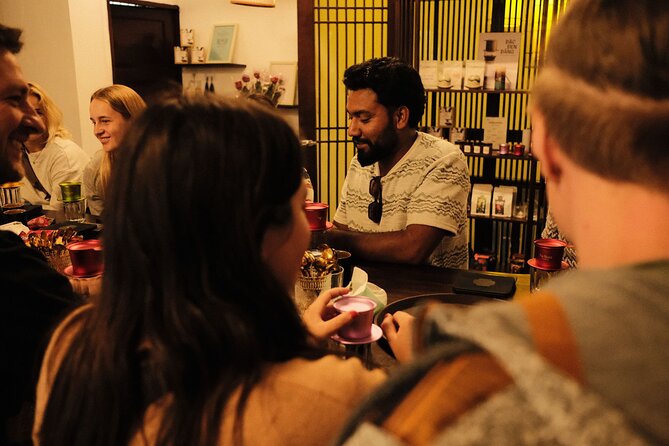
A surprising number of coffee classes fail the moment you try to replicate the cup at home. You get a souvenir cup, not a skill.
Here, you get the gear: filters and grinders, plus everything needed to make the brews correctly. That matters because Vietnamese brewing is sensitive to details like grind size, filter contact, and how you manage the brew flow.
When the host sets you up with the same tools they’re using, you’re learning the method, not just learning the idea.
You also receive a recipe book so you can make the brews you learned anywhere you go. That’s one of the best take-home parts of this workshop because it turns your Hanoi souvenir into an ongoing coffee project.
If you like a hands-on learning style, this is the kind of class where you’ll feel you can actually repeat the results, not just remember the taste.
What you take home: recipes, digital coffee books, and optional certificate

You’ll leave with more than memories. You get both a physical recipe book and free digital copies of coffee books related to your workshop. That’s handy because you can revisit the methods right after the trip, while the flavor details are still fresh.
You can also request a professional certificate. That’s not always a big deal for most people, but it’s a nice extra for students, coffee hobbyists, or anyone who likes having proof of completion.
There’s also practical support for continuing at home. Some sessions emphasize that the roastery and coffee products are available for purchase, so you can buy what you need to try again without hunting around later.
Price and value: is $16 for 3.5 hours a good deal?
At $16 per person for about 3 hours 30 minutes, this workshop is priced like a bargain compared to many paid food and drink experiences in Hanoi.
Here’s why it feels like good value. You’re not paying for one drink. You’re paying for:
- multiple coffee styles to taste and brew yourself
- included brewing tools like filters and grinders
- snacks plus ginger root and peach tea
- a bonus homemade rice wine tasting
- recipe materials you can use after you get home
- optional digital coffee books
The price also stays appealing because it avoids extra costs you might expect, like buying a ticket plus paying for equipment or paying separately for learning materials.
The main trade-off is time. This is a real 3.5 hour block. If you only want a quick cup to go, you might choose a café instead. But if you want to understand Vietnamese coffee culture and taste several signature drinks, the $16 price feels fair.
Logistics that make it easy for first-time visitors
A few practical bits make this simpler than you might expect:
- Hotel pick-up and drop-off is offered within the Old Quarter area
- It’s near public transportation, so you can also arrive on your own
- You’ll likely receive confirmation at booking time
- It uses a mobile ticket
- Service animals are allowed
- Maximum group size is capped at 100 travelers
None of this is flashy, but these details matter because you want your coffee lesson to be smooth. When a tour starts on time, you waste less energy and you get more time to brew and taste.
Who should book this Hanoi coffee workshop
This workshop is a great match if:
- you love coffee and want a technique you can repeat at home
- you want to try iconic drinks like egg coffee, salt coffee, and coconut coffee
- you travel with dietary restrictions, since vegan options can be accommodated
- you’re visiting Hanoi for a short time and want one structured coffee experience
- you’re a solo traveler who wants a class environment where you can participate without feeling awkward
It’s also surprisingly good for non-coffee drinkers. The structure helps you enjoy it as a Vietnamese food and drink culture lesson. You still taste coffee, but the host guidance and the multiple drink styles can make it fun even if you do not usually order coffee.
Things to watch for, so you enjoy every cup
One consideration: you’ll be tasting several different coffees and related drinks in one session. If you’re sensitive to caffeine or alcohol, plan to go easy. You can control your pace, and you should treat this as a single featured food moment, not something to stack with multiple later tastings.
Another point to keep in mind is bean choice and how it’s presented. Some coffee brands and tours can over-sell certain beans, and part of the value of this workshop is that it explains coffee choices in context. If you care about bean quality debates, ask the instructor questions while you’re there. That’s usually the fastest way to get a balanced answer.
Should you book the Hanoi coffee workshop at Local Beans Roastery?
If you want a hands-on Hanoi coffee experience with iconic drinks, included equipment, and real take-home recipes, I’d book it. The price is strong for what you get: multiple brewing sessions, snacks and tea, a rice wine bonus, and written materials to keep practicing.
Book it especially if you’re staying in the Old Quarter and want hotel pickup. It’s also a great use of an early morning or rainy day, since coffee tasting and brewing works perfectly in a calm roastery setting.
Skip it only if you want a quick drink with zero learning. This is a class, and the best moments happen when you participate.
FAQ
How long is the Hanoi Coffee Workshop?
The workshop lasts about 3 hours 30 minutes.
How much does the workshop cost?
It costs $16.00 per person.
Where does the workshop start?
The meeting point is Local Beans Roastery, No. 75/173 Hoang Hoa Tham Street, Ngoc Ha Ward, Ba Dinh, Hanoi 100000, Vietnam.
Is hotel pick-up and drop-off included?
Hotel pick-up and drop-off is available within the Old Quarter area.
What coffees are included in the tasting and brewing?
You’ll taste and brew a set of Vietnamese coffees, including phin-brewed coffee and styles such as Brown, Salt, Egg, and Coconut, plus a coffee cocktail made with local jam and wine.
Can vegan travelers or people with dietary restrictions join?
Yes. Vegan travelers and those with dietary restrictions can be accommodated.
Are recipes included to take home?
Yes. You get a recipe book, plus free digital copies of coffee books related to the workshop.
More Workshops & Classes in Hanoi
More Coffee Experiences in Hanoi

More Tour Reviews in Hanoi





Not for you? Here's more nearby things to do in Hanoi we have reviewed








More Hanoi City Tours to consider.
 ★ 5.0Hanoi Jeep Tour: Food, Culture and Fun by Vietnam Army JeepTickets from $5515,222 traveller reviews
 ★ 5.0Full-Day Ninh Binh Highlights Tour from HanoiTickets from $797,761 traveller reviews
 ★ 4.7Ha Long Bay Day Cruise – Swimming, Meal, KayakingTickets from $417,415 traveller reviews
 ★ 4.6Water Puppet Show TicketsTickets from $77,029 traveller reviews
 ★ 5.0Hanoi Motorbike Tour: Food, Culture and Fun by Vintage MotorbikeTickets from $556,699 traveller reviews
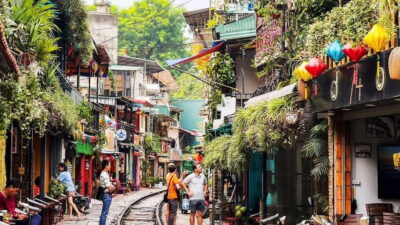 ★ 4.9Guided Food Tour with Train Street VisitTickets from $196,239 traveller reviews
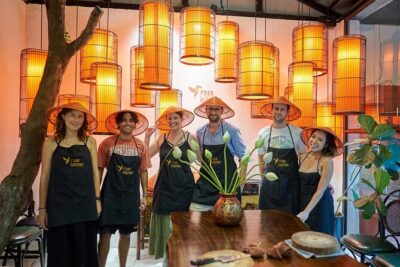 ★ 5.0Hanoi Cooking Class: Culture, Local Market & Meaning CSR ImpactTickets from $395,147 traveller reviews
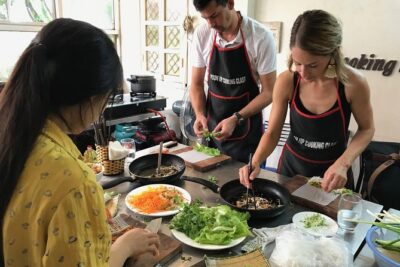 ★ 5.05 Traditional Dishes Hanoi Cooking Class with Market TripTickets from $354,890 traveller reviews
More useful Hanoi routes