
Review · HANOI CITY TOURS
Hanoi Coffee Workshop: Master 6 Signature Vietnamese Coffee
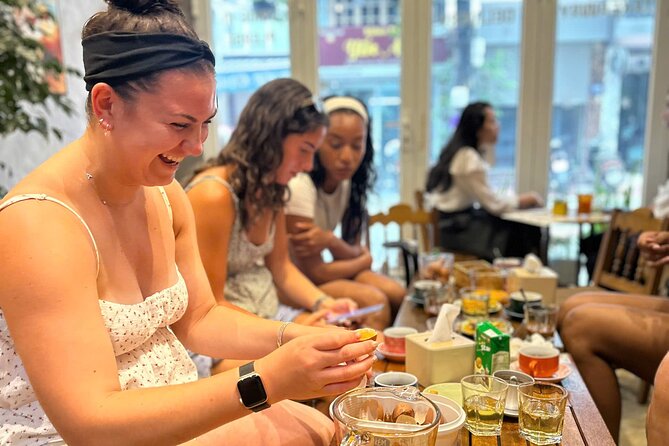
A few sips in, you get the point of Vietnamese coffee. In Hanoi, I love how this workshop turns coffee into a hands-on, flavor-focused lesson, not a lecture. Small groups and a lived-in local setup keep the experience personal, and you actually make and taste multiple classics. One possible drawback: since it runs about 2 hours, you will learn a lot, but you might wish you had more time to repeat and perfect your technique.
I also like the way the instructor teaches the why, not just the how. You taste, adjust, whisk, and learn how locals manage bitterness and sweetness without needing fancy gadgets. The recipes you get at the end help you recreate the drinks later, even if your kitchen setup is simple.
Key Things You Should Know Before You Go
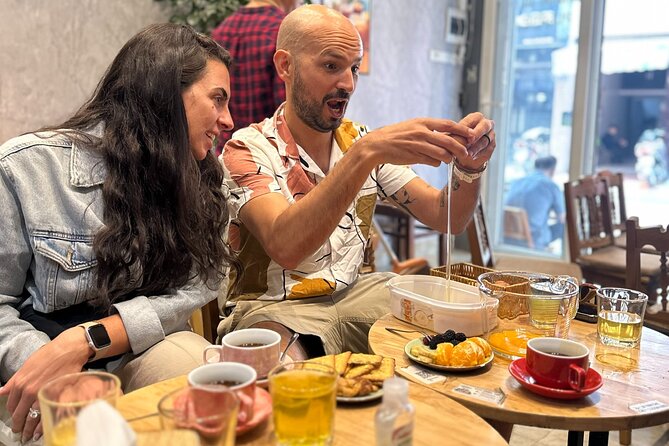
- Small group, max 8 people: you get attention while you brew and taste.
- Make 4 to 6 Vietnamese coffees: black, brown, egg, white, coconut, and salted.
- Hands-on tasting and adjusting: you will tweak flavor, not just follow steps.
- Fresh daily ingredients: eggs, milk, and coconut are prepared fresh, not pre-made.
- Recipes included for home: you leave with the formulas and extra guidance.
- Comfort and clean tools: air conditioning, dishwasher, and sterilized utensils.
Why Vietnamese Coffee Works, and What This Workshop Teaches
Vietnamese coffee is not just strong coffee. It is a balancing act, built on roast, grind, and the way sweetness and texture are handled. This workshop starts with that mindset. You are not memorizing a recipe. You are learning how to taste, how to adjust, and how to make the final cup feel right.
I like that the instruction focuses on the lived coffee culture of Hanoi. The guidance comes from locals raised in coffee culture, and the explanations connect flavor to daily habits. That matters because you will stop thinking of Vietnamese coffee as a fixed formula. Instead, you learn how locals taste, adjust, and enjoy it in real life.
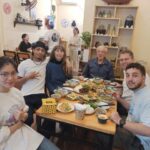
You also get a clear structure for what you are doing. Over about two hours, you will brew, whisk, taste, and refine. You do not feel rushed, and because the group stays small, you can ask questions while you are actually making the drinks.
More Hanoi tours and experiences for the shortlist

The Hanoi Setting at 34 P. Cầu Đất and How the 2 Hours Flow
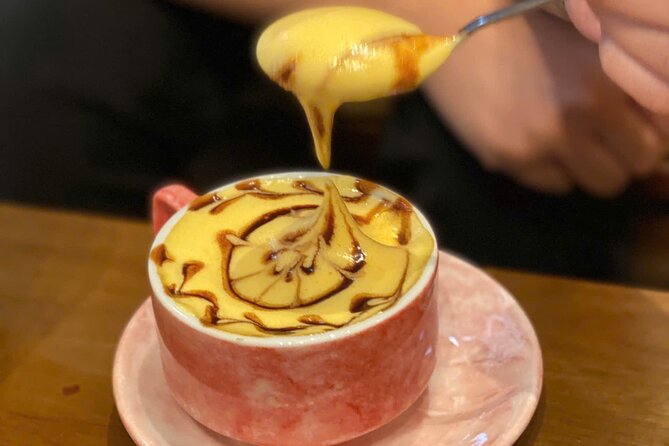
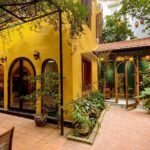
The workshop meets at 34 P. Cầu Đất, Chương Dương Độ, Hoàn Kiếm, Hà Nội. From there, the experience ends back at the meeting point. It is designed for an intimate bar-style setup, and the vibe is deliberately local rather than staged for tourists.
Here is what that means in practice:
- You work with ceramic tools and fresh ingredients that are being handled during the session.
- You get access to tools at the bar if you want to explore more as you go.
- You are in air conditioning, which is a big deal in Hanoi when it is hot.
Also, the organizer keeps it capped at 8 travelers. That helps because this kind of workshop depends on feedback. When you can actually be corrected while you brew, you learn faster.
If you are hoping for a passive experience where you sit back and just watch, this may feel like a lot of participation. But if you want to learn by doing, the schedule makes sense: you taste, make, adjust, and move on to the next signature coffee.
Your Six Coffees: Black, Brown, Egg, White, Coconut, and Salted
This is the real heart of the workshop. The title says master 6 signature Vietnamese coffees, and the experience is built around making 4 to 6 iconic styles during the session. The exact mix can vary, but the core lineup is clearly set: black, brown, egg, white, coconut, and salted.
You will do more than taste them once. The workshop is set up so you brew and then adjust as you go. That is where the skill is. Vietnamese coffee often hinges on how you control bitterness and sweetness, plus how you build texture.
Black and Brown Coffee
Black and brown are your foundation. You get a feel for how strength and roast characters come through, and how sweetness can soften edge without hiding the coffee. This is where you learn practical balancing. If your coffee tastes too bitter at home, you will understand what lever to pull.
Egg Coffee (Trứng)
Egg coffee is a signature Vietnamese treat for a reason. You will learn how to whisk and build the creamy topping, then bring it together with the coffee base. The focus is not fancy theater. It is technique and texture, and how to make it taste like the versions you like, not just like a generic recipe.
More Hanoi tours and experiences for the shortlist

White Coffee and Coconut Coffee
White coffee leans into a milder, creamier style. Coconut adds fragrance and richness, and the workshop explains how to keep that flavor from overpowering the coffee. You get taught how locals taste and adjust for what feels right in the cup.
Salted Coffee
Salted coffee sounds simple until you try it and realize it is not just salt sprinkled on top. It is about dialing flavor contrast so the coffee still tastes like coffee. You will practice adjustments rather than copying blindly.
One useful takeaway from the way the workshop is taught: you will learn that you can make each coffee taste better at home without turning your kitchen into a specialty coffee lab.
Fresh Ingredients and Central Highlands Coffee That Changes With the Year
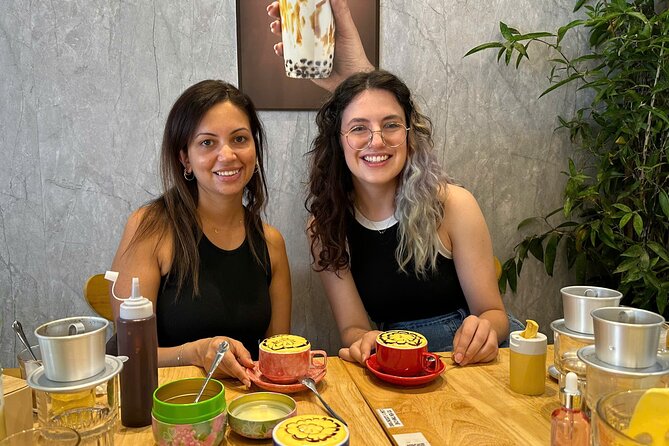
A big part of getting Vietnamese coffee right is ingredient quality, and this workshop treats that seriously. Vietnamese specialty coffee is used, and the beans are sourced from Vietnam’s Central Highlands. The session also acknowledges that coffee changes through the year due to harvest and season.
That matters because your goal is not only to make a drink today. You want to understand why coffee flavor shifts, so you can adjust when you buy beans at home.
On top of the coffee itself, the workshop uses fresh daily ingredients for the creamy and flavored styles. You will see and use ingredients like eggs, milk, and coconut, prepared fresh for the class. The guidance also stresses that nothing is pre-made or artificial.
Why this is valuable to you: when you recreate coffee at home later, you will understand what should taste fresh and what should taste balanced. If you have ever made a recipe and felt it tasted flat, the problem is usually ingredient freshness and technique. Here, you get both.
The Bar Playground Idea, Plus Clean Tools and Comfort
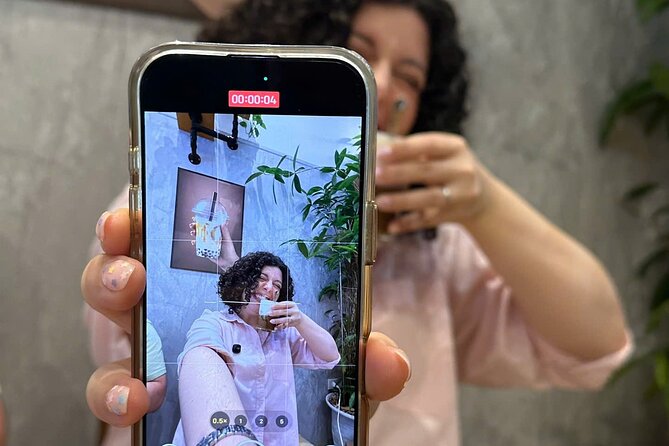
The workshop keeps things open. You are welcome to explore the bar setup while you learn. You will have access to the tools used in the recipes, and if you want to ask about extra methods or small adjustments, the instructors are there in the moment.
Comfort is built in too:
- Air conditioning
- Dishwasher and sterilized utensils
- A pet-friendly garden space
If you are traveling with a pet, that detail is not small. It can be the difference between finding a comfortable stop and skipping something good.
Also, service animals are allowed, and the meeting point is near public transportation. So you are not forced into a complicated schedule.
Instructors Who Teach the Why, Including Jade and Jennifer

What makes this workshop work is the teaching style. You learn from a local instructor raised in coffee culture, with instruction built around tasting experience and explanation. The workshop approach is that your instructor is sharing why each coffee tastes the way it does and what it says about local life.
The names Jade and Jennifer show up in the instructor experience people mention after the class. So if you see either name in your confirmation or assigned guide, you are in good hands.
The way the stories flow matters. You are not hearing random trivia. You get stories tied to Hanoi coffee culture, including references to city life and older coffee spots. That helps you see the coffee in context, not just as a drink.
And there is a practical extra: a photographer is included, and the photographer is your instructor. That means you are not dealing with awkward self-timed shots. You can focus on learning while the photos get handled.
Home Brewing Tips That Actually Travel With You
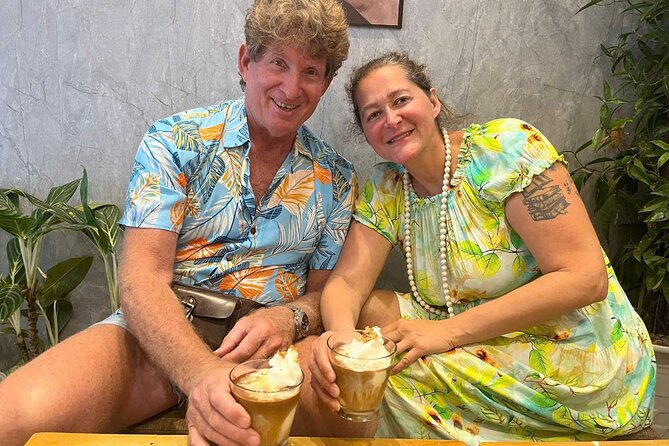
This is the part I think matters most for your money. You are paying for coffee, yes, but the real value is the ability to make these drinks after you go back home.
The workshop emphasizes:
- How locals balance bitterness
- How to control flavor so it tastes like you want
- How to make coffee taste better at home without fancy equipment
- Clear explanations with easy substitutions so the recipe is usable later
You also learn with personalization in mind. Recipes are described as adjustable, so they can be sweeter or bolder while staying true to the original character of each coffee. That is huge if you are the type of person who likes stronger coffee, or the type who prefers it smoother.
You will also leave with full recipes and more, which makes it easier to repeat the drinks. You can treat the workshop like a one-time lesson and keep the results at home, not just a fun afternoon.
Price and Value Check: Is $18.20 Worth It?
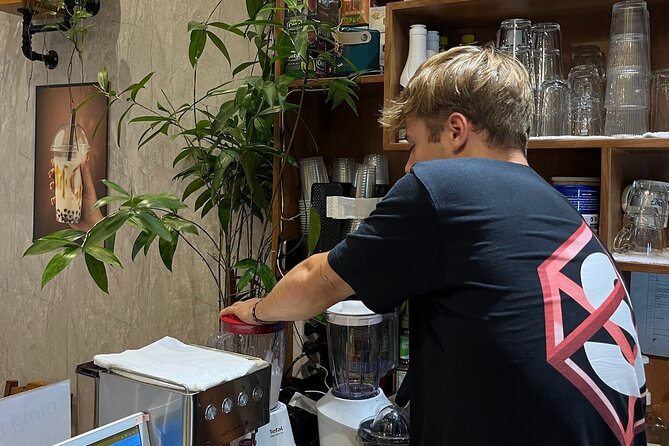
At $18.20 per person for about 2 hours, the value is strong if you care about more than just sampling.
Here is why:
- You make 4 to 6 signature Vietnamese coffees, not just one or two tastings.
- You get full recipes and extra guidance, which is the part you can use later.
- Tools and ingredient work are included, including fresh daily ingredients and access to bar tools.
- You get comfort and cleanliness support (air conditioning, sterilized utensils).
- You also get instructor-led photography.
Could it be a bargain because it is “only two hours”? Yes, but that is also the point. Two hours is long enough to learn technique and do multiple drinks, but not so long that you lose focus. For most coffee lovers, it is the sweet spot.
If you are a super-experienced specialty coffee nerd looking for deep theory on brew ratios and equipment specs, you might still want more time or more advanced sessions. But for learning how to make Vietnamese classics taste right, this price looks fair.
Who Should Book This Workshop, and Who Might Want Another Option
Book it if:
- You love coffee and want hands-on instruction, not just tasting.
- You want to learn Vietnamese coffee culture through technique and stories.
- You like recipes that include practical substitutions for home.
- You want a small group experience with room for questions.
Skip it or consider something else if:
- You hate hands-on activities and prefer passive tours.
- You only want to drink and not learn how to adjust flavor.
- You are time-limited enough that 2 hours feels tight.
It is a good fit for solo travelers who want social energy without big-group chaos. It also works well for couples and friends who enjoy food and drink activities with a shared goal.
Should You Book the Hanoi Coffee Workshop?
If you like the idea of learning how Vietnamese coffee gets its personality, I would book this. You get a small-group, hands-on session where you make multiple signature drinks, then leave with recipes you can actually use. The fresh ingredients, the practical flavor balancing tips, and the calm instruction style make it feel like a skill-building class, not a quick stop.
The only real reason not to book is if you want a passive experience or you are looking for a deeper technical class than what fits into two hours. Otherwise, this is a smart use of time in Hanoi, especially if you want your next cup at home to taste like you know what you are doing.
FAQ
How long is the Hanoi Coffee Workshop?
The experience runs for about 2 hours.
How much does it cost?
It costs $18.20 per person.
Where does the workshop start?
The meeting point is 34 P. Cầu Đất, Chương Dương Độ, Hoàn Kiếm, Hà Nội, Vietnam. The activity ends back at the meeting point.
How many people are in the group?
The workshop has a maximum of 8 travelers.
What Vietnamese coffees will I learn to make?
You will make 4 to 6 iconic Vietnamese coffees, including black, brown, egg, white, coconut, and salted.
What is included in the price?
Included: full recipes and more, a passionate local instructor, photography by your instructor, warm-hearted local elders, air conditioning, dishwasher and sterilized utensils, pet-friendly garden space, and tools available at the bar if you want to explore.
Is tipping included?
Tips are not included.
Can I get a refund if I cancel?
Yes. Free cancellation is available up to 24 hours in advance for a full refund. Within 24 hours of the start time, there is no refund.
More Workshops & Classes in Hanoi
More Coffee Experiences in Hanoi
More Tour Reviews in Hanoi





Not for you? Here's more nearby things to do in Hanoi we have reviewed











More Hanoi City Tours to consider.
 ★ 5.0Hanoi Jeep Tour: Food, Culture and Fun by Vietnam Army JeepTickets from $5515,222 traveller reviews
 ★ 5.0Full-Day Ninh Binh Highlights Tour from HanoiTickets from $797,761 traveller reviews
 ★ 4.7Ha Long Bay Day Cruise – Swimming, Meal, KayakingTickets from $417,415 traveller reviews
 ★ 4.6Water Puppet Show TicketsTickets from $77,029 traveller reviews
 ★ 5.0Hanoi Motorbike Tour: Food, Culture and Fun by Vintage MotorbikeTickets from $556,699 traveller reviews
 ★ 4.9Guided Food Tour with Train Street VisitTickets from $196,239 traveller reviews
 ★ 5.0Hanoi Cooking Class: Culture, Local Market & Meaning CSR ImpactTickets from $395,147 traveller reviews
 ★ 5.05 Traditional Dishes Hanoi Cooking Class with Market TripTickets from $354,890 traveller reviews
More useful Hanoi routes