
Review · HIKING & TREKKING
Trekking Through Rice Terraced Fields – 1Day
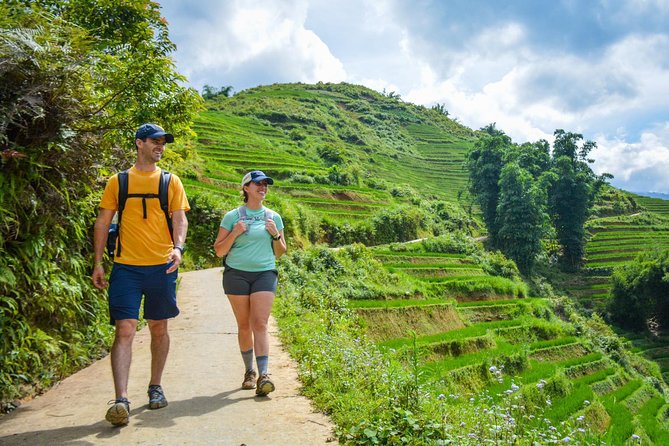
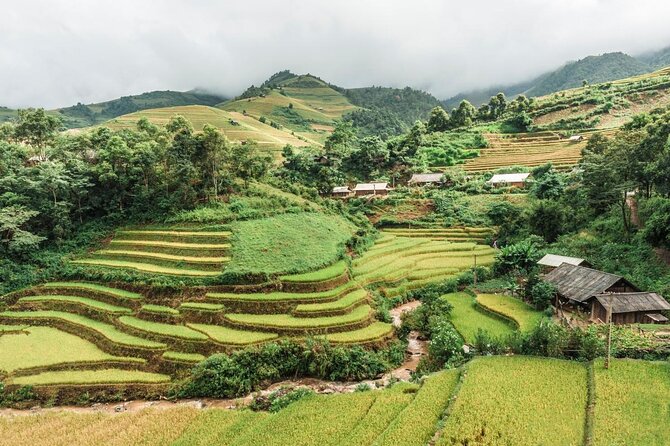
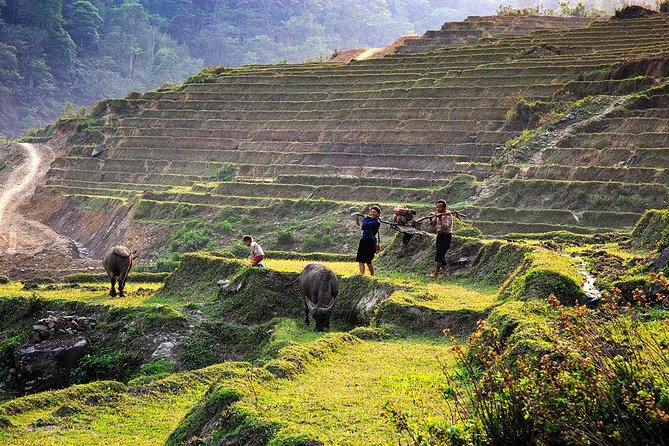
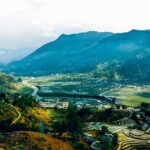
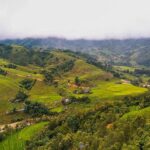
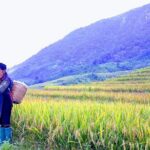
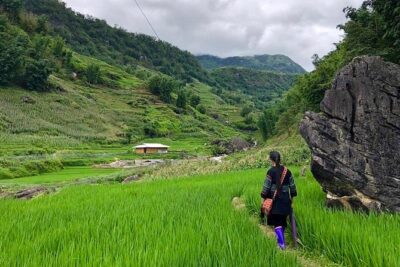
Rice terraces get serious in Sapa. This one-day hike threads through Hmong and Giay villages while you walk among stepped paddies and mountain valleys, with a guide who can explain what you’re seeing in real time. I especially like the small group size (maximum 15), and the fact that your meal and village entry fees are folded into the price.
Here’s the main drawback to plan around: it can feel like work. Expect moderate fitness and some steep muddy sections, and it is not a good match if you need easy walking or mobility support.
Key things to know before you go
- Small-group tour (max 15): easier conversations with your guide and more space on the trail
- Village hopping, not just scenery: you visit Y Linh Ho, Lao Chải, and Ta Van
- A proper meal is included: lunch is local food plus bottled water
- Footing matters: wet conditions can make steps slippery, so bring grippy shoes
- You’ll learn village life details: guides often explain rice work, houses, and customs
- Transport back to Sapa is included: you do not finish the day with an extra headache
Why a one-day rice terrace trek makes sense in Sapa
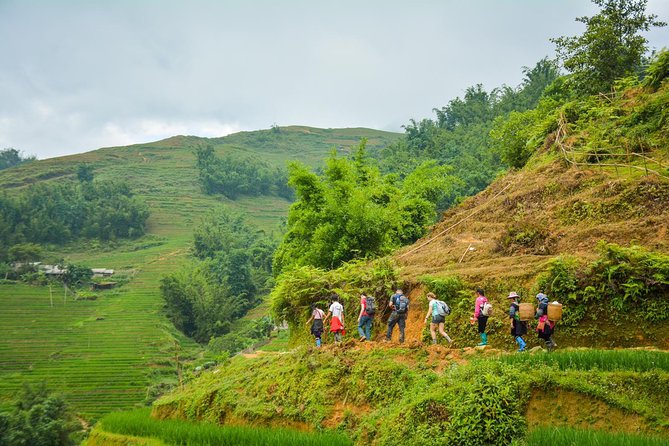
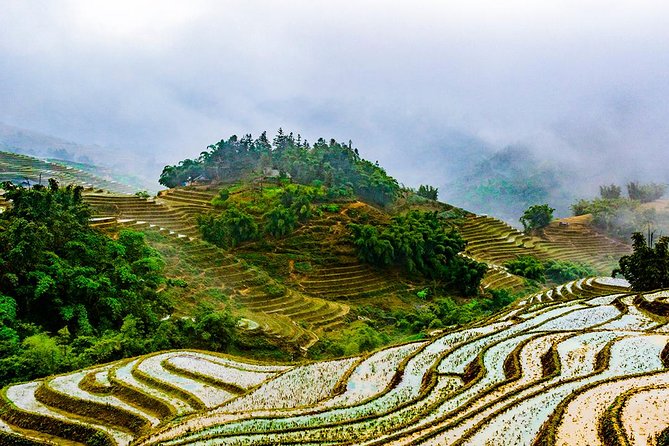
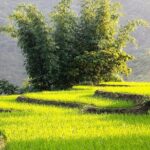
Sapa is famous for its stepped rice terraces, but you can see paddies from the road and still miss the point. This kind of route gets you onto the footpaths where terraces actually change shape with the slope, and where you notice the rhythm of farm life.
I like how this tour blends the views with village stops. You are not just collecting photos, you’re building context for what you’re walking past.
You can also read our reviews of more hiking tours in Sapa

Route overview, timing, and how hard it feels
This is a 5 to 6 hour trekking experience, starting in the morning. The start time is listed as 9:30 am, and the day ends back at the meeting point, with transport back to Sapa included.
How strenuous is it? People report anywhere from a moderate climb to a tougher effort, including mentions of roughly 12 km. The key is that you should bring moderate physical fitness and assume there will be uphill bits and uneven, sometimes muddy ground.
Price and value: is $45 fair for what you get?
At $45 per person, this is priced like a budget-friendly half-day-to-full-day adventure, not a luxury private guide. The value comes from the package: lunch, one small bottle of water per person, village entry fees, and transport back to Sapa are all included.
For many hikers, that’s the real win. You show up, you eat well mid-day, you don’t have to figure out tickets for each stop, and you’re not stranded when your legs are done doing math.
Small group comfort and pickup convenience
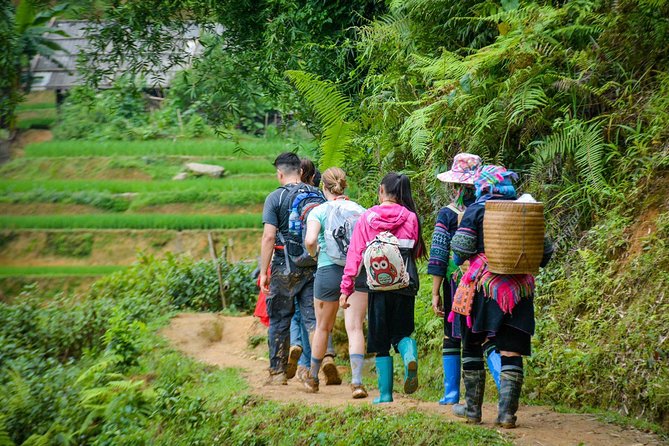
This tour keeps groups small, up to 15 travelers, so you get more than the usual hand-waving at each village gate. You also have options for pickup, since the tour offers pickup and the guide can meet you in Sapa Town or near the main church.
And because there is a mobile ticket, you spend less time fussing and more time moving.
Stop 1: Y Linh Ho, starting with Hmong village life
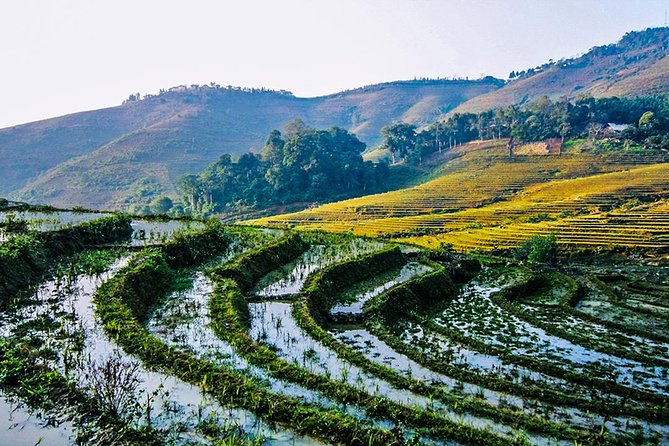
Your first stop is Y Linh Ho village. The schedule lists this segment at about 2 hours, and it includes admission.
This is a great place to begin because it sets the tone. You start walking, then you start understanding how the terraces and the village work together. Many guides on this route focus on everyday topics like rice field work, house-building techniques, and local customs, so your first village stop often feels like the orientation you actually need.
Also watch for the way your guide frames what you see. Good guidance here helps later stops feel more meaningful, not just like a repeat of the same viewpoint.

Stop 2: Lao Chải and the Black Hmong community
After the break, you head to Lao Chải, a village associated with the Black Hmong. This stop is also listed at about 2 hours, and it includes admission.
This segment is where you’ll likely notice differences in daily life and local tradition from one community area to another. The tour description also emphasizes learning about cultural customs, work, and household skills, and several guides on this route are known for answering questions clearly.
One practical thing to expect: village paths can be narrow and uneven. You’ll want patience, not speed, because the pace is part of the experience.
Stop 3: Ta Van village and meeting the Giay minority
Then you continue to Ta Van village, where you meet the Giay minority. The Ta Van stop is shorter, listed at about 1 hour with admission included, and it’s often described as the handoff moment before you head back toward the vehicle.
This is a strong spot for learning. The tour focuses on differences between ethnic minority groups in Sapa, so you’re not just changing locations, you’re comparing how communities live.
If you like your travel to include real conversations, this is where your guide’s explanations can make the rest of the hike click.
Lunch with local food, plus water you’ll actually use

Lunch is included and described as local foods with vegetables, meat, and a vegetarian option. Bottled water is included as well, listed as one small bottle per person.
I like this setup because trekking days often fail at the meal stage, either too basic or too overpriced. Here, lunch is part of the plan, so you can budget energy and stay focused on the walk.
Bring an extra snack only if you know you get hungry. The tour includes water for the day, but it does not list additional drinks at the restaurant, and extra drinks are not included.
Your guide matters, and it shows in the reviews
The best part of this tour for many people is the guide relationship. Names mentioned in past experiences include Chu, Sang, Vang, Mai, Du, Me, Dom, and Lo Chi Sang.
Across those guide experiences, the common thread is simple: when your guide explains rice cultivation, village life, and customs as you walk, the hike becomes something more than walking through scenery. One family-friendly comment even points out that the guide was patient with kids, which matters on a route where attention spans can hit low battery fast.
A fair consideration: not every guide style lands the same for every person. If you want heavy explanation without prompting, ask questions early and keep a short list in mind, like how the rice fields work seasonally or how homes are built.
Footwear and the mud test
This tour is the kind where your shoes will make or break your day. Multiple people recommend good grippy footwear because paths can be muddy and slippery.
Here’s my practical advice:
- Wear shoes with tread, not smooth sneakers
- Expect wet patches, especially in the rainy seasons
- If you bring boots, make sure they are comfortable for hours of downhill steps
Your legs will complain either way. Good traction just makes the complaint more dignified.
What you might see along the way (and why it counts)
This is not an empty trail. You may see farm animals such as oxen, ducks, and chickens while you pass through working areas near the terraces. Even if you only spot a few, it adds realism. You’re walking through agriculture, not a theme park.
You might also notice everyday village trade. One tip that comes up is that kids may try to sell small handmade items like bags or key rings. It’s normal. If you want souvenirs, this is a good place to buy directly. If you do not, a polite no keeps things smooth.
Getting transport back to Sapa, without dragging the day out
Transport back to Sapa is included. That’s a big deal on a trekking day, because the finish line still matters even when the walk is the point.
Some people even described walking back longer after reaching a point where a car was an option, because they were close to their homestay and felt like continuing on foot. That flexibility depends on the situation and the group pace, but the key takeaway is this: you have a plan for the end of the day, not a guessing game.
Who should book this trek, and who should skip it
This tour fits best if you want:
- Famous rice terrace views plus real village stops
- A cultural guide who answers questions as you walk
- A day that feels active but still manageable within half to full-day time
It’s less ideal if:
- You have mobility limitations or need very easy walking
- You dislike climbs and rough, muddy terrain
Families can sometimes do it too, since some past experiences mention kids joining successfully. Still, I’d treat it as a hike, not a casual stroll.
Practical tips to make the day smoother
A few things help across almost every walking day in Sapa:
- Start hydrated, and take your water early, not only at the end
- Wear grippy shoes and consider trekking socks if it’s damp
- Keep cash handy for small purchases, since village items are often sold directly
- Bring a light layer, mountain weather can shift even on the same day
And one small mindset shift: don’t try to power through every section. The value is in noticing how terraces and houses relate to the slope, and how each stop shows a different slice of community life.
Should you book this one-day trek?
If you have just one day in Sapa and you want the terraces plus village culture, I think this is an easy yes. The included lunch, village entry fees, and transport back add up, and the small-group size makes the guide interaction more natural.
If you’re easily overwhelmed by steep, muddy walking, or you need very accessible routes, you should probably look for an easier option. This trek rewards steady walkers, and it lets you experience the real rhythm of Sapa’s rice country instead of only seeing it from above.
FAQ
What is the duration of the Trekking Through Rice Terraced Fields tour?
It lasts about 5 to 6 hours.
What time does the tour start, and where does it meet?
The listed start time is 9:30 am. The meeting location is at Trekking Tour Sapa, 09 Thác Bạc, TT. Sa Pa, Sa Pa, Lào Cai, Vietnam, and the tour ends back at the meeting point.
Does the tour include pickup and transport back to Sapa?
Yes, pickup is offered, and transport back to Sapa is included.
What’s included in the price?
The tour includes local lunch, bottled water (one small bottle per person), village entry fees, and transport back to Sapa.
Is the tour physically demanding?
The tour is described as requiring moderate physical fitness. It also includes reviews noting it is not suitable for people with mobility issues, so it is best for those who can handle uneven and sometimes slippery ground.
Can I cancel and get a full refund?
Yes. You can cancel up to 24 hours in advance for a full refund. If you cancel within 24 hours of the start time, the amount is not refunded.
More Hiking & Trekking Tours in Sapa

More Tour Reviews in Sapa
Not for you? Here's more nearby things to do in Sapa we have reviewed
More Hiking & Trekking to consider.
 ★ 5.0Halong Bay Full Day with Kayaking, Hiking viewpoint, Cave – Deluxe To LuxuryTickets from $38884 traveller reviews
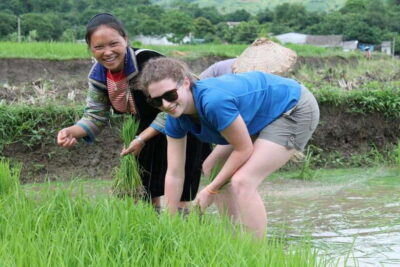 ★ 4.6Sa Pa: Muong Hoa Valley Trek and Local Ethnic VillagesTickets from $23864 traveller reviews
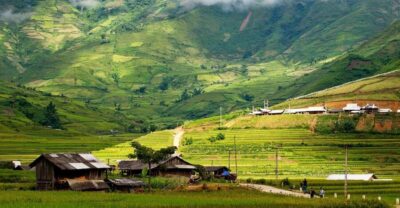 ★ 4.8From Hanoi: 2-Day Sapa Trekking Trip with Homestay & MealsTickets from $71704 traveller reviews
 ★ 5.0Sapa 3 Days 2 Nights Trekking Tour (1 Night In Ta Van Village, 1 Night In Hotel)Tickets from $139699 traveller reviews
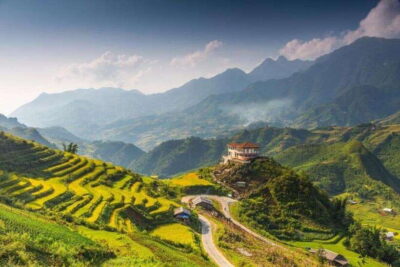 ★ 4.9Sapa: Eco Adventure Terrace Fields and Local Villages TrekTickets from $27636 traveller reviews
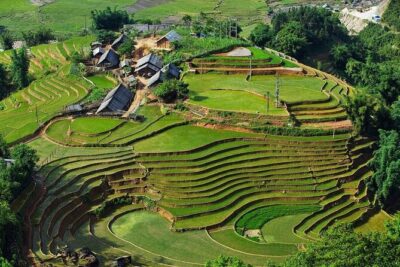 ★ 5.03-Day Trekking Adventure of Sapa from Hanoi – Stay Ta Van VillageTickets from $109611 traveller reviews
3D and 2N Lan Ha Bay Cat Ba Island Kayaking & Trekking with VegaTickets from $365593 traveller reviews
★ 5.03-Day Trekking Adventure of Sapa from Hanoi – Stay Ta Van VillageTickets from $109611 traveller reviews
3D and 2N Lan Ha Bay Cat Ba Island Kayaking & Trekking with VegaTickets from $365593 traveller reviews
 ★ 5.0Number one top rated ethical cultural trekking and homestay by ETHOSTickets from $93456 traveller reviews
More useful Hanoi routes