
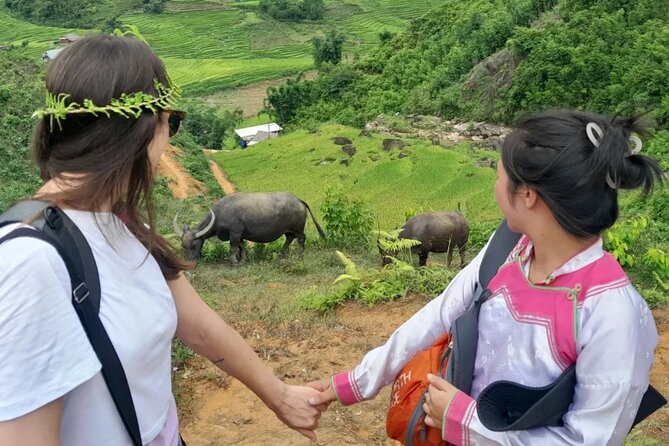
Review · SAPA TREKKING TOURS
Sapa trekking 2 days small group
Sapa trekking feels like stepping into everyday mountain life. This 2 day small group hike in and around Muong Hoa valley mixes village visits with a real homestay night, plus the kind of guide-led walking that makes the scenery feel personal instead of just pretty. I especially like how the route moves village to village instead of looping back the same way, so each stop gives you a new rhythm and a new view.
Two things I really liked: the small group size (up to 15) keeps the pace friendly, and the guide help can be excellent. In multiple trips with this format, guides like Lily or Lulu are mentioned as careful, upbeat, and quick to answer questions, which matters when you are walking in rice-field hills and want to understand what you are seeing. One possible drawback to plan for is the homestay comfort. One note I’d take seriously is that the homestay space can feel small, even if the food and the experience are still good.
Key highlights you’ll actually feel on the trek
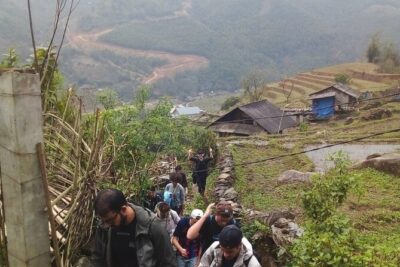
- Muong Hoa valley village-to-village route with multiple ethnic minority communities along the way
- Homestay night in Ta Van with time to talk and eat with a local family
- Guide support that can be very attentive, with guides named Lily and Lulu standing out in the experience
- Included meals and water (breakfast, dinner, 2 lunches, and 1.5 L water per day) so you are not constantly budgeting on the trail
- Manageable pacing for many people, with a full 2 days instead of one super long day
Why this Sapa 2 day homestay trek works so well
This is the kind of Sapa trek that makes sense if you want more than a photo walk. The route is built around villages in Muong Hoa valley, so you keep meeting people, seeing terraces, and learning the daily life logic of the region. You also get an overnight in Ta Van, which is the difference between a sightseeing hike and a lived-in experience.
I like that the itinerary is spread across two days. It gives you time to walk, stop, eat, and still feel human at night. And because this is a small group format, you are less likely to feel swept along like a number.
Also, you are not starting from a random trailhead and guessing the story. Pickup from Sapa town and a guide meeting you at the start sets you up with context right away. Even if you only catch bits of local names and customs, you’ll still understand the main idea: the terraces and valleys shape where people farm, how they gather, and what they build their lives around.
You can also read our reviews of more hiking tours in Sapa
Price and value: what $80 gets you in real terms
At $80 per person for about 2 days, you are paying for more than walking. Your money covers:
- Accommodation for 1 night
- Dinner plus breakfast
- Two lunches
- Water, 1.5 L per day
- A local guide and planned village stops
- Pickup from Sapa town and return transport after the second day
That bundle matters in Sapa. If you were trying to assemble this yourself, you would spend time finding homestays, negotiating meals, and arranging transport for a route that links multiple villages. Here, it’s packaged into one clean plan with mobile ticket convenience.
The main value question is what you want most. If you want a strenuous challenge, this is likely not built for that. If you want an authentic cultural hike with real logistics handled, this is usually strong value for the money.
Pickup, group size, and pacing in Sapa town
You start with pickup in Sapa town around 08:00 to 08:30. That reduces the stress of figuring out meeting points on a busy morning. Once you meet your guide, you’ll get a quick start briefing and then head out toward the Muong Hoa valley villages.
The group cap is up to 15 travelers, which is a sweet spot for a trek like this. You get company for the journey, but you are not walking in a giant crowd that forces constant stopping and reassembly. On hills and narrow paths, smaller groups feel calmer and easier to manage.
Timing is also helpful. Day 1 begins with trekking right after the initial drive out of town. Day 2 ends back at the main road near Su Pan, where the car collects you and brings you back to your accommodation in Sapa town. That means you are not scrambling for a last taxi after two long days on foot.
Day 1 route: Y Linh Ho, Lao Chai, and Ta Van rice terraces
Day 1 is where the trek earns its keep. You gradually move from Sapa town into the valley, meeting different villages and getting a sense of how the region is laid out.
Sapa meeting and start
From about 08:00 to 08:30, pickup brings you into the starting rhythm. You meet the local guide at the meeting point in Sapa town. The guide also gives you the basics you need before stepping into trekking mode.
This matters more than it sounds. When paths split or weather shifts, a guide’s “this way and why” beats guesswork.
More Hanoi tours and experiences for the shortlist
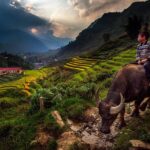
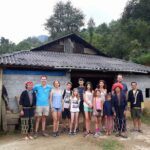
Y Linh Ho village (Black H’mong)
From roughly 08:30 to 09:00, you begin trekking from Sapa town toward Y Linh Ho village, associated with the Black H’mong people. This is your first cultural stop, and it’s set up as an early introduction to local life and culture.
A practical note: start slow here. The first segment can feel like it has energy, but it sets the tempo for the rest of the day.
Lao Chai village and Muong Hoa valley views
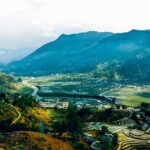
Between around 10:30 and 11:00, you continue to Lao Chai village, another Black H’mong community. You’ll cross a small bridge to enter the Muong Hoa valley area and enjoy the peaceful mountain-and-rice scenery that comes with that change of terrain.
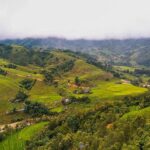
This section is where you start recognizing the pattern of terraces and settlements. Even if you only understand a small part of the explanation, you’ll “get it” visually.
Lunch in or near Lao Chai
Lunch happens around 12:00 to 12:30 at a local food spot in Lao Chai near the river. You can also choose a picnic-style lunch on the uphill if the day’s mood suits you better.
Two things to know:
- You are eating locally, so expect simple, hearty meals rather than fancy restaurant standards.
- If you are the type who likes to wander right after eating, bring that energy here. The lunch is a mid-day checkpoint that refreshes you for the second half of the walk.
Ta Van village and the Giáy people
Around 13:30 to 14:00, you walk to Ta Van village. This is tied to the Giáy people, and the timing lines up with big terrace views. After lunch, you continue trekking about 3 km to arrive at Ta Van.
For many people, Ta Van is where the trek stops feeling like a route and starts feeling like a place. It’s the calm before the homestay night.
Arrival and homestay overnight
By around 15:30, you arrive at the local homestay in Ta Van for one night. After a day of hiking, you get time to relax, then talk with the family and others in the homestay setting.
This is one of the most memorable parts of the itinerary because it’s not just seeing village life. You’re sharing a space and eating with people as part of the day’s plan.
Homestay night in Ta Van: what to expect and how to enjoy it
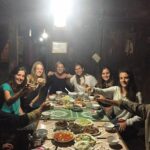
The homestay component is the heart of this tour. The goal is to share daily life, not just sleep somewhere for convenience. You’ll have dinner included, and the evening includes time to sit and talk.
What I think works best is going in with a simple mindset:
- You are not chasing luxury. You are chasing connection and context.
- Ask questions during the quiet moments. Even basic curiosity goes a long way.
- Be open to the family rhythm, since your schedule is shaped around their home life.
One consideration I’d flag based on the kind of feedback this format can generate: homestay space might be modest. In one case, the homestay was described as smaller than expected, even though the food was still enjoyable and the overall trip worked well. That doesn’t mean it will be cramped for everyone, but it does mean you should pack realistic expectations.
If you want a smoother night, focus on what you can control: bring a light layer for the evening air, keep your essentials organized, and treat this as a cultural sleepover rather than a hotel stop.
Day 2: Muong Hoa valley viewpoints, Giang Ta Chai, and Su Pan pickup
Day 2 starts with breakfast, then a morning walk from Ta Van around 08:30 to 09:00. You follow the local trail to see the Muong Hoa valley from a higher vantage point. That’s one of those “slow down and look” moments. The walk is still active, but the payoff is the wider view.
Then you trek toward Giang Ta Chai village, connected to the Red Dao people. Between about 12:00 and 13:00, lunch is at a local home with Red Dao-style food and mountain scenery from the surrounding area.
Lunch with Red Dao families
Lunch is a key part of Day 2, and not only for the food. Eating in the home setting is where you understand that the trek is a cultural path, not just a sightseeing loop.
This is also where I’d suggest being patient with yourself. You’ve already done a full hiking day. Day 2 is still active, but it’s built to keep the story going without dragging you back into an exhausting marathon.
Go up the hill, then finish near Su Pan
After lunch, around 13:00, you go up the hill toward Su Pan. By around 14:30, you finish the trip at the main road near Su Pan village, and the car picks you up to return to your accommodation in Sapa town.
That end point is practical. You get closure without needing to figure out transportation on your own after your second day on foot.
How hard is the trek, and what you should pack
This experience is listed as suitable for most travelers, and it is generally described as not overly challenging for many people. That said, it is still a mountain trek with hours of walking and steep-ish steps typical of terrace regions.
You should plan for:
- Good walking shoes with grip (wet stone and dirt happen)
- A light rain layer, just in case
- A hat and sunscreen for terrace and valley exposure
- Small daypack for water and personal items
- Something warm for the homestay evening
Water is included at 1.5 L per day, and you also get breakfast and dinner, so you’re not carrying everything. Still, bring a small personal stash like snacks if you know you get hungry between meals.
If you are sensitive to altitude effects, steep terrain, or long time on your feet, go slower than you think you need to on Day 1. The route is paced with breaks and meals, but your body will set the true tempo.
Guides, meals, and the “small moments” that make it feel real
A big reason people remember this kind of trek is the guide. In this tour style, guides like Lily and Lulu are noted for being professional, careful, and cheerful. That shows up in small ways: you’re not just herded forward, you get answers, and you feel looked after on paths and transitions.
Meals are also part of the value. You get:
- Lunch twice, once on Day 1 near Lao Chai and once on Day 2 with a local home in the Red Dao area
- Dinner and breakfast
- Water daily
That means you can spend your mental energy on the walking and talking instead of tracking every purchase. It also helps you keep the experience authentic. Local meals are included by design, so you’re not stuck making do with convenience food once the trek begins.
If you want to get more out of the evening homestay time, come ready to participate. Simple questions like how farming fits the seasons, or what daily routines look like, can turn a quiet night into a meaningful conversation.
Potential downsides: homestay comfort and mountain weather
No trek is perfect, and the two main “watch outs” here are pretty normal for Sapa.
First is homestay comfort. Space and setup can vary. One experience noted a homestay that was smaller than hoped, even though the food and overall vibe still delivered. If you are coming from hotels and want extra privacy or room to spread out, temper expectations and treat it as a home visit.
Second is weather. The schedule is set, but mountain trekking can change with rain, fog, or slippery paths. The itinerary is structured for two full days, so you still get the experience even if conditions shift. The best approach is flexible clothing and careful shoes.
Who should book this Sapa trekking 2 days small group?
Book it if you:
- Want a cultural trek, not just a view hunt
- Like the idea of sleeping in a local homestay in Ta Van
- Prefer a small group setting for easier pacing and questions
- Want meals and water handled, not something you piece together yourself
Skip it if you:
- Need hotel-level comfort and lots of space
- Want a very athletic, nonstop challenge
- Hate the idea of eating simpler local food in village homes
Should you book Saparis Horizon Travel’s 2 day Sapa homestay trek?
My take: this is a strong pick for first-timers to Sapa who want more than selfies. The route links multiple villages in Muong Hoa valley, and the homestay night turns the trek into a genuine taste of local life.
If you come with realistic expectations for homestay space, comfortable shoes, and curiosity, you’ll likely love how the two days unfold. If comfort is your top priority, treat this as a cultural stay, not a hotel replacement.
If you’re deciding between “one day” and “two days,” choose two. One night gives the experience weight, and it makes the whole trip feel like a real rhythm instead of a fast pass.
FAQ
How long is the Sapa trekking 2 days small group tour?
It runs for about 2 days.
What is the starting pickup time in Sapa town?
Pickup is offered around 08:00 to 08:30 in Sapa town.
How many people are in the group?
The tour has a maximum of 15 travelers.
What meals are included?
Dinner, breakfast, and lunch twice are included.
Is water included during the trek?
Yes, 1.5 L of water per day is included.
Where is the overnight stay?
You overnight for 1 night at a local homestay or local house in Ta Van.
What time does the tour end on Day 2?
It finishes around 14:30 at the main road near Su Pan, then the car returns you to your accommodation in Sapa town.
Does the tour include a mobile ticket?
Yes, you receive a mobile ticket.
Are tips included in the price?
No, tips are not included.
Can I get a full refund if I cancel?
Yes, free cancellation is available if you cancel at least 24 hours in advance of the start time.
More 2-Day Experiences in Sapa
More Hiking & Trekking Tours in Sapa

More Tour Reviews in Sapa

Not for you? Here's more nearby things to do in Sapa we have reviewed





More Sapa Trekking Tours to consider.
 ★ 5.0Sapa 2 Days 1 Night From Hanoi – Overnight in Ta Van VillageTickets from $592,669 traveller reviews
 ★ 5.0Hanoi – Sapa 2 Days 1 Night Overnight At HomestayTickets from $89899 traveller reviews
 ★ 4.6Sa Pa: Muong Hoa Valley Trek and Local Ethnic VillagesTickets from $23864 traveller reviews
 ★ 5.0Sapa: Fansipan Cable, Cat Cat Village & Moana Instagram TourTickets from $30777 traveller reviews
 ★ 4.8From Hanoi: 2-Day Sapa Trekking Trip with Homestay & MealsTickets from $71704 traveller reviews
 ★ 5.0Sapa 3 Days 2 Nights Trekking Tour (1 Night In Ta Van Village, 1 Night In Hotel)Tickets from $139699 traveller reviews
 ★ 4.9Sapa: Eco Adventure Terrace Fields and Local Villages TrekTickets from $27636 traveller reviews
 ★ 5.03-Day Trekking Adventure of Sapa from Hanoi – Stay Ta Van VillageTickets from $109611 traveller reviews
More useful Hanoi routes