
Review · SAPA TREKKING TOURS
Sapa Trekking Tour Full Day
Sapa trekking gets real fast, and this one is well run. You go with a small group and a local H’Mông or Dao guide who explains daily life and customs in plain, firsthand terms, not just a scripted lesson. I also love that this is built for comfort and photos, with pacing adjusted for your fitness and lots of room for rest stops. One thing to consider, though, is that the trails can turn very muddy and slippery, especially after rain.
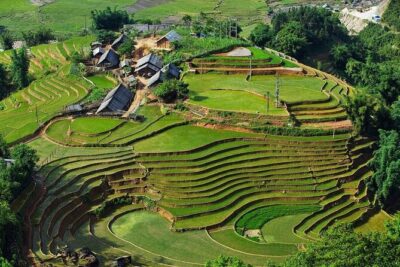
The highlights come in layers. You’ll pass through multiple villages around the Muong Hoa Valley, then work your way up to a top viewpoint for panoramic views of terraced fields and the Hoang Lien Son Range, a true cloud-hunting moment when weather cooperates. You also get a flexible route, so the day can shift a bit to match what your group wants to do (photo time, extra short stops, and similar tweaks).
This is not a sit-around tour. It’s a hike day with a moderate fitness level and real ground under your feet, so plan on stable shoes. If you’re worried about slipping, pack gum boots or waterproof footwear, because multiple guide feedback notes the mud can be serious.
Key things that make this Sapa full-day trek worth your time
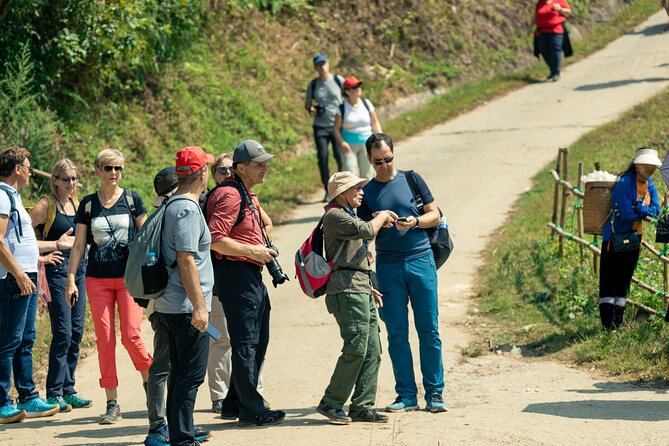
- Small groups capped at 12 means you’re not stuck in a cattle-line pace.
- Local H’Mông or Dao guiding turns village stops into practical cultural conversations.
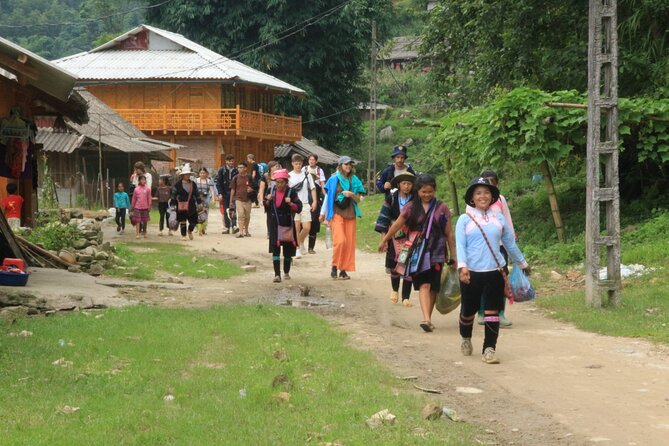
- Village-to-village route includes Y Linh Ho, Lao Chải, and Ta Van for a fuller Sapa picture.
- Muong Hoa Valley viewpoints at the day’s high point give you terraced-field and mountain-range views.
- Lunch and sightseeing tickets included, which keeps the day good value at $24.17.
The real appeal of a one-day Sapa trek (not just a long walk)
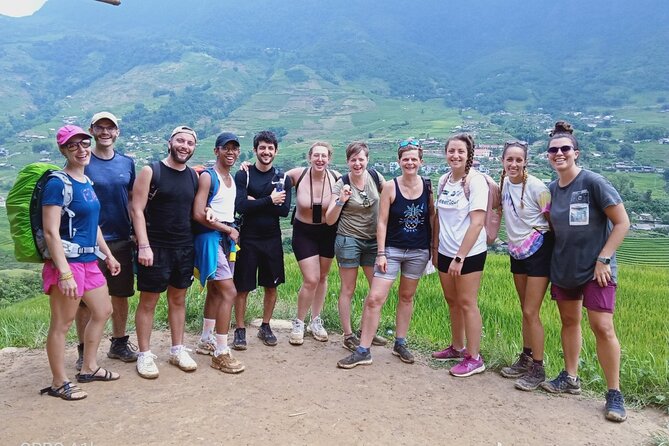
Sapa trekking works best when it feels human, not rushed. This tour is designed around short-group hiking with on-the-ground local guidance, so you spend more time learning and less time trying to figure things out on your own. For many people, that’s the difference between a nice day outside and a day that actually sticks with you.
I like that you get the core Sapa experience without needing to sleep in the mountains. The route connects village life and scenery across the Muong Hoa Valley, then brings you to a high point for panoramic views of terraced fields and the Hoang Lien Son Range. Even if you’re only in Sapa for a short stay, it’s a strong way to use your limited time.
The day is also flexible. Your guide can adjust optional stops and the route based on what the group prefers, which helps if you’re there for photos, slower walking, or you just want to keep things comfortable.
You can also read our reviews of more hiking tours in Sapa
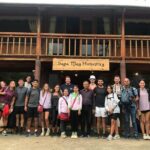
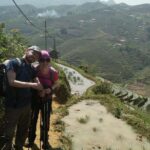
Pickup, meeting point, and how the day starts smoothly
The day begins with pickup in the town center. If you have luggage, you can leave it at the Sapa Retreat Condotel meeting point, then head out for the trek. The start is set for 8:00 to 8:30, so you’re not stuck waiting around late morning.
The meeting point is at Sapa Retreat Condotel, 03 Hoàng Liên, TT. Sa Pa, Sa Pa, Lào Cai 333100, Vietnam. The tour ends back at the meeting point, so you don’t have to worry about being dropped somewhere far from your base.
This matters more than it sounds. In Sapa, morning timing can affect trail conditions and how much daylight you get for viewpoints. A clean pickup and an organized return keeps the day from turning into “where are we going now?” time.
Stop-by-stop: what you’ll actually do on the trek
Y Linh Ho Village: the first village stop with time to look around
Your first main stop is Y Linh Ho Village, about a 2-hour visit. This is where you begin the village experience in a way that feels grounded, not like a quick photo stop. You’ll also be walking along the valley, with terraced fields, streams, and the Hoang Lien Son mountain setting shaping what you see right away.
A practical win here is the timing. A longer first village block helps you get comfortable with the day, meet your guide, and settle into the hiking rhythm before the terrain gets more serious.
Possible drawback: because this part is outdoors and you’re moving, it can be harder to fully enjoy it if you arrive stiff or under-prepared for wet ground. If you’re sensitive to cold or rain, plan layers early.
Moving through Muong Hoa Valley: the ethnic mosaic along the route
As you trek, you pass through the Muong Hoa Valley, an area home to multiple ethnic minority groups including H’Mông, Red Dao, Tay, and Giay. You’re not just seeing scenery, you’re seeing how different groups express identity through clothing, food, language, and customs.
This is one of the tour’s strongest “value moments.” A guided route is often what turns a collection of villages into a coherent story. Your guide handles the context so you can focus on what matters, faces, routines, and how people live with the valley and mountains.
What to watch for: villages and viewpoints are visual, but the guide’s cultural explanations are usually the best part. If your plan is only photos, you might miss half the experience.
More Hanoi tours and experiences for the shortlist

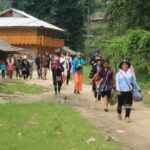
Lao Chải Village: the stream-side feel and valley views
Next up is Lao Chải Village, reached after passing through the Muong Hoa Valley. The route description highlights a small, clear stream that runs by the village, with mountains and terraced views surrounding the area.
This stop tends to feel scenic and calm. Even without a long explanation at every second, the setting helps you slow down. For many people, it’s a good moment to take a breather, adjust your footwear after wet stretches, and refocus on the day ahead.
Possible drawback: the stream-side and valley areas often mean damp ground. If you’re not in waterproof footwear, expect your socks or shoes to take a hit.
Ta Van Village by lunchtime: a strong cultural finish
Around 12:30, the tour arrives at Ta Van Village. Ta Van is home to several groups including H’Mông, Dao, Giáy, and Tày, and most people live through farming, livestock raising, and rice cultivation. Ta Van is also described as attractive for its setting, which is why it’s a popular stopping point.
Lunch is part of the included package, and it’s typically where the day starts to feel like a true meal break instead of a fast snack. If you care about eating what people nearby actually eat, this is usually your best window.
There’s also a useful rhythm here. You’ve already learned the valley story at earlier stops, and then lunch gives you a natural time to process it, ask questions, and enjoy the scenery around you.
The day’s high point: terraced fields, Hoang Lien Son, and cloud-hunting
The tour’s overview mentions a high viewpoint during the trek, with panoramic views of the Muong Hoa Valley, terraced fields, and the Hoàng Liên Sơn Range. This is the part that makes a “full day” trek worth it, because it’s where you see how the valley’s shape controls everything, farming, travel routes, and village placement.
Weather can change how spectacular it feels. When clouds hang in and mist rolls over the ridges, it can look almost layered and dramatic. When the sky clears, terraced patterns can look crisp and detailed.
Practical tip: treat this like a photo mission with patience. Bring an extra layer, because high points can feel cooler and breezier than village areas lower down.
Guide impact: what you should expect from H’Mông and Dao hosting
The tour is led by an on-site H’Mông or Dao guide, and the big selling point is cultural exchange through real-life storytelling. In the feedback, guide names like Ms Su, Maucha, and Mao Co (Mao Cô) show up repeatedly, and the consistent theme is that the guide’s English (when relevant to your group) and friendliness strongly shape the day.
You should expect your guide to do two jobs at once. First, they keep the route moving safely through trails that can be uneven and wet. Second, they connect what you’re seeing to how people live, farm, and celebrate.
If you’re the type who asks questions, you’ll probably have a great time. If you’re quiet and just want scenery, you’ll still get something, but you’ll get more if you let the guide talk a bit.
Trekking conditions in Sapa: plan for mud, not miracles
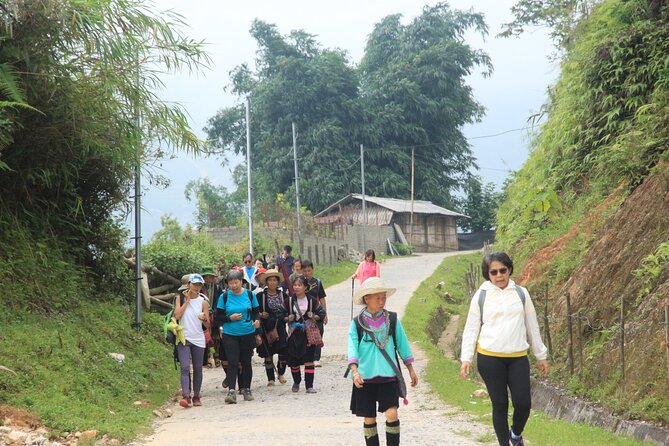
One of the most repeated practical notes from real experiences is that paths can be extremely muddy, especially after rain. People reported slipping and needing help, and others specifically recommended gum boots. That doesn’t mean the tour is unsafe or poorly run, it means Sapa terrain is wet terrain and good footwear matters.
Here’s what I’d do to avoid a stressful day:
- Wear shoes or boots with grip and waterproofing.
- Bring a spare pair of socks if you’re the type to get cold easily.
- Pack a small towel or wipes for muddy hands and legs after village walks.
This is the kind of tour where being prepared keeps the mood high. Without the right shoes, you might spend the day thinking about your feet instead of the view.
What’s included, what’s not, and how to budget in real life
You’ll get lunch, a tour guide, sightseeing tickets, insurance, and pickup and drop-off at a central hotel. The tour also includes a mobile ticket, and group discounts are mentioned in the tour details.
Drinks are not included. At $24.17 per person, the tour is priced like a value trek where the big costs are bundled, but water and beverages still fall on you. If you drink a lot, set aside a small budget for drinks so you’re not scrambling mid-hike.
At this price point, I see the value in three places:
- Lunch is included, so your food spend stays predictable.
- Tickets and insurance are included, reducing surprise charges.
- Pickup and guide time are built in, which matters when you’re not renting a motorbike.
Who this tour suits best (and who might want a different plan)
This is a moderate fitness trek. If you can comfortably walk for hours and handle uneven ground, you’re in the right zone. The group size is capped at 12 travelers, which usually makes the pace feel more personal than bigger group tours.
It’s especially good for:
- People who want to see multiple ethnic village areas in one day.
- Travelers who like learning from a local guide, not just sightseeing.
- Anyone staying in or near Sapa town and looking for a full experience without an overnight trek.
It might be less ideal if:
- You hate slippery surfaces and are not willing to wear proper footwear.
- You want a very relaxed, flat walk with no risk of uneven trail.
A practical packing and timing checklist for your comfort
You don’t need to overpack, but you do need smart items. Since drinks aren’t included, bring water capacity (like a refill bottle) and have a backup plan for buying beverages. For rain and mud, think waterproof first, stylish last.
A few small ideas that help:
- Bring a rain jacket or poncho that covers your back and keeps you warm if mist hits.
- Wear quick-dry layers, because you might get damp even if it doesn’t rain hard.
- Keep your phone and charger protected, since you’ll be walking through wet, muddy areas.
Also, plan your morning mindset. Starting around 8:00 to 8:30 means you’ll feel more energized early, but you’ll also be walking when the ground is at its wettest.
How to make the most of the flexible route
Flexibility is part of what this tour sells, but you have to use it. If you care about photos, ask your guide for photo breaks at reasonable spots during the village and valley portions. If you’re a slower walker, tell them early so they can adjust pacing and rest stops.
I also recommend you ask questions during quieter times, not only when you’re moving fast. In village settings, a calm moment often brings the best conversation, and your guide can connect what you’re seeing to daily routines like farming and livestock raising.
Should you book the Sapa Trekking Tour Full Day?
Book it if you want a one-day trek that combines village culture, valley scenery, and a real guide experience, with lunch and hotel pickup included in the price. The small group cap of 12 is a big plus, and the viewpoint at the top gives you the kind of payoff most people come to Sapa for.
Skip or reconsider if you’re not comfortable with muddy, slippery trails and you’re unwilling to wear grip-heavy waterproof footwear. This is a hike day, not an easy stroll, and Sapa weather can turn trails fast.
If you match the fitness level and pack smart, this is one of the more straightforward value ways to experience Sapa beyond the town center.
FAQ
Is lunch included on this Sapa full-day trekking tour?
Yes. Lunch is included as part of the tour, and you arrive at Ta Van Village around 12:30, where lunch is typically part of the schedule.
How long is the tour?
The duration is listed as about 6 hours.
Where does the tour start, and do I get dropped back off?
The tour starts at the Sapa Retreat Condotel (03 Hoàng Liên, TT. Sa Pa). The activity ends back at the same meeting point.
Do I need tickets for the sights?
Sightseeing tickets are included.
What should I bring for muddy trekking conditions?
The tour info notes moderate physical fitness, and real feedback points out that paths can be very muddy. Bring appropriate footwear, and many people suggest gum boots or waterproof, grippy shoes.
Are drinks included?
No. Drinks are not included.
How big is the group?
The tour has a maximum of 12 travelers per tour.
What fitness level is required?
Travelers should have a moderate physical fitness level.
Is cancellation free if plans change?
Free cancellation is available. You can cancel up to 24 hours in advance for a full refund.
More Hiking & Trekking Tours in Sapa


More Tours in Sapa

More Tour Reviews in Sapa

Not for you? Here's more nearby things to do in Sapa we have reviewed





More Sapa Trekking Tours to consider.
 ★ 5.0Sapa 2 Days 1 Night From Hanoi – Overnight in Ta Van VillageTickets from $592,669 traveller reviews
 ★ 5.0Hanoi – Sapa 2 Days 1 Night Overnight At HomestayTickets from $89899 traveller reviews
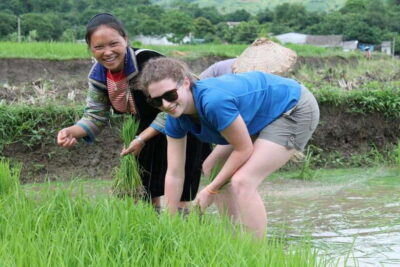 ★ 4.6Sa Pa: Muong Hoa Valley Trek and Local Ethnic VillagesTickets from $23864 traveller reviews
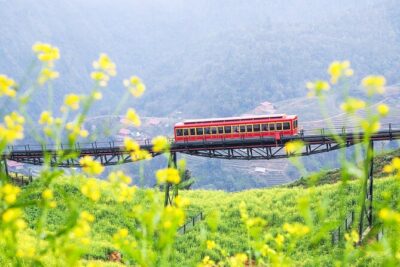 ★ 5.0Sapa: Fansipan Cable, Cat Cat Village & Moana Instagram TourTickets from $30777 traveller reviews
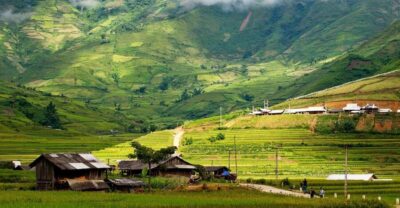 ★ 4.8From Hanoi: 2-Day Sapa Trekking Trip with Homestay & MealsTickets from $71704 traveller reviews
 ★ 5.0Sapa 3 Days 2 Nights Trekking Tour (1 Night In Ta Van Village, 1 Night In Hotel)Tickets from $139699 traveller reviews
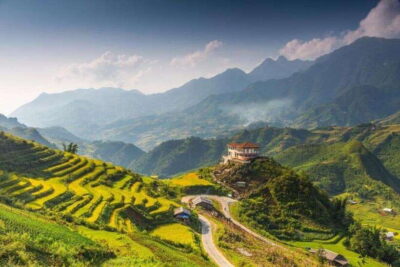 ★ 4.9Sapa: Eco Adventure Terrace Fields and Local Villages TrekTickets from $27636 traveller reviews
 ★ 5.03-Day Trekking Adventure of Sapa from Hanoi – Stay Ta Van VillageTickets from $109611 traveller reviews
More useful Hanoi routes