
Review · HANOI CITY TOURS
Morning Run Through Historic Hanoi – 12K Signature Route
A dawn run in Hanoi feels like time travel. This 12K route strings together classic landmarks and war-era sites, guided by a team that knows how to keep the pace fun and the stories clear. I especially liked the small-group size (it makes asking questions easy) and the calm-before-heat feel at Hoan Kiem Lake, where locals practice tai chi and morning exercises. The only real catch is the 6:00 am start time, so plan to be up and moving early.
OneTrip With Local sends an English-speaking guide and keeps the group tight, with a maximum of 10 people. In one experience style, Cong even bikes behind the group to help control traffic during the run, which matters in a city where you are constantly sharing space with scooters. Another guide, Kien, is praised for museum storytelling that makes the Vietnam War-era artifacts feel understandable, not just distant.
If you want a sightseeing walk that mixes urban scenes with serious context, this hits a good balance. If you are not comfortable with a moderate fitness level or a brisk morning pace, you might find the running portions a bit demanding, even though you do stop often to look around.
Key things to know before you go
6:00 am start to beat the crowds
You finish at Train Street with time to experience it before the main rush.
Small group pacing, max 10
It is built for questions and real conversation, not headcount herding.
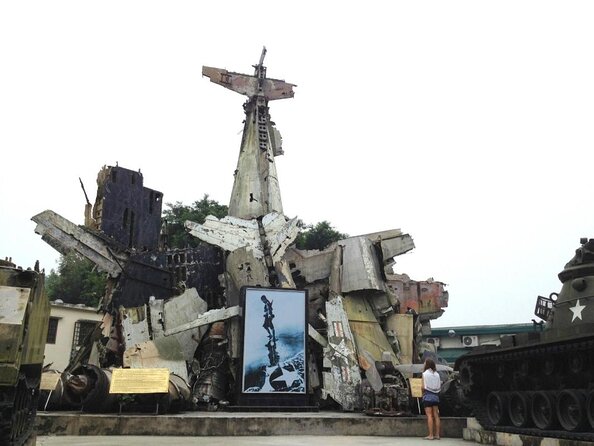
Two military-focused stops in the mix
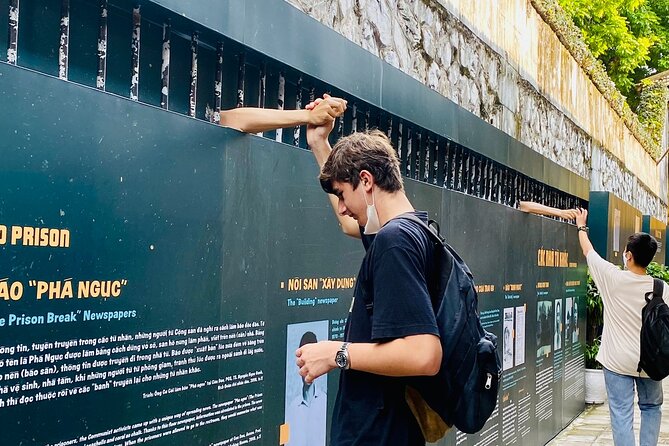
Vietnam Military History Museum and Hoa Lo Prison are central to the experience.
City landmarks every few minutes
Expect quick, meaningful pauses at iconic Hanoi scenes, not long bus rides.
Guide support for safety in traffic
Cong’s behind-the-group bike approach is a practical help during the run.
Moored in everyday Hanoi
Flower market calm, lakeside breathing space, and daily life right by the tracks.
Why a 6:00 am 12K run makes sense in Hanoi
Hanoi at sunrise has a different mood. The air tends to be cooler, the streets feel more manageable, and you can actually notice details before the day turns noisy. This tour leans into that. You start at 6:00 am, which is early enough to skip much of the heat and many of the late-morning tour groups.
The pace is also the point. You are not just standing in line somewhere. You are walking and running through a linked chain of neighborhoods and landmarks, so your brain gets to map the city as you go. When the guide keeps explanations short and focused, you get context without the feeling you are stuck in a lecture. In particular, museum storytelling is a standout when guides like Kien explain what you are seeing and why it matters.
One more practical angle: Hanoi traffic is real. A run tour can sound risky on paper, but this style has guide support, including Cong biking behind to help block traffic. That is the kind of detail that makes the experience feel smoother in real life.
You can also read our reviews of more historical tours in Hanoi
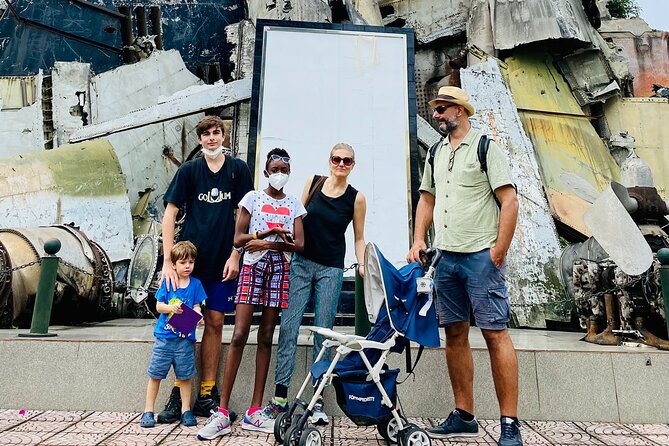
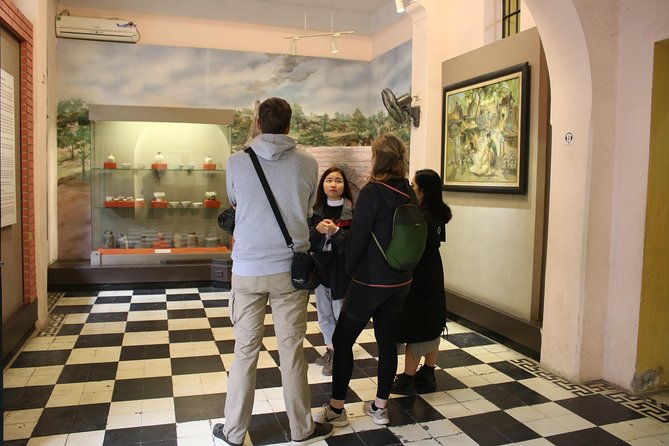
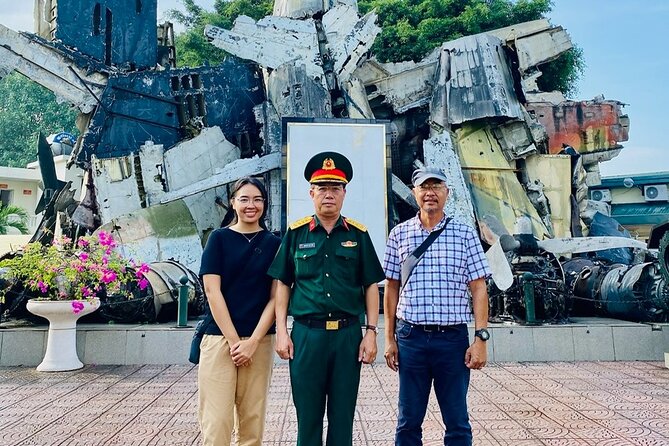
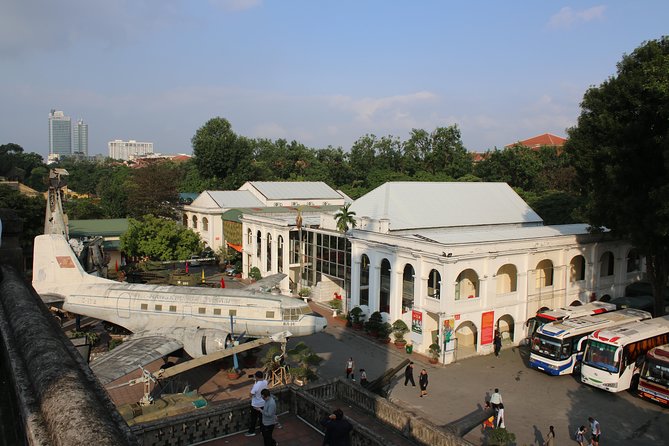
Vietnam Military History Museum and Hoa Lo Prison, the heart of the story
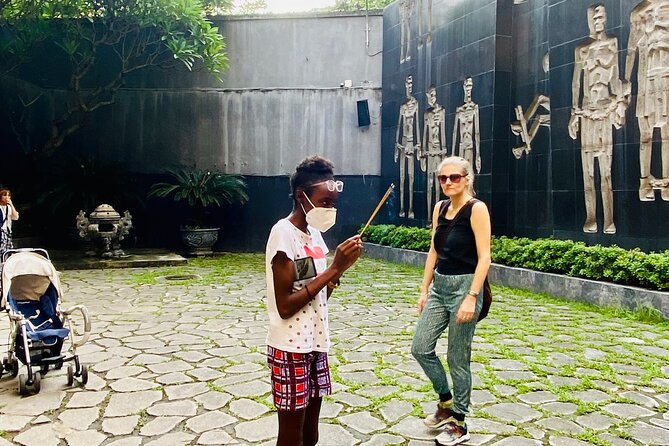
The headline theme is Vietnam’s military history, handled in a way that mixes artifacts with lived context. You visit two key sites: Vietnam Military History Museum and Hoa Lo Prison, known as the Hanoi Hilton, now a museum.
Here is why that matters for you. Museums about wars can be emotionally heavy, but they can also help you understand what you are looking at in everyday Hanoi. After learning how the war period is documented through weapons, uniforms, and personal accounts, the rest of the city feels more connected. Even the memorial-style stops later on the route start to make sense as part of a broader narrative.
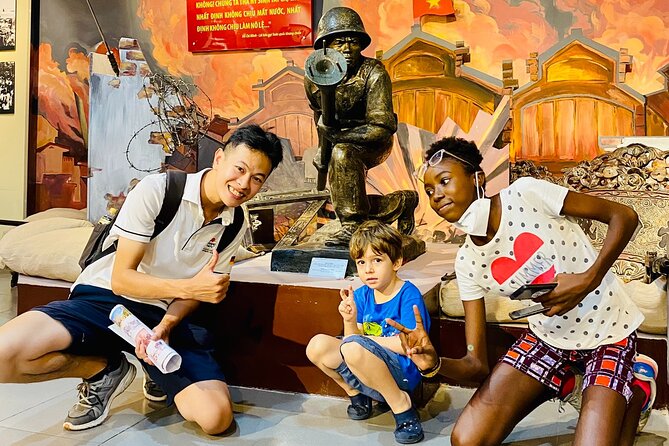
This is also where guide quality becomes crucial. The strongest praise in this experience is about storytelling, especially from guides like Kien, who is noted for both knowledge and enthusiasm. That combination is what turns a collection of wartime relics into a story you can follow. If you care about history but do not want to be overwhelmed, this structure can work well, because the guide aims to keep things understandable while you still get serious content.
You should expect a mix of outdoor sightseeing and indoor museum time. If you plan to dress for a cool morning, bring layers you can take off. Museums can be cooler than the street, so comfort helps you stay focused on the artifacts.
Hoan Kiem Lake, French Quarter streets, and the Opera House pause
The route begins with a classic Hanoi scene, Hoan Kiem Lake, at its most active morning hour. This is when locals flow through tai chi, morning exercises, and joyful dances. For you, it is more than a photo stop. It is a chance to learn how Hanoi uses public space, where people move at their own pace and the city sounds gentler.
From there, you run through the French Quarter, passing tree-lined boulevards and grand façades, with cafés in the mix. This area helps you orient quickly, because the streets feel structured and the architecture gives you visual clues about different eras of the city.
Next comes Hanoi Opera House, one of those landmarks that you recognize even if you have never studied Hanoi before. You get a moment to admire the building’s role as a cultural anchor, without needing to commit to a full formal performance plan. Even if you are not a theater person, it is a solid “landmark break” that resets your focus after the lake.
A small consideration: these early stops are short. So if you want to linger for perfect photos, plan to do it during the brief pauses rather than expecting a long window.
Metropole elegance, the Old Quarter flower market, and a slower breath
After the big landmark impressions, the route shifts into Hanoi’s everyday texture. You pass the Sofitel Legend Metropole Hanoi, which is less about touring inside and more about seeing a legendary building sitting right in the center of city life. The best part here is contrast: you are moving fast, then you glance at a symbol of elegance and history, and it slows your mind down for a second.
Then you move into Hanoi Old Quarter Vietnam and reach a calmer pocket: a visit to a local flower market. This is one of the more unique moments on the run, because it is beauty and softness inserted into a route that otherwise focuses on sights and stories. For you, it is a chance to feel Hanoi as more than monuments. People buy flowers. Sellers chat. Colors pop against morning light.
If you get nervous about busy streets, the Old Quarter flower market stop is a good reset. You are still in the city, but you are not fighting for space in a chaotic intersection for every second. The route gives you a planned breath.
Potential drawback: like the other city stops, the flower market time is brief. If you love markets and want to shop, you may want to come back later on a day with more time. The tour’s value here is observation, not shopping endurance.
Long Bien Bridge and the ceramic mosaic mural along the river
One of my favorite ways to understand a city is to follow its water edges. This route does that. You walk along Long Bien Bridge, an atmospheric riverside crossing with sweeping views and a glimpse into Hanoi’s living history. Even when you only have a short stop, the bridge’s scale and the river perspective help you understand where the city opens up.
Then you hit the Hanoi Ceramic Mosaic Mural, a long riverside artwork that stretches for kilometers and tells stories through color and texture. This is the kind of detail that makes a run route feel more than just sightseeing. You are literally moving beside a long line of narrative, which means you get visual continuity instead of isolated landmarks.
A practical tip: artwork like this can be long, and your stop time can be limited. So look for one or two story sections you like, then get a quick shot. Trying to photograph everything might make you miss what is actually happening around you.
Also, riverside stops can feel breezy. If you get cold easily in the early morning, bring a light layer you can zip up. You will likely feel it more on the bridge than in the Old Quarter streets.
More Hanoi tours and experiences for the shortlist


Truc Bach calm, the McCain memorial, and Trấn Quốc Pagoda
The route gives you a change of pace with Hồ Truc Bạch, also known as Truc Bach Lake. You relax by the water for a short stretch. For you, this is a mental recovery stop. The city’s intensity softens, and you get scenic views and a gentle breeze. It is a good time to slow your breathing before the route turns back into bigger, weightier stops.
Next comes the John Sidney McCain Memorial, a place that reflects stories from the Vietnam War and offers insight into a significant chapter of that history. In the context of this tour, it functions like a bridge between museum artifacts and public memory. You are not only reading what happened, you are seeing how that story is referenced in modern Hanoi space.
Then you visit Chua Tran Quoc, or Trấn Quốc Pagoda, described as Hanoi’s oldest temple on the lake. Even in a brief visit, you get the calm you expect from a temple setting, a chance to notice spiritual architecture and lake-side stillness.
One consideration: religious sites can mean you should dress respectfully. This is not stated in the information you gave, so I will keep it general, but it is a safe rule anywhere. If you plan to wear light shorts or tank tops, consider bringing something to cover shoulders or legs quickly.
Ho Chi Minh Mausoleum from outside, then Train Street before the crowds
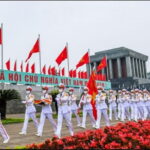
The last stretch is where the tour earns its “morning” identity. You see the Ho Chi Minh Mausoleum from the outside, and the morning atmosphere is described as solemn with a quiet grandeur. Even without entering, it lands emotionally because of its national symbolism.
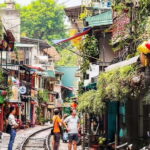
Then you finish at Hanoi Train Street, with a key tip: arrive early to enjoy it before the crowds come. This matters a lot. Train Street can get intense later in the day, and the charm of the experience is catching daily life near the tracks with fewer people blocking your view.
Why this stop works at the end: after museums and memorial places, Train Street becomes a final reminder that history and present-day routine sit side by side in Hanoi. You go from artifacts and war-era storytelling to a street scene where the city lives right next to the tracks.
A practical note: Train Street is not a museum you can “read” slowly. It is a quick, vivid moment. If you want photos, position yourself carefully and be ready to move. If you want a slower look, prioritize people watching over gear shots.
Pacing, fitness, and what to wear for a 2-hour morning run

The tour is listed for a moderate physical fitness level, so it is not a couch-to-5K plan, but it also is not an all-out marathon. You should be comfortable with a brisk morning pace and some running segments. Short stops throughout help, but you still spend real time moving between sights.
Here is what I think you should plan for:
- Wear comfortable walking shoes with good grip. Streets can be slick or uneven.
- Bring layers for early morning. You start cool, then you warm up quickly once you get moving.
- Drink water, even if it feels cool at 6:00 am.
- Expect to stay aware of surroundings. Hanoi traffic is part of the environment.
One reason the small group matters is the ability for the guide to manage pacing. With a group of about six people on the route, you are less likely to get stretched out. That is also where guide support shows up. When Cong bikes behind and helps block traffic, it reduces the stress of crossing and moving in tight gaps.
If you are traveling with someone who likes history but fears running, this can still work because you get frequent stops. Just be honest with yourself about your comfort level. This is a run tour, not a sightseeing bus with occasional stops.
Value for $30: what you get, and where it delivers
At $30.00 per person for about 2 hours, this is a strong value if you care about both logistics-free touring and guided context. The tour includes a guide, and it also states that entrance fees are included for convenience. That matters because it saves time and reduces the mental friction of hunting for tickets while you are trying to keep the pace.
You also get a mobile ticket, which is usually faster and easier than paper. And you get a smaller group experience, with a maximum of 10 travelers, which makes the tour feel closer and more interactive. When the guide is genuinely good at storytelling, you get more than sightseeing. You get meaning.
The strongest deliverables are:
- Military museum storytelling that turns artifacts into clear context, especially with guides like Kien.
- Practical running support that reduces stress, like Cong biking behind to help manage traffic.
- Route variety that mixes calm lake life, grand architecture, riverside views, memorial stops, and Train Street.
Where it might not be for you: if you want to spend long minutes in one place, this route favors movement and multiple viewpoints instead of deep single-location time. It is designed for breadth in a short window.
Should you book this Hanoi morning 12K run?
Book it if you want Hanoi in two layers at once: the quick-moving city you can map on foot, plus the serious historical context that explains why certain places feel the way they do. The guided mix of Vietnam Military History Museum and Hoa Lo Prison with a morning sightseeing circuit can make your day in Hanoi feel more grounded and less random.
I would skip it if early starts and running portions will make you cranky. Also, if you prefer to read and linger rather than move through the streets, you may feel rushed.
If you do book, come prepared to move, and lean into the guide. When the guide is focused on storytelling, like Kien’s museum approach, you get a better experience than just ticking off stops. And since the tour ends at Train Street, you are smart to plan on arriving with enough energy left to enjoy that final street moment before the crowd pressure kicks in.
FAQ
What is the duration of the Morning Run Through Historic Hanoi?
It runs for about 2 hours.
What time does the tour start?
The listed start time is 6:00 am.
Where do I meet the guide?
You meet at the HSBC ATM at 51 P. Lương Văn Can, Hàng Trống, Hoàn Kiếm, Hà Nội, Vietnam.
Where does the tour end?
The tour ends at 3 P. Trần Phú, Hàng Bông, Hoàn Kiếm, Hà Nội 100000, Vietnam, at Train Street.
Is this tour only in the morning?
You can choose from morning or afternoon tour time.
How many people are in the group?
The tour has a maximum of 10 travelers, and it is described as a small group experience.
What’s included in the price?
A tour guide is included, and entrance fees are included for convenience. You also use a mobile ticket.
What kind of fitness level do I need?
A moderate physical fitness level is recommended.
Can I cancel and get a full refund?
Yes, you can cancel up to 24 hours in advance for a full refund.
More Morning in Hanoi
More Historical Tours in Hanoi



More Tour Reviews in Hanoi





Not for you? Here's more nearby things to do in Hanoi we have reviewed








More Hanoi City Tours to consider.
 ★ 5.0Hanoi Jeep Tour: Food, Culture and Fun by Vietnam Army JeepTickets from $5515,222 traveller reviews
 ★ 5.0Full-Day Ninh Binh Highlights Tour from HanoiTickets from $797,761 traveller reviews
 ★ 4.7Ha Long Bay Day Cruise – Swimming, Meal, KayakingTickets from $417,415 traveller reviews
 ★ 4.6Water Puppet Show TicketsTickets from $77,029 traveller reviews
 ★ 5.0Hanoi Motorbike Tour: Food, Culture and Fun by Vintage MotorbikeTickets from $556,699 traveller reviews
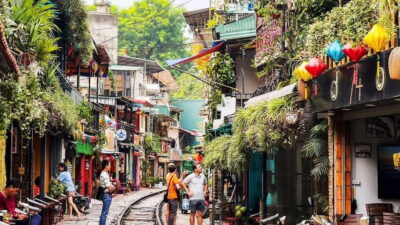 ★ 4.9Guided Food Tour with Train Street VisitTickets from $196,239 traveller reviews
 ★ 5.0Hanoi Cooking Class: Culture, Local Market & Meaning CSR ImpactTickets from $395,147 traveller reviews
 ★ 5.05 Traditional Dishes Hanoi Cooking Class with Market TripTickets from $354,890 traveller reviews
More useful Hanoi routes