
Review · HANOI CITY TOURS
From Hanoi: Sapa 2D1N Homestay overnight by Morning bus
Two days, three villages, and cold air. This Sapa homestay trek gives you a fast look at ethnic communities, plus real time walking the Muong Hoa valley. You also get guided support while you settle into local life in Ta Van.
I really liked the combination of guided hiking and structured village stops, from Y Linh Ho and Lao Chai to Ta Van. I also enjoyed the hands-on spring roll cooking class, because it turns dinner into something you actually understand. One consideration: there can be frequent selling attempts in village areas, so decide in advance what you want to buy, and what you do not.
Quick hits on this Hanoi to Sapa homestay trek

- Modern overnight bus, timed for daytime exploring so you arrive in Sapa ready to hike, not still half-asleep in bed.
- Village route through Y Linh Ho, Lao Chai, and Ta Van with a practical mix of walking and scenic valley crossing.
- A homestay in Ta Van Village plus a cooking class focused on traditional Vietnamese spring rolls.
- A second day trek (Giang Ta Chai and Supan) that keeps the cultural focus going after lunch.
- Guides named Phinh and Chin have both been praised for being kind, helpful, and clear about what you are seeing.
The real feel of Sapa on a tight 2 days
If you only have a short window, this is one of the better ways to do Sapa without spending your whole trip on transfers. You start with an early Hanoi pick-up, ride the new highway to Sapa, then get walking and village time the same day. That timing matters. It keeps your energy from being wasted and lets you see more than just one town square and a souvenir stop.
Day 1 is about arrival plus a gradual build into the trek. You will hit the big ethnic costume moment first in Sapa town, then move into the villages. Day 2 shifts the focus fully to village life and local customs. The rhythm is simple: transportation, guided walks, meals, then back to Hanoi.
Two other practical perks: you are not planning every detail yourself, and the trip includes meals and entrance tickets. At $60 per person, that bundle is the difference between a “tour” and a “scattered itinerary.”
More Hanoi tours and experiences for the shortlist

Day 1: Hanoi pick-up, Sapa town, then the walk to Ta Van
Your day starts early, with a hotel pick-up in Hanoi between 6:00 and 6:30 AM. You travel via a highway route, plus a pit stop for a breather. It is the kind of morning schedule where a good breakfast back in Hanoi helps. Even if you think you will be fine with only bus snacks, you will likely want something in your stomach before you start climbing and walking later.
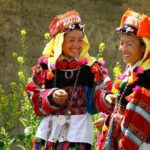
You reach Sapa town around 13:00 to 13:30. This is your first cultural introduction. You will see people wearing traditional clothing from ethnic groups such as H’mong, Dzao, and Tay. For many first-timers, this is the most direct and visual way to understand why Sapa is different from lowland Vietnam. It is not just scenery. It is identity you can see right away.
From there, the trip includes welcome drinks and an itinerary briefing. Then comes lunch with local Vietnamese dishes. Practical note: eat like you mean it. Day 1 includes a trek that adds up fast, and you do not want to run out of fuel halfway through.
Trek section: Y Linh Ho to Lao Chai, then onward to Ta Van
The walking part is measured but still real. You trek about 6 km to Y Linh Ho, then another 3 km to Lao Chai. This is not a flat stroll. The terrain in the Sapa area tends to be uneven, and your pace will slow on dirt paths and steps.
You then cross into the Muong Hoa valley using a small tunnel or bridge. The exact crossing is not the point. The point is transition. You go from village edges into a wider valley feel, where the air gets cooler and the walks begin to feel more “out there.”
By around 16:00, you reach Ta Van village. That timing helps. You are not arriving in total darkness, so you can orient yourself and actually enjoy the homestay setup rather than rushing straight into sleep.
What makes Ta Van start so good
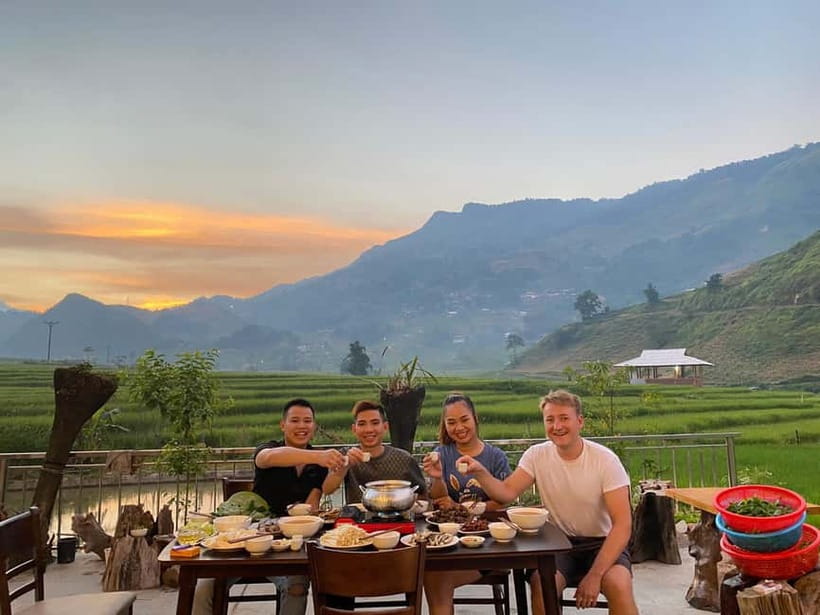
Check-in at the homestay is followed by a cooking class. You learn to make traditional Vietnamese spring rolls, then enjoy dinner. For me, the value here is that you get a skill you can talk about later. It also changes the mood of the night. Instead of just eating what is served, you understand the process and ingredients you are using.
If your group is led by a guide like Phinh, you can expect an experience that is friendly and informational. The best kind of guidance in Sapa is the kind that points out what matters, not just where to step next.
The homestay night in Ta Van: food, community rhythm, and cold air
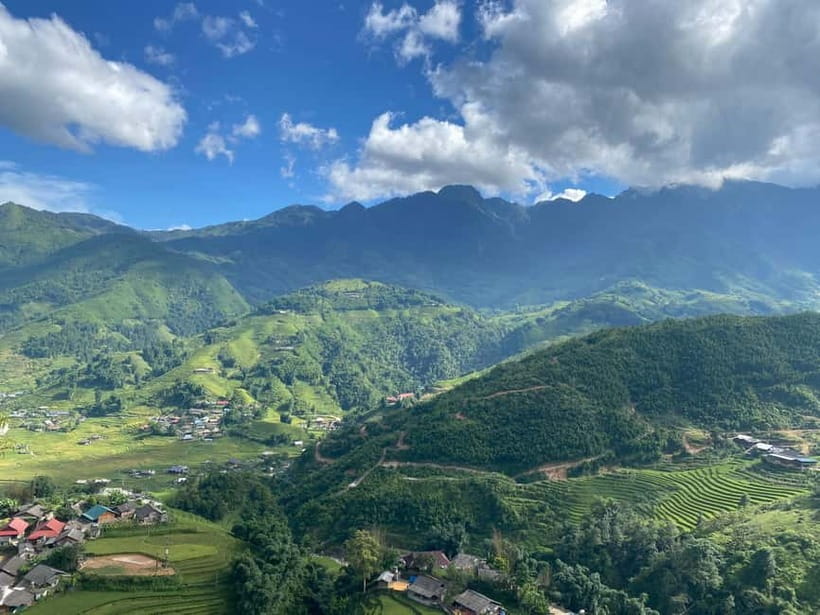
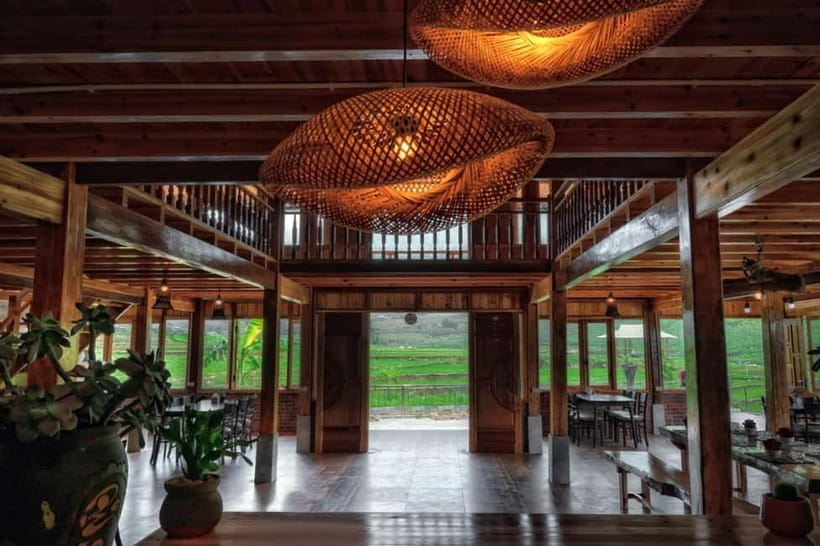
Sleeping in a homestay is not about luxury. It is about routine and contact. You will spend the night in Ta Van village, and that means you are closer to how people live, not just passing through for photos.
After the spring roll class and dinner, the evening tends to be straightforward. You likely settle in, get some downtime, and then prepare for the longer walk of Day 2. Because the Sapa area can be chilly, bring the mindset that you will probably want warm layers. Cold hands make everything feel slower, including eating and sleeping.
One small tip that makes a difference: ask your guide for a quick sense of the next day’s pace when you check in. You will not get much value from trying to “wing it” with no idea how soon you will be back on your feet.
More Hanoi tours and experiences for the shortlist
- Doris Cruise 5 star cruise 2 days visiting Halong Bay Lan Ha Bay private balcony
★ 5.0 · 2,338 reviews





Day 2: Giang Ta Chai and Supan village trek, then back to Sapa and Hanoi
Day 2 begins with breakfast at the homestay, then the group heads out. This is your second trek: about 8 km total, split across visits to Giang Ta Chai village and Supan village.
Giang Ta Chai: Red Dao culture focus
Giang Ta Chai is where you will learn about the customs of the Red Dao people. This is more than a photo stop. The idea is that the guide explains what you are seeing and connects it to daily life and traditions. If you care about culture, this portion is the core reason many people book a homestay trek instead of a sightseeing-only day.
The walking here can feel longer than it looks on paper, because you are already fresh off Day 1. Your body may be fine, but your legs will know they worked yesterday. Slow down on the first hour. Save your confidence for the middle.
Supan village and the pace reset
After Giang Ta Chai, you continue toward Supan Village. By this point, the best way to enjoy it is to focus on steady movement and what the guide points out. The most exhausting tours are the ones where you rush to match everyone else’s photos and energy.
At noon, you get lunch at a local restaurant. This is another practical checkpoint. Eat something filling but not overly heavy, because you will be picked up later.
Return to Sapa town and the bus to Hanoi
Around 14:00, a car picks you up and returns you to Sapa Town. The plan then is to meet the group at the hotel and board the bus back to Hanoi by 15:00 to 15:30.
You reach Hanoi around 21:30. That is a long day, but it is manageable if you treat it like a full travel day, not a day to also squeeze in extra plans afterward.
One more note on guides: people have specifically praised guides like Chin for being excellent and for paying attention to tracking, especially when weather gets messy. That matters because fog and low visibility can turn “easy navigation” into “you need to trust someone who knows the route.”
How hard is this trek, really?
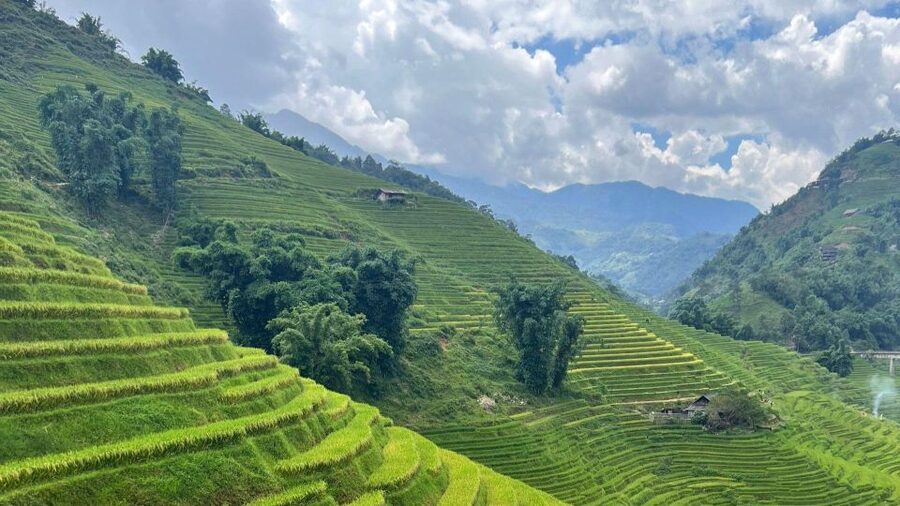
The tour is labeled as a trek, and it earns that word. One review called out that it requires fitness because you walk a lot. I agree with the spirit of that warning even without guessing your exact route speed.
Think of it like this:
- Day 1 totals about 9 km of trekking (6 km plus 3 km), plus travel and valley crossing time.
- Day 2 adds another 8 km trekking.
- You are walking in rural village paths and changing terrain.
So this is not a “flat walking tour.” If you have knee issues, or you rarely walk more than 20 minutes at a time, I would hesitate. If you can do a steady hour of walking at home, you are probably in decent shape.
Pack like you will get cold
Weather in Sapa can shift fast. One traveler noted cold and fog but also said tracking was great. That combination is a reminder: bring layers you can adjust. Even if it is dry at noon, fog can make temperatures feel lower the moment you enter the valley paths.
Price and value: is $60 a good deal for this mix of bus, guide, homestay, and meals?
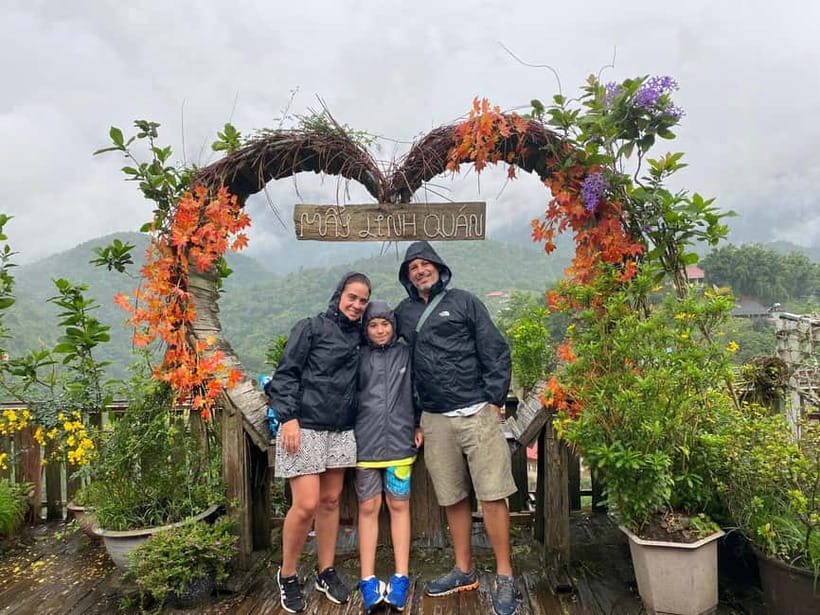
At $60 per person, this is best viewed as a “bundle deal” rather than paying separately for transportation, a guide, a homestay night, and meals.
Here is what you get included:
- Sleeping bus ticket Hanoi to Sapa and back, with modern facilities
- English speaking tour guide during the trip in Sapa
- 1 night at a homestay in Ta Van village
- Meals: two lunches, one dinner, one breakfast
- Entrance tickets as stated in the plan
What is not included:
- Government tax, beverages
- Single supplement
- Travel insurance
- Anything not clearly listed
- Private rooms are not included
- Public holiday surcharge if it applies
So is it good value? Usually yes, because you are paying for the whole structure. The bus portion alone can cost a meaningful amount when you book it separately. And the homestay plus cooking class plus guided cultural walks are exactly the kind of costs that balloon when you try to piece it together yourself.
The tradeoff is that you are doing it in a tight schedule, with no private-room option included. If you strongly prefer privacy and quiet, you may find a different homestay setup better. If you want a social group trek with meals and guidance handled, this price makes sense.
Weather, fog, and why guide skills matter
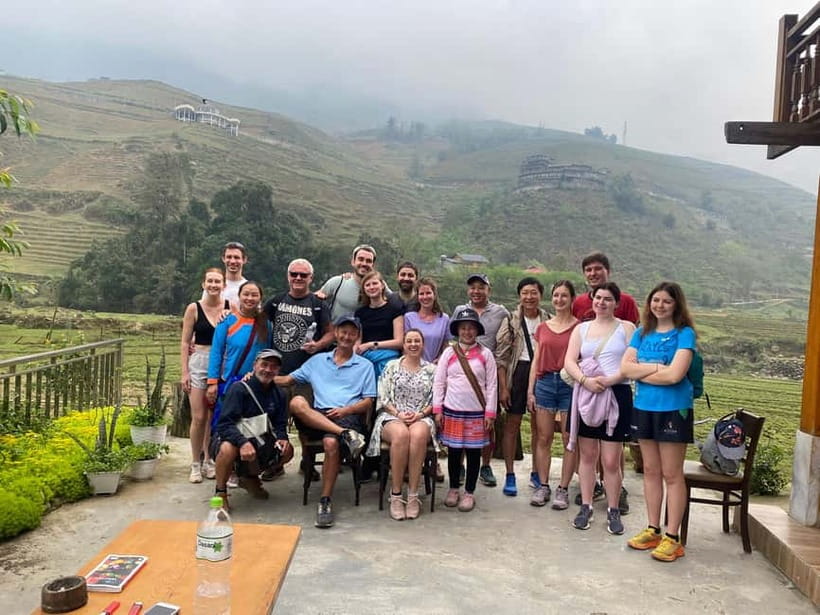
Sapa weather is famous for being moody, and fog can change how the day feels. The good news is that your experience is not left to luck. The trip includes a guided route with tracking, and guides have been praised for their calm, helpful approach.
If fog rolls in, you will care less about perfect photo angles and more about getting your footing and staying on schedule. That is where an experienced guide earns their place. It is also where being dressed correctly matters, because wet, cold air can sap energy fast.
If you want photos, aim to keep expectations flexible. The trek still works in fog. Just treat it like a “feel the mountains” day, not a “clear skies only” day.
Who this Sapa trek is best for
This fits best if you:
- Want a cultural walking trip with ethnic village visits
- Like guided explanations, not just free time
- Are okay with early days and a full return to Hanoi at night
- Prefer a homestay experience over a hotel-only route
It may not be the best fit if you:
- Need a very private accommodation setup, since private rooms are not included
- Have trouble with long walks and uneven paths
- Get stressed by frequent sales attempts along the way
That sales point is worth addressing directly. In village areas, some interactions can feel repetitive. You will enjoy the trip more if you set boundaries in your head before you arrive, and decide if you want to buy something specific or simply enjoy the walk.
Should you book this 2-day Sapa homestay trek from Hanoi?
I would recommend booking if you want a well-paced, guided, meal-included Sapa experience and you are comfortable with real walking. The combination of bus logistics done for you, a Ta Van homestay night, and the spring roll cooking class gives you more than sightseeing. You come away with stories that are tied to something you did, not only something you saw.
Skip it or choose another option if you strongly dislike trekking, need private-room comfort, or know you do not handle village selling interactions well. In those cases, the homestay part can turn into frustration instead of connection.
If your legs are ready and you can roll with cold air and occasional fog, this is a solid value way to experience Sapa in limited time.
FAQ
What time is the pick-up in Hanoi?
You are picked up from your Hanoi hotel between 6:00 and 6:30 AM.
What time do you arrive in Sapa on Day 1?
You arrive in Sapa town around 13:00 to 13:30.
How long is the trekking on Day 1?
Day 1 includes a trek of 6 km to Y Linh Ho village, then 3 km to Lao Chai village.
How long is the trekking on Day 2?
Day 2 includes a trek of about 8 km covering Giang Ta Chai village and Supan village.
Is there an English speaking guide?
Yes. An English speaking tour guide is included during the trip in Sapa.
Are meals included?
Yes. You get two lunches, one dinner, and one breakfast.
Is a private room included at the homestay?
No. Private rooms are not included.
More 2-Day Experiences in Hanoi
- Doris Cruise 5 star cruise 2 days visiting Halong Bay Lan Ha Bay private balcony
★ 5.0 · 2,338 reviews
More Morning in Hanoi

More Tour Reviews in Hanoi



Not for you? Here's more nearby things to do in Hanoi we have reviewed






More Hanoi City Tours to consider.
 ★ 5.0Hanoi Jeep Tour: Food, Culture and Fun by Vietnam Army JeepTickets from $5515,222 traveller reviews
 ★ 5.0Full-Day Ninh Binh Highlights Tour from HanoiTickets from $797,761 traveller reviews
 ★ 4.7Ha Long Bay Day Cruise – Swimming, Meal, KayakingTickets from $417,415 traveller reviews
 ★ 4.6Water Puppet Show TicketsTickets from $77,029 traveller reviews
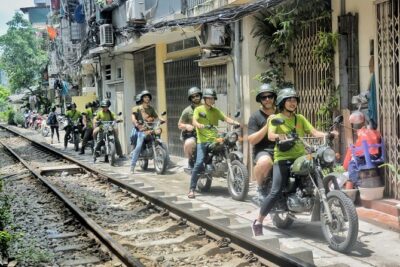 ★ 5.0Hanoi Motorbike Tour: Food, Culture and Fun by Vintage MotorbikeTickets from $556,699 traveller reviews
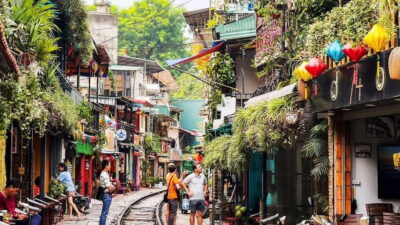 ★ 4.9Guided Food Tour with Train Street VisitTickets from $196,239 traveller reviews
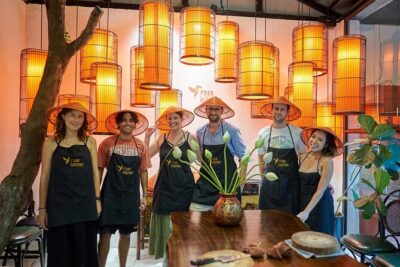 ★ 5.0Hanoi Cooking Class: Culture, Local Market & Meaning CSR ImpactTickets from $395,147 traveller reviews
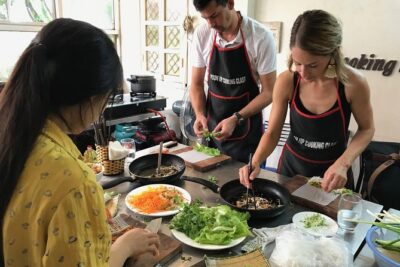 ★ 5.05 Traditional Dishes Hanoi Cooking Class with Market TripTickets from $354,890 traveller reviews
More useful Hanoi routes